
Australian Tusk
Dannevigia tusca
- Usual depth167–500 m
- Water temperature13–28 °C
- Best monthsMay, November, and December
- How commonRare
About this species
The Australian tusk, Dannevigia tusca, is a species of cusk-eel found in the waters off of the Great Australian Bight occasionally to Bass Strait at depths from 115 to 400 m. This species grows to 56 cm (22 in) in total length. It is the only known member of its genus and the generic name honours Harold Christian Dannevig (1860-1914) who was the Director of Fisheries for the Australian government, who collected type specimen and who was later lost at sea when the fisheries research vessel he was working on vanished without a trace.
Text from the Wikipedia article “Australian tusk”, licensed CC BY-SA 4.0. Read the article
Where and when
Where it has been recorded
Worldwide
Loading the map
Best months
Worldwide (open data)
- January: 0 records
- February: 1 records
- March: 0 records
- April: 0 records
- May: 3 records
- June: 1 records
- July: 2 records
- August: 1 records
- September: 1 records
- October: 0 records
- November: 5 records
- December: 3 records
Depth and water temperature
Depth
Mostly recorded at 167–500 m · Deepest record: 500 m
Water temperature
Recorded in surface water of 13–28 °C
Names and classification
- English
- Australian Tusk, Tusk, Tuskfish
Similar species
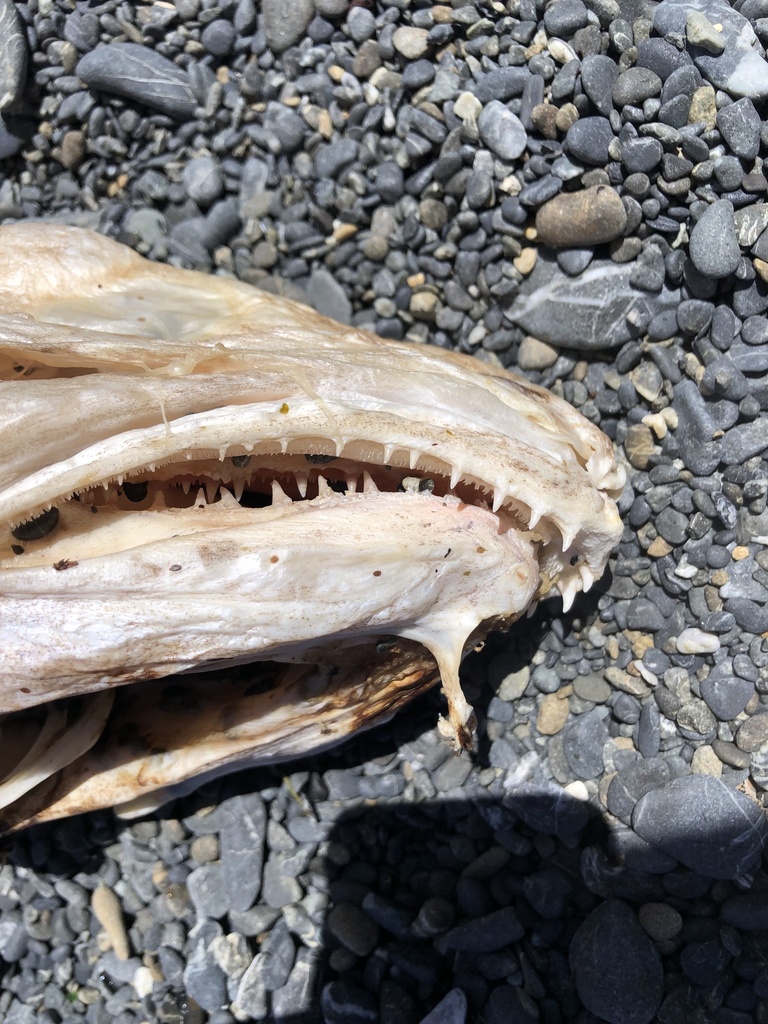 Pink cusk-eel
Genypterus blacodes
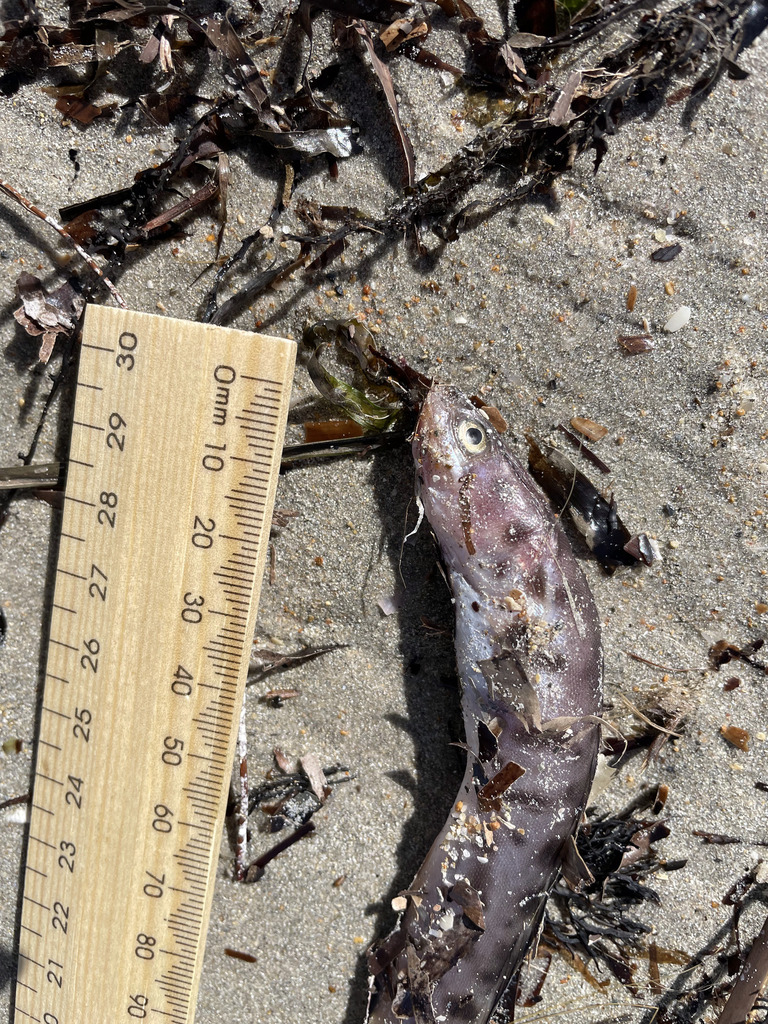 Ling
Genypterus tigerinus
- Digitate Cusk Eel
Dicrolene introniger
- Golden Cusk
Sirembo imberbis
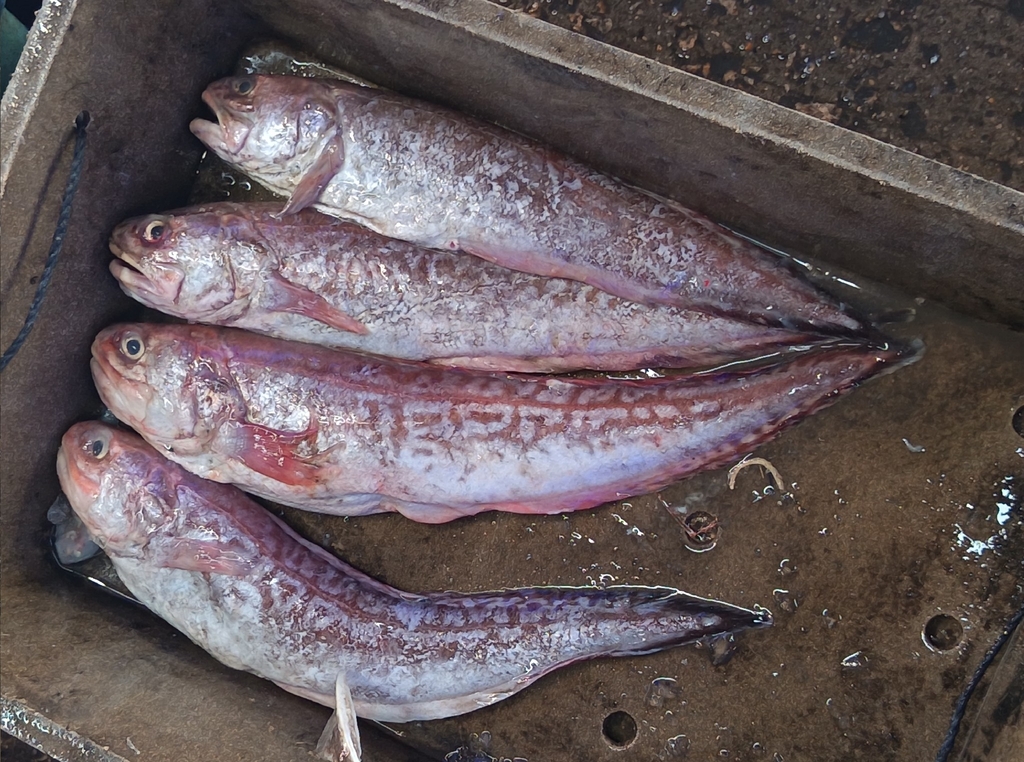 armored weaselfish
Hoplobrotula armata
- Alcock's Cusk-eel
Alcockia rostrata
Sources and credits
Names and taxonomy: WoRMS (CC BY 4.0) and the GBIF Backbone (CC BY 4.0). Photos: iNaturalist observers, each under the licence shown (CC0, CC BY or CC BY-SA).
- Depth, temperature, months and maps: records from OBIS and GBIF under CC0 or CC BY.
- Descriptions: Wikipedia, licensed CC BY-SA, each linked to its article.
- Conservation status as published by GBIF (IUCN Red List).
- 42 open-data records from 1960 to 2015.
- Species data updated November 2, 2026.
Log what you see on your next dive
The free DiveHive diver app keeps your logbook with every sighting and shows what lives at the site you dive next.