
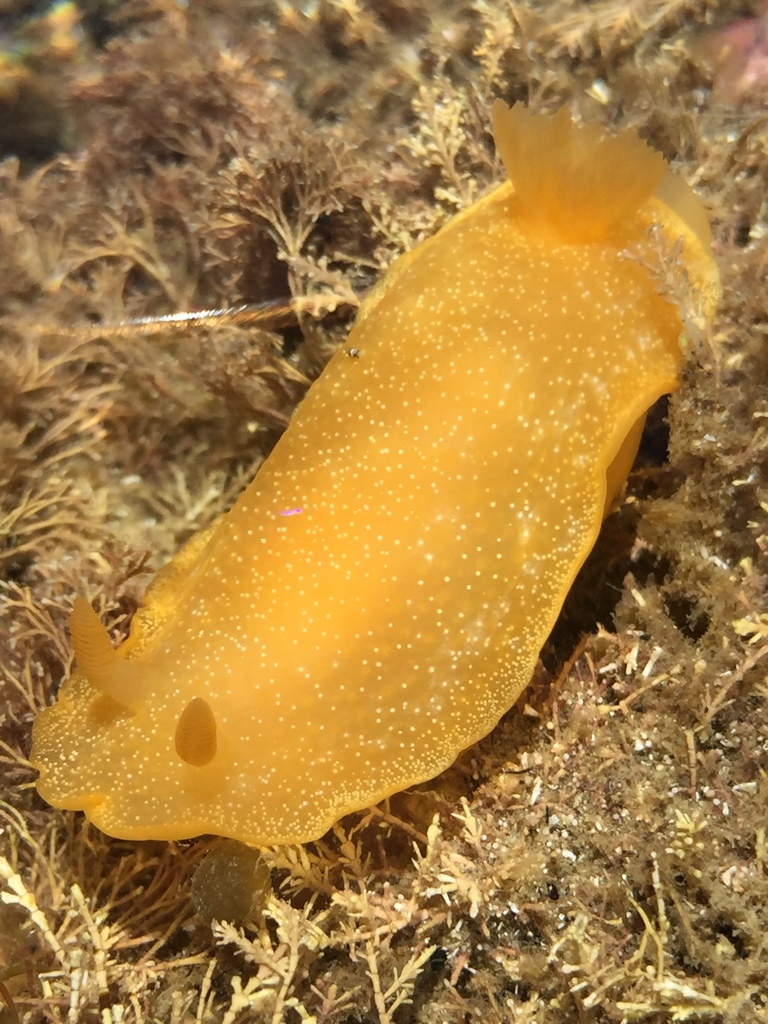
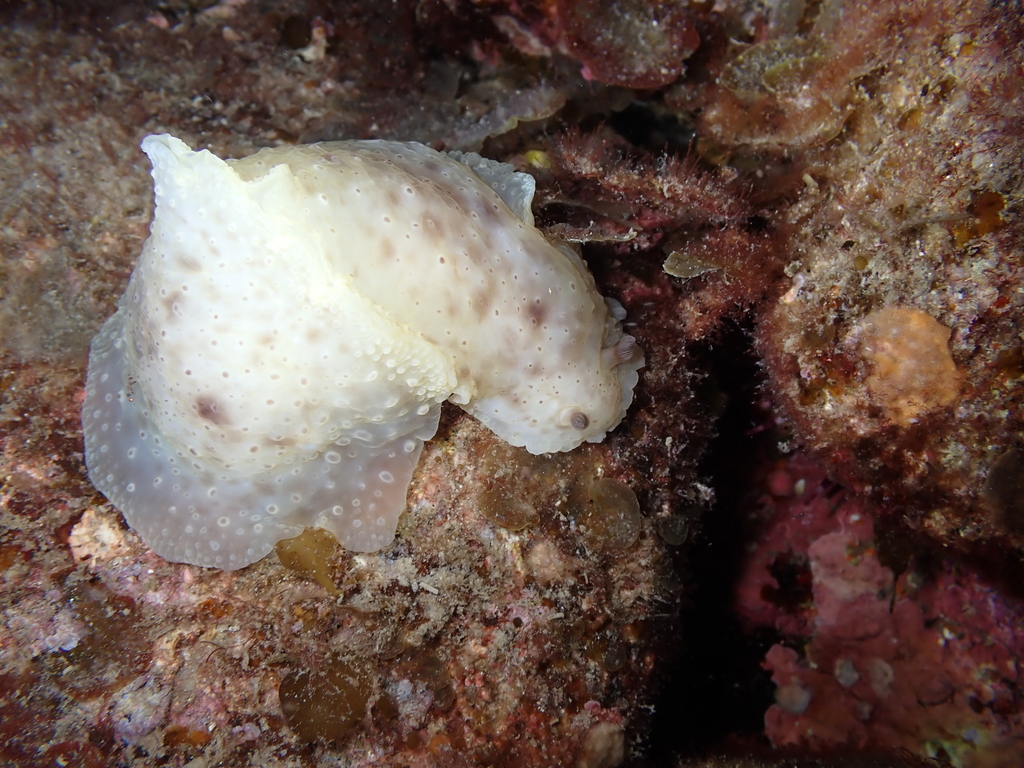
Lemon Nudibranch
Dendrodoris citrina
- Usual depth0–5 m
- Water temperature17–18 °C
- Best monthsJuly, August, and September
- How commonRare
Photo credit: (c) Stephen Thorpe, some rights reserved (CC BY), uploaded by Stephen Thorpe · CC BY · iNaturalist
Where and when
Where it has been recorded
Worldwide
Loading the map
Best months
Worldwide (open data)
- January: 16 records
- February: 12 records
- March: 12 records
- April: 34 records
- May: 52 records
- June: 48 records
- July: 110 records
- August: 102 records
- September: 107 records
- October: 88 records
- November: 43 records
- December: 20 records
Depth and water temperature
Depth
Mostly recorded at 0–5 m · Deepest record: 5 m
Water temperature
Recorded in surface water of 17–18 °C
Photos
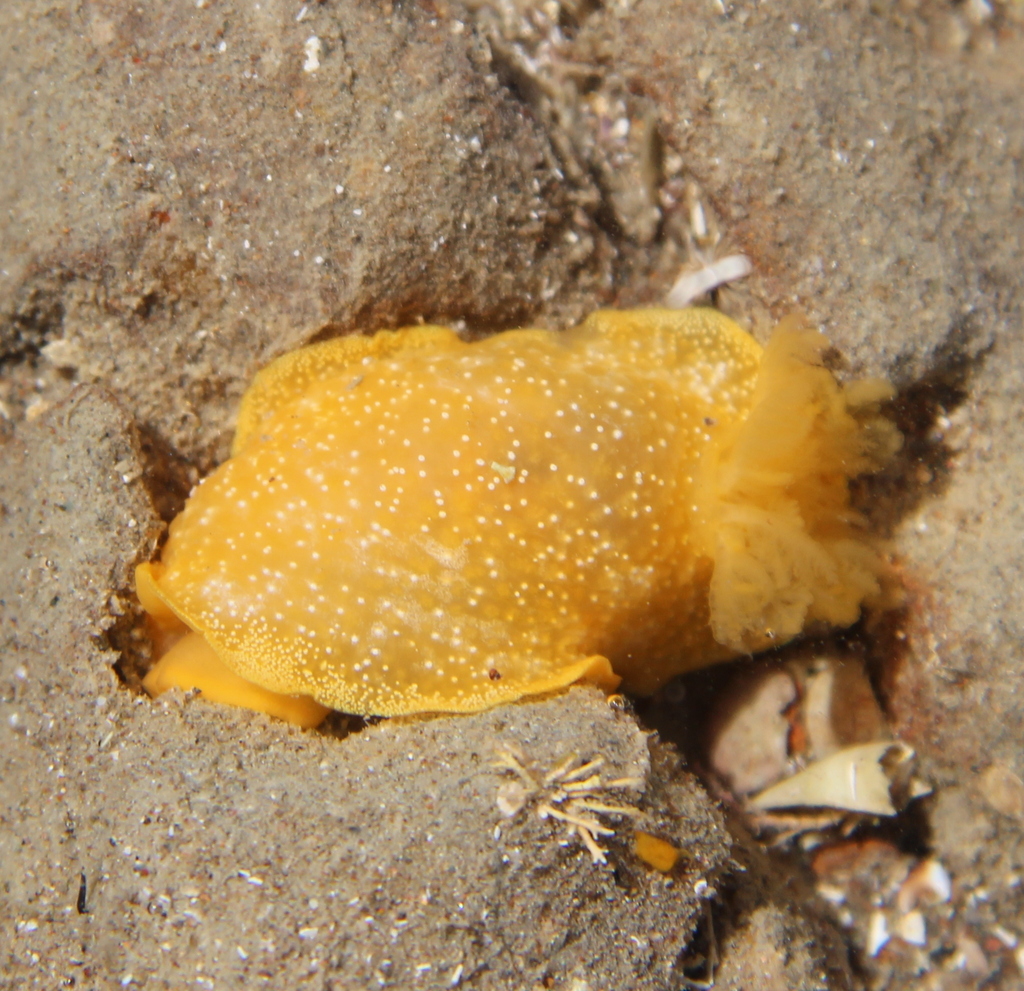
(c) Saryu Mae 前 朝琉, some rights reserved (CC BY) · CC BY · iNaturalist 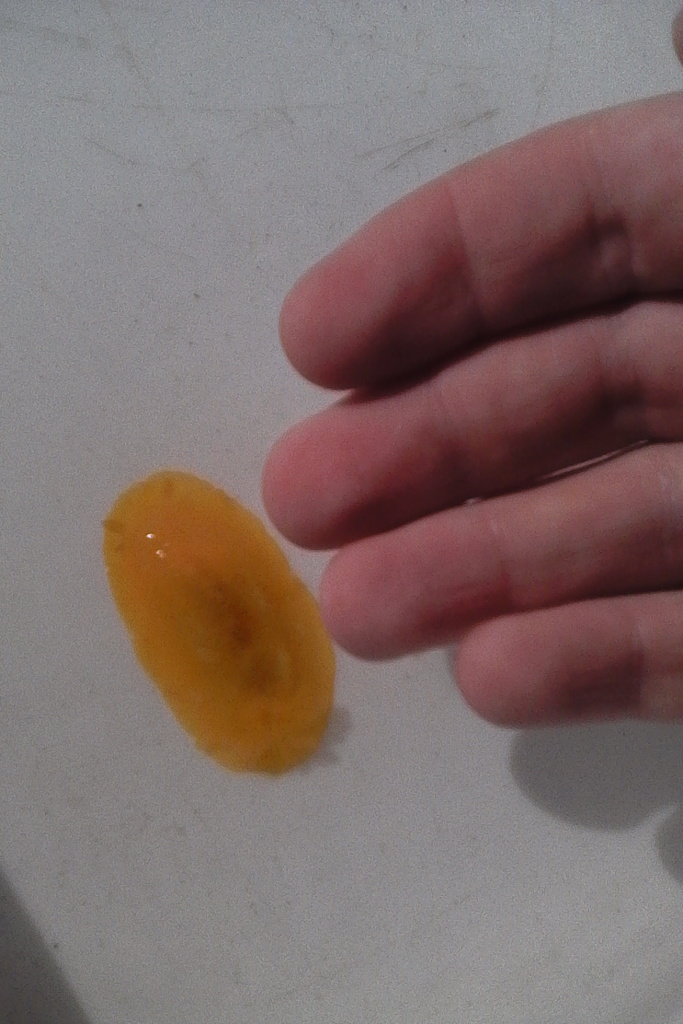
(c) Stephen Thorpe, some rights reserved (CC BY) · CC BY · iNaturalist 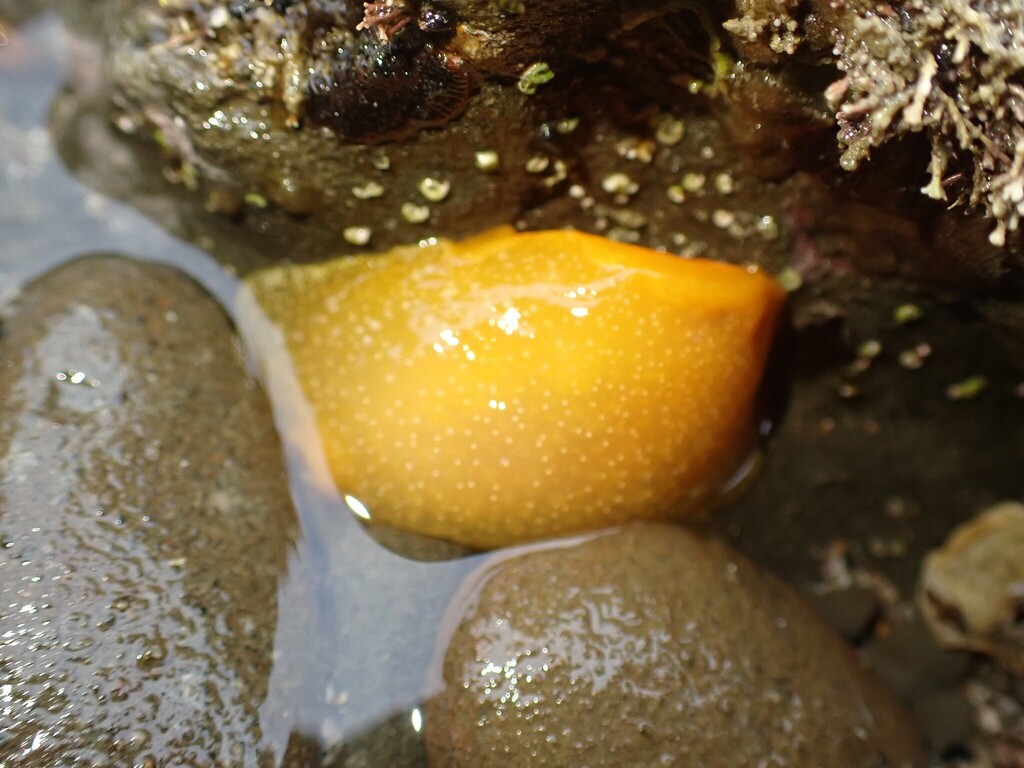
(c) Javier, some rights reserved (CC BY) · CC BY · iNaturalist 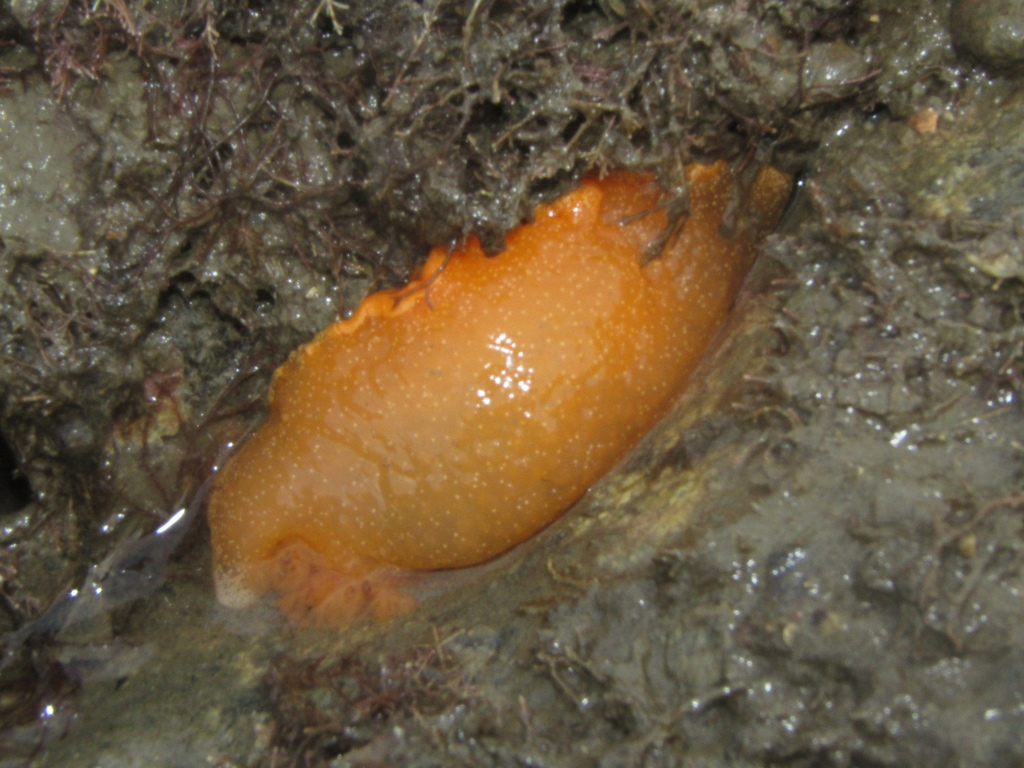
(c) Saryu Mae 前 朝琉, some rights reserved (CC BY) · CC BY · iNaturalist 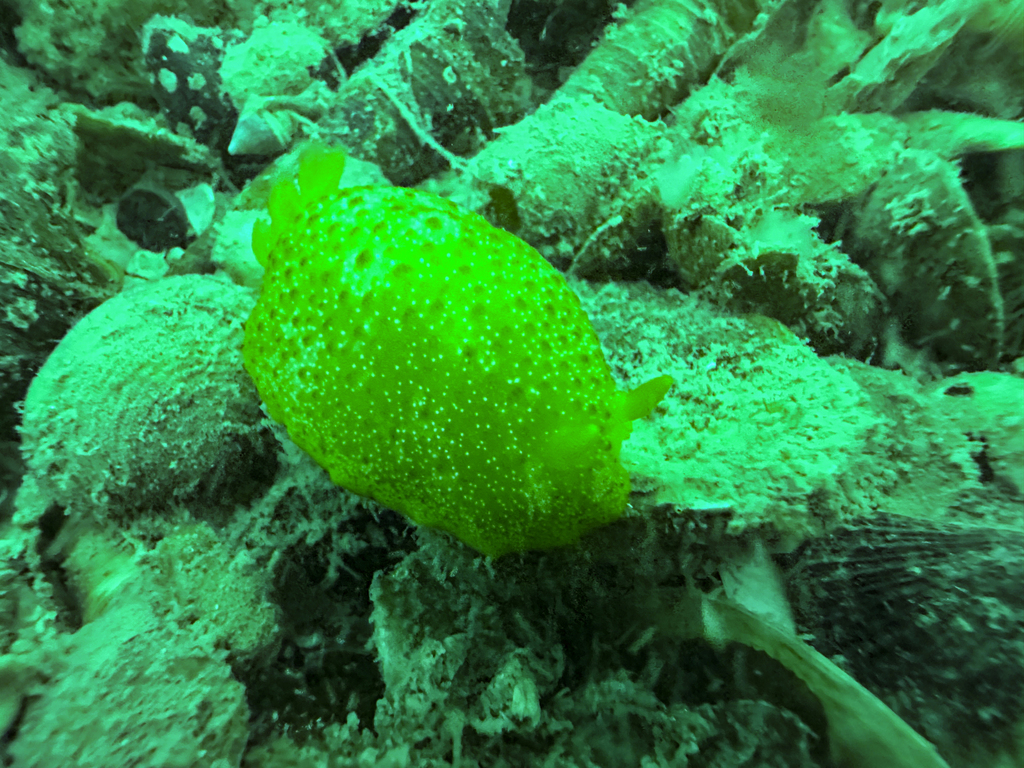
(c) Shaun Lee, some rights reserved (CC BY) · CC BY · iNaturalist 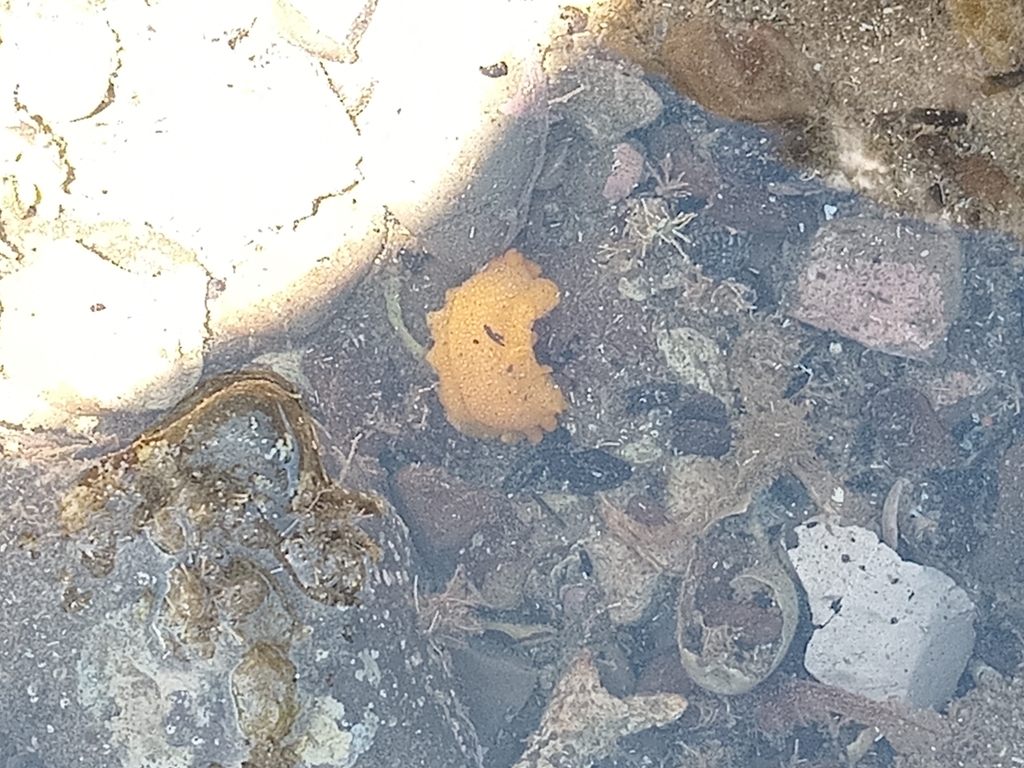
(c) Ross Laing, some rights reserved (CC BY) · CC BY · iNaturalist 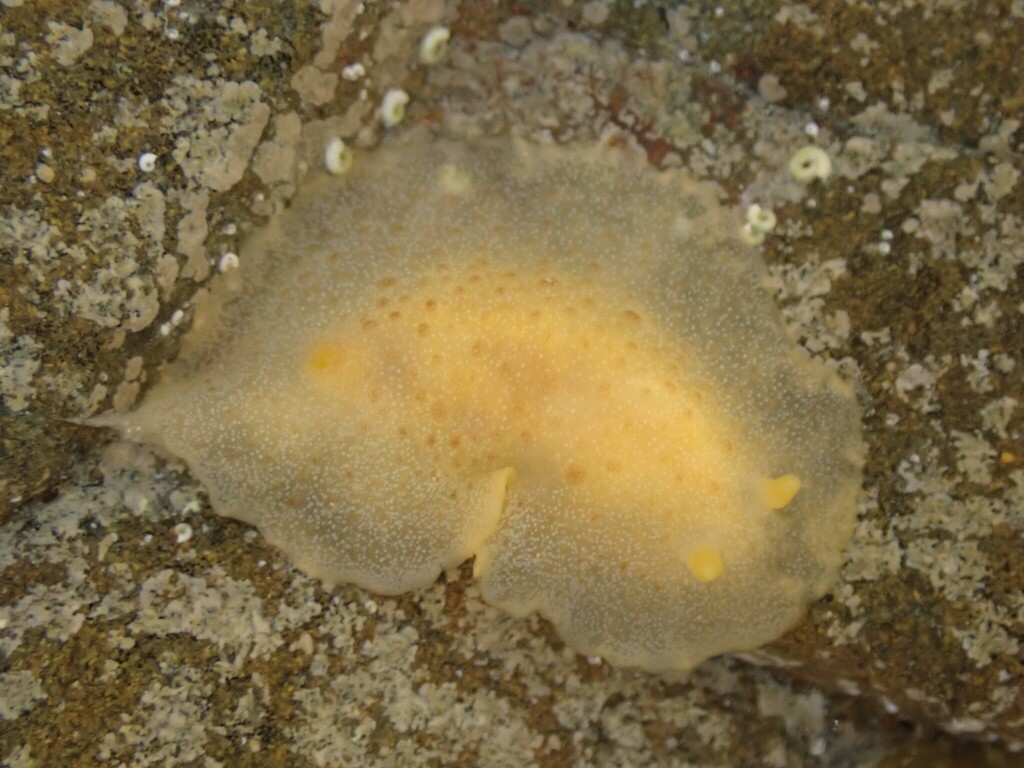
(c) Javier, some rights reserved (CC BY) · CC BY · iNaturalist
Names and classification
- English
- Lemon Nudibranch
Other scientific names: Doridopsis citrina
Similar species
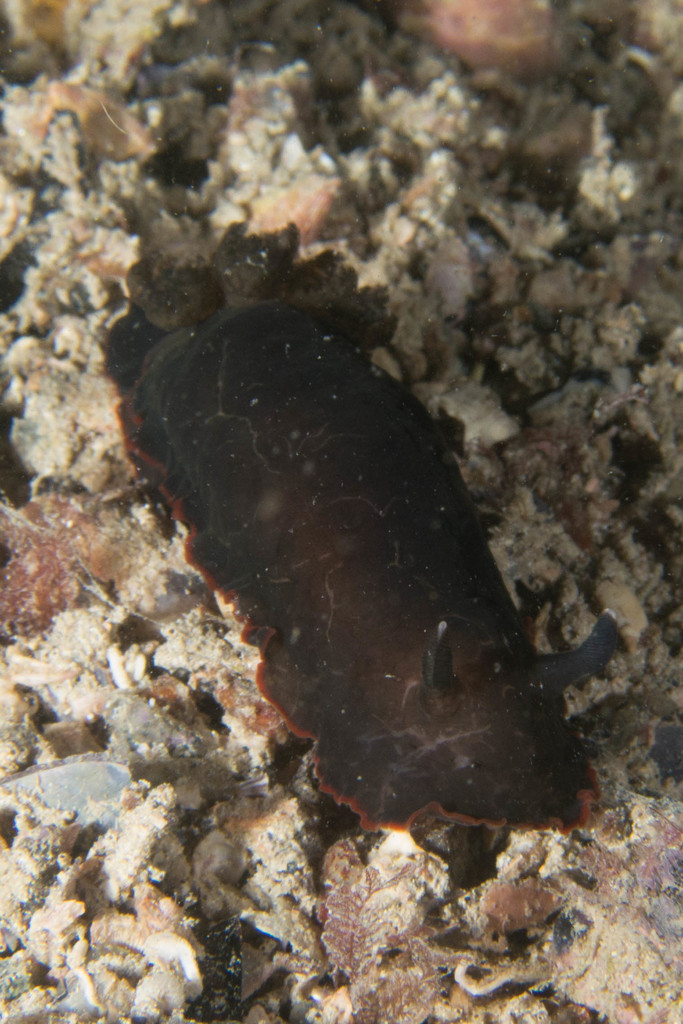 Bushy-gilled Sucking Dorid
Dendrodoris arborescens
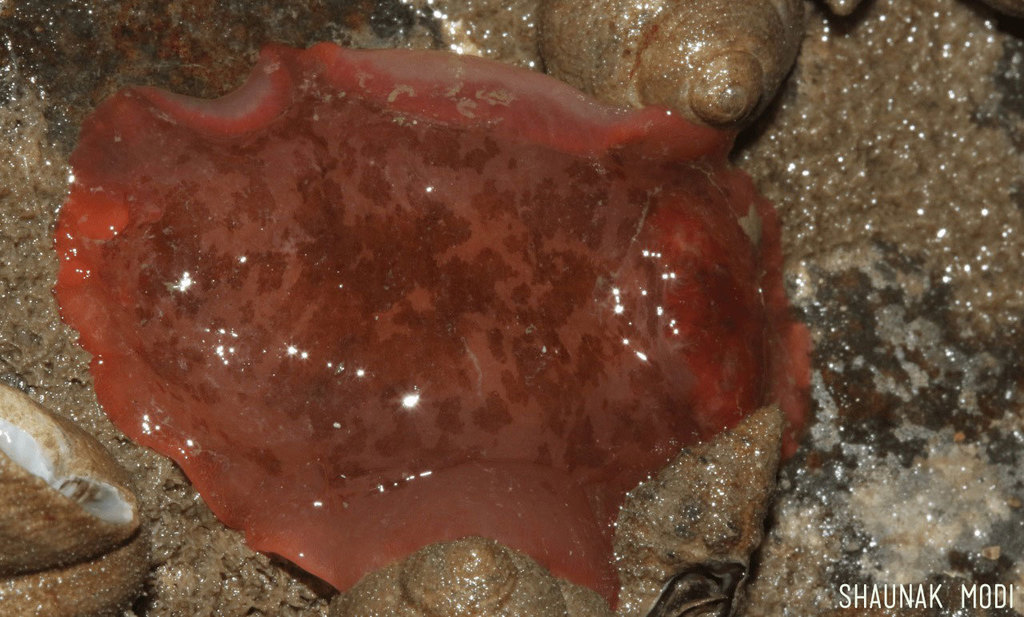 Smoky Sucking Dorid
Dendrodoris fumata
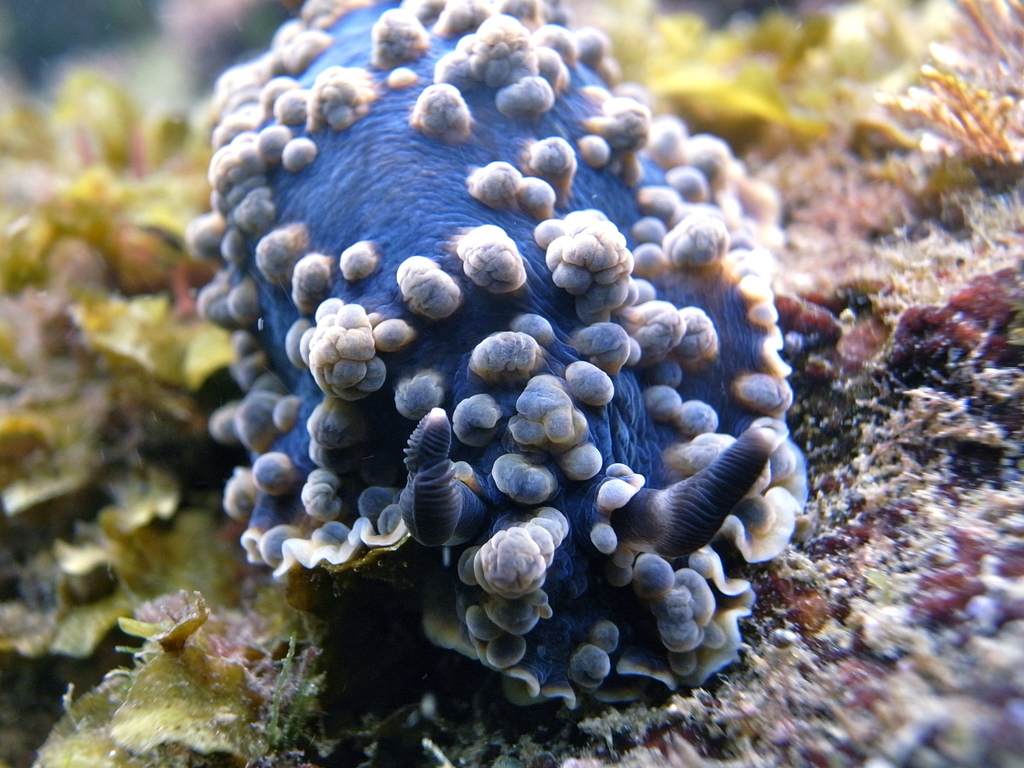 Dendrodoris gunnamatta
Dendrodoris krusensternii
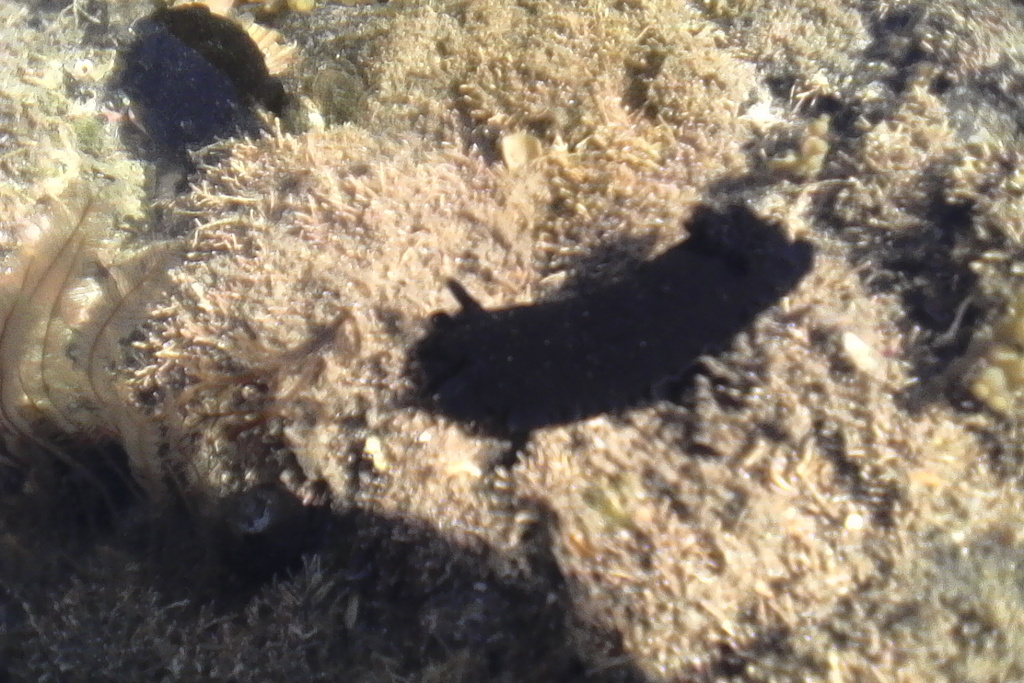 White-spotted Sucking Dorid
Dendrodoris nigra
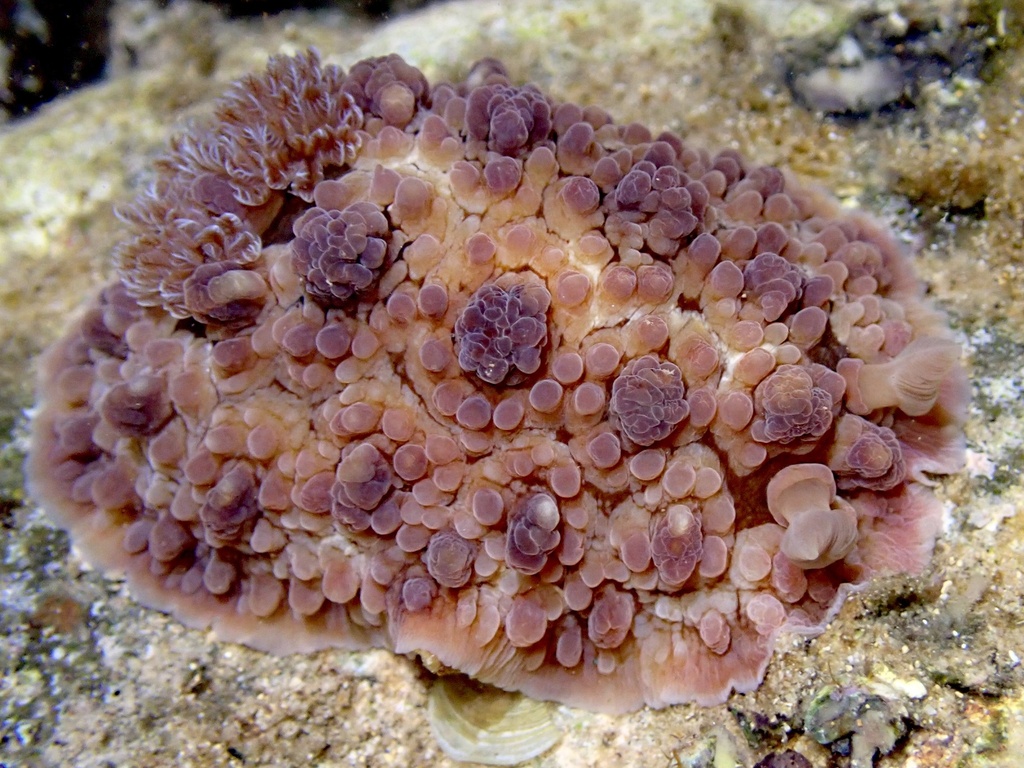 Carbuncle Sucking Dorid
Dendrodoris carbunculosa
Sources and credits
Names and taxonomy: WoRMS (CC BY 4.0) and the GBIF Backbone (CC BY 4.0). Photos: iNaturalist observers, each under the licence shown (CC0, CC BY or CC BY-SA).
- Depth, temperature, months and maps: records from OBIS and GBIF under CC0 or CC BY.
- Conservation status as published by GBIF (IUCN Red List).
- 121 open-data records from 1997 to 2012.
- Species data updated November 2, 2026.
Log what you see on your next dive
The free DiveHive diver app keeps your logbook with every sighting and shows what lives at the site you dive next.