
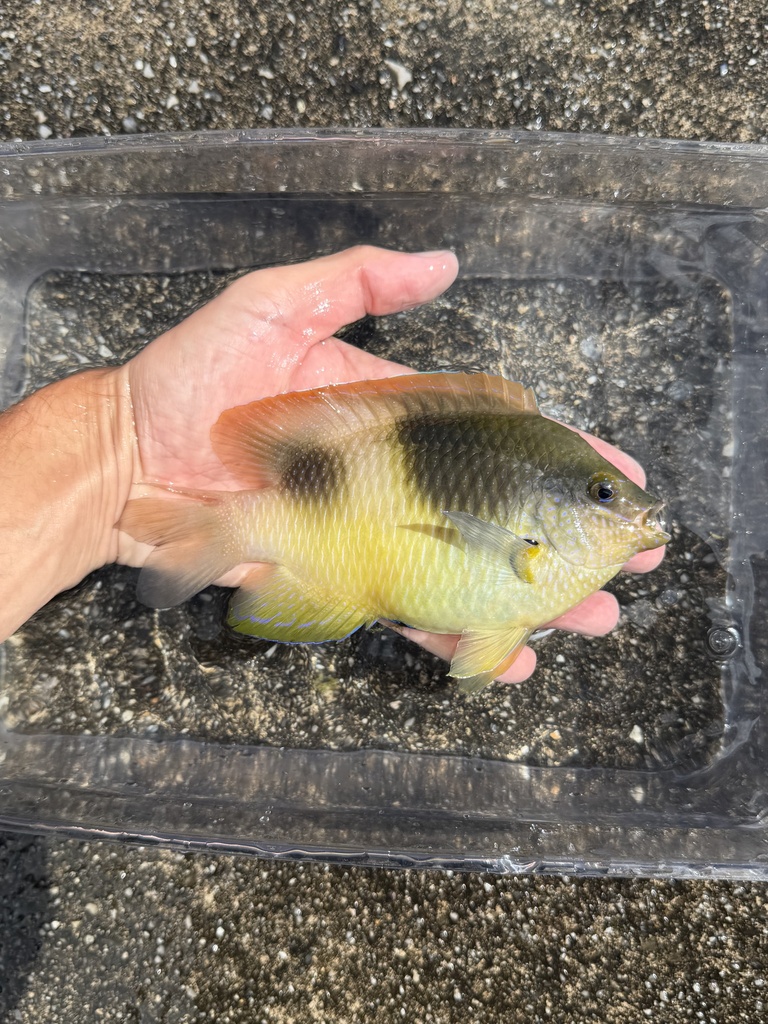
Honey-breast Damsel
Dischistodus prosopotaenia
- Usual depth1–9 m
- Water temperature25–30 °C
- Best monthsSeptember, October, and November
- How commonOccasional
Photo credit: (c) James-LaFontaine, some rights reserved (CC BY) · CC BY · iNaturalist
About this species
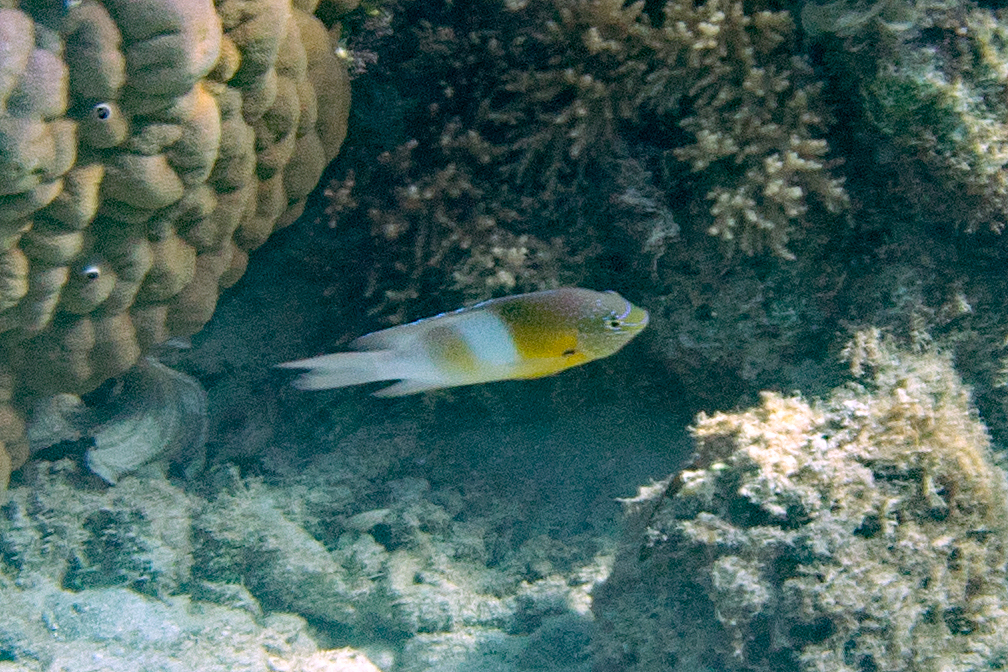
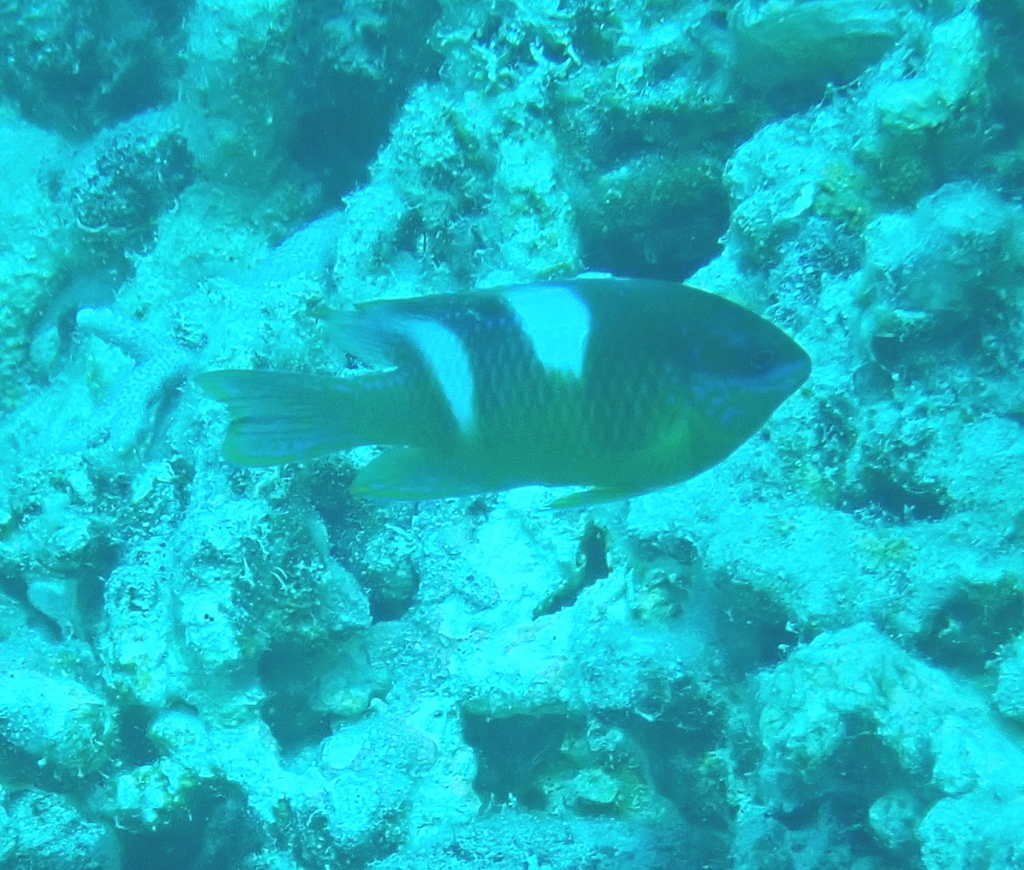
Dischistodus prosopotaenia, also known as honey-head damsel and honey-breast damsel, is a species of damselfish. It is native to the eastern Indian Ocean and western Pacific. It reaches up to 17 centimetres (6.7 in) in length. The fish usually has a white breast, but there is a yellow-breasted variant that also has a black blotch on each side. The fish lives in lagoons and reefs.
Text from the Wikipedia article “Dischistodus prosopotaenia”, licensed CC BY-SA 4.0. Read the article
Where and when
Where it has been recorded
Worldwide
Loading the map
Best months
Worldwide (open data)
- January: 36 records
- February: 23 records
- March: 44 records
- April: 58 records
- May: 66 records
- June: 28 records
- July: 62 records
- August: 29 records
- September: 70 records
- October: 73 records
- November: 76 records
- December: 32 records
Depth and water temperature
Depth
Mostly recorded at 1–9 m · Deepest record: 16.5 m
Water temperature
Recorded in surface water of 25–30 °C
Photos
(c) Paul Asman and Jill Lenoble, some rights reserved (CC BY) · CC BY · iNaturalist 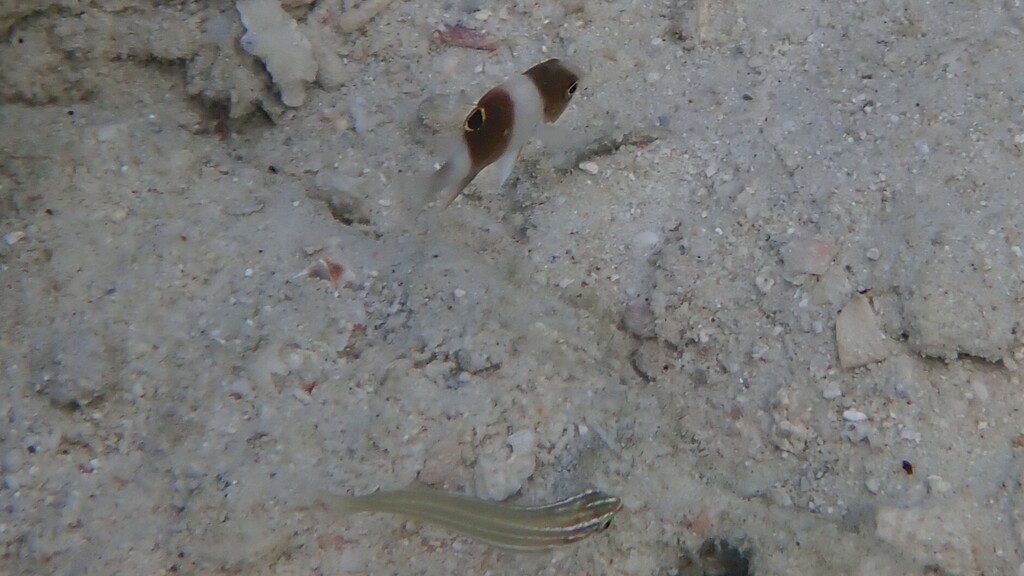
(c) Nicola Crockford, some rights reserved (CC BY) · CC BY · iNaturalist 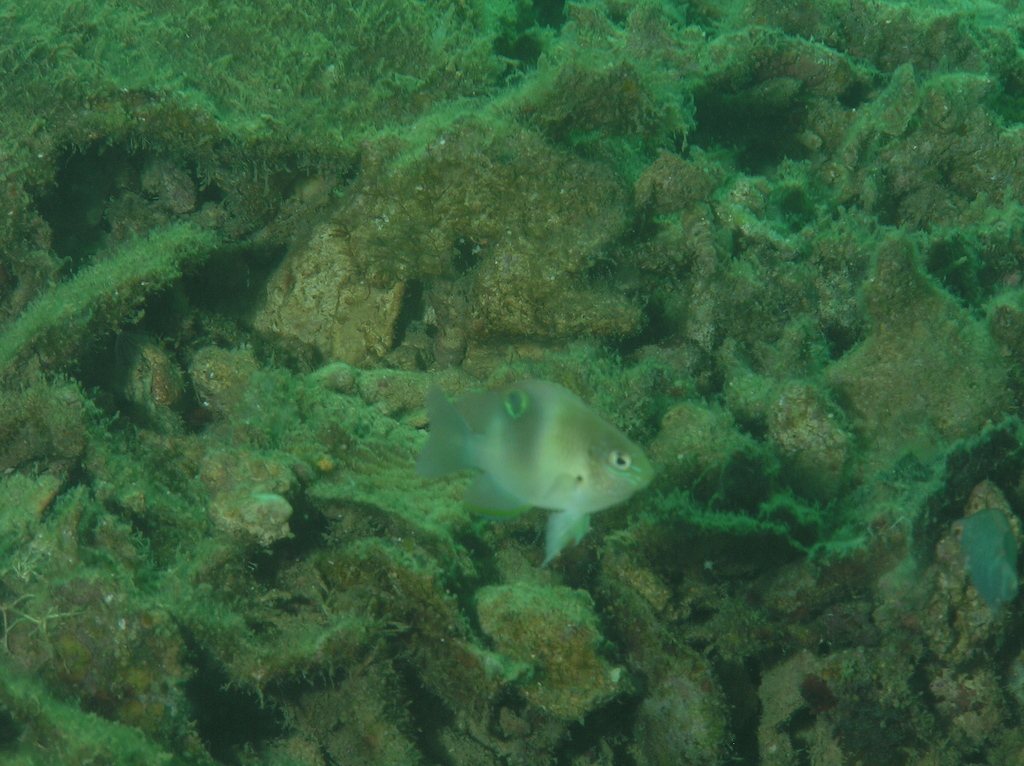
(c) Ditch Townsend, some rights reserved (CC BY-SA) · CC BY-SA · iNaturalist 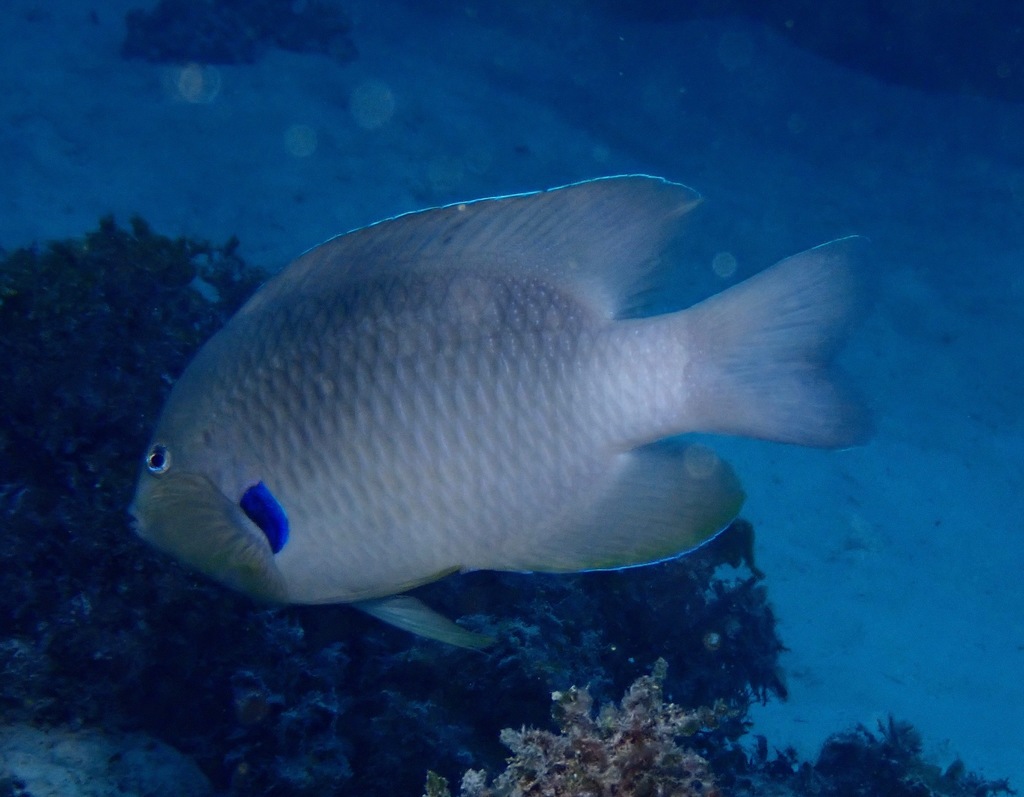
(c) desertnaturalist, some rights reserved (CC BY) · CC BY · iNaturalist 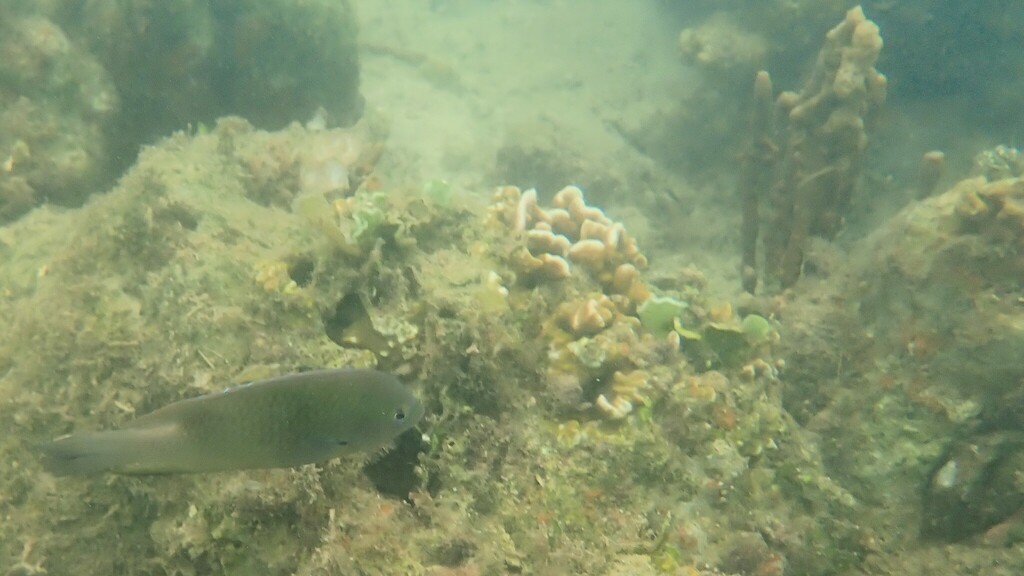
(c) Nicola Crockford, some rights reserved (CC BY) · CC BY · iNaturalist 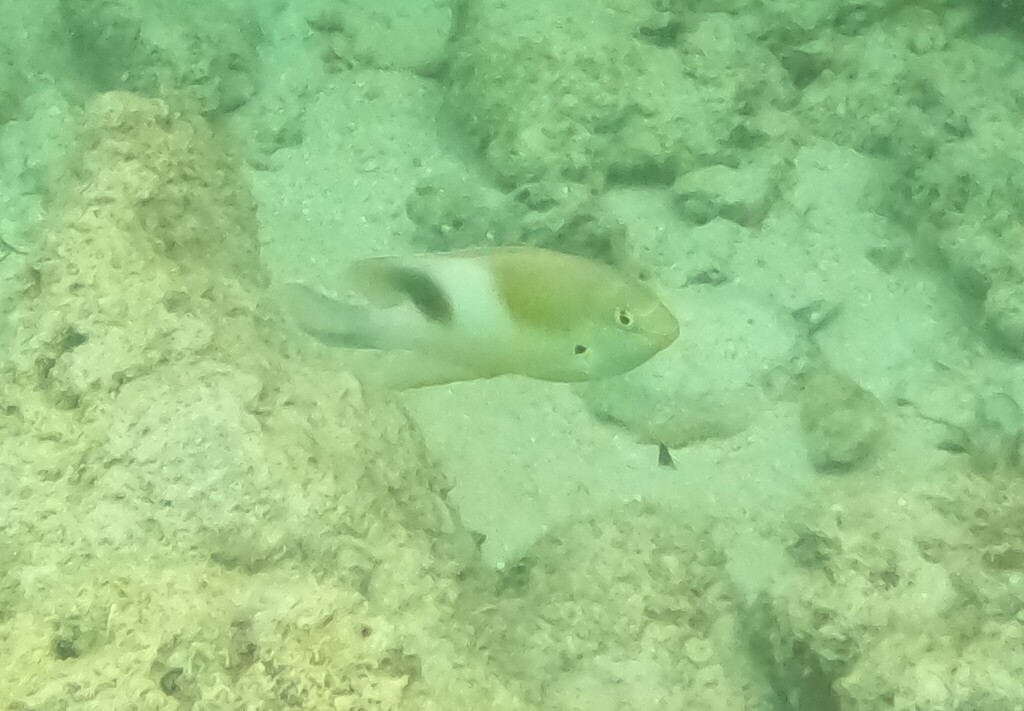
(c) PampaSorro, some rights reserved (CC BY) · CC BY · iNaturalist 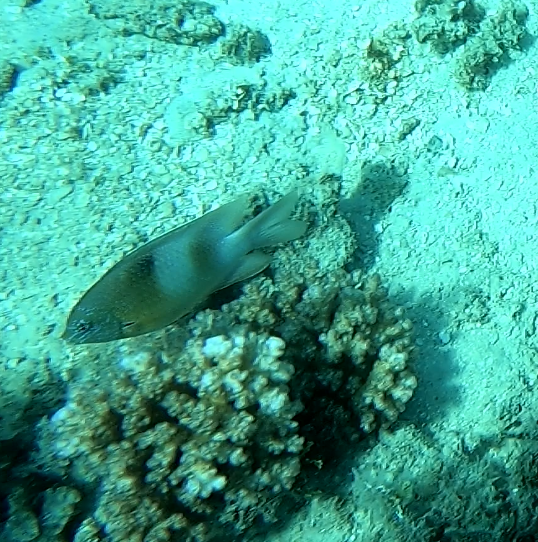
(c) Tim, some rights reserved (CC BY) · CC BY · iNaturalist
Names and classification
- English
- Honey-breast Damsel, Honey-breasted Damsel, Honey-head damsel, Honeyhead Damsel, Honeyhead Damselfish
Names in 3 more languages
- French
- Demoiselle miel
- Japanese
- Dandarasuzumedai, ダンダラスズメダイ
- Simplified Chinese
- 厚殼仔, 黑背盘雀鲷, 黑背盤雀鯛
Other scientific names: Dischistodus cartieri, Pomacentrus interorbitalis, Pomacentrus prosopotaenia
Similar species
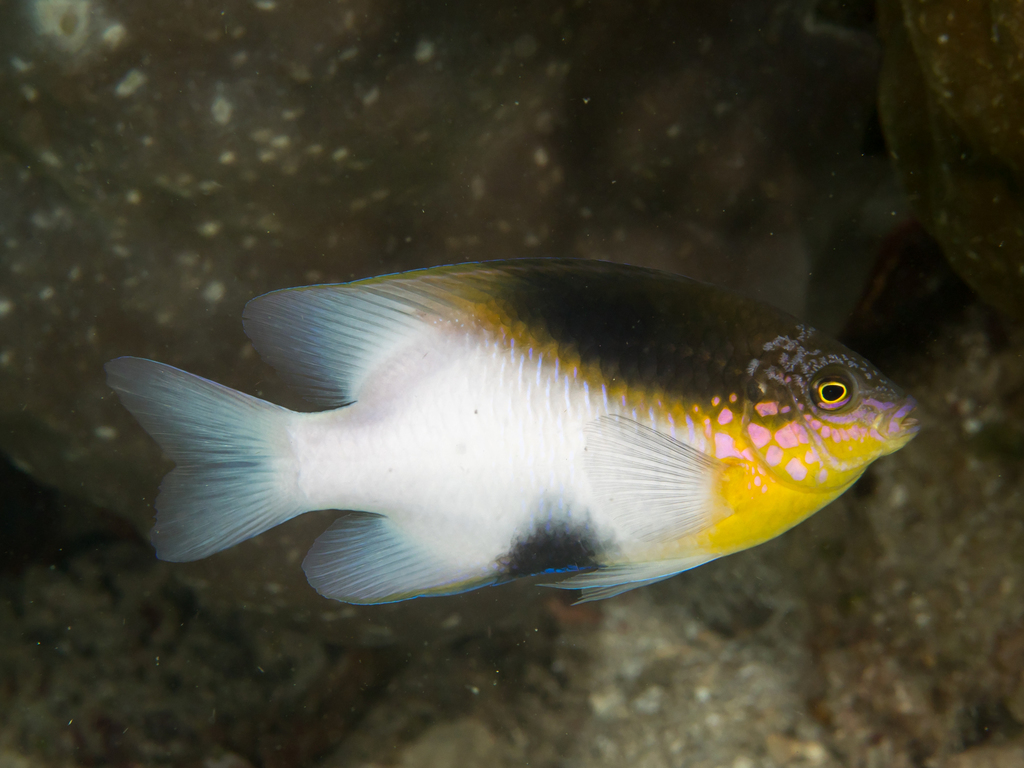 Black-vent damsel
Dischistodus melanotus
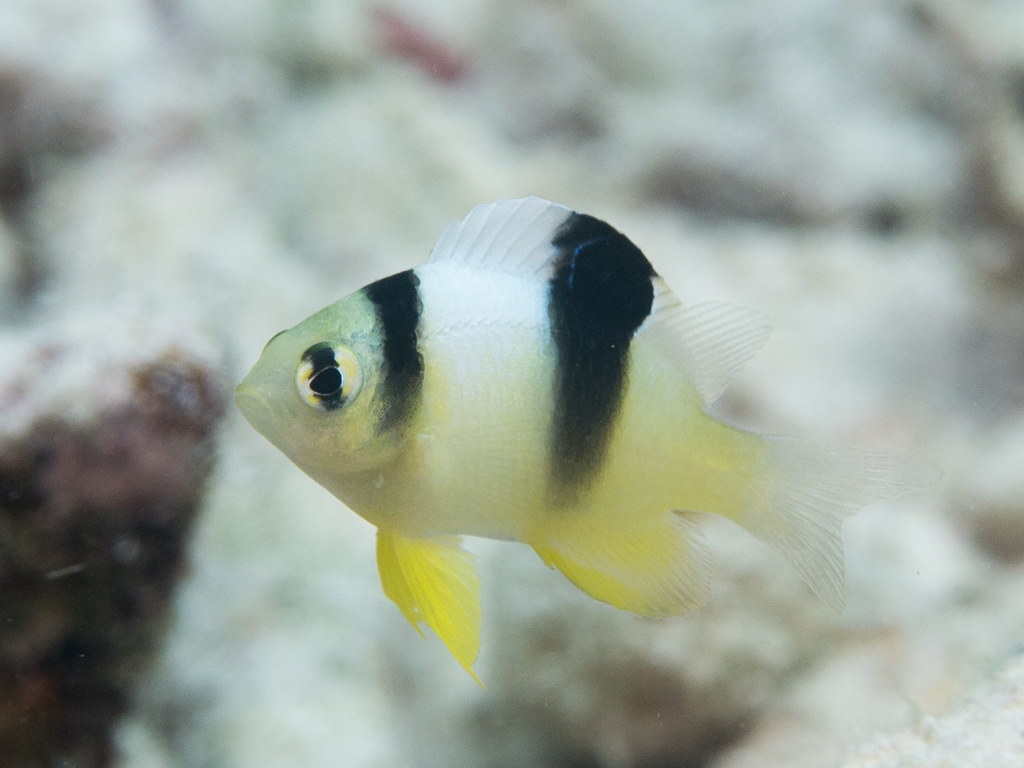 Two-barred Puller
Dischistodus perspicillatus
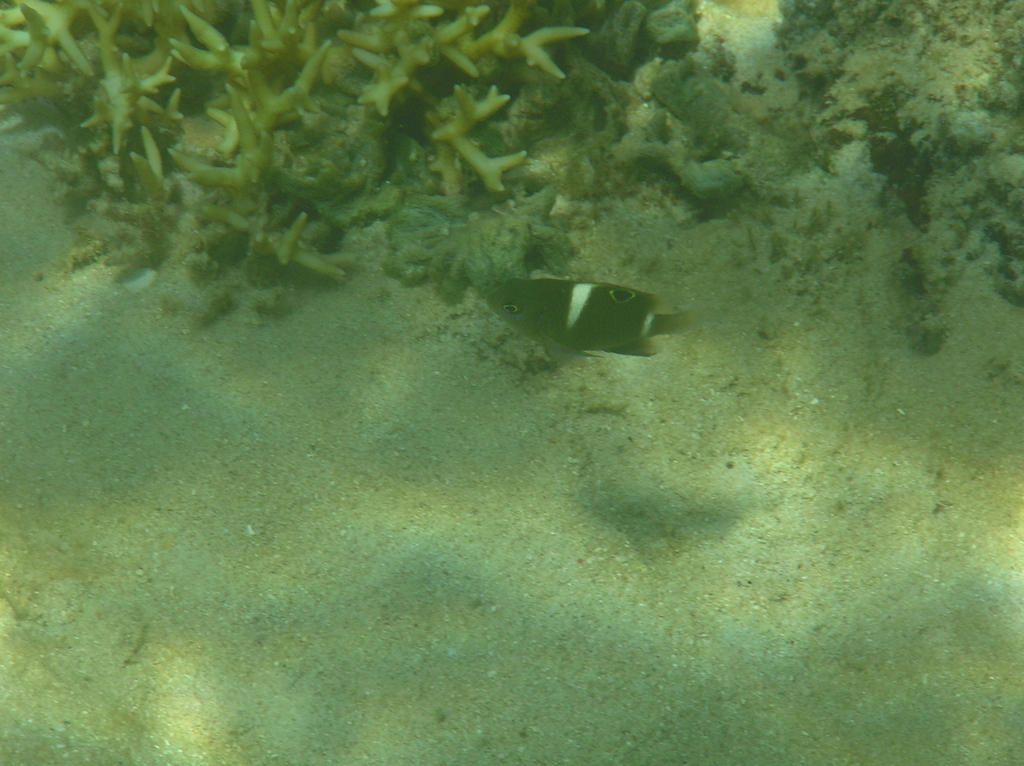 Pale-spot Damsel
Dischistodus chrysopoecilus
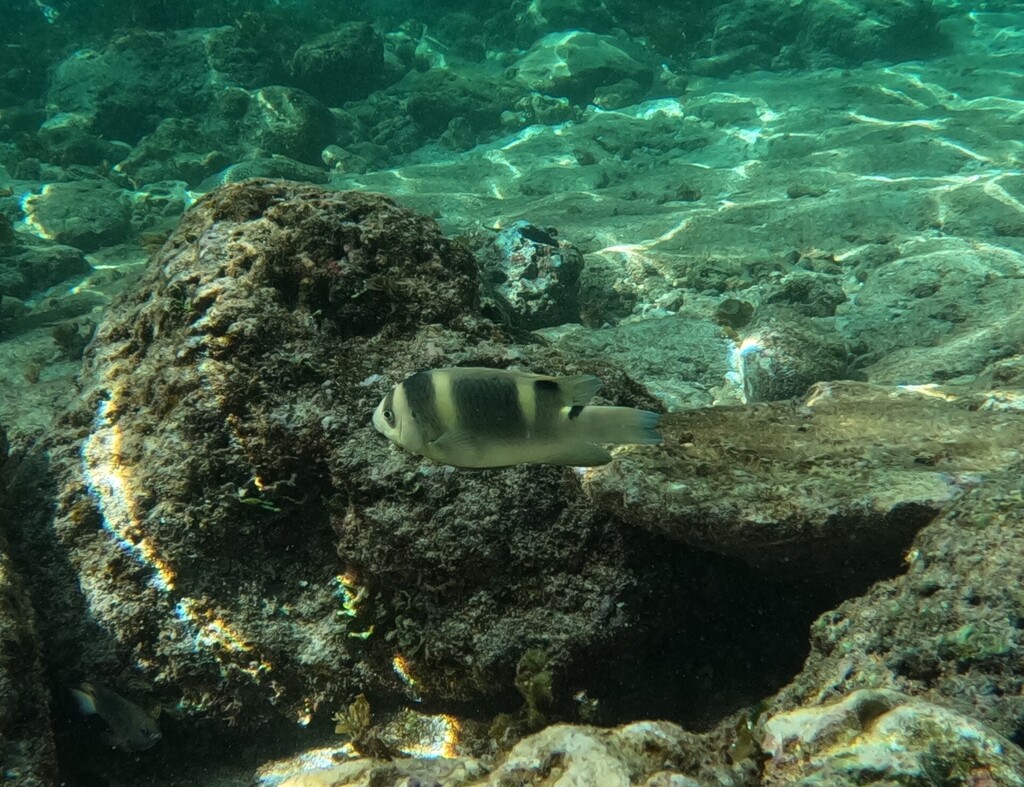 Banded Damsel
Dischistodus fasciatus
 Monarch Damsel
Dischistodus pseudochrysopoecilus
 Cow pilot
Abudefduf saxatilis
Sources and credits
Names and taxonomy: WoRMS (CC BY 4.0) and the GBIF Backbone (CC BY 4.0). Photos: iNaturalist observers, each under the licence shown (CC0, CC BY or CC BY-SA).
- Depth, temperature, months and maps: records from OBIS and GBIF under CC0 or CC BY.
- Descriptions: Wikipedia, licensed CC BY-SA, each linked to its article.
- Conservation status as published by GBIF (IUCN Red List).
- 834 open-data records from 1852 to 2023.
- Species data updated October 26, 2026.
Log what you see on your next dive
The free DiveHive diver app keeps your logbook with every sighting and shows what lives at the site you dive next.