
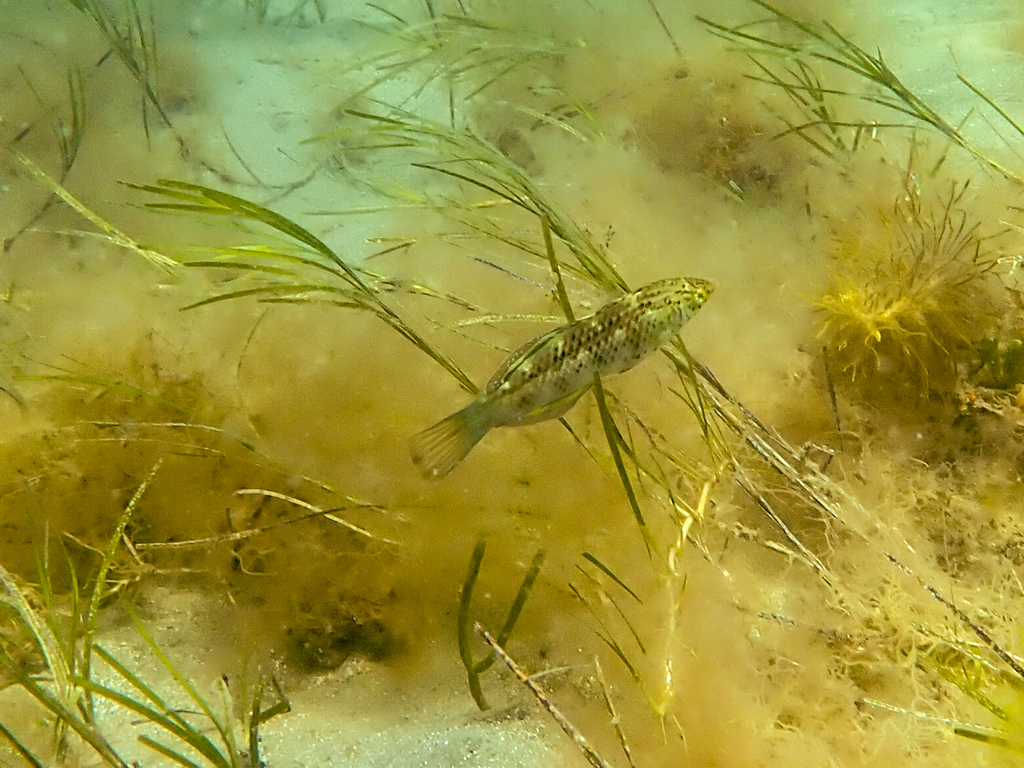
Castelnau's Parrotfish
Dotalabrus aurantiacus
- Usual depth5–10 m
- Water temperature14–20 °C
- Best monthsMarch
- How commonOccasional
Photo credit: (c) Bruce Deagle, some rights reserved (CC BY) · CC BY · iNaturalist
About this species
Dotalabrus aurantiacus, Castelnau's wrasse, is a species of wrasses native to the Indian Ocean coasts of Australia. It is the type species of its genus. The type locality is Adelaide, St. Vincent Gulf, South Australia.
Text from the Wikipedia article “Dotalabrus aurantiacus”, licensed CC BY-SA 4.0. Read the article
Where and when
Where it has been recorded
Worldwide
Loading the map
Best months
Worldwide (open data)
- January: 54 records
- February: 64 records
- March: 171 records
- April: 84 records
- May: 86 records
- June: 85 records
- July: 23 records
- August: 42 records
- September: 34 records
- October: 48 records
- November: 57 records
- December: 58 records
Depth and water temperature
Depth
Mostly recorded at 5–10 m · Deepest record: 16 m
Water temperature
Recorded in surface water of 14–20 °C
Photos
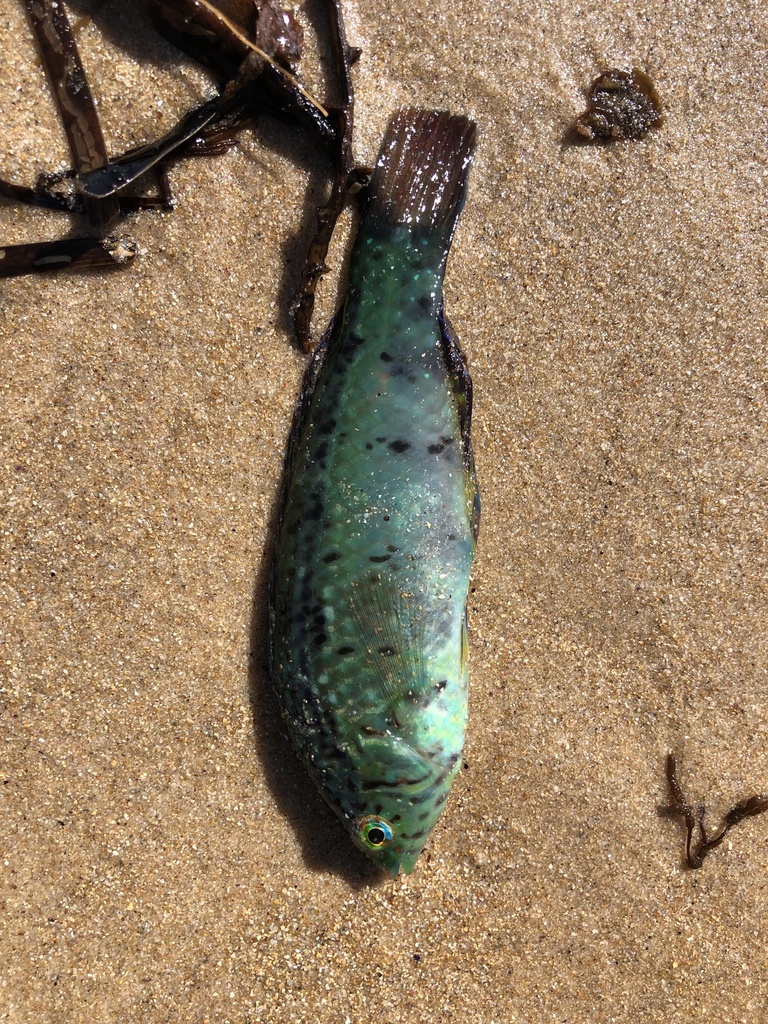
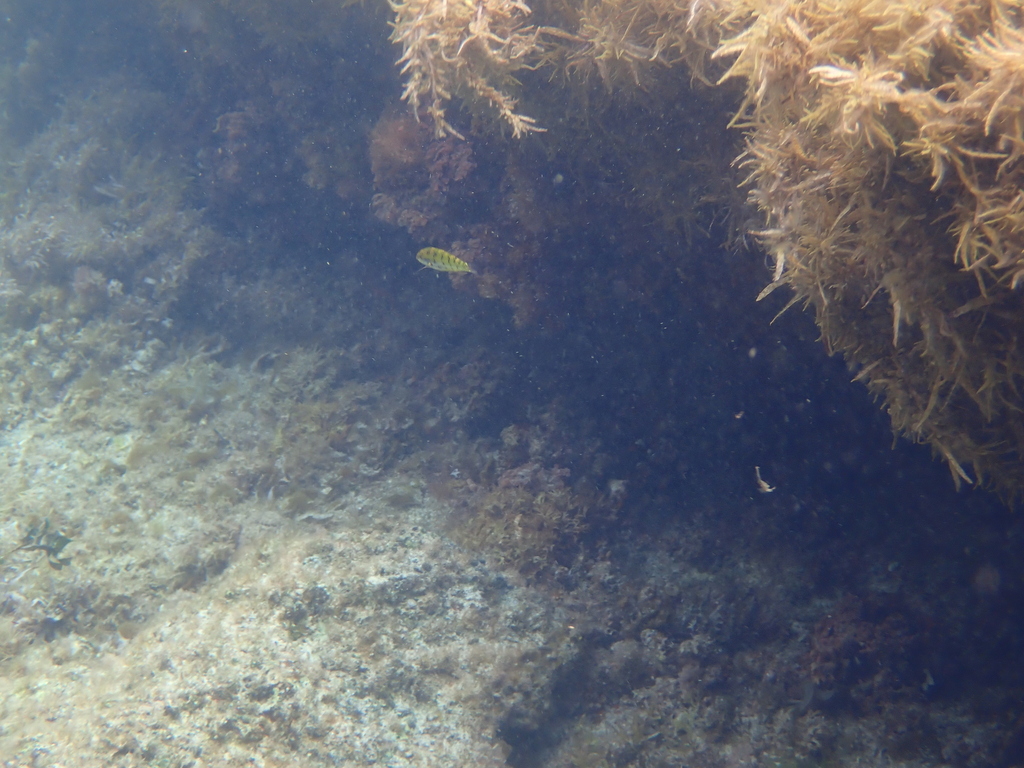
(c) Josh Nitschke, some rights reserved (CC BY) · CC BY · iNaturalist 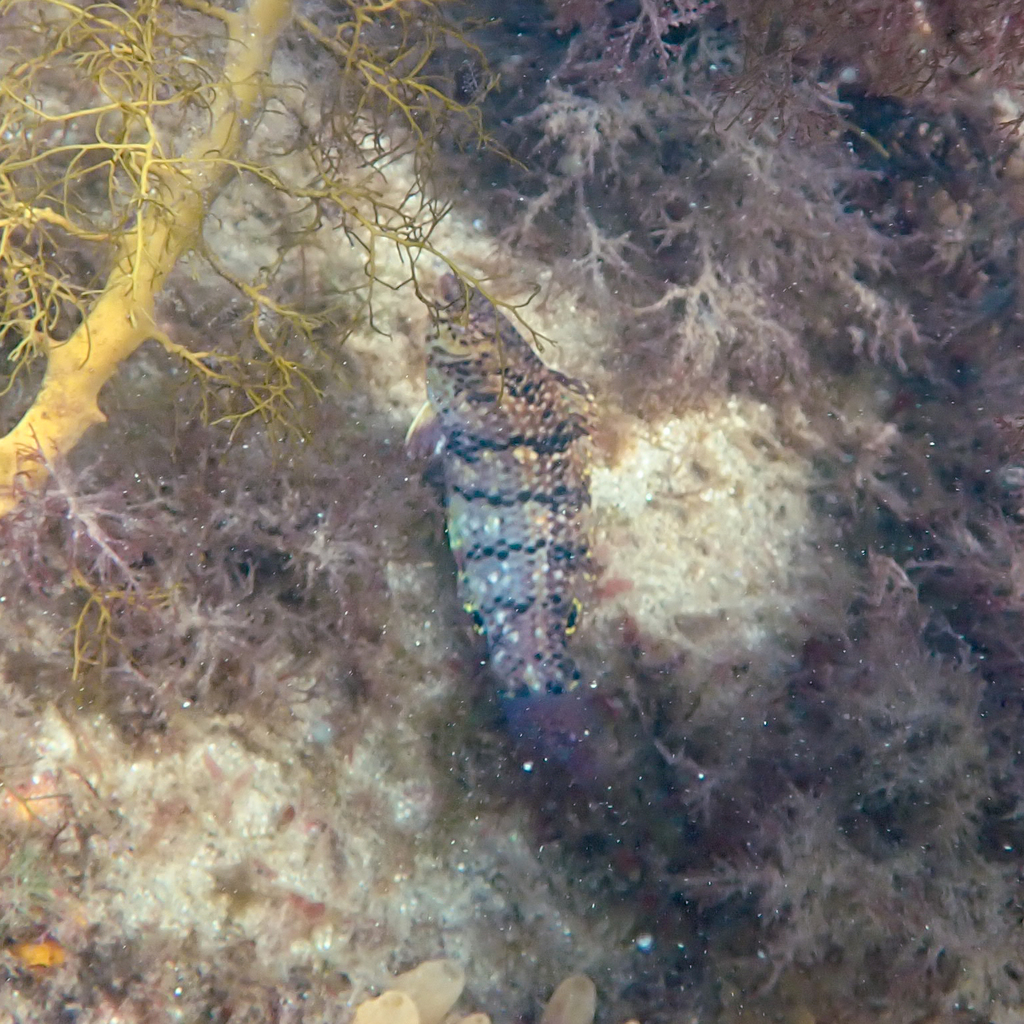
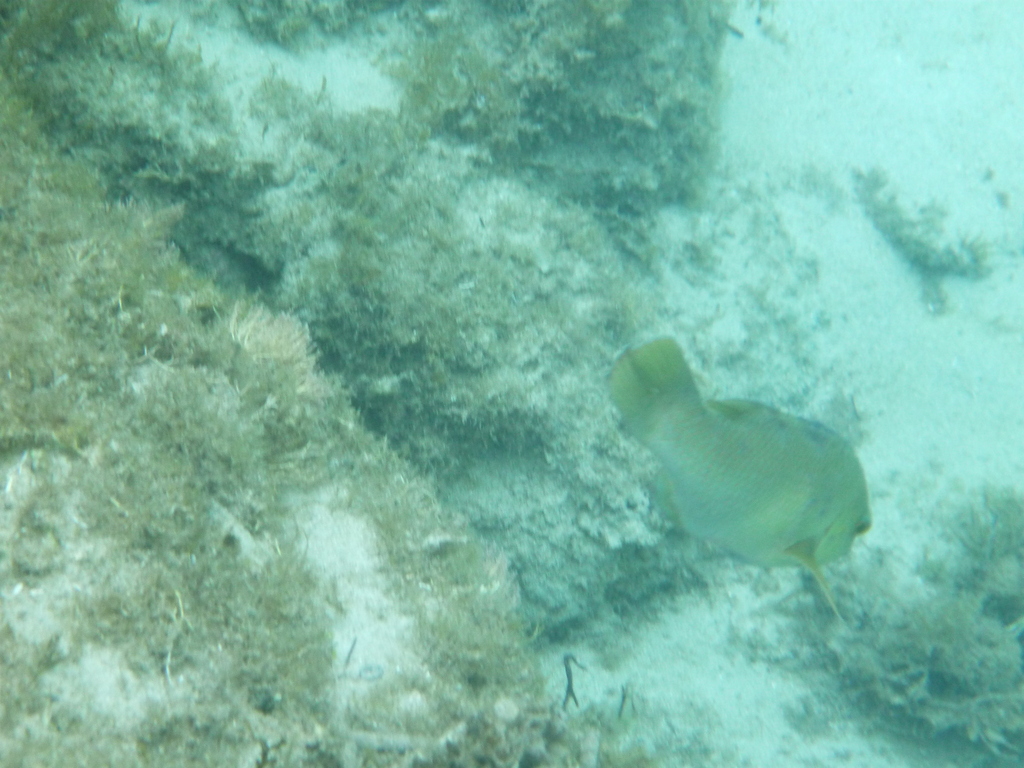
(c) Bruce Deagle, some rights reserved (CC BY) · CC BY · iNaturalist 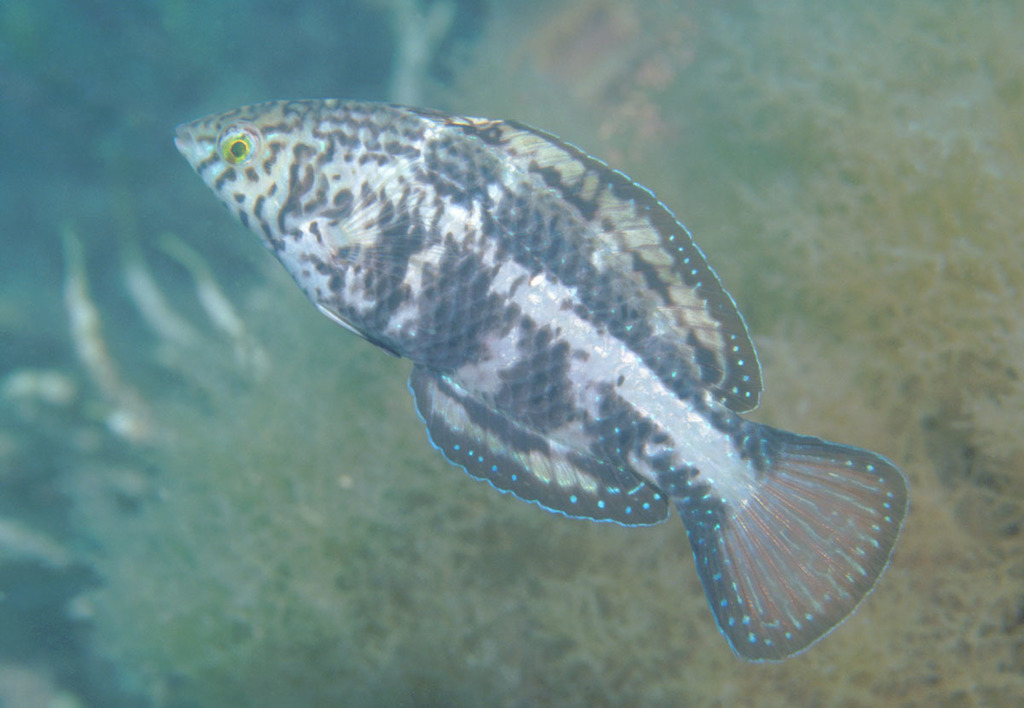
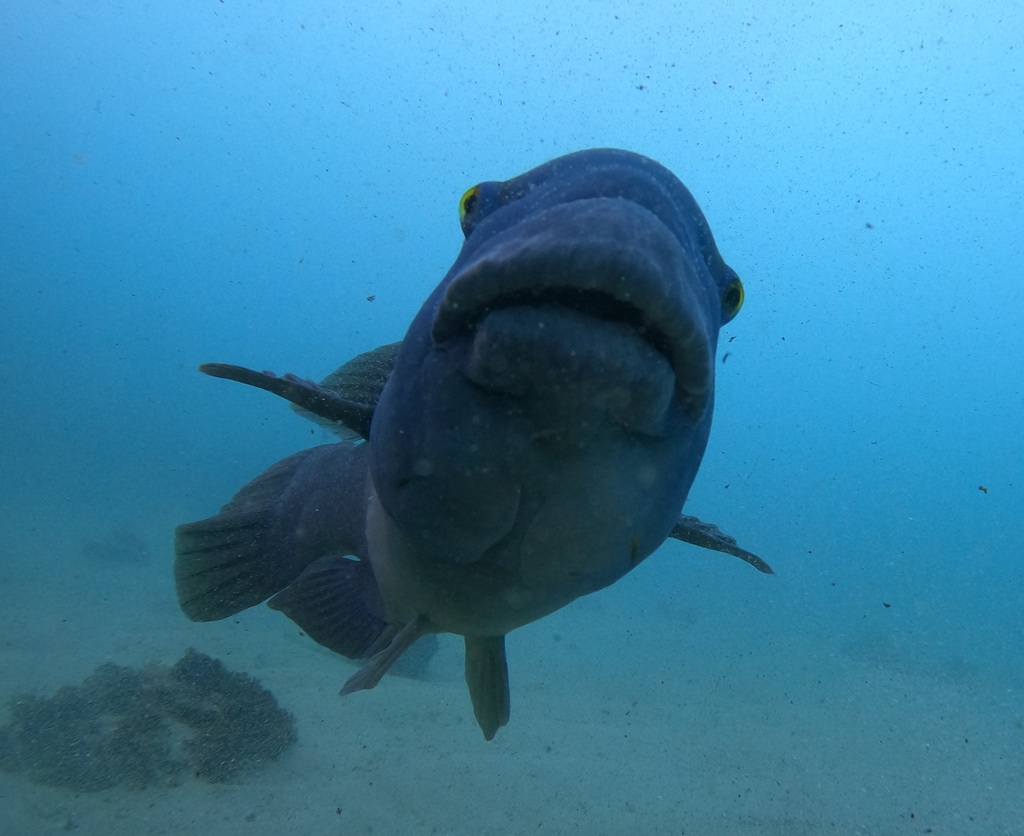
(c) Erik Schlögl, some rights reserved (CC BY-SA) · CC BY-SA · iNaturalist
Names and classification
- English
- Castelnau's Parrotfish, Castelnau's Wrasse, Ornate Wrasse, Pretty Dolly, Pretty Polly
Other scientific names: Cheilinus aurantiacus, Labrichthys elegans, Labrichthys macleayi, Pseudolabrus aurantiacus, Pseudolabrus elegans, Pseudolabrus macleayi
Similar species
 Allen's Polly
Dotalabrus alleni
 Blue Groper
Achoerodus gouldii
 Blue Groper
Achoerodus viridis
 Hawaiian Hogfish
Bodianus albotaeniatus
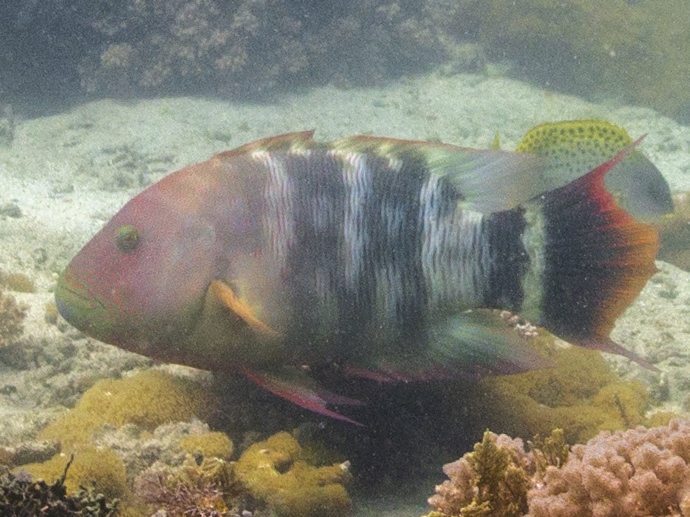 Tripletail wrasse
Cheilinus trilobatus
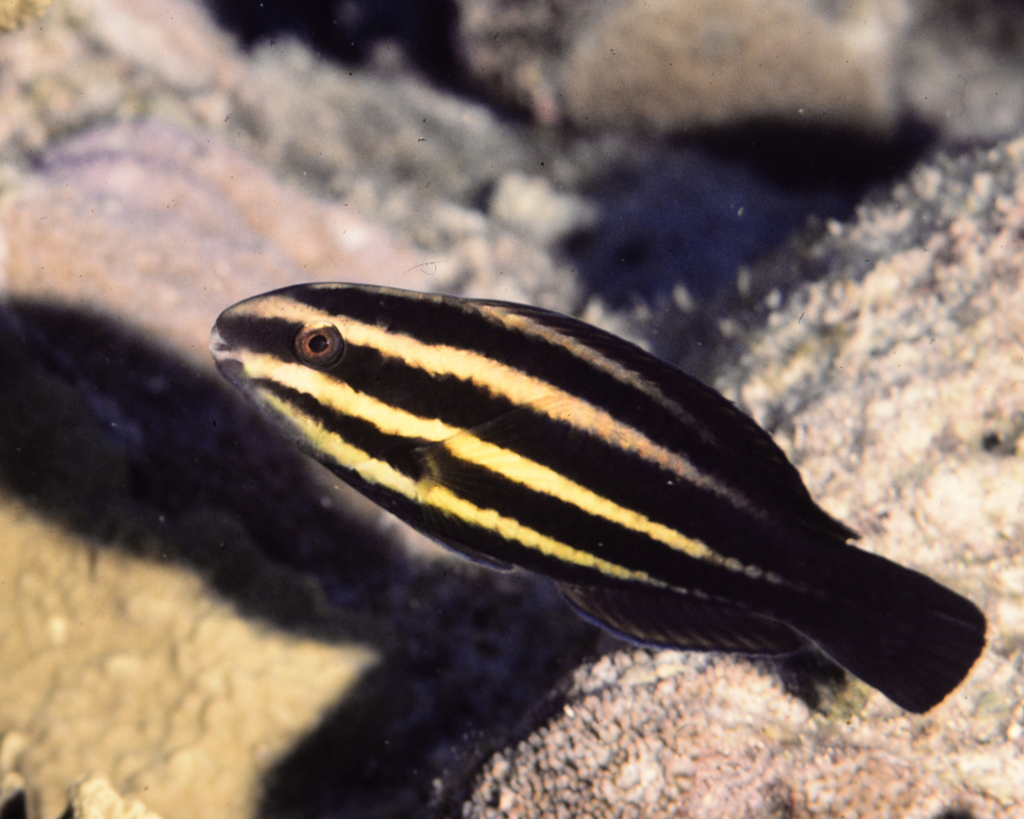 Blunt-head Parrotfish
Chlorurus microrhinos
Sources and credits
Names and taxonomy: WoRMS (CC BY 4.0) and the GBIF Backbone (CC BY 4.0). Photos: iNaturalist observers, each under the licence shown (CC0, CC BY or CC BY-SA).
- Depth, temperature, months and maps: records from OBIS and GBIF under CC0 or CC BY.
- Descriptions: Wikipedia, licensed CC BY-SA, each linked to its article.
- Conservation status as published by GBIF (IUCN Red List).
- 1,366 open-data records from 1959 to 2023.
- Species data updated November 2, 2026.
Log what you see on your next dive
The free DiveHive diver app keeps your logbook with every sighting and shows what lives at the site you dive next.