
DiscoverSpeciesOther invertebrates
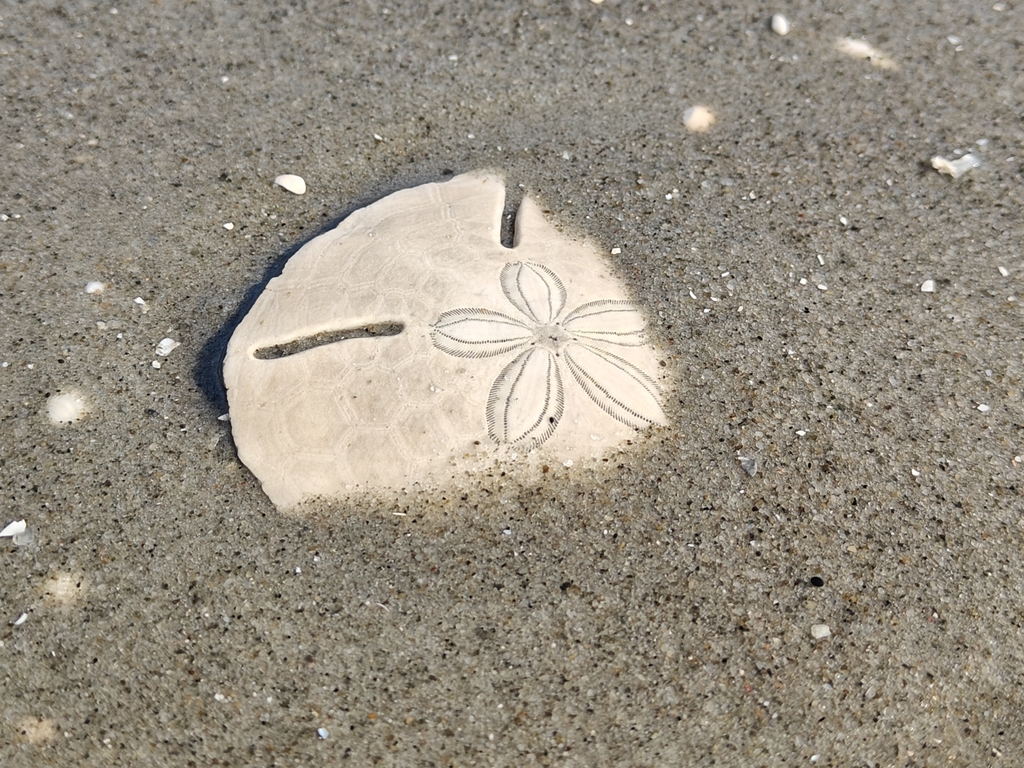
Echinodiscus bisperforatus
- Usual depth0–7 m
- Water temperature18–30 °C
- Best monthsFebruary, June, and August
- How commonRare
Photo credit: (c) Stef, some rights reserved (CC BY) · CC BY · iNaturalist
About this species
Echinodiscus bisperforatus is a species of sand dollar described by Nathanael Gottfried Leske in 1778. The species is found throughout the Indo-Pacific in the Red Sea and off the coasts of south and east South Africa, Thailand, Malayan Archipelago, and New Caledonia at depths up to 20 meters. It grows to lengths of 11.8 centimeters.
Text from the Wikipedia article “Echinodiscus bisperforatus”, licensed CC BY-SA 4.0. Read the article
Where and when
Where it has been recorded
Worldwide
Loading the map
Best months
Worldwide (open data)
- January: 11 records
- February: 15 records
- March: 15 records
- April: 10 records
- May: 14 records
- June: 23 records
- July: 14 records
- August: 17 records
- September: 7 records
- October: 10 records
- November: 6 records
- December: 3 records
Depth and water temperature
Depth
Mostly recorded at 0–7 m · Deepest record: 7 m
Water temperature
Recorded in surface water of 18–30 °C
Photos
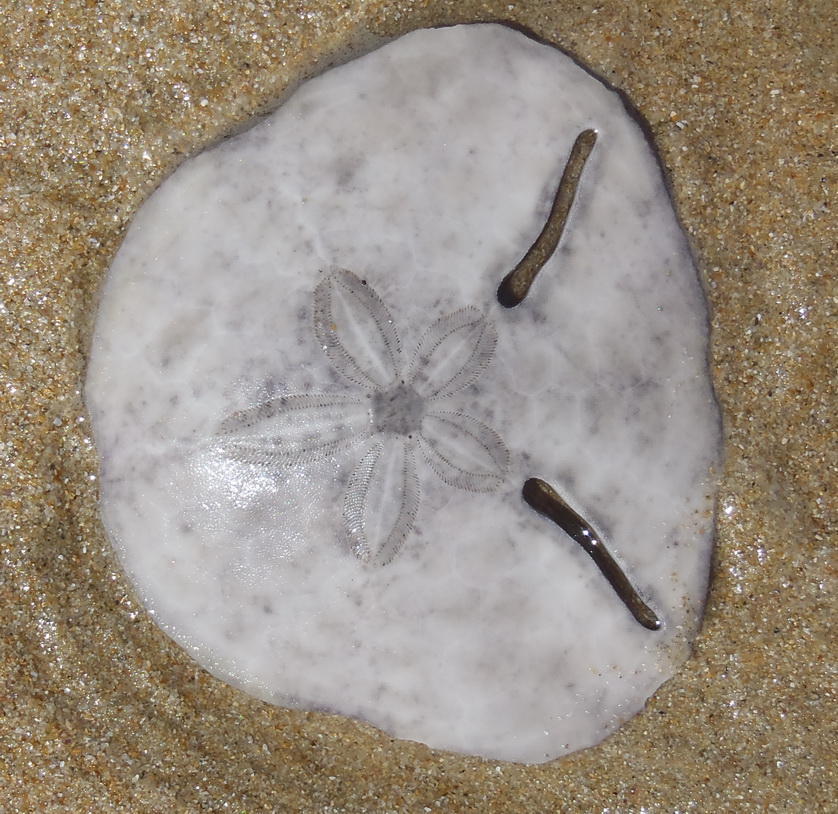
(c) Nicola van Berkel, some rights reserved (CC BY-SA) · CC BY-SA · iNaturalist 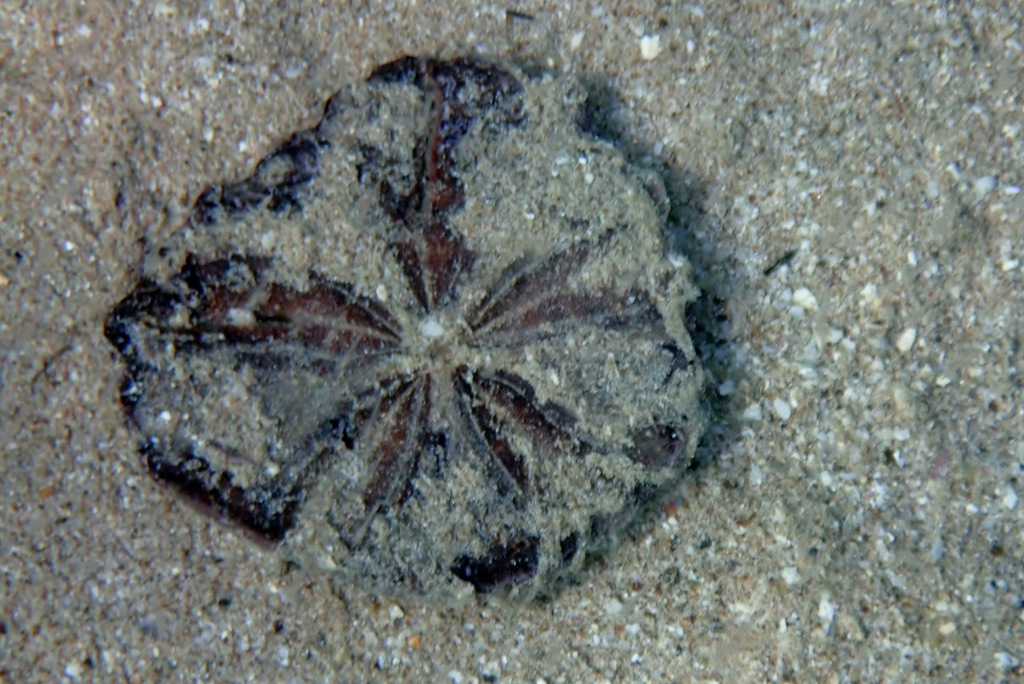
(c) Nicola Crockford, some rights reserved (CC BY) · CC BY · iNaturalist 
(c) Joey Bom, some rights reserved (CC BY) · CC BY · iNaturalist 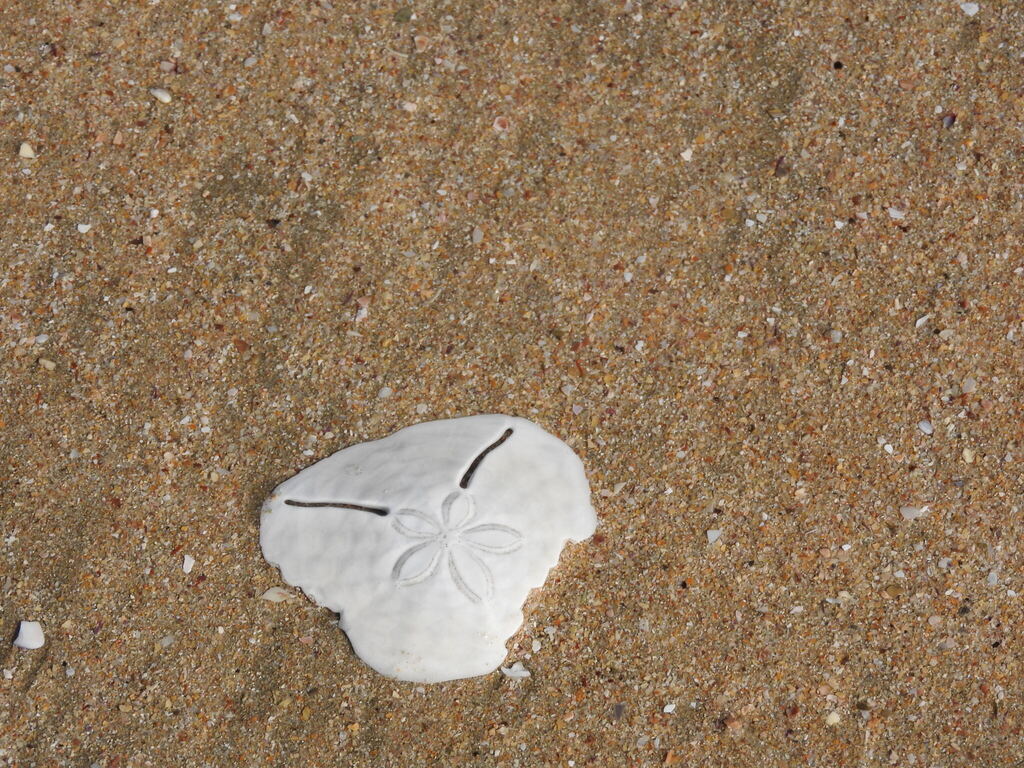
(c) Noeleen du Toit, some rights reserved (CC BY-SA) · CC BY-SA · iNaturalist 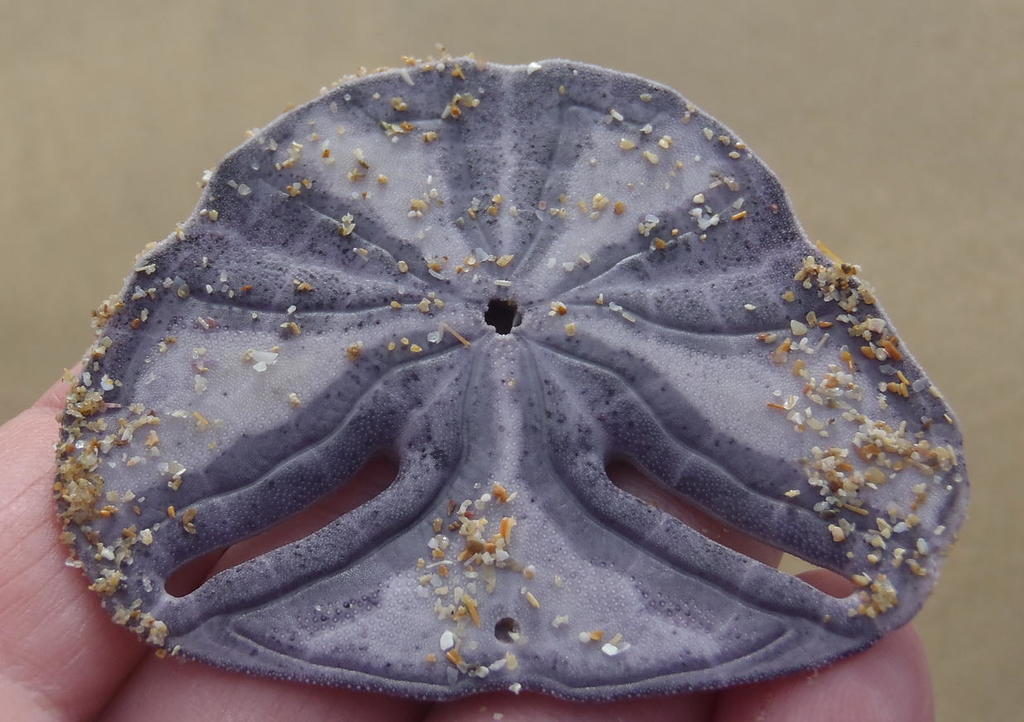
(c) Nicola van Berkel, some rights reserved (CC BY-SA) · CC BY-SA · iNaturalist 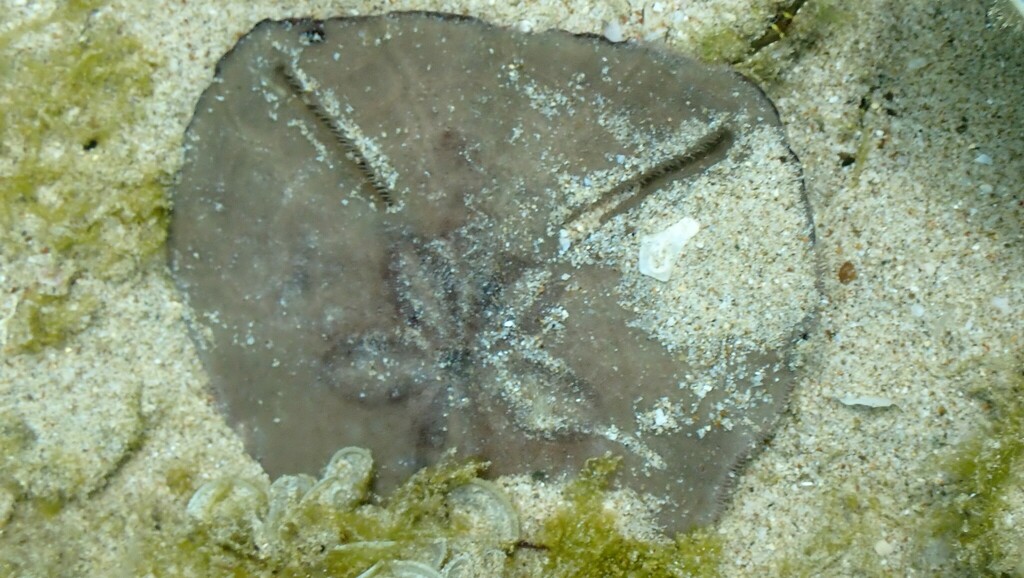
(c) Nicola Crockford, some rights reserved (CC BY) · CC BY · iNaturalist
Names and classification
Other scientific names: Echinodiscus bifora, Echinodiscus biforis, Echinus biforis, Lobophora bifora, Lobophora biforis, Scutella bifora, Scutella biforis, Scutella bilinearifora, Tetrodiscus biforis, Tetrodiscus bisperforatus
Similar species
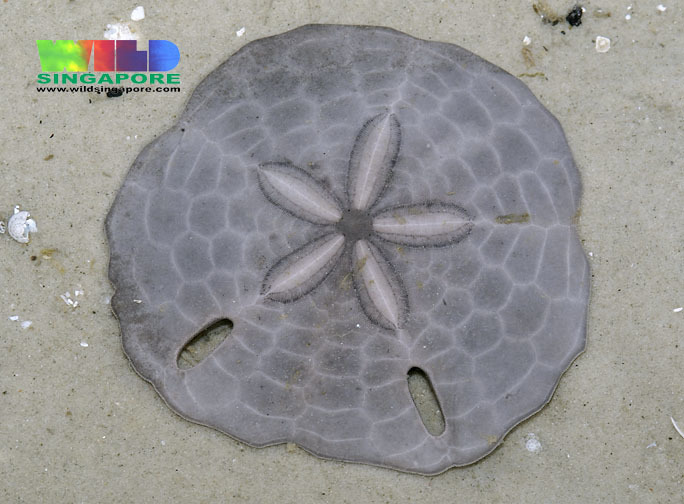 Mutilated Keyhole Sand Dollar
Echinodiscus truncatus
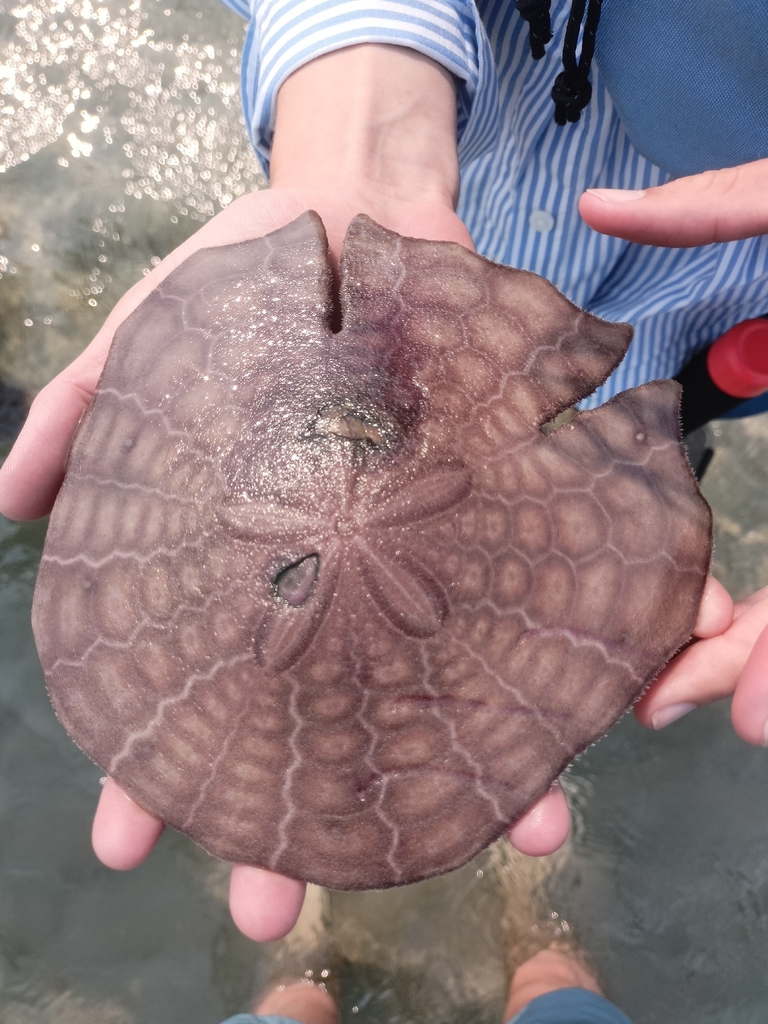 Eared Keyhole Sand Dollar
Sculpsitechinus auritus
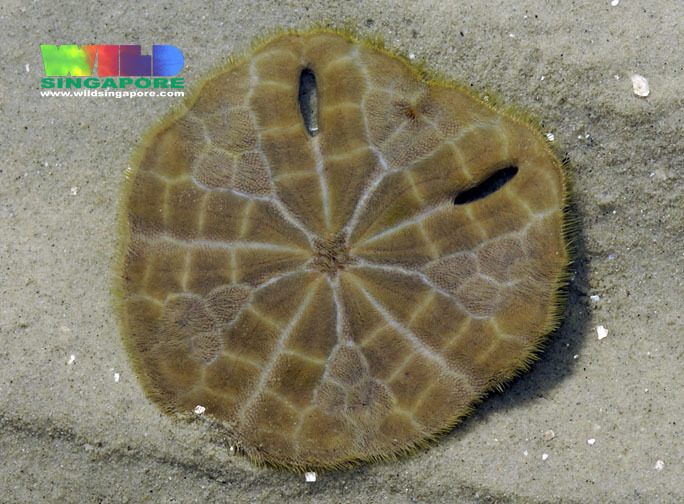 Slender Keyhole Sand Dollar
Sculpsitechinus tenuissimus
Sources and credits
Names and taxonomy: WoRMS (CC BY 4.0) and the GBIF Backbone (CC BY 4.0). Photos: iNaturalist observers, each under the licence shown (CC0, CC BY or CC BY-SA).
- Depth, temperature, months and maps: records from OBIS and GBIF under CC0 or CC BY.
- Descriptions: Wikipedia, licensed CC BY-SA, each linked to its article.
- Conservation status as published by GBIF (IUCN Red List).
- 68 open-data records from 1778 to 2019.
- Species data updated November 2, 2026.
Log what you see on your next dive
The free DiveHive diver app keeps your logbook with every sighting and shows what lives at the site you dive next.