
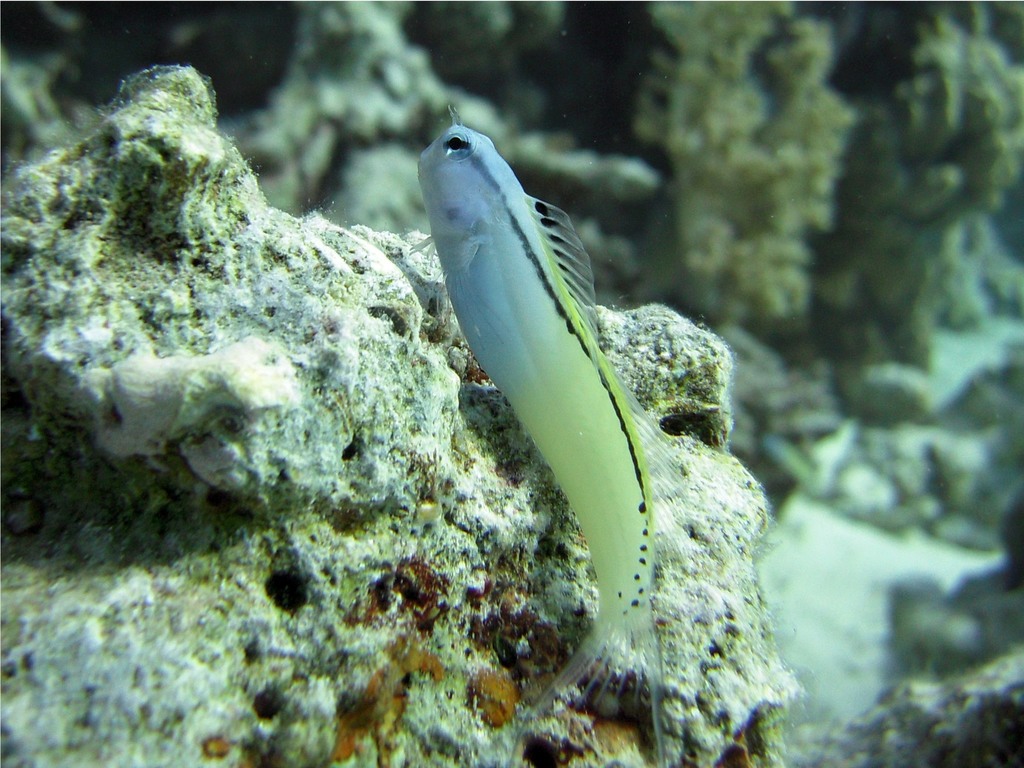
Red Sea mimic blenny
Ecsenius gravieri
- Usual depth3–16 m
- Water temperature29–30 °C
- Best monthsJuly, August, and October
- How commonRare
Photo credit: (c) Alain Feulvarch, some rights reserved (CC BY) · CC BY · iNaturalist
About this species
Ecsenius gravieri, the Red Sea mimic blenny, is a blenny from the Western Indian Ocean. It occasionally makes its way into the aquarium trade. It grows to a size of 8 cm in length. The specific name honours the French zoologist Charles Gravier (1865–1937), the collector of the type.
Text from the Wikipedia article “Ecsenius gravieri”, licensed CC BY-SA 4.0. Read the article
Where and when
Where it has been recorded
Worldwide
Loading the map
Best months
Worldwide (open data)
- January: 6 records
- February: 2 records
- March: 6 records
- April: 9 records
- May: 14 records
- June: 4 records
- July: 20 records
- August: 17 records
- September: 6 records
- October: 17 records
- November: 13 records
- December: 7 records
Depth and water temperature
Depth
Mostly recorded at 3–16 m · Deepest record: 16 m
Water temperature
Recorded in surface water of 29–30 °C
Photos
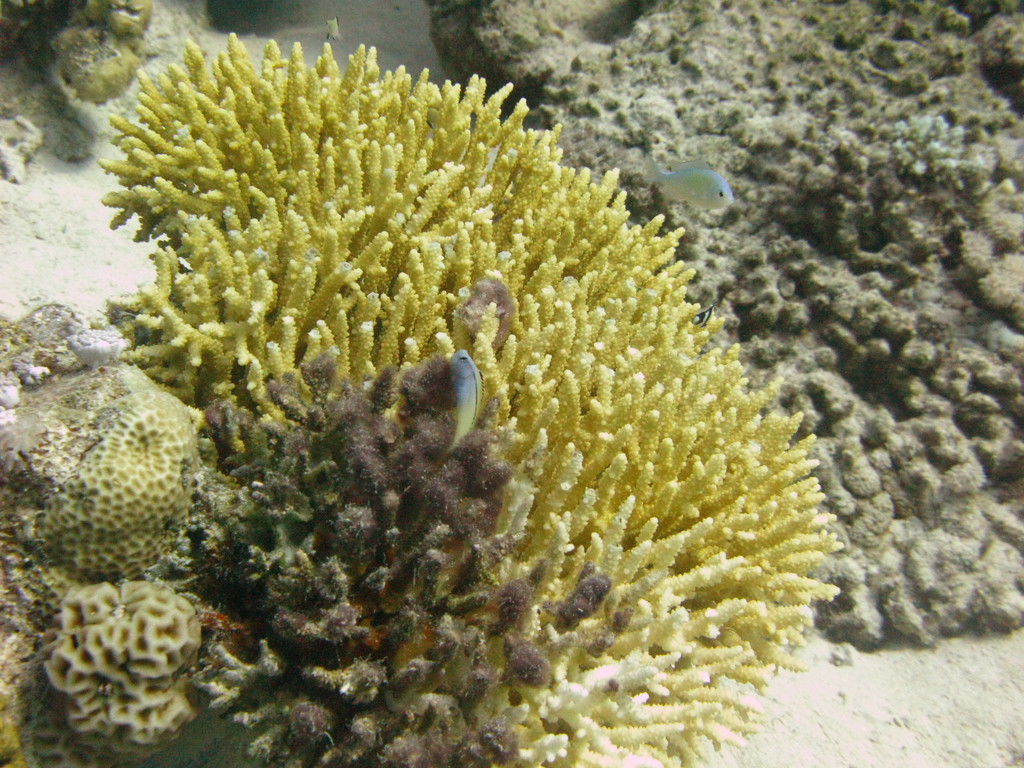
(c) Micha Baum, some rights reserved (CC BY-SA) · CC BY-SA · iNaturalist 
(c) Pauline Walsh Jacobson, some rights reserved (CC BY) · CC BY · iNaturalist 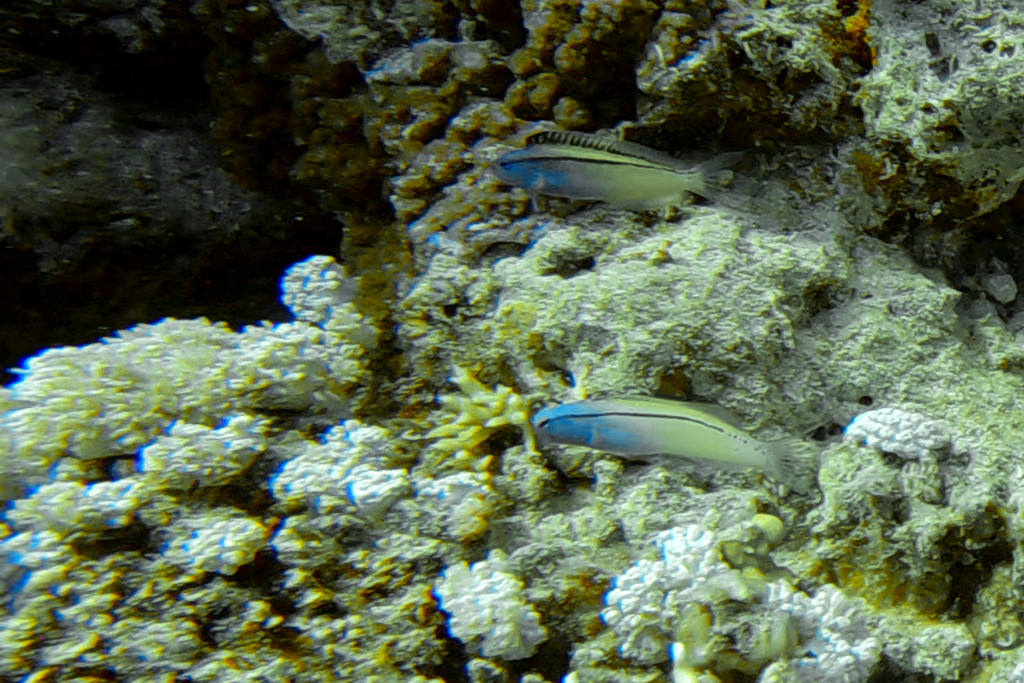
(c) Tom Heijnen, some rights reserved (CC BY) · CC BY · iNaturalist 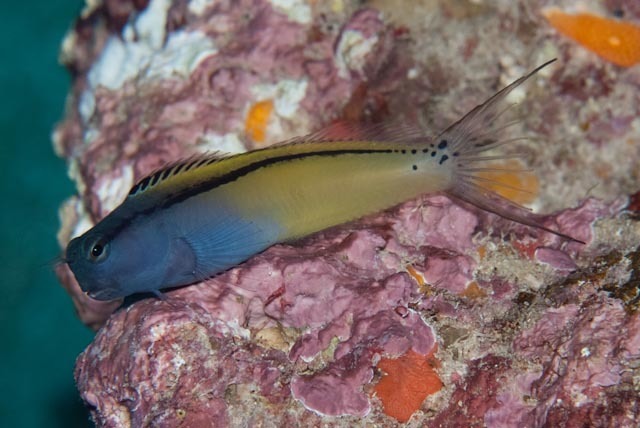
(c) Georgina Jones, some rights reserved (CC BY-SA) · CC BY-SA · iNaturalist 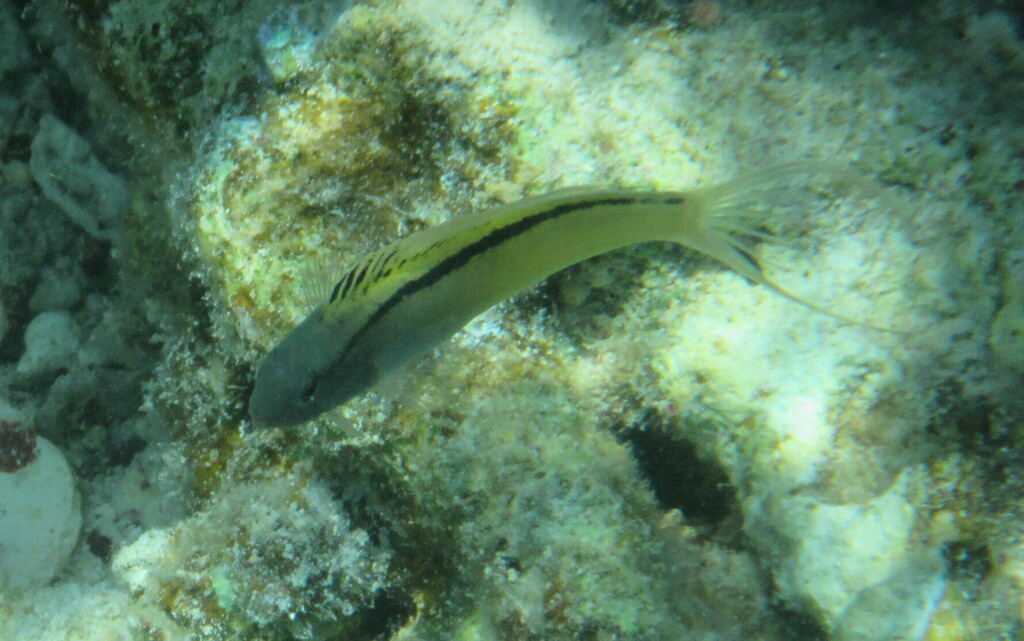
(c) Jono, some rights reserved (CC BY) · CC BY · iNaturalist 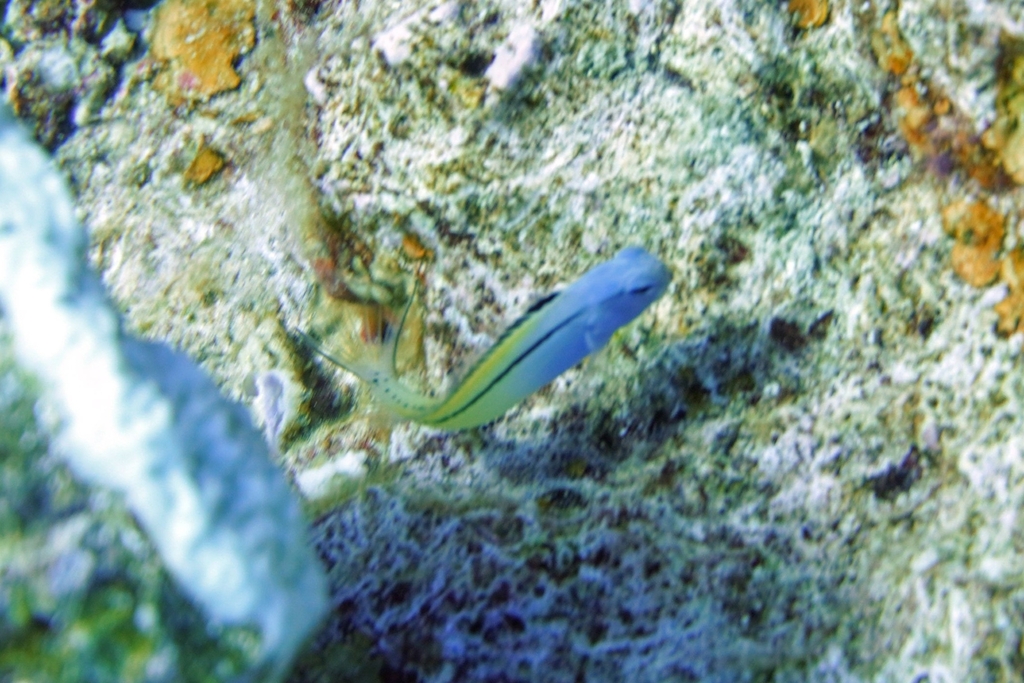
(c) Ben Costamagna, some rights reserved (CC BY) · CC BY · iNaturalist
Names and classification
- English
- Red Sea mimic blenny
Names in 1 more languages
- French
- Blennie mimétique de mer Rouge
Other scientific names: Ecsenius klausewitzi, Ecsenius klausewitzii, Salarias gravieri
Similar species
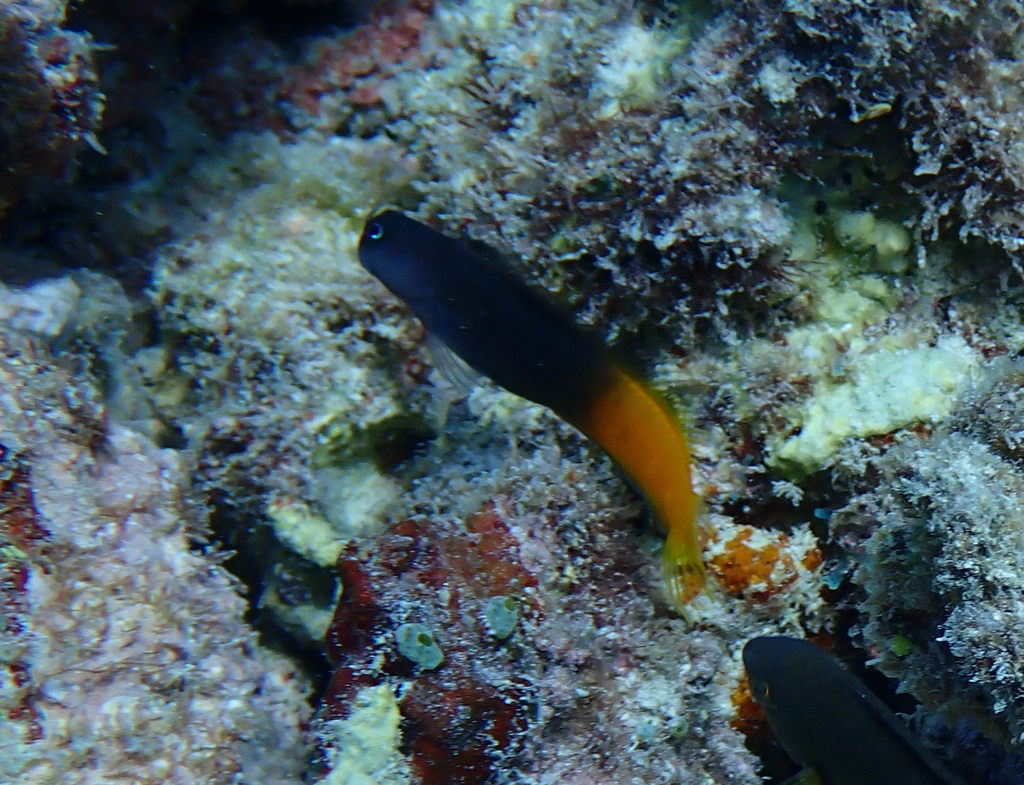 Bicolor Blenny
Ecsenius bicolor
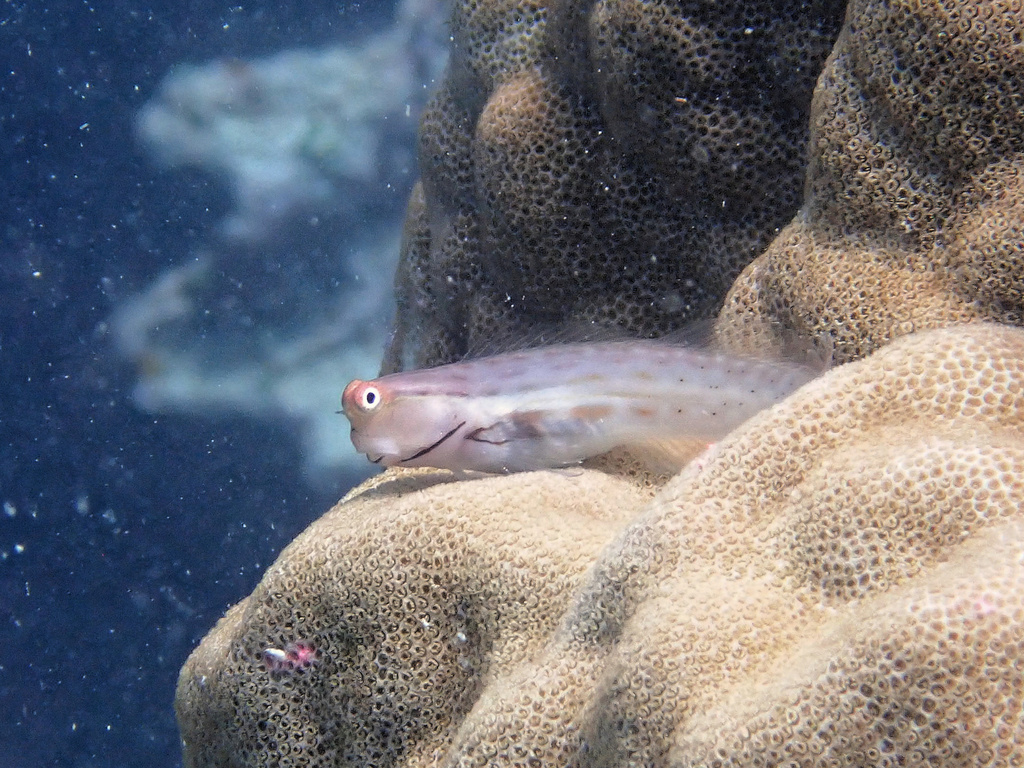 Great Barrier Reef Blenny
Ecsenius stictus
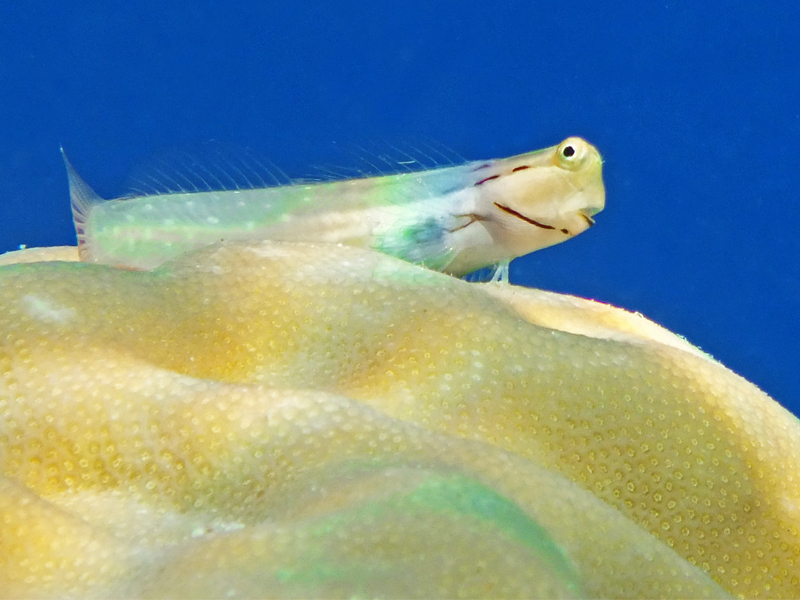 Coral Blenny
Ecsenius yaeyamaensis
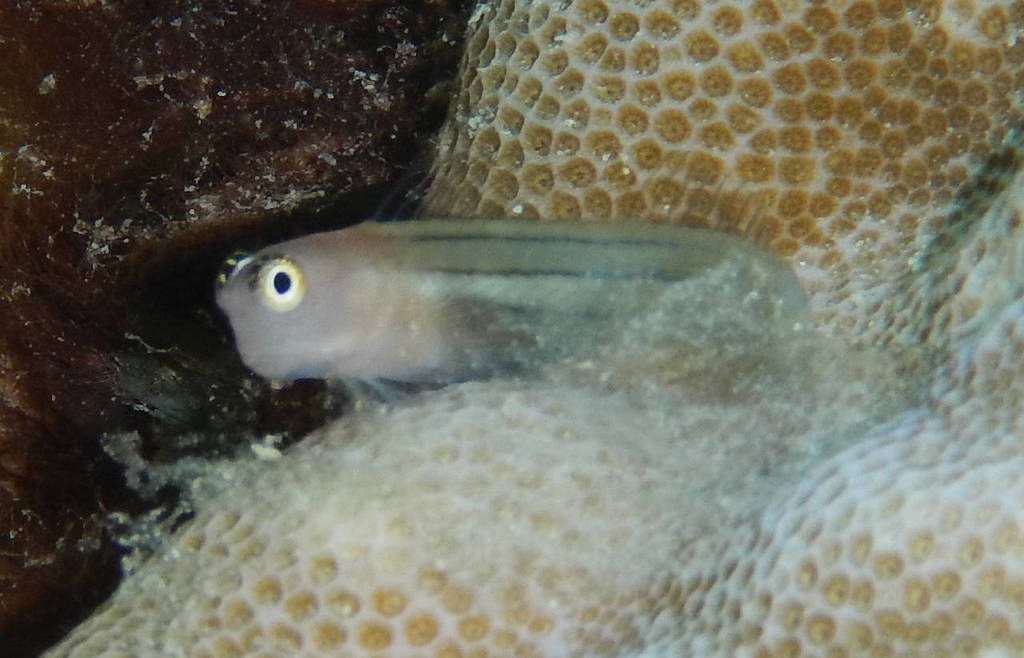 Fourline Blenny
Ecsenius aequalis
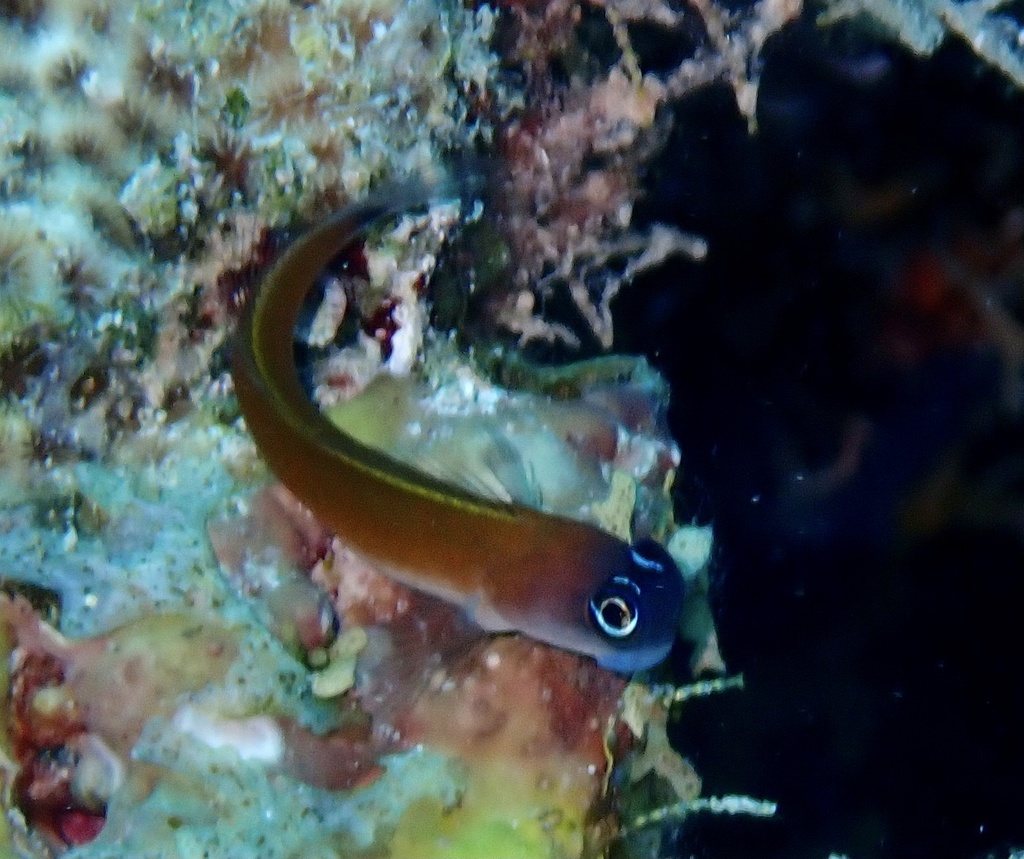 Aron's blenny
Ecsenius aroni
 Australian Blenny
Ecsenius australianus
Sources and credits
Names and taxonomy: WoRMS (CC BY 4.0) and the GBIF Backbone (CC BY 4.0). Photos: iNaturalist observers, each under the licence shown (CC0, CC BY or CC BY-SA).
- Depth, temperature, months and maps: records from OBIS and GBIF under CC0 or CC BY.
- Descriptions: Wikipedia, licensed CC BY-SA, each linked to its article.
- Conservation status as published by GBIF (IUCN Red List).
- 32 open-data records from 1969 to 2013.
- Species data updated November 2, 2026.
Log what you see on your next dive
The free DiveHive diver app keeps your logbook with every sighting and shows what lives at the site you dive next.