
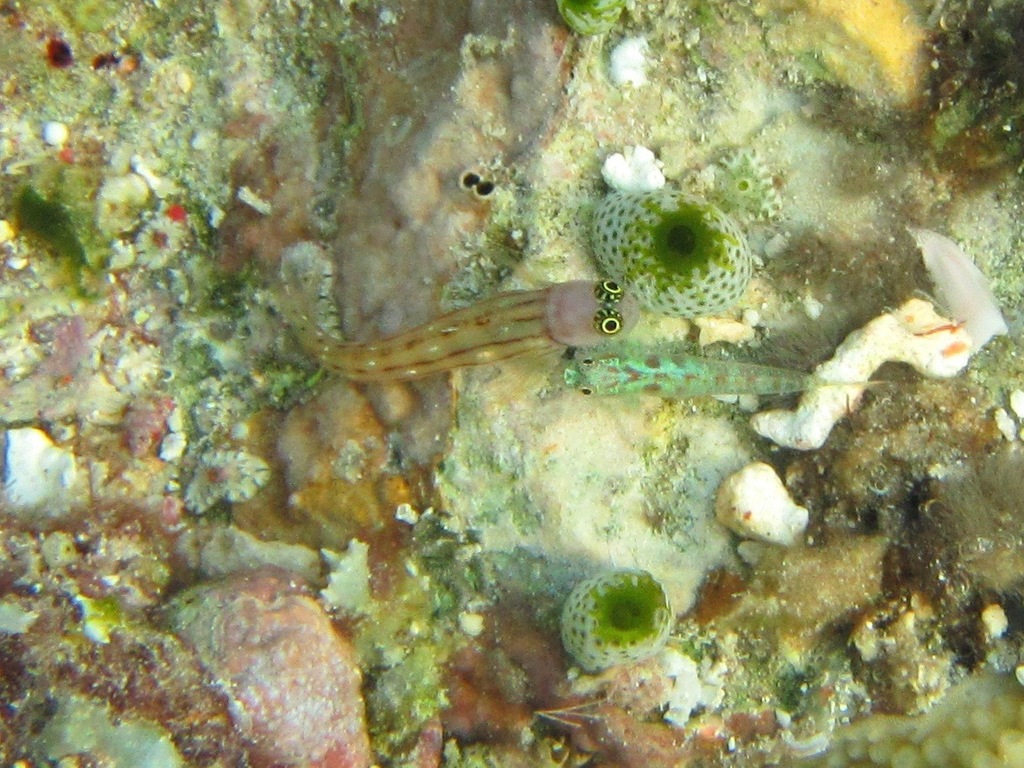
Three-lined Blenny
Ecsenius trilineatus
- Usual depth4–18 m
- Water temperature27–29 °C
- Best monthsJanuary, March, and May
- How commonRare
Photo credit: (c) Geoff Shuetrim, some rights reserved (CC BY) · CC BY · iNaturalist
About this species
Ecsenius trilineatus, known commonly as the three-lined blenny in Australia, and the white-spotted comb-tooth or the white-spotted combtooth blenny in Indonesia, is a species of combtooth blenny in the genus Ecsenius. It is a non-migoratory species of blenny found in coral reefs in the western central Pacific ocean. It can reach a maximum length of 3 centimetres. Blennies in this species feed primarily off of plants, including benthic algae and weeds, and are commercial aquarium fish, but of no interest in fisheries.
Text from the Wikipedia article “Ecsenius trilineatus”, licensed CC BY-SA 4.0. Read the article
Where and when
Where it has been recorded
Worldwide
Loading the map
Best months
Worldwide (open data)
- January: 17 records
- February: 1 records
- March: 18 records
- April: 9 records
- May: 17 records
- June: 2 records
- July: 7 records
- August: 6 records
- September: 15 records
- October: 17 records
- November: 11 records
- December: 6 records
Depth and water temperature
Depth
Mostly recorded at 4–18 m · Deepest record: 18.3 m
Water temperature
Recorded in surface water of 27–29 °C
Photos
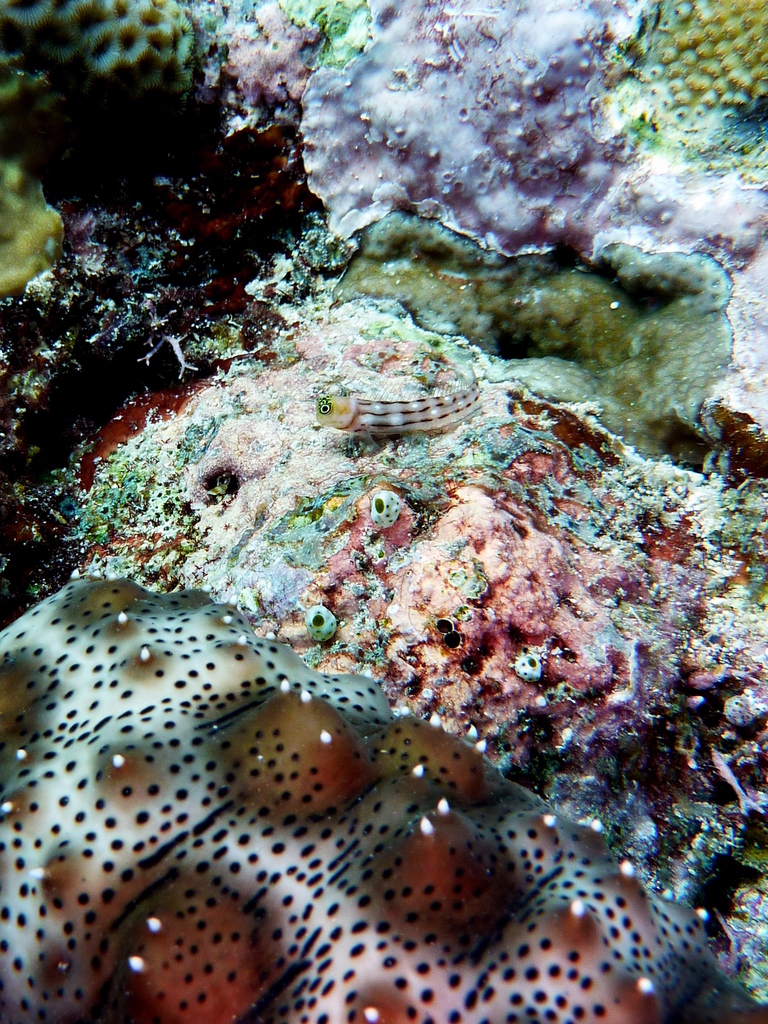
(c) Kai Squires, some rights reserved (CC BY) · CC BY · iNaturalist 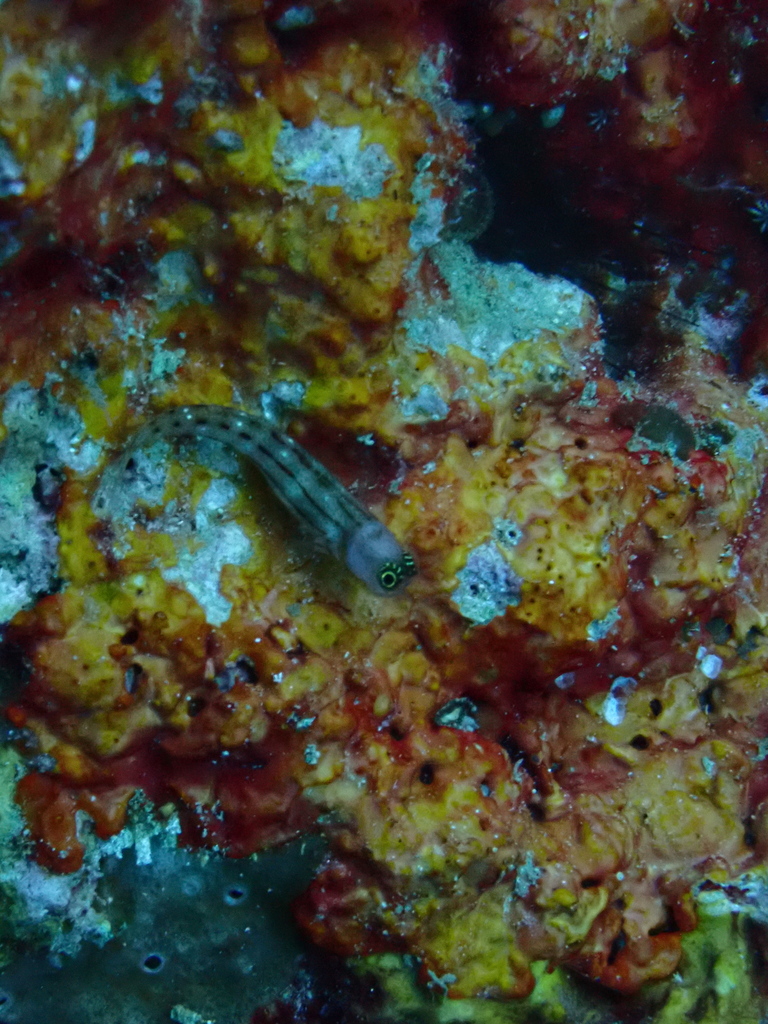
(c) Austen Novis, some rights reserved (CC BY) · CC BY · iNaturalist 
(c) Micha Baum, some rights reserved (CC BY-SA) · CC BY-SA · iNaturalist 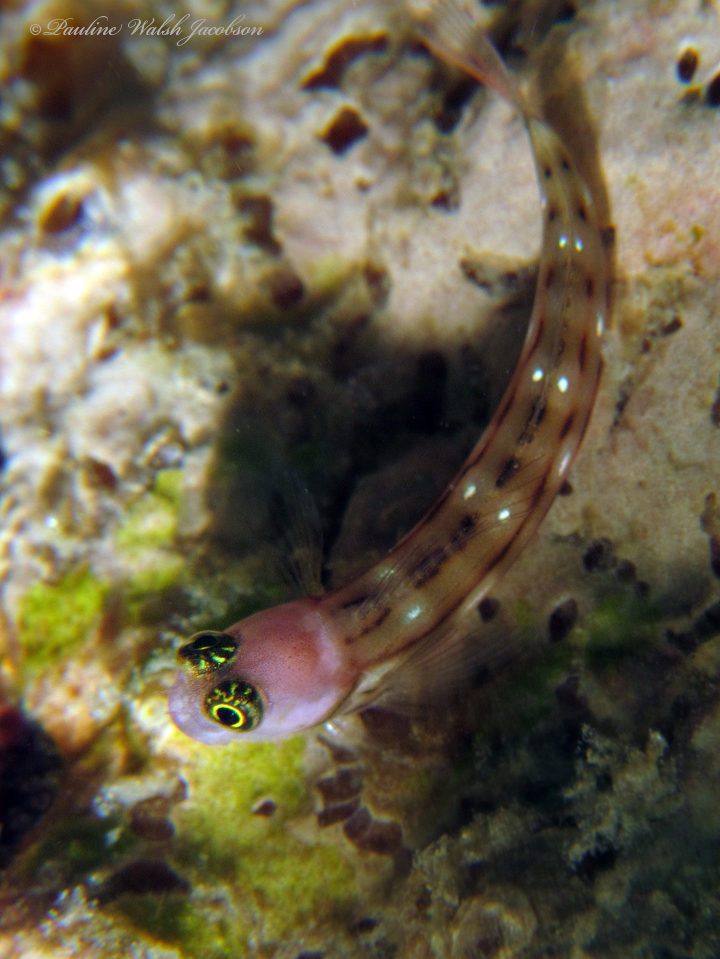
(c) Pauline Walsh Jacobson, some rights reserved (CC BY) · CC BY · iNaturalist
Names and classification
- English
- Three-lined Blenny, White-spotted Comb-tooth, White-spotted Combtooth Blenny, Whitespotted Combtooth Blenny
Similar species
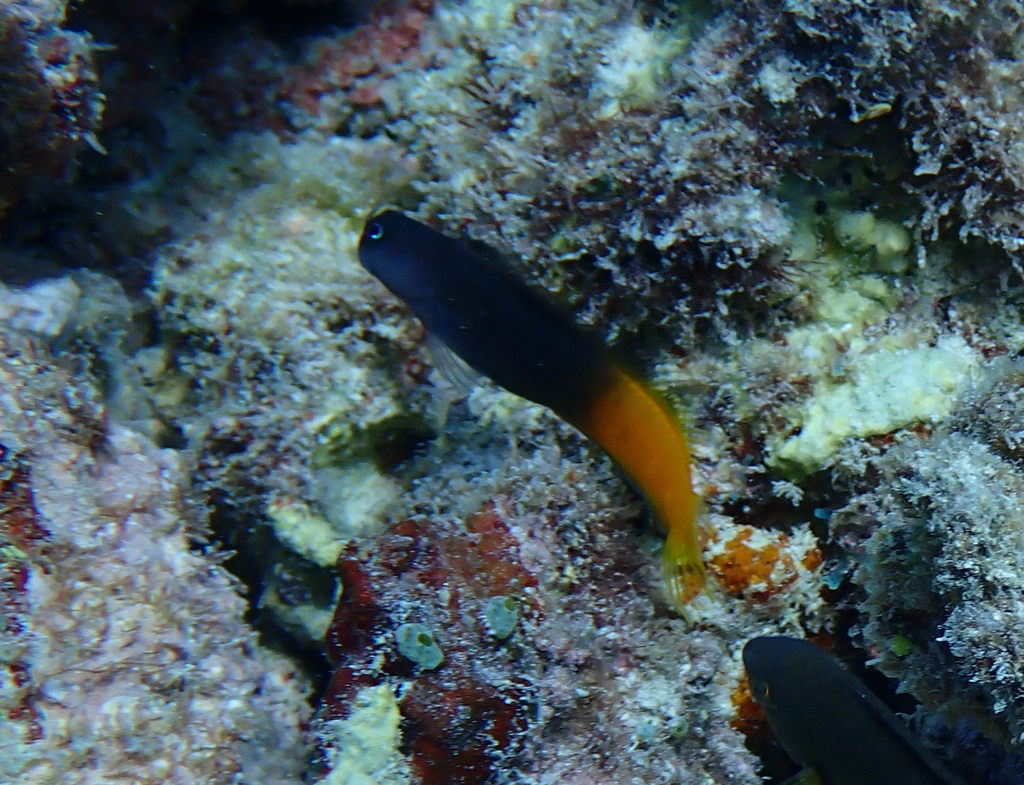 Bicolor Blenny
Ecsenius bicolor
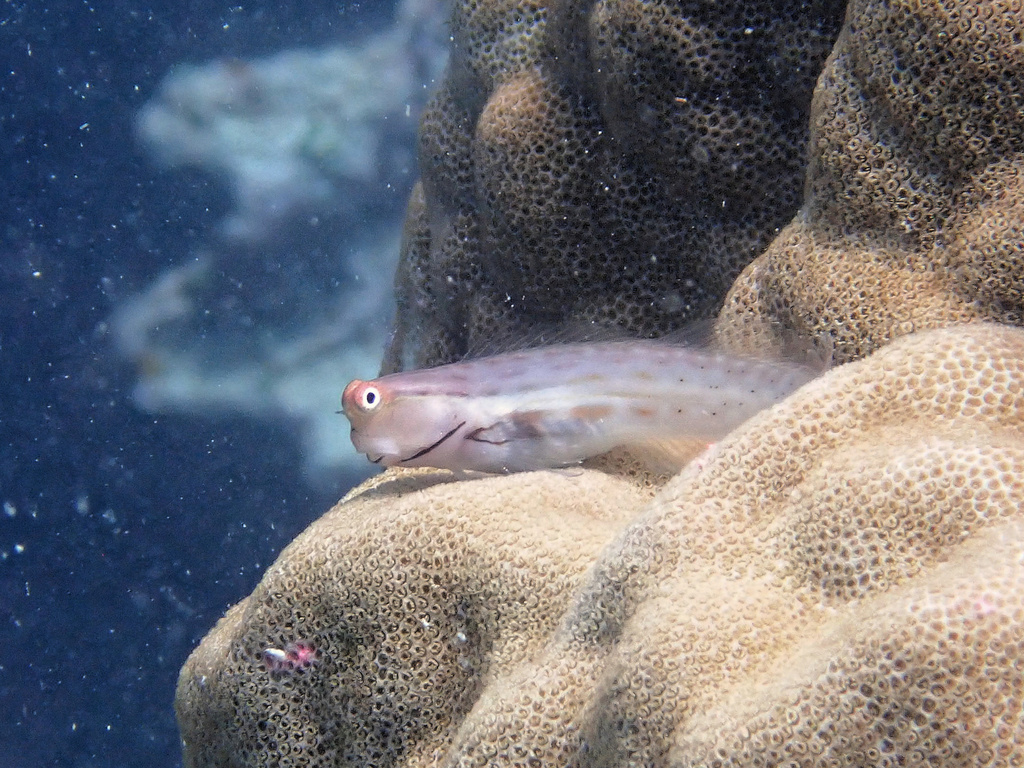 Great Barrier Reef Blenny
Ecsenius stictus
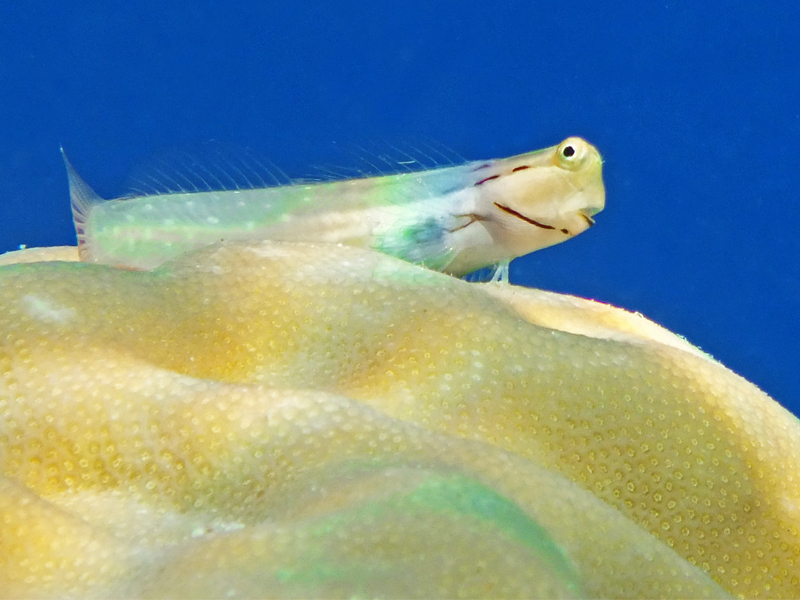 Coral Blenny
Ecsenius yaeyamaensis
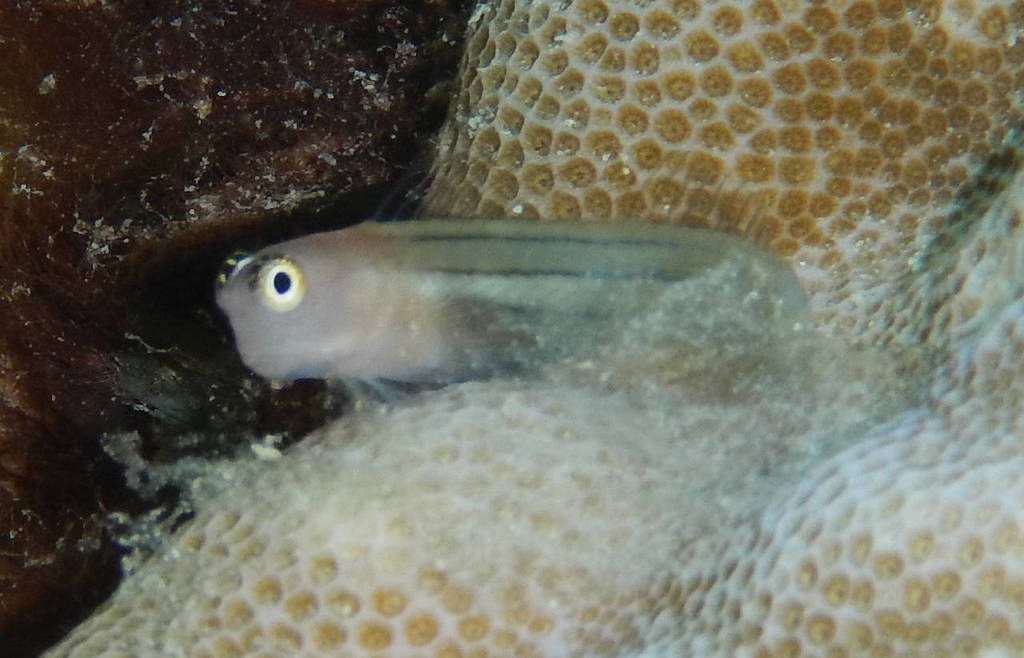 Fourline Blenny
Ecsenius aequalis
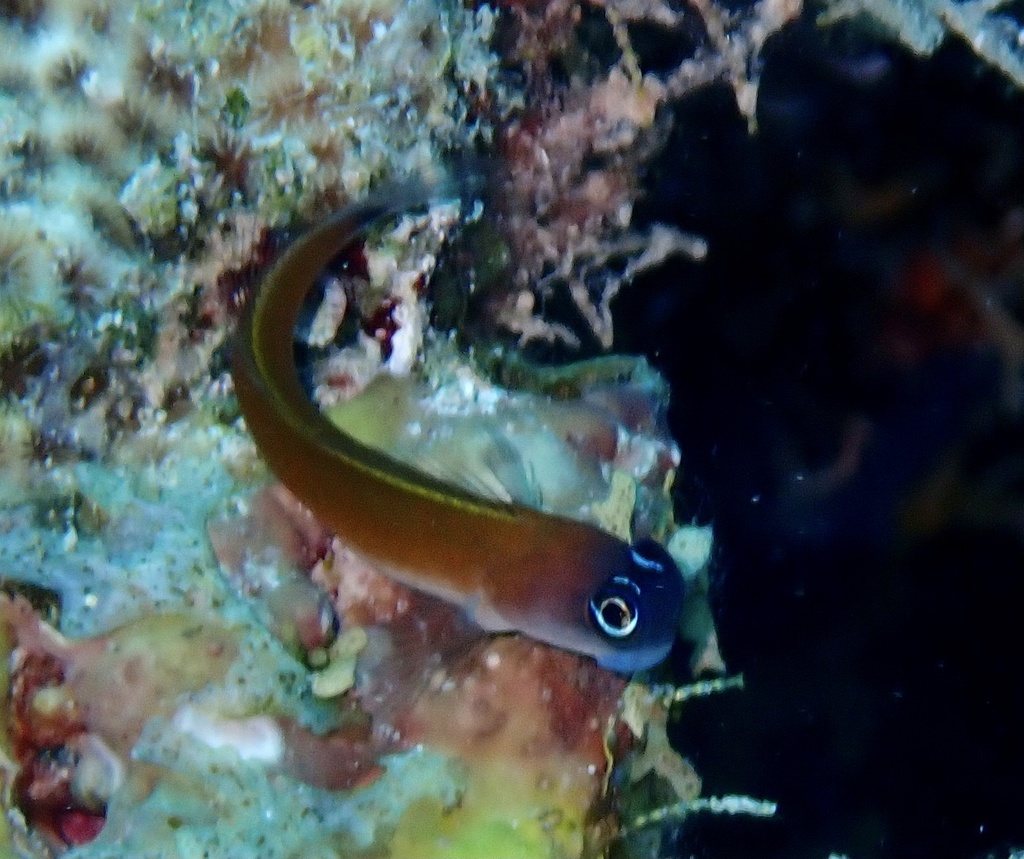 Aron's blenny
Ecsenius aroni
 Australian Blenny
Ecsenius australianus
Sources and credits
Names and taxonomy: WoRMS (CC BY 4.0) and the GBIF Backbone (CC BY 4.0). Photos: iNaturalist observers, each under the licence shown (CC0, CC BY or CC BY-SA).
- Depth, temperature, months and maps: records from OBIS and GBIF under CC0 or CC BY.
- Descriptions: Wikipedia, licensed CC BY-SA, each linked to its article.
- Conservation status as published by GBIF (IUCN Red List).
- 80 open-data records from 1973 to 2012.
- Species data updated November 2, 2026.
Log what you see on your next dive
The free DiveHive diver app keeps your logbook with every sighting and shows what lives at the site you dive next.