
DiscoverSpeciesCorals and anemones
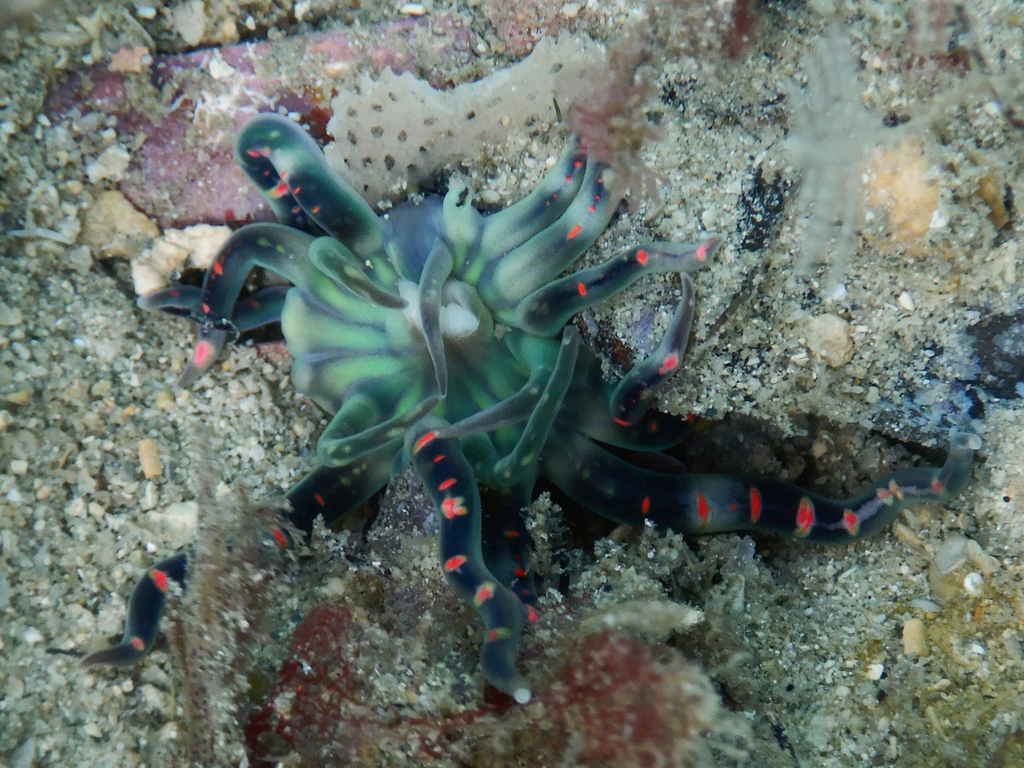
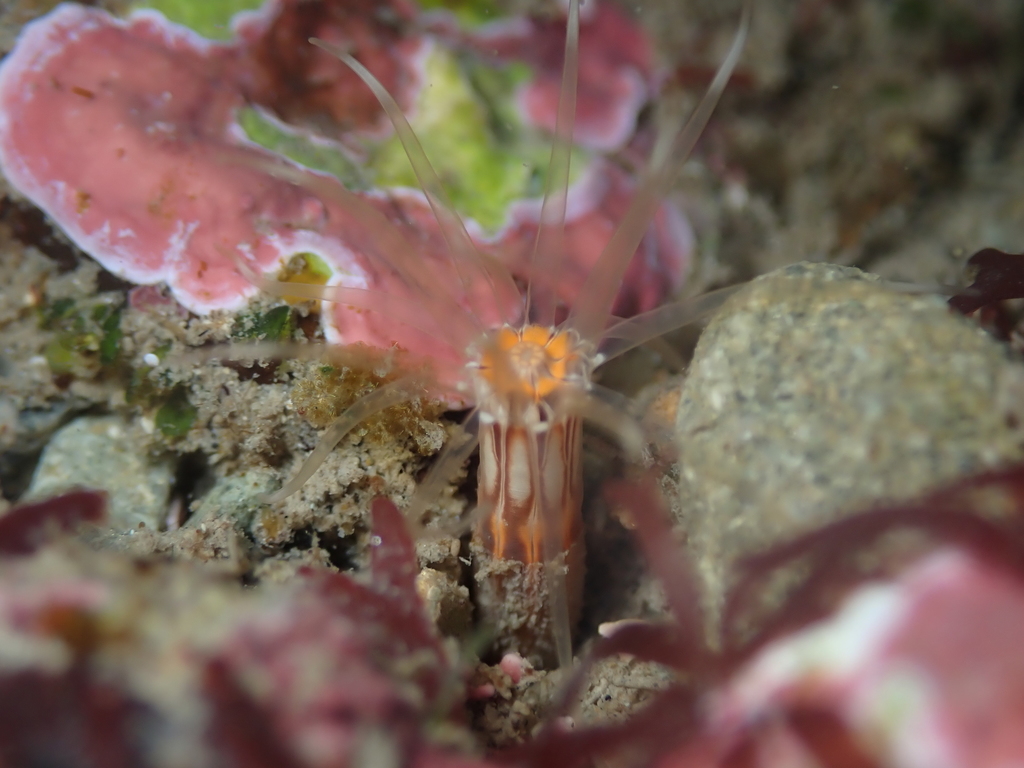
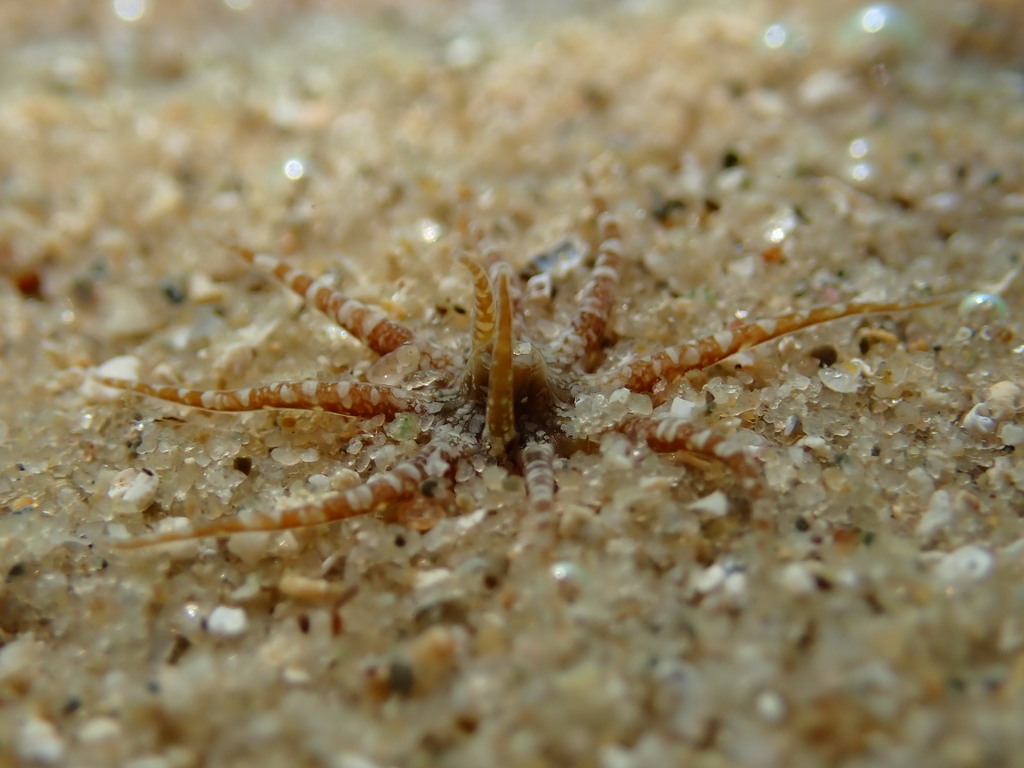
Edwardsianthus pudicus
- Usual depth0–2 m
- Water temperature26–30 °C
- Best monthsFebruary, July, and September
- How commonRare
Photo credit: (c) Ewout Knoester, some rights reserved (CC BY-SA) · CC BY-SA · iNaturalist
Where and when
Where it has been recorded
Worldwide
Loading the map
Best months
Worldwide (open data)
- January: 8 records
- February: 11 records
- March: 8 records
- April: 7 records
- May: 4 records
- June: 7 records
- July: 11 records
- August: 5 records
- September: 14 records
- October: 5 records
- November: 8 records
- December: 9 records
Depth and water temperature
Depth
Mostly recorded at 0–2 m · Deepest record: 1.5 m
Water temperature
Recorded in surface water of 26–30 °C
Photos
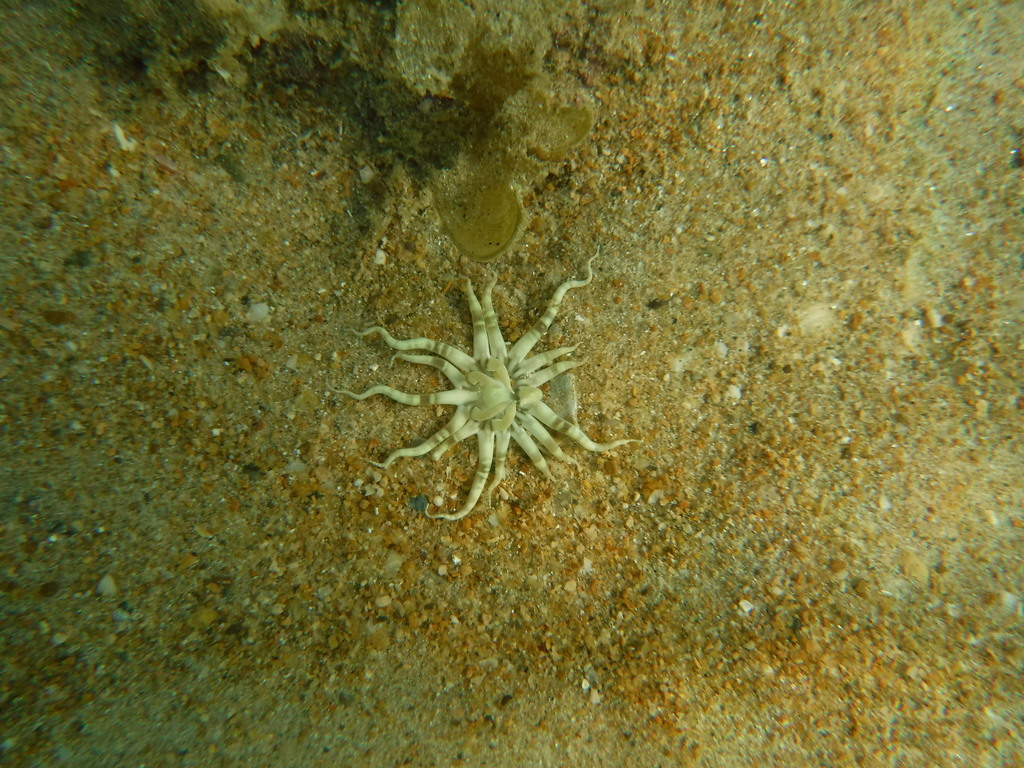
(c) James Telford, some rights reserved (CC BY) · CC BY · iNaturalist 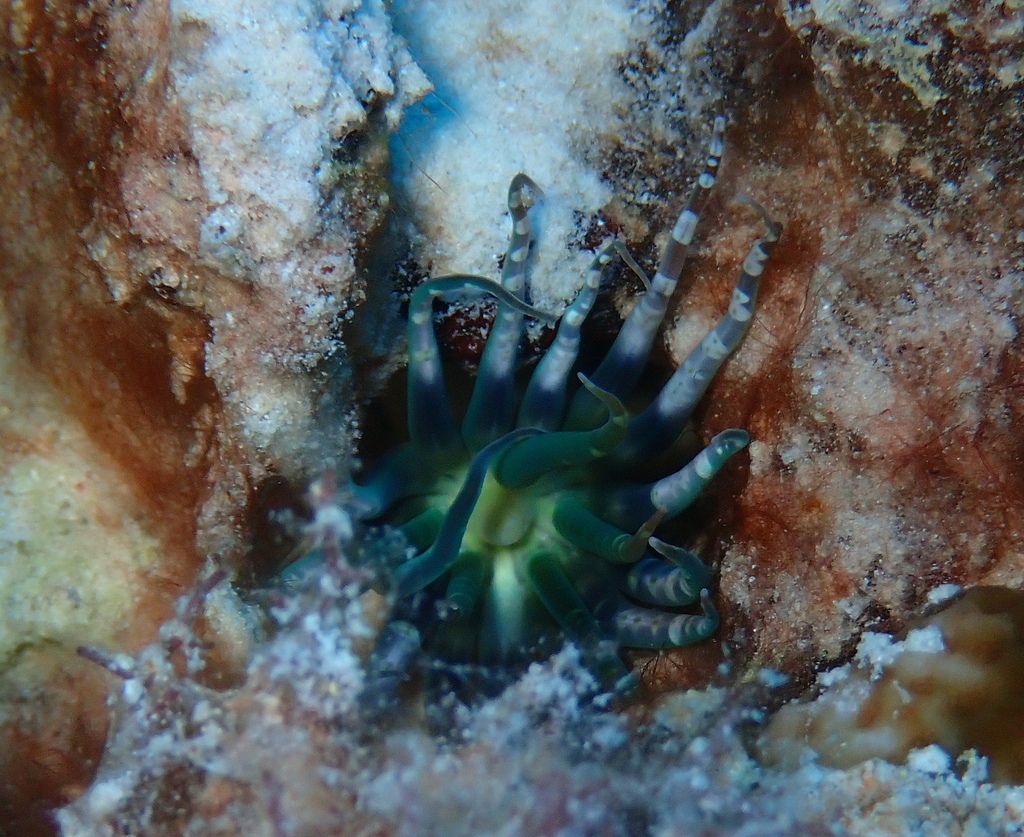
(c) Debra Baker, some rights reserved (CC BY) · CC BY · iNaturalist 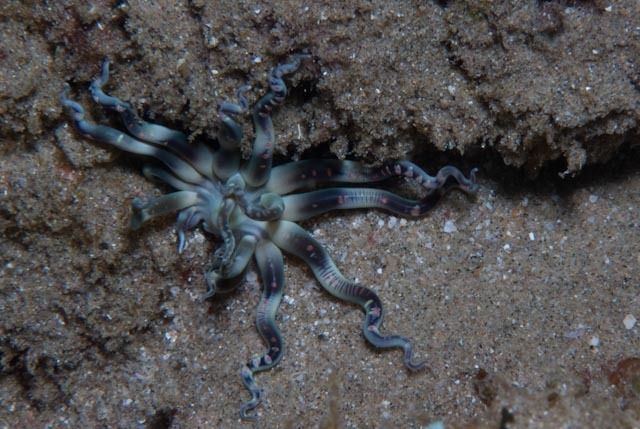
(c) Georgina Jones, some rights reserved (CC BY-SA) · CC BY-SA · iNaturalist 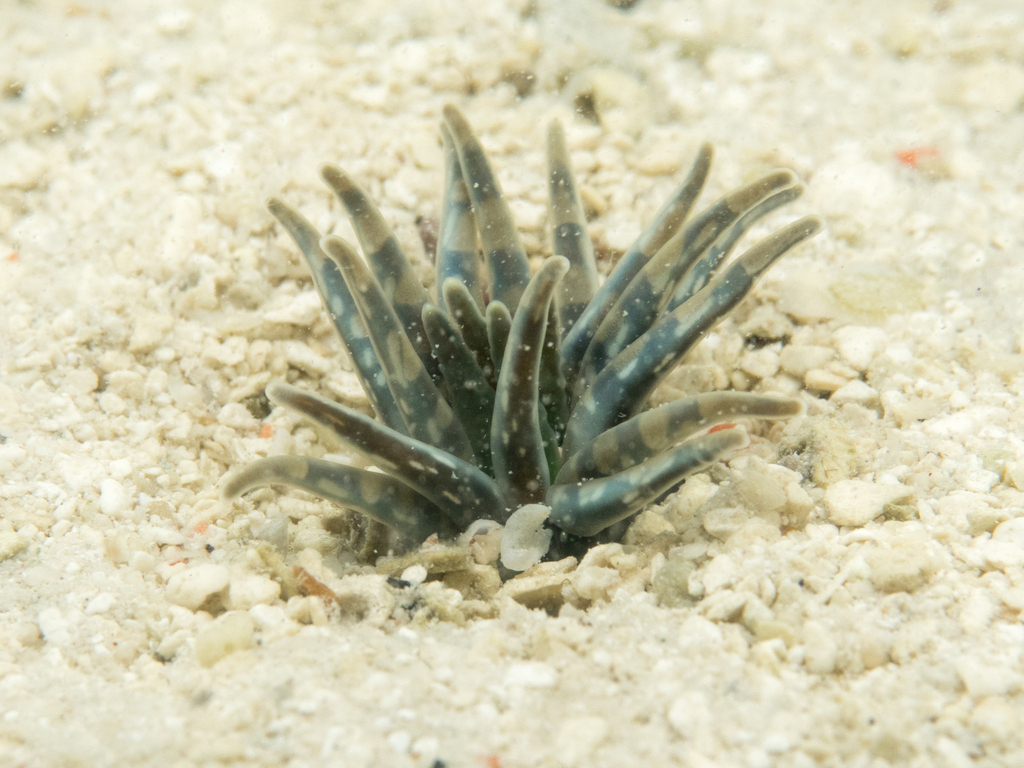
(c) Emanuele Santarelli, some rights reserved (CC BY-SA) · CC BY-SA · iNaturalist 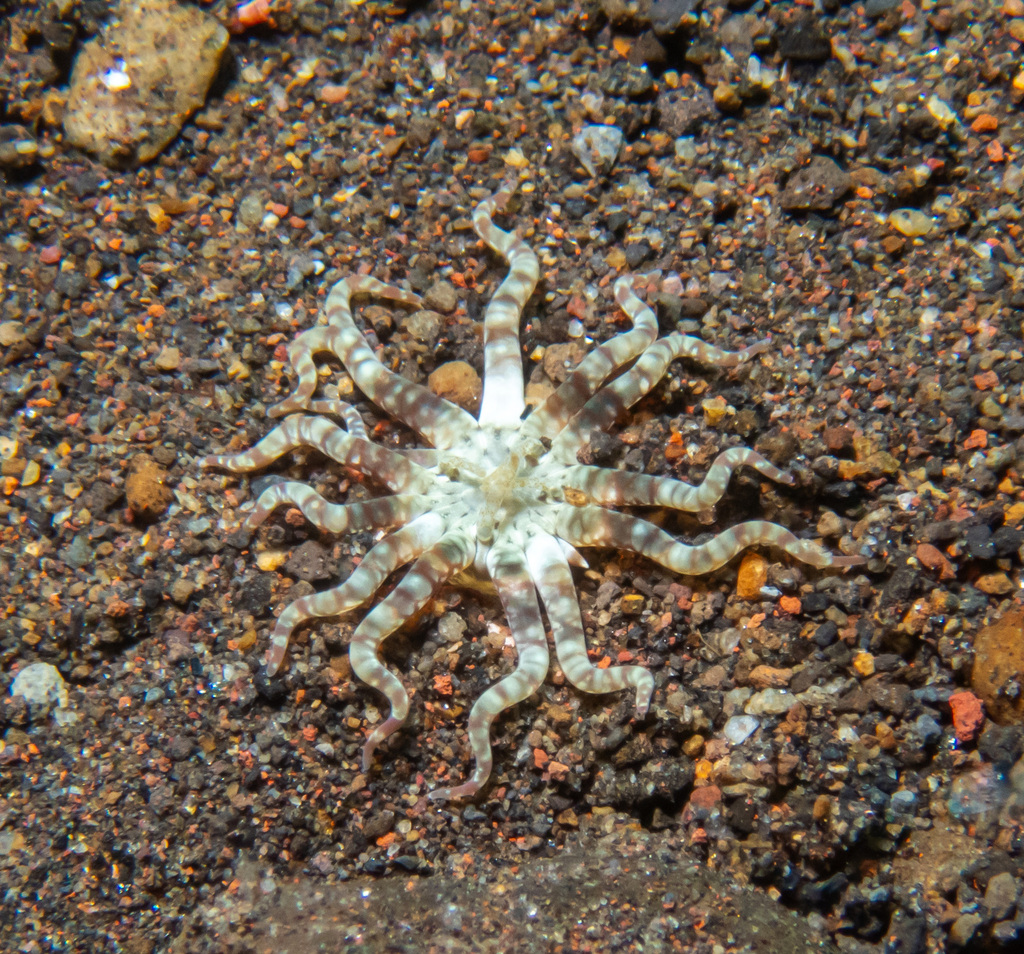
(c) portioid, some rights reserved (CC BY) · CC BY · iNaturalist 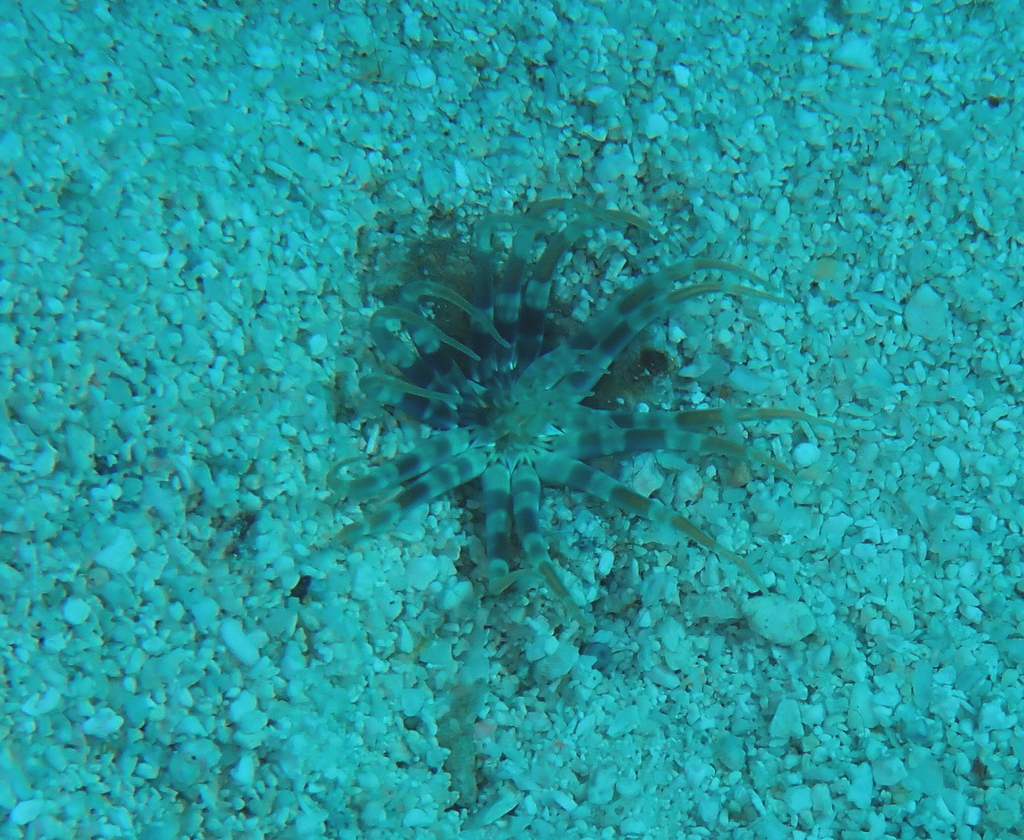
(c) Debra Baker, some rights reserved (CC BY) · CC BY · iNaturalist 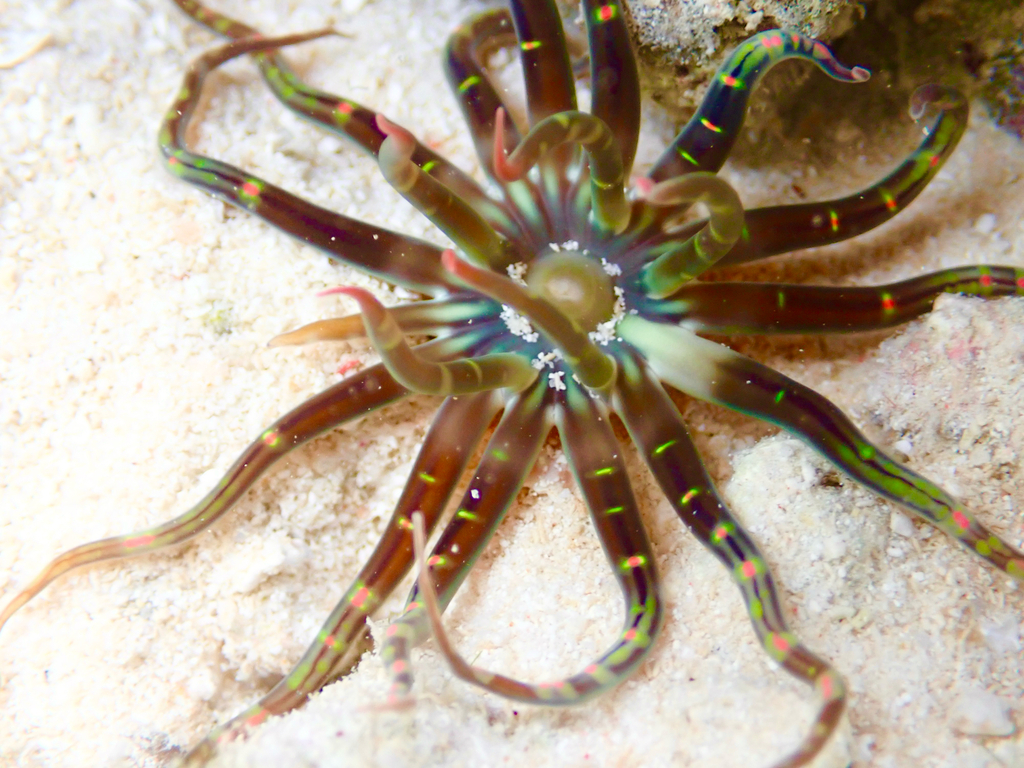
(c) eklemp, some rights reserved (CC BY) · CC BY · iNaturalist
Names and classification
Other scientific names: Edwardsia adenensis, Edwardsia bocki, Edwardsia pudica, Edwardsia rakaiyae, Edwardsia rekaiyae, Edwardsia stephensoni, Edwardsia vermiformis, Edwardsianthus pudica, Edwardsianthus pudicua, Edwardsiella pudica
Similar species
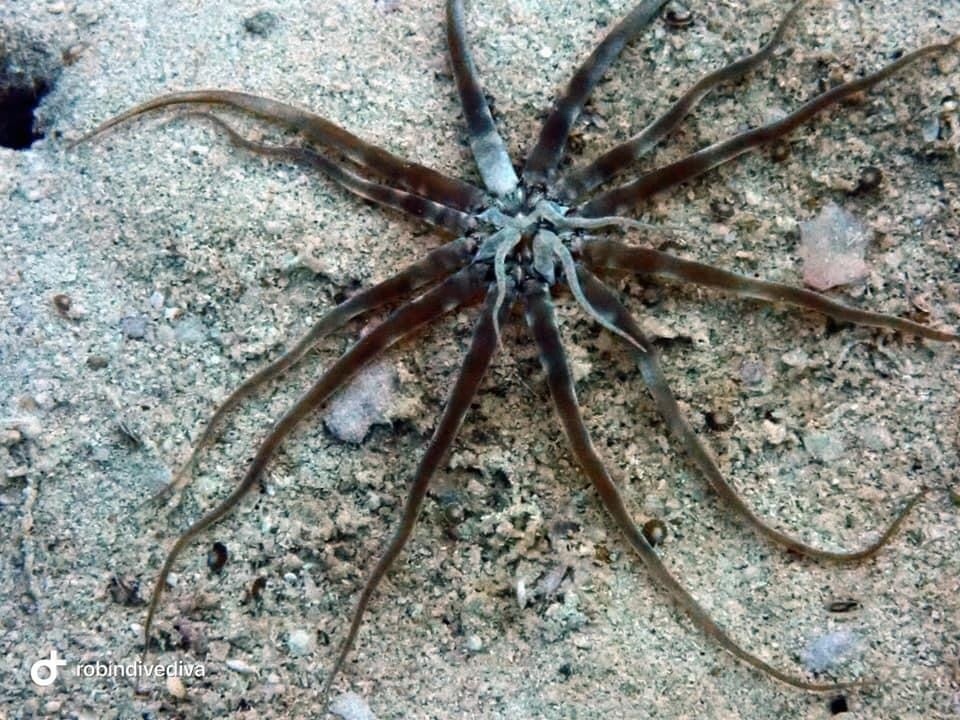
- Lined sea anemone
Edwardsiella lineata
Sources and credits
Names and taxonomy: WoRMS (CC BY 4.0) and the GBIF Backbone (CC BY 4.0). Photos: iNaturalist observers, each under the licence shown (CC0, CC BY or CC BY-SA).
- Depth, temperature, months and maps: records from OBIS and GBIF under CC0 or CC BY.
- Conservation status as published by GBIF (IUCN Red List).
- 31 open-data records from 1877 to 1877.
- Species data updated November 2, 2026.
Log what you see on your next dive
The free DiveHive diver app keeps your logbook with every sighting and shows what lives at the site you dive next.