
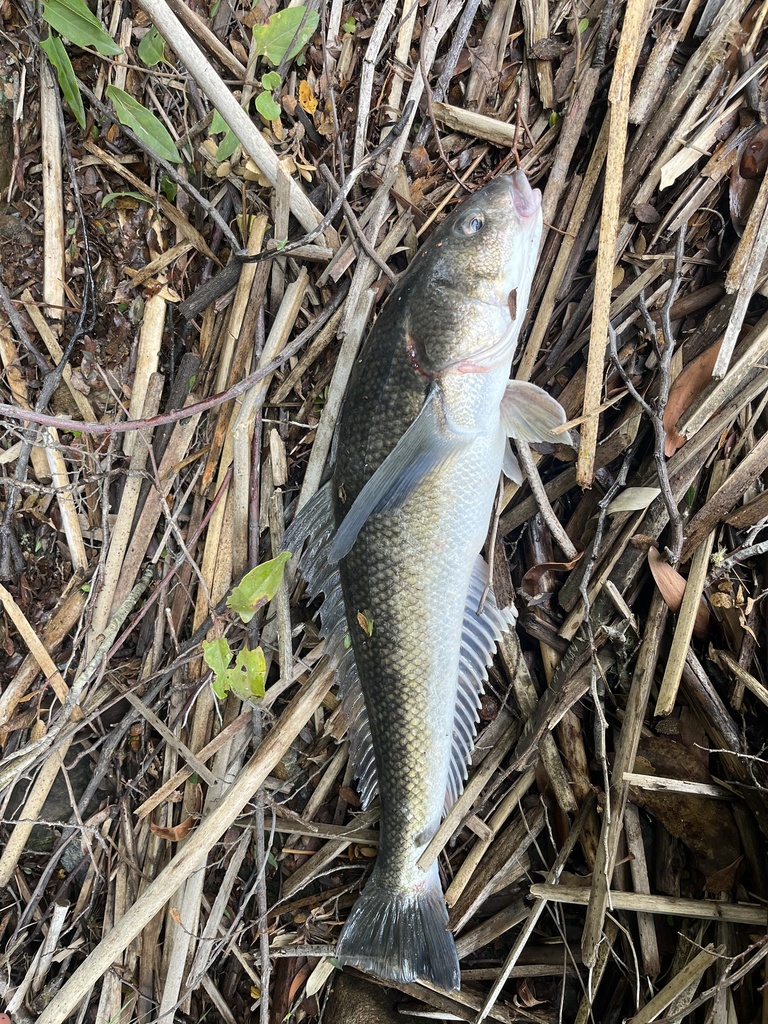
Patagonian Blenny
Eleginops maclovinus
- Usual depth139–263 m
- Water temperature7–17 °C
- Best monthsJuly
- How commonOccasional
Photo credit: (c) Pablo Silva, some rights reserved (CC BY) · CC BY · iNaturalist
About this species
The Patagonian blennie, also known as the rock cod, is a species of marine ray-finned fish, belonging to the monotypic family Eleginopidae and monotypic genus Eleginops. It is found in coastal and estuarine habitats around southernmost South America.
Text from the Wikipedia article “Patagonian blennie”, licensed CC BY-SA 4.0. Read the article
Where and when
Where it has been recorded
Worldwide
Loading the map
Best months
Worldwide (open data)
- January: 32 records
- February: 23 records
- March: 12 records
- April: 27 records
- May: 46 records
- June: 31 records
- July: 865 records
- August: 231 records
- September: 273 records
- October: 121 records
- November: 11 records
- December: 5 records
Depth and water temperature
Depth
Mostly recorded at 139–263 m · Deepest record: 1,077.3 m
Water temperature
Recorded in surface water of 7–17 °C
Photos
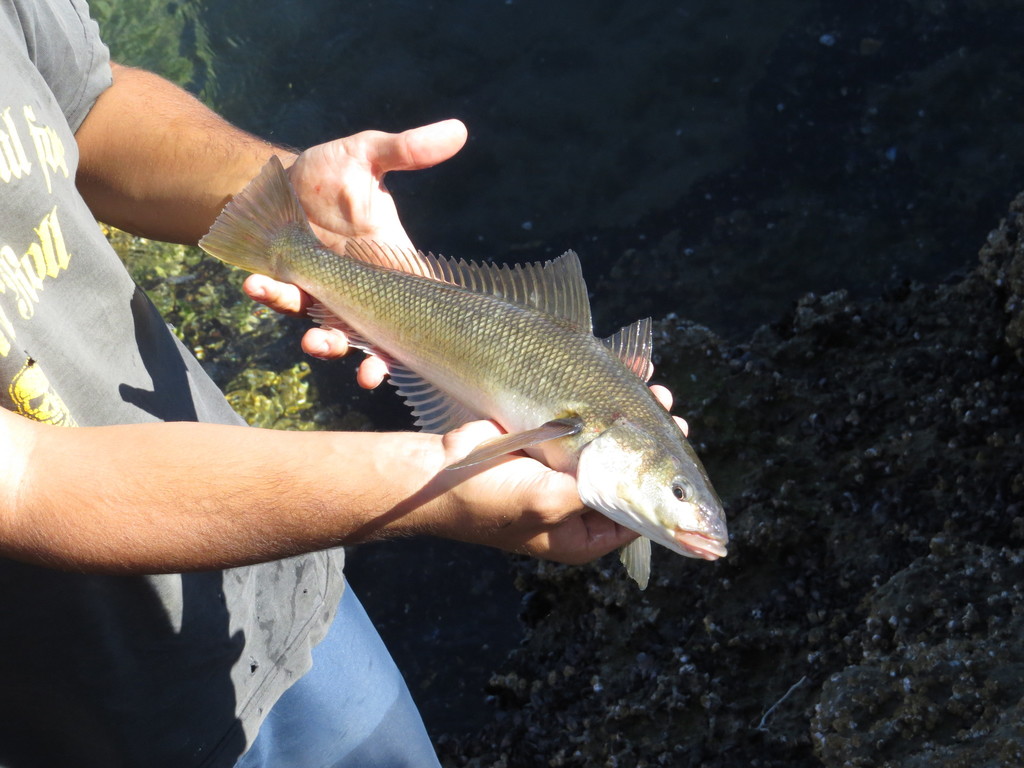
(c) Leonel Roget, some rights reserved (CC BY) · CC BY · iNaturalist 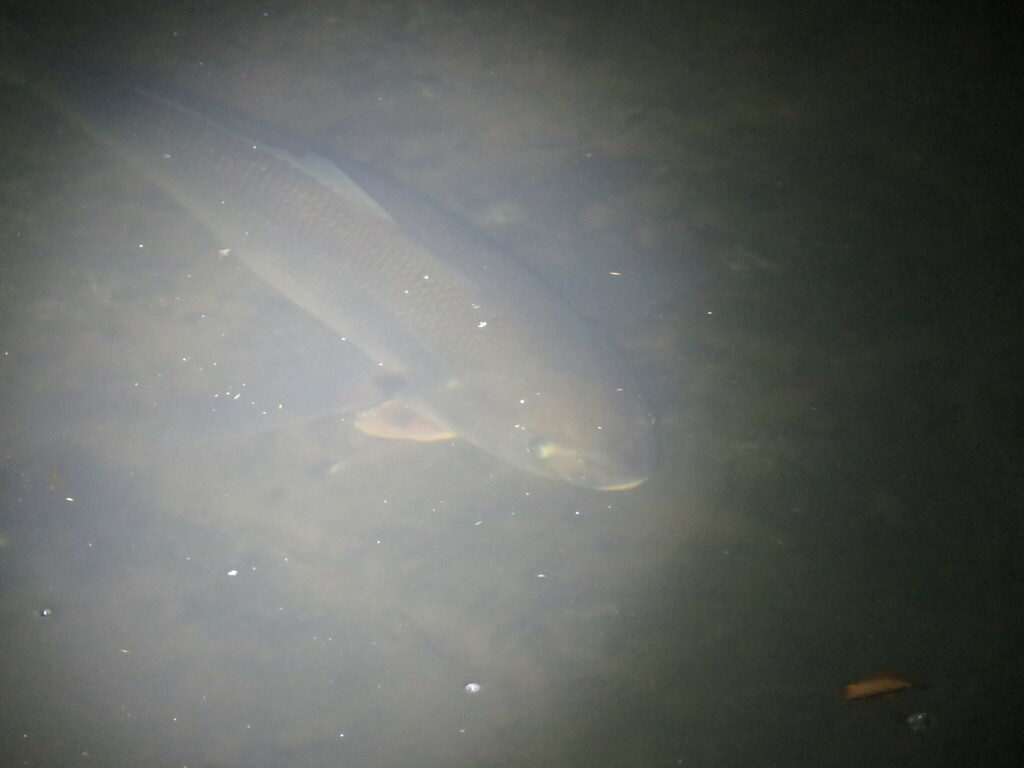
no rights reserved · CC0 1.0 · iNaturalist 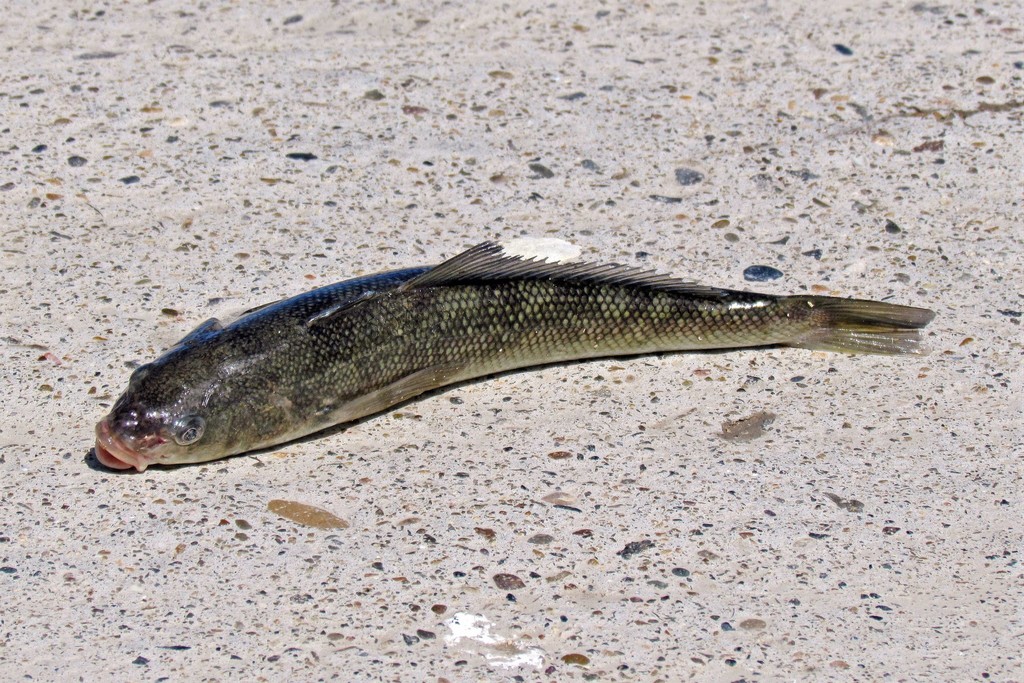
no rights reserved · CC0 1.0 · iNaturalist 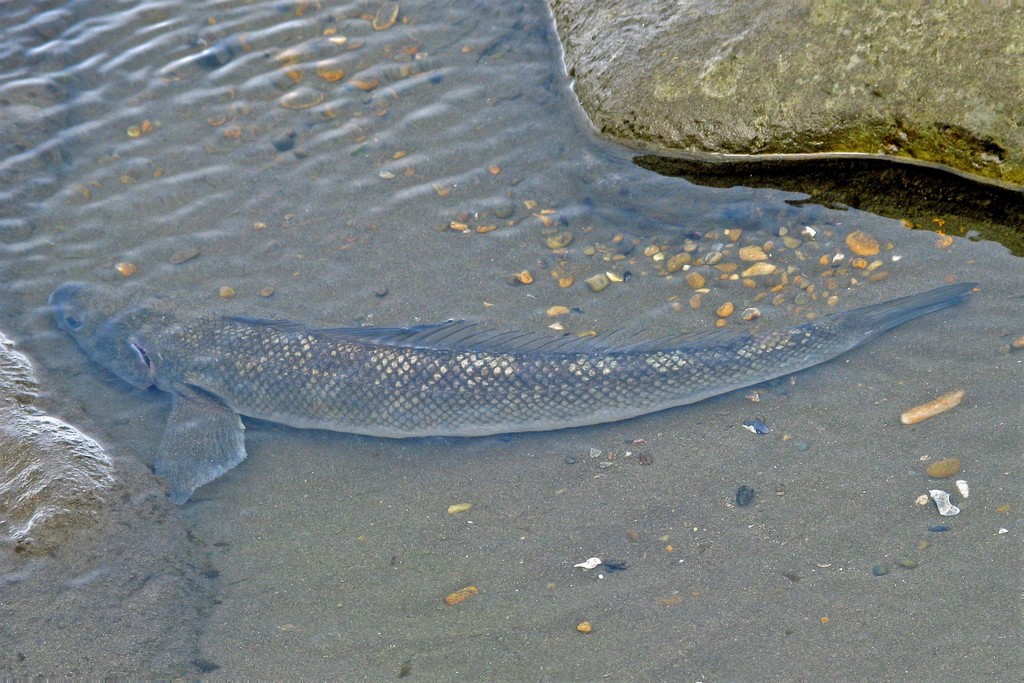
no rights reserved · CC0 1.0 · iNaturalist 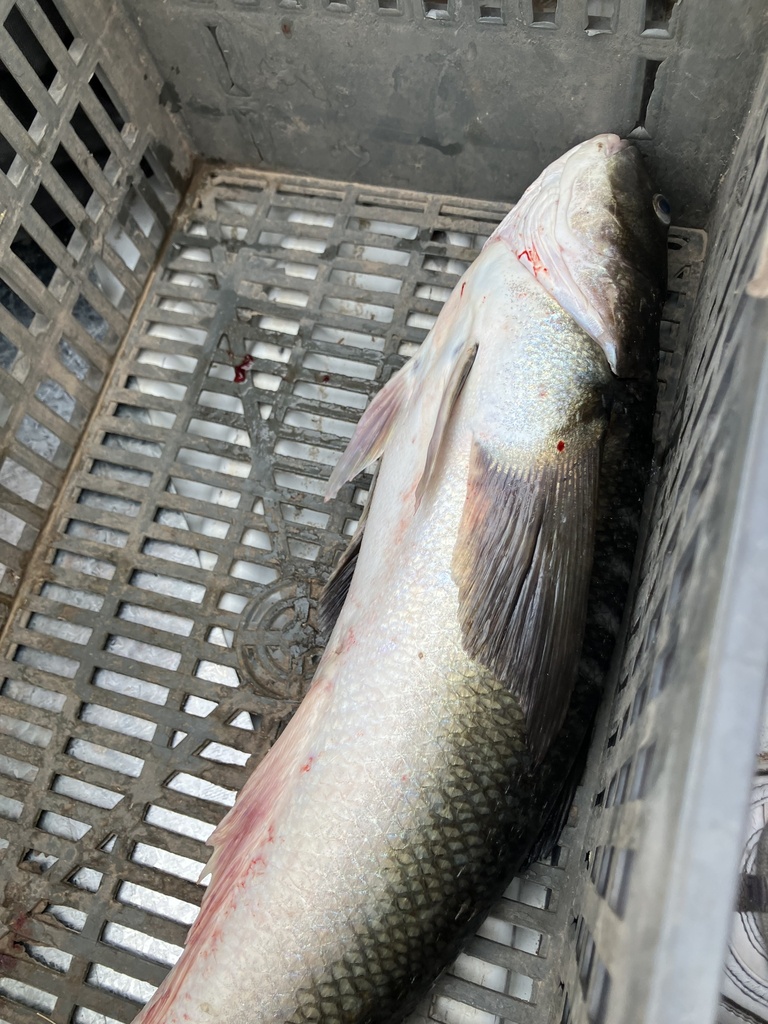
(c) River Ahlquist, some rights reserved (CC BY) · CC BY · iNaturalist 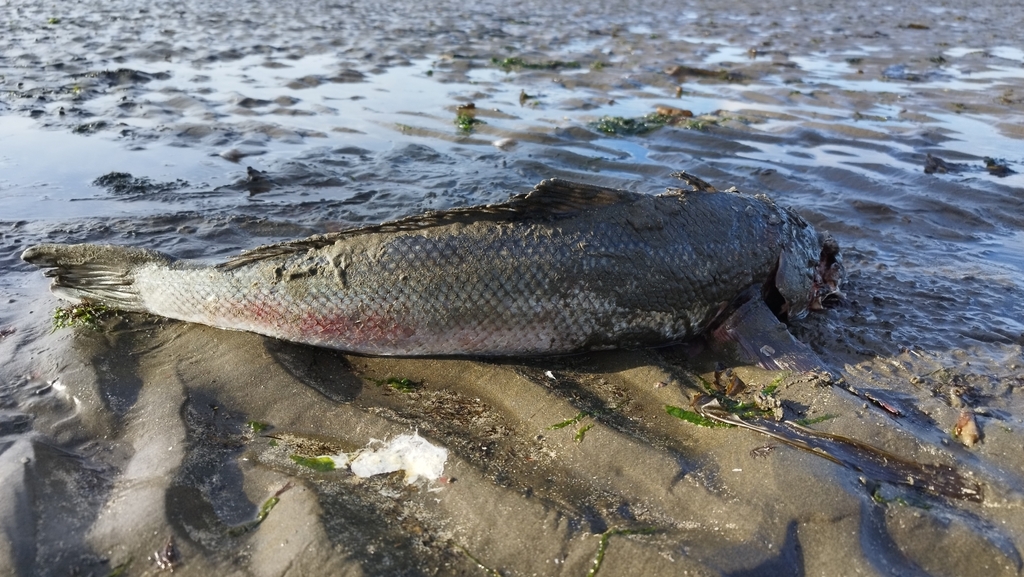
no rights reserved · CC0 1.0 · iNaturalist
Names and classification
- English
- Patagonian Blenny, Rock Cod
Names in 2 more languages
- Spanish
- Robalito, Róbalo, Róbalo de piedra, Róbalo patagónico, Santa Cruz
- Japanese
- ダイリンノト
Other scientific names: Aphritis porosus, Eleginus maclovinus, Pseudaphritis porosus
Sources and credits
Names and taxonomy: WoRMS (CC BY 4.0) and the GBIF Backbone (CC BY 4.0). Photos: iNaturalist observers, each under the licence shown (CC0, CC BY or CC BY-SA).
- Depth, temperature, months and maps: records from OBIS and GBIF under CC0 or CC BY.
- Descriptions: Wikipedia, licensed CC BY-SA, each linked to its article.
- Conservation status as published by GBIF (IUCN Red List).
- 1,626 open-data records from 1883 to 2024.
- Species data updated November 2, 2026.
Log what you see on your next dive
The free DiveHive diver app keeps your logbook with every sighting and shows what lives at the site you dive next.