
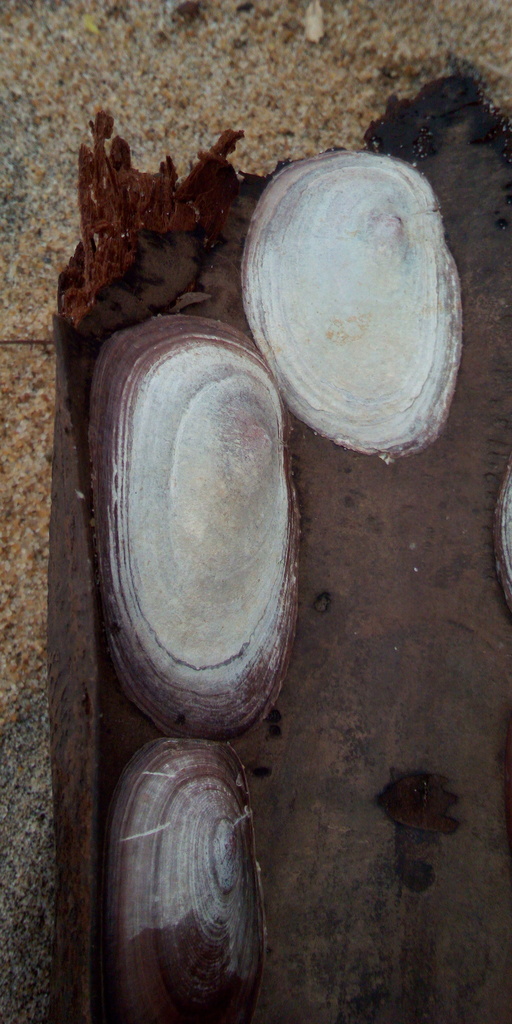
Enigma Oyster
Enigmonia aenigmatica
- Water temperature23–30 °C
- Best monthsFebruary and July
- How commonRare
Photo credit: (c) Paulius Rupšas, some rights reserved (CC BY), uploaded by Paulius Rupšas · CC BY · iNaturalist
About this species
Enigmonia aenigmatica, the mangrove jingle shell, is a species of Anomiid clam representing the sole member of the monotypic genus Enigmonia. It is found living on mangroves in the Indo-Pacific Ocean. It has been referred to as a “tree-climbing bivalve” and the only “terrestrial” bivalve.
Text from the Wikipedia article “Enigmonia”, licensed CC BY-SA 4.0. Read the article
Where and when
Where it has been recorded
Worldwide
Loading the map
Best months
Worldwide (open data)
- January: 6 records
- February: 14 records
- March: 3 records
- April: 4 records
- May: 6 records
- June: 6 records
- July: 11 records
- August: 7 records
- September: 5 records
- October: 4 records
- November: 2 records
- December: 8 records
Depth and water temperature
Water temperature
Recorded in surface water of 23–30 °C
Photos

(c) Paulius Rupšas, some rights reserved (CC BY) · CC BY · iNaturalist 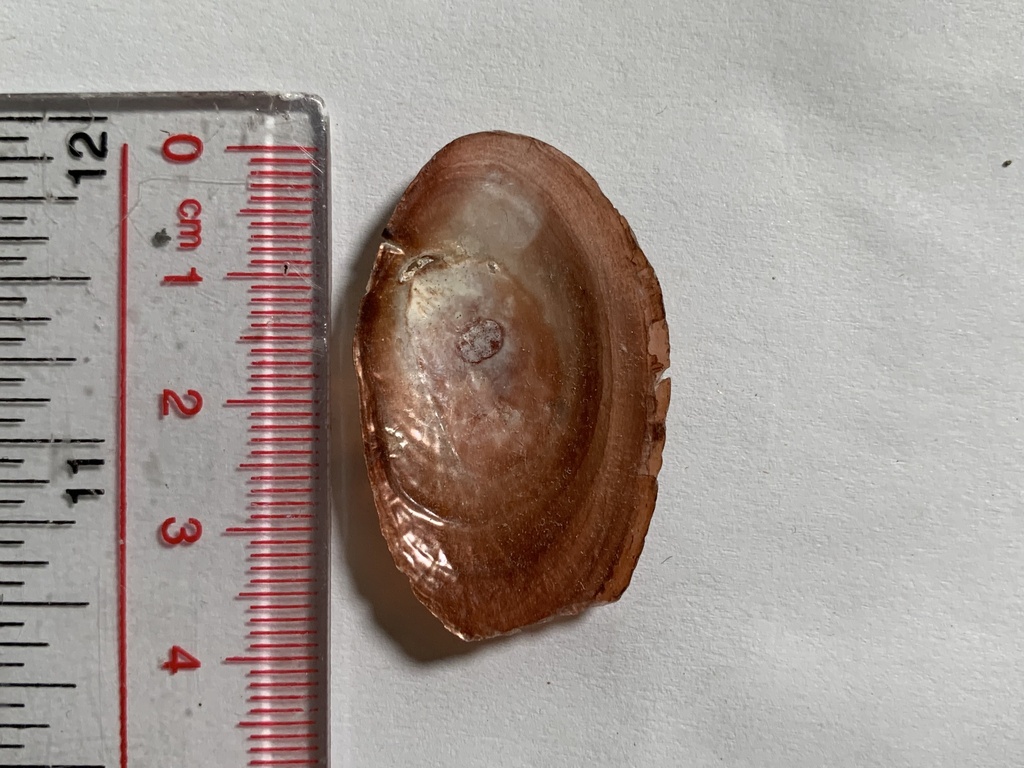
(c) TonyT, some rights reserved (CC BY) · CC BY · iNaturalist 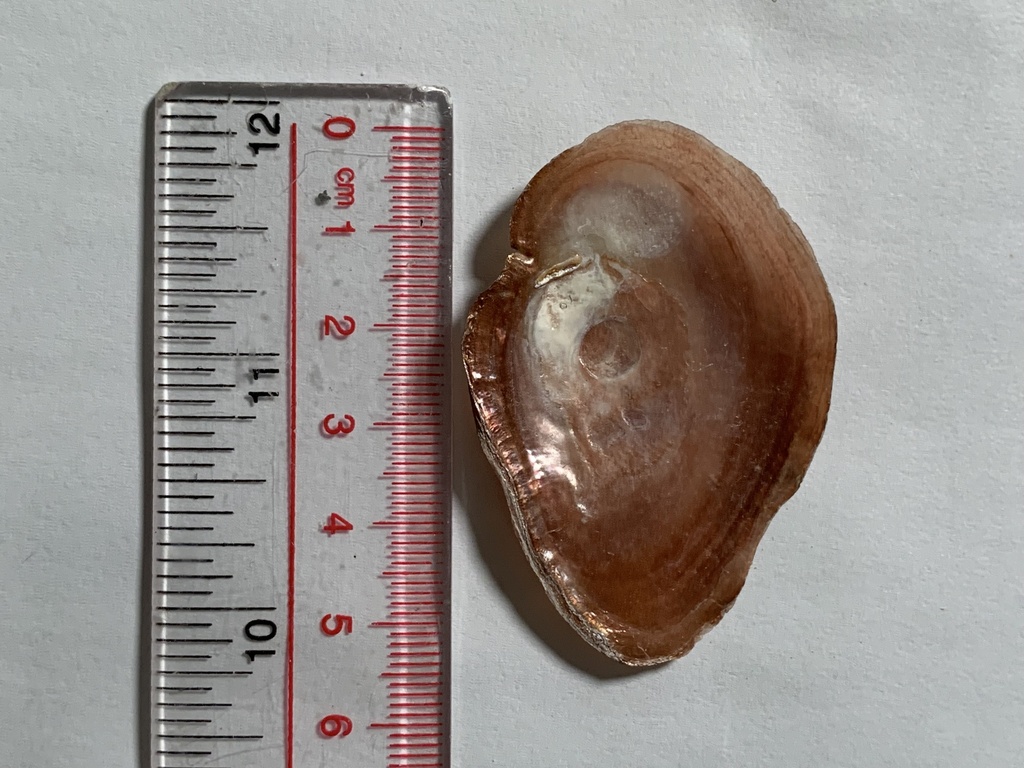
(c) TonyT, some rights reserved (CC BY) · CC BY · iNaturalist
Names and classification
- English
- Enigma Oyster, mangrove jingle shell
Names in 1 more languages
- Thai
- หอยกระจกป่าเลน
Other scientific names: Aenigma convexum, Aenigma corrugatum, Aenigma reticulatum, Anomia aenigmatica, Anomia alfredensis, Anomia curiosa, Anomia farquhari, Anomia naviformis, Anomia oblonga, Anomia rosea, Enigmonia rosea
Similar species
 Golden Oyster
Anomia trigonopsis
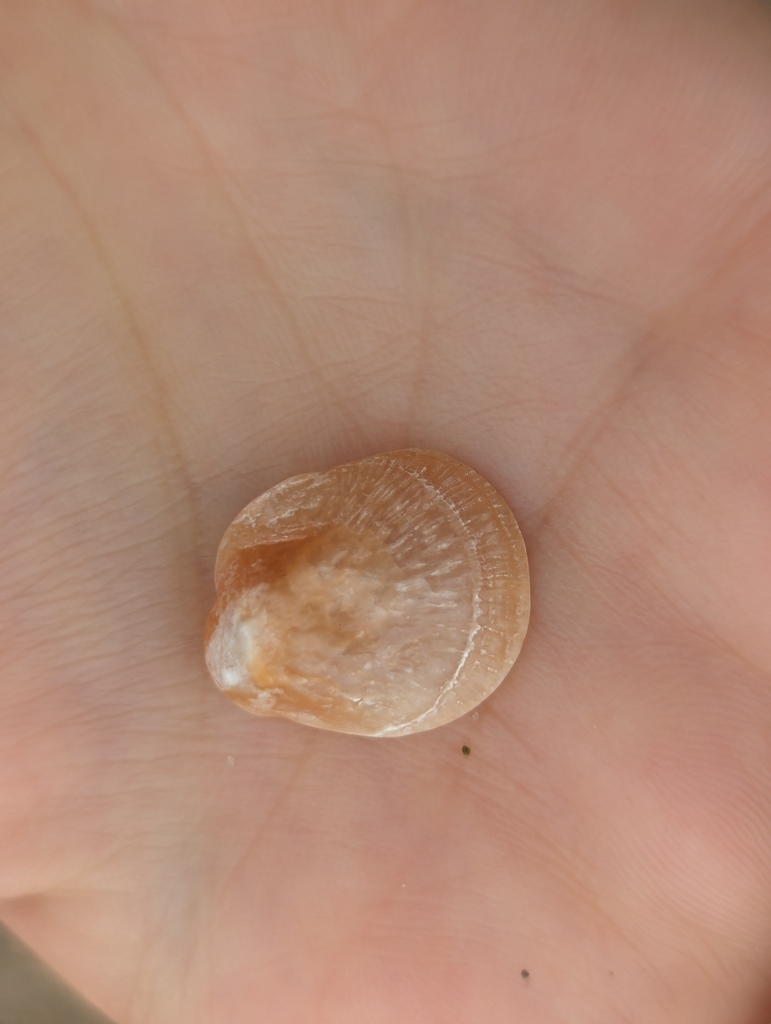 Chinese Jingle
Anomia chinensis
Sources and credits
Names and taxonomy: WoRMS (CC BY 4.0) and the GBIF Backbone (CC BY 4.0). Photos: iNaturalist observers, each under the licence shown (CC0, CC BY or CC BY-SA).
- Depth, temperature, months and maps: records from OBIS and GBIF under CC0 or CC BY.
- Descriptions: Wikipedia, licensed CC BY-SA, each linked to its article.
- Conservation status as published by GBIF (IUCN Red List).
- 117 open-data records from 1802 to 2014.
- Species data updated November 2, 2026.
Log what you see on your next dive
The free DiveHive diver app keeps your logbook with every sighting and shows what lives at the site you dive next.