
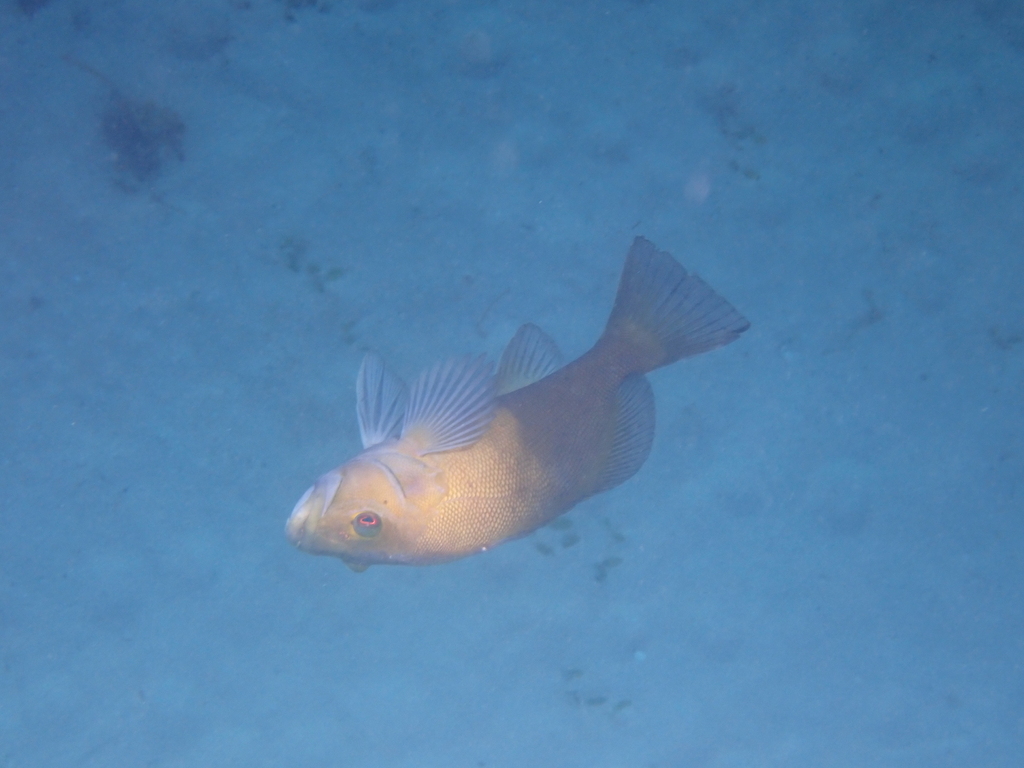
Black-arse
Epinephelides armatus
- Usual depth4–17 m
- Water temperature19–22 °C
- Best monthsFebruary, April, and December
- How commonOccasional
Photo credit: (c) Grady Duffy, some rights reserved (CC BY) · CC BY · iNaturalist
About this species
The breaksea cod, black-arse cod or tiger cod, is a species of marine ray-finned fish in the family Anthiadidae. It is endemic to Australia. Its natural habitats are open seas, shallow seas, subtidal aquatic beds, and coral reefs. This species is the only member of its genus.
Text from the Wikipedia article “Breaksea cod”, licensed CC BY-SA 4.0. Read the article
Where and when
Where it has been recorded
Worldwide
Loading the map
Best months
Worldwide (open data)
- January: 25 records
- February: 30 records
- March: 25 records
- April: 39 records
- May: 13 records
- June: 11 records
- July: 7 records
- August: 17 records
- September: 6 records
- October: 14 records
- November: 18 records
- December: 27 records
Depth and water temperature
Depth
Mostly recorded at 4–17 m · Deepest record: 90 m
Water temperature
Recorded in surface water of 19–22 °C
Photos
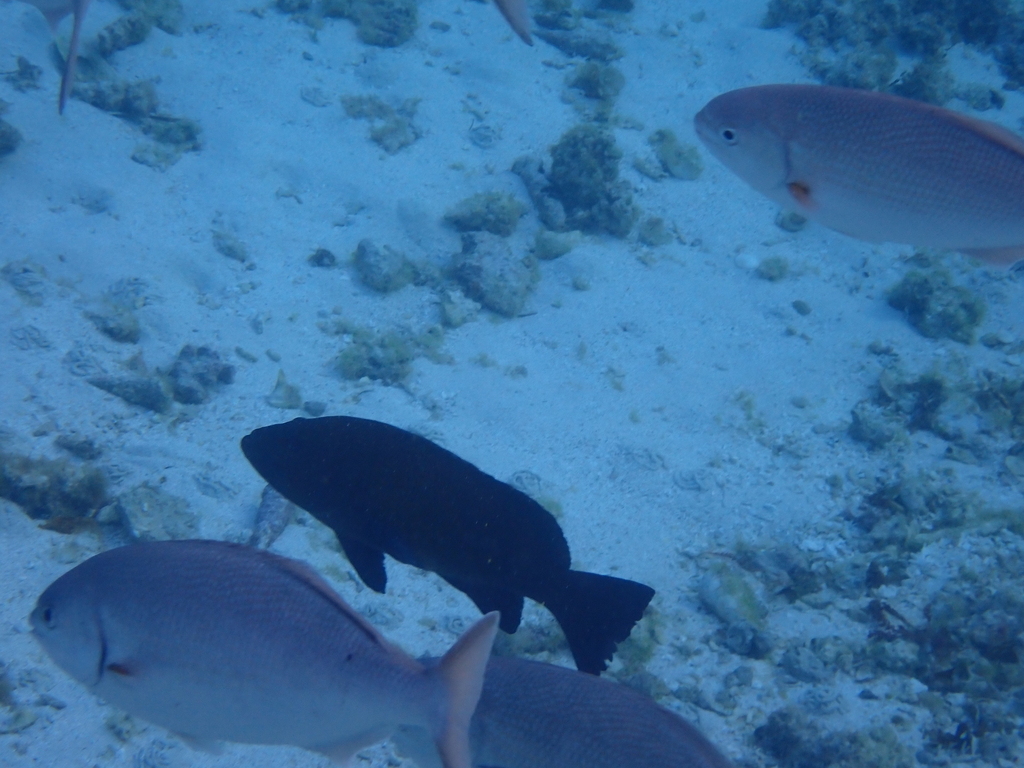
(c) Grady Duffy, some rights reserved (CC BY) · CC BY · iNaturalist 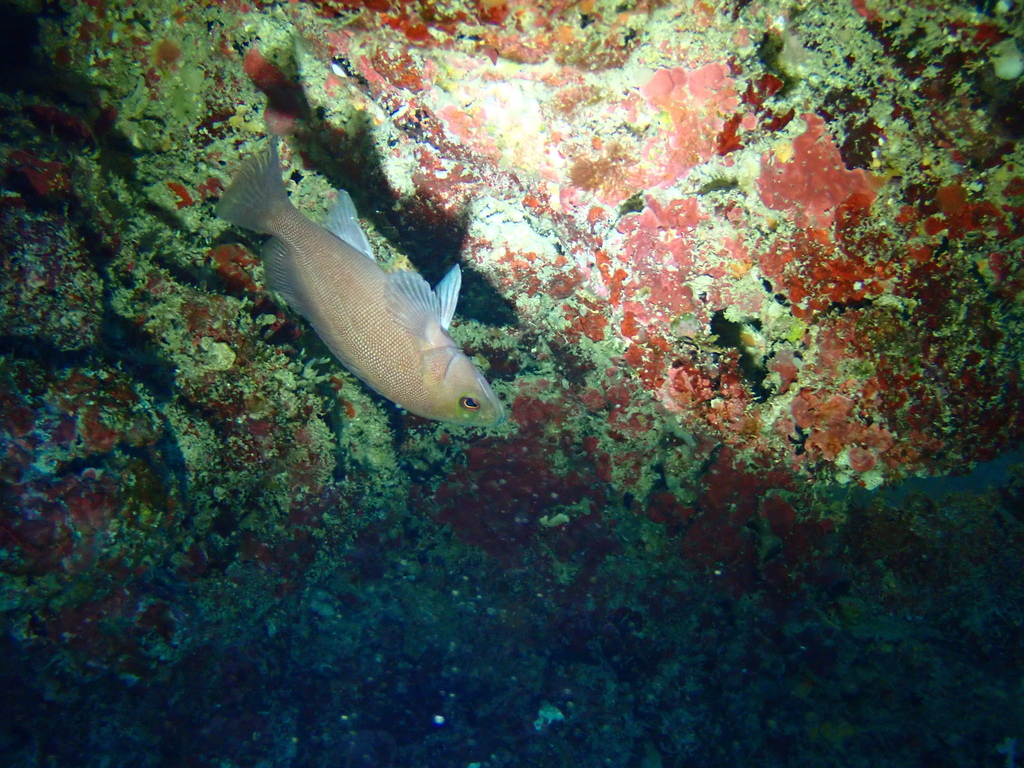
(c) Debra Baker, some rights reserved (CC BY) · CC BY · iNaturalist 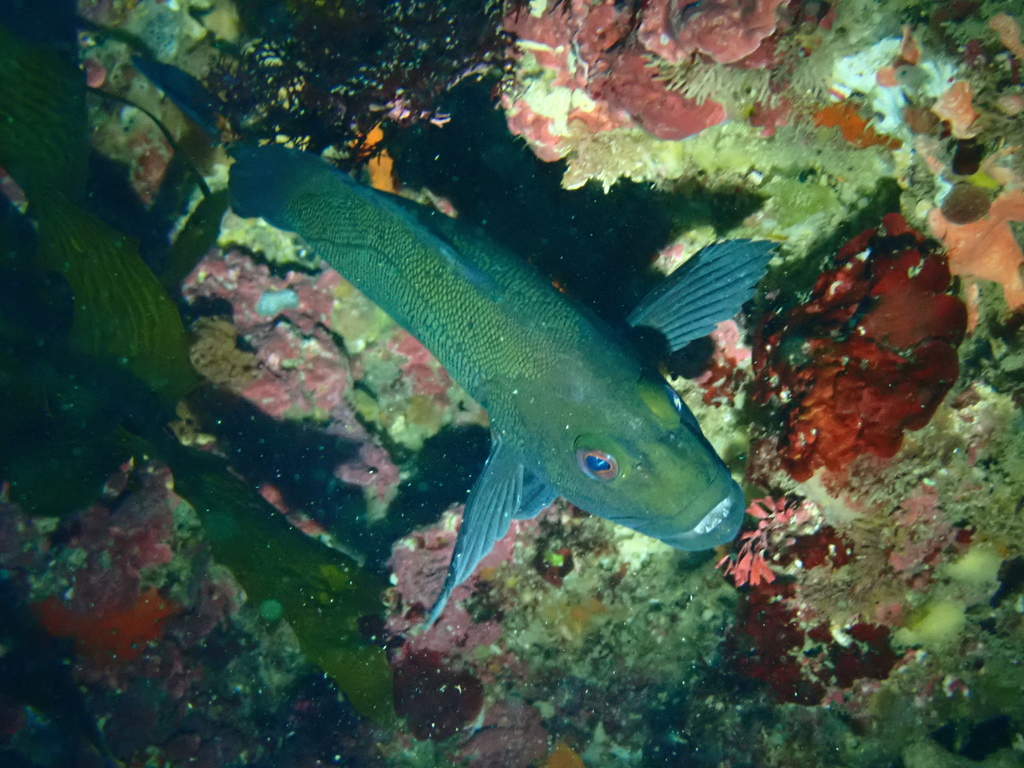
(c) Debra Baker, some rights reserved (CC BY) · CC BY · iNaturalist
Names and classification
- English
- Black-arse, Black-arse Cod, Black-arsed Cod, Break-sea Cod, Breaksea Cod, Breaksea Rock Cod, Tiger Cod
Names in 1 more languages
- Simplified Chinese
- 紫身仿石斑魚
Other scientific names: Epinephelides leai, Epinephelus armatus, Serranus armatus
Similar species
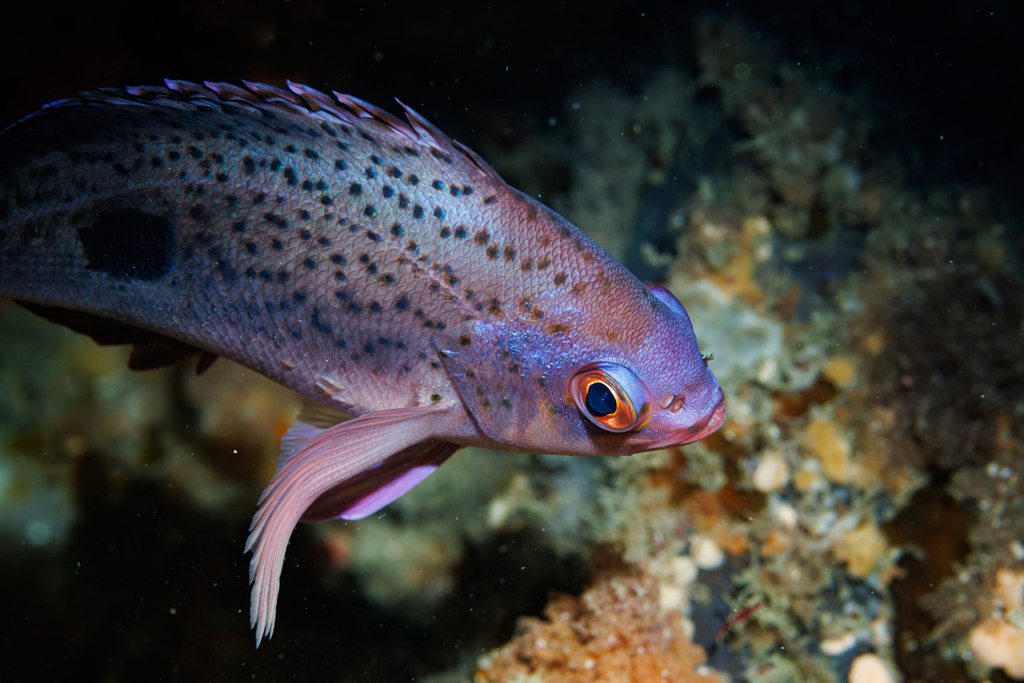 Butterfly Perch
Caesioperca lepidoptera
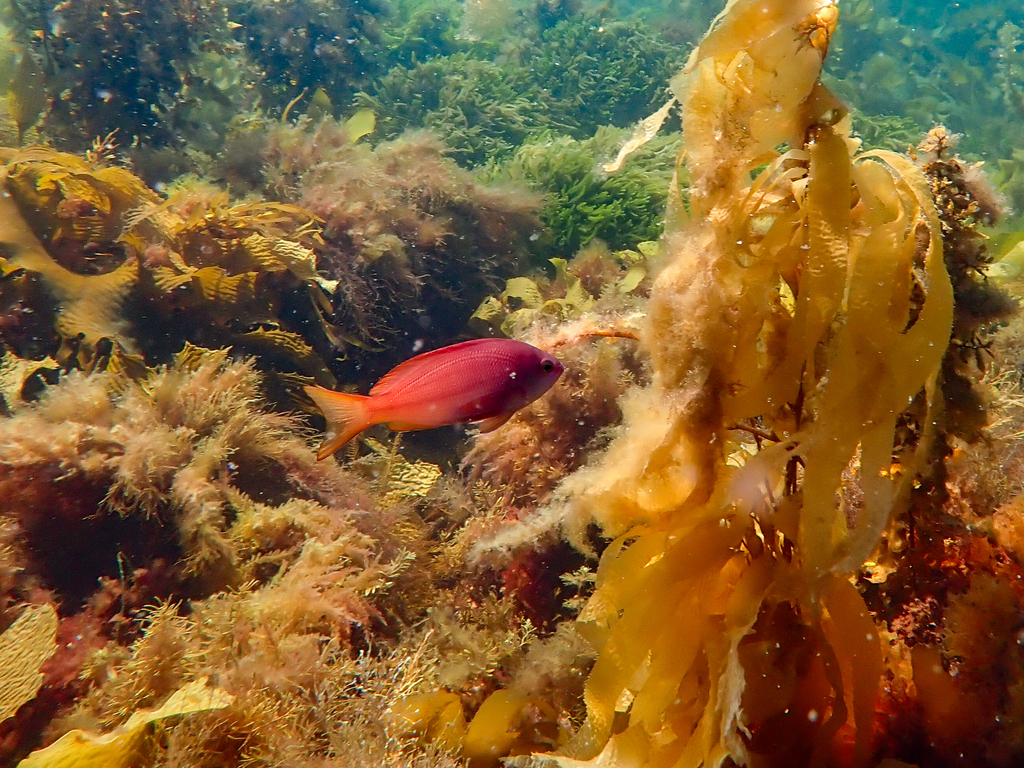 Barber Perch
Caesioperca rasor
 Longfin anthias
Caprodon longimanus
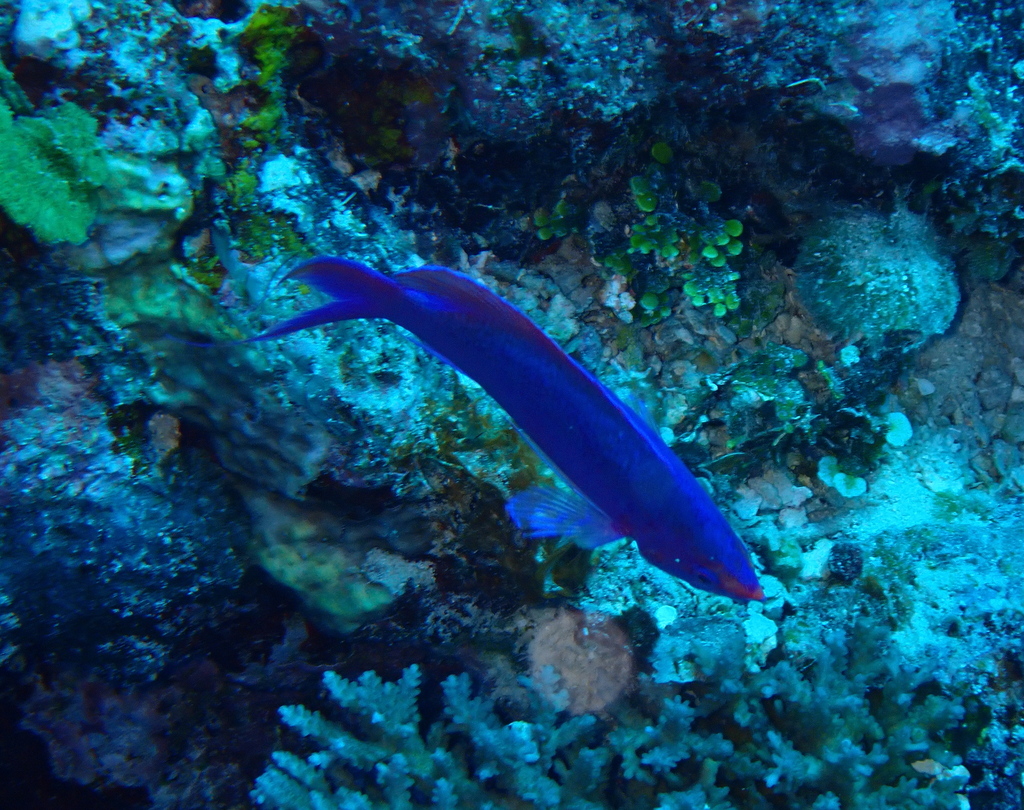 Amethyst Anthias
Mirolabrichthys pascalus
 Purple Anthias
Mirolabrichthys tuka
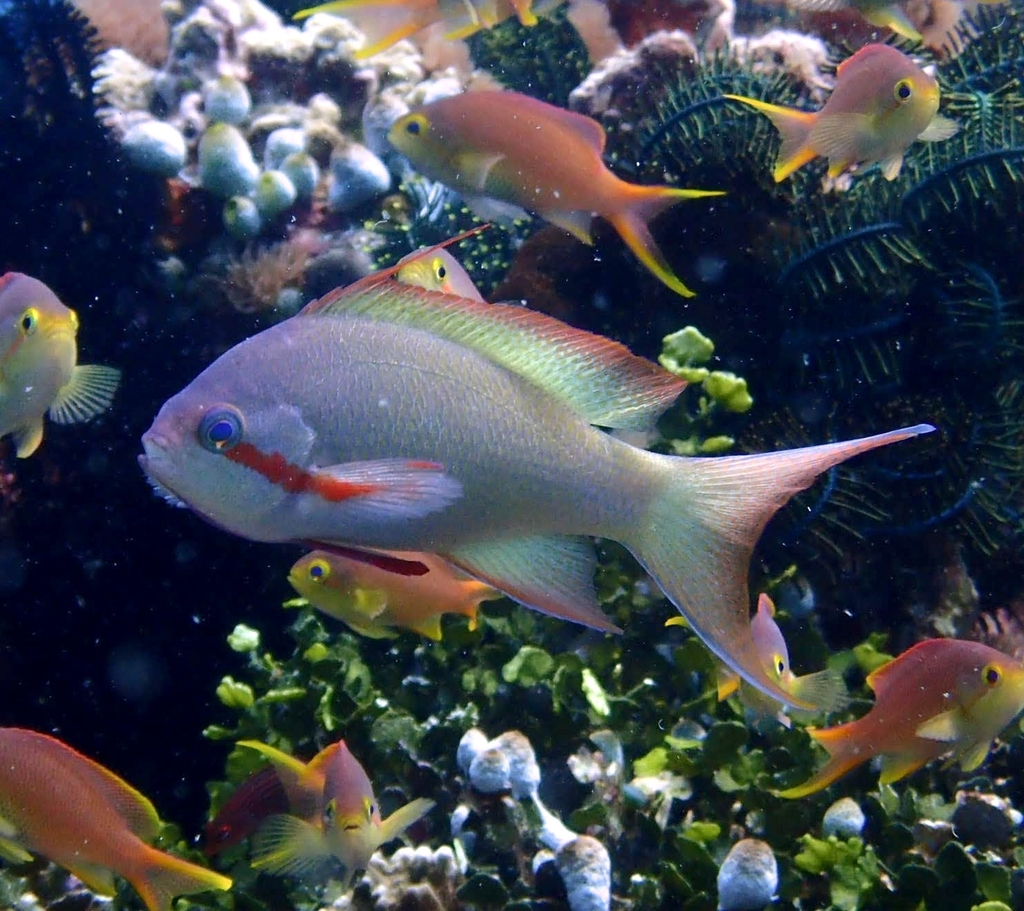 Hucht's fairy basslet
Pseudanthias huchtii
Sources and credits
Names and taxonomy: WoRMS (CC BY 4.0) and the GBIF Backbone (CC BY 4.0). Photos: iNaturalist observers, each under the licence shown (CC0, CC BY or CC BY-SA).
- Depth, temperature, months and maps: records from OBIS and GBIF under CC0 or CC BY.
- Descriptions: Wikipedia, licensed CC BY-SA, each linked to its article.
- Conservation status as published by GBIF (IUCN Red List).
- 230 open-data records from 1958 to 1985.
- Species data updated November 2, 2026.
Log what you see on your next dive
The free DiveHive diver app keeps your logbook with every sighting and shows what lives at the site you dive next.