

DiscoverSpeciesCorals and anemones
Euphyllia cristata
- Usual depth2–15 m
- Water temperature25–30 °C
- Best monthsMay, August, and September
- How commonRare
Photo credit: (c) Greg III Espera, some rights reserved (CC BY), uploaded by Greg III Espera · CC BY · iNaturalist
About this species
Euphyllia cristata is commonly called Grape coral. E. cristata is a kind of stony or hard coral in the family Euphylliidae; it also belongs to the genus Euphyllia in the order of Scleractinia. E. cristata has a wide range of distribution throughout the tropical waters of the Indo-West Pacific area with a large presence in Indonesia. However, despite this large range of distribution, E. cristata has a slightly lower abundance compared to other species, making them a little more uncommon to find. They are typically found in shallow waters from 1–35 meters deep.
Text from the Wikipedia article “Euphyllia cristata”, licensed CC BY-SA 4.0. Read the article
Where and when
Where it has been recorded
Worldwide
Loading the map
Best months
Worldwide (open data)
- January: 18 records
- February: 11 records
- March: 10 records
- April: 10 records
- May: 21 records
- June: 12 records
- July: 12 records
- August: 30 records
- September: 21 records
- October: 14 records
- November: 17 records
- December: 20 records
Depth and water temperature
Depth
Mostly recorded at 2–15 m · Deepest record: 28 m
Water temperature
Recorded in surface water of 25–30 °C
Photos
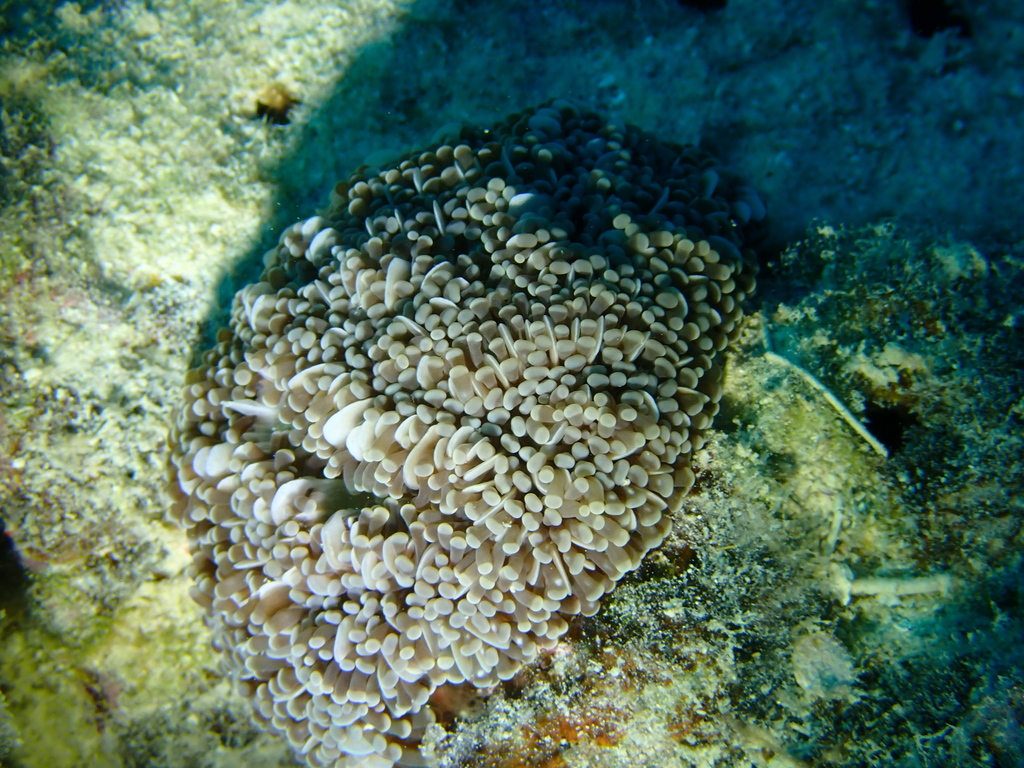
(c) Debra Baker, some rights reserved (CC BY) · CC BY · iNaturalist 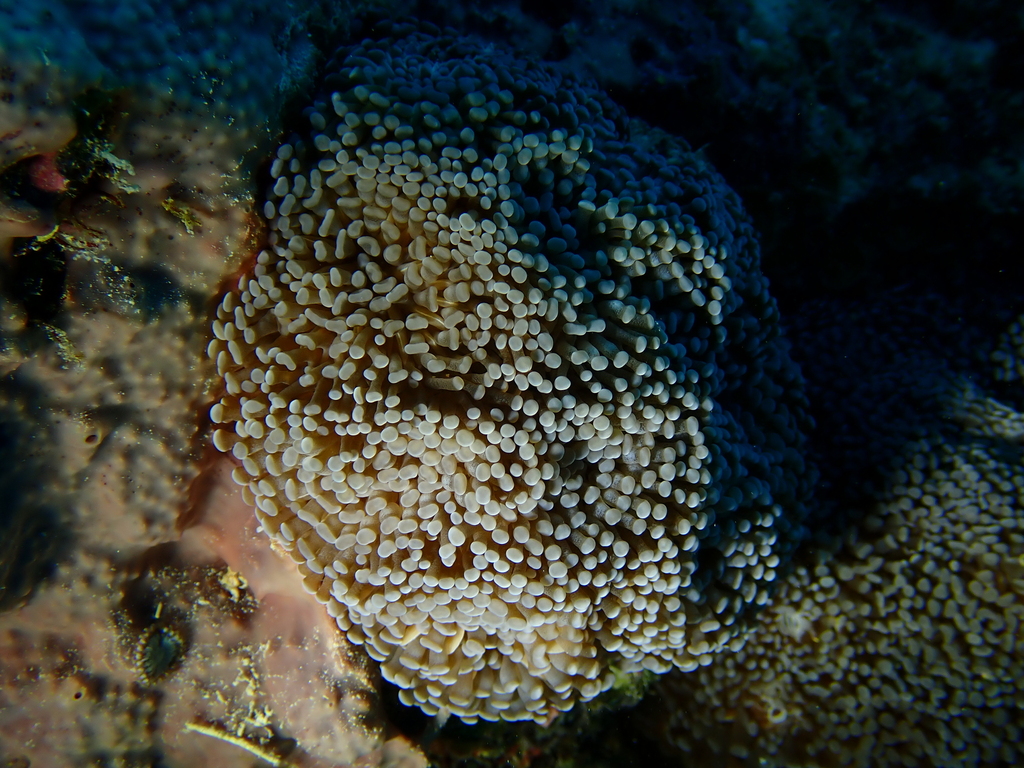
(c) Debra Baker, some rights reserved (CC BY) · CC BY · iNaturalist 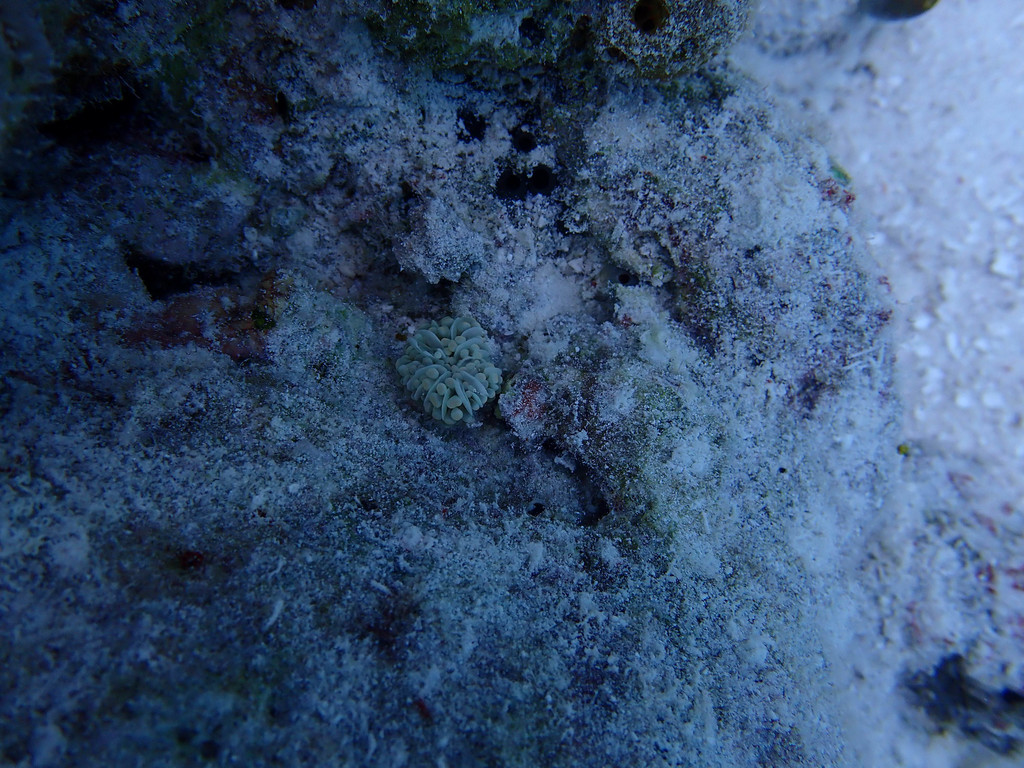
(c) Ryan McMinds, some rights reserved (CC BY) · CC BY · iNaturalist 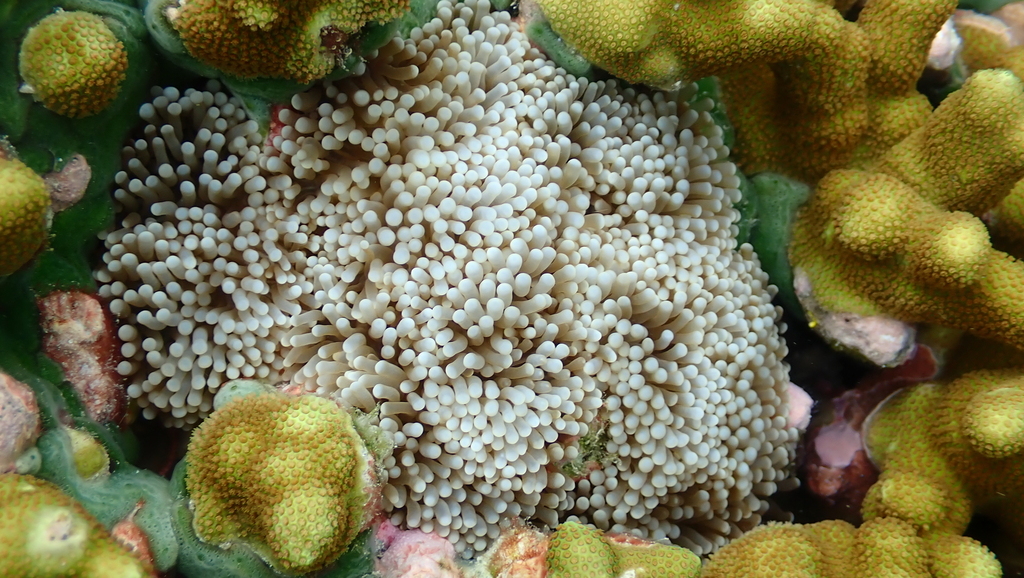
(c) Nicola Crockford, some rights reserved (CC BY) · CC BY · iNaturalist 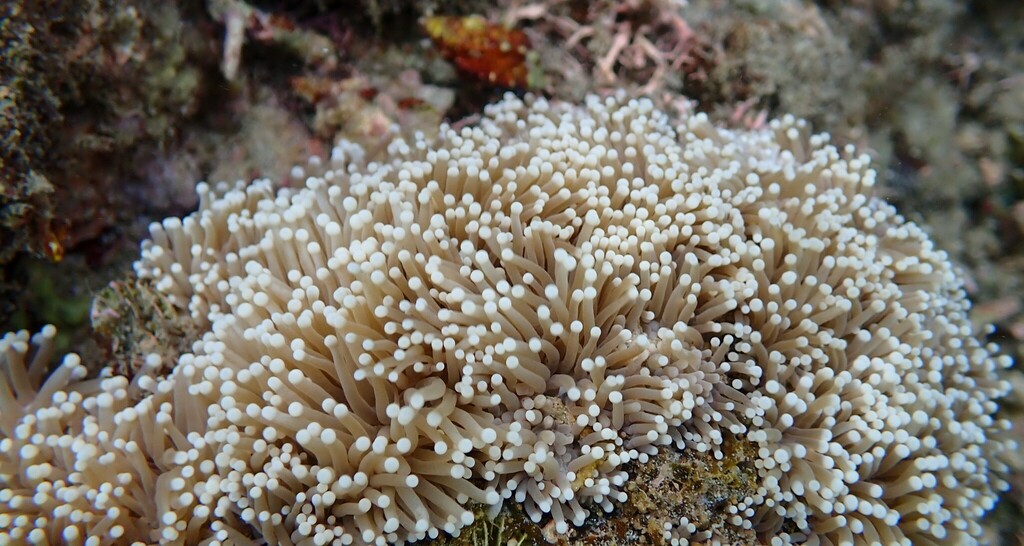
(c) Nicola Crockford, some rights reserved (CC BY) · CC BY · iNaturalist 
(c) desertnaturalist, some rights reserved (CC BY) · CC BY · iNaturalist 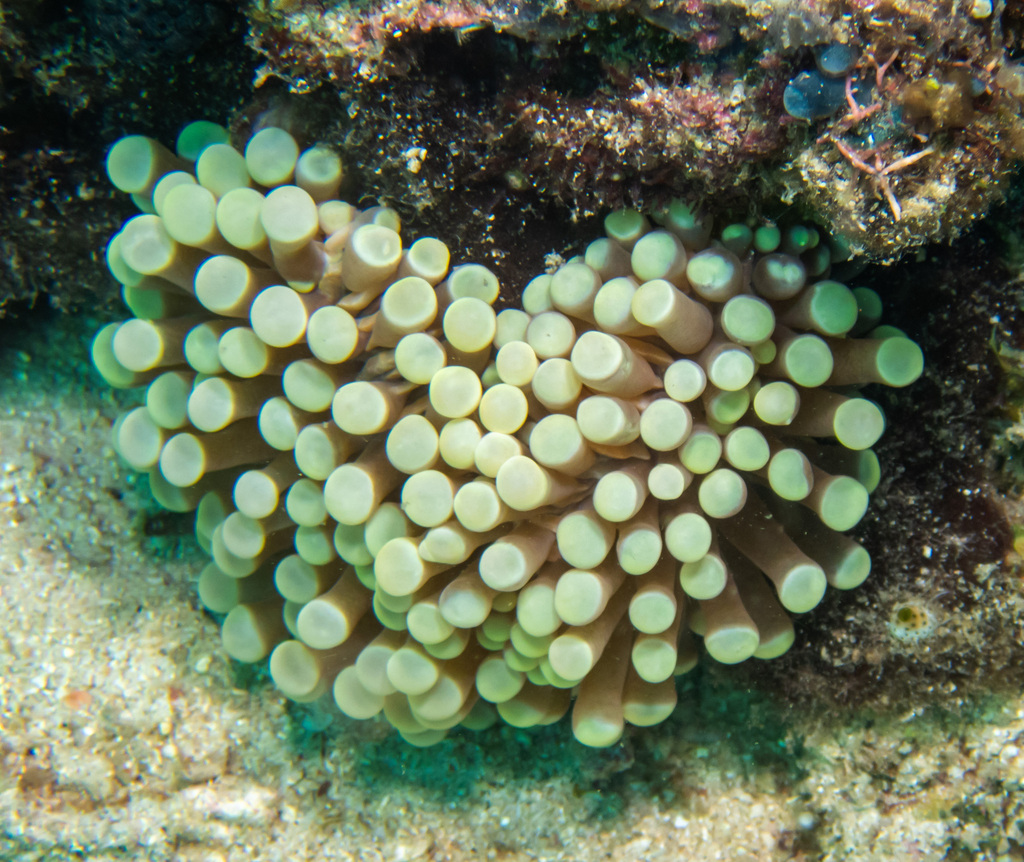
(c) portioid, some rights reserved (CC BY) · CC BY · iNaturalist
Names and classification
Names in 1 more languages
- Japanese
- カンムリハナサンゴ
Other scientific names: Euphyllia (Euphyllia) cristata
Similar species
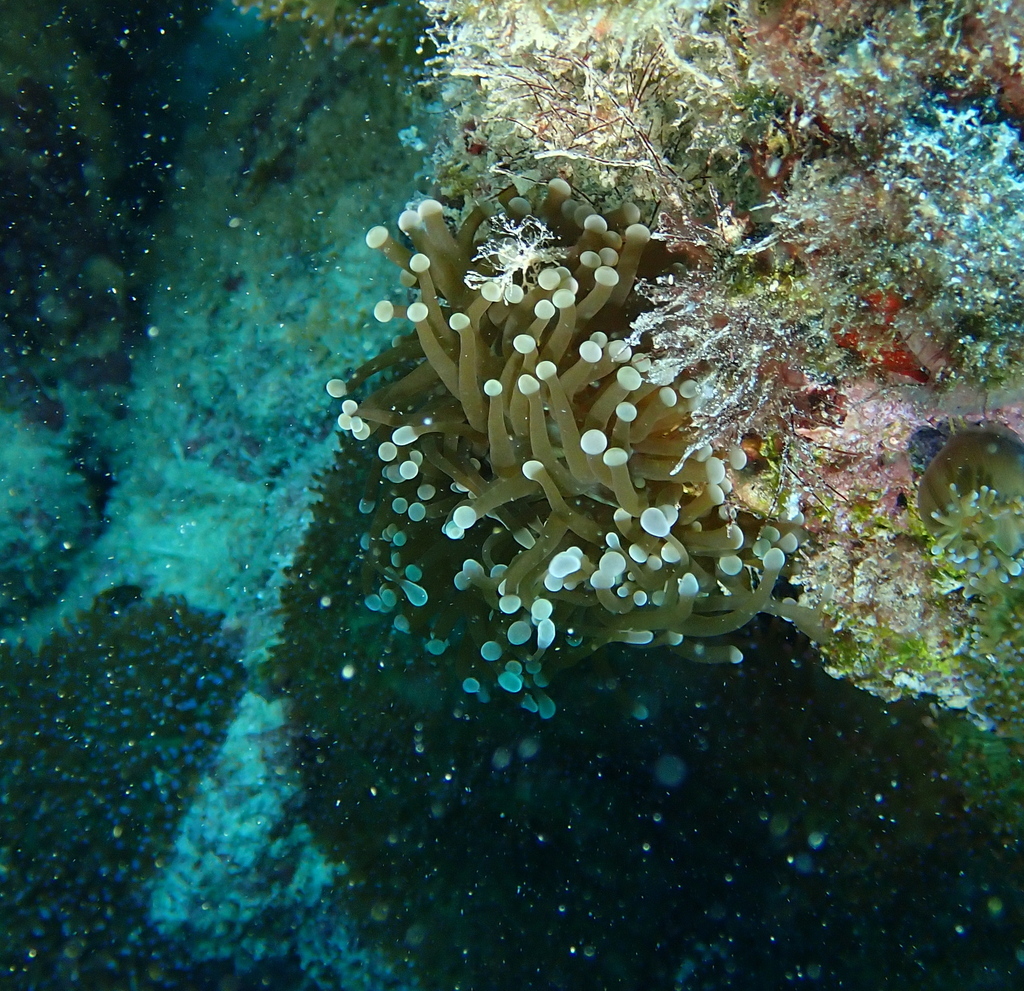 Joker coral
Euphyllia glabrescens
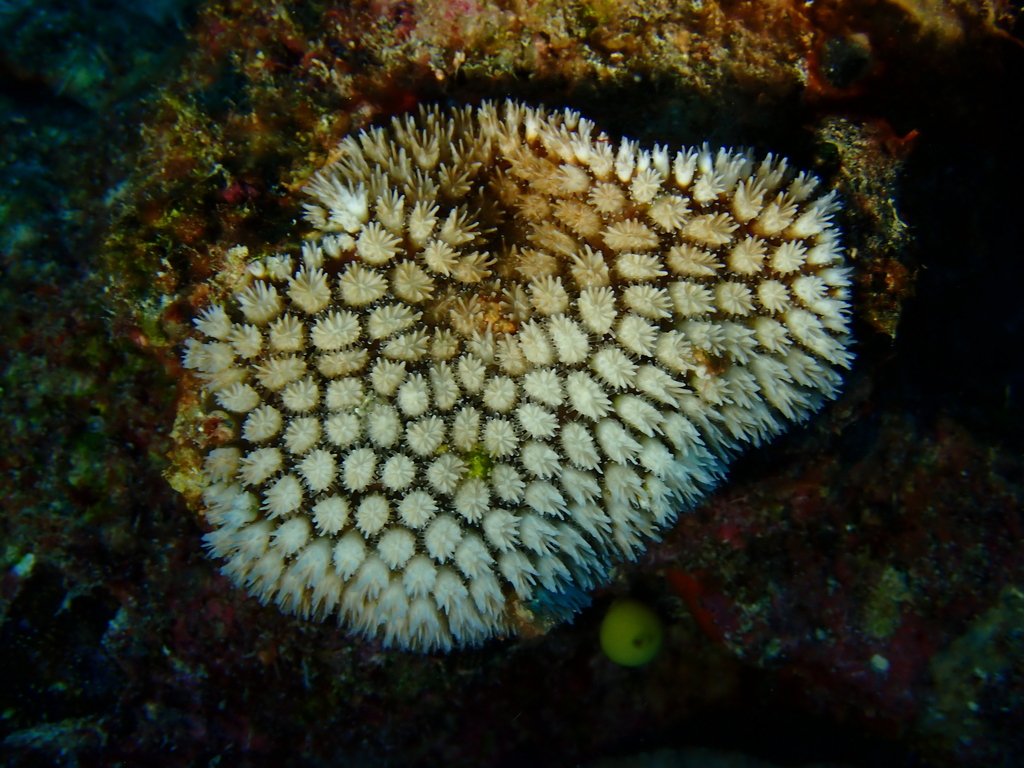 Crystal coral
Galaxea fascicularis
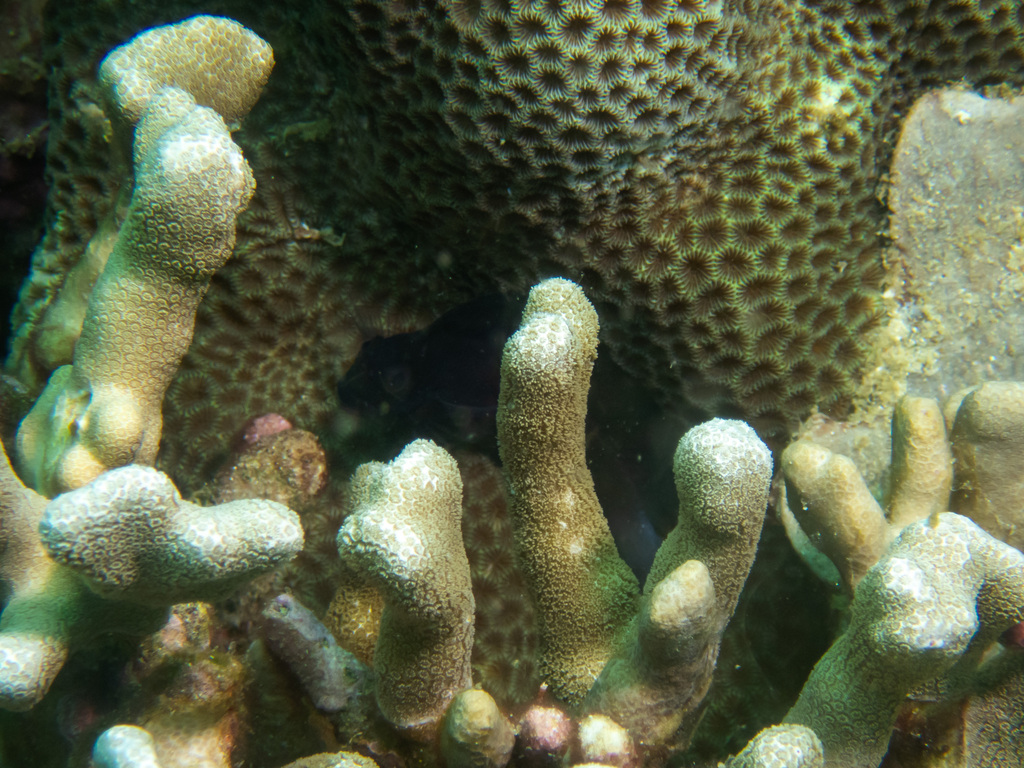 Tombstone coral
Coeloseris mayeri
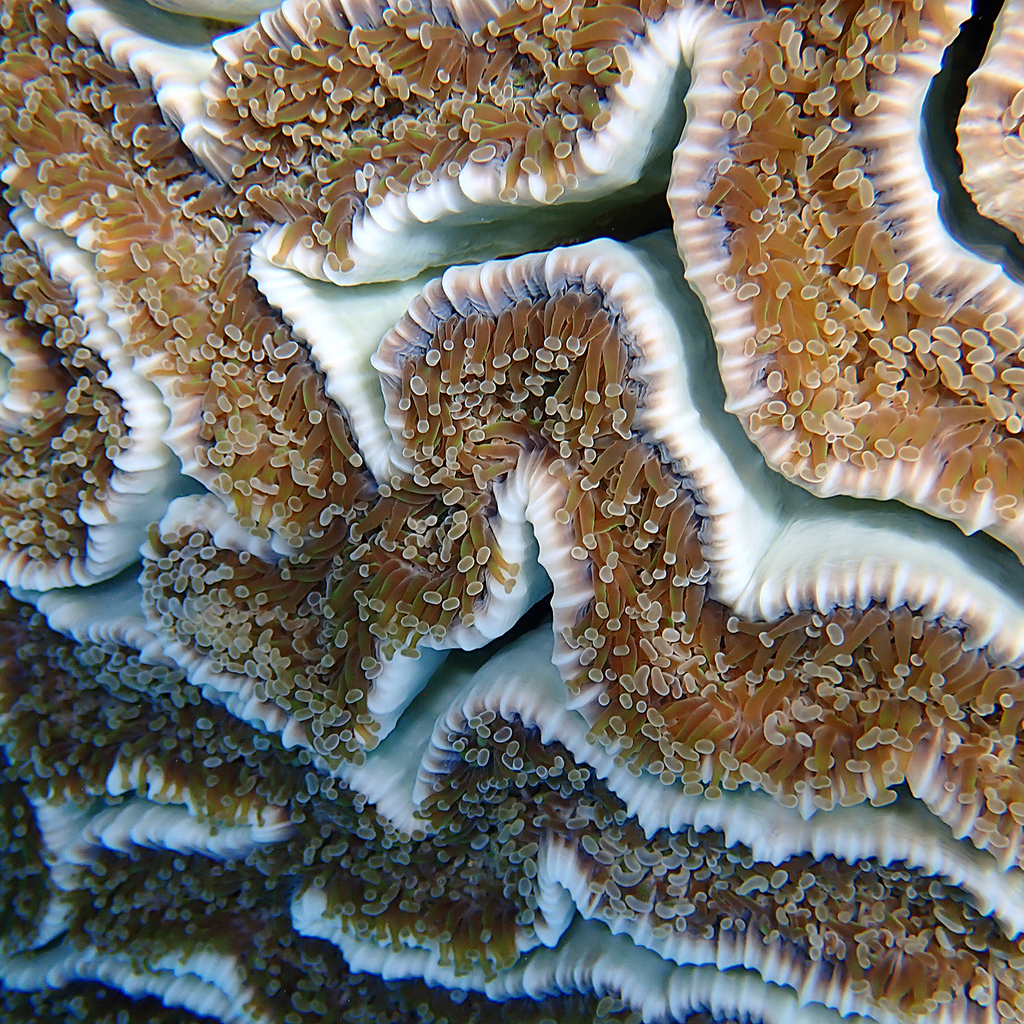 hammer-tooth coral
Fimbriaphyllia ancora
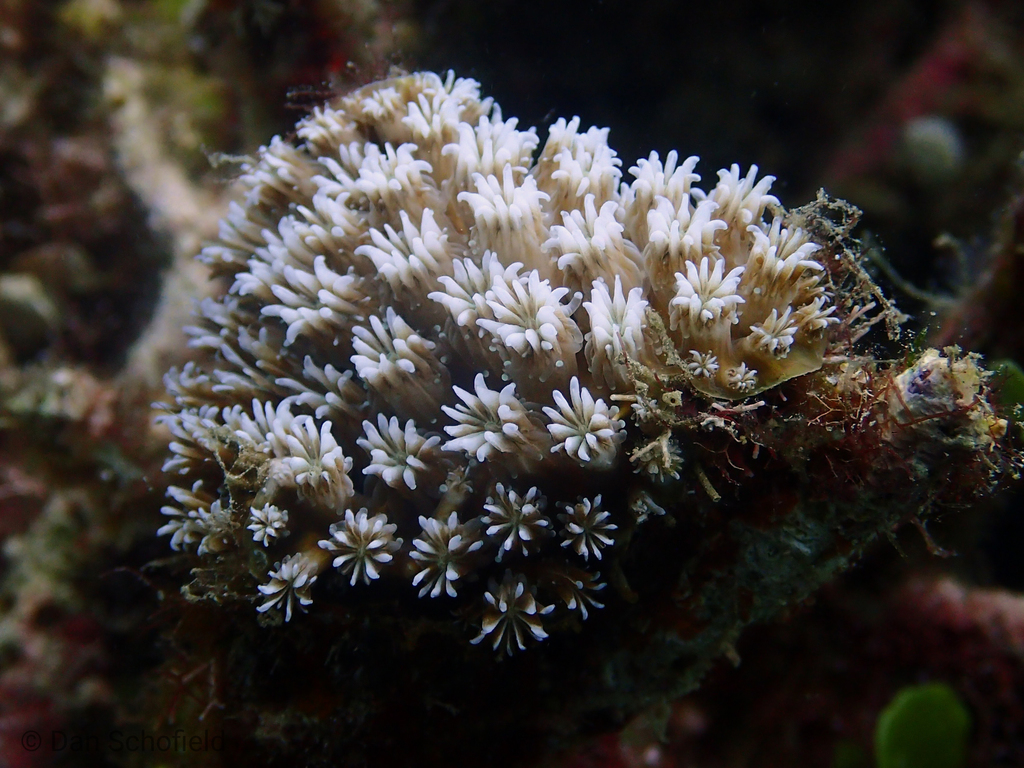 Octopus coral
Galaxea astreata
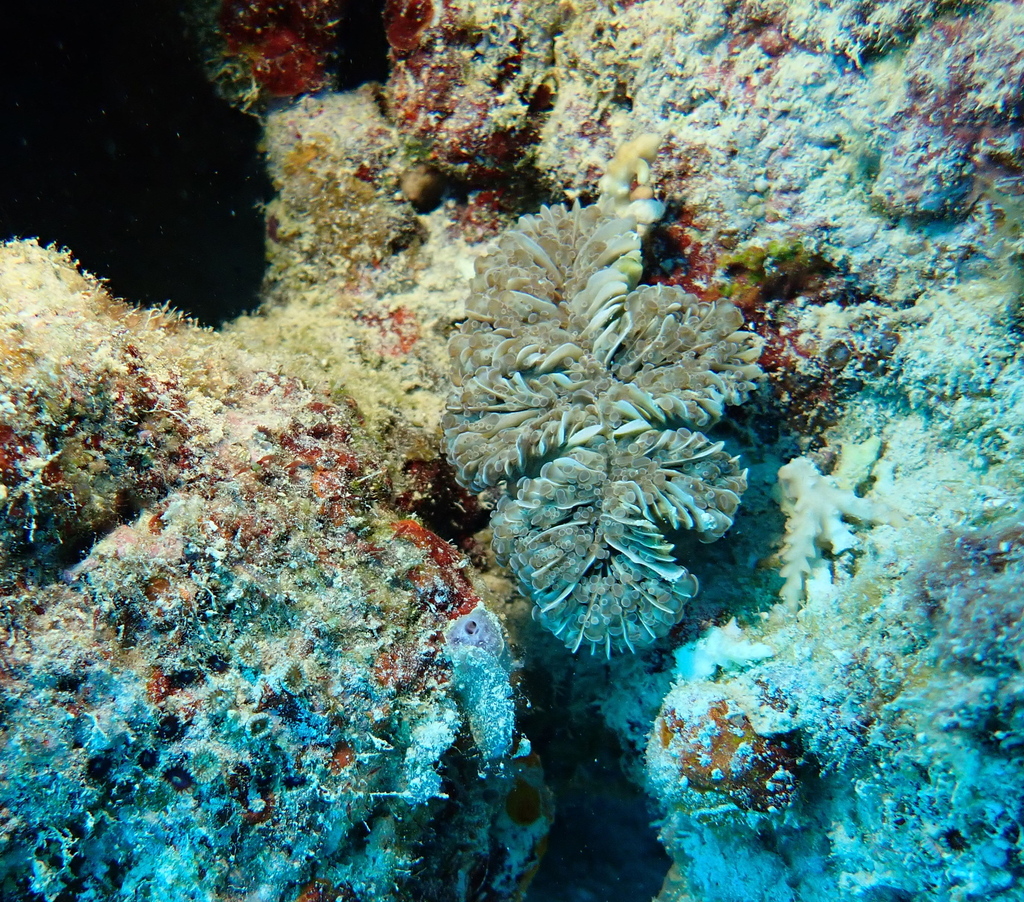 Frogspawn Coral
Fimbriaphyllia divisa
Sources and credits
Names and taxonomy: WoRMS (CC BY 4.0) and the GBIF Backbone (CC BY 4.0). Photos: iNaturalist observers, each under the licence shown (CC0, CC BY or CC BY-SA).
- Depth, temperature, months and maps: records from OBIS and GBIF under CC0 or CC BY.
- Descriptions: Wikipedia, licensed CC BY-SA, each linked to its article.
- Conservation status as published by GBIF (IUCN Red List).
- 115 open-data records from 1984 to 2006.
- Species data updated November 2, 2026.
Log what you see on your next dive
The free DiveHive diver app keeps your logbook with every sighting and shows what lives at the site you dive next.