
DiscoverSpeciesCorals and anemones
Larger star coral
Favites complanata
- Usual depth2–45 m
- Water temperature20–30 °C
- Best monthsMarch, May, and August
- How commonOccasional
About this species
Favites complanata is a species of stony coral in the family Merulinidae, sometimes known as the larger star coral. It is native to the Indo-Pacific region and its range extends from the Red Sea and Indian Ocean to the western and central Pacific Ocean. This is an uncommon species of coral and seems to be decreasing in abundance, and the International Union for Conservation of Nature has rated its conservation status as being "near threatened".
Text from the Wikipedia article “Favites complanata”, licensed CC BY-SA 4.0. Read the article
Where and when
Where it has been recorded
Worldwide
Loading the map
Best months
Worldwide (open data)
- January: 2 records
- February: 16 records
- March: 44 records
- April: 9 records
- May: 43 records
- June: 8 records
- July: 2 records
- August: 35 records
- September: 5 records
- October: 0 records
- November: 2 records
- December: 0 records
Depth and water temperature
Depth
Mostly recorded at 2–45 m · Deepest record: 48.5 m
Water temperature
Recorded in surface water of 20–30 °C
Names and classification
- English
- Larger star coral, Hard coral, larger star coral
Names in 1 more languages
- Simplified Chinese
- 板葉角菊珊瑚
Other scientific names: Astraea (Fissicella) complanata, Astraea (Fissicella) tesserifera, Astraea complanata, Astraea tesserifera, Astrea tesserifera, Favia complanata, Favites tesserifera, Prionastraea tesserifera, Prionastrea michelini, Prionastrea tesserifera
Similar species
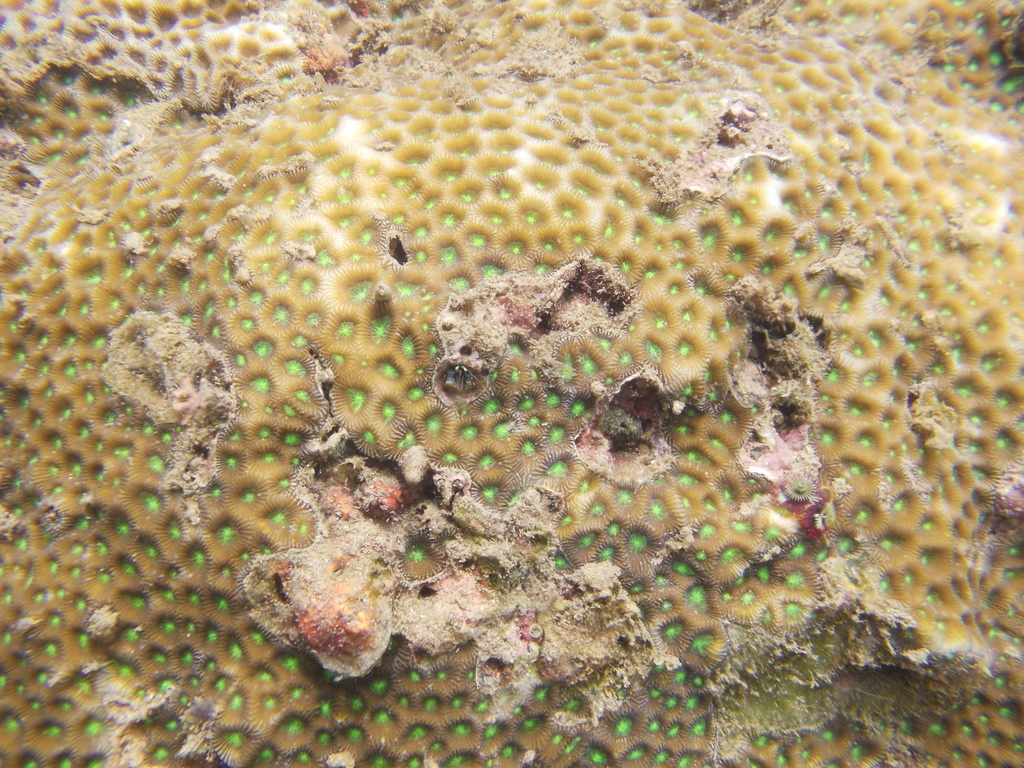 Larger star coral
Favites abdita
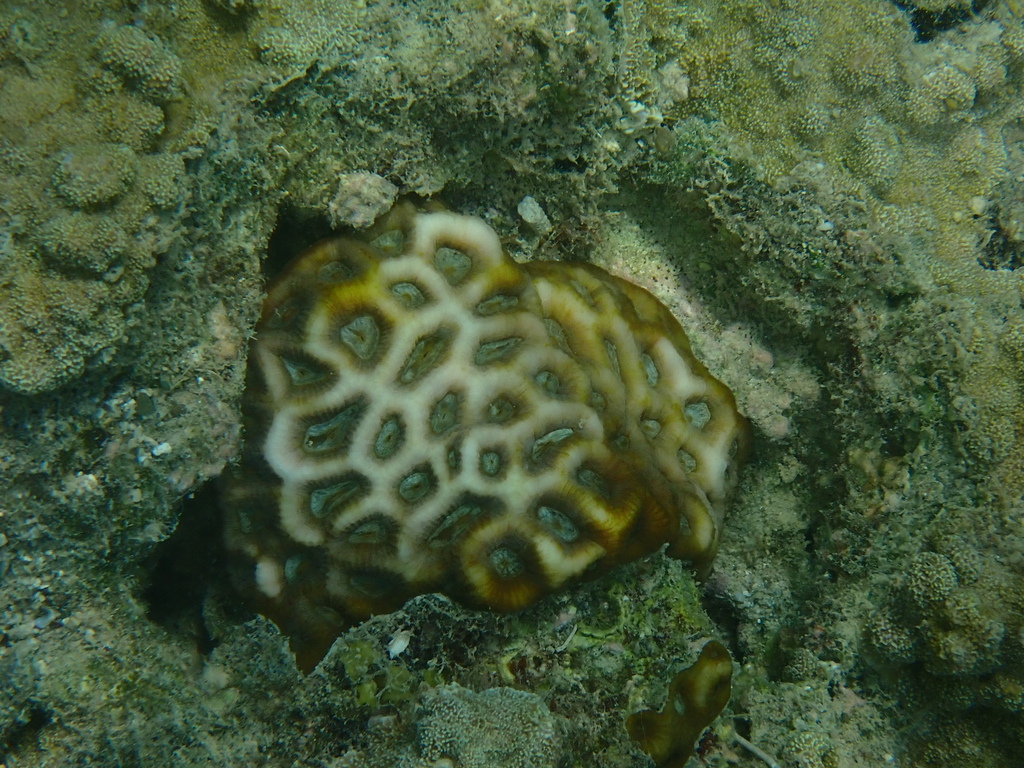 Larger star coral
Favites flexuosa
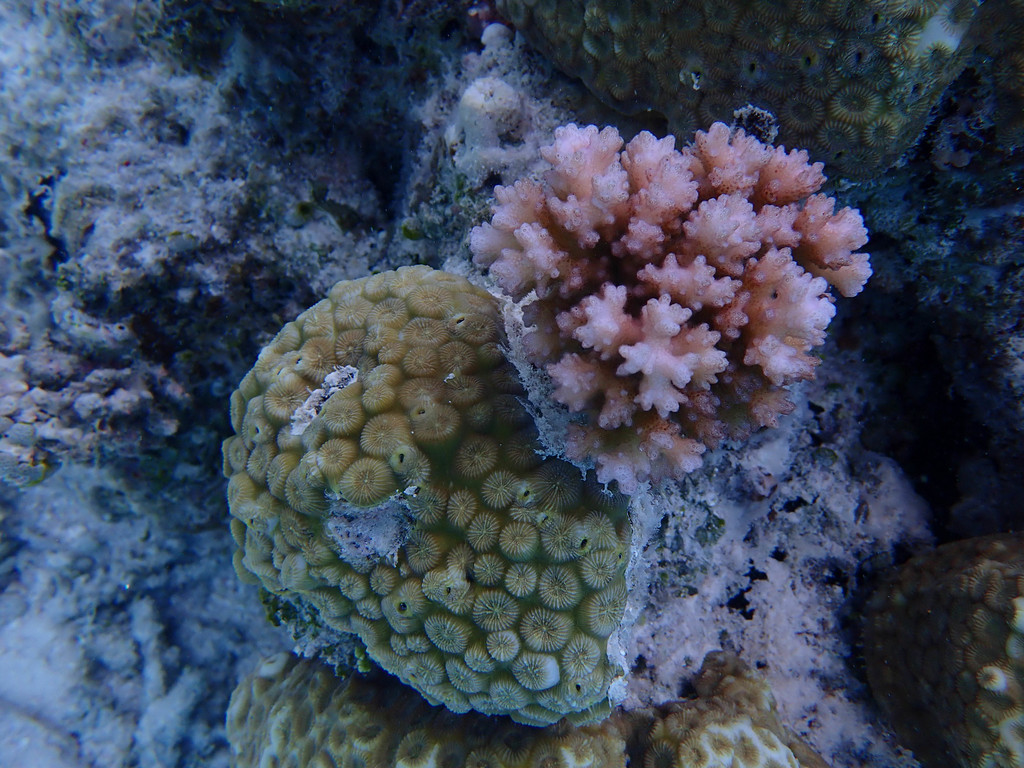 false knob coral
Favites magnistellata
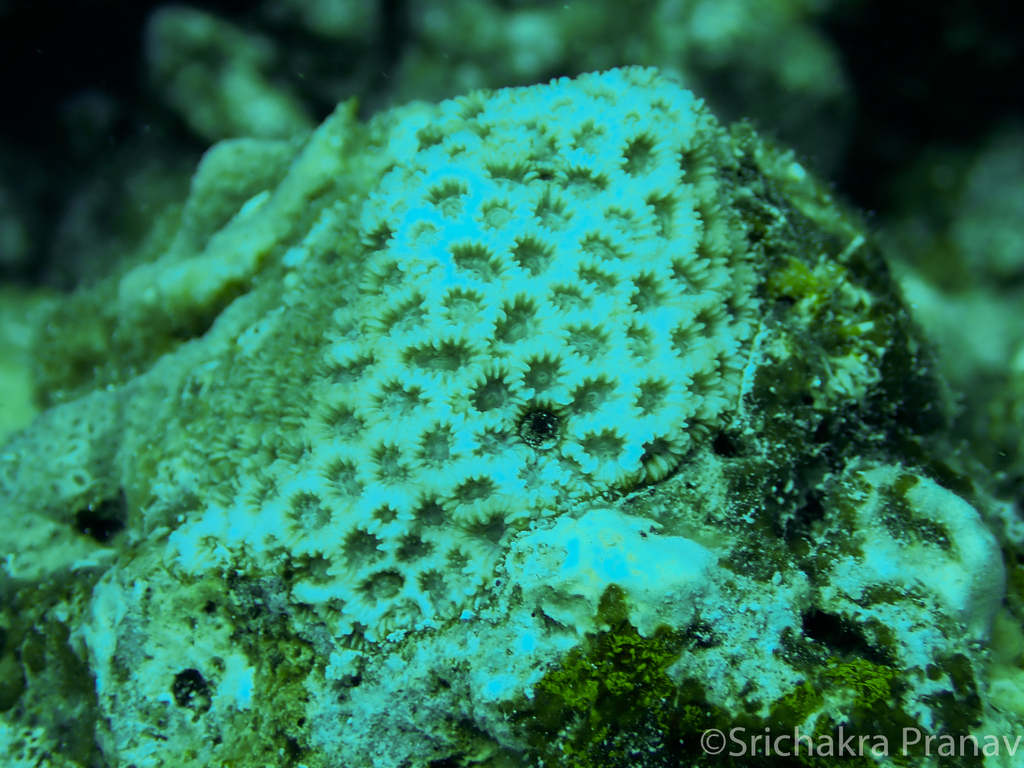 Larger star coral
Favites pentagona
- Larger star coral
Favites chinensis
- Larger star coral
Favites halicora
Sources and credits
Names and taxonomy: WoRMS (CC BY 4.0) and the GBIF Backbone (CC BY 4.0). Photos: iNaturalist observers, each under the licence shown (CC0, CC BY or CC BY-SA).
- Depth, temperature, months and maps: records from OBIS and GBIF under CC0 or CC BY.
- Descriptions: Wikipedia, licensed CC BY-SA, each linked to its article.
- Conservation status as published by GBIF (IUCN Red List).
- 442 open-data records from 1834 to 2011.
- Species data updated November 2, 2026.
Log what you see on your next dive
The free DiveHive diver app keeps your logbook with every sighting and shows what lives at the site you dive next.