
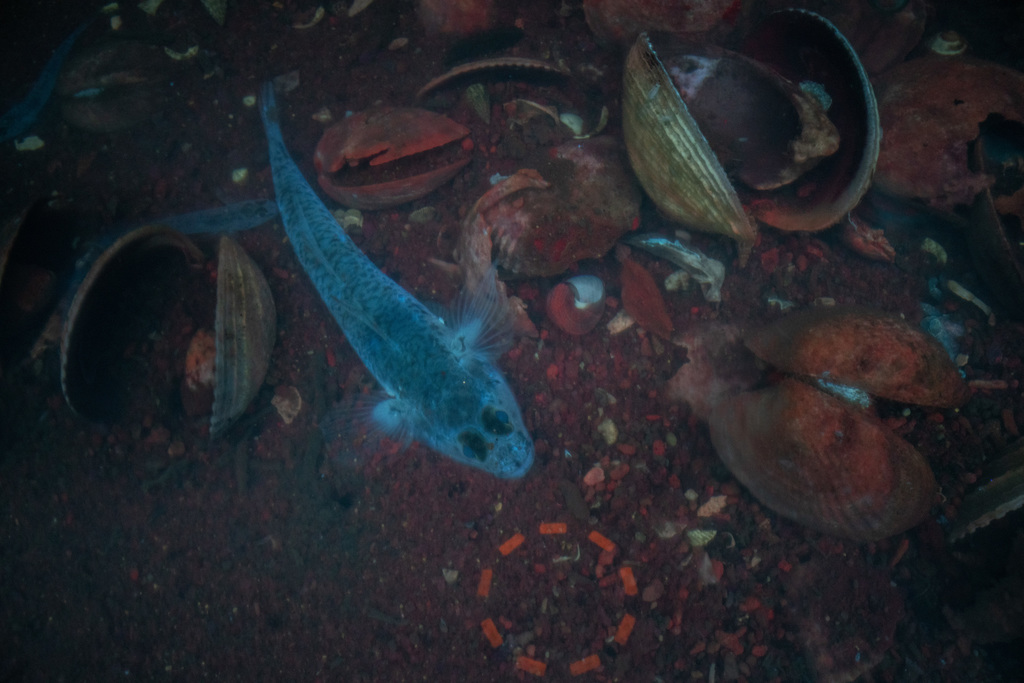
Exquisite Goby
Favonigobius exquisitus
- Usual depth1.5 m
- Water temperature16–26 °C
- Best monthsDecember
- How commonOccasional
Photo credit: (c) Shaun Lee, some rights reserved (CC BY) · CC BY · iNaturalist
Where and when
Where it has been recorded
Worldwide
Loading the map
Best months
Worldwide (open data)
- January: 42 records
- February: 24 records
- March: 52 records
- April: 21 records
- May: 23 records
- June: 51 records
- July: 14 records
- August: 28 records
- September: 48 records
- October: 29 records
- November: 26 records
- December: 89 records
Depth and water temperature
Depth
Mostly recorded at 1.5 m · Deepest record: 1.5 m
Water temperature
Recorded in surface water of 16–26 °C
Photos
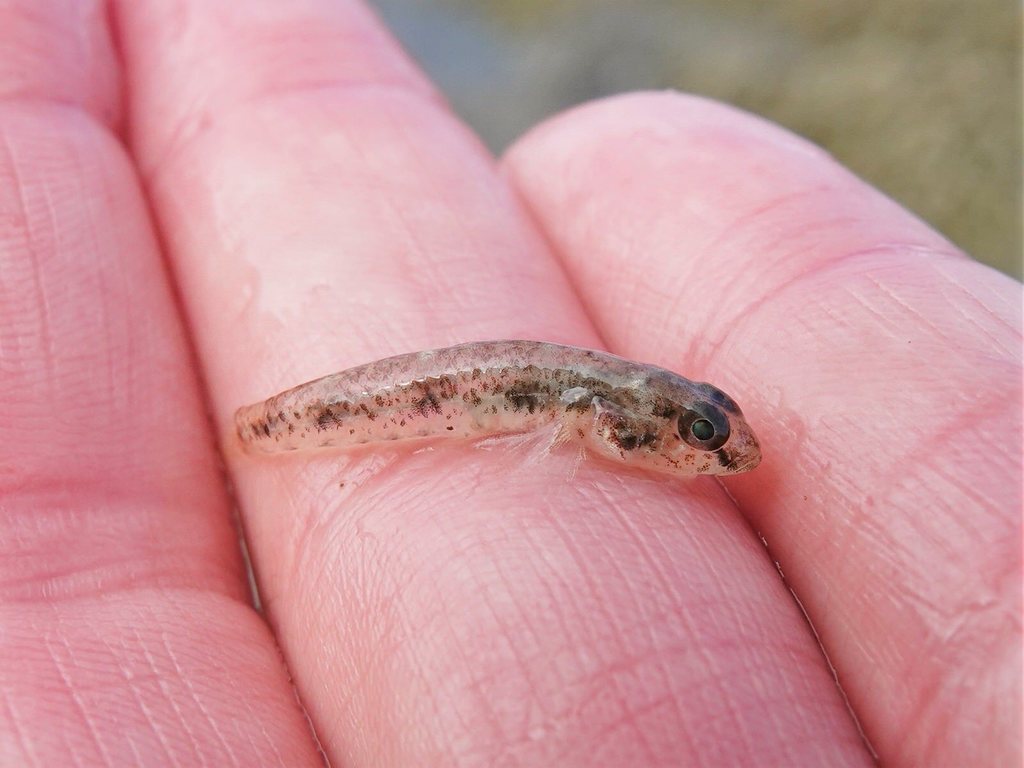
(c) Jacqui Geux, some rights reserved (CC BY) · CC BY · iNaturalist 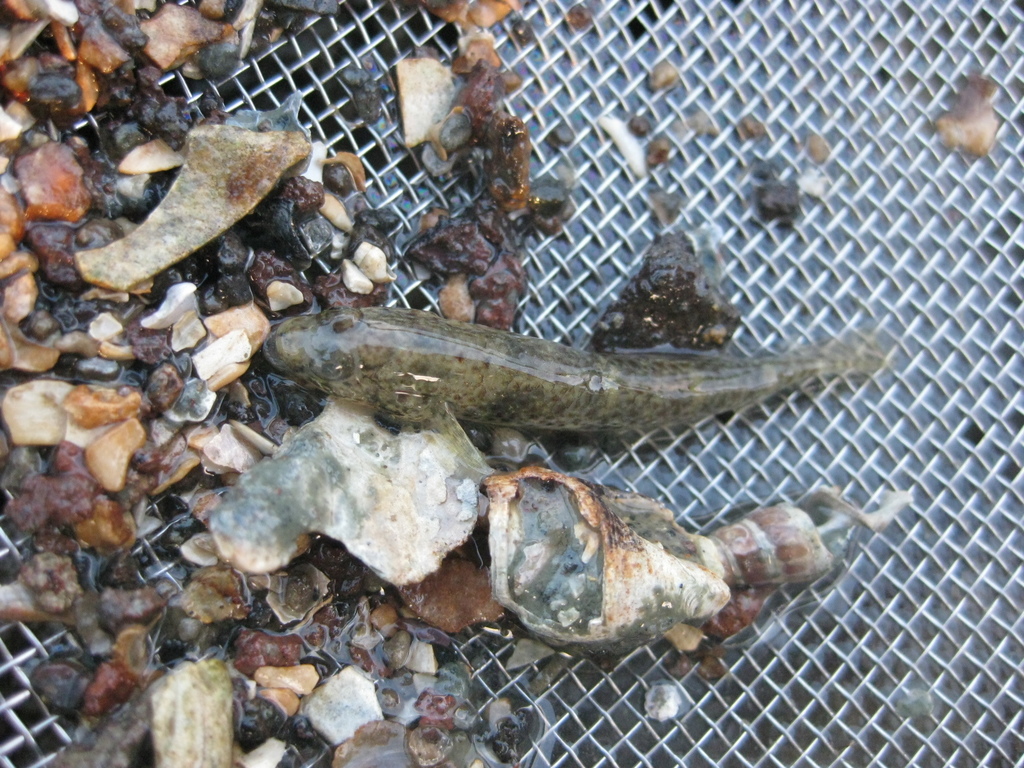
(c) Javier, some rights reserved (CC BY) · CC BY · iNaturalist 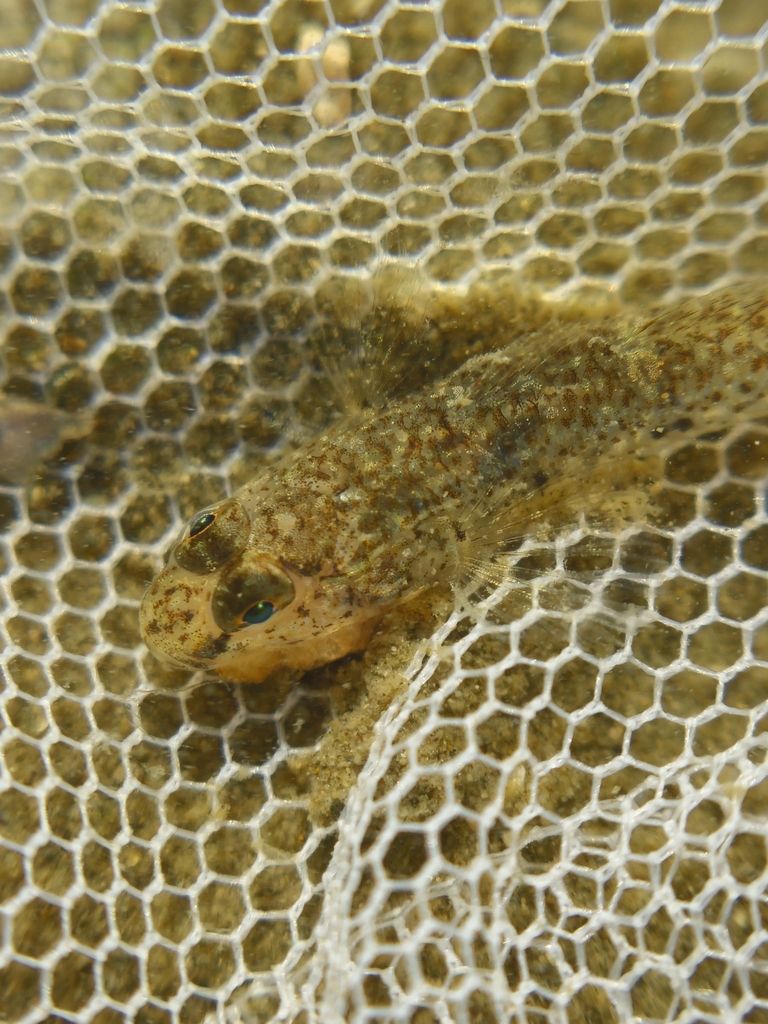
(c) Angus Campbell, some rights reserved (CC BY) · CC BY · iNaturalist 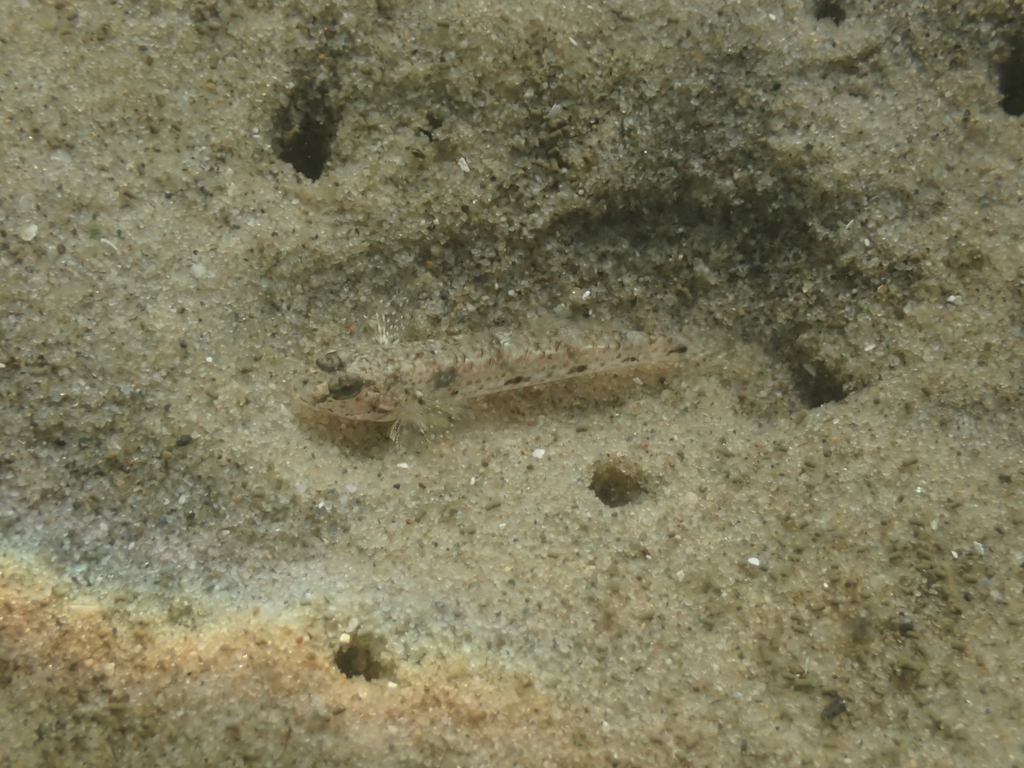
(c) ttsquid, some rights reserved (CC BY) · CC BY · iNaturalist 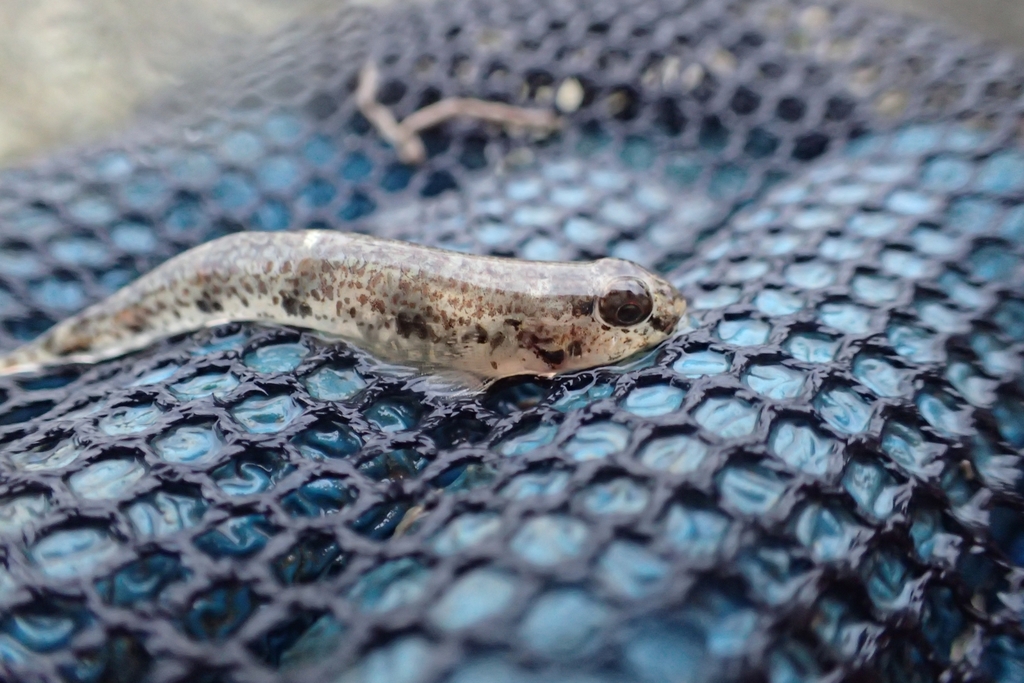
(c) Oscar Dove, some rights reserved (CC BY) · CC BY · iNaturalist 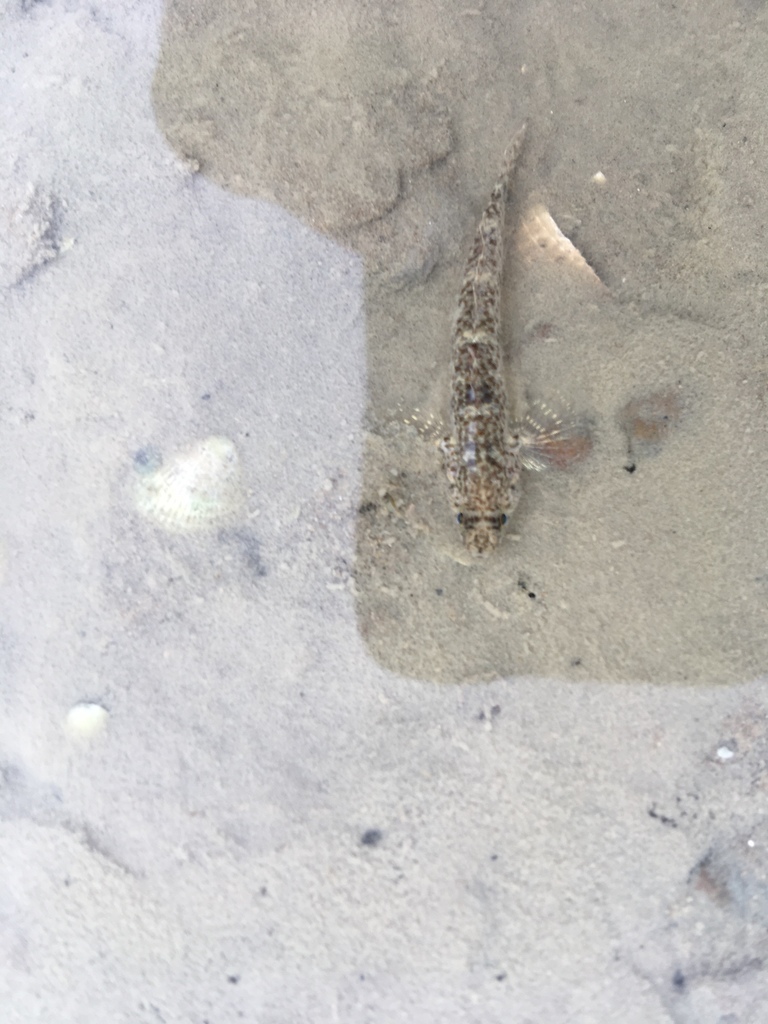
(c) Samuel Brown, some rights reserved (CC BY) · CC BY · iNaturalist 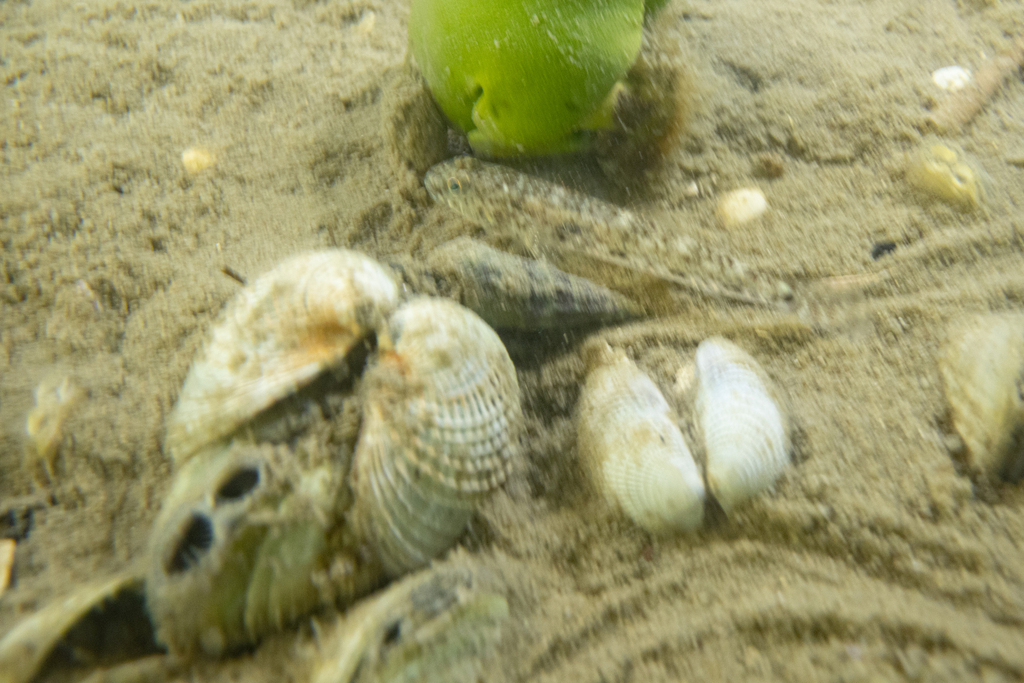
(c) Shaun Lee, some rights reserved (CC BY) · CC BY · iNaturalist
Names and classification
- English
- Exquisite Goby, Exquisite Sand-goby, Exquisite Sandgoby
Other scientific names: Favonigobius exquisites
Similar species
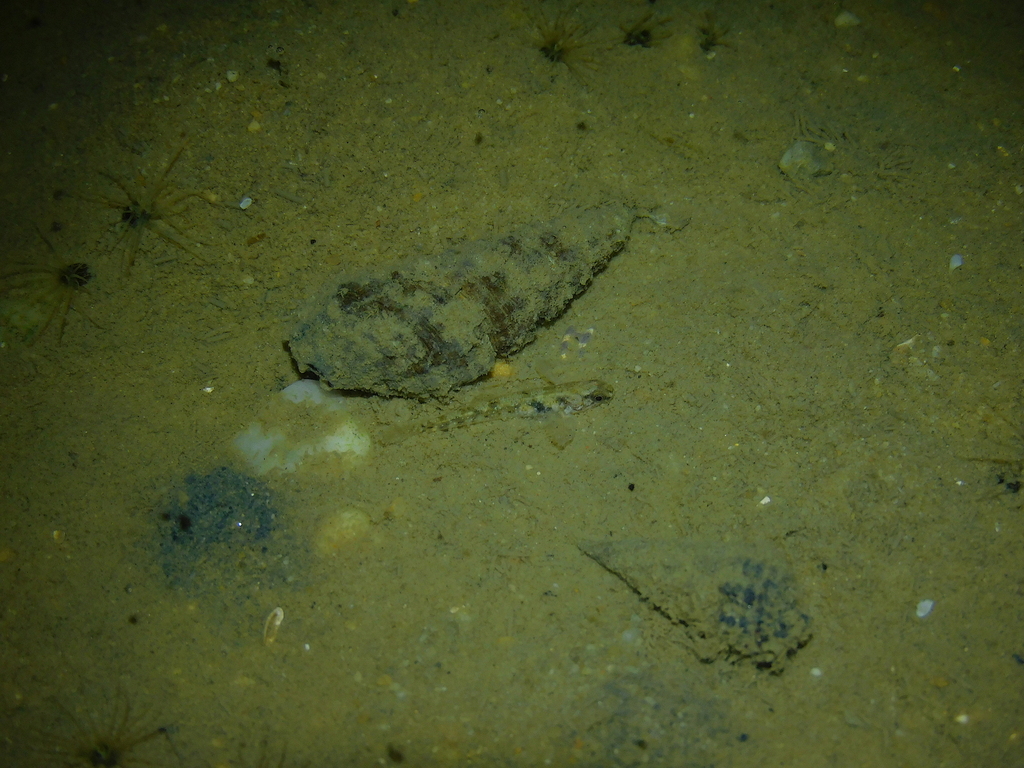 Long-finned Goby
Favonigobius lateralis
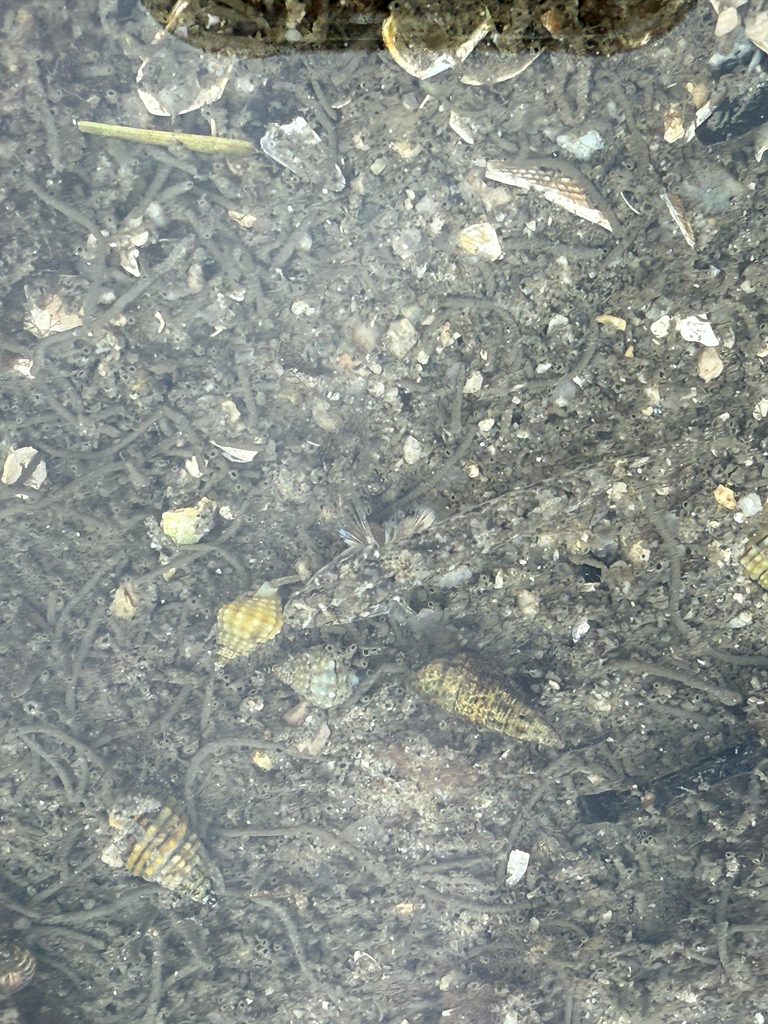 Asian sand goby
Favonigobius gymnauchen
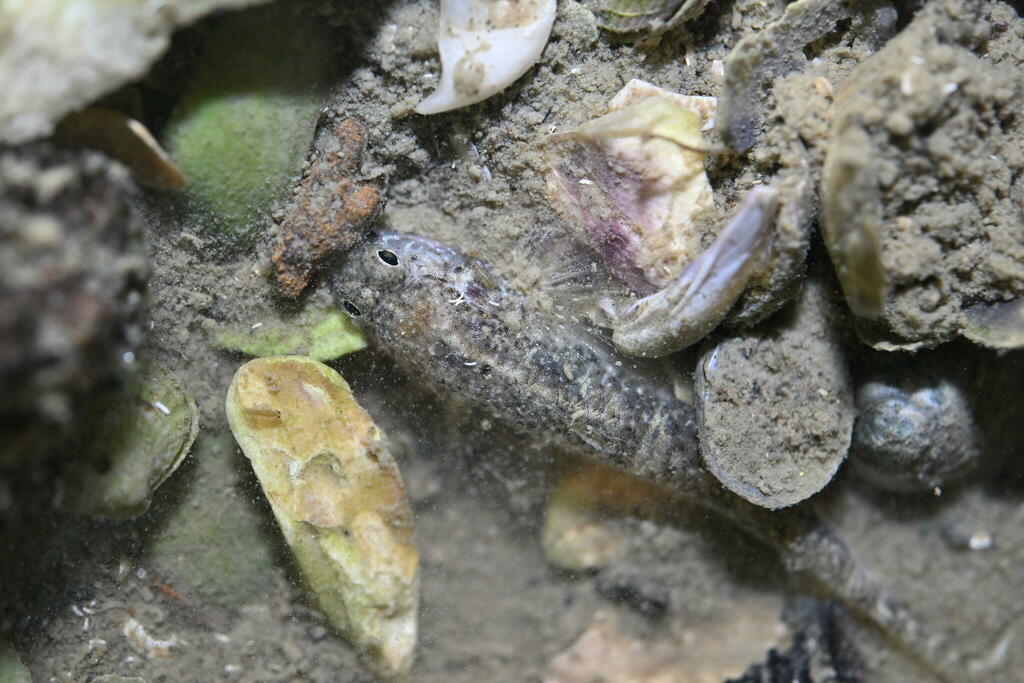 Eastern Longfin Goby
Favonigobius lentiginosus
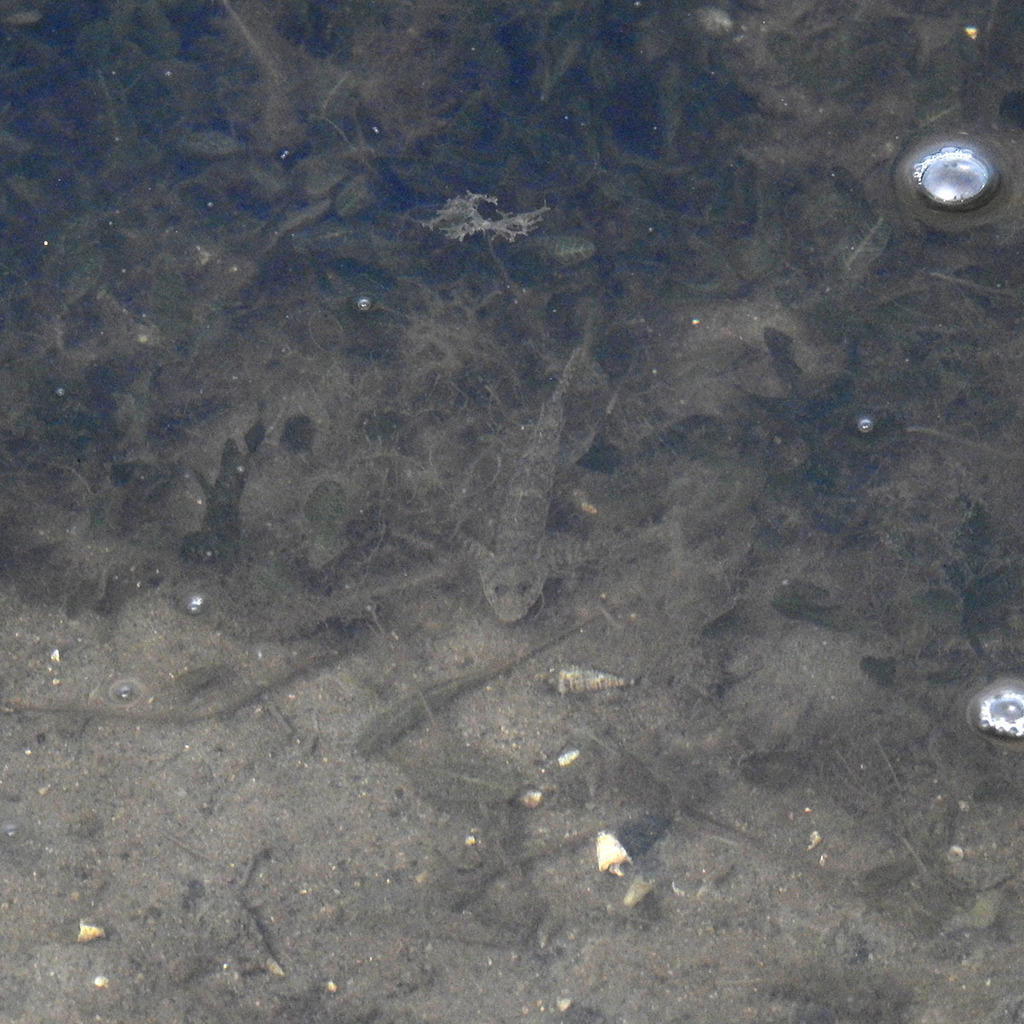 Indopacific Tropical Sand Goby
Favonigobius reichei
- Blackthroat Goby
Favonigobius melanobranchus
- Opalescent Sandgoby
Favonigobius opalescens
Sources and credits
Names and taxonomy: WoRMS (CC BY 4.0) and the GBIF Backbone (CC BY 4.0). Photos: iNaturalist observers, each under the licence shown (CC0, CC BY or CC BY-SA).
- Depth, temperature, months and maps: records from OBIS and GBIF under CC0 or CC BY.
- Conservation status as published by GBIF (IUCN Red List).
- 416 open-data records from 1924 to 2016.
- Species data updated November 2, 2026.
Log what you see on your next dive
The free DiveHive diver app keeps your logbook with every sighting and shows what lives at the site you dive next.