
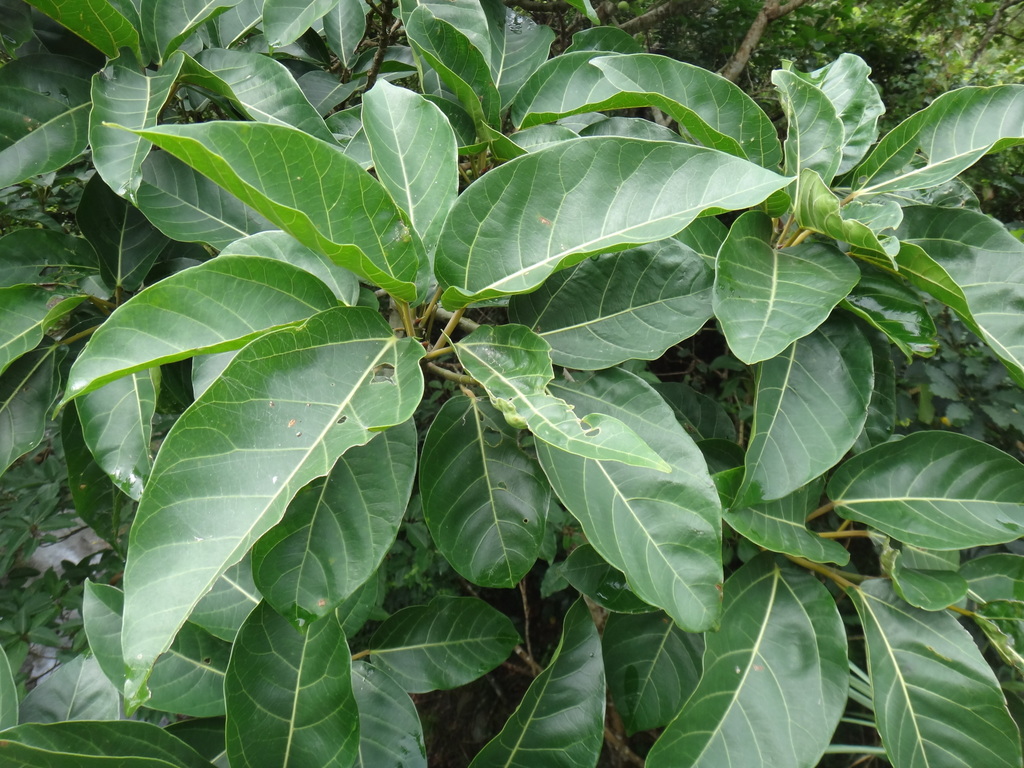
Photo credit: (c) 呂一起(Lyu yi-chi), some rights reserved (CC BY), uploaded by 呂一起(Lyu yi-chi) · CC BY · iNaturalist
About this species
Ficus variegata is a well distributed species of tropical fig tree. It occurs in many parts of Asia, islands of the Pacific and as far south east as Australia. There is a large variety of local common names including common red stem fig, green fruited fig and variegated fig. A non strangling fig which may reach 30 metres in height. The tree is evergreen when young but becomes briefly deciduous as it grows older. In Australia the fruit are eaten by cassowaries and double-eyed fig parrots.
Text from the Wikipedia article “Ficus variegata (plant)”, licensed CC BY-SA 4.0. Read the article
Where and when
Where it has been recorded
Worldwide
Loading the map
Best months
Worldwide (open data)
- January: 106 records
- February: 91 records
- March: 96 records
- April: 315 records
- May: 143 records
- June: 98 records
- July: 90 records
- August: 98 records
- September: 100 records
- October: 146 records
- November: 125 records
- December: 98 records
Depth and water temperature
Water temperature
Recorded in surface water of 26–30 °C
Photos
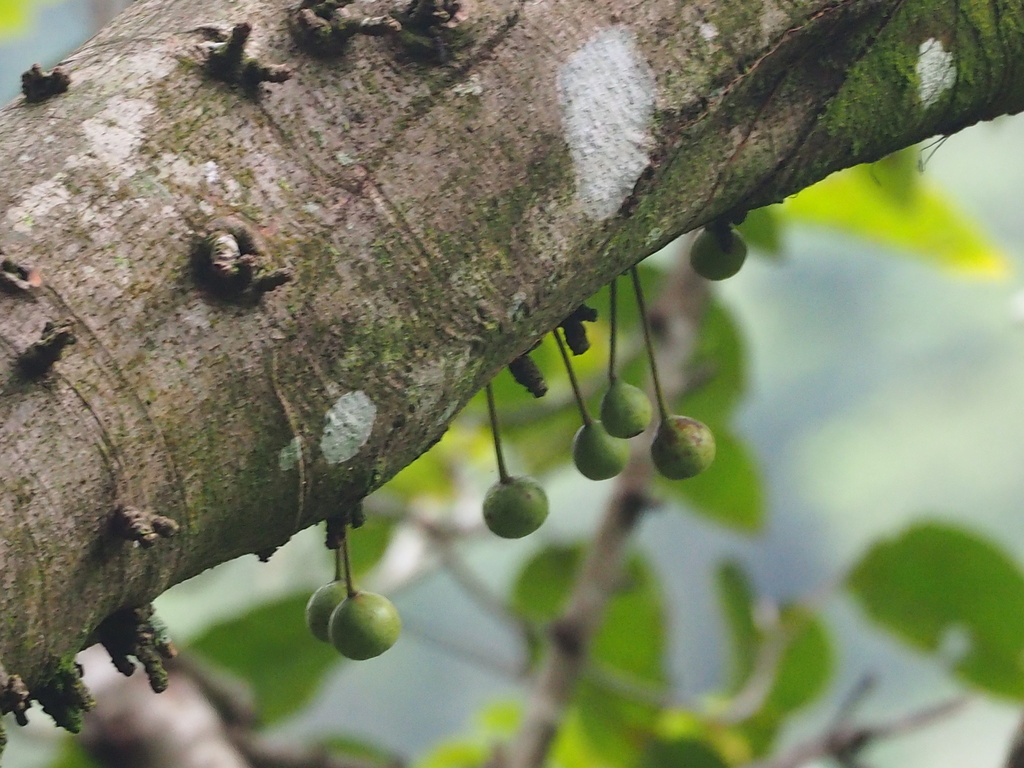
no rights reserved · CC0 1.0 · iNaturalist 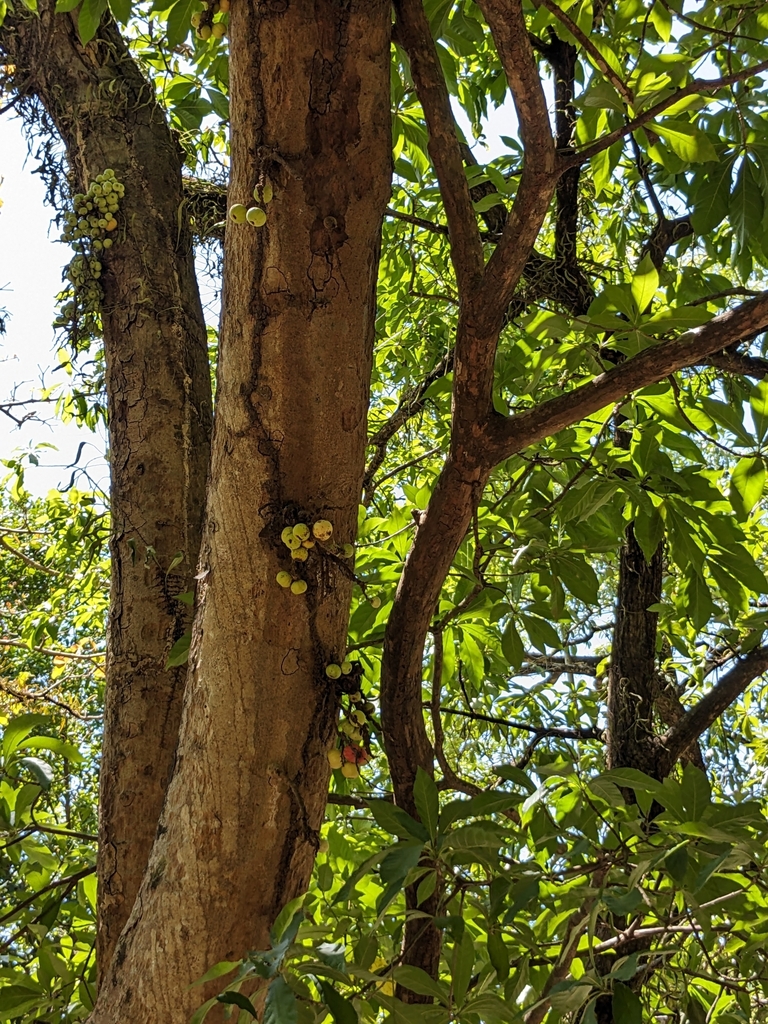
(c) sdash, some rights reserved (CC BY) · CC BY · iNaturalist 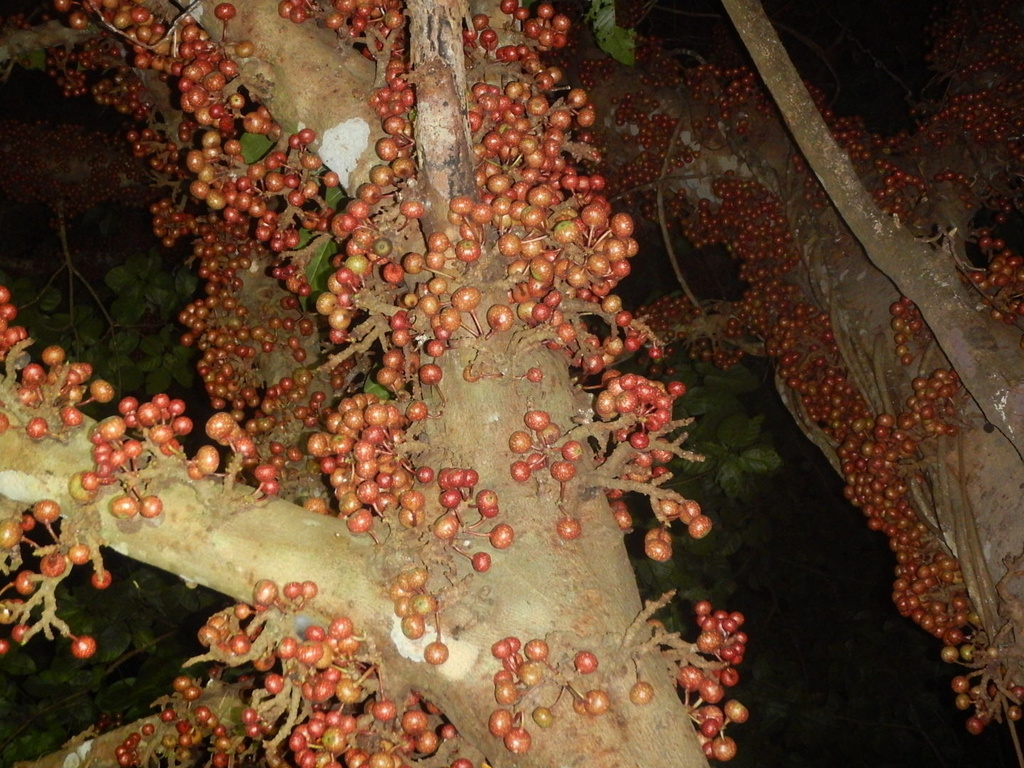
(c) Bryce Watts-Parker, some rights reserved (CC BY) · CC BY · iNaturalist 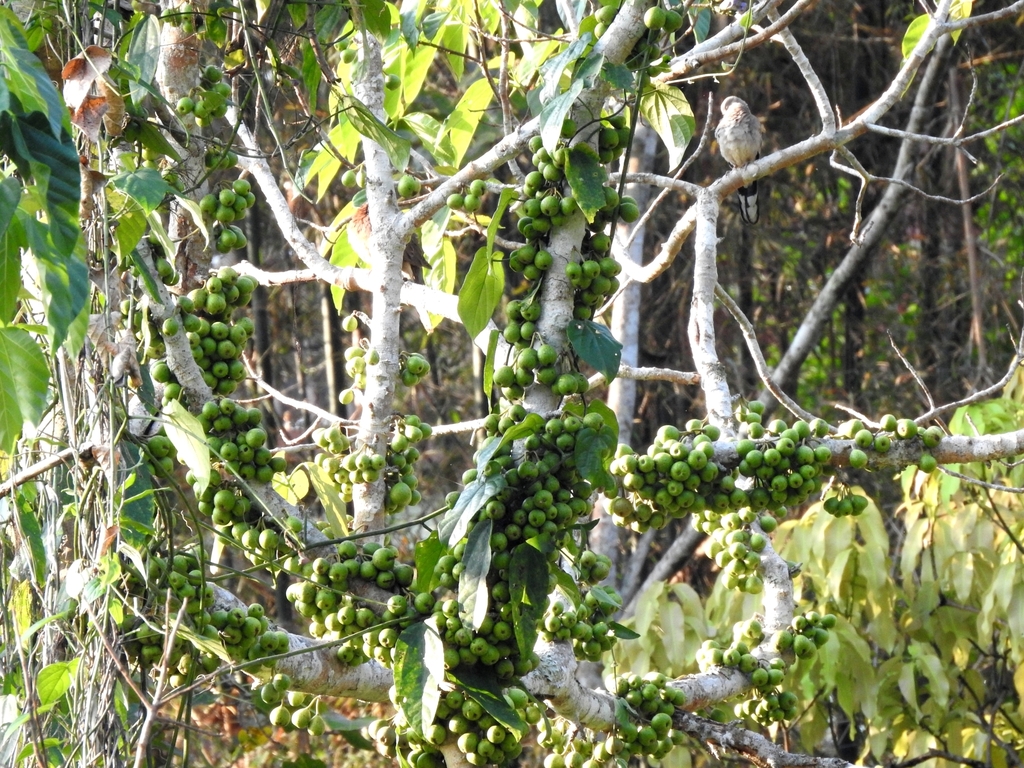
(c) Carlos Otávio Gussoni, some rights reserved (CC BY) · CC BY · iNaturalist 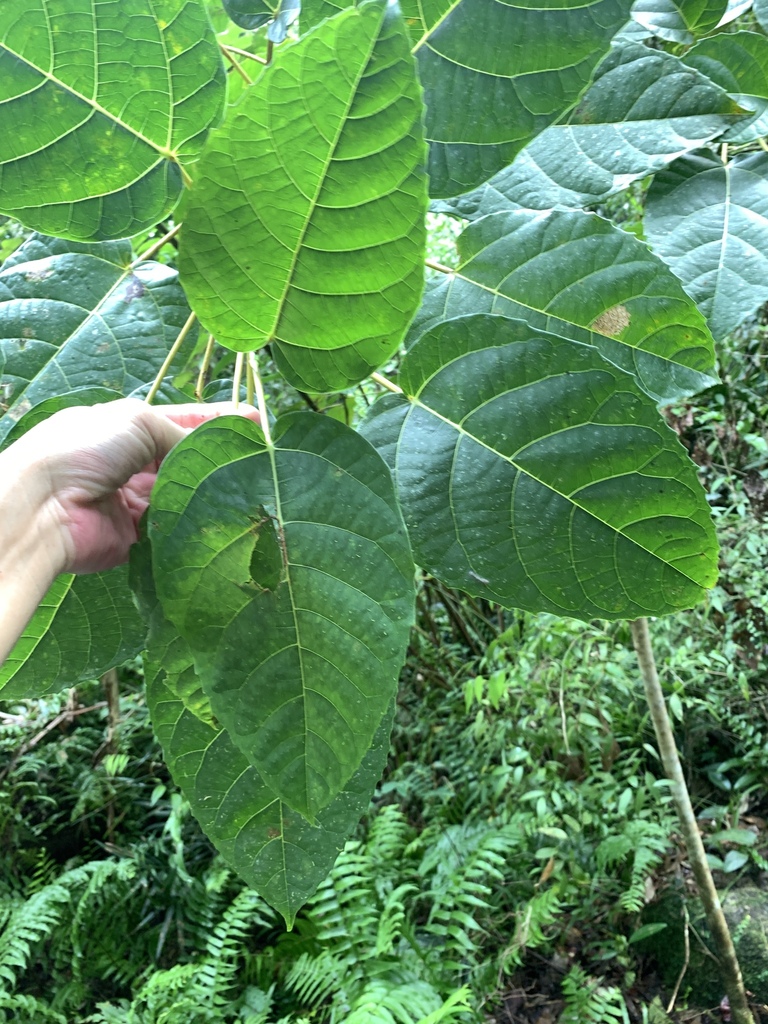
(c) 呂一起(Lyu yi-chi), some rights reserved (CC BY) · CC BY · iNaturalist 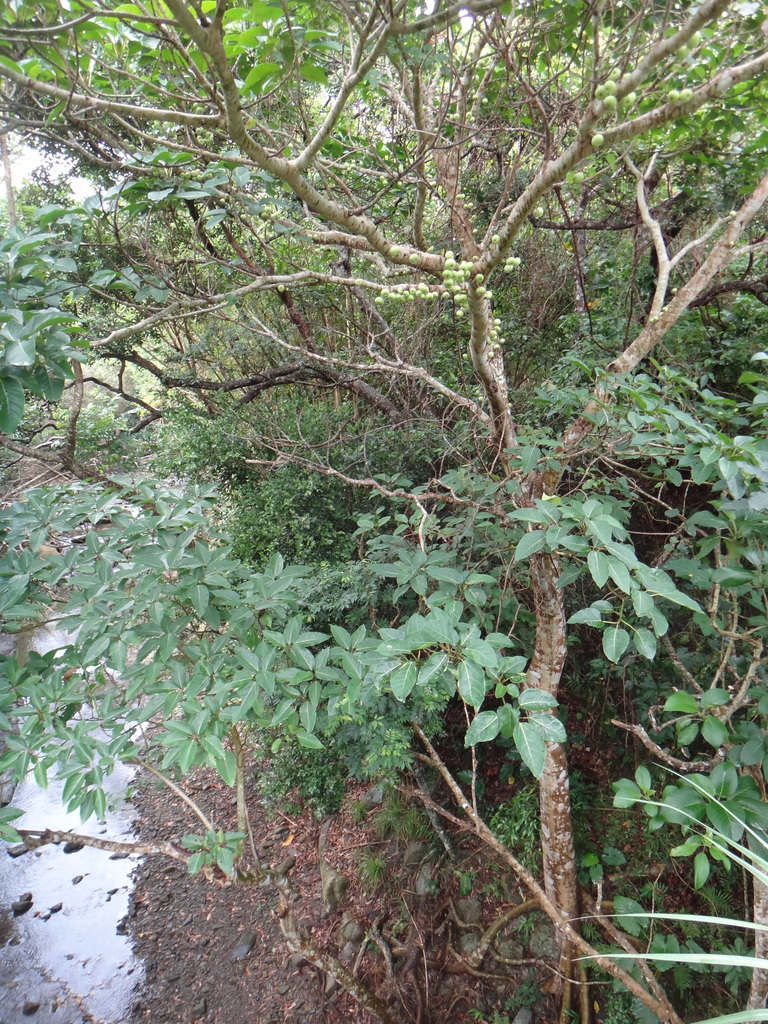
(c) 呂一起(Lyu yi-chi), some rights reserved (CC BY) · CC BY · iNaturalist 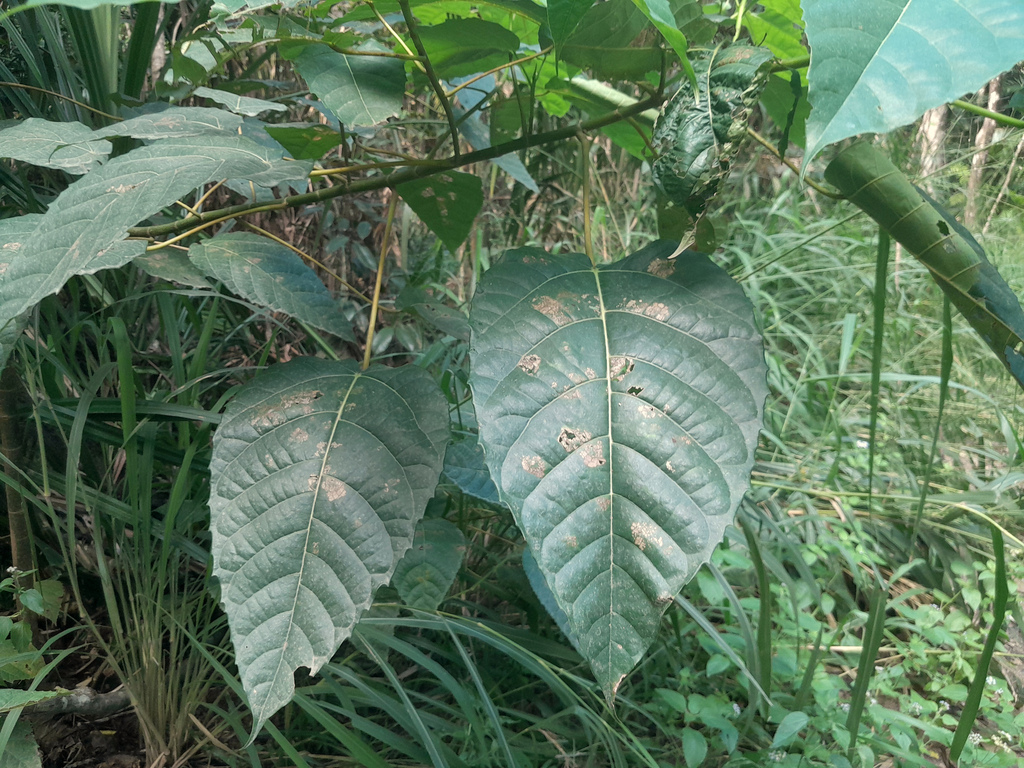
(c) Steve Fitzgerald, some rights reserved (CC BY-SA) · CC BY-SA · iNaturalist
Names and classification
Names in 1 more languages
- Japanese
- イチジクガイ
Other scientific names: Ficus variegatus
Similar species
- Atlantic Figsnail
Ficus ficus
- spotted fig shell
Ficus eospila
- graceful fig shell
Ficus gracilis
Sources and credits
Names and taxonomy: WoRMS (CC BY 4.0) and the GBIF Backbone (CC BY 4.0). Photos: iNaturalist observers, each under the licence shown (CC0, CC BY or CC BY-SA).
- Depth, temperature, months and maps: records from OBIS and GBIF under CC0 or CC BY.
- Descriptions: Wikipedia, licensed CC BY-SA, each linked to its article.
- Conservation status as published by GBIF (IUCN Red List).
- 23 open-data records from 1798 to 1978.
- Species data updated November 2, 2026.
Log what you see on your next dive
The free DiveHive diver app keeps your logbook with every sighting and shows what lives at the site you dive next.