
DiscoverSpeciesSharks and rays
Northern Sawtail Catshark
Figaro striatus
- Usual depth300–418 m
- Water temperature25–26 °C
- Best monthsSeptember and November
- How commonRare
About this species
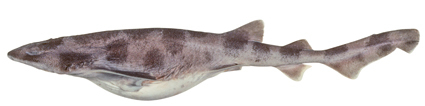
The northern sawtail catshark is a little-known species of deepwater catshark, belonong to the family Pentanchidae, endemic to northeastern Australia. It is demersal in nature and inhabits the upper continental slope at a depth of 300–420 m (980–1,380 ft). A small, slender species growing no longer than 42 cm (17 in), the northern sawtail catshark is characterized by a series of dark, narrow saddles along its back and tail, and rows of prominently enlarged dermal denticles along the upper edge of its caudal fin and the underside of its caudal peduncle. The International Union for Conservation of Nature (IUCN) does not yet have enough information to assess its conservation status.
Text from the Wikipedia article “Northern sawtail catshark”, licensed CC BY-SA 4.0. Read the article
Where and when
Where it has been recorded
Worldwide
Loading the map
Best months
Worldwide (open data)
- January: 0 records
- February: 0 records
- March: 0 records
- April: 0 records
- May: 0 records
- June: 0 records
- July: 1 records
- August: 1 records
- September: 7 records
- October: 1 records
- November: 10 records
- December: 3 records
Depth and water temperature
Depth
Mostly recorded at 300–418 m · Deepest record: 417.5 m
Water temperature
Recorded in surface water of 25–26 °C
Names and classification
- English
- Northern Sawtail Catshark, Northern Sawtail Shark
Names in 1 more languages
- German
- Nördlicher Sägeschwanzhai
Other scientific names: Galeus striatus
Similar species
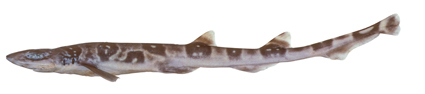 Australian Sawtail Catshark
Figaro boardmani
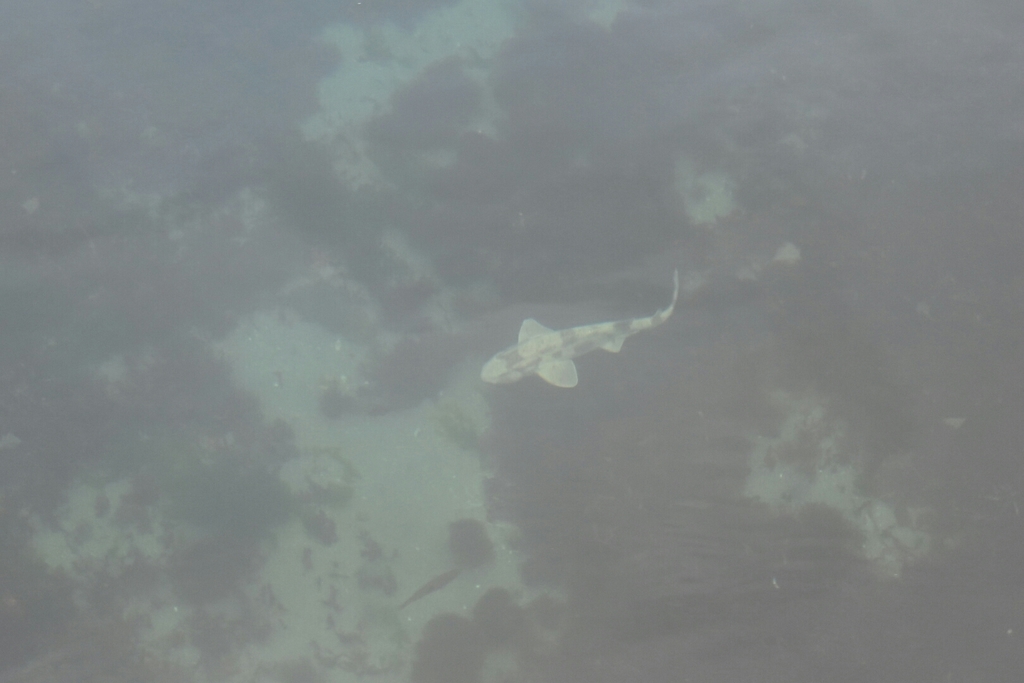
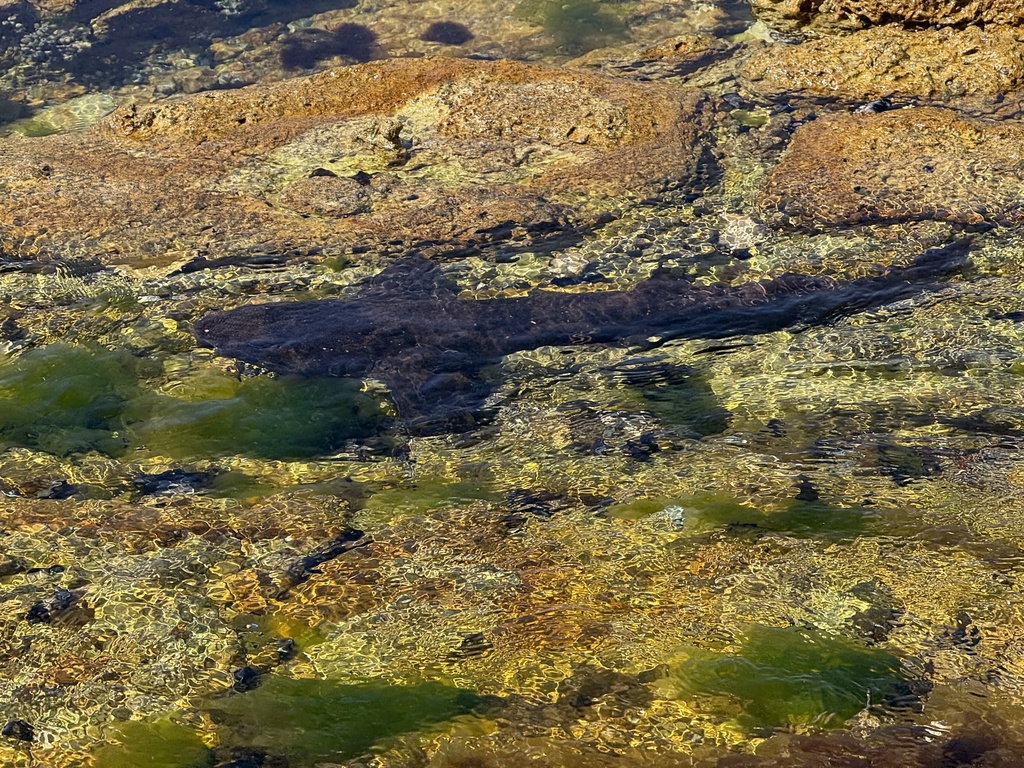 Australian swellshark
Cephaloscyllium laticeps
- Dawson's Catshark
Bythaelurus dawsoni
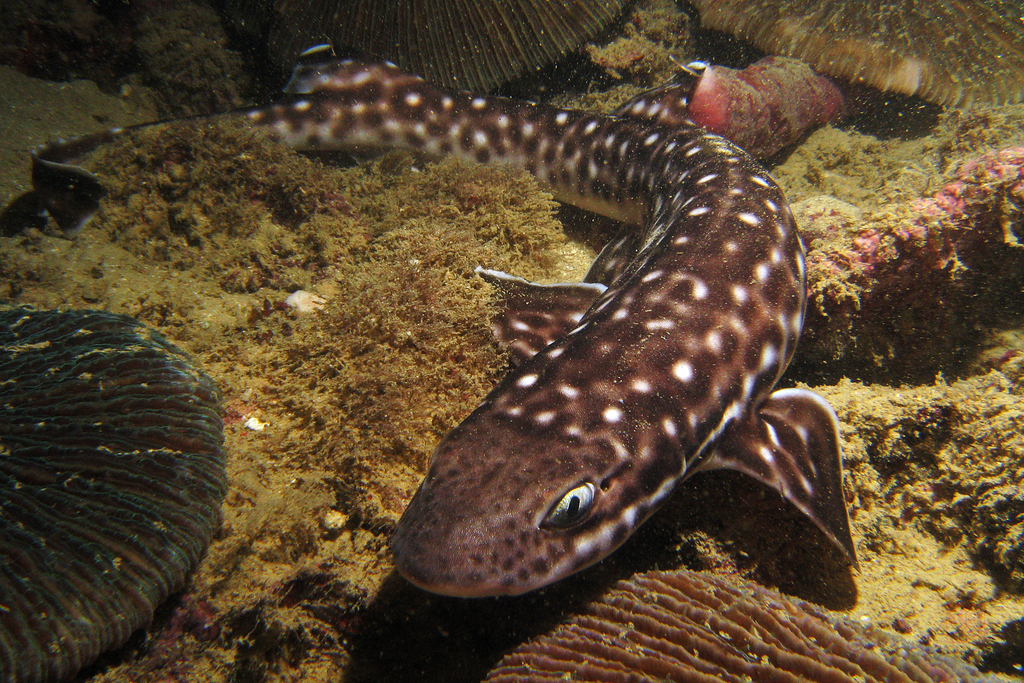 coral catshark
Atelomycterus marmoratus
 Whitefin Swell-shark
Cephaloscyllium albipinnum
Sources and credits
Names and taxonomy: WoRMS (CC BY 4.0) and the GBIF Backbone (CC BY 4.0). Photos: iNaturalist observers, each under the licence shown (CC0, CC BY or CC BY-SA).
- Depth, temperature, months and maps: records from OBIS and GBIF under CC0 or CC BY.
- Descriptions: Wikipedia, licensed CC BY-SA, each linked to its article.
- Conservation status as published by GBIF (IUCN Red List).
- 51 open-data records from 1980 to 2002.
- Species data updated November 2, 2026.
Log what you see on your next dive
The free DiveHive diver app keeps your logbook with every sighting and shows what lives at the site you dive next.