
DiscoverSpeciesOther invertebrates
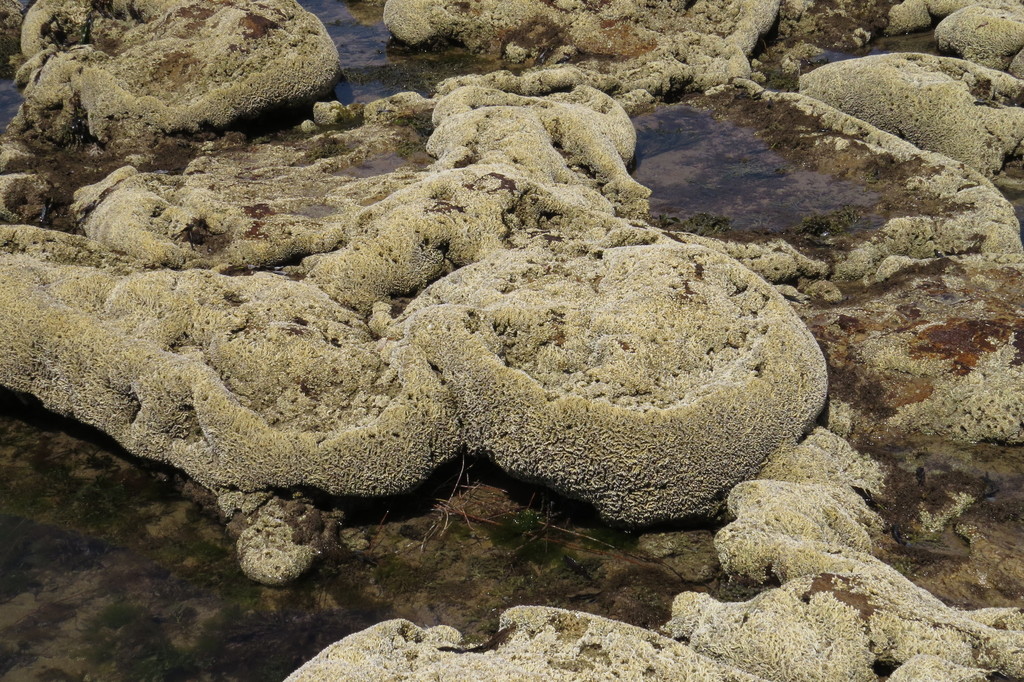
Intertidal Tube Worm
Galeolaria caespitosa
- Usual depth0–10 m
- Water temperature14–21 °C
- Best monthsJanuary
- How commonRare
Photo credit: (c) coenobita, some rights reserved (CC BY), uploaded by coenobita · CC BY · iNaturalist
About this species
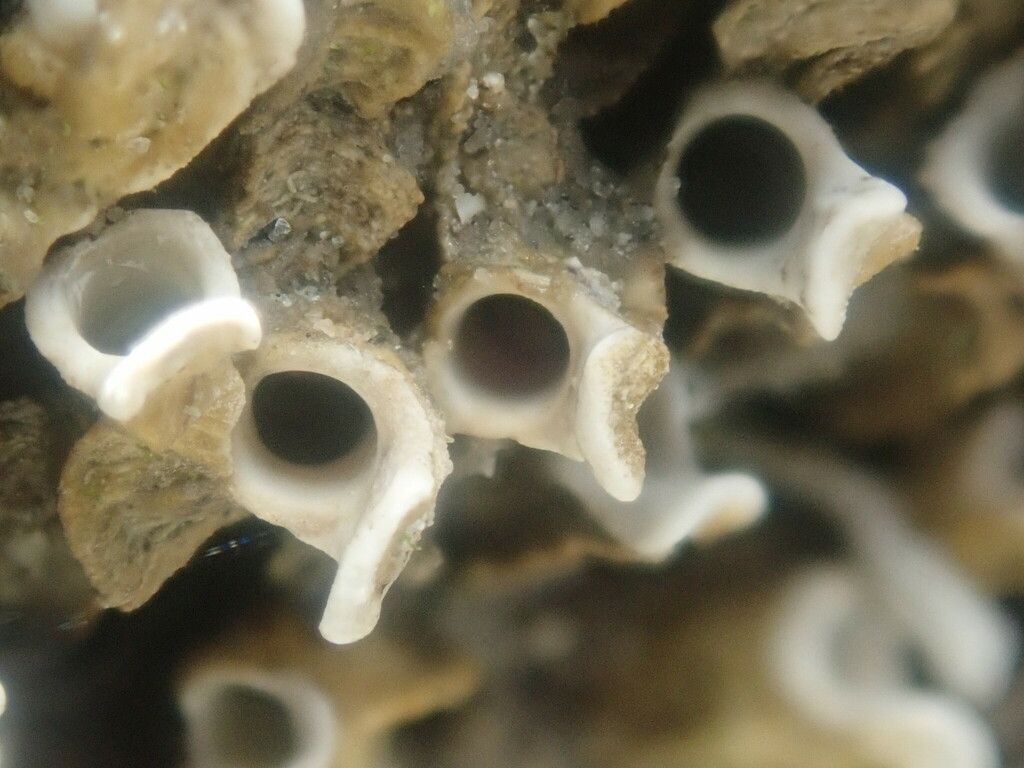
Galeolaria caespitosa is a worm of the family Serpulidae, casually referred to as Sydney coral when found in dense aggregations. It is an Australian inter-tidal tube worm which lives within a hard tube like shell, which prevents desiccation at high tide. Black feathery gills emerge when it is underwater for it to filter feed on plankton.
Text from the Wikipedia article “Galeolaria caespitosa”, licensed CC BY-SA 4.0. Read the article
Where and when
Where it has been recorded
Worldwide
Loading the map
Best months
Worldwide (open data)
- January: 95 records
- February: 36 records
- March: 34 records
- April: 46 records
- May: 41 records
- June: 15 records
- July: 16 records
- August: 23 records
- September: 36 records
- October: 48 records
- November: 25 records
- December: 44 records
Depth and water temperature
Depth
Mostly recorded at 0–10 m · Deepest record: 10 m
Water temperature
Recorded in surface water of 14–21 °C
Photos
no rights reserved, uploaded by Lynn Harper · CC0 1.0 · iNaturalist 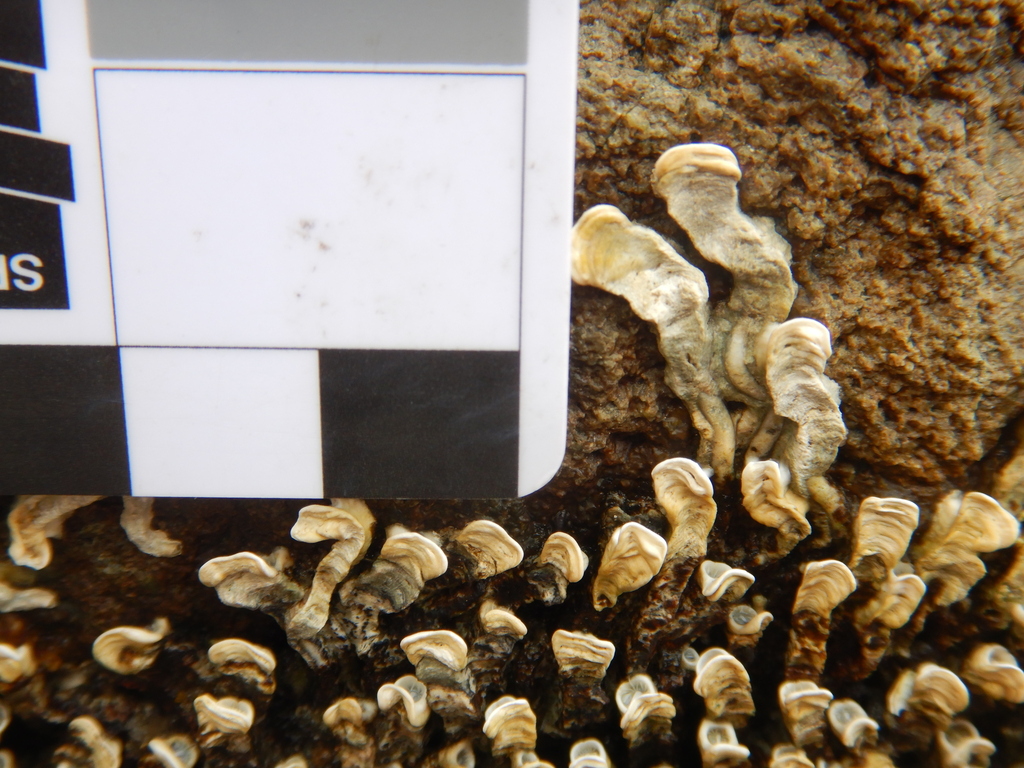
(c) Paul J. Morris, some rights reserved (CC BY-SA) · CC BY-SA · iNaturalist 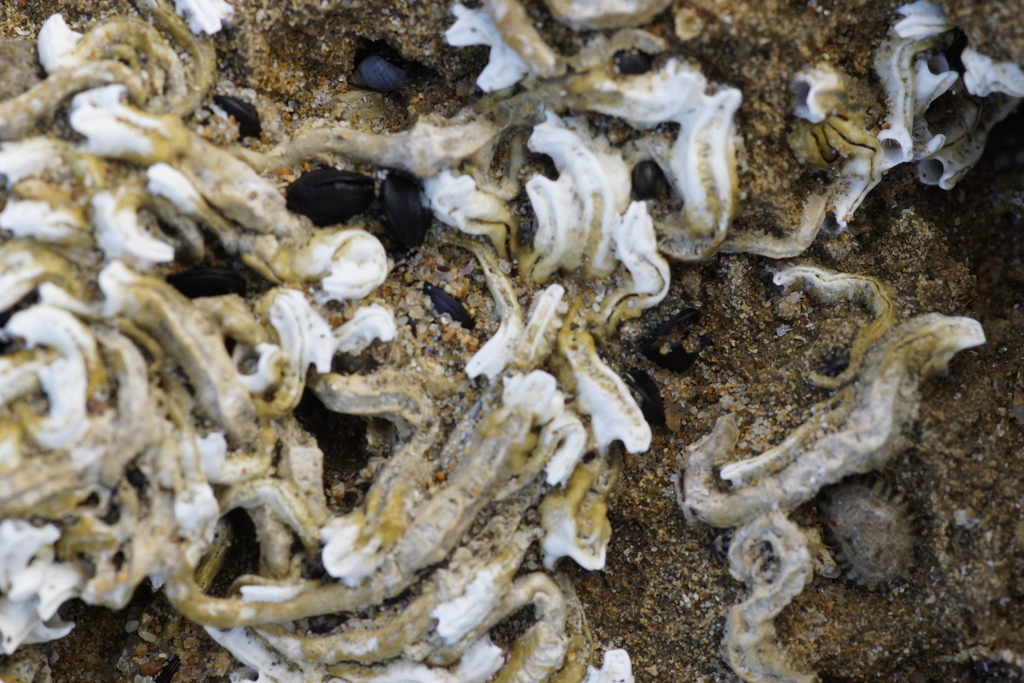
(c) Rod Lowther, some rights reserved (CC BY) · CC BY · iNaturalist 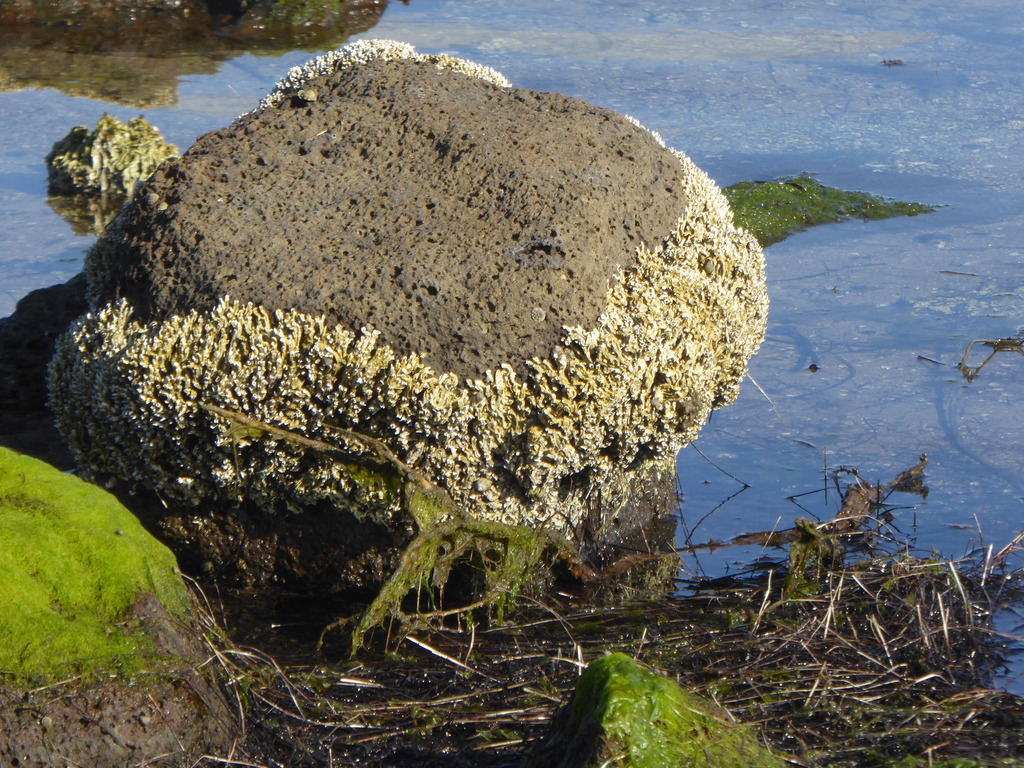
(c) Rod Lowther, some rights reserved (CC BY) · CC BY · iNaturalist 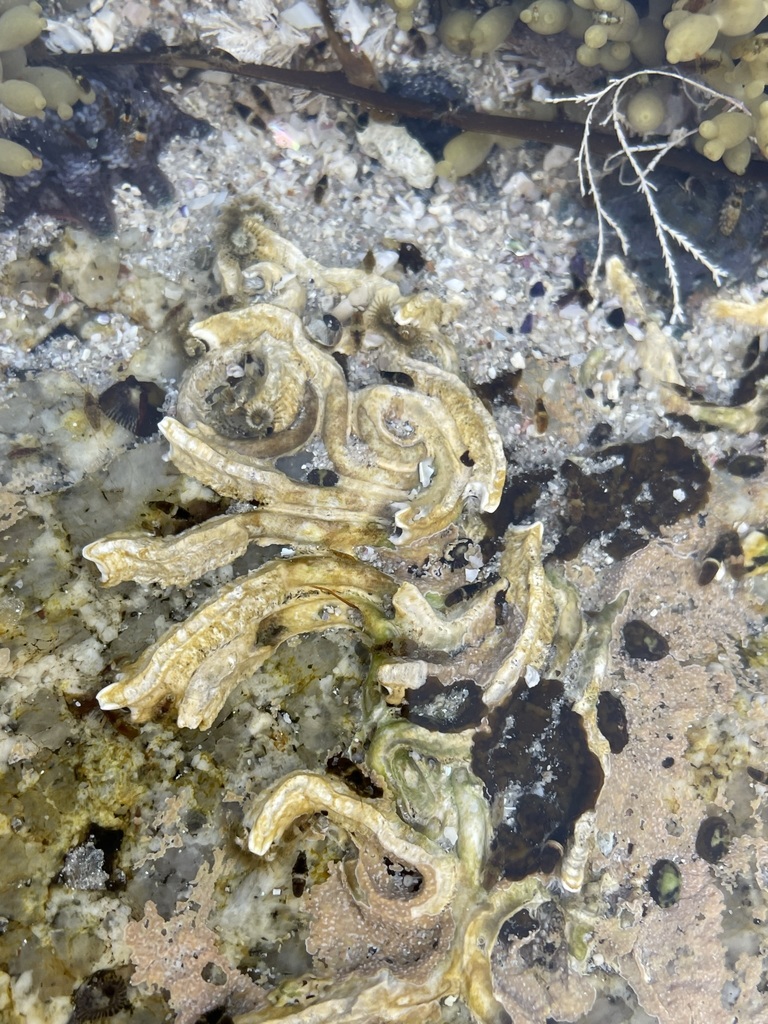
(c) Matt Berger, some rights reserved (CC BY) · CC BY · iNaturalist 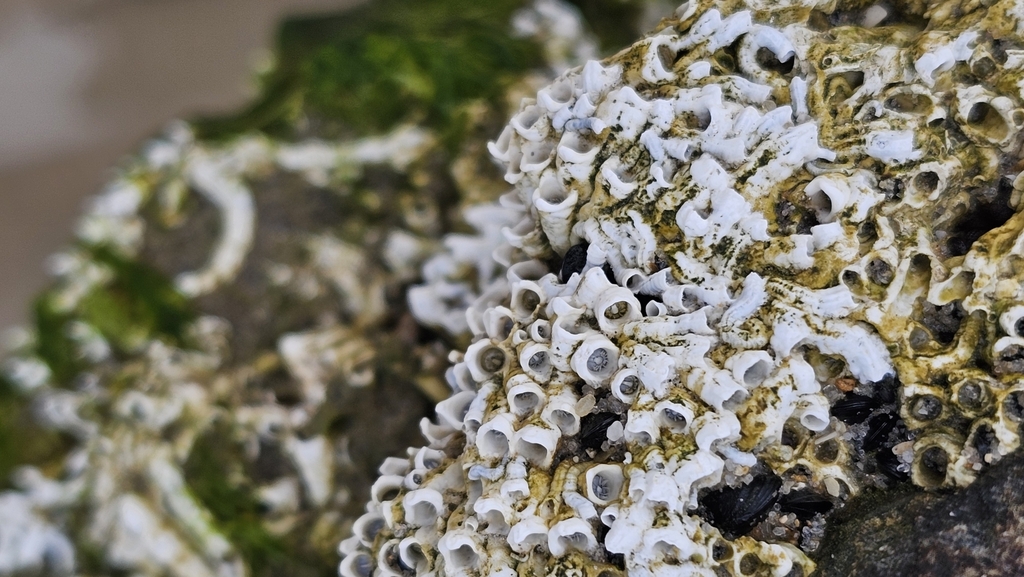
(c) Rosalie Lawrence, some rights reserved (CC BY) · CC BY · iNaturalist 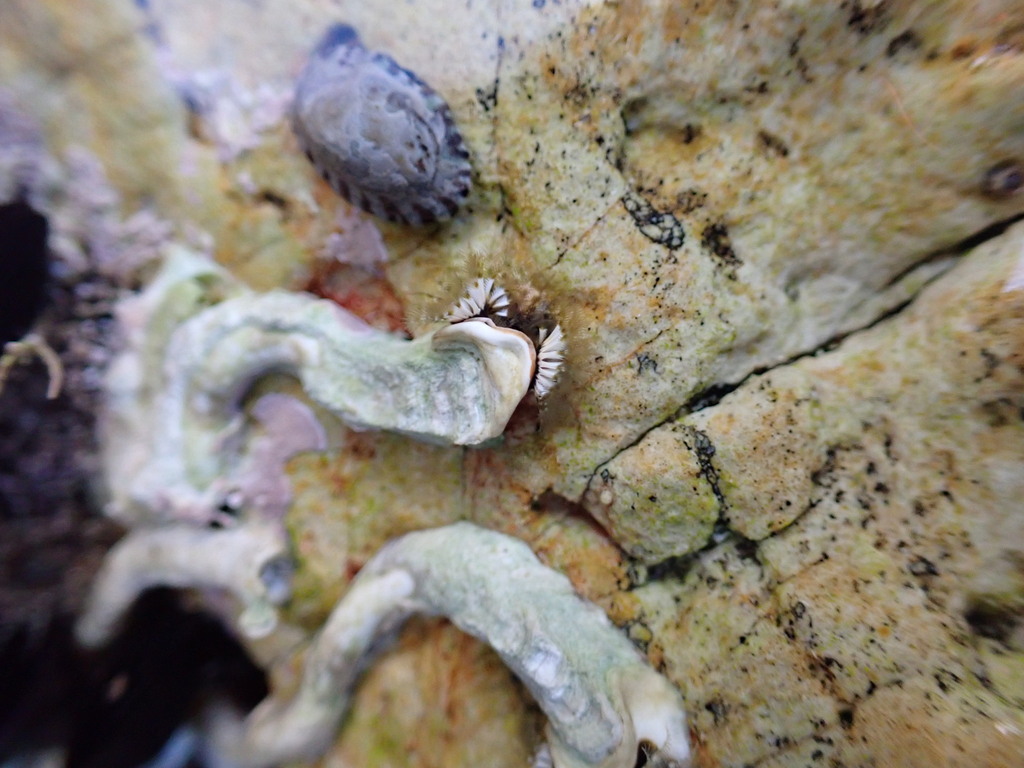
(c) ttsquid, some rights reserved (CC BY) · CC BY · iNaturalist
Names and classification
- English
- Intertidal Tube Worm, Sydney Coral
Other scientific names: Cymospira decumbens, Filigrana divaricata, Galeolaria cespitosa, Galeolaria decubens, Galeolaria decumbens, Galeolaria elongata, Serpula (Galeolaria) caespitosa, Serpula (Galeolaria) cespitosa, Serpula (Vermilia) bicarinata, Serpula caespitosa, Serpula lithogena, Vermilia bicarinata, Vermilia caespitosa, Vermilia insidiosa
Similar species
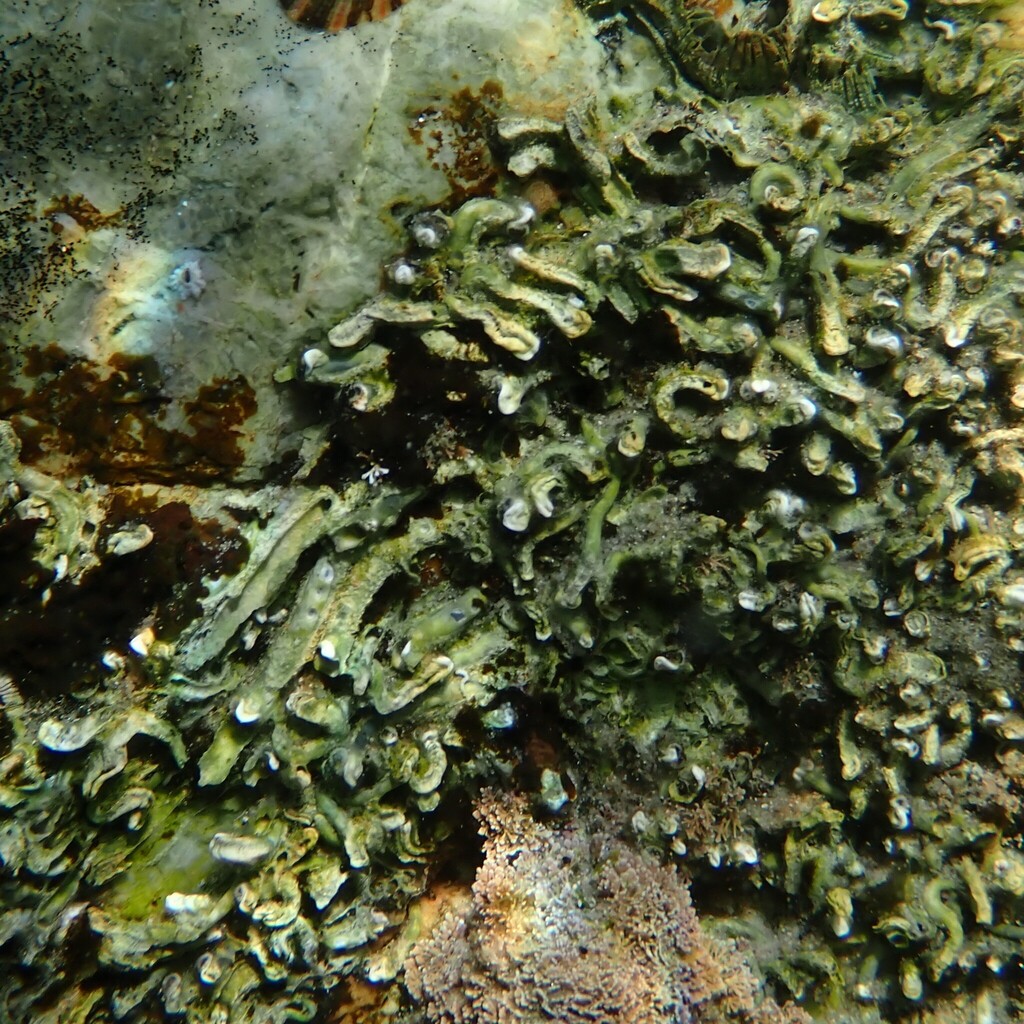
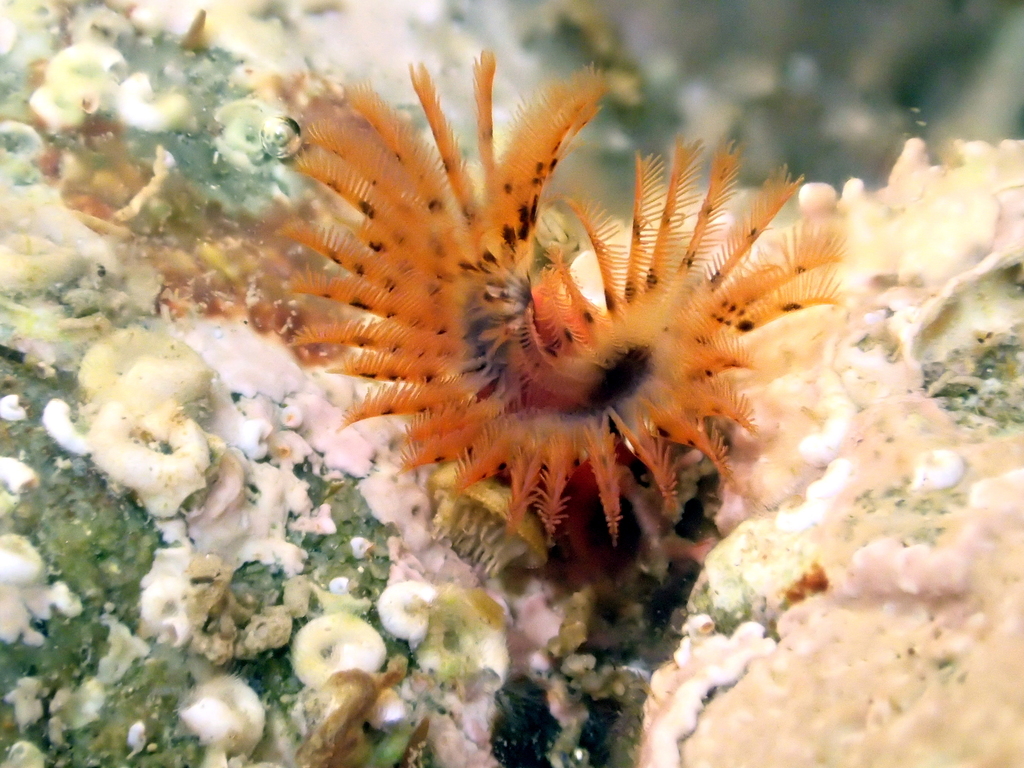 Scarlet Tubeworm
Galeolaria hystrix
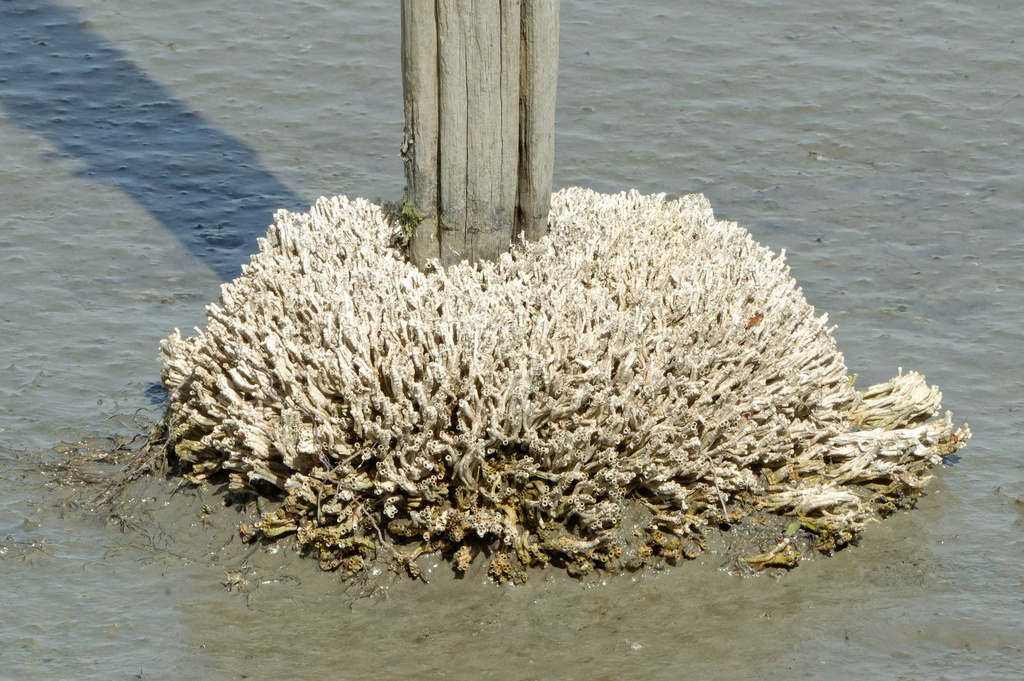 Australian tubeworm
Ficopomatus enigmaticus
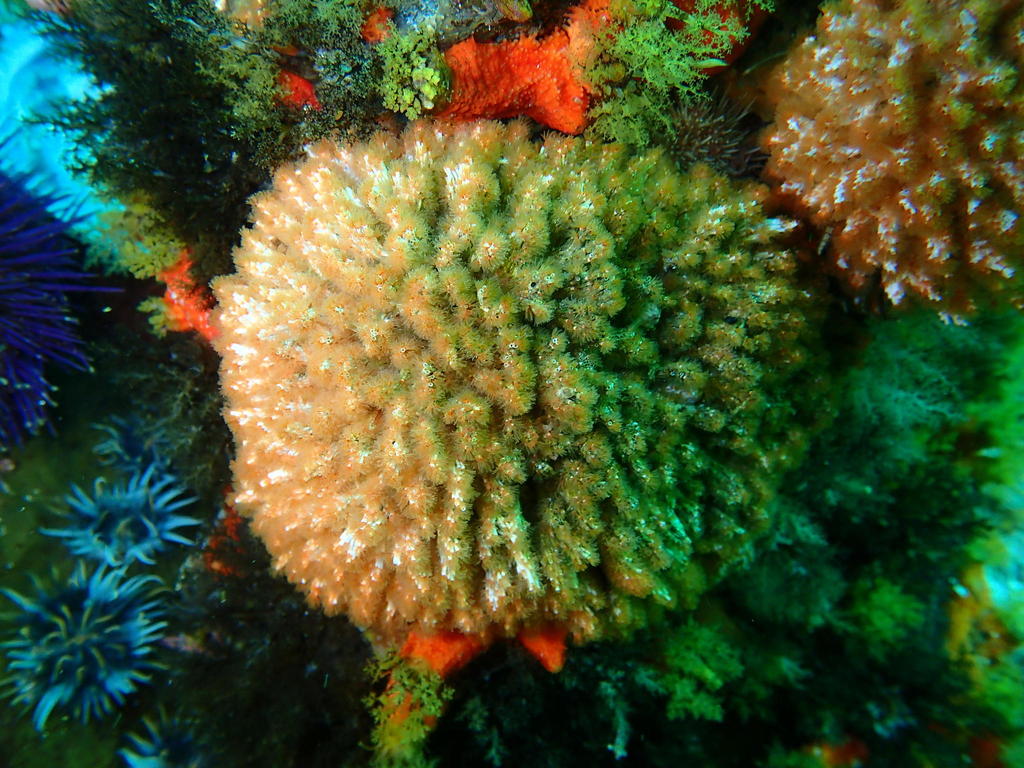 Coral worm
Filograna implexa
Sources and credits
Names and taxonomy: WoRMS (CC BY 4.0) and the GBIF Backbone (CC BY 4.0). Photos: iNaturalist observers, each under the licence shown (CC0, CC BY or CC BY-SA).
- Depth, temperature, months and maps: records from OBIS and GBIF under CC0 or CC BY.
- Descriptions: Wikipedia, licensed CC BY-SA, each linked to its article.
- Conservation status as published by GBIF (IUCN Red List).
- 461 open-data records from 1949 to 2025.
- Species data updated November 2, 2026.
Log what you see on your next dive
The free DiveHive diver app keeps your logbook with every sighting and shows what lives at the site you dive next.