
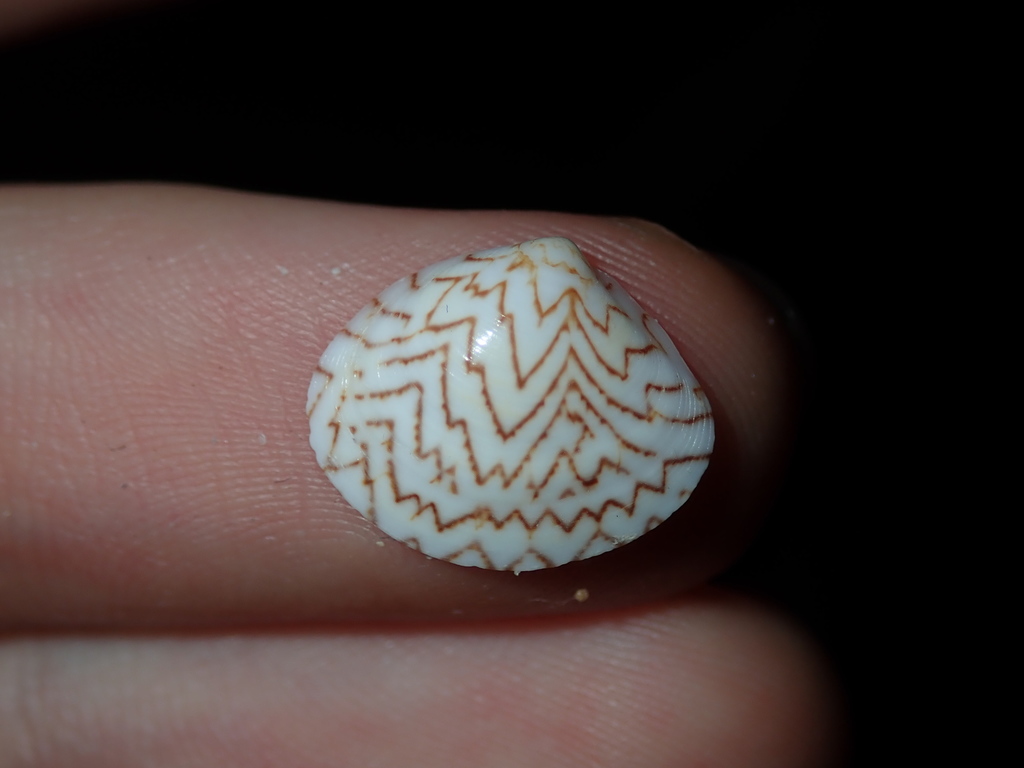
Gomphina undulosa
- Usual depth0 m
- Water temperature15–28 °C
- Best monthsJanuary, July, and October
- How commonRare
Photo credit: (c) Thomas Mesaglio, some rights reserved (CC BY), uploaded by Thomas Mesaglio · CC BY · iNaturalist
Where and when
Where it has been recorded
Worldwide
Loading the map
Best months
Worldwide (open data)
- January: 27 records
- February: 17 records
- March: 24 records
- April: 14 records
- May: 15 records
- June: 16 records
- July: 30 records
- August: 24 records
- September: 20 records
- October: 26 records
- November: 19 records
- December: 11 records
Depth and water temperature
Depth
Mostly recorded at 0 m · Deepest record: 0 m
Water temperature
Recorded in surface water of 15–28 °C
Photos
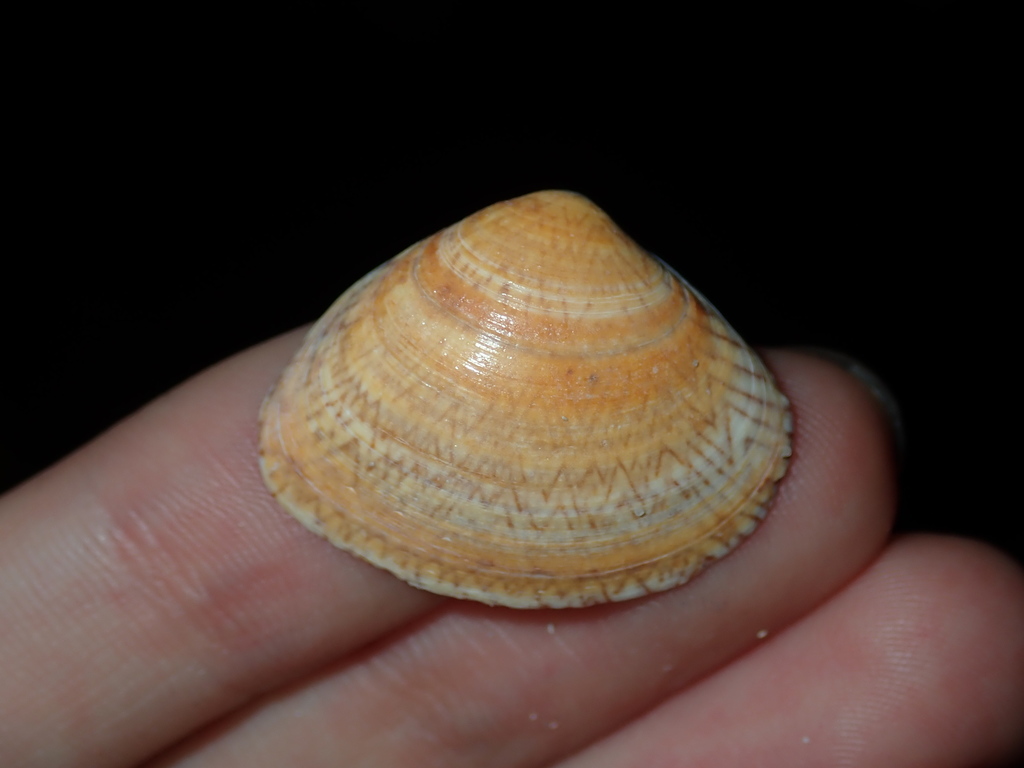
(c) Thomas Mesaglio, some rights reserved (CC BY), uploaded by Thomas Mesaglio · CC BY · iNaturalist 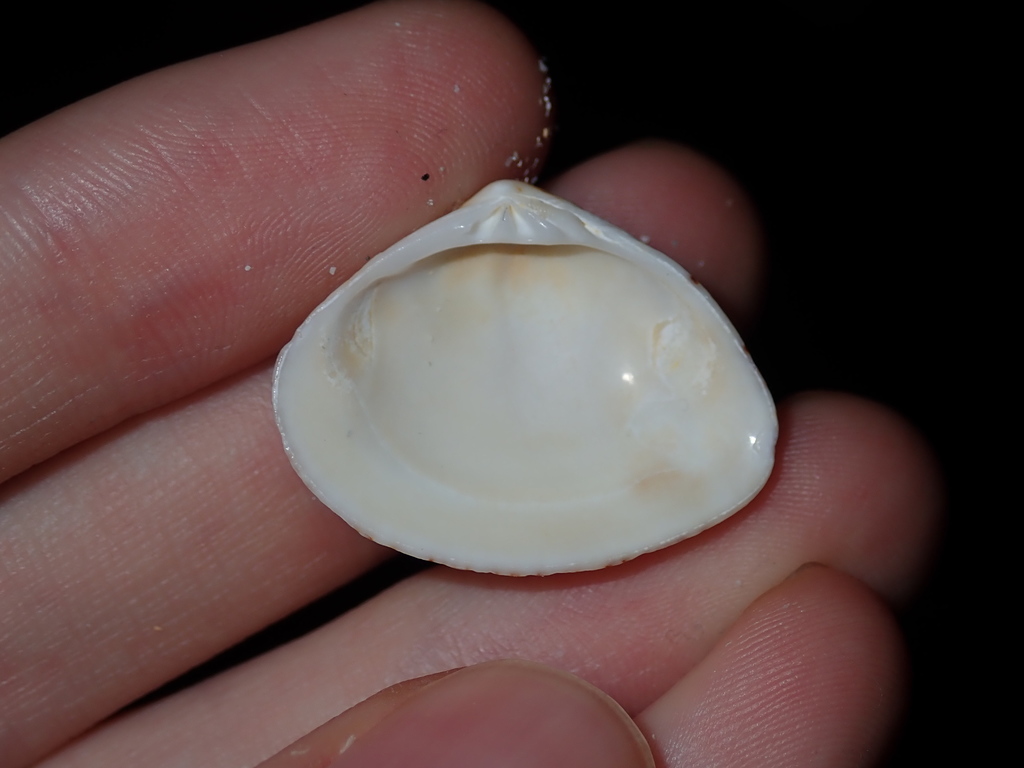
(c) Thomas Mesaglio, some rights reserved (CC BY), uploaded by Thomas Mesaglio · CC BY · iNaturalist 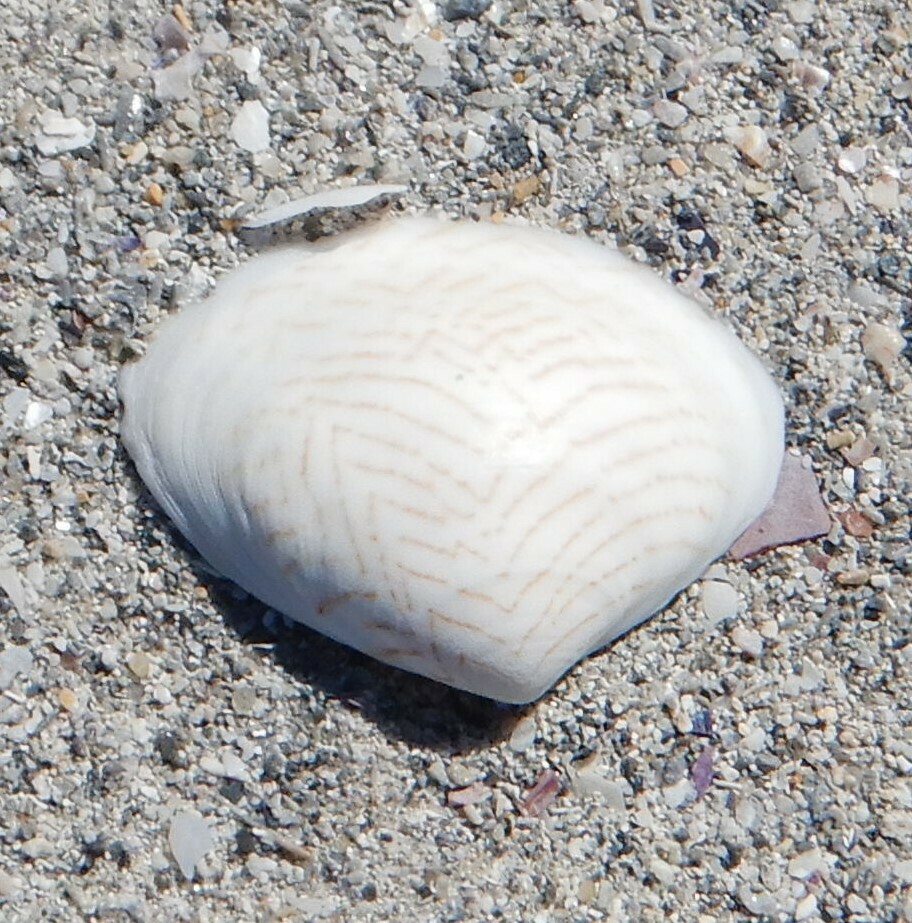
(c) Belinda Forbes, some rights reserved (CC BY) · CC BY · iNaturalist 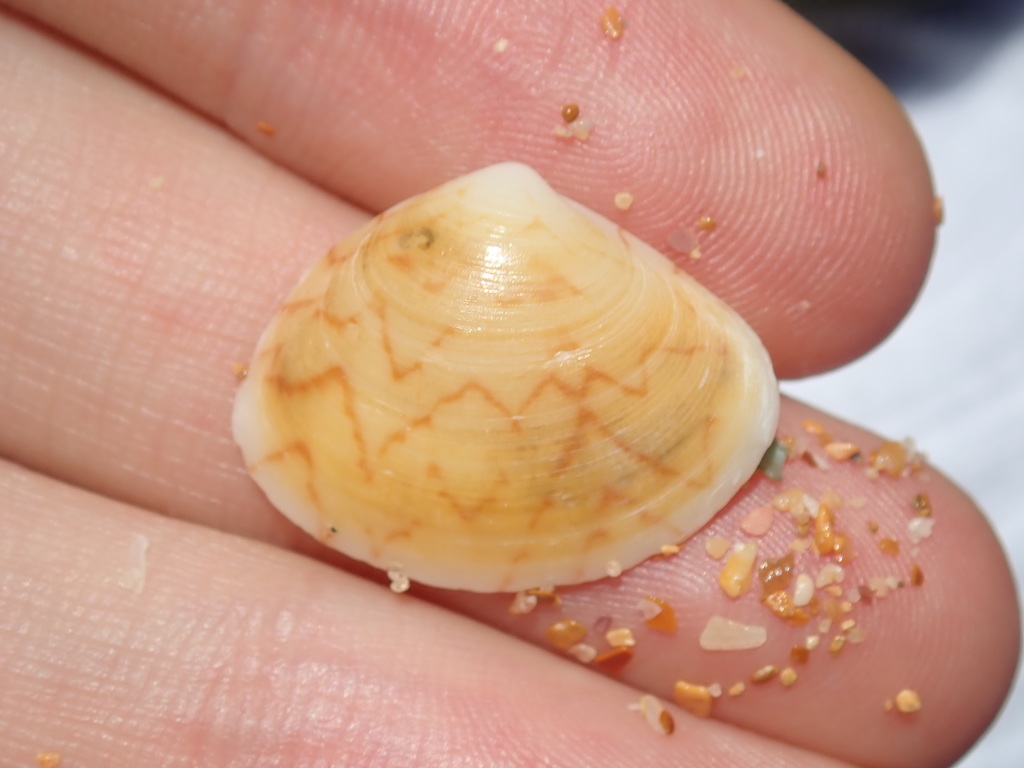
(c) Thomas Mesaglio, some rights reserved (CC BY) · CC BY · iNaturalist 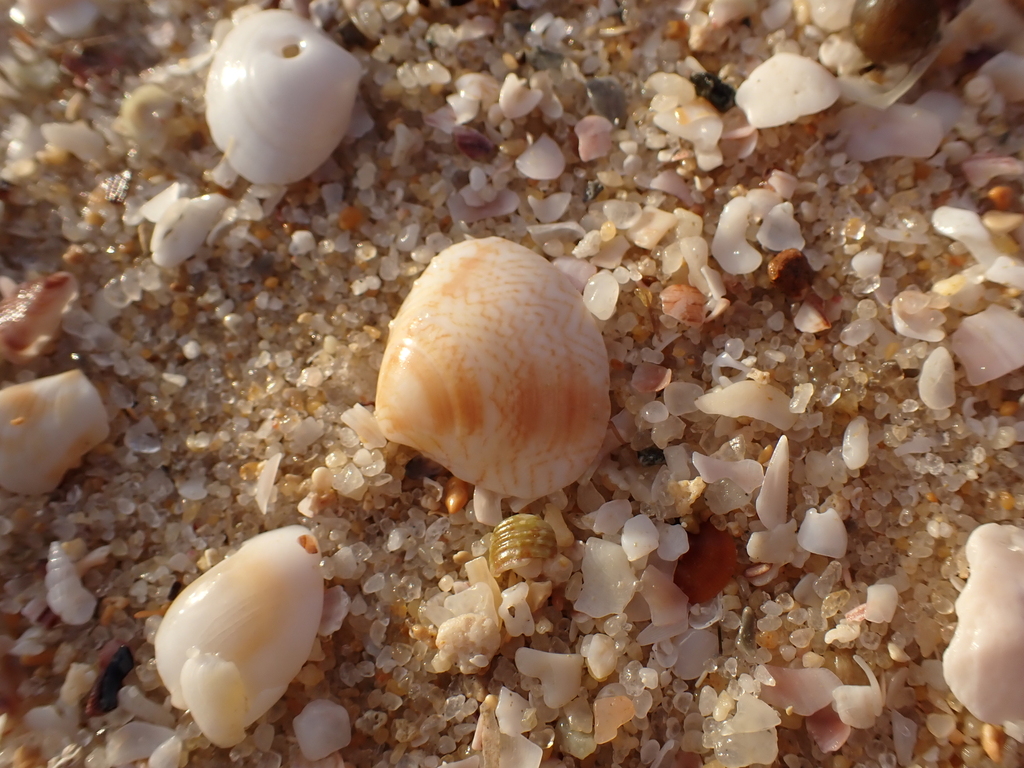
(c) ttsquid, some rights reserved (CC BY) · CC BY · iNaturalist 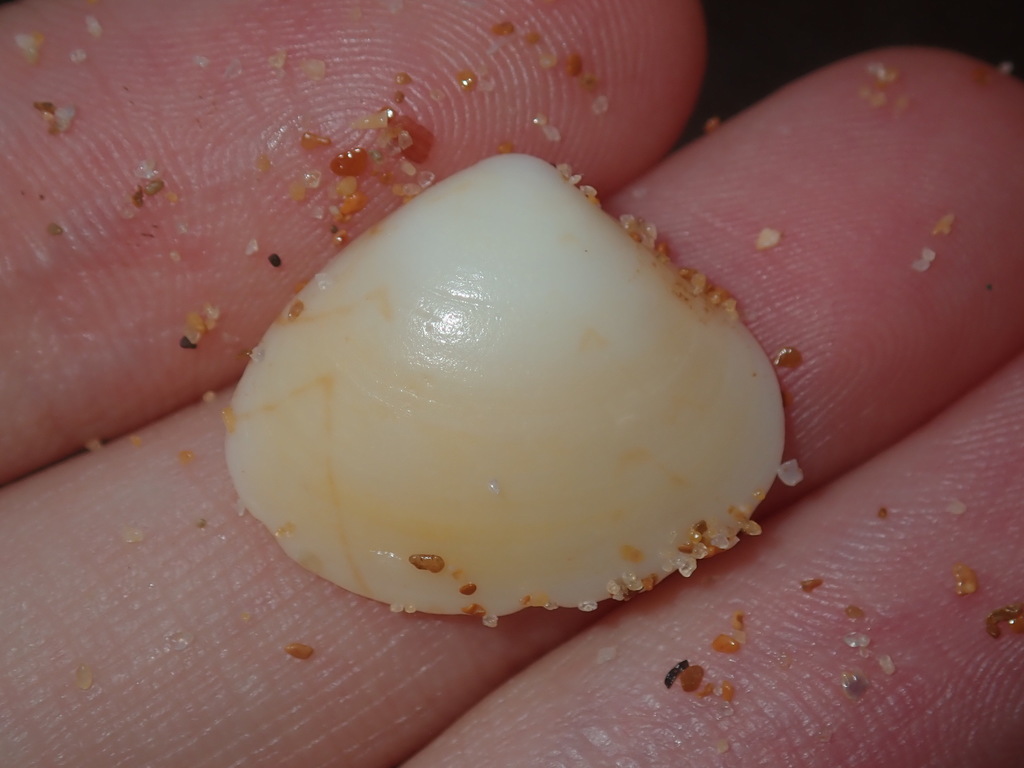
(c) Thomas Mesaglio, some rights reserved (CC BY) · CC BY · iNaturalist 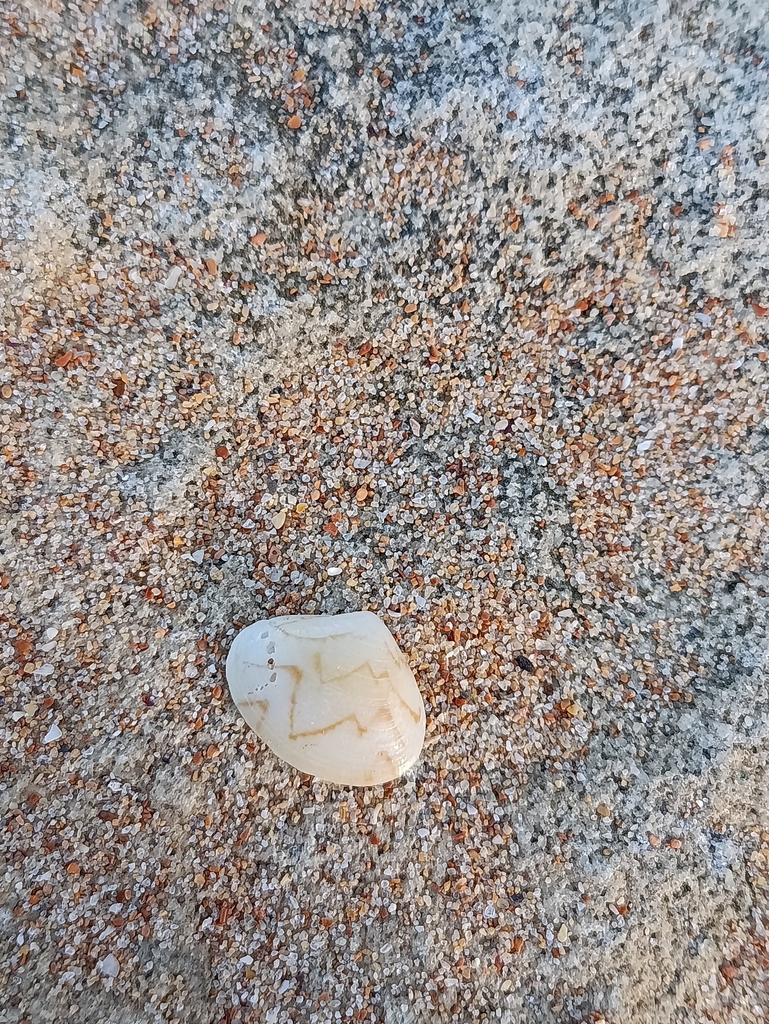
(c) Niko Ioannidis, some rights reserved (CC BY) · CC BY · iNaturalist
Names and classification
Names in 1 more languages
- Japanese
- フキアゲアサリ
Other scientific names: Gomphina fulgida, Gomphinella undulosa, Venus undulosa, Venus variabilis
Similar species
 New Zealand Cockle
Austrovenus stutchburyi
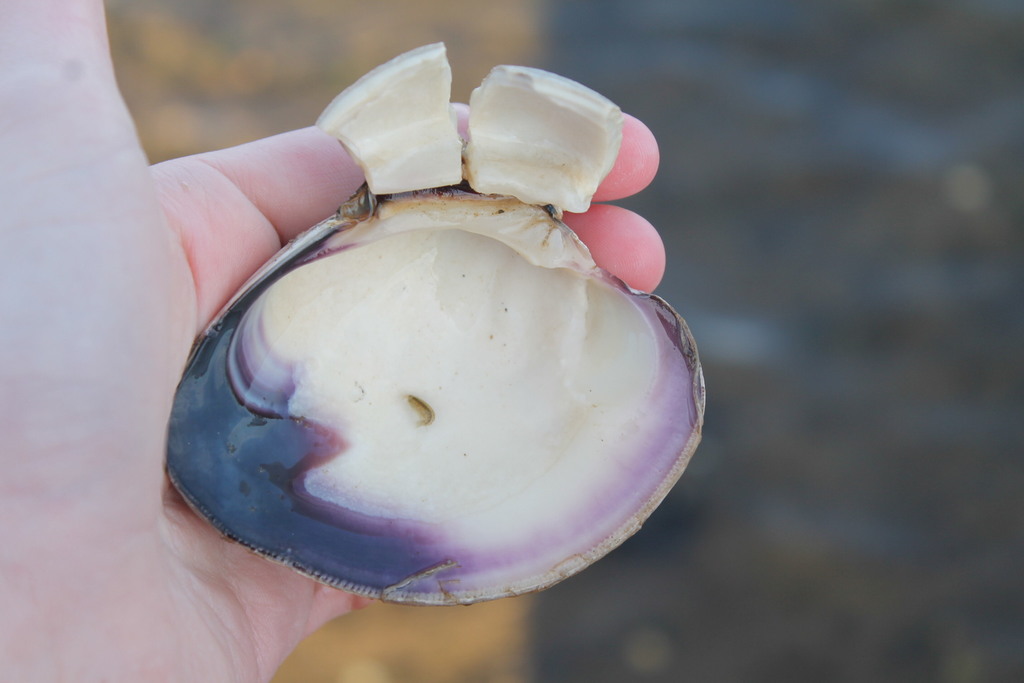 Cherry stones
Mercenaria mercenaria
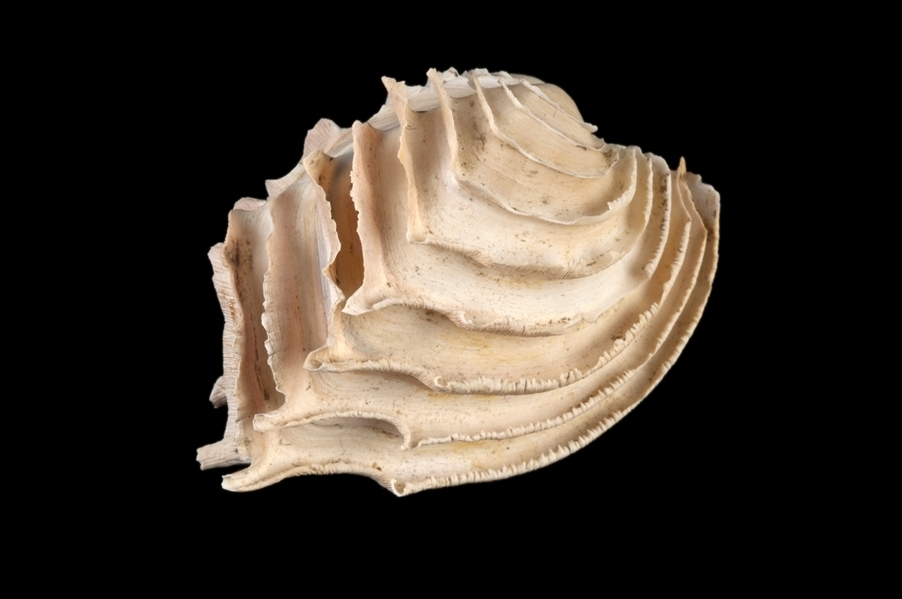 Wedding-cake venus
Bassina disjecta
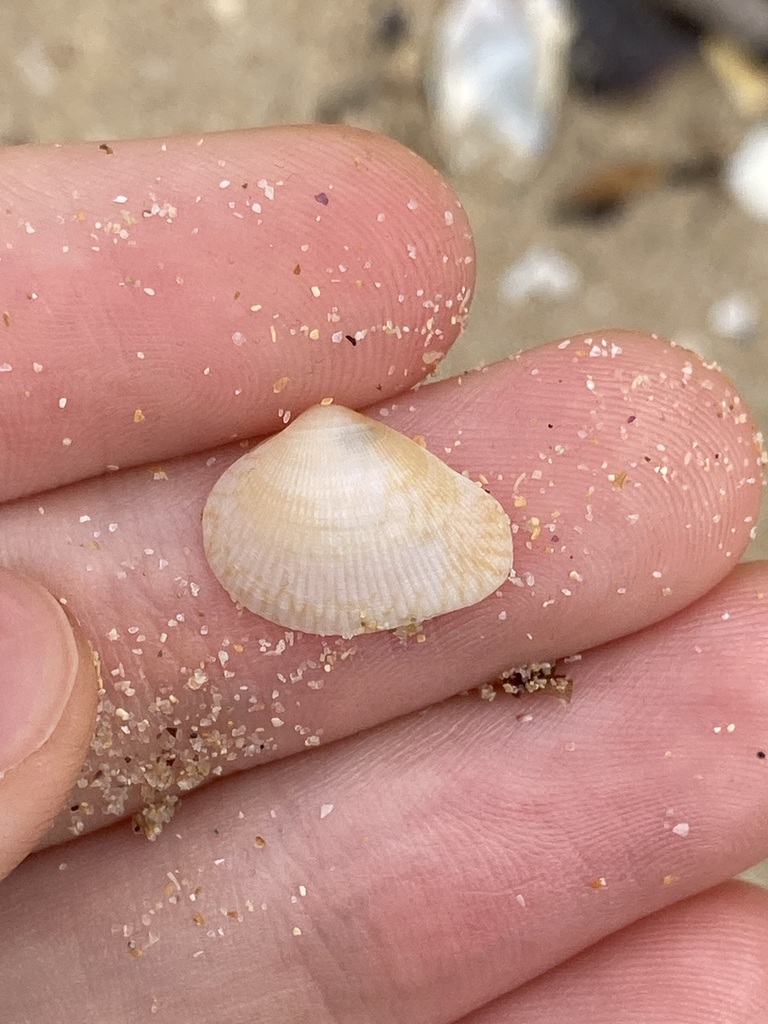 Cockle-like Venus
Chioneryx cardioides
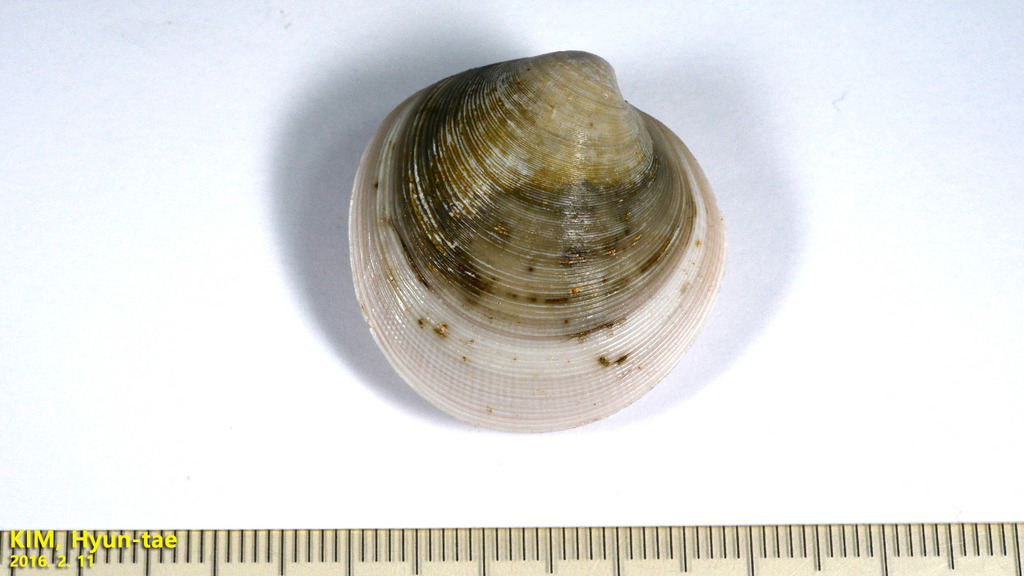 Chinese Venus Clam
Cyclina sinensis
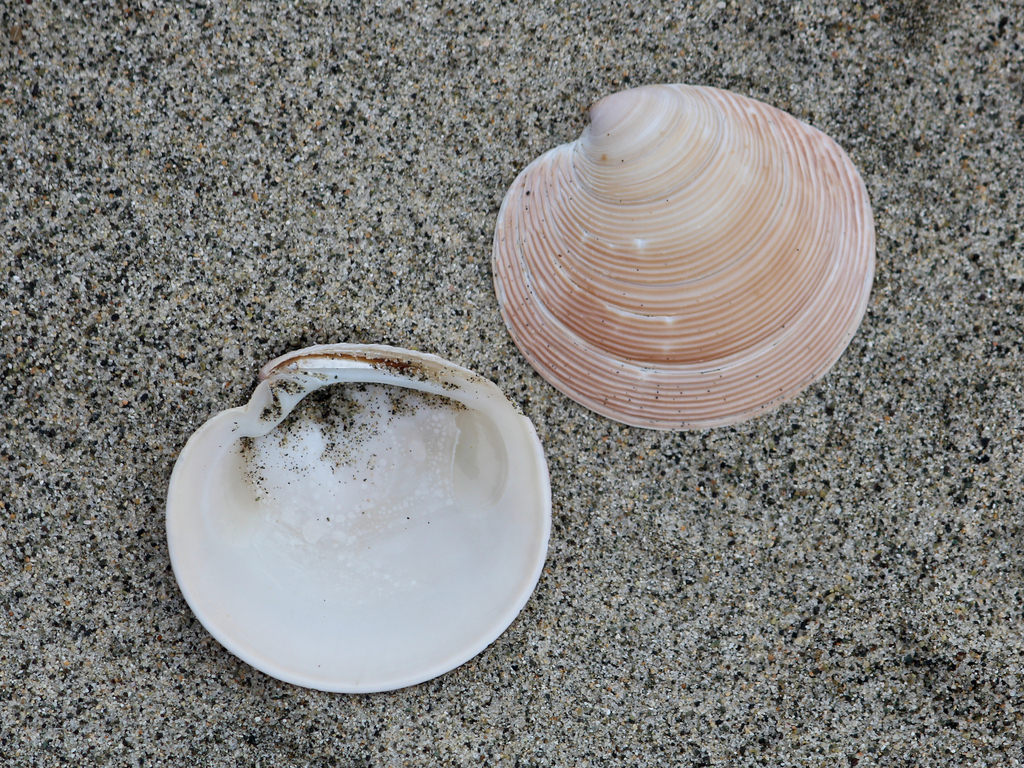 Old-woman dosinia
Dosinia anus
Sources and credits
Names and taxonomy: WoRMS (CC BY 4.0) and the GBIF Backbone (CC BY 4.0). Photos: iNaturalist observers, each under the licence shown (CC0, CC BY or CC BY-SA).
- Depth, temperature, months and maps: records from OBIS and GBIF under CC0 or CC BY.
- 147 open-data records from 1903 to 2023.
Log what you see on your next dive
The free DiveHive diver app keeps your logbook with every sighting and shows what lives at the site you dive next.