
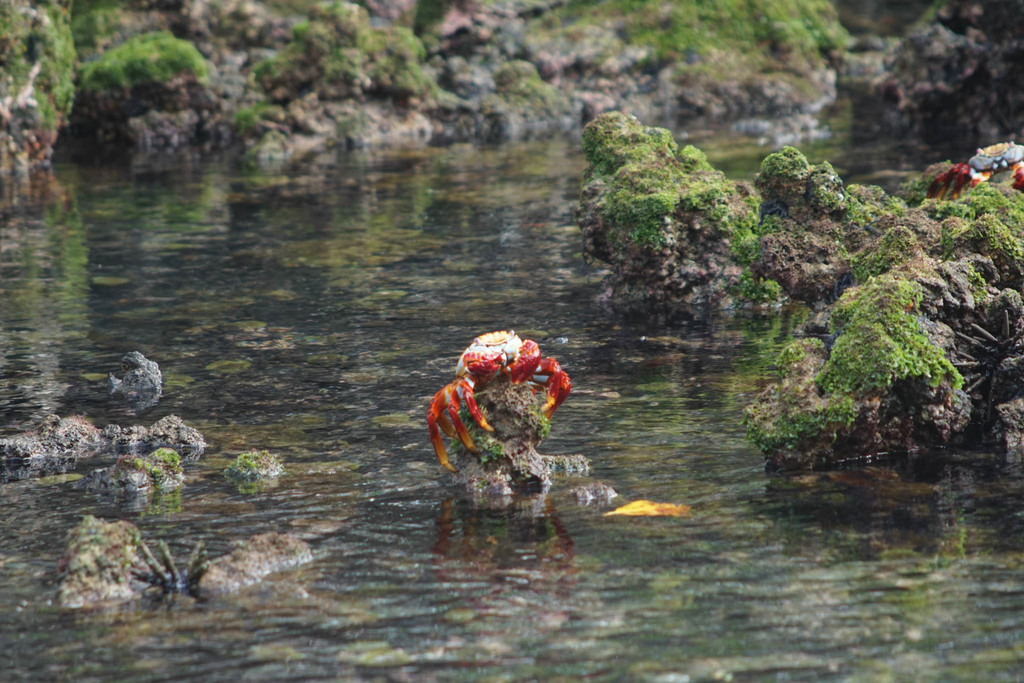
Cliff crab
Grapsus grapsus
- Usual depth0–18 m
- Water temperature17–25 °C
- Best monthsJanuary, March, and July
- How commonCommon
Photo credit: (c) Carrie Seltzer, some rights reserved (CC BY) · CC BY · iNaturalist
About this species
Grapsus grapsus is one of the most common crabs along the western coast of the Americas. It is known as the red rock crab, or, along with other crabs such as Percnon gibbesi, as the Sally Lightfoot crab.
Text from the Wikipedia article “Grapsus grapsus”, licensed CC BY-SA 4.0. Read the article
Where and when
Where it has been recorded
Worldwide
Loading the map
Best months
Worldwide (open data)
- January: 1,727 records
- February: 1,383 records
- March: 1,796 records
- April: 1,447 records
- May: 1,443 records
- June: 1,369 records
- July: 1,574 records
- August: 1,276 records
- September: 775 records
- October: 1,103 records
- November: 1,085 records
- December: 1,469 records
Depth and water temperature
Depth
Mostly recorded at 0–18 m · Deepest record: 27.4 m
Water temperature
Recorded in surface water of 17–25 °C
Photos
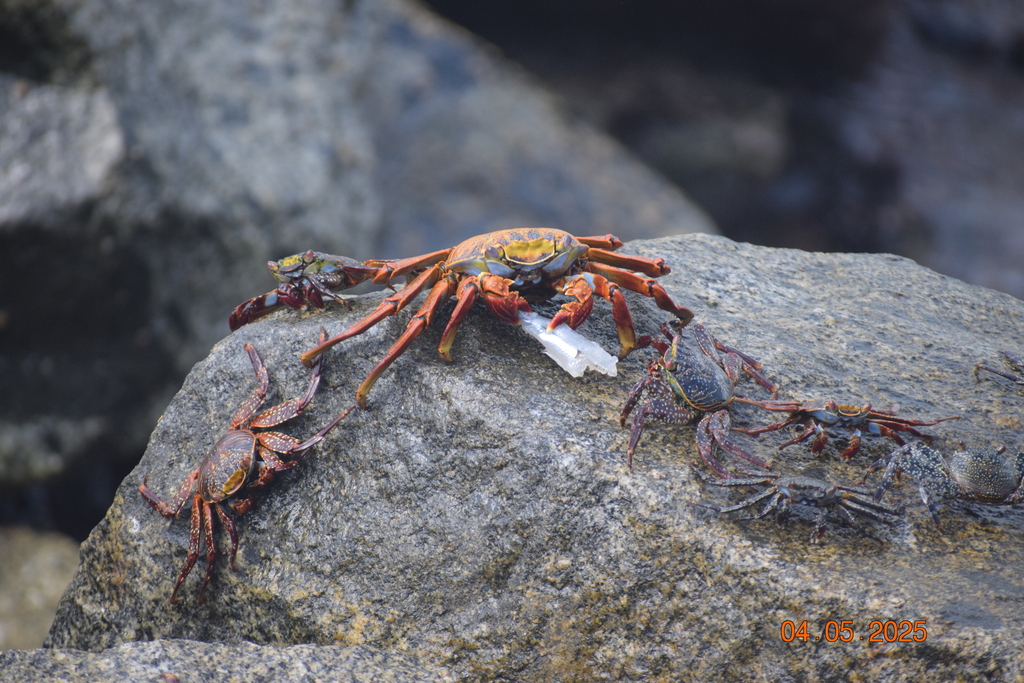
(c) Monics Paredes, some rights reserved (CC BY) · CC BY · iNaturalist 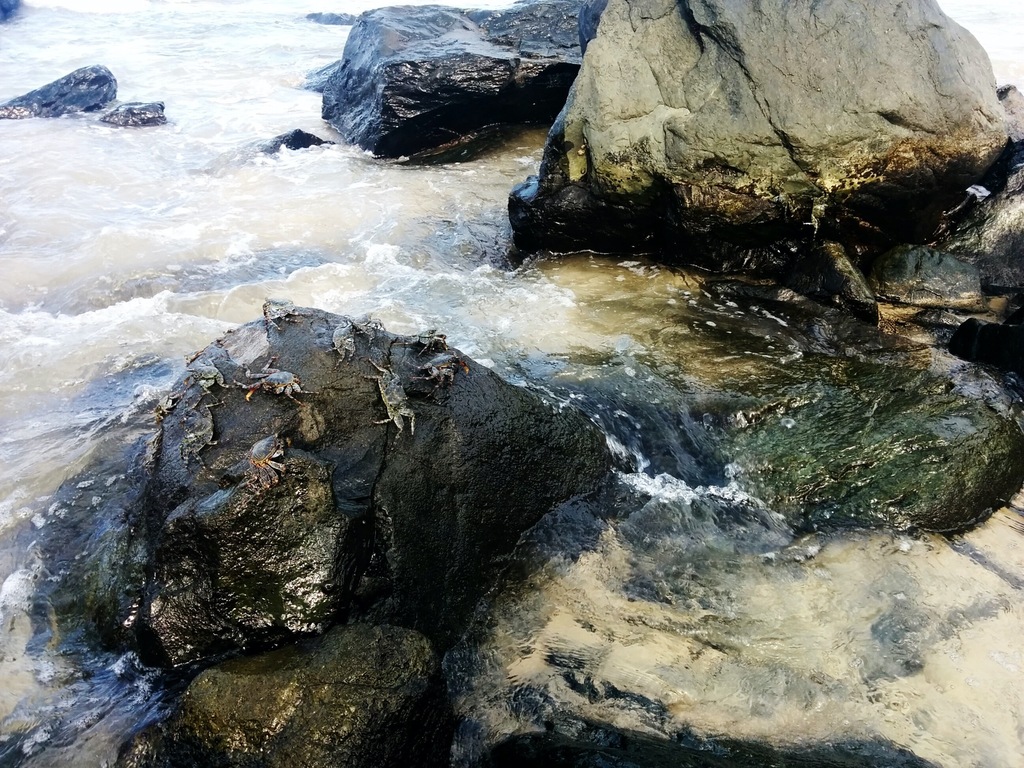
(c) Jon Robson, some rights reserved (CC BY-SA) · CC BY-SA · iNaturalist 
(c) Andre Hosper, some rights reserved (CC BY) · CC BY · iNaturalist 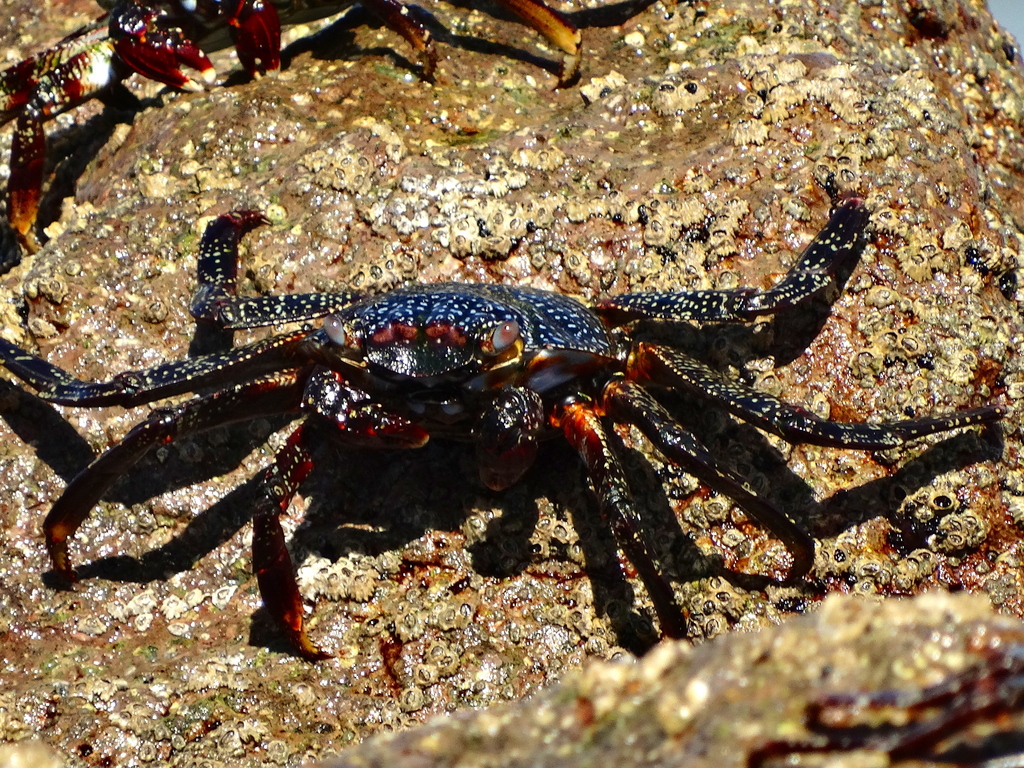
(c) Francisco Farriols Sarabia, some rights reserved (CC BY) · CC BY · iNaturalist 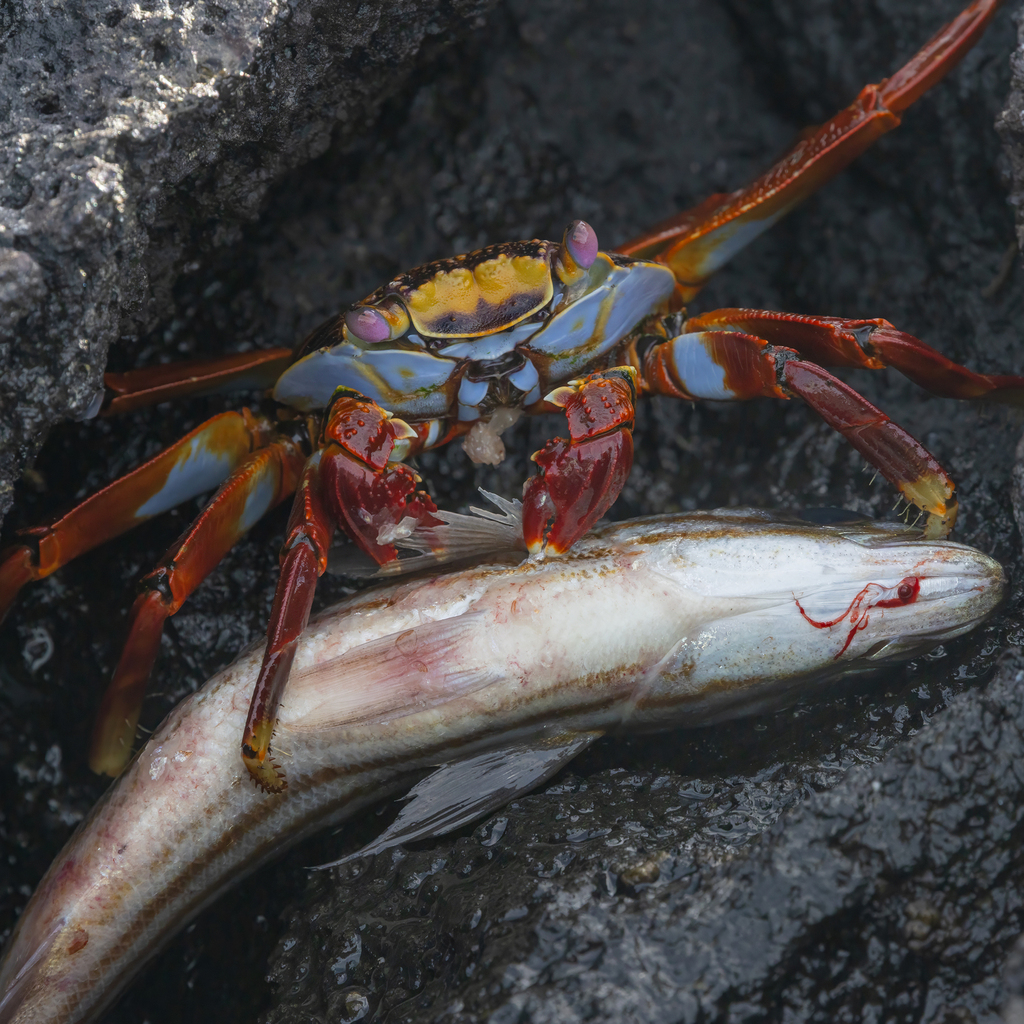
(c) Dan Vickers, some rights reserved (CC BY) · CC BY · iNaturalist 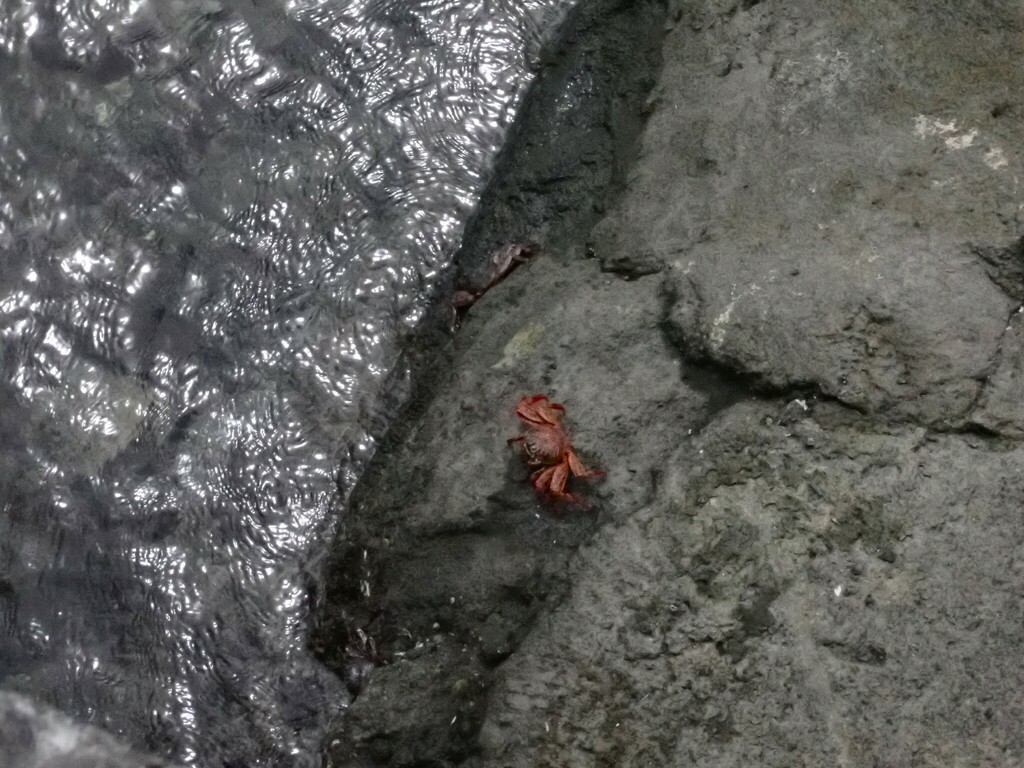
no rights reserved · CC0 1.0 · iNaturalist 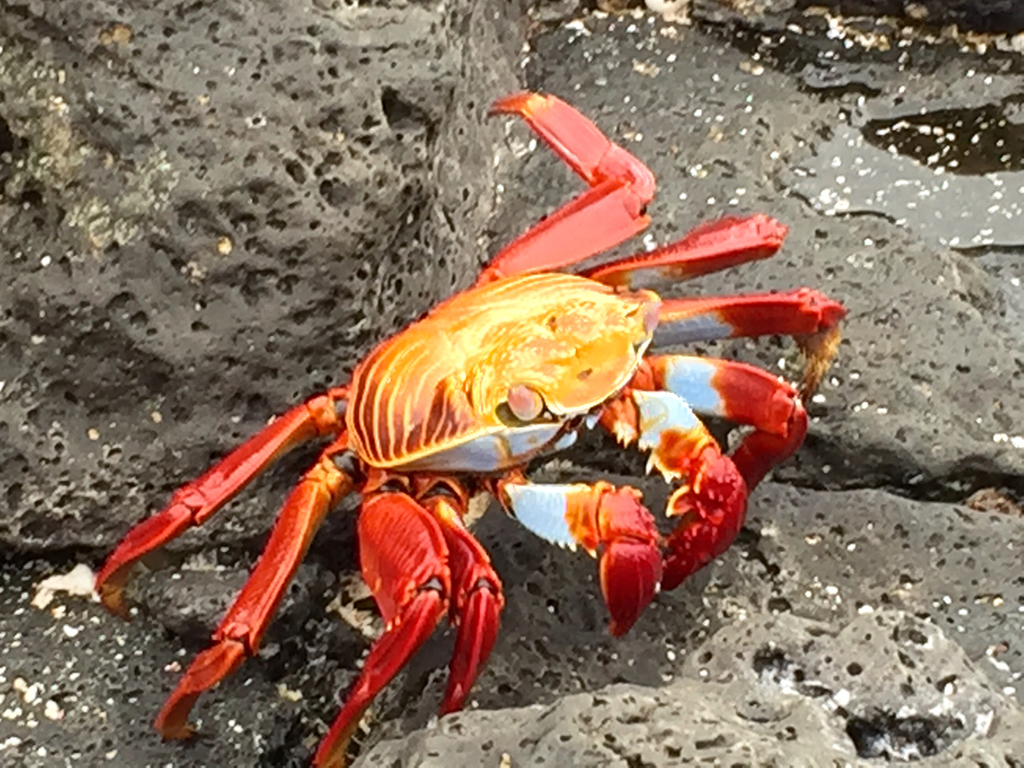
(c) Brook, some rights reserved (CC BY) · CC BY · iNaturalist
Names and classification
- English
- Cliff crab, Mottled shore crab, Sally lightfoot, Sally lightfoot crab, cliff crab, mottled shore crab, Red Rock Crab, sally lightfoot, Sally Lightfoot Crab
Names in 4 more languages
- German
- Felsenkrabbe, Rote Klippenkrabbe
- Spanish
- Cangrejo Corredor Rojo, Cangrejo de las Rocas, Jaiba corredora, Zapaya, Zayapa
- French
- Crabe japonais (Le), Grapse peint (Le), Crabe rouge, Crabe zagayak, Grapse peint
- Japanese
- カクベンケイガニ
Other scientific names: Cancer grapsus, Cancer jumpibus, Grapsus altifrons, Grapsus maculatus, Grapsus ornatus, Grapsus pictus
Similar species
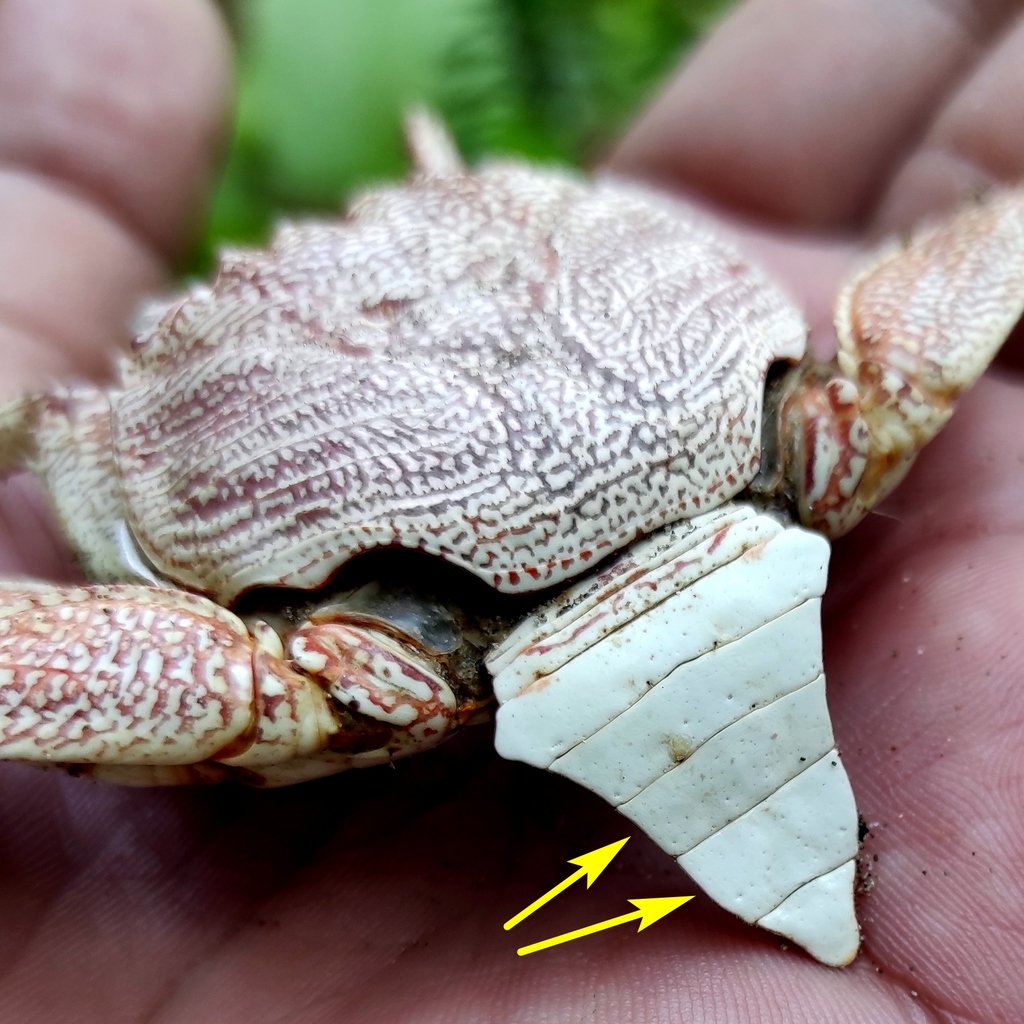 Natal lightfoot crab
Grapsus tenuicrustatus
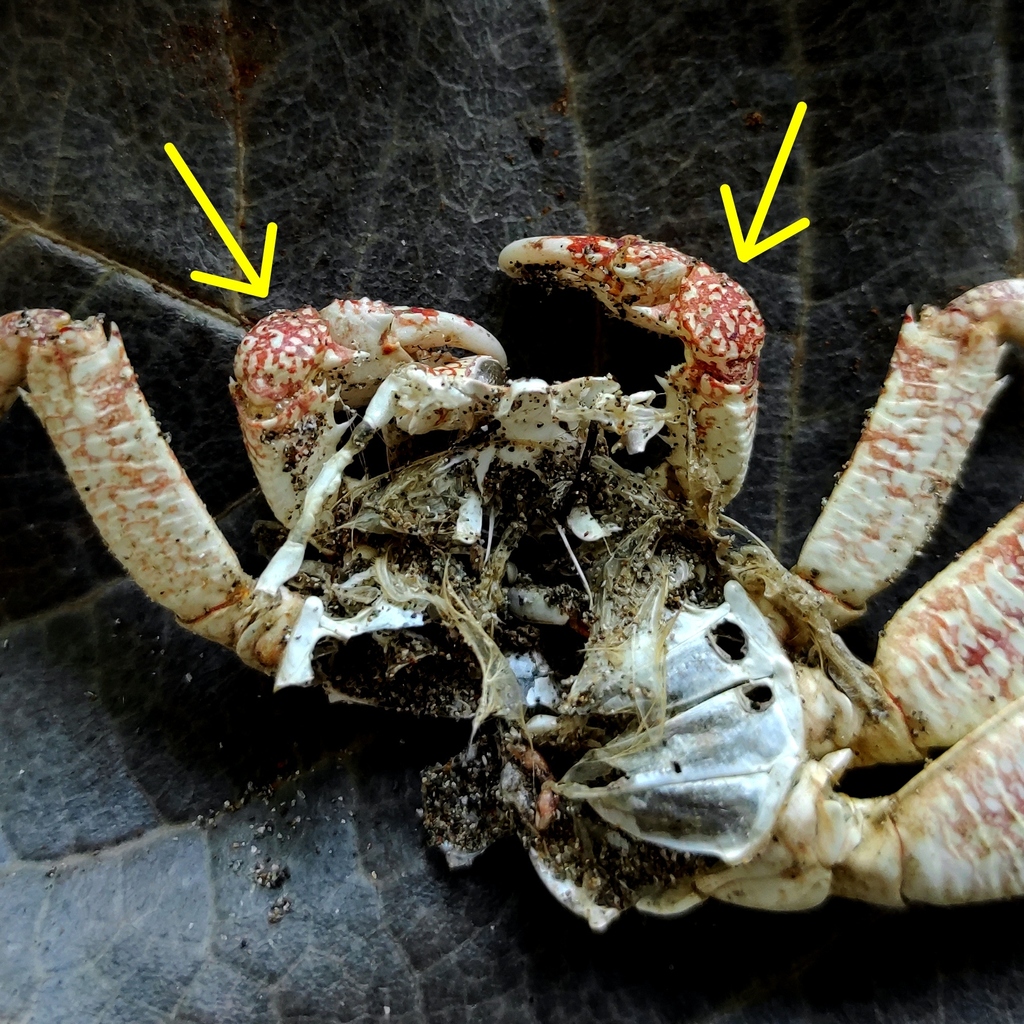 Mottled lightfoot crab
Grapsus albolineatus
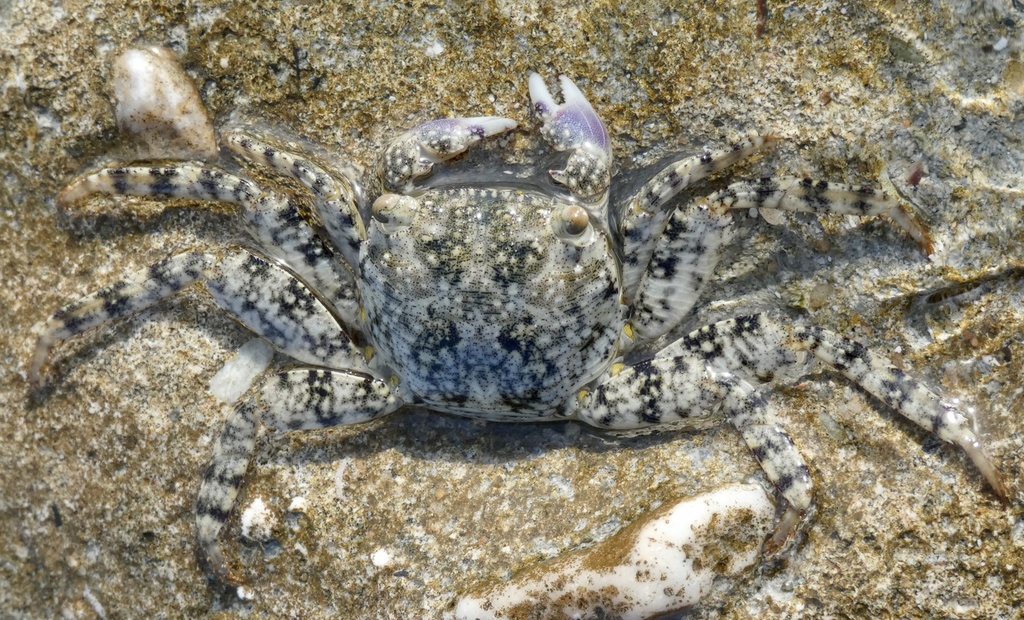
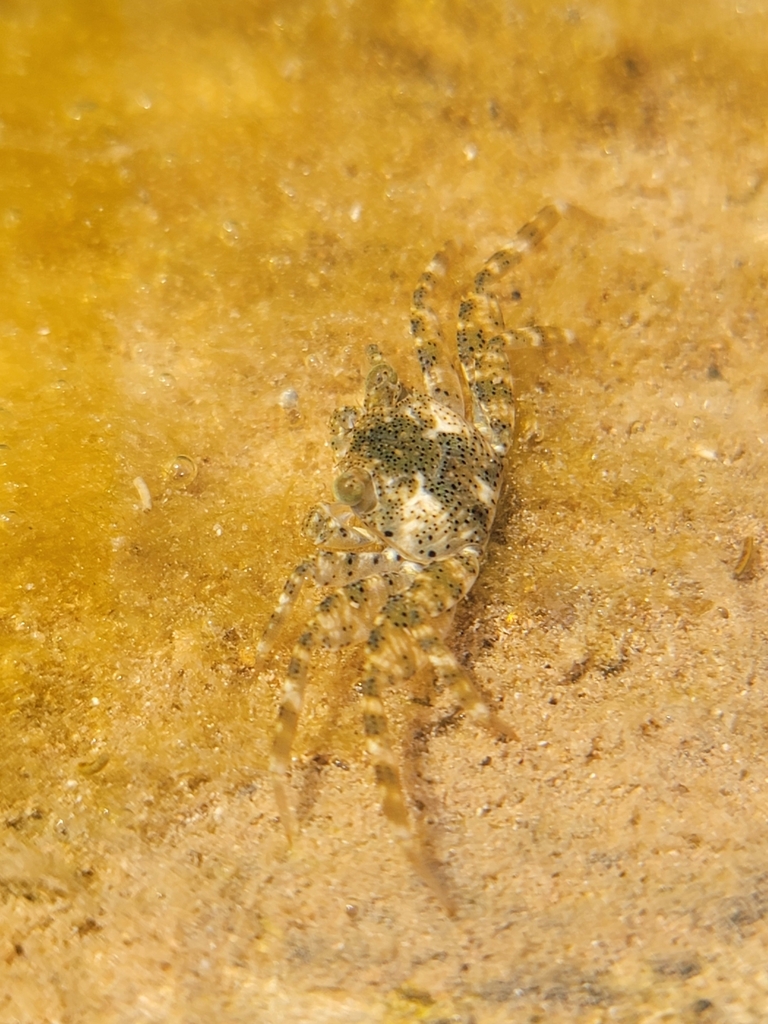
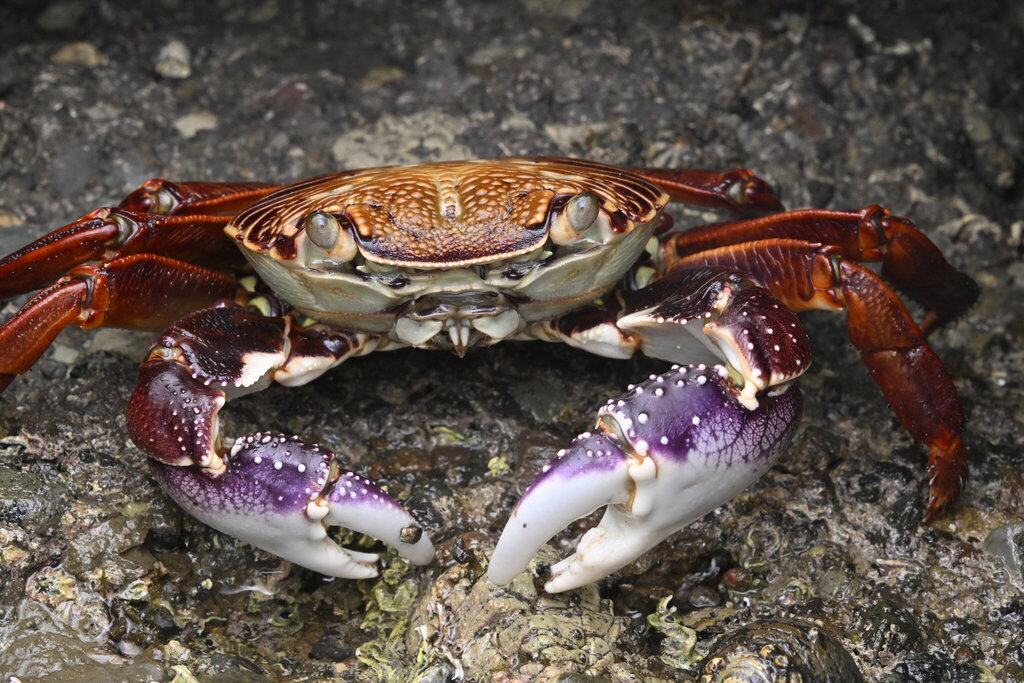 Purple Rock Crab
Leptograpsus variegatus
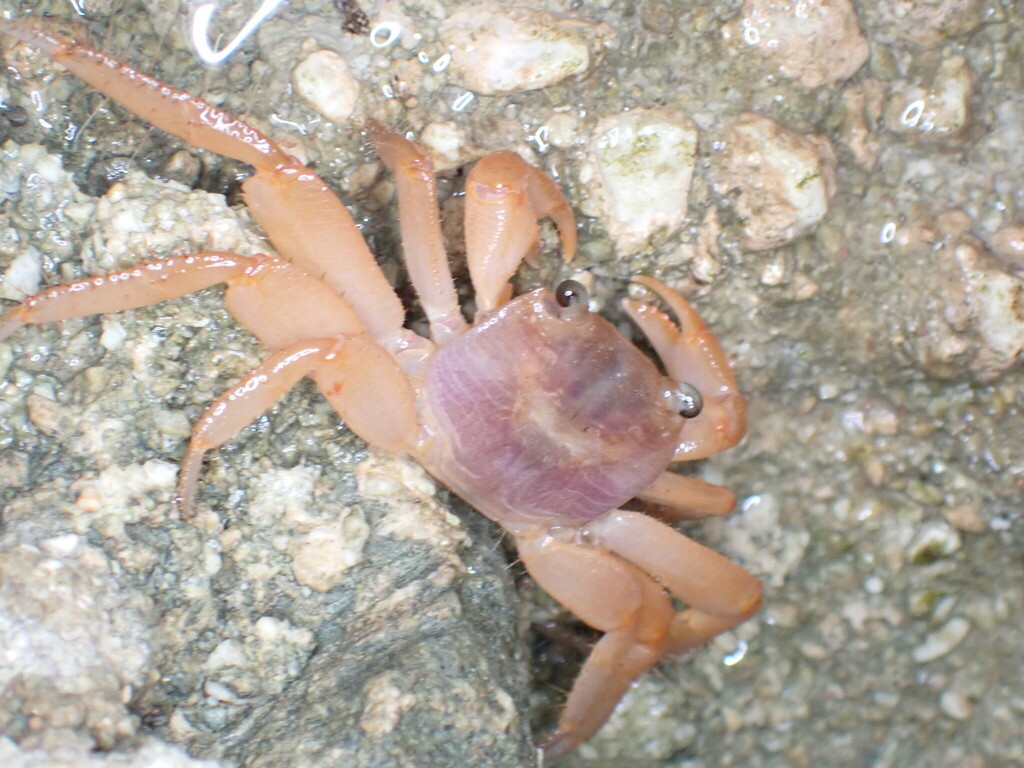 Red Nipper
Geograpsus stormi
Sources and credits
Names and taxonomy: WoRMS (CC BY 4.0) and the GBIF Backbone (CC BY 4.0). Photos: iNaturalist observers, each under the licence shown (CC0, CC BY or CC BY-SA).
- Depth, temperature, months and maps: records from OBIS and GBIF under CC0 or CC BY.
- Descriptions: Wikipedia, licensed CC BY-SA, each linked to its article.
- Conservation status as published by GBIF (IUCN Red List).
- 2,805 open-data records from 1758 to 2022.
- Species data updated November 3, 2026.
Log what you see on your next dive
The free DiveHive diver app keeps your logbook with every sighting and shows what lives at the site you dive next.