
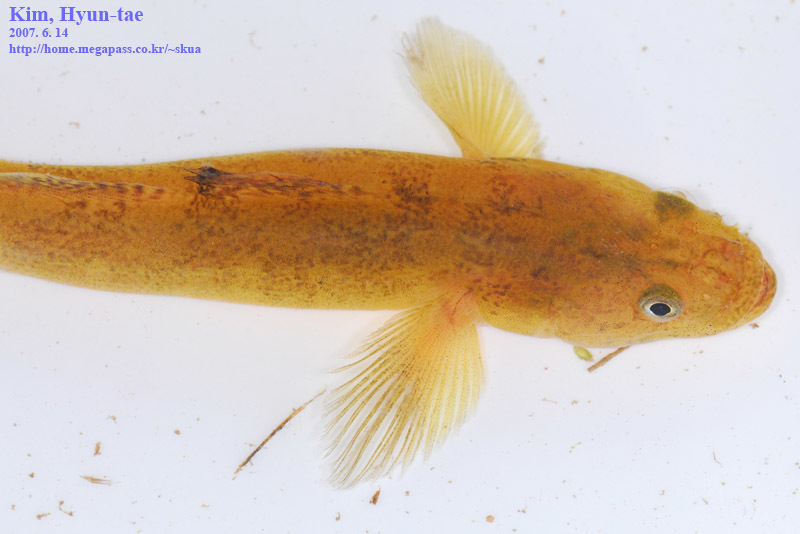
Stripetail Barehead Goby
Gymnogobius urotaenia
- Usual depth0 m
- Water temperature6–22 °C
- Best monthsAugust
- How commonOccasional
Photo credit: (c) Kim, Hyun-tae, some rights reserved (CC BY), uploaded by Kim, Hyun-tae · CC BY · iNaturalist
Where and when
Where it has been recorded
Worldwide
Loading the map
Best months
Worldwide (open data)
- January: 5 records
- February: 5 records
- March: 5 records
- April: 7 records
- May: 10 records
- June: 13 records
- July: 21 records
- August: 58 records
- September: 20 records
- October: 11 records
- November: 8 records
- December: 12 records
Depth and water temperature
Depth
Mostly recorded at 0 m · Deepest record: 1 m
Water temperature
Recorded in surface water of 6–22 °C
Photos
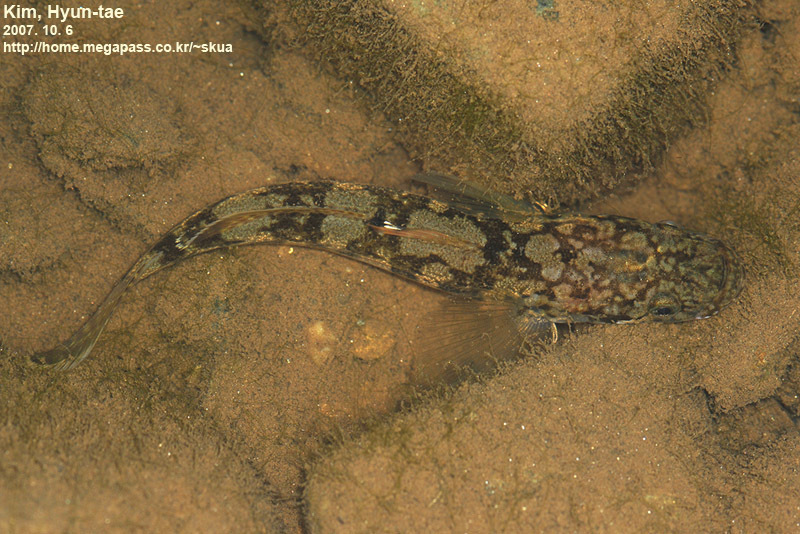
(c) Kim, Hyun-tae, some rights reserved (CC BY) · CC BY · iNaturalist 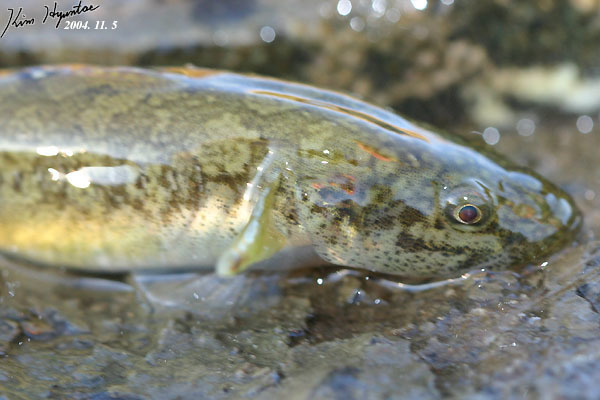
(c) Kim, Hyun-tae, some rights reserved (CC BY) · CC BY · iNaturalist 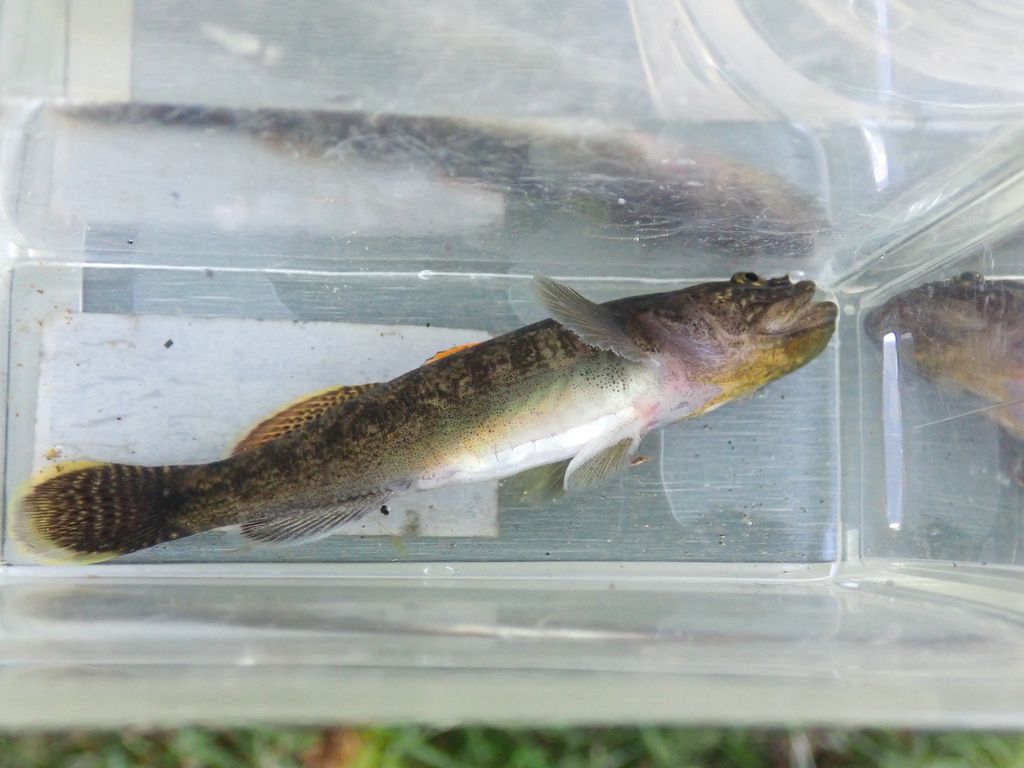
(c) WATANABE Hitoshi 渡辺仁, some rights reserved (CC BY) · CC BY · iNaturalist 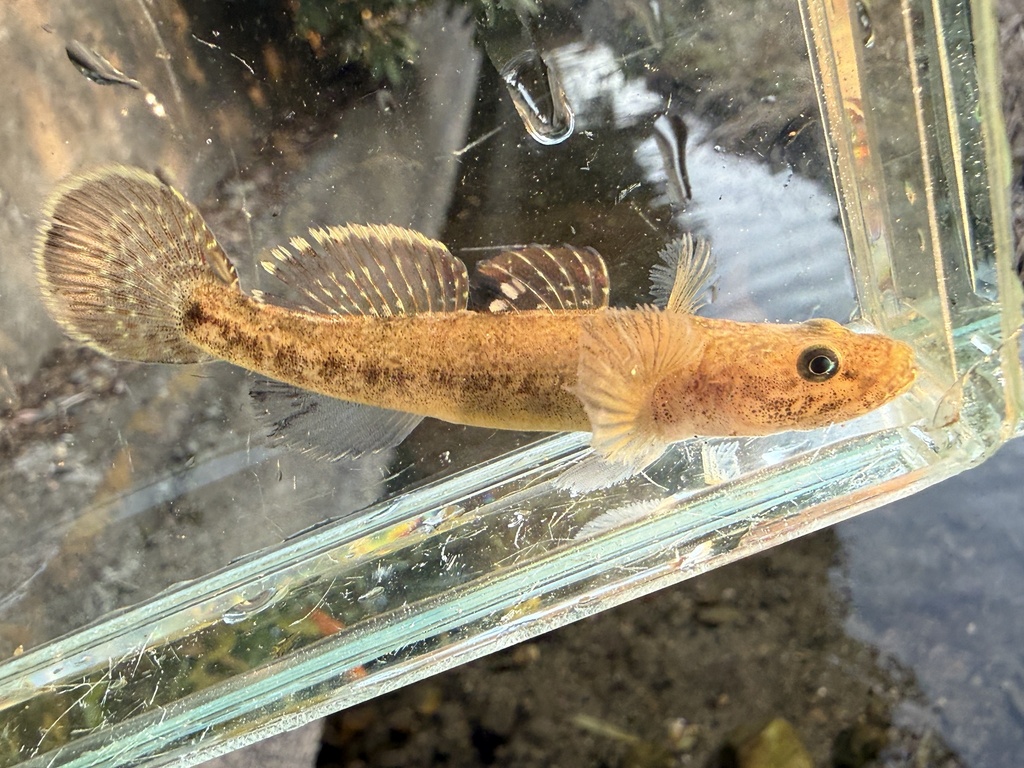
(c) Nick Tobler (Cowturtle), some rights reserved (CC BY) · CC BY · iNaturalist
Names and classification
- English
- Stripetail Barehead Goby
Names in 2 more languages
- Japanese
- Ukigori, ウキゴリ
- Korean
- 꾹저구
Other scientific names: Chaenogobius laevis, Chaenogobius urotaenia, Chloea aino, Chloea laevis, Gobius laevis, Gobius urotaenia, Gymnogobius laevis, Rhodoniichthys laevis
Similar species
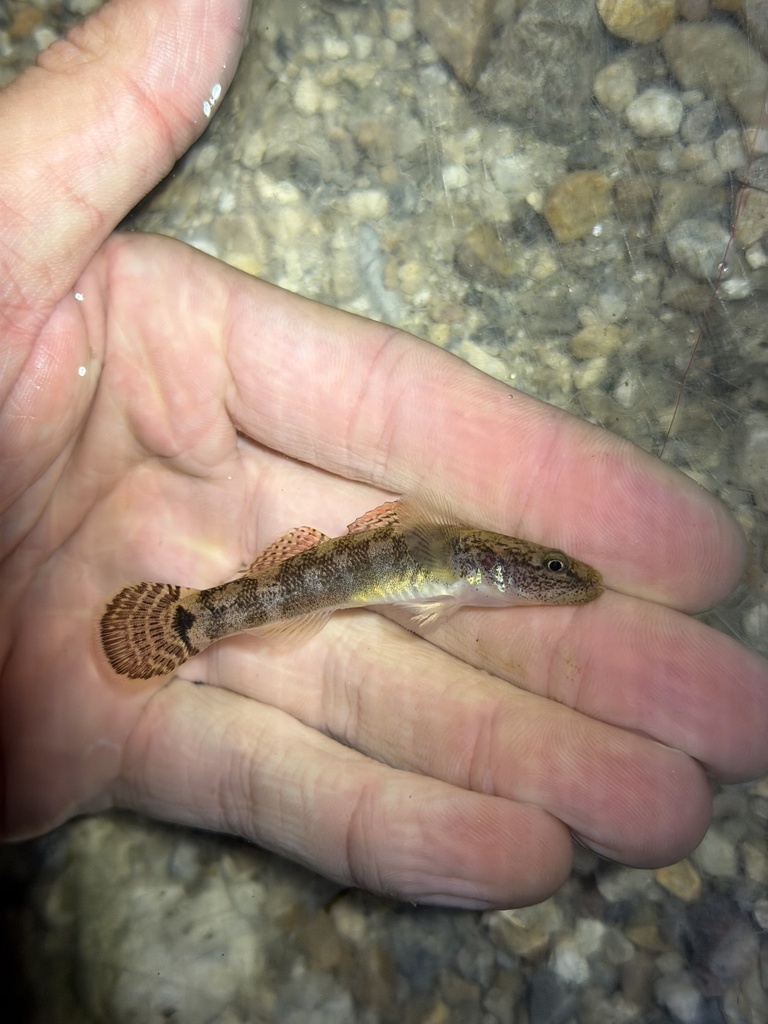 Floating goby
Gymnogobius petschiliensis
- Chestnut Goby
Gymnogobius castaneus
- Sevenspine Goby
Gymnogobius heptacanthus
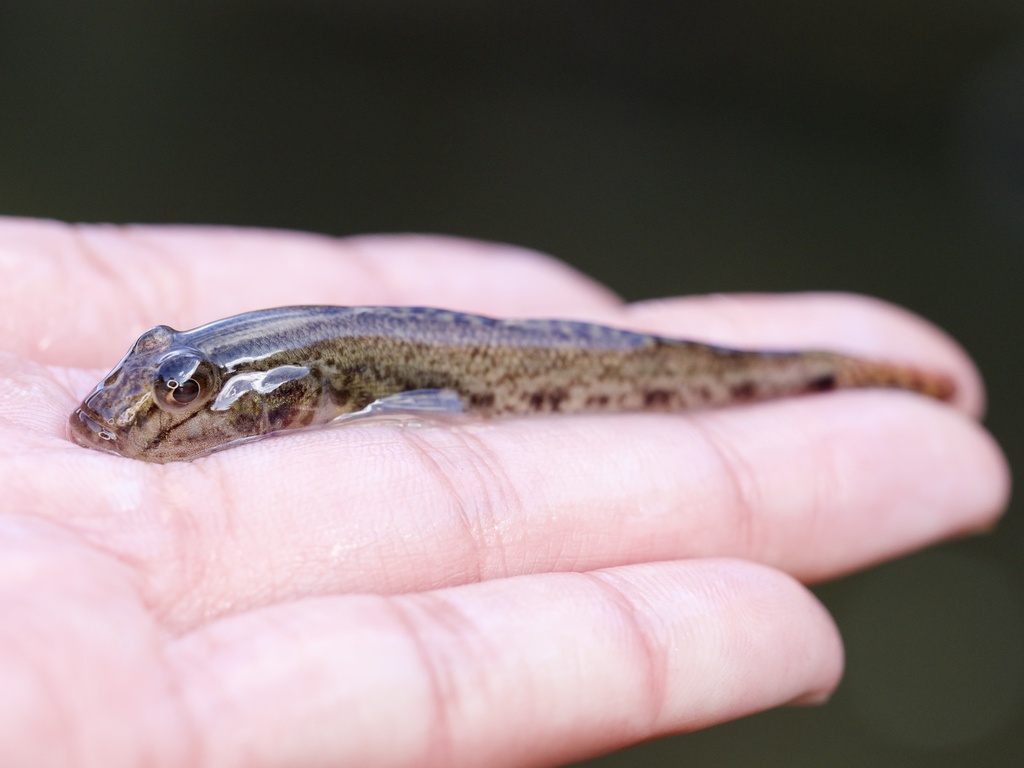 Yellowfin goby
Acanthogobius flavimanus
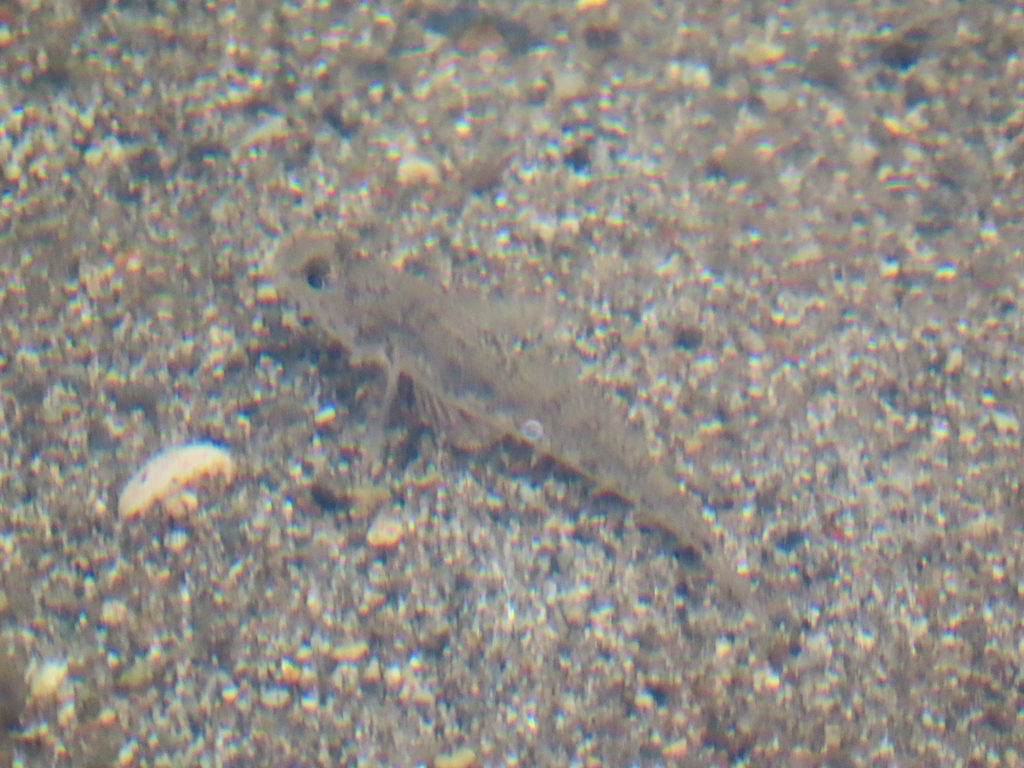 Light-beige Goby
Acanthogobius lactipes
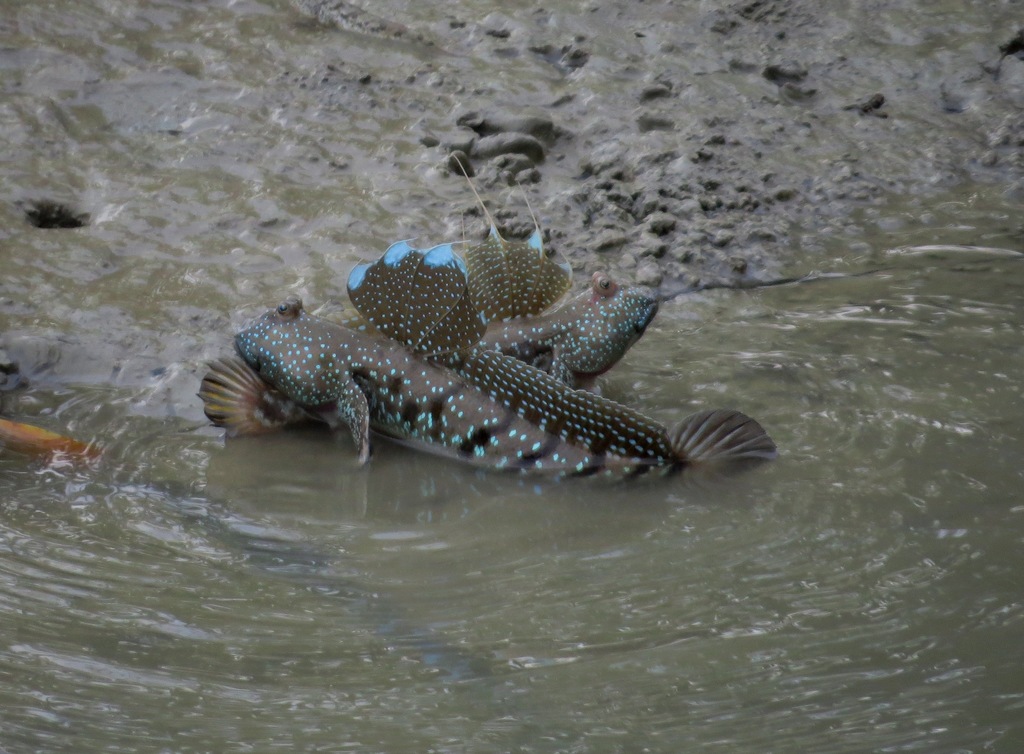 Blue-spotted Mudskipper
Boleophthalmus boddarti
Sources and credits
Names and taxonomy: WoRMS (CC BY 4.0) and the GBIF Backbone (CC BY 4.0). Photos: iNaturalist observers, each under the licence shown (CC0, CC BY or CC BY-SA).
- Depth, temperature, months and maps: records from OBIS and GBIF under CC0 or CC BY.
- Conservation status as published by GBIF (IUCN Red List).
- 3,615 open-data records from 1952 to 2006.
- Species data updated November 3, 2026.
Log what you see on your next dive
The free DiveHive diver app keeps your logbook with every sighting and shows what lives at the site you dive next.