
DiscoverSpeciesOther invertebrates
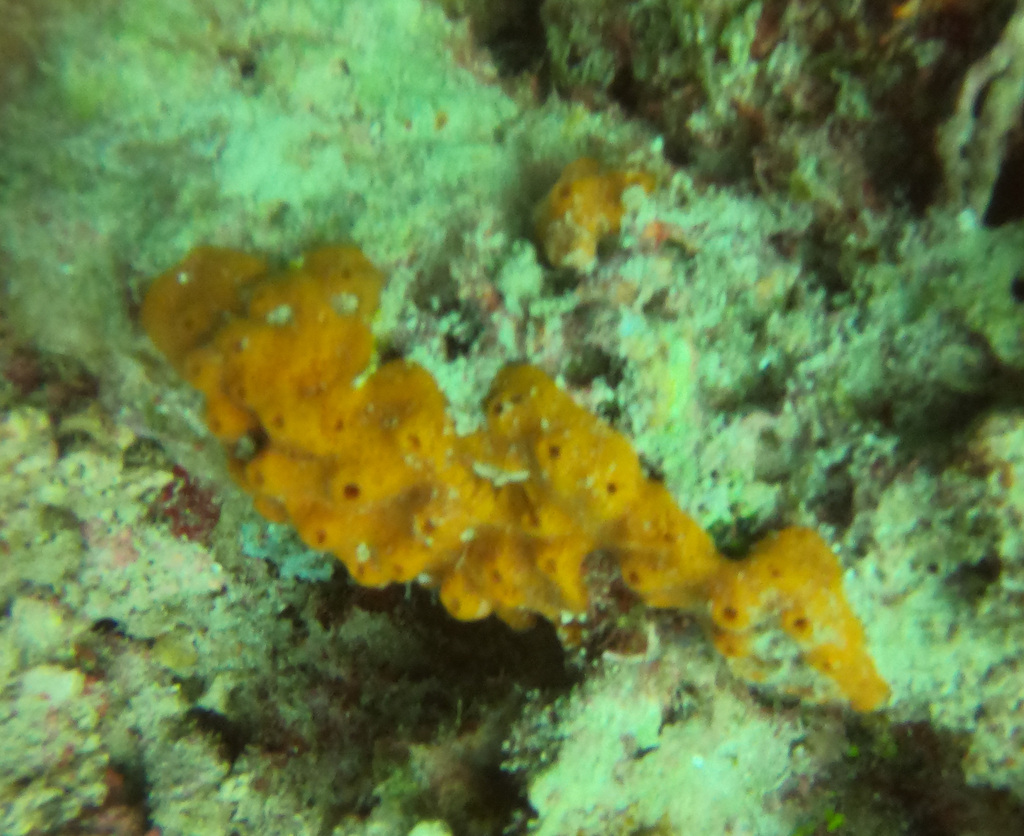
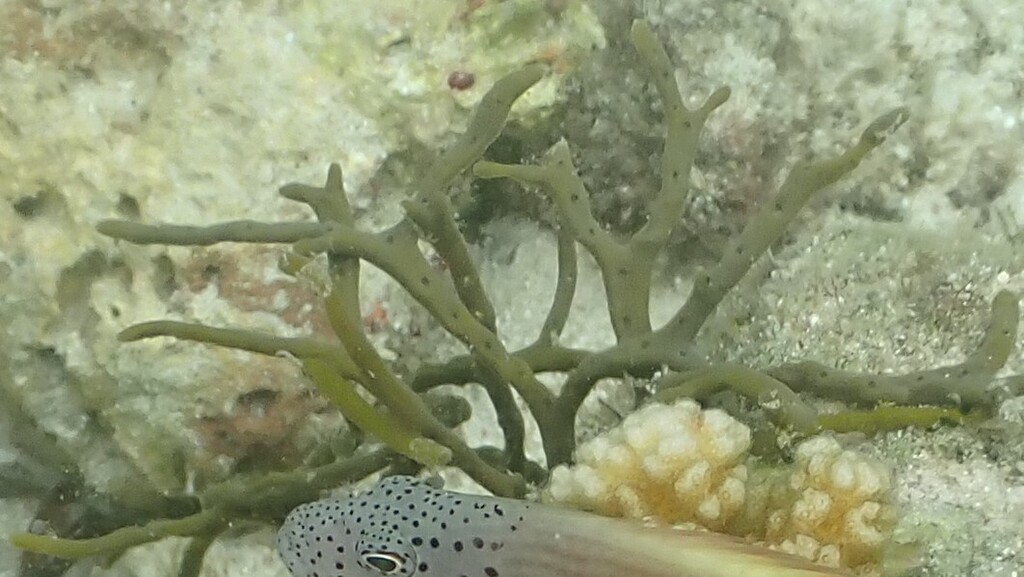
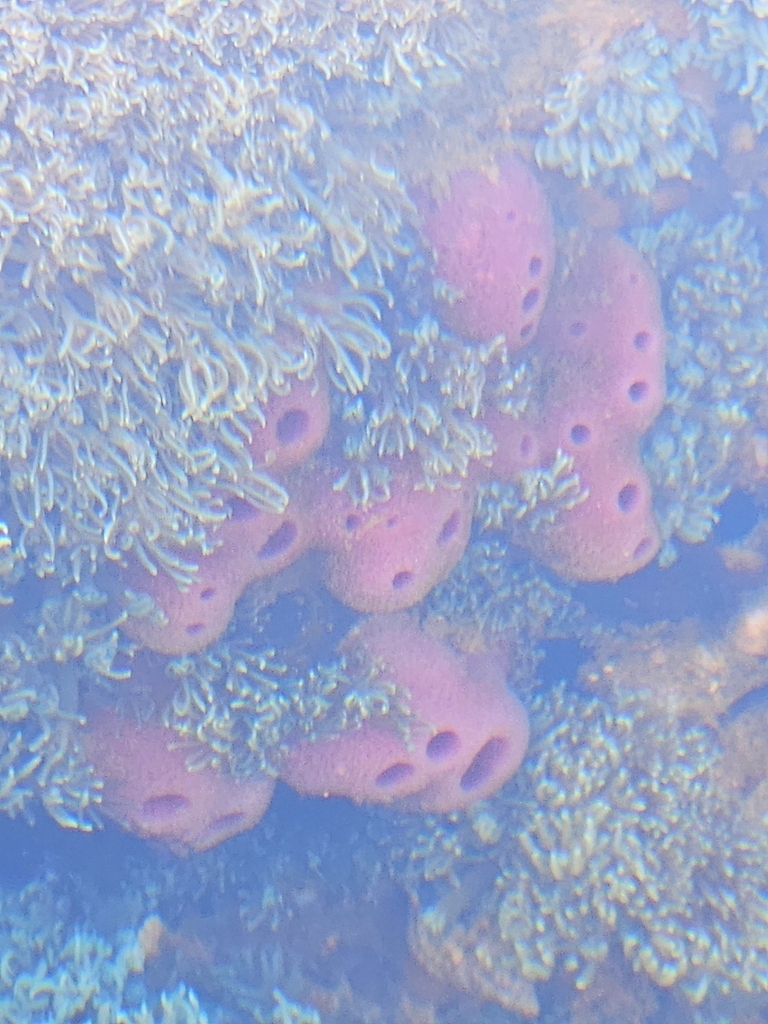
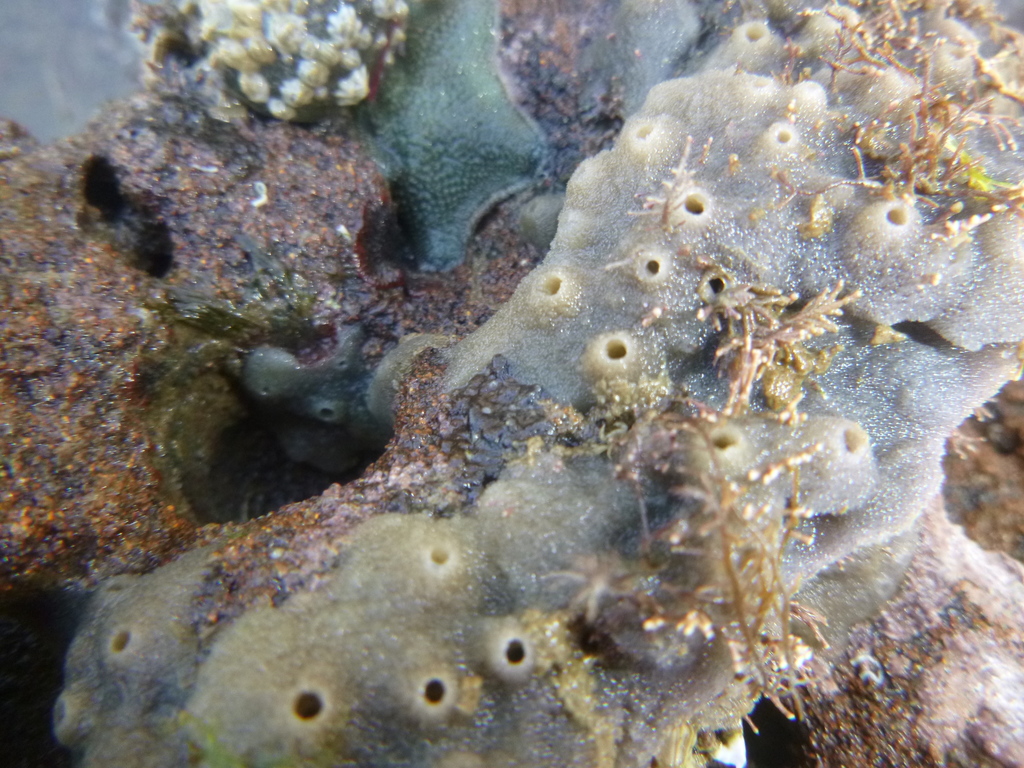
ashy horny sponge
Haliclona (Reniera) cinerea
- Usual depth3–30 m
- Water temperature-1–27 °C
- Best monthsJuly, August, and September
- How commonOccasional
Where and when
Where it has been recorded
Worldwide
Loading the map
Best months
Worldwide (open data)
- January: 16 records
- February: 13 records
- March: 32 records
- April: 53 records
- May: 83 records
- June: 83 records
- July: 88 records
- August: 111 records
- September: 94 records
- October: 42 records
- November: 15 records
- December: 7 records
Depth and water temperature
Depth
Mostly recorded at 3–30 m · Deepest record: 1,097 m
Water temperature
Recorded in surface water of -1–27 °C
Names and classification
- English
- ashy horny sponge, mudflat sponge, purple encrusting sponge, purple sponge, railway scyphe, redbeard sponge
Names in 3 more languages
- German
- Lila Schwamm, Röhrenschwamm, Wattschwamm
- French
- chaline cendrée, éponge cendrée
- Japanese
- ハイイロカワナシカイメン, ムラサキカイメン
Other scientific names: Adocia cinerea, Chalina flemingii, Chalina montaguii, Chalinula montagui, Halichondria cinerea, Halichondria montaguii, Haliclona (Haliclona) cinerea, Haliclona (Reniera) bowerbanki, Haliclona cancellata, Haliclona cinerea, Haliclona elegans, Haliclona montagui, Haliclona peachii, Haliclona permollis, Isodictya bowerbanki, Isodictya cinerea, Isodictya dichotoma, Isodictya elegans, Isodictya filamenta, Isodictya mammeata, Isodictya peachii, Isodictya permollis, Isodictya ramusculus, Isodictya simulo, Isodictya varians, Pachychalina montaguii, Philotia varians, Reniclona permollis, Reniera bowerbanki, Reniera cinerea
Similar species
- Blue Caribbean sponge
Haliclona (Soestella) caerulea
Sources and credits
Names and taxonomy: WoRMS (CC BY 4.0) and the GBIF Backbone (CC BY 4.0). Photos: iNaturalist observers, each under the licence shown (CC0, CC BY or CC BY-SA).
- Depth, temperature, months and maps: records from OBIS and GBIF under CC0 or CC BY.
- Conservation status as published by GBIF (IUCN Red List).
- 1,056 open-data records from 1866 to 2024.
- Species data updated November 3, 2026.
Log what you see on your next dive
The free DiveHive diver app keeps your logbook with every sighting and shows what lives at the site you dive next.