
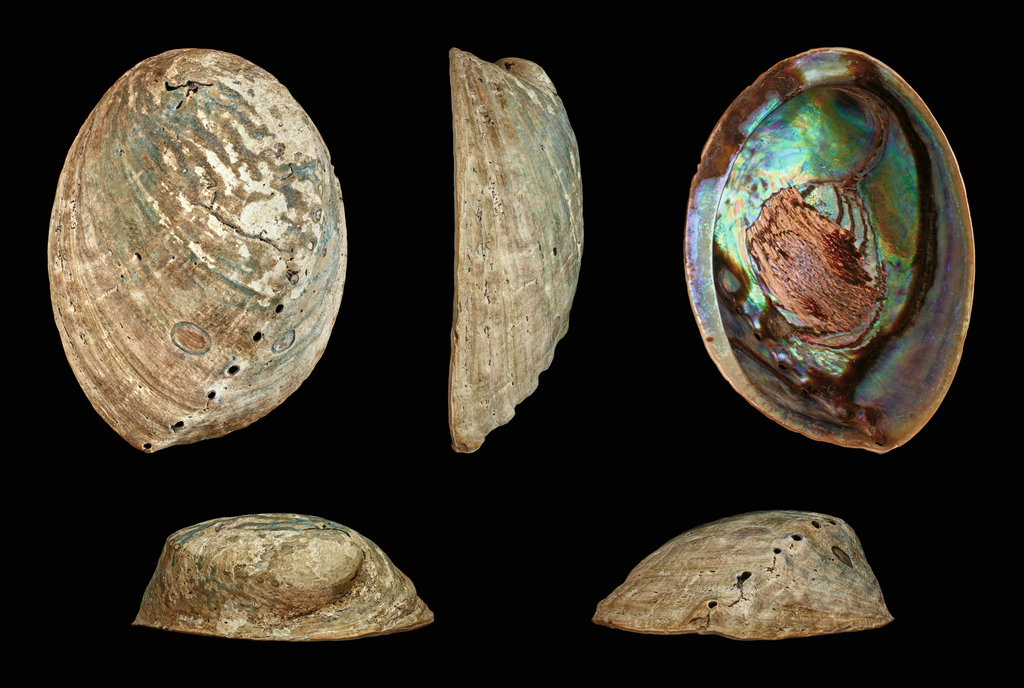
Abalone
Haliotis iris
- Usual depth2–9 m
- Water temperature12–18 °C
- Best monthsFebruary and April
- How commonOccasional
Photo credit: (c) H. Zell, some rights reserved (CC BY-SA) · CC BY-SA · iNaturalist
About this species
Haliotis iris, common name, blackfoot pāua, tuke o rangi, rainbow abalone or simply pāua is a species of edible marine gastropod mollusk in the family Haliotidae, the abalone. It is endemic to shallow waters on the coast of New Zealand. Widely consumed as a delicacy, its iridescent, nacreous shell is used for jewellery, decor and other handicrafts. Blackfoot pāua has cultural significance to both Māori and Pākehā and has become emblematic of New Zealand's cultural identity.
Text from the Wikipedia article “Haliotis iris”, licensed CC BY-SA 4.0. Read the article
Where and when
Where it has been recorded
Worldwide
Loading the map
Best months
Worldwide (open data)
- January: 164 records
- February: 361 records
- March: 134 records
- April: 372 records
- May: 112 records
- June: 182 records
- July: 84 records
- August: 87 records
- September: 92 records
- October: 124 records
- November: 160 records
- December: 124 records
Depth and water temperature
Depth
Mostly recorded at 2–9 m · Deepest record: 12.5 m
Water temperature
Recorded in surface water of 12–18 °C
Photos
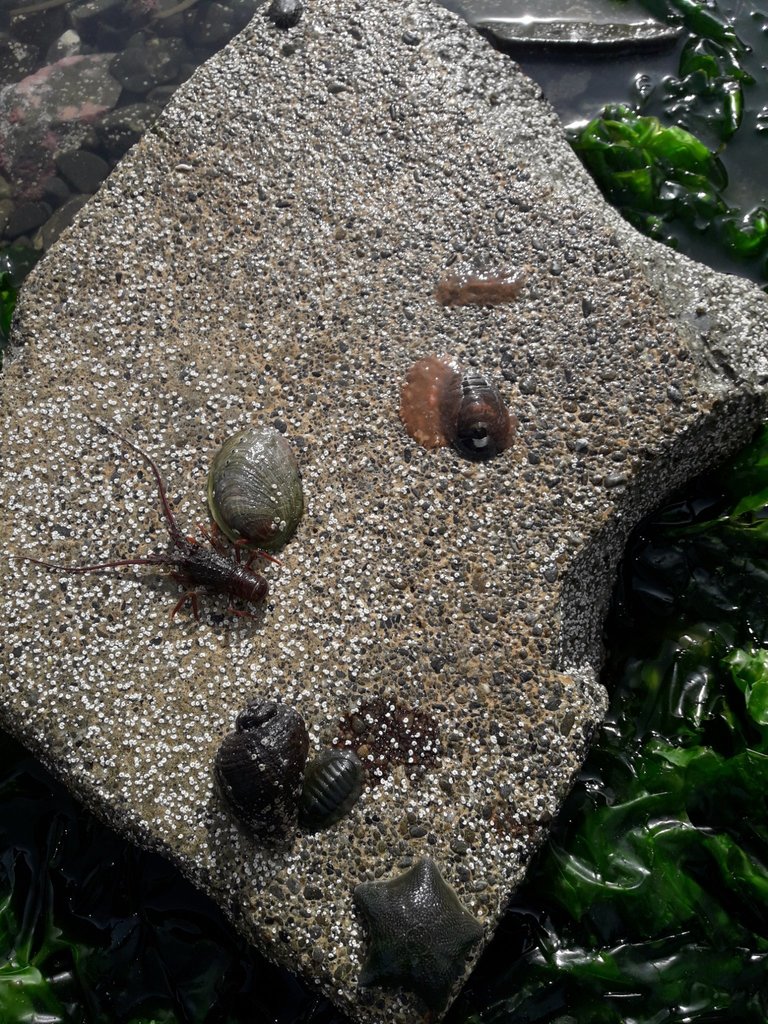
(c) naturewatchwidow, some rights reserved (CC BY) · CC BY · iNaturalist 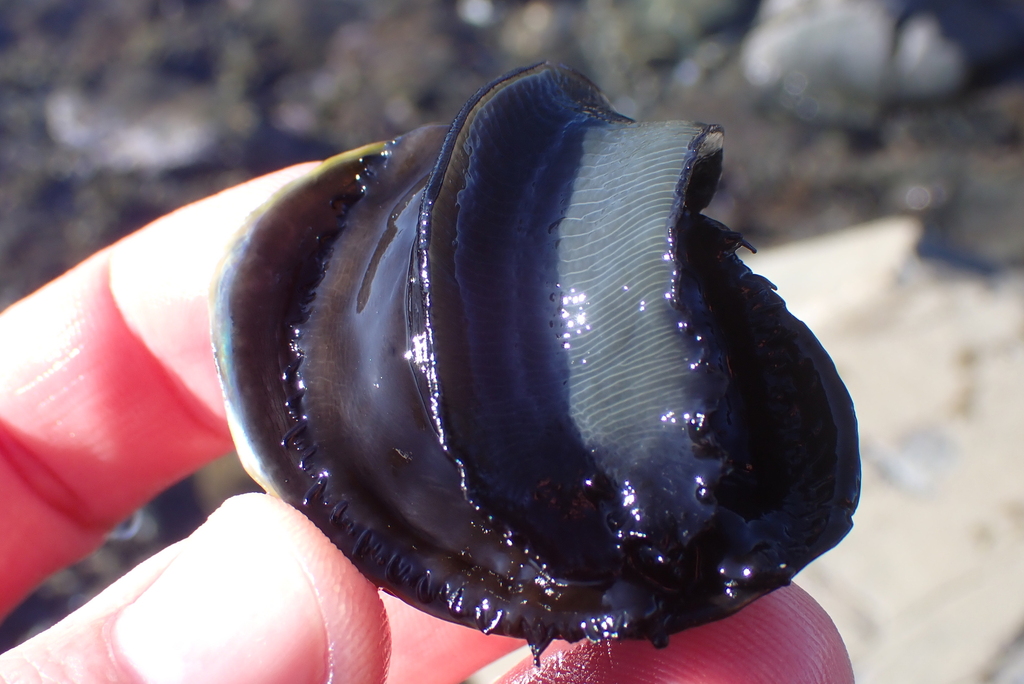
(c) Michael Berardozzi, some rights reserved (CC BY) · CC BY · iNaturalist 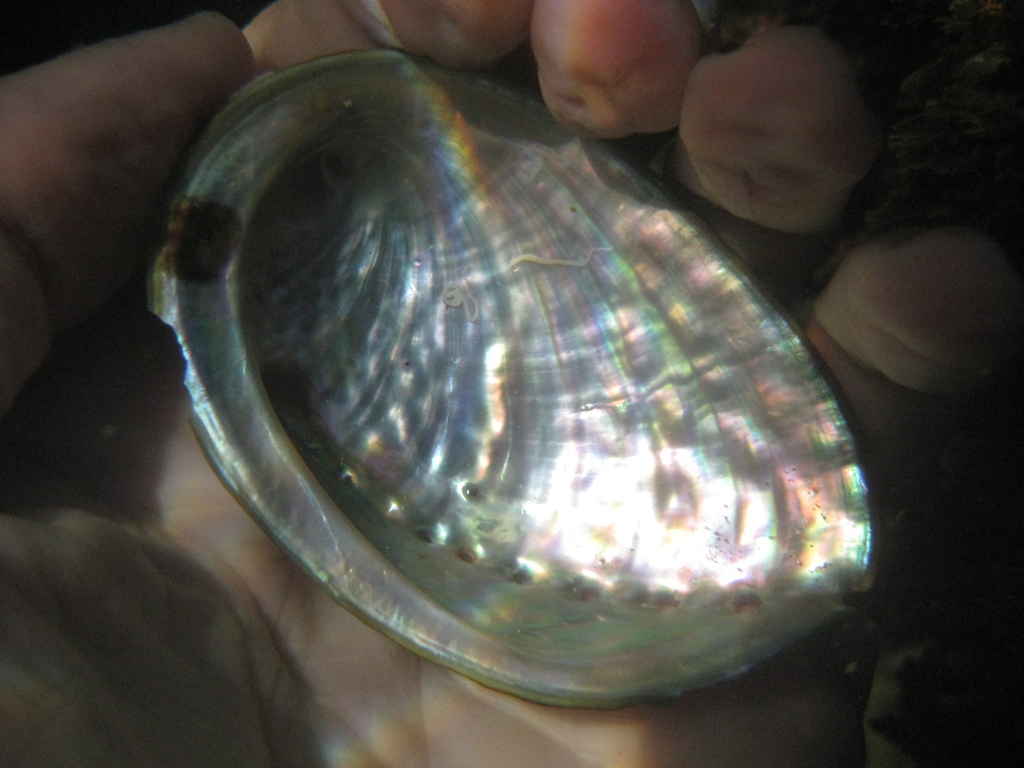
(c) Javier, some rights reserved (CC BY) · CC BY · iNaturalist 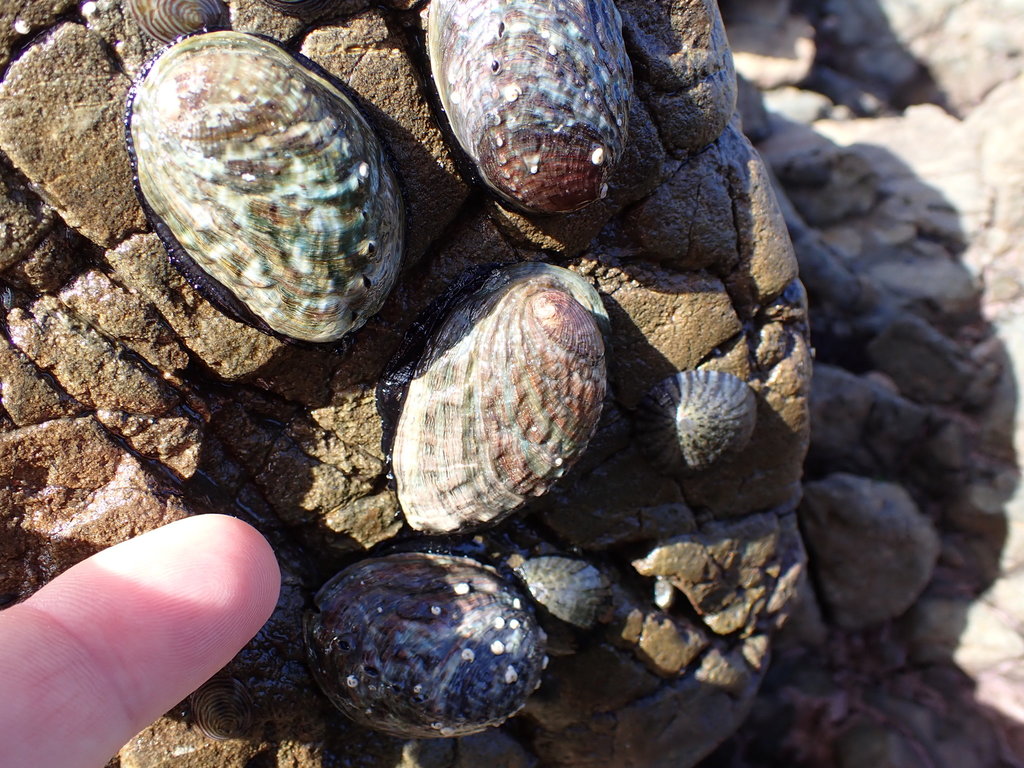
(c) Leon Perrie, some rights reserved (CC BY) · CC BY · iNaturalist 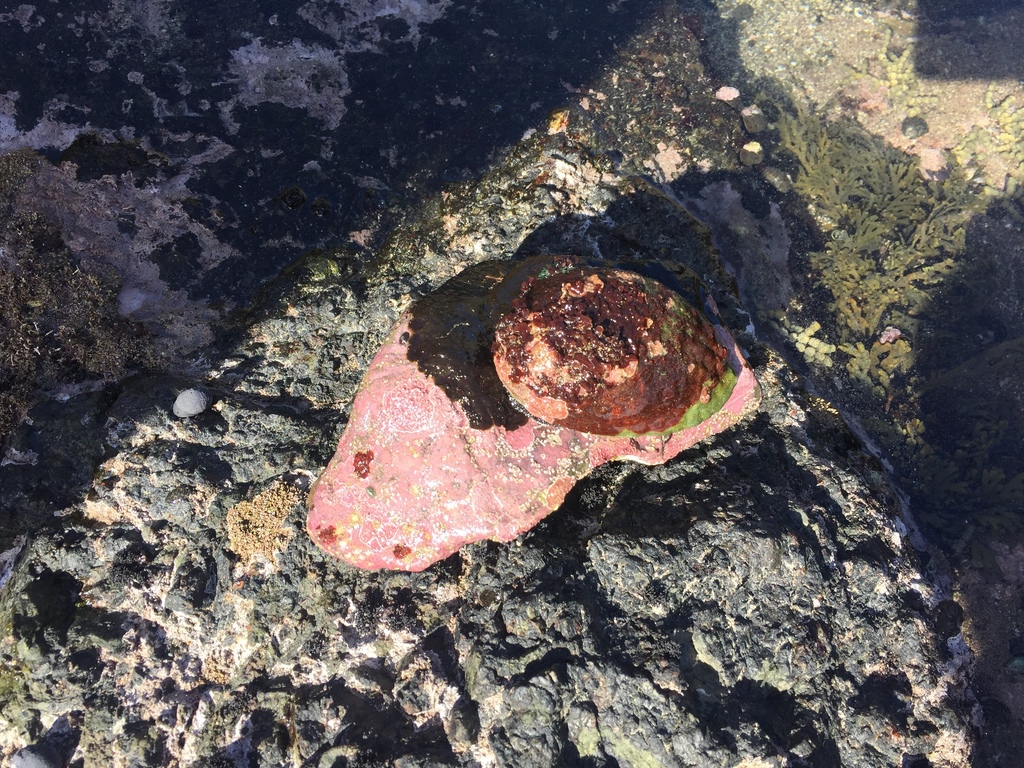
(c) Javier, some rights reserved (CC BY) · CC BY · iNaturalist 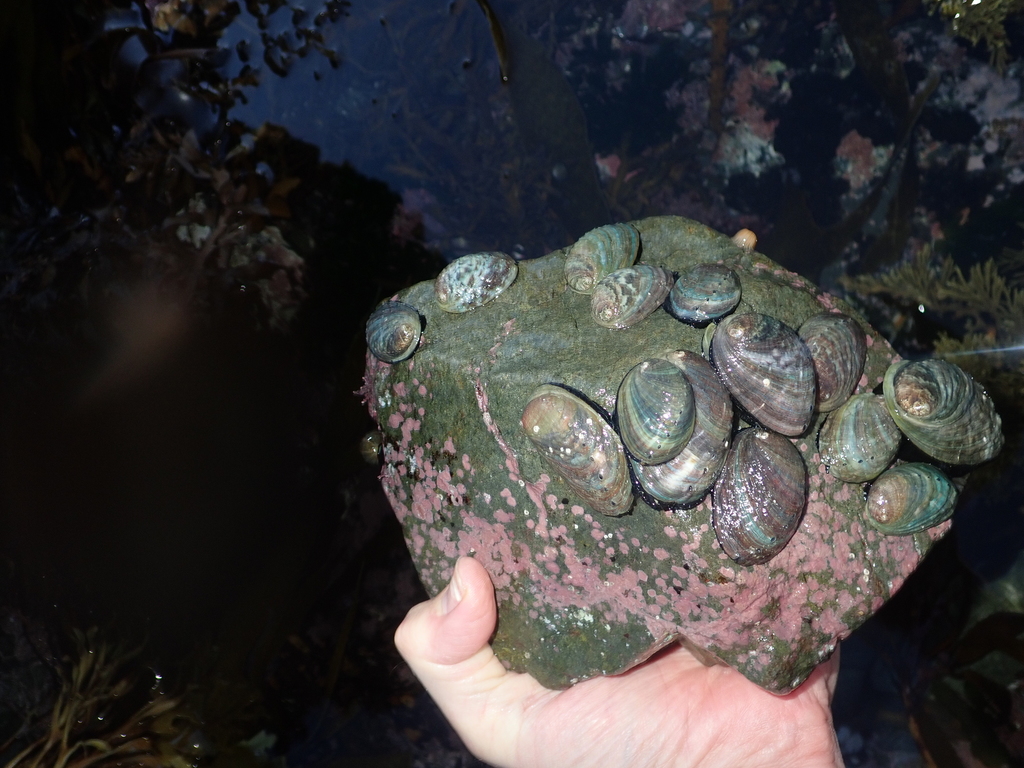
(c) Tony Wills, some rights reserved (CC BY-SA) · CC BY-SA · iNaturalist 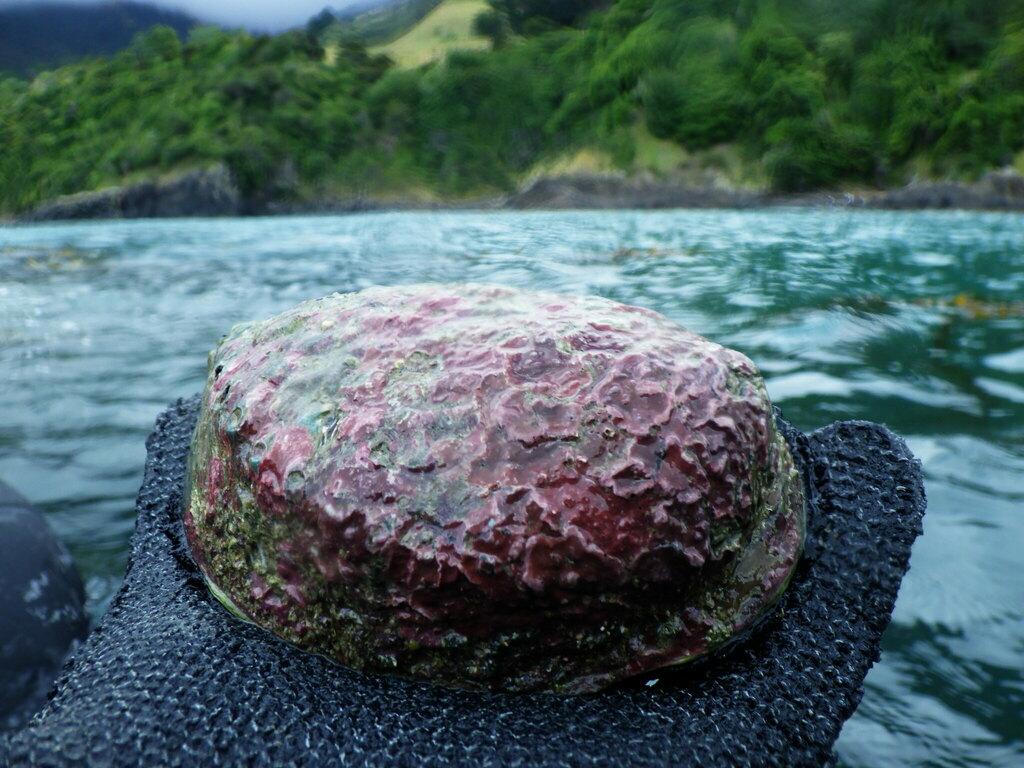
(c) Jenny Saito, some rights reserved (CC BY) · CC BY · iNaturalist
Names and classification
- English
- Abalone, black-foot abalone, Black-foot Paua, Black Foot Paua, blackfoot pāua, paua, rainbow abalone
Other scientific names: Haliotis (Paua) iris
Similar species
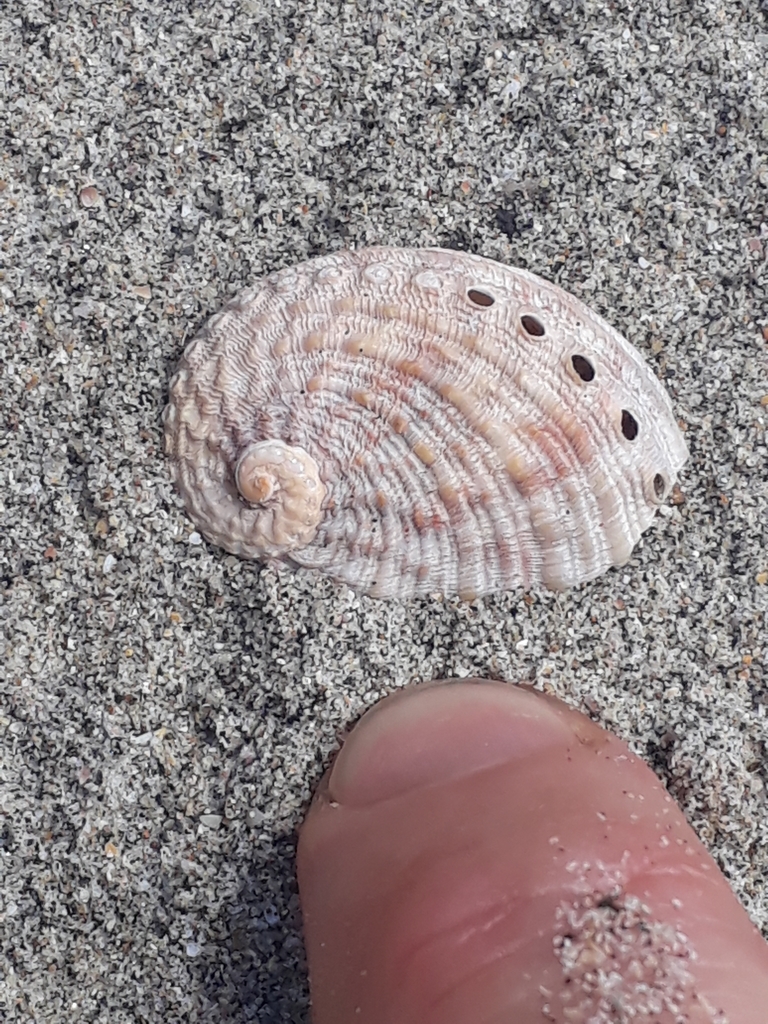
 Blacklip abalone
Haliotis rubra
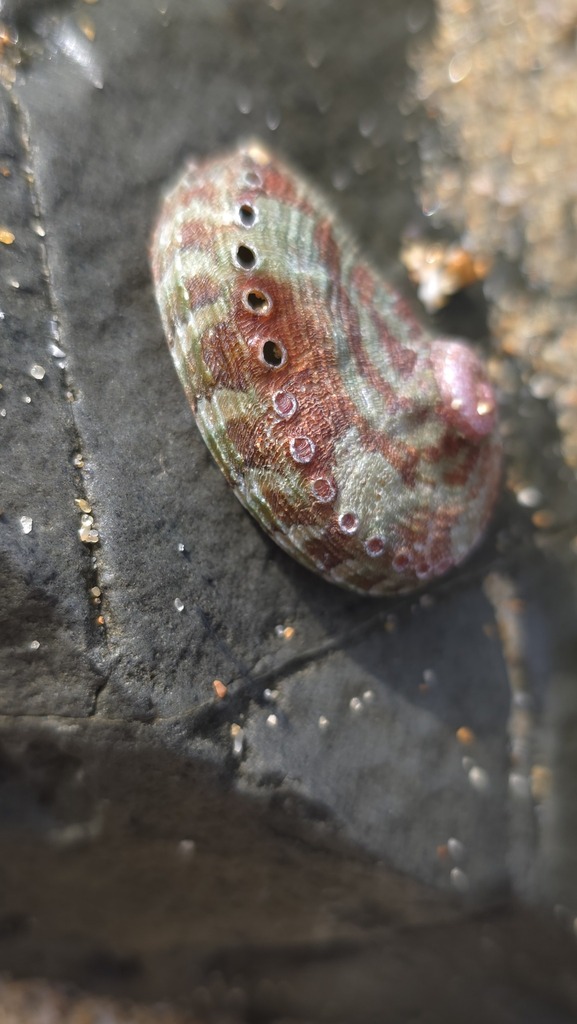
 Silver abalone
Haliotis australis
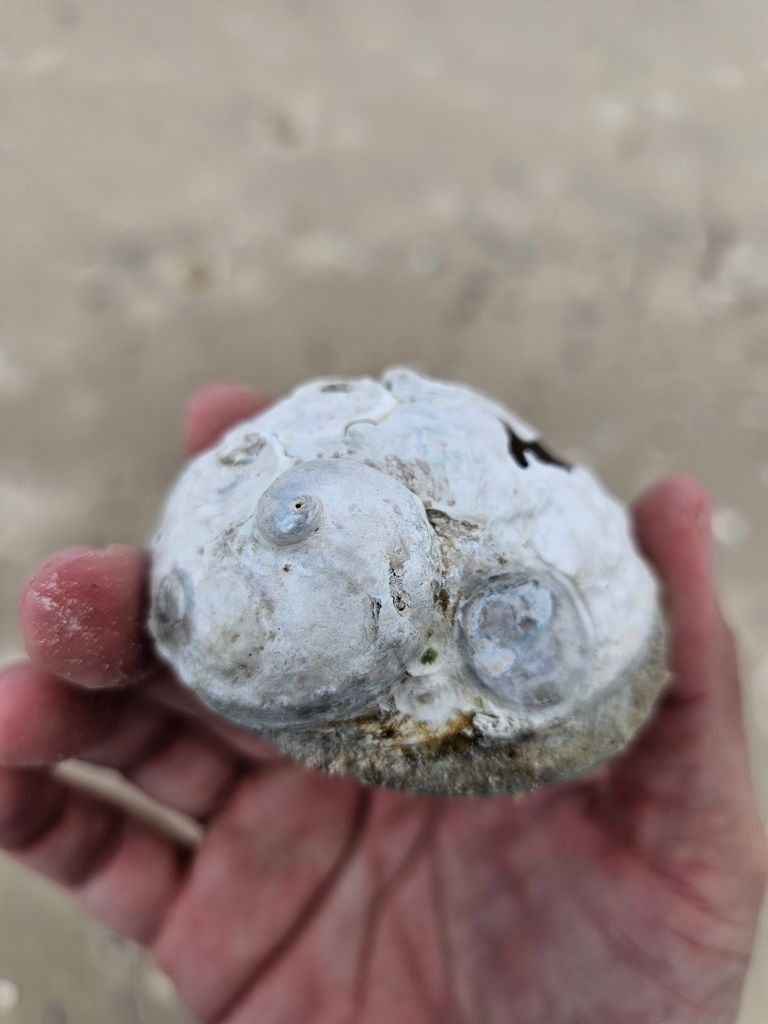
 Reddish-rayed Abalone
Haliotis coccoradiata
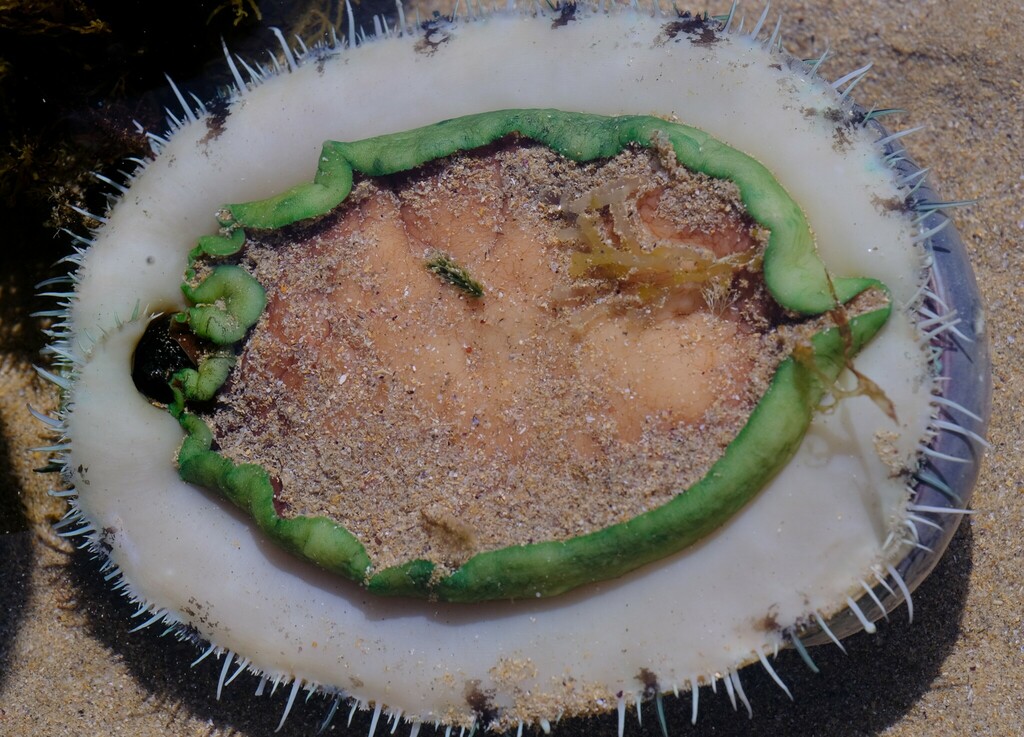
 Circular ear shell
Haliotis cyclobates
 Greenlip Abalone
Haliotis laevigata
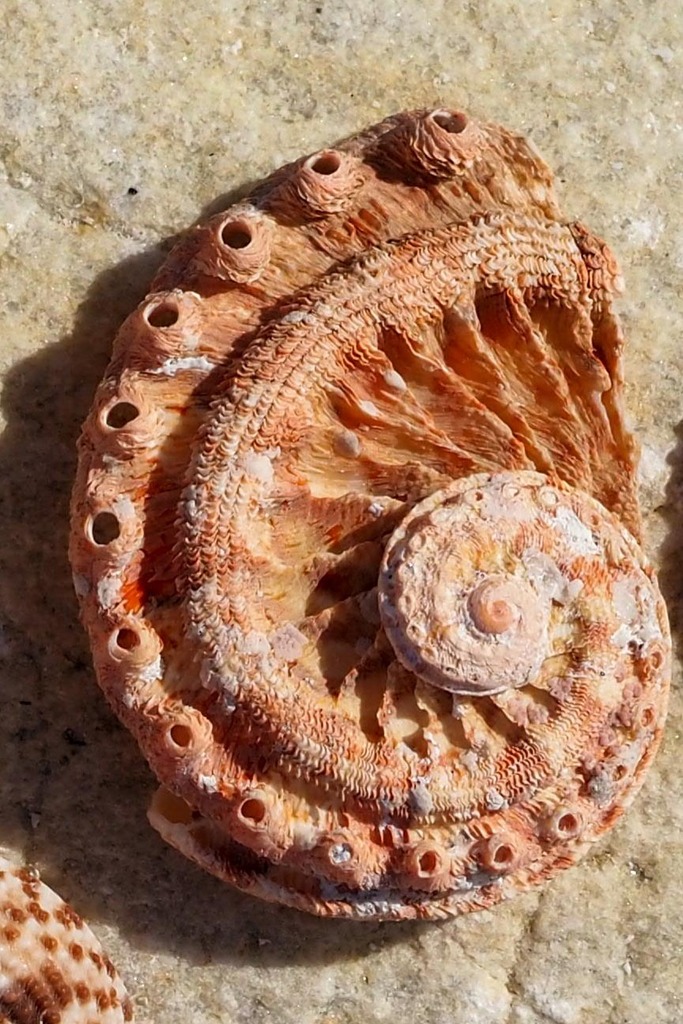 Staircase abalone
Haliotis scalaris
Sources and credits
Names and taxonomy: WoRMS (CC BY 4.0) and the GBIF Backbone (CC BY 4.0). Photos: iNaturalist observers, each under the licence shown (CC0, CC BY or CC BY-SA).
- Depth, temperature, months and maps: records from OBIS and GBIF under CC0 or CC BY.
- Descriptions: Wikipedia, licensed CC BY-SA, each linked to its article.
- Conservation status as published by GBIF (IUCN Red List).
- 1,293 open-data records from 1919 to 2012.
- Species data updated November 3, 2026.
Log what you see on your next dive
The free DiveHive diver app keeps your logbook with every sighting and shows what lives at the site you dive next.