
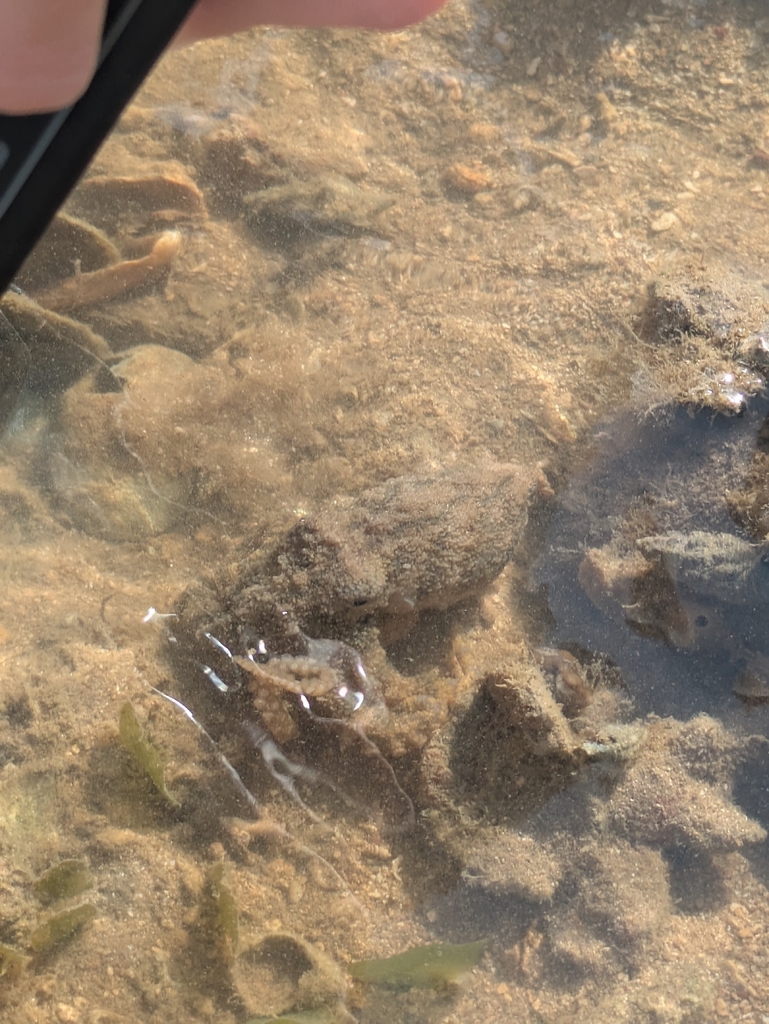
Blue-lined octopus
Hapalochlaena fasciata
- Usual depth3–49 m
- Water temperature19–29 °C
- Best monthsJanuary, March, and April
- How commonRare
Photo credit: (c) Patrick Connolly, some rights reserved (CC BY) · CC BY · iNaturalist
About this species
The blue-lined octopus is one of four species of extremely venomous blue-ringed octopuses. It can be found in Pacific Ocean waters that stretch from Australia to Japan. It is most commonly found around intertidal rocky shores and coastal waters to a depth of 15 metres (49 ft) between southern Queensland and southern New South Wales. It is relatively small, with a mantle up to 45 millimetres (1.8 in) in length. In its relaxed state, it is a mottled yellow-brown with dark blue or black streaks covering the whole body apart from the underside of its arms, but its vibrant blue markings appear as a warning to predators when it feels threatened. Along with its other closely related species, the blue-lined octopus is regarded as one of the most dangerous animals in the sea, and its venom can be fatal to humans. This benthic octopus is one of four members of the genus Hapalochlaena, with the other species being the greater blue-ringed octopus, southern blue-ringed octopus, and the blue-ringed octopus. The blue-lined octopus is the only species of the four to display lined iridescent blue marking, as opposed to circular iridescent blue marking that the three other species tend to exhibit.
Text from the Wikipedia article “Blue-lined octopus”, licensed CC BY-SA 4.0. Read the article
Where and when
Where it has been recorded
Worldwide
Loading the map
Best months
Worldwide (open data)
- January: 53 records
- February: 39 records
- March: 72 records
- April: 70 records
- May: 47 records
- June: 31 records
- July: 21 records
- August: 23 records
- September: 39 records
- October: 12 records
- November: 30 records
- December: 24 records
Depth and water temperature
Depth
Mostly recorded at 3–49 m · Deepest record: 48.5 m
Water temperature
Recorded in surface water of 19–29 °C
Photos
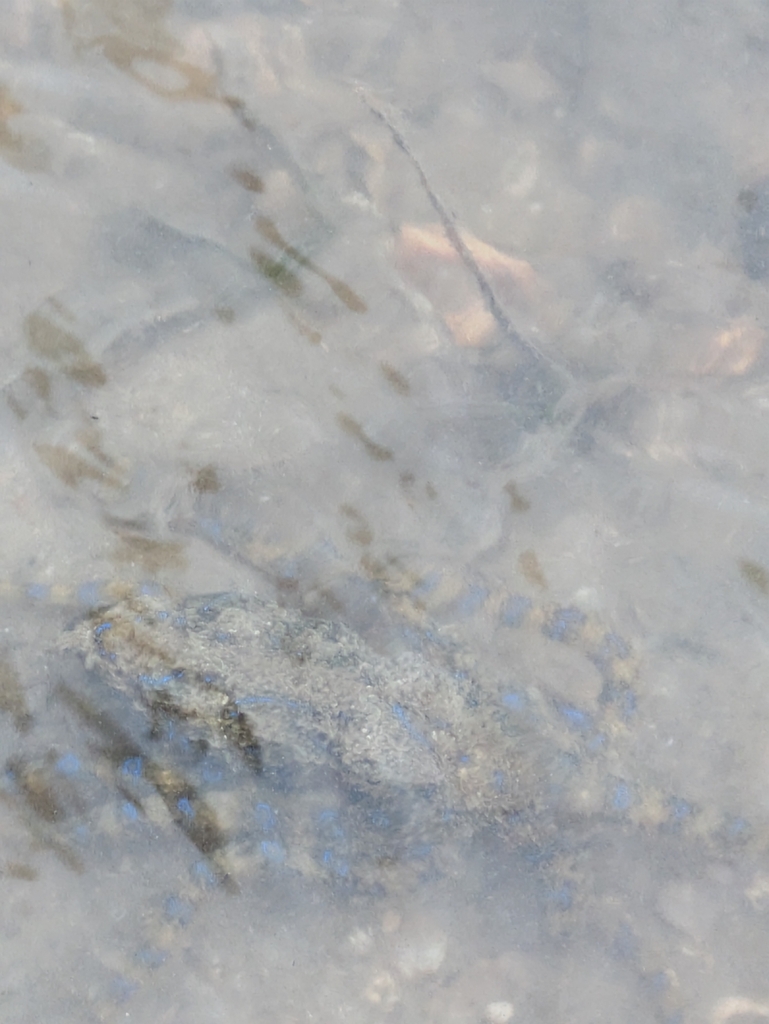
(c) Patrick Connolly, some rights reserved (CC BY) · CC BY · iNaturalist 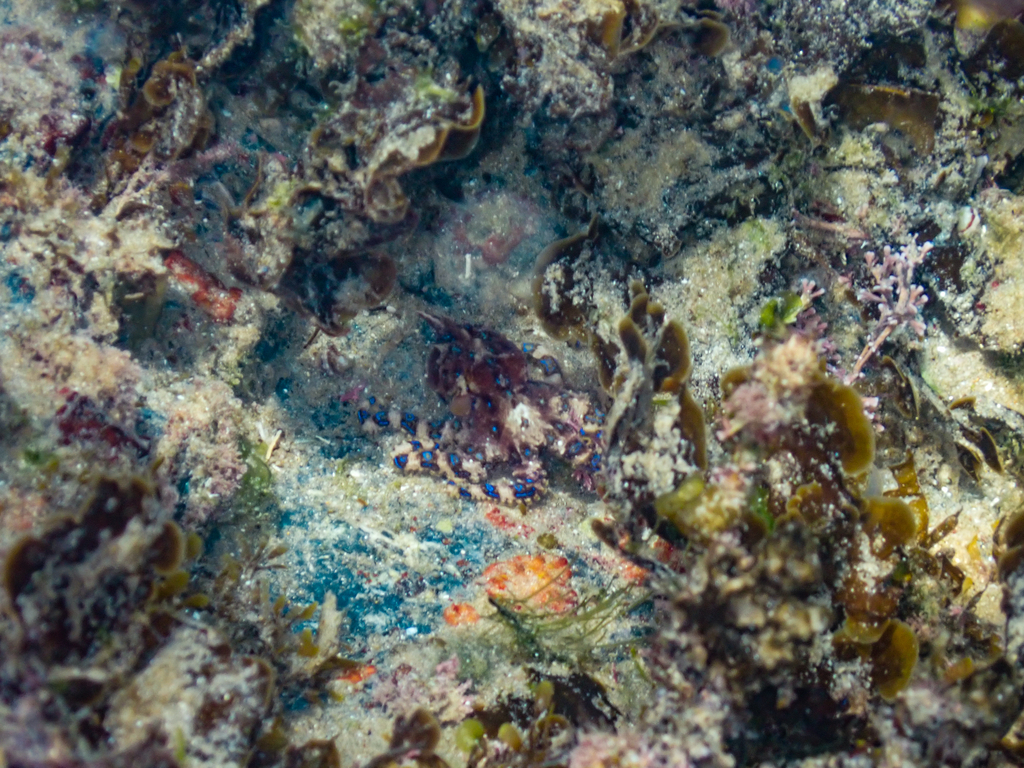
(c) Emma Sophie, some rights reserved (CC BY) · CC BY · iNaturalist 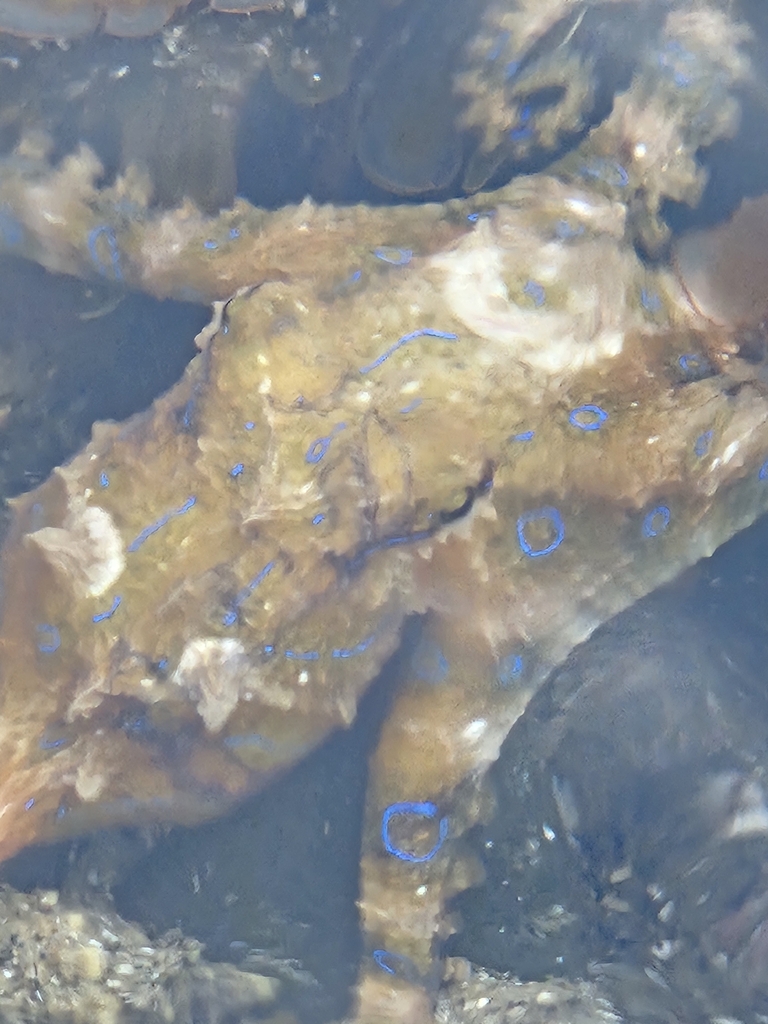
(c) Bronte-Maye, some rights reserved (CC BY) · CC BY · iNaturalist 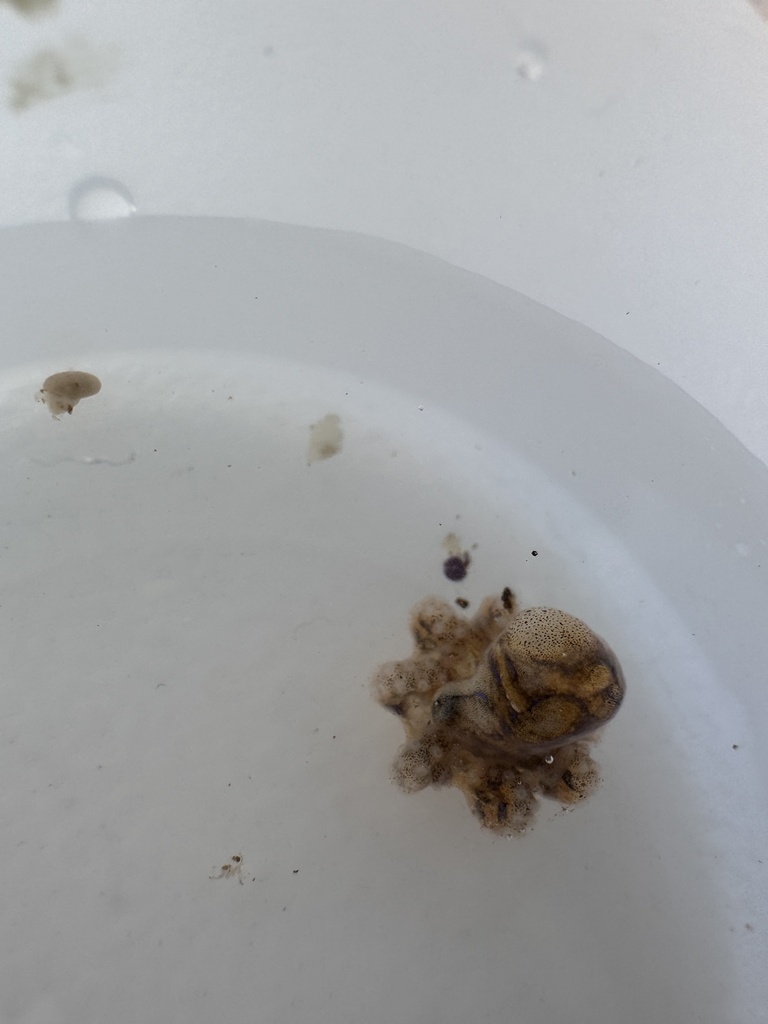
(c) Lawrence Hylton, some rights reserved (CC BY) · CC BY · iNaturalist 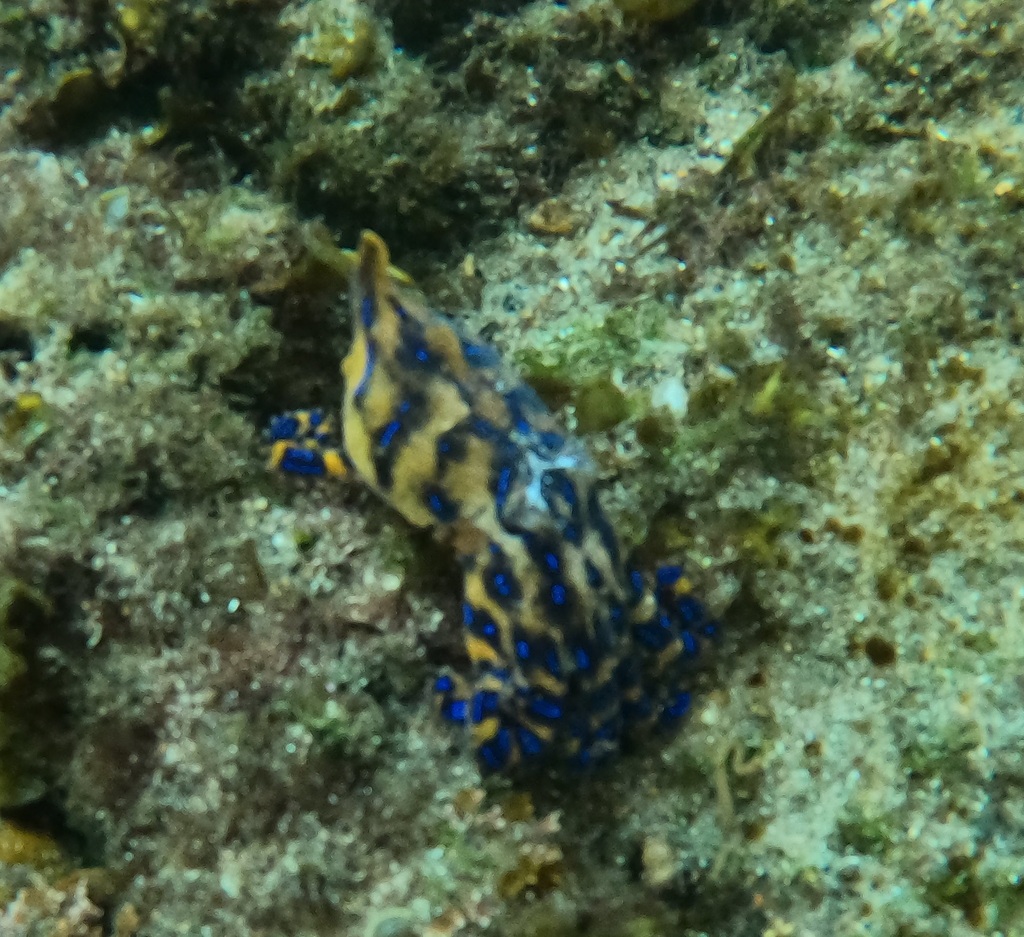
(c) Tim, some rights reserved (CC BY) · CC BY · iNaturalist 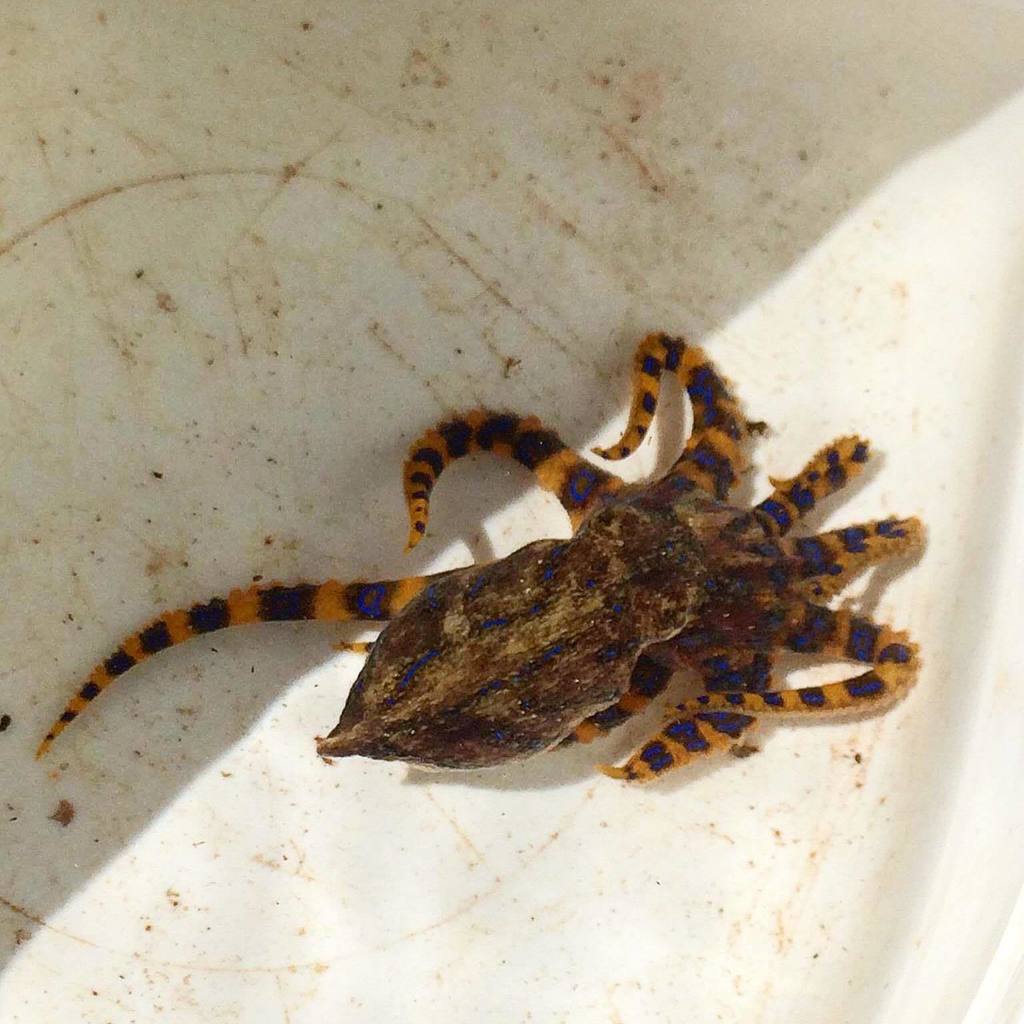
(c) Thomas Mesaglio, some rights reserved (CC BY) · CC BY · iNaturalist 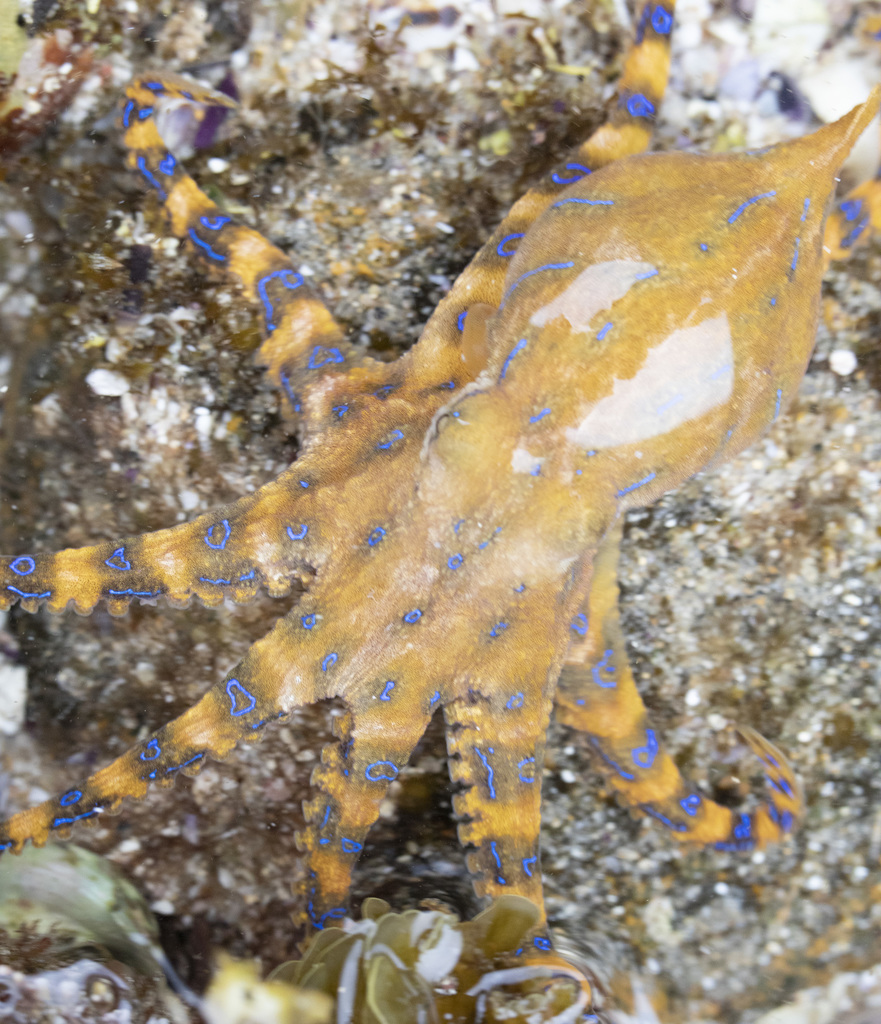
(c) tobyyy, some rights reserved (CC BY-SA) · CC BY-SA · iNaturalist
Names and classification
- English
- Blue-lined octopus, blue-lined octopus
Names in 5 more languages
- German
- Blaugestreifter Krake
- Spanish
- Pulpo de líneas azules
- Japanese
- ヒョウモンダコ, (誤)ヒョウモンダコ
- Korean
- 파란선문어
- Simplified Chinese
- 藍紋章魚
Other scientific names: Octopus fasciatus, Octopus robustus
Similar species
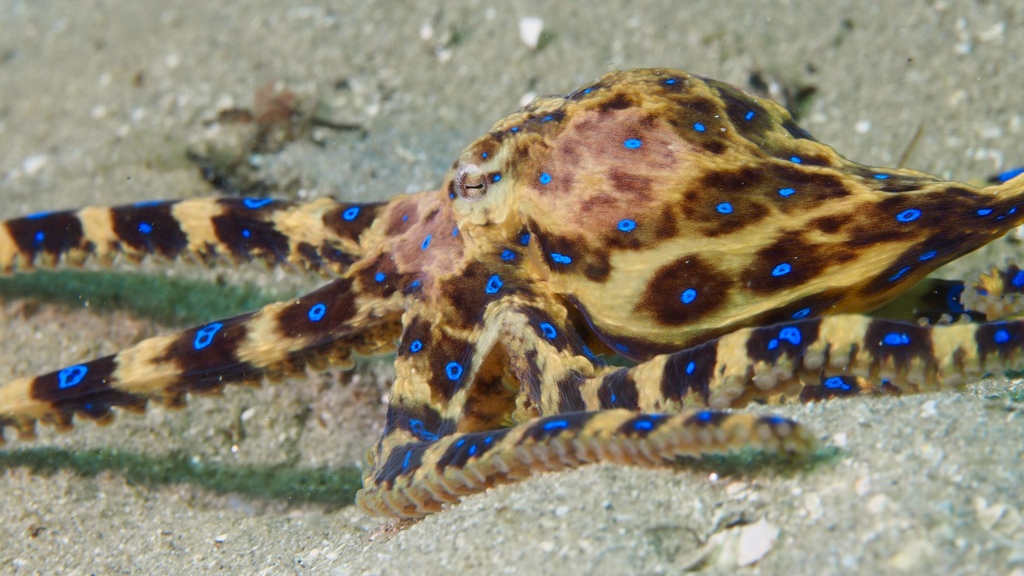 Blue-ringed octopus
Hapalochlaena maculosa
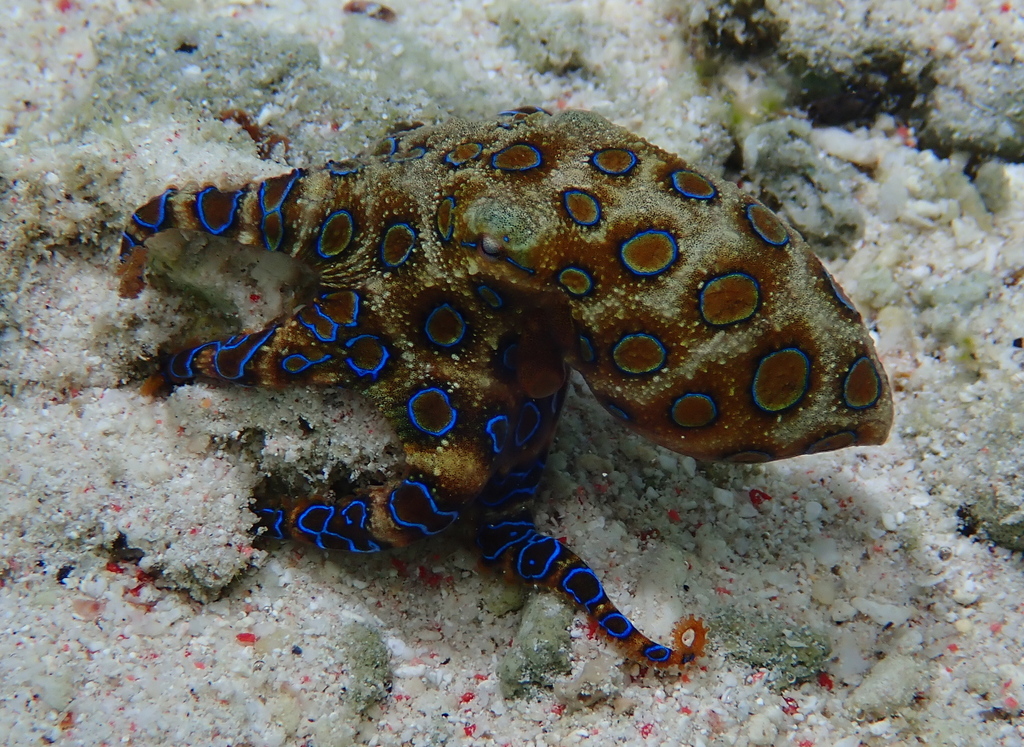 Greater blue-ringed octopus
Hapalochlaena lunulata
 Common Atlantic octopus
Octopus vulgaris
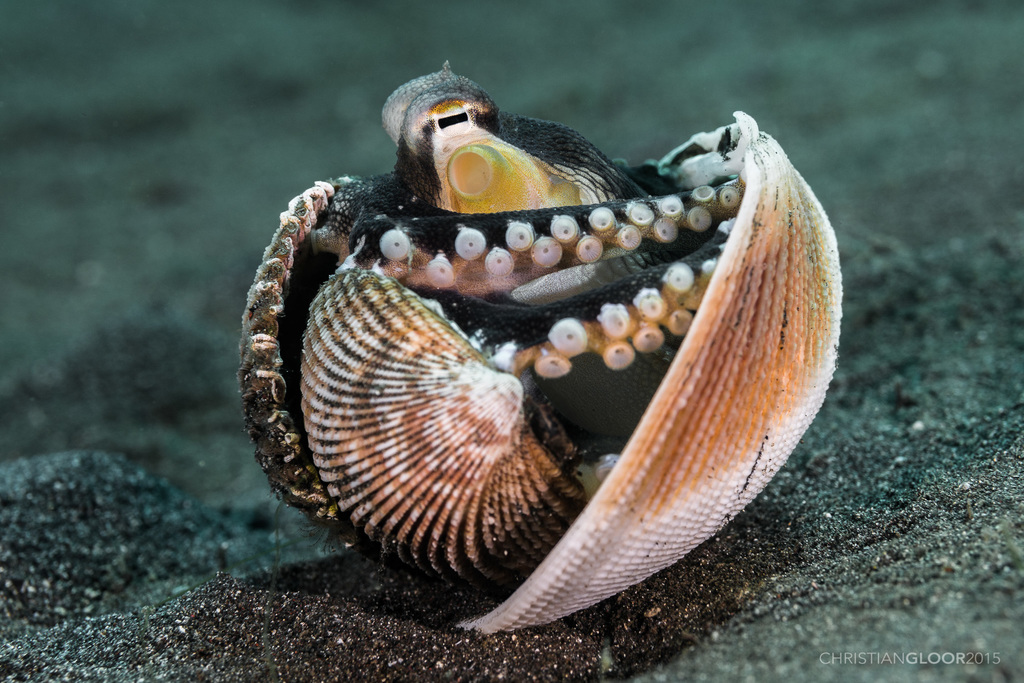 Coconut Octopus
Amphioctopus marginatus
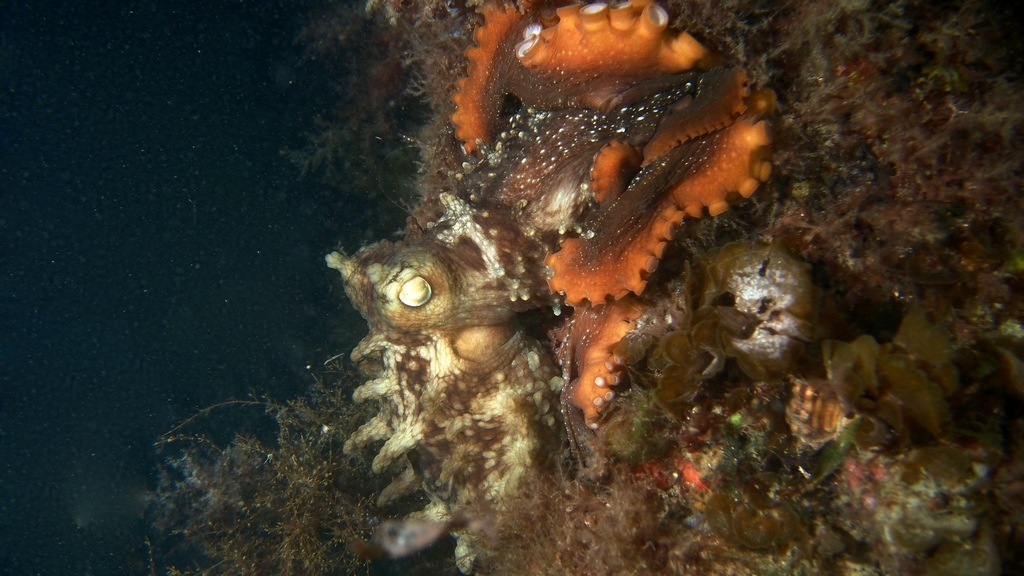 Maori octopus
Macroctopus maorum
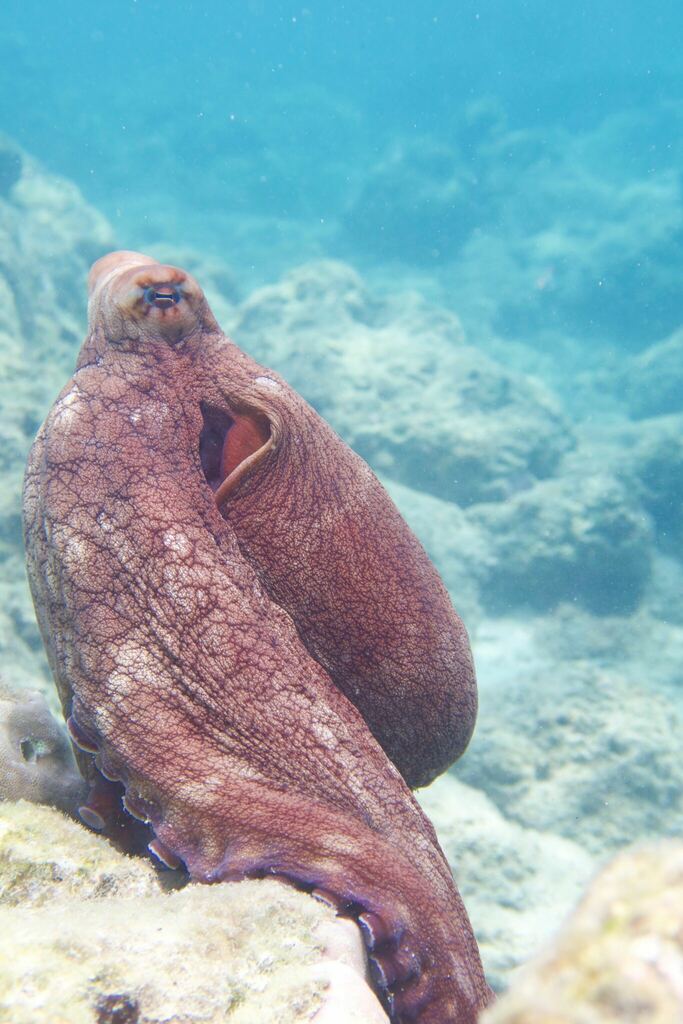 Big blue octopus
Octopus cyanea
Sources and credits
Names and taxonomy: WoRMS (CC BY 4.0) and the GBIF Backbone (CC BY 4.0). Photos: iNaturalist observers, each under the licence shown (CC0, CC BY or CC BY-SA).
- Depth, temperature, months and maps: records from OBIS and GBIF under CC0 or CC BY.
- Descriptions: Wikipedia, licensed CC BY-SA, each linked to its article.
- Conservation status as published by GBIF (IUCN Red List).
- 165 open-data records from 1886 to 2016.
- Species data updated November 3, 2026.
Log what you see on your next dive
The free DiveHive diver app keeps your logbook with every sighting and shows what lives at the site you dive next.