
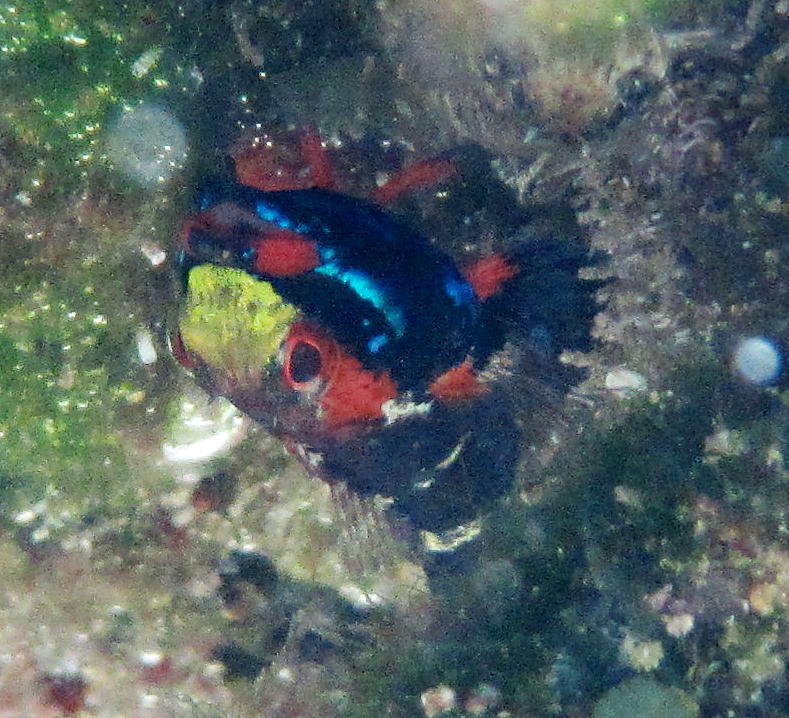
Hotlips
Helcogramma rharhabe
- Usual depth1–100 m
- Water temperature21–27 °C
- Best monthsApril, May, and September
- How commonRare
Photo credit: (c) Robert Taylor, some rights reserved (CC BY) · CC BY · iNaturalist
About this species
Helcogramma rharhabe is a species of triplefin blenny in the genus Helcogramma. It was described by Wouter Holleman in 2007, the specific name the Xhosa chief Rharhabe who broke away from his main tribe and formed his own grouping named after him, the Rharhabe. This species is found in the western Indian Ocean, along the south eastern coast of Africa from the Transkei to the Bazaruto Archipelago.
Text from the Wikipedia article “Helcogramma rharhabe”, licensed CC BY-SA 4.0. Read the article
Where and when
Where it has been recorded
Worldwide
Loading the map
Best months
Worldwide (open data)
- January: 7 records
- February: 0 records
- March: 6 records
- April: 25 records
- May: 23 records
- June: 14 records
- July: 15 records
- August: 17 records
- September: 25 records
- October: 6 records
- November: 8 records
- December: 7 records
Depth and water temperature
Depth
Mostly recorded at 1–100 m · Deepest record: 100 m
Water temperature
Recorded in surface water of 21–27 °C
Photos
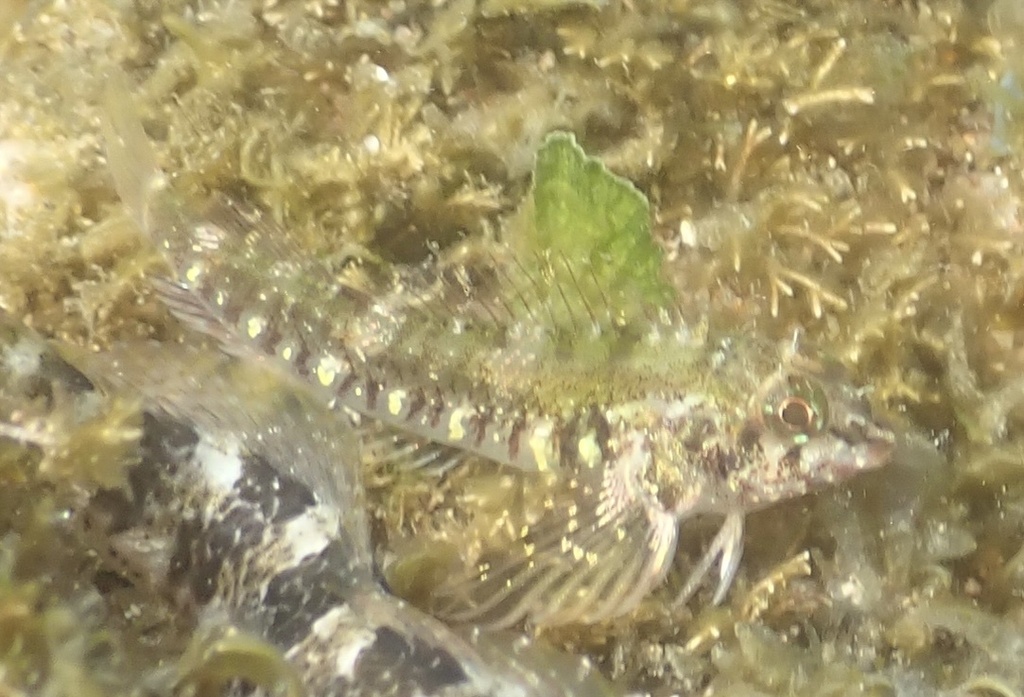
(c) Robert Taylor, some rights reserved (CC BY) · CC BY · iNaturalist 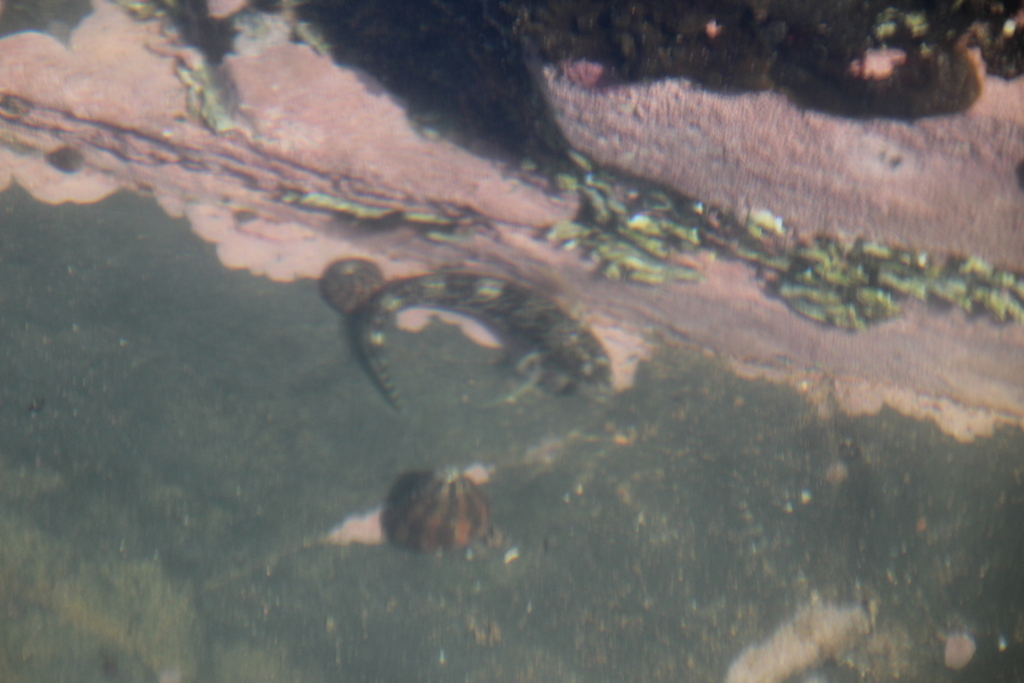
no rights reserved · CC0 1.0 · iNaturalist
Names and classification
- English
- Hotlips, Hotlips Triplefin
Similar species
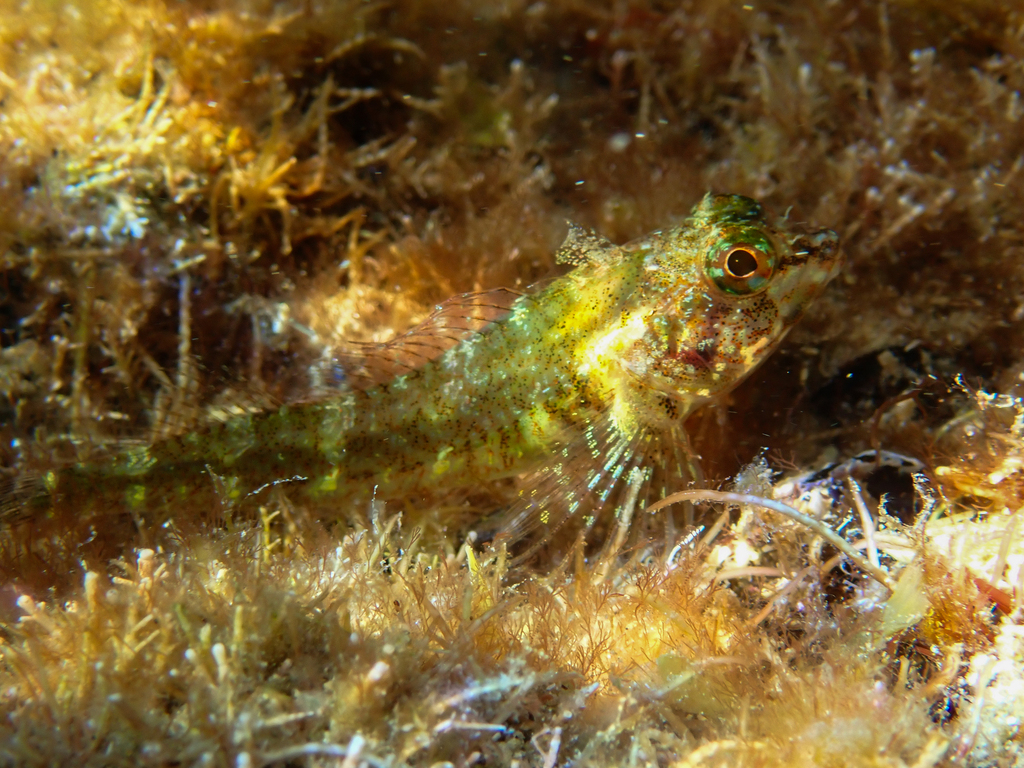 Black-throated Threefin
Helcogramma decurrens
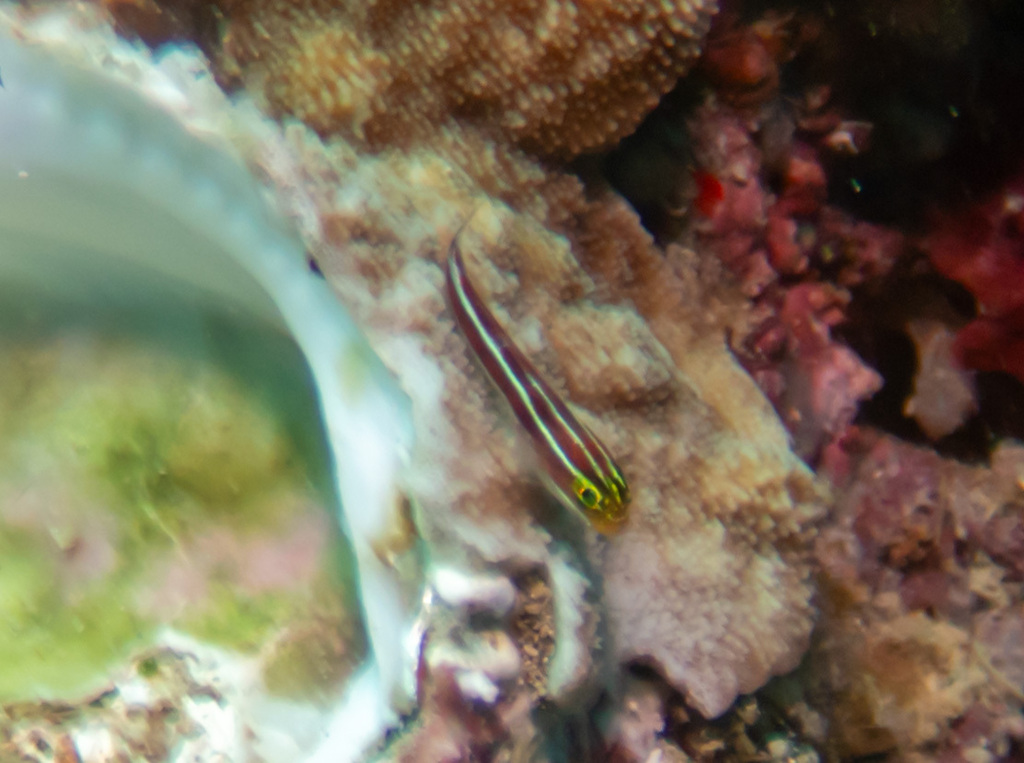 Candystriped Triplefin
Helcogramma striata
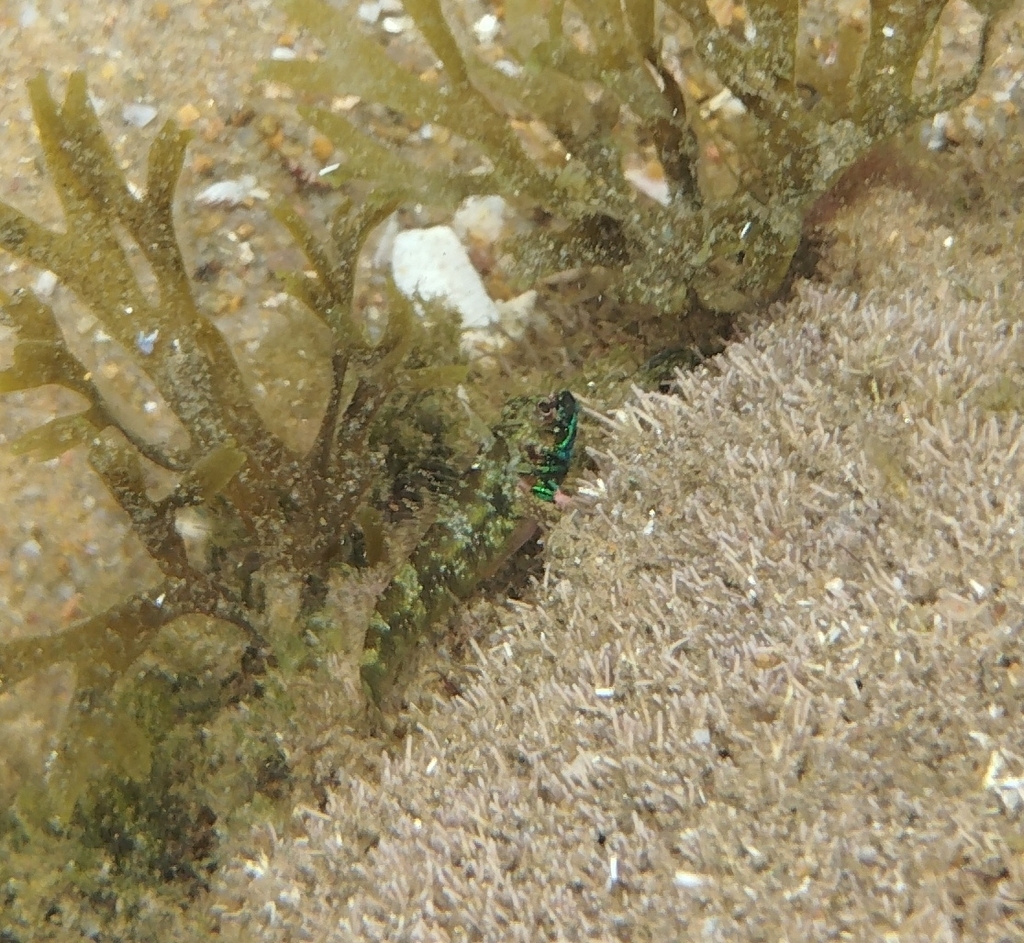 Red-eye Threefin
Helcogramma ellioti
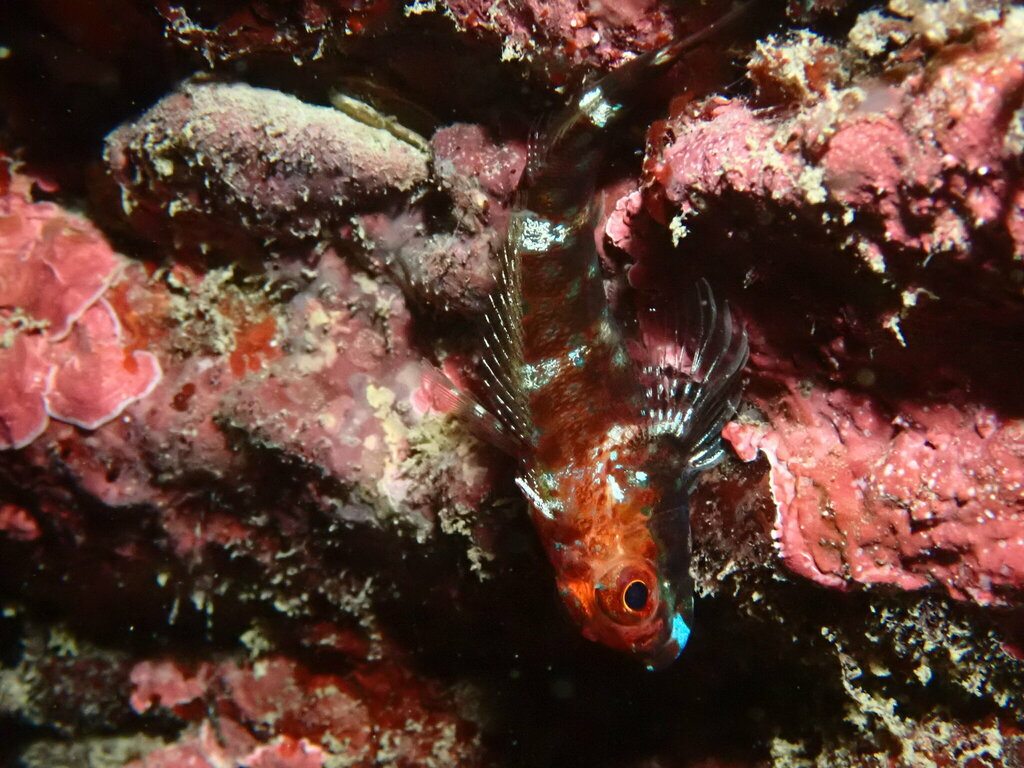 Triangle Triplefin
Helcogramma inclinata
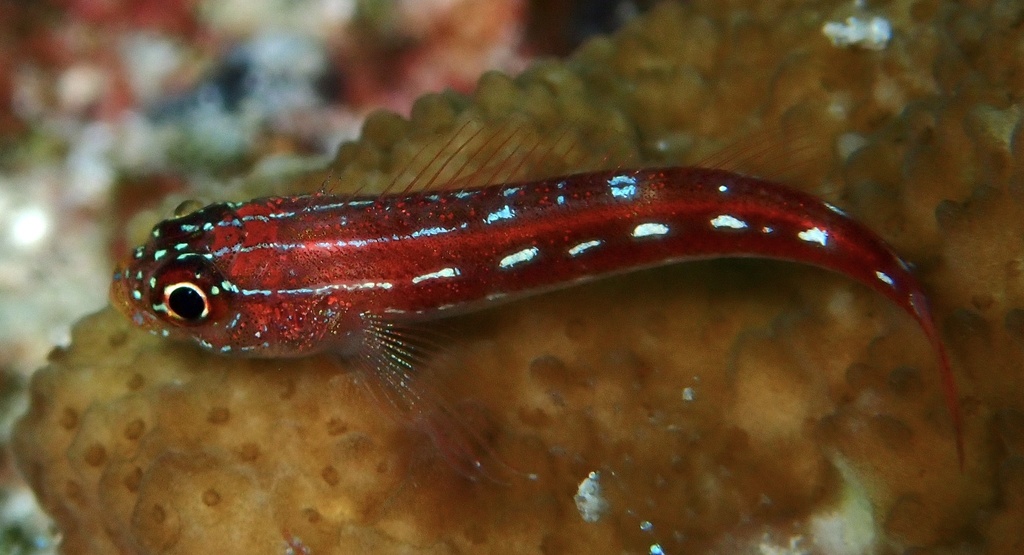 Maldives Triplefin
Helcogramma maldivensis
- Whitespot Triplefin
Helcogramma albimacula
Sources and credits
Names and taxonomy: WoRMS (CC BY 4.0) and the GBIF Backbone (CC BY 4.0). Photos: iNaturalist observers, each under the licence shown (CC0, CC BY or CC BY-SA).
- Depth, temperature, months and maps: records from OBIS and GBIF under CC0 or CC BY.
- Descriptions: Wikipedia, licensed CC BY-SA, each linked to its article.
- Conservation status as published by GBIF (IUCN Red List).
- 170 open-data records from 1942 to 2023.
- Species data updated November 3, 2026.
Log what you see on your next dive
The free DiveHive diver app keeps your logbook with every sighting and shows what lives at the site you dive next.