
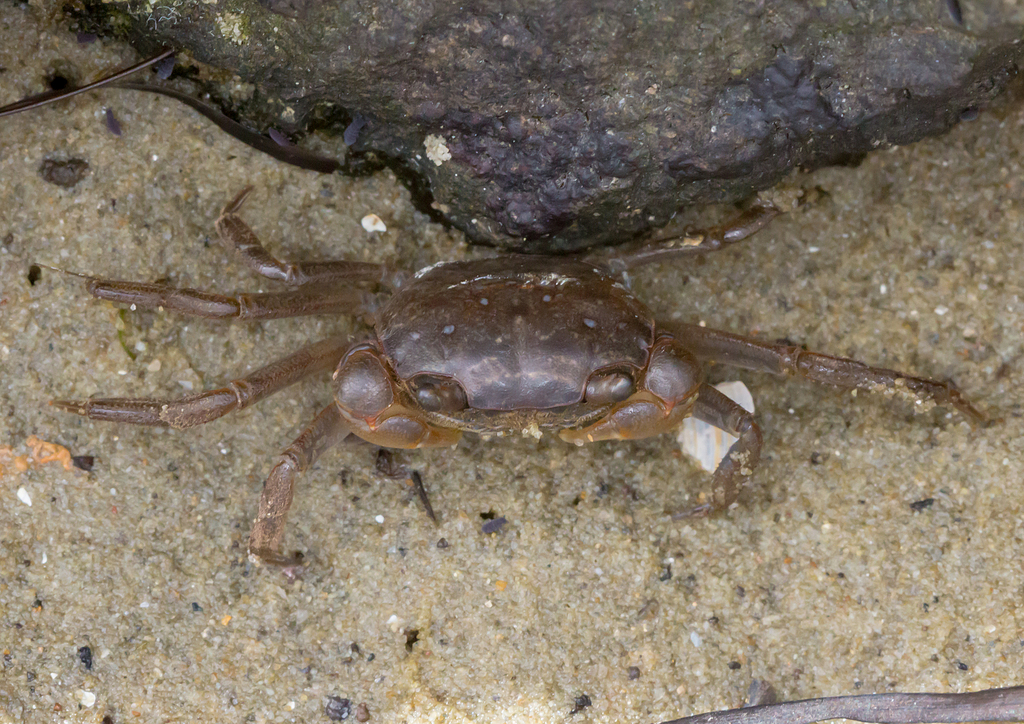
Haswell's Crab
Helograpsus haswellianus
- Usual depth4.5 m
- Water temperature16–28 °C
- Best monthsFebruary and October
- How commonRare
Photo credit: (c) Andrew Allen, some rights reserved (CC BY), uploaded by Andrew Allen · CC BY · iNaturalist
About this species
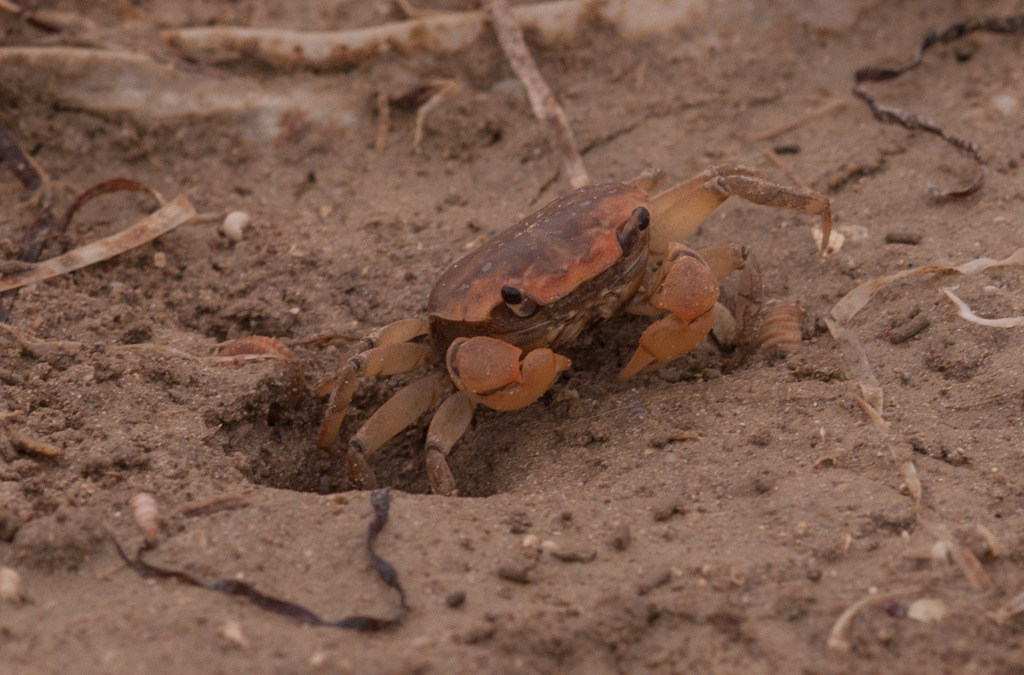
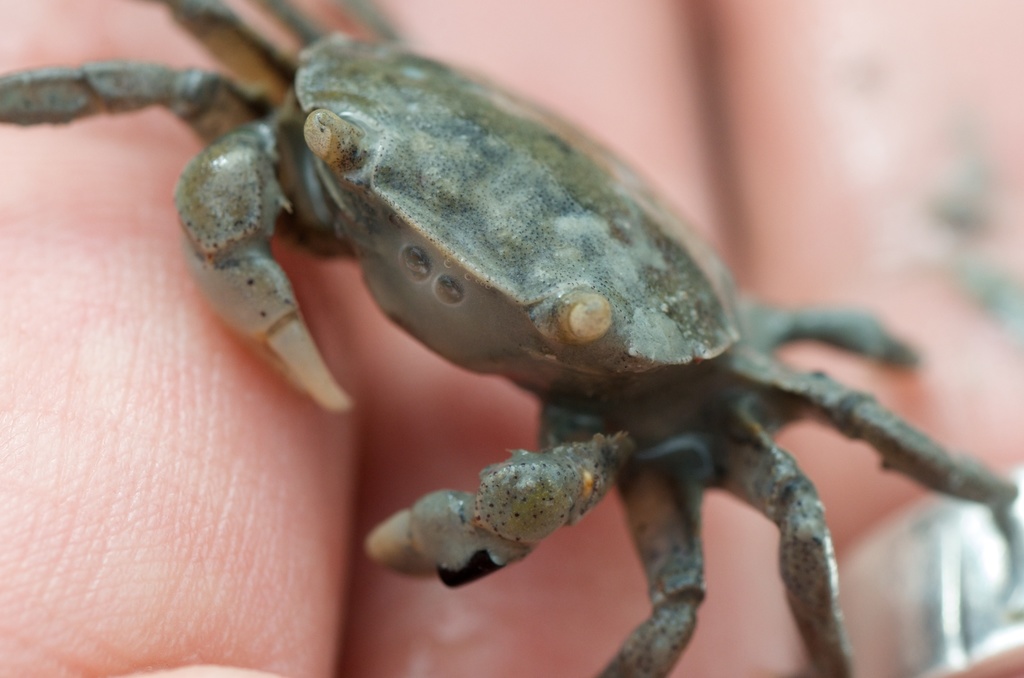
Helopgrapsus haswellianus, or Haswell’s shore crab, is the sole species of crab in the genus Helograpsus. It lives in river mouths and bays on the eastern coast of Australia. The carapace is strongly convex with one distinct notch behind the eye. Adult males have larger claws than adult females. The carapace is olive, dark slate grey or reddish. Claws of adult males are orange-yellow. Carapace size is up to 30 mm wide. The orange color is stronger when these crabs live in habitat with lower pollution levels.
Text from the Wikipedia article “Helograpsus”, licensed CC BY-SA 4.0. Read the article
Where and when
Where it has been recorded
Worldwide
Loading the map
Best months
Worldwide (open data)
- January: 42 records
- February: 66 records
- March: 34 records
- April: 33 records
- May: 41 records
- June: 30 records
- July: 22 records
- August: 20 records
- September: 46 records
- October: 96 records
- November: 40 records
- December: 36 records
Depth and water temperature
Depth
Mostly recorded at 4.5 m · Deepest record: 4.5 m
Water temperature
Recorded in surface water of 16–28 °C
Photos
(c) Rolf Lawrenz, some rights reserved (CC BY), uploaded by Rolf Lawrenz · CC BY · iNaturalist 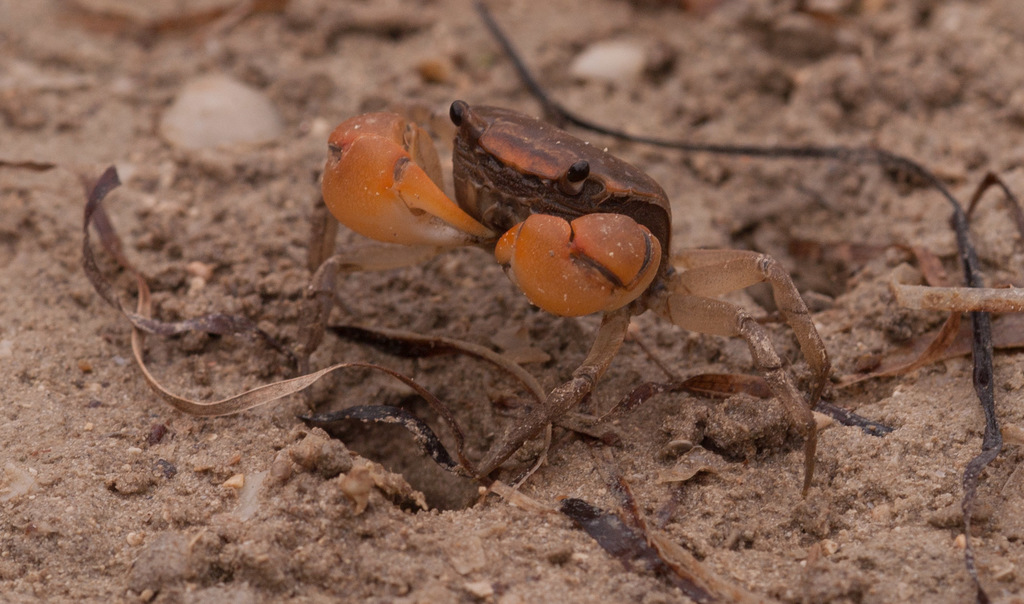
(c) Rolf Lawrenz, some rights reserved (CC BY), uploaded by Rolf Lawrenz · CC BY · iNaturalist 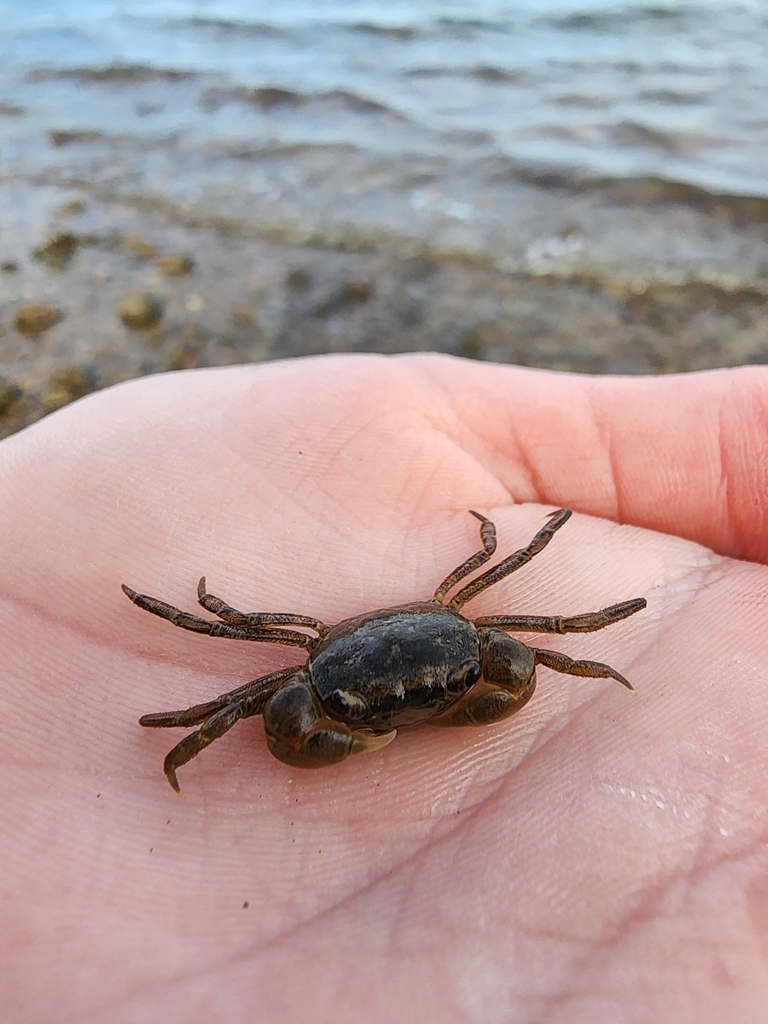
no rights reserved · CC0 1.0 · iNaturalist 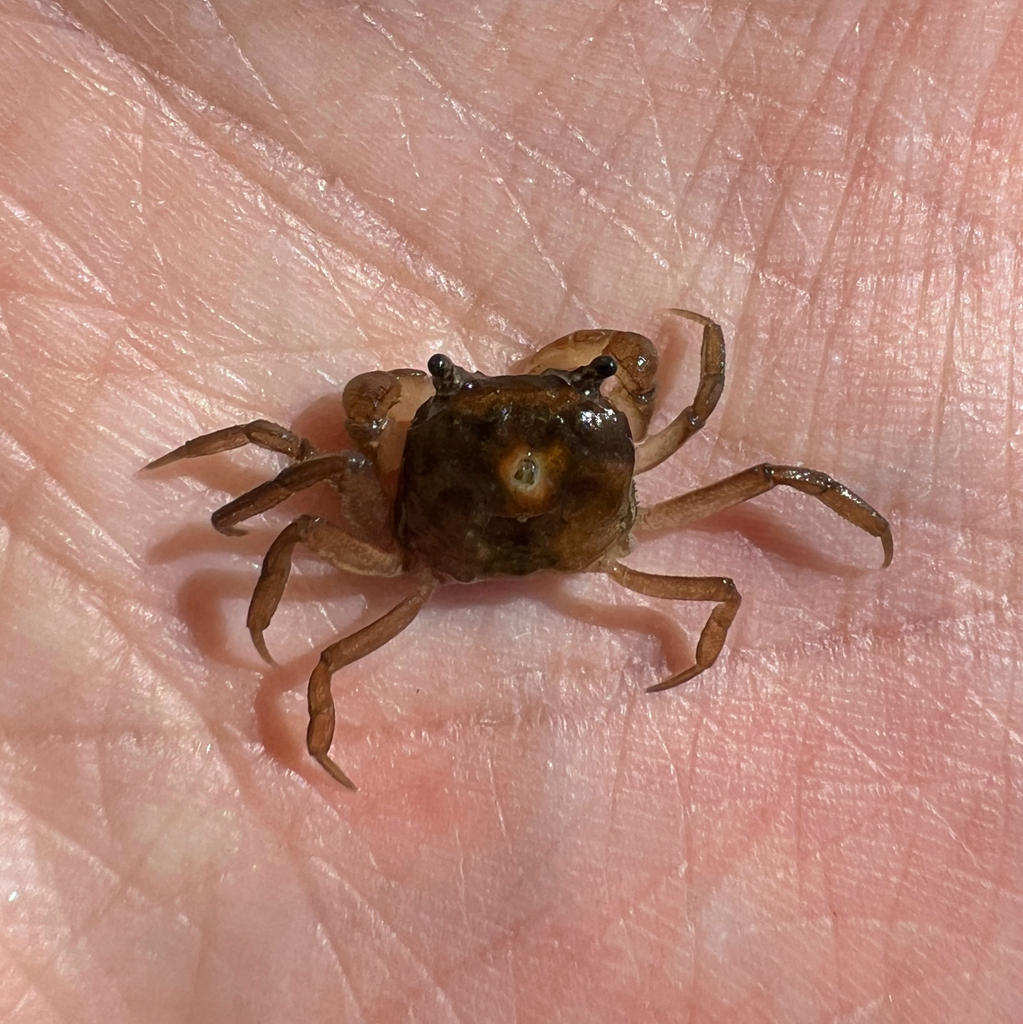
(c) James K. Douch, some rights reserved (CC BY-SA) · CC BY-SA · iNaturalist 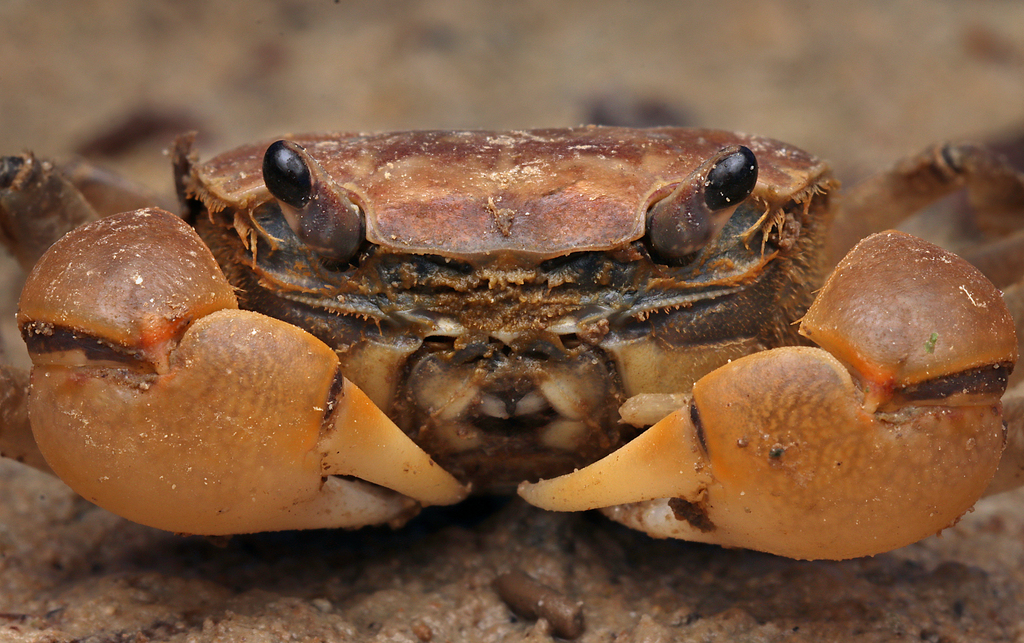
no rights reserved · CC0 1.0 · iNaturalist 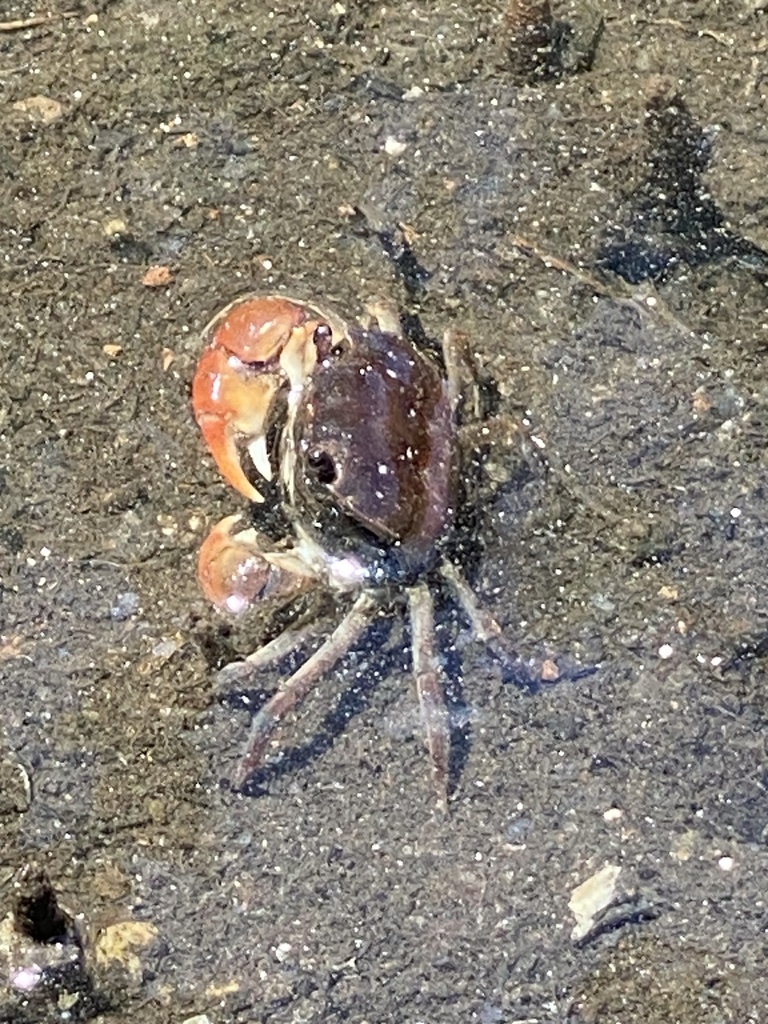
(c) Martin Hannan-Jones, some rights reserved (CC BY) · CC BY · iNaturalist 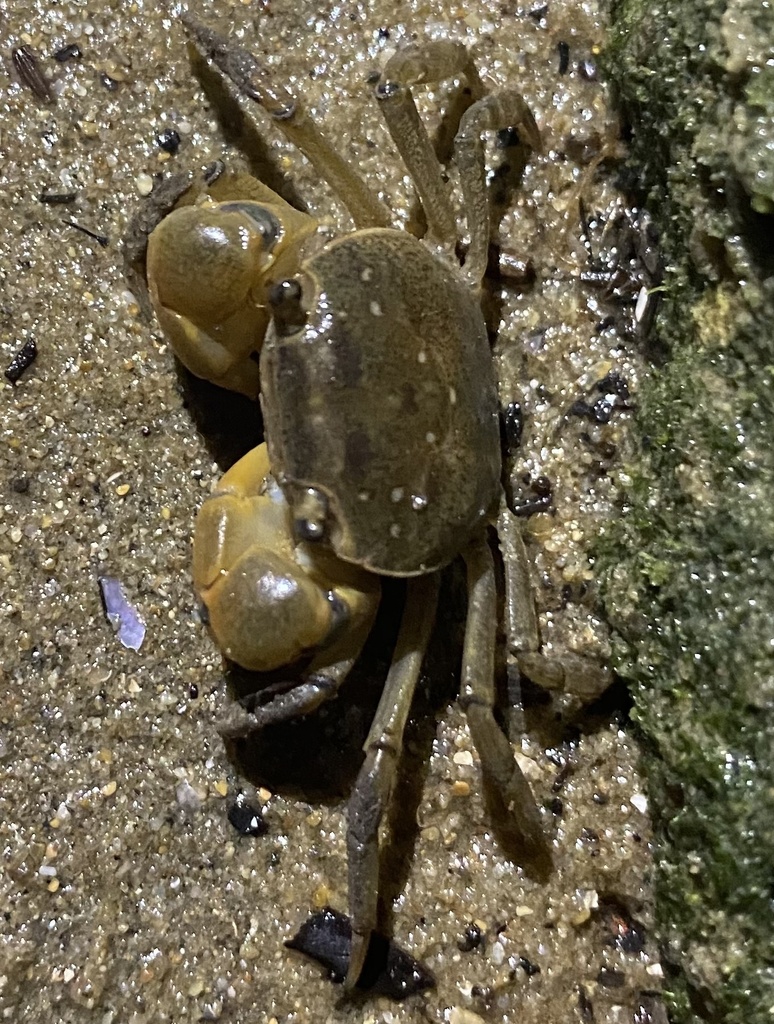
(c) Grady Duffy, some rights reserved (CC BY) · CC BY · iNaturalist
Names and classification
- English
- Haswell's Crab
Names in 1 more languages
- Japanese
- ハマガニ
Other scientific names: Chasmagnathus convexus, Chasmagnathus Haswellianus
Similar species
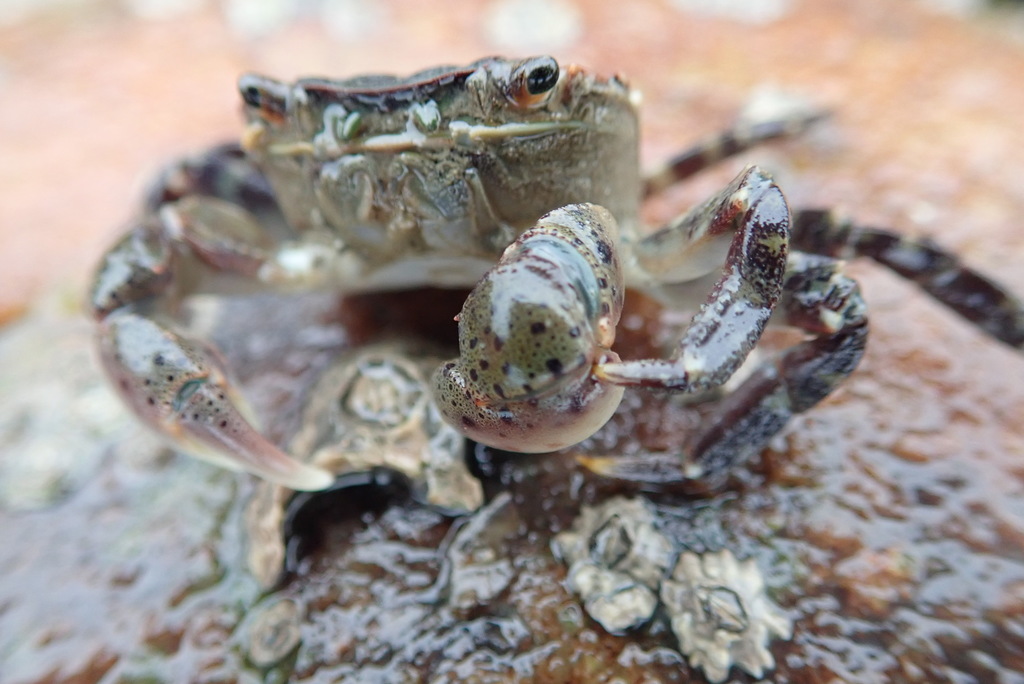 Asian shore crab
Hemigrapsus sanguineus
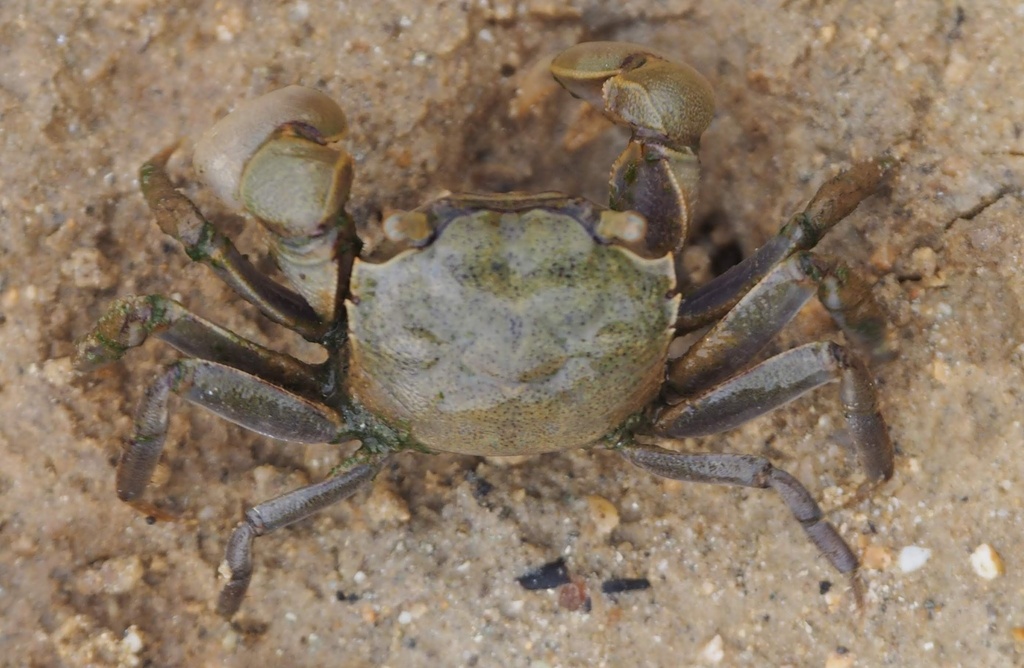 Tunneling Mud Crab
Austrohelice crassa
 Smooth Shore Crab
Cyclograpsus lavauxi
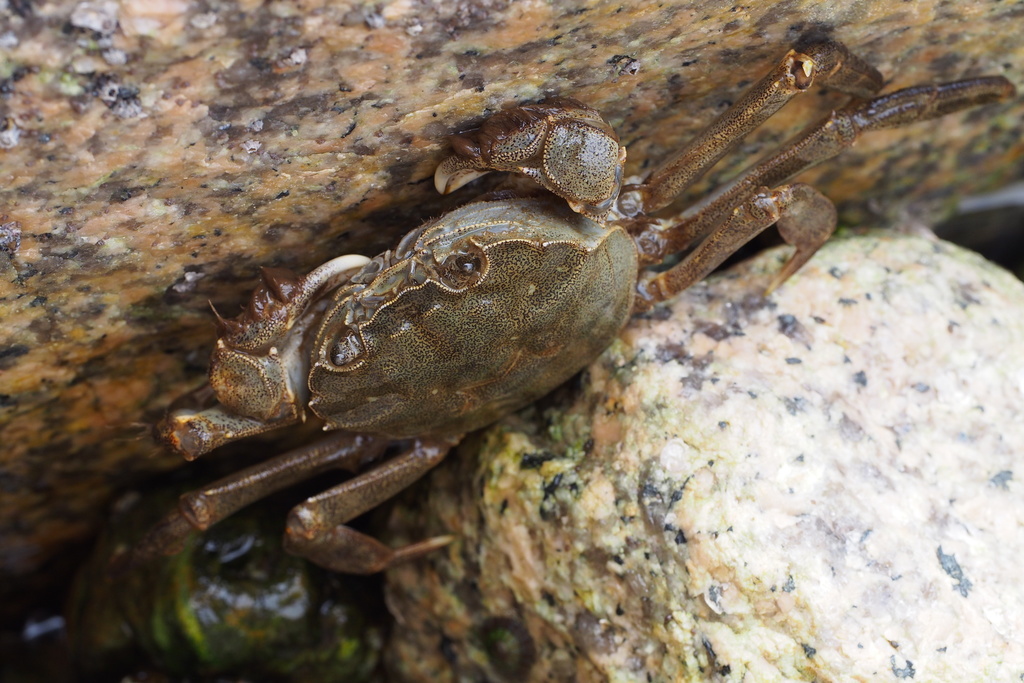 Japanese mitten crab
Eriocheir japonica
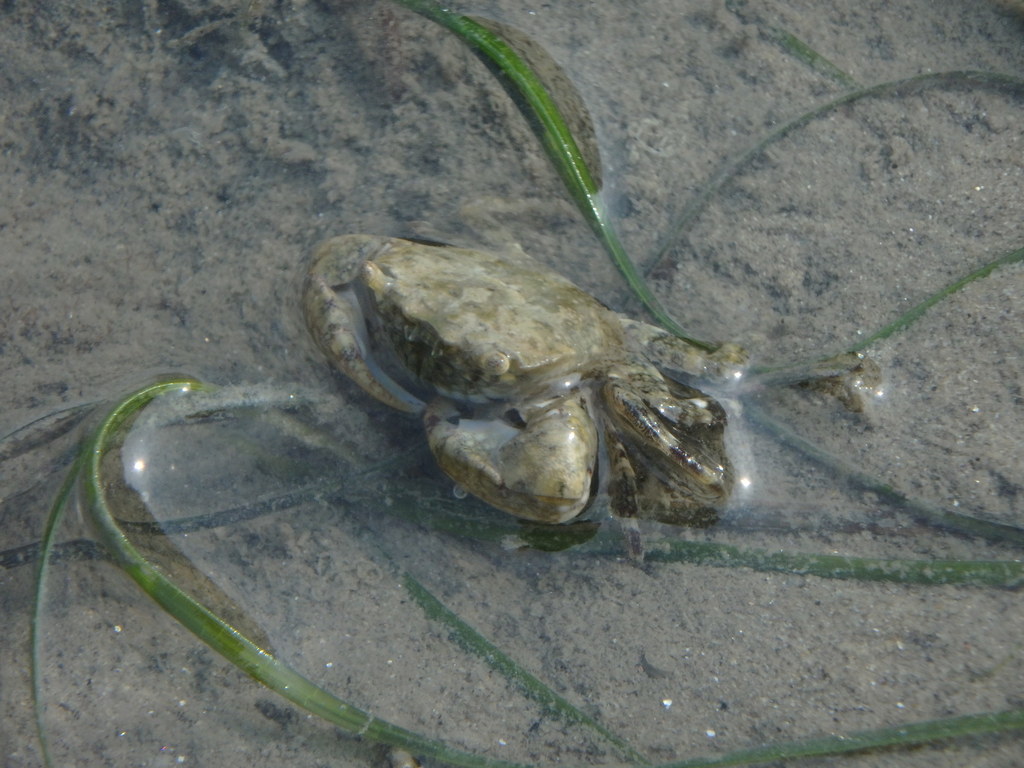
 Estuarine crab
Hemigrapsus crenulatus
Sources and credits
Names and taxonomy: WoRMS (CC BY 4.0) and the GBIF Backbone (CC BY 4.0). Photos: iNaturalist observers, each under the licence shown (CC0, CC BY or CC BY-SA).
- Depth, temperature, months and maps: records from OBIS and GBIF under CC0 or CC BY.
- Descriptions: Wikipedia, licensed CC BY-SA, each linked to its article.
- Conservation status as published by GBIF (IUCN Red List).
- 260 open-data records from 1923 to 2003.
- Species data updated November 3, 2026.
Log what you see on your next dive
The free DiveHive diver app keeps your logbook with every sighting and shows what lives at the site you dive next.