
DiscoverSpeciesOther invertebrates
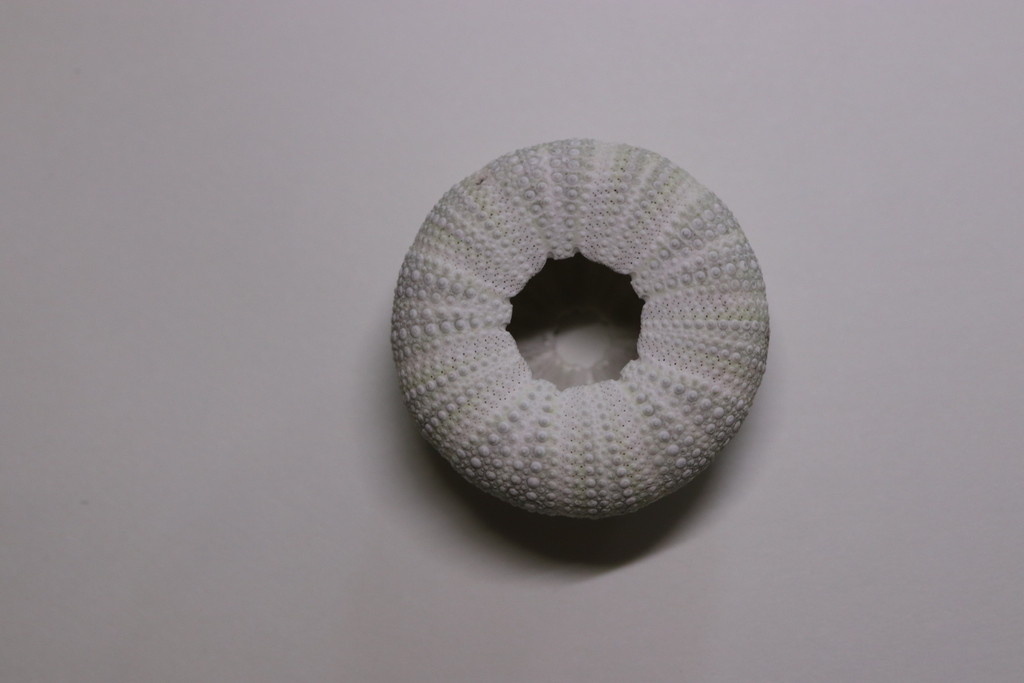
Hemicentrotus pulcherrimus
- Usual depth3 m
- Water temperature18–25 °C
- Best monthsApril, May, and June
- How commonOccasional
Photo credit: (c) Se Lena, some rights reserved (CC BY), uploaded by Se Lena · CC BY · iNaturalist
About this species
Hemicentrotus pulcherrimus is a species of sea urchin, the only one in the monotypic genus Hemicentrotus. It was first described by the American engineer and marine zoologist Alexander Agassiz in 1864 as Psammechinus pulcherrimus. Its range extends along the coasts of Korea, Taiwan and China, and in Japan from Kyūshū to Ishikari Bay. An edible species, it is harvested from Kyūshū to Fukui, in the Sea of Japan.
Text from the Wikipedia article “Hemicentrotus”, licensed CC BY-SA 4.0. Read the article
Where and when
Where it has been recorded
Worldwide
Loading the map
Best months
Worldwide (open data)
- January: 3 records
- February: 4 records
- March: 15 records
- April: 50 records
- May: 40 records
- June: 45 records
- July: 10 records
- August: 1 records
- September: 5 records
- October: 1 records
- November: 1 records
- December: 1 records
Depth and water temperature
Depth
Mostly recorded at 3 m · Deepest record: 3 m
Water temperature
Recorded in surface water of 18–25 °C
Photos
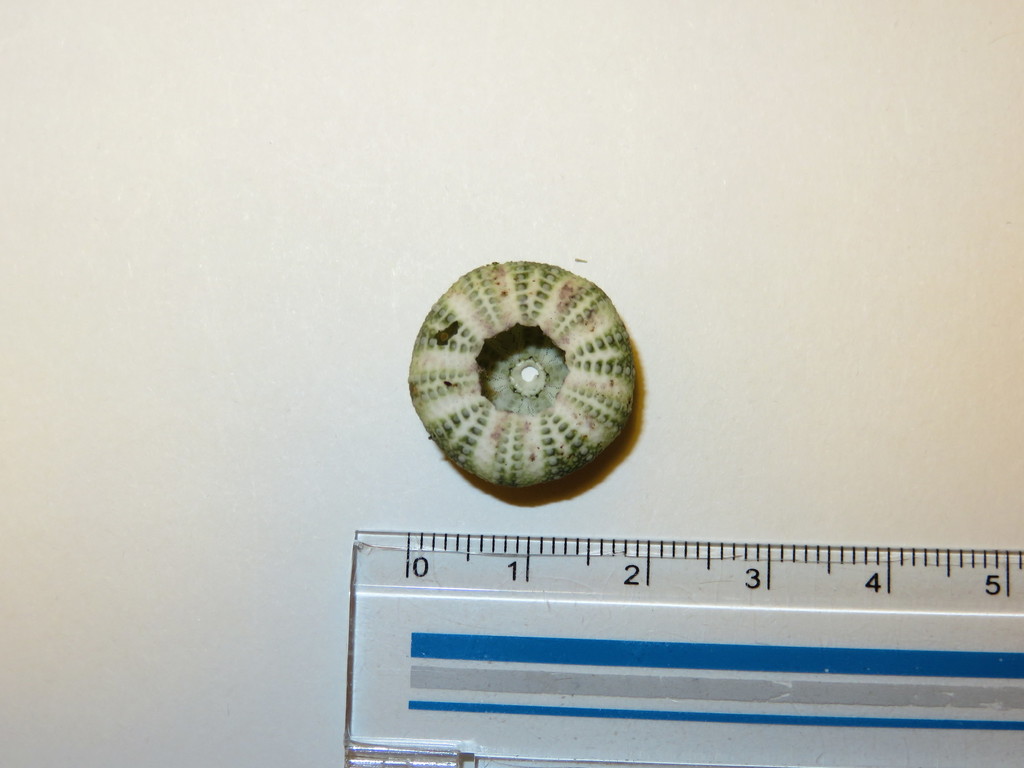
(c) Se Lena, some rights reserved (CC BY), uploaded by Se Lena · CC BY · iNaturalist 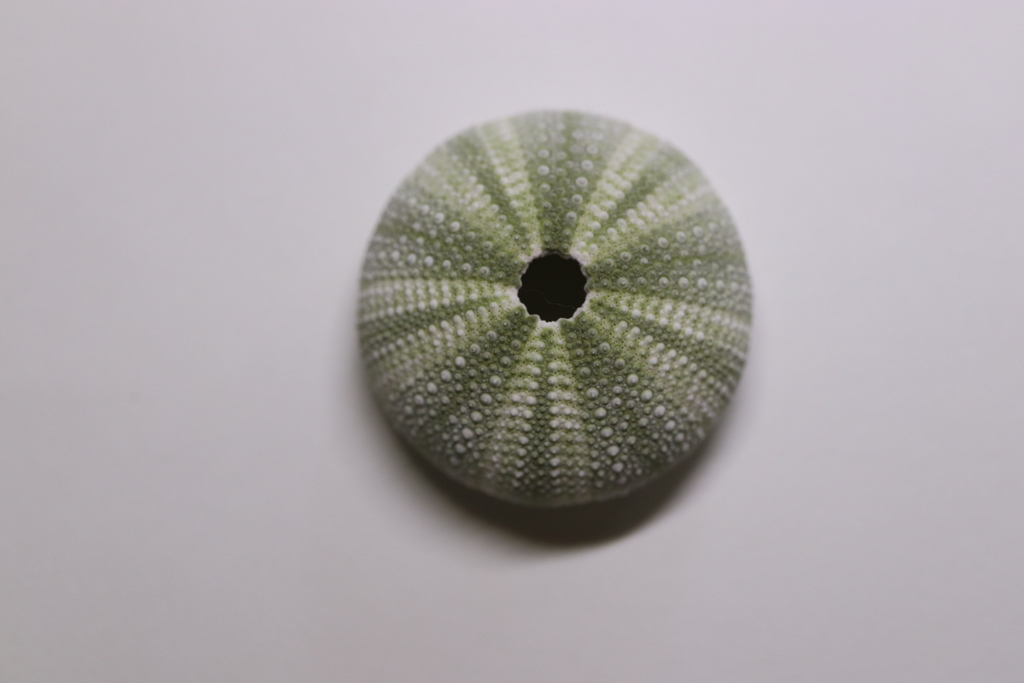
(c) Se Lena, some rights reserved (CC BY) · CC BY · iNaturalist 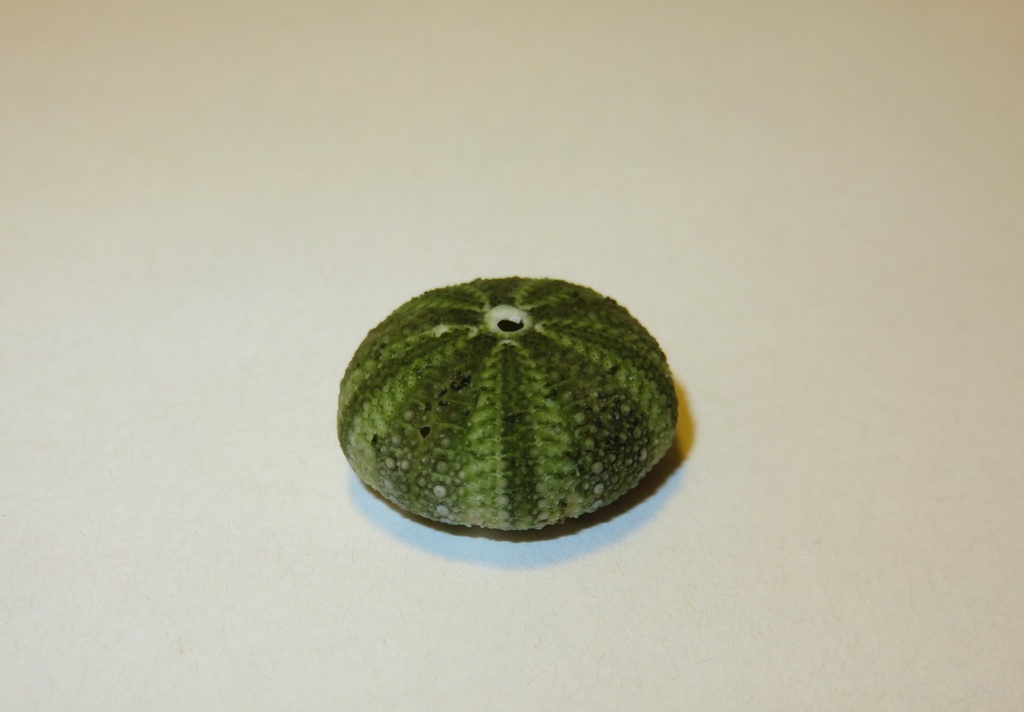
(c) Se Lena, some rights reserved (CC BY) · CC BY · iNaturalist
Names and classification
Names in 2 more languages
- Japanese
- バフンウニ
- Korean
- 말똥성게
Other scientific names: Discaster bernardi, Holopneustes complanatus, Psammechinus pulcherrimus, Sphærechinus pulcherrimus, Strongylocentrotus pulcherrimus
Sources and credits
Names and taxonomy: WoRMS (CC BY 4.0) and the GBIF Backbone (CC BY 4.0). Photos: iNaturalist observers, each under the licence shown (CC0, CC BY or CC BY-SA).
- Depth, temperature, months and maps: records from OBIS and GBIF under CC0 or CC BY.
- Descriptions: Wikipedia, licensed CC BY-SA, each linked to its article.
- Conservation status as published by GBIF (IUCN Red List).
- 499 open-data records from 1906 to 2020.
- Species data updated November 3, 2026.
Log what you see on your next dive
The free DiveHive diver app keeps your logbook with every sighting and shows what lives at the site you dive next.