
Adelaide's Weedfish
Heteroclinus adelaidae
- Usual depth1–6 m
- Water temperature13–22 °C
- Best monthsApril and December
- How commonRare
About this species
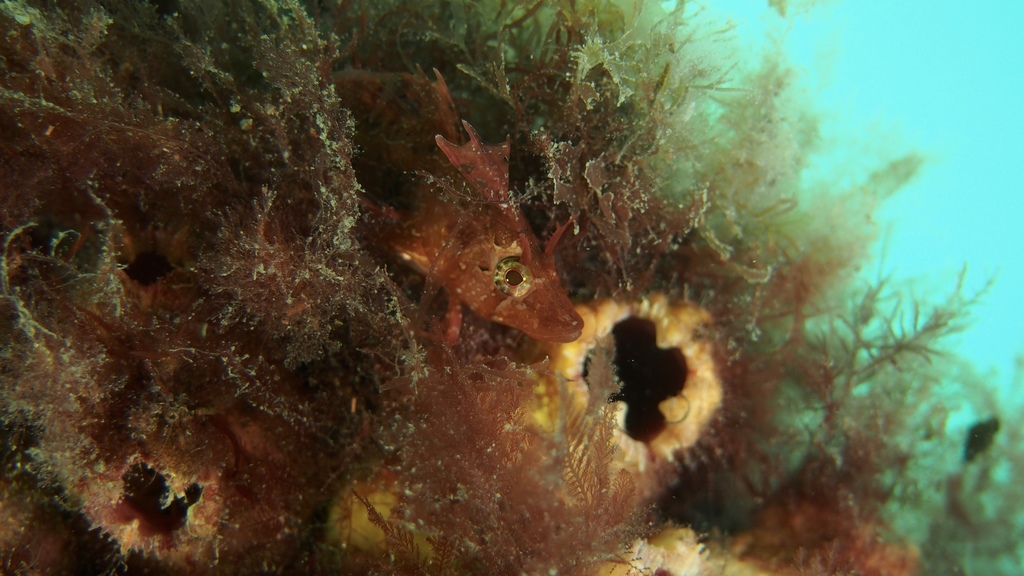
Heteroclinus adelaidae, the Adelaide's weedfish, is a species of clinid that occurs in the Indo-Pacific waters around southern Australia. It prefers weedy habitats like seagrass beds, weedy reefs, and silty areas down to a depth of about 15 metres (49 ft) where it feeds on benthic animals. This species can reach a maximum length of 9 centimetres (3.5 in) TL.
Text from the Wikipedia article “Heteroclinus adelaidae”, licensed CC BY-SA 4.0. Read the article
Where and when
Where it has been recorded
Worldwide
Loading the map
Best months
Worldwide (open data)
- January: 23 records
- February: 20 records
- March: 26 records
- April: 47 records
- May: 10 records
- June: 14 records
- July: 2 records
- August: 5 records
- September: 4 records
- October: 8 records
- November: 25 records
- December: 43 records
Depth and water temperature
Depth
Mostly recorded at 1–6 m · Deepest record: 14.5 m
Water temperature
Recorded in surface water of 13–22 °C
Names and classification
- English
- Adelaide's Weedfish, Adelaide Weedfish, Phillips Weedfish
Other scientific names: Cristiceps phillipi
Similar species
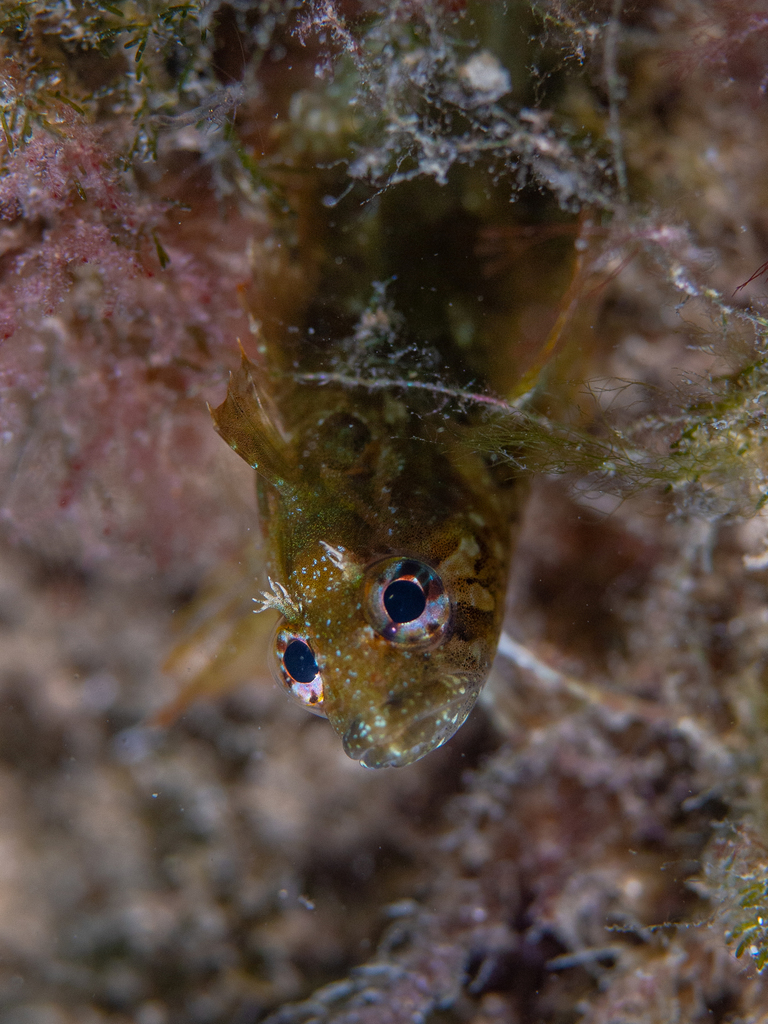 Common Weedfish
Heteroclinus perspicillatus
 Common Weedfish
Heteroclinus heptaeolus
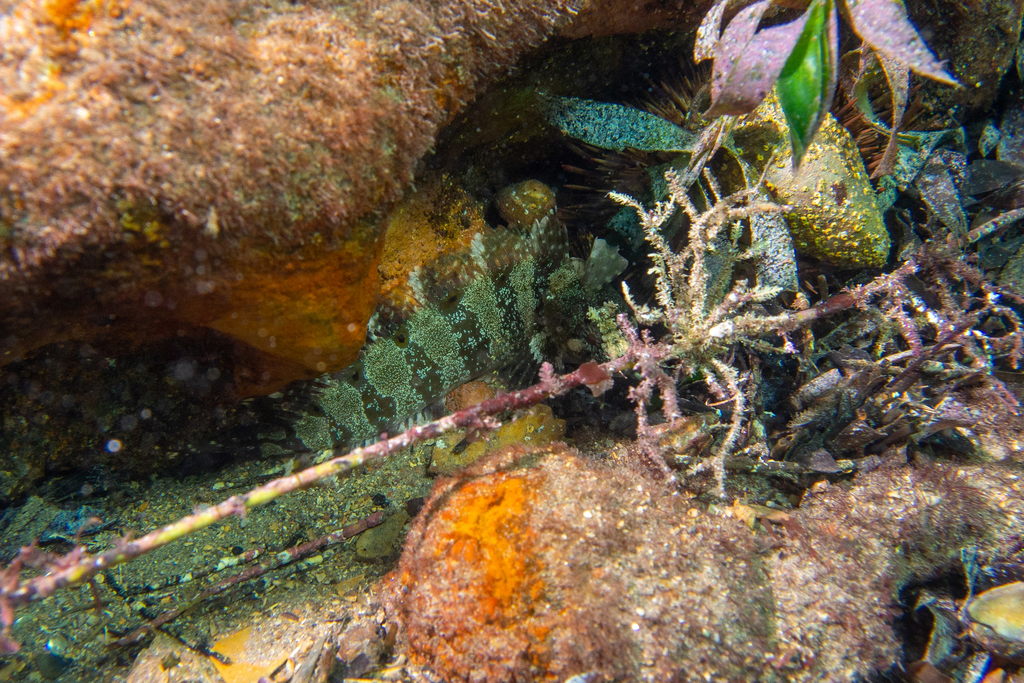 Johnston's Weedfish
Heteroclinus johnstoni
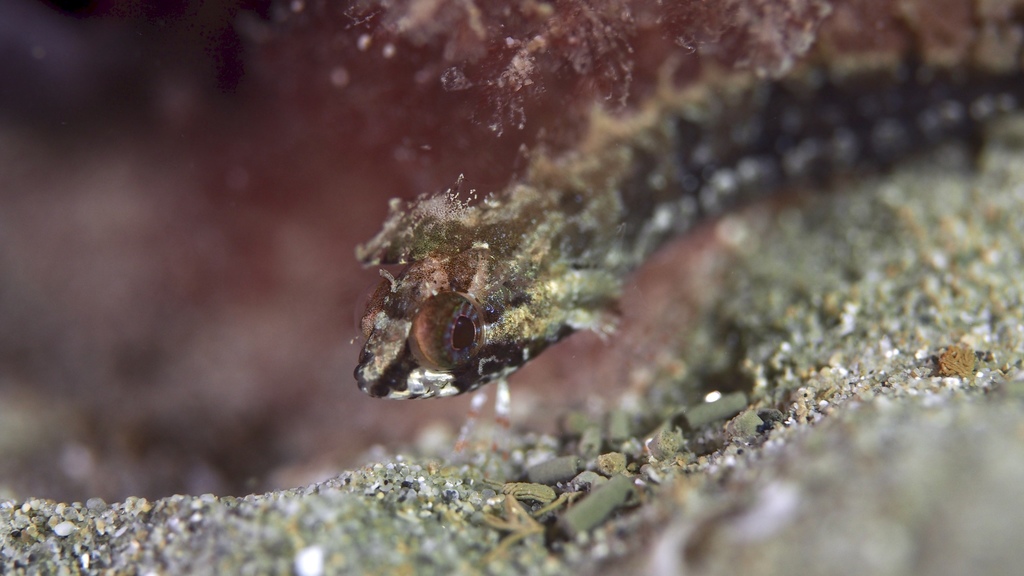 Kuiters Weedfish
Heteroclinus kuiteri
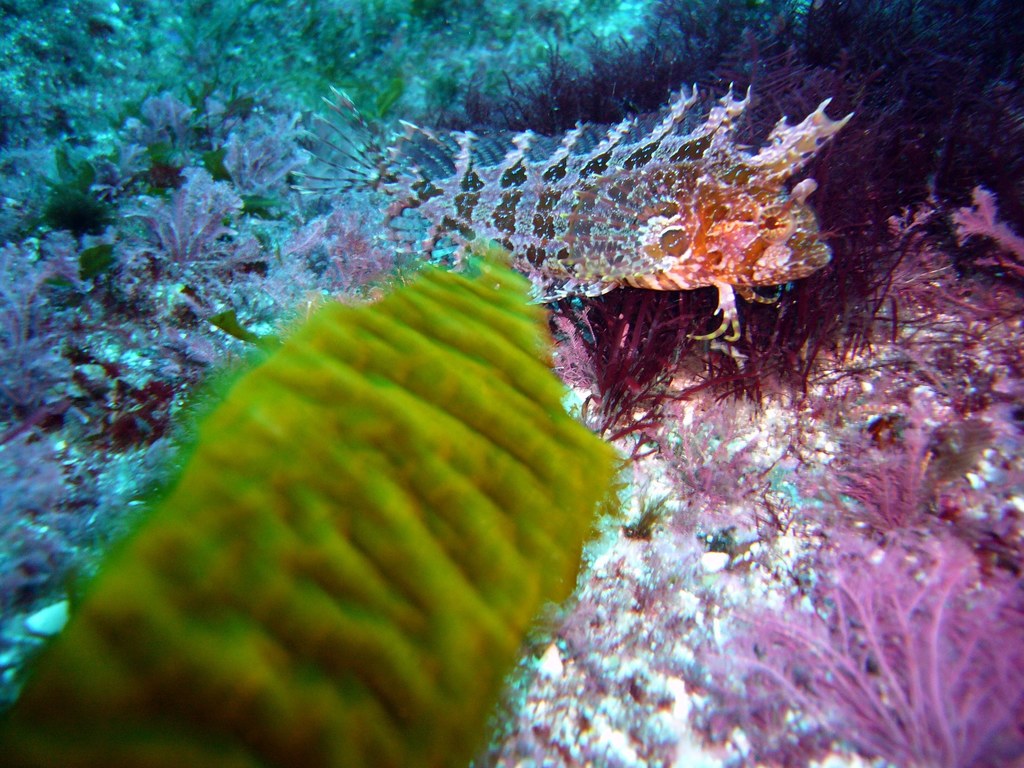 Rosy weedfish
Heteroclinus roseus
 Forster's Weedfish
Heteroclinus tristis
Sources and credits
Names and taxonomy: WoRMS (CC BY 4.0) and the GBIF Backbone (CC BY 4.0). Photos: iNaturalist observers, each under the licence shown (CC0, CC BY or CC BY-SA).
- Depth, temperature, months and maps: records from OBIS and GBIF under CC0 or CC BY.
- Descriptions: Wikipedia, licensed CC BY-SA, each linked to its article.
- Conservation status as published by GBIF (IUCN Red List).
- 272 open-data records from 1902 to 2014.
- Species data updated November 3, 2026.
Log what you see on your next dive
The free DiveHive diver app keeps your logbook with every sighting and shows what lives at the site you dive next.