
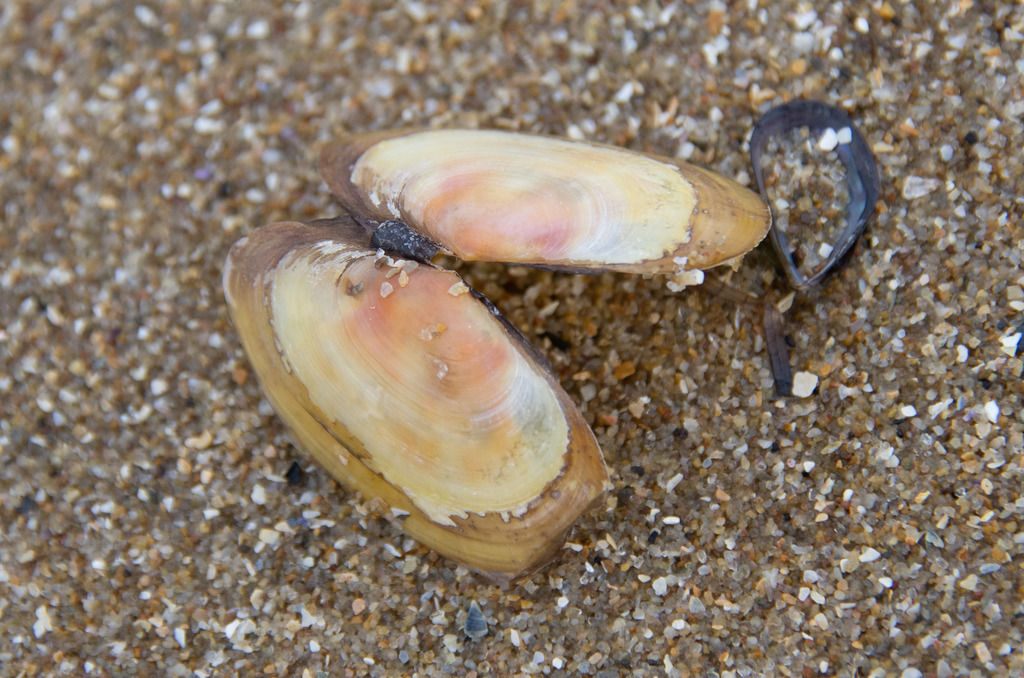
Double-rayed Sunset Clam
Hiatula biradiata
- Usual depth0 m
- Water temperature14–27 °C
- Best monthsSeptember and October
- How commonOccasional
Photo credit: (c) Terra Occ, some rights reserved (CC BY), uploaded by Terra Occ · CC BY · iNaturalist
Where and when
Where it has been recorded
Worldwide
Loading the map
Best months
Worldwide (open data)
- January: 159 records
- February: 96 records
- March: 85 records
- April: 92 records
- May: 85 records
- June: 108 records
- July: 143 records
- August: 188 records
- September: 396 records
- October: 321 records
- November: 146 records
- December: 108 records
Depth and water temperature
Depth
Mostly recorded at 0 m · Deepest record: 3.5 m
Water temperature
Recorded in surface water of 14–27 °C
Photos
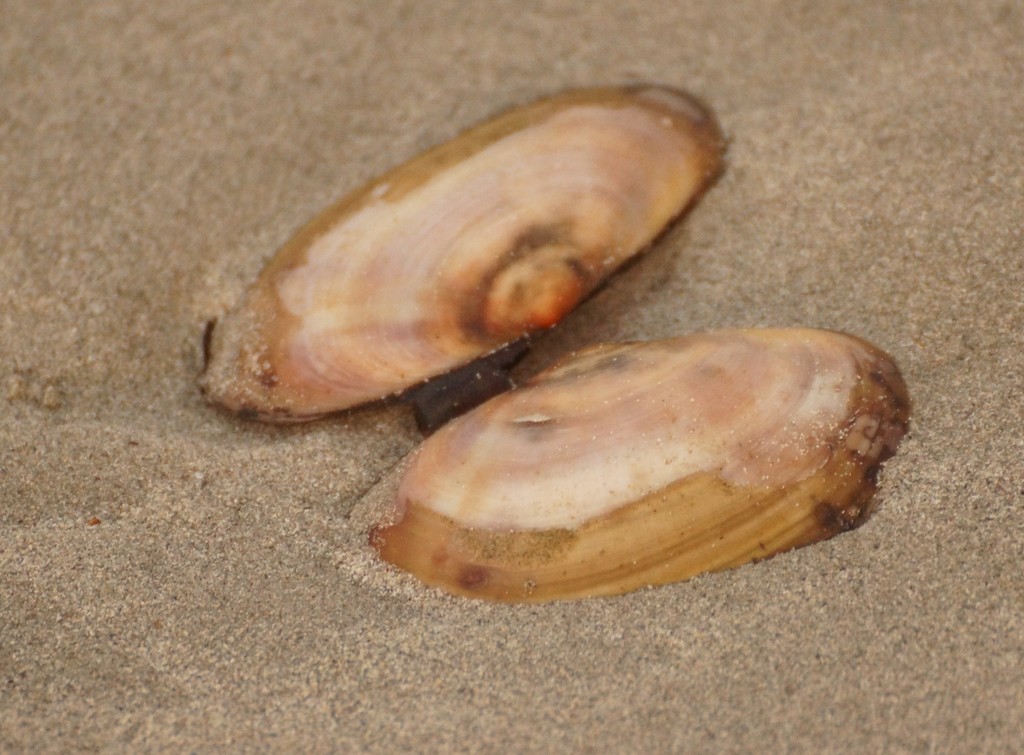
(c) Rod Lowther, some rights reserved (CC BY) · CC BY · iNaturalist 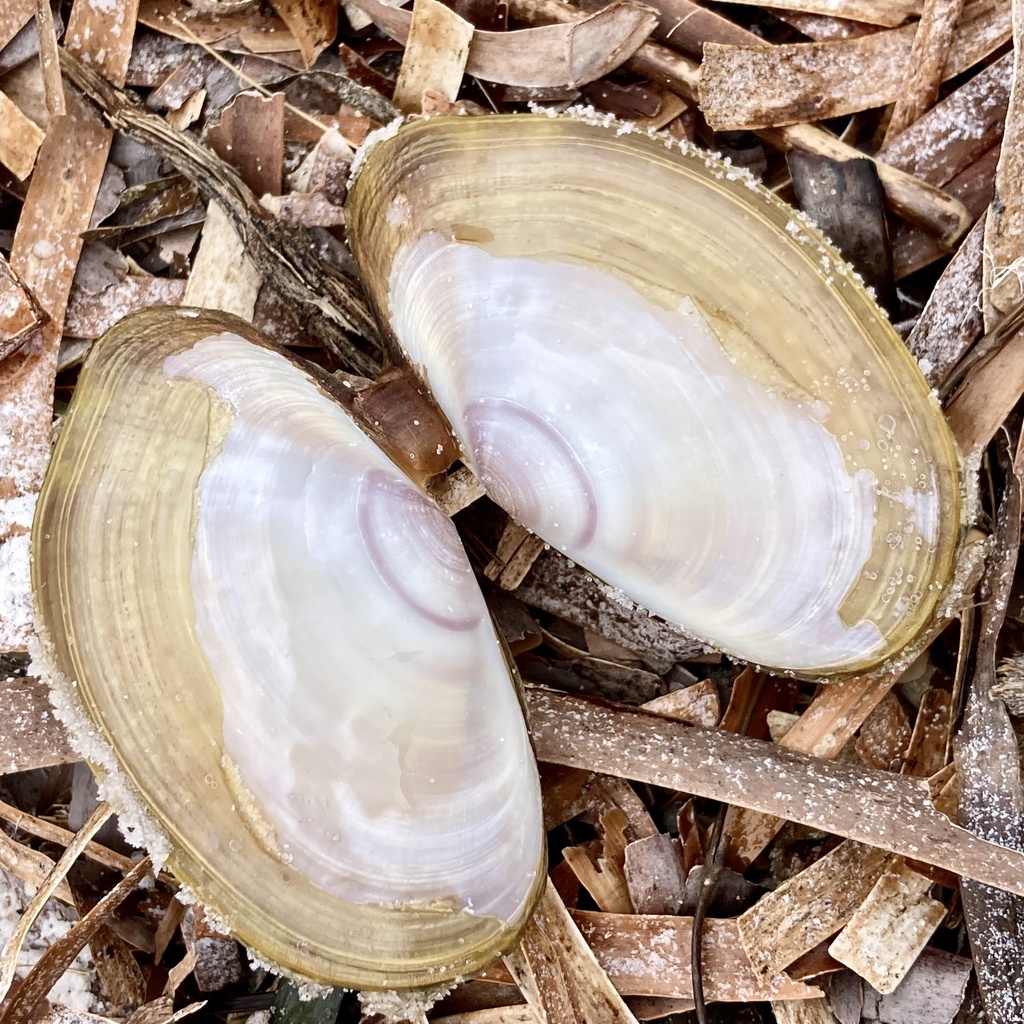
(c) pimelea, some rights reserved (CC BY) · CC BY · iNaturalist 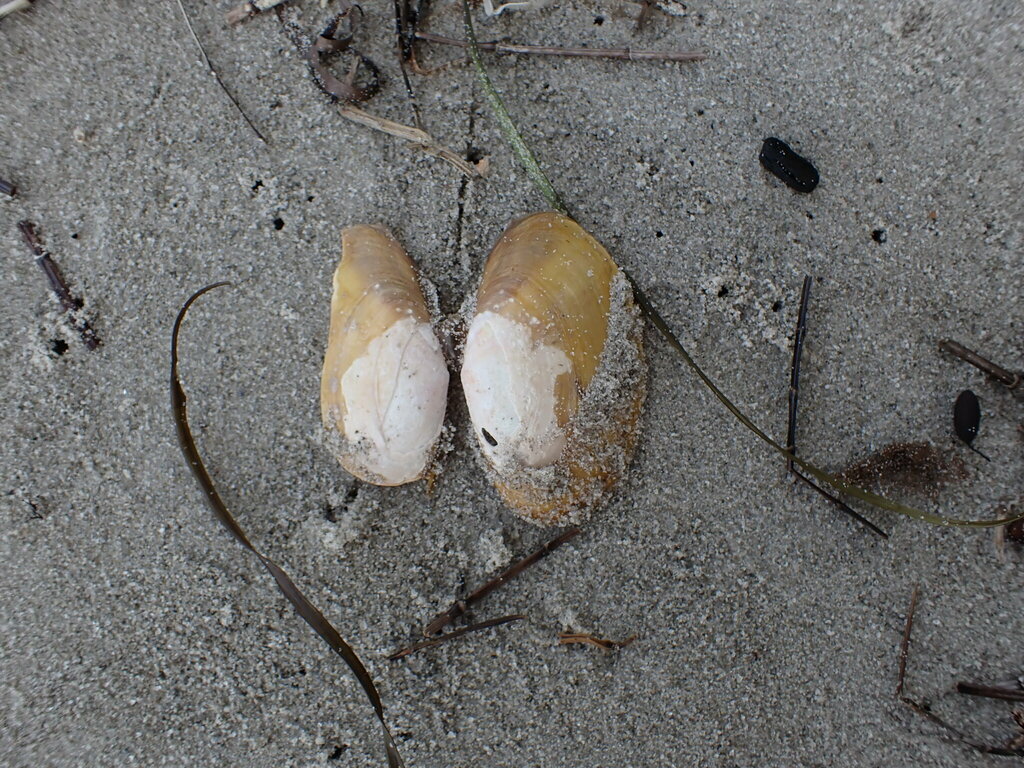
(c) ttsquid, some rights reserved (CC BY) · CC BY · iNaturalist 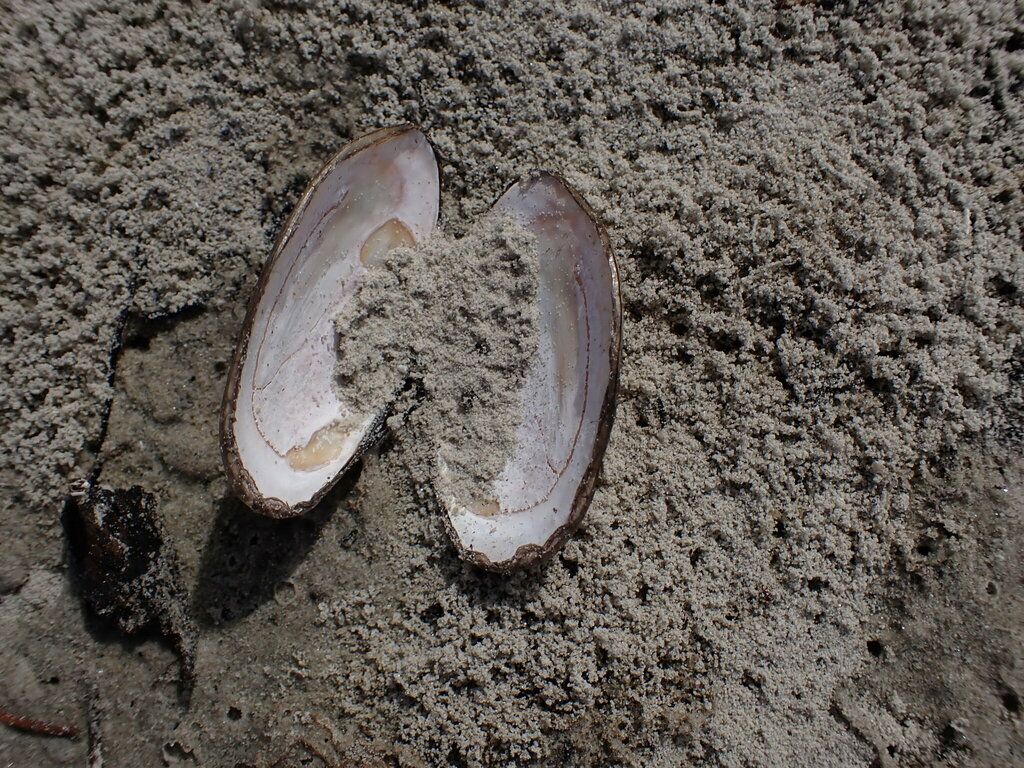
(c) ttsquid, some rights reserved (CC BY) · CC BY · iNaturalist 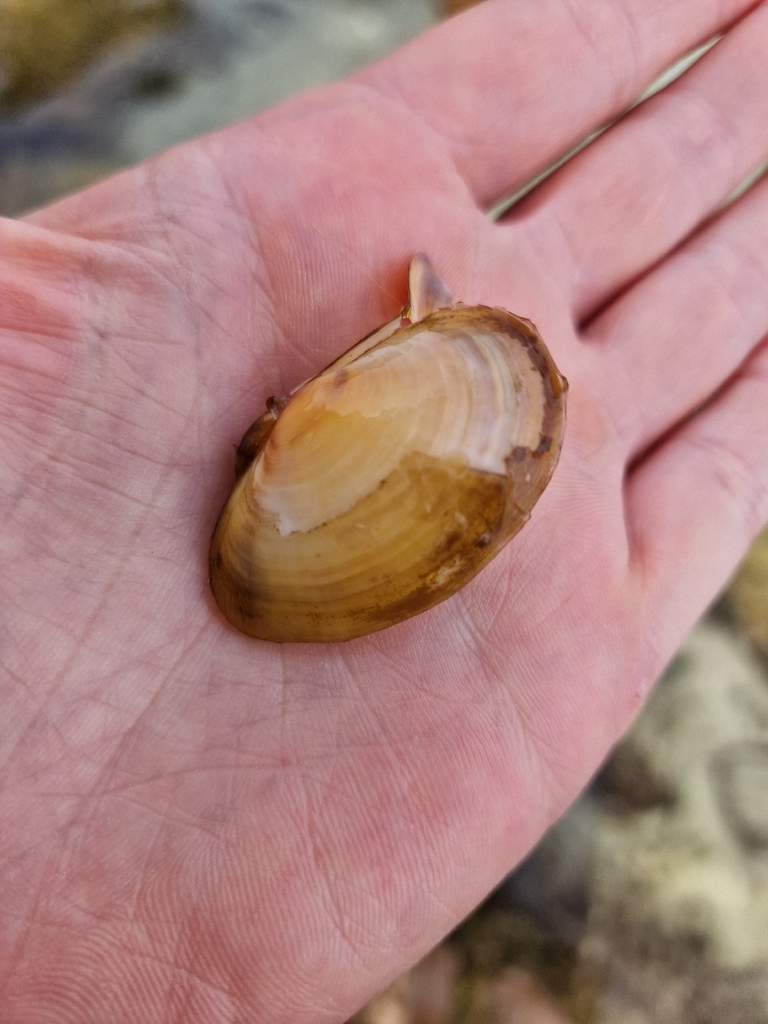
no rights reserved · CC0 1.0 · iNaturalist 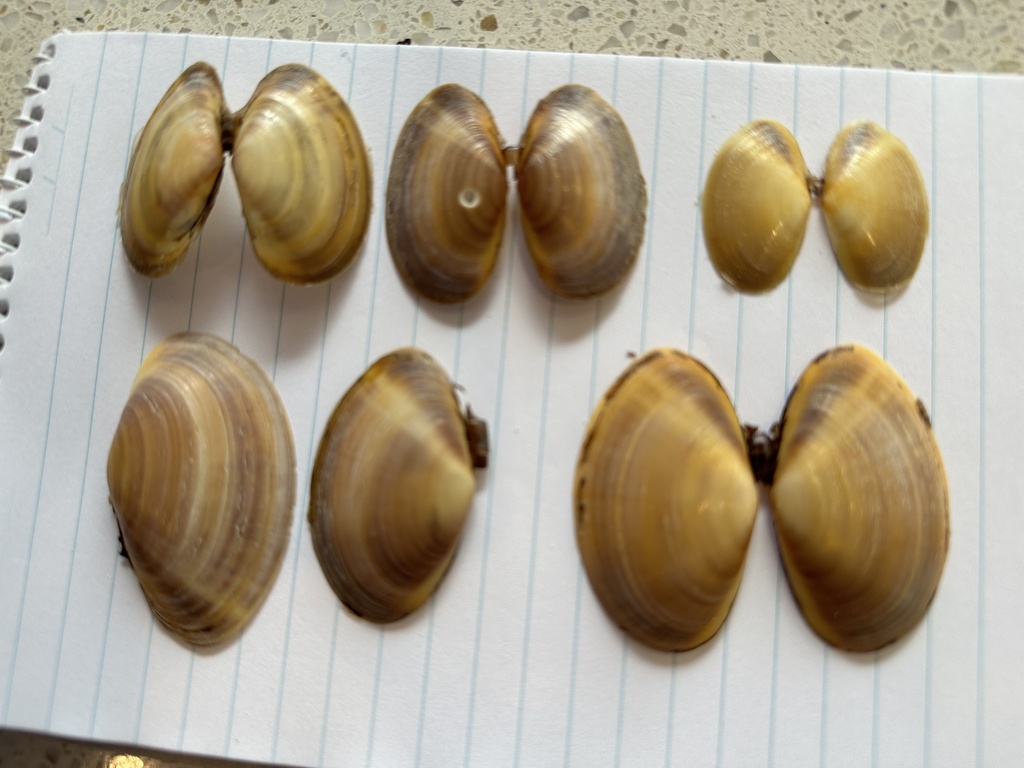
(c) Debra Baker, some rights reserved (CC BY) · CC BY · iNaturalist 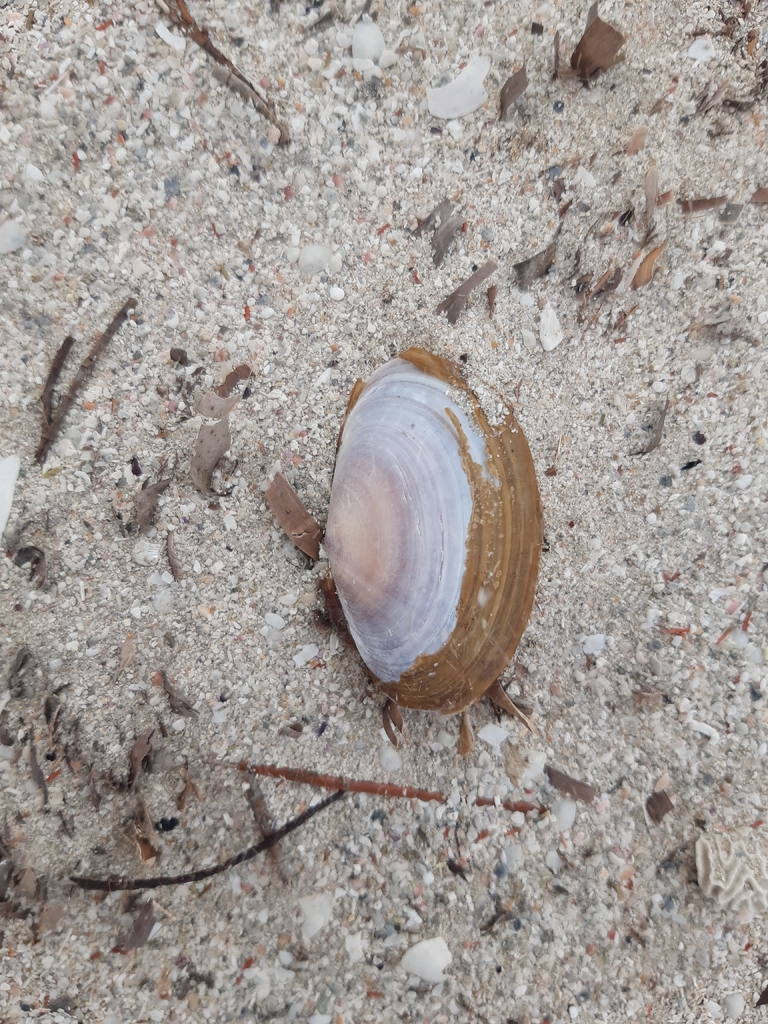
no rights reserved · CC0 1.0 · iNaturalist
Names and classification
- English
- Double-rayed Sunset Clam
Other scientific names: Psammobia flavicans, Sanguinolaria livida, Solen biradiata, Soletellina biradiata, Soletellina epidermia, Soletellina nymphalis
Similar species
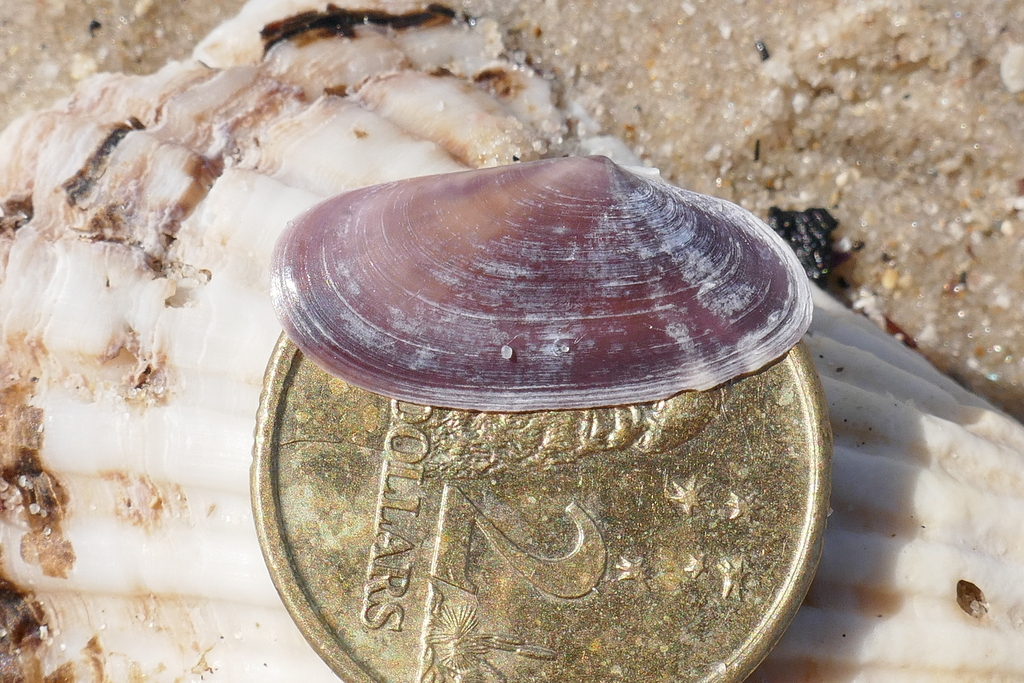 White Sunset-shell
Hiatula alba
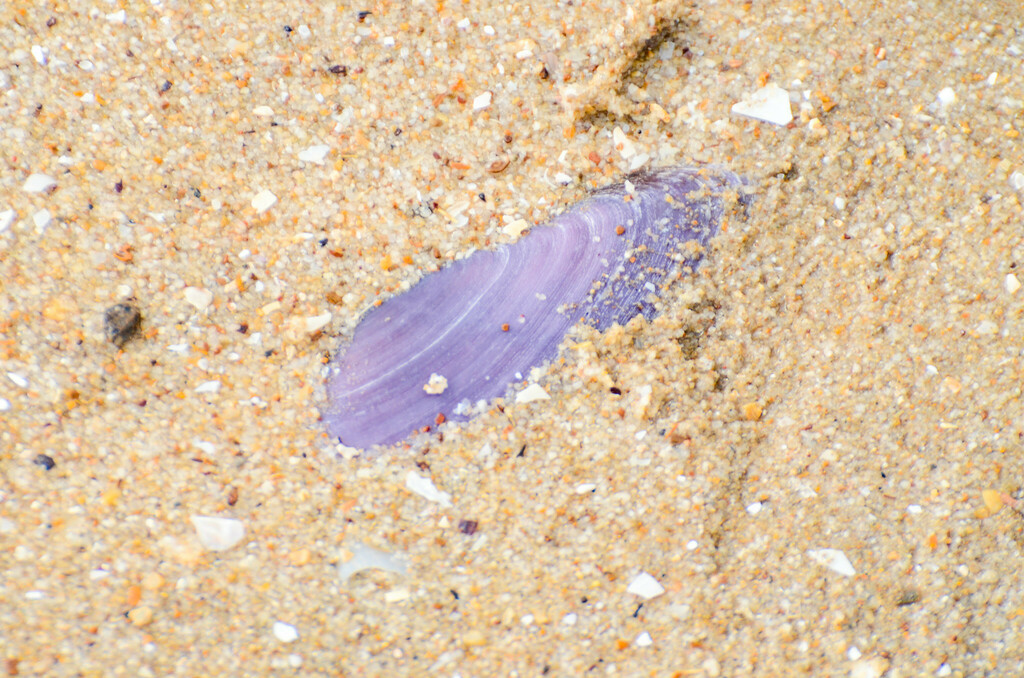 Diphos sanguin
Hiatula diphos
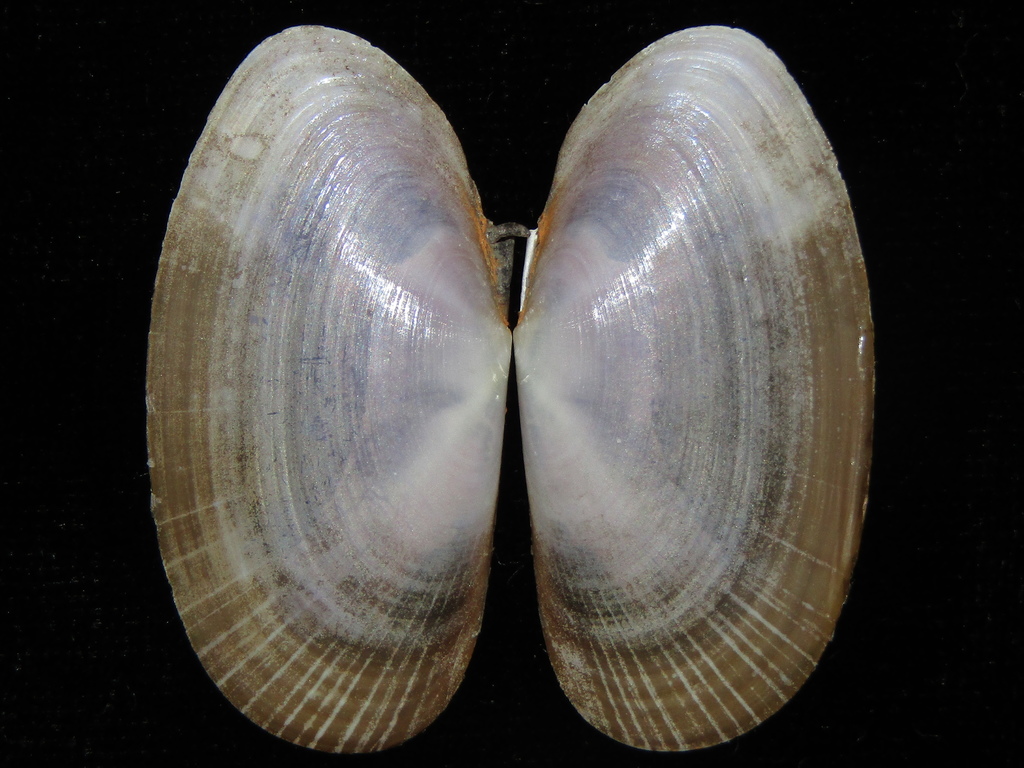 Shining Sunset Shell
Hiatula nitida
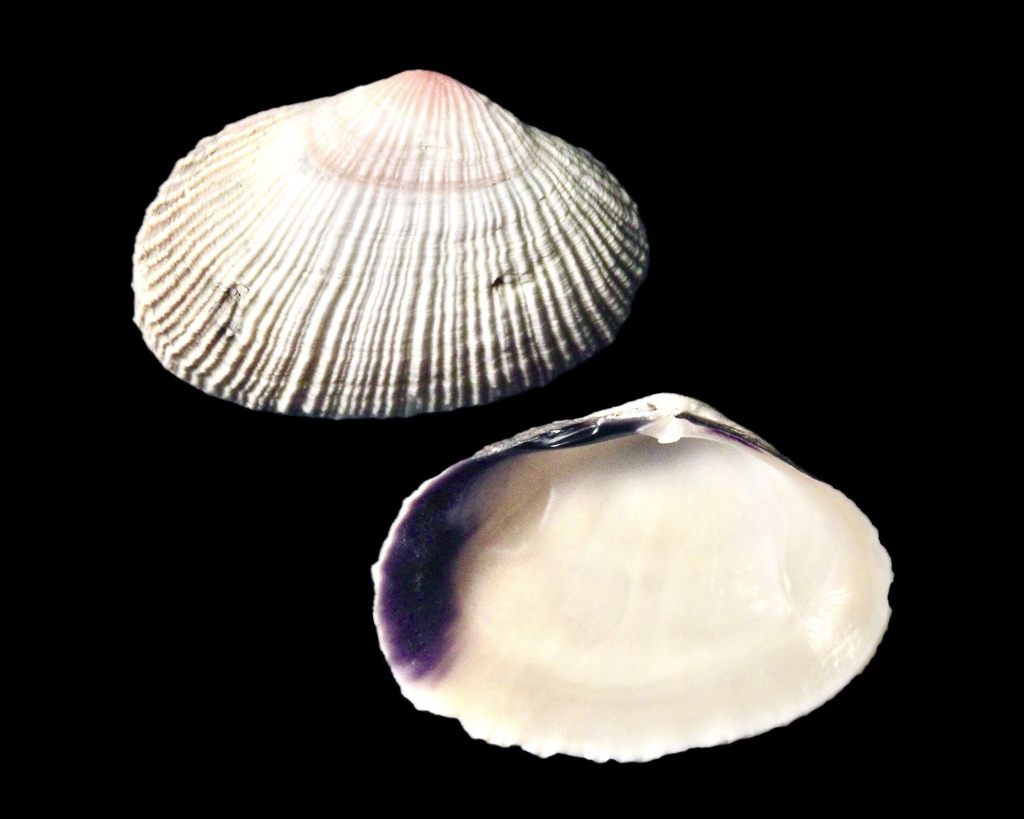 Pacific asaphis
Asaphis violascens
Sources and credits
Names and taxonomy: WoRMS (CC BY 4.0) and the GBIF Backbone (CC BY 4.0). Photos: iNaturalist observers, each under the licence shown (CC0, CC BY or CC BY-SA).
- Depth, temperature, months and maps: records from OBIS and GBIF under CC0 or CC BY.
- Conservation status as published by GBIF (IUCN Red List).
- 631 open-data records from 1884 to 2014.
- Species data updated November 3, 2026.
Log what you see on your next dive
The free DiveHive diver app keeps your logbook with every sighting and shows what lives at the site you dive next.