

DiscoverSpeciesSharks and rays
Australian Whipray
Himantura australis
- Usual depth2 m
- Water temperature25–30 °C
- Best monthsJanuary, February, and September
- How commonOccasional
Photo credit: (c) Noah Kirkland, some rights reserved (CC BY) · CC BY · iNaturalist
About this species
Himantura australis, the Australian whipray, is a type of whiptail stingray found mainly in Australia and south of New Guinea island. This species is a minor bycatch and usually released back to ocean by Australian trawlers, although it might be retained for human consumption by the New Guinean locals.
Text from the Wikipedia article “Himantura australis”, licensed CC BY-SA 4.0. Read the article
Where and when
Where it has been recorded
Worldwide
Loading the map
Best months
Worldwide (open data)
- January: 262 records
- February: 195 records
- March: 175 records
- April: 168 records
- May: 118 records
- June: 146 records
- July: 140 records
- August: 134 records
- September: 184 records
- October: 142 records
- November: 117 records
- December: 139 records
Depth and water temperature
Depth
Mostly recorded at 2 m · Deepest record: 43 m
Water temperature
Recorded in surface water of 25–30 °C
Photos
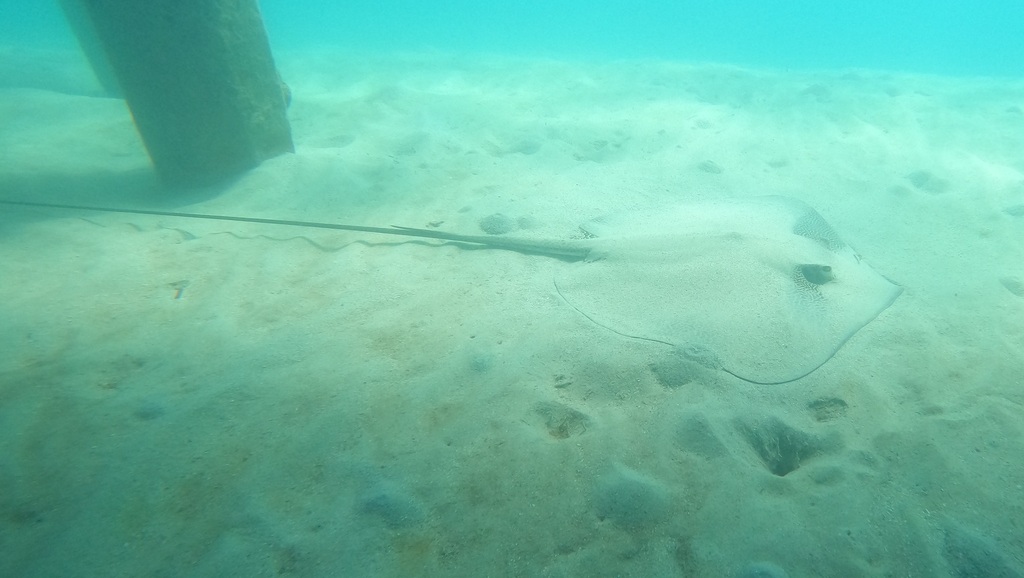
(c) Tim, some rights reserved (CC BY) · CC BY · iNaturalist 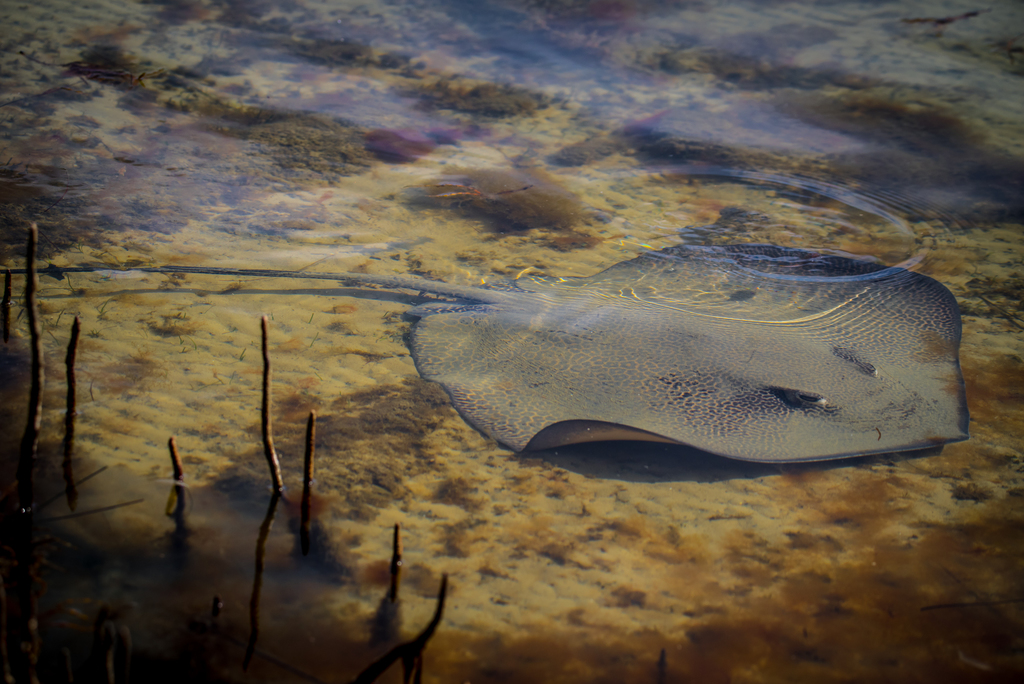
(c) Bruce Cathie, some rights reserved (CC BY) · CC BY · iNaturalist 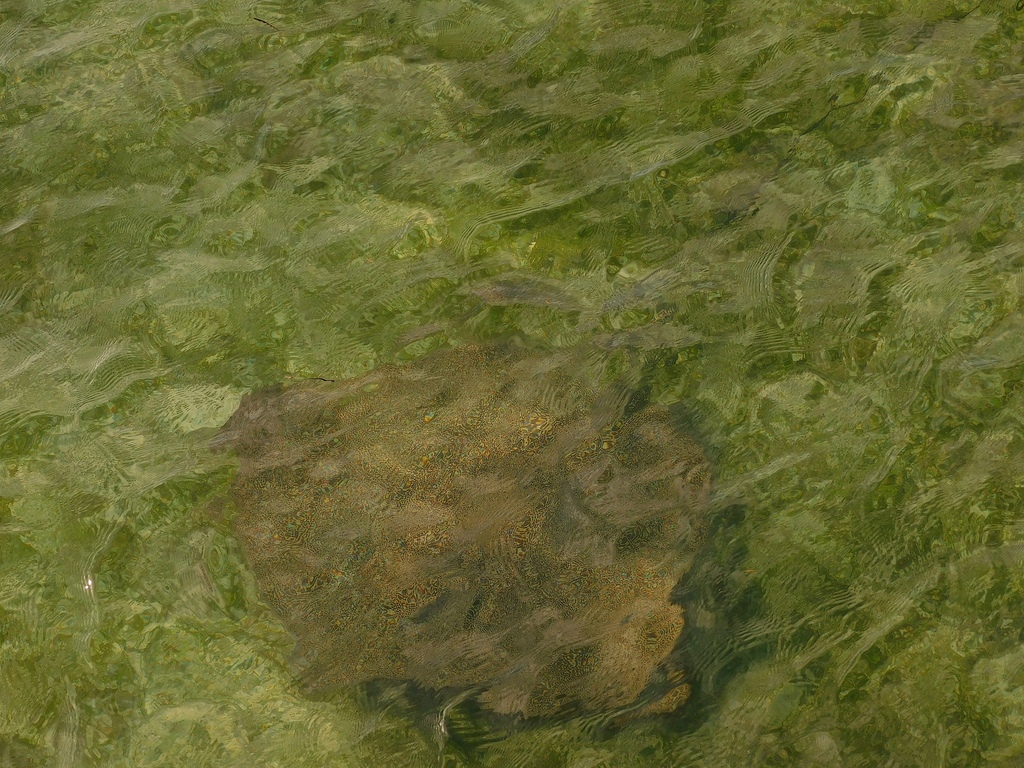
no rights reserved · CC0 1.0 · iNaturalist 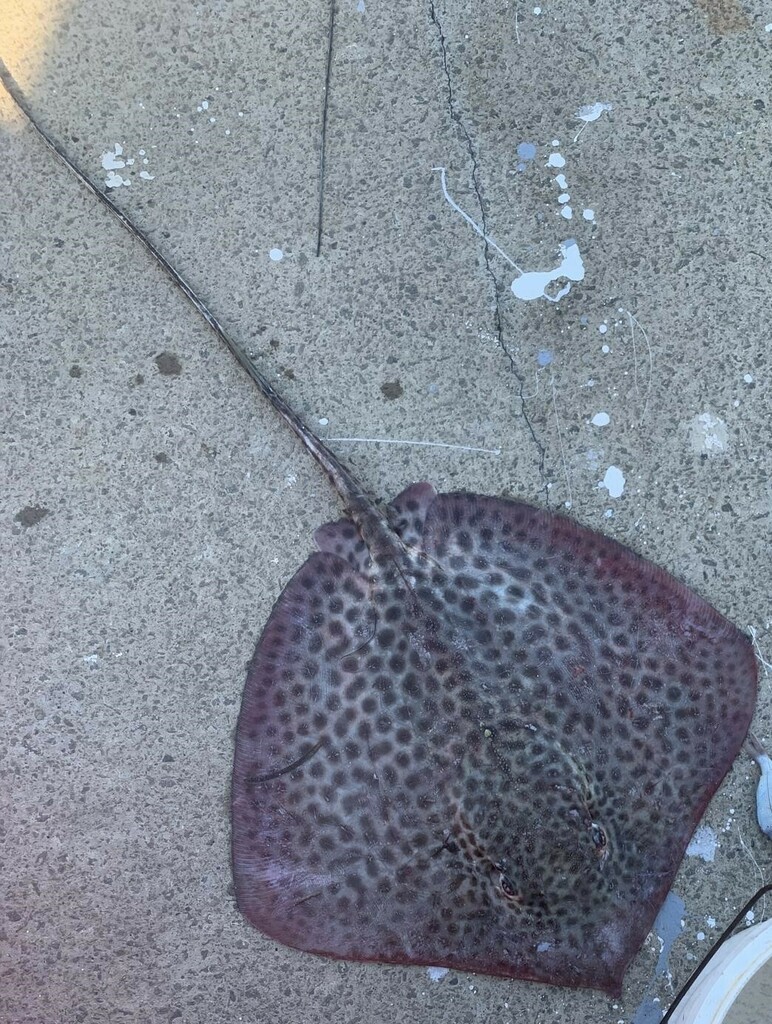
(c) James H, some rights reserved (CC BY) · CC BY · iNaturalist 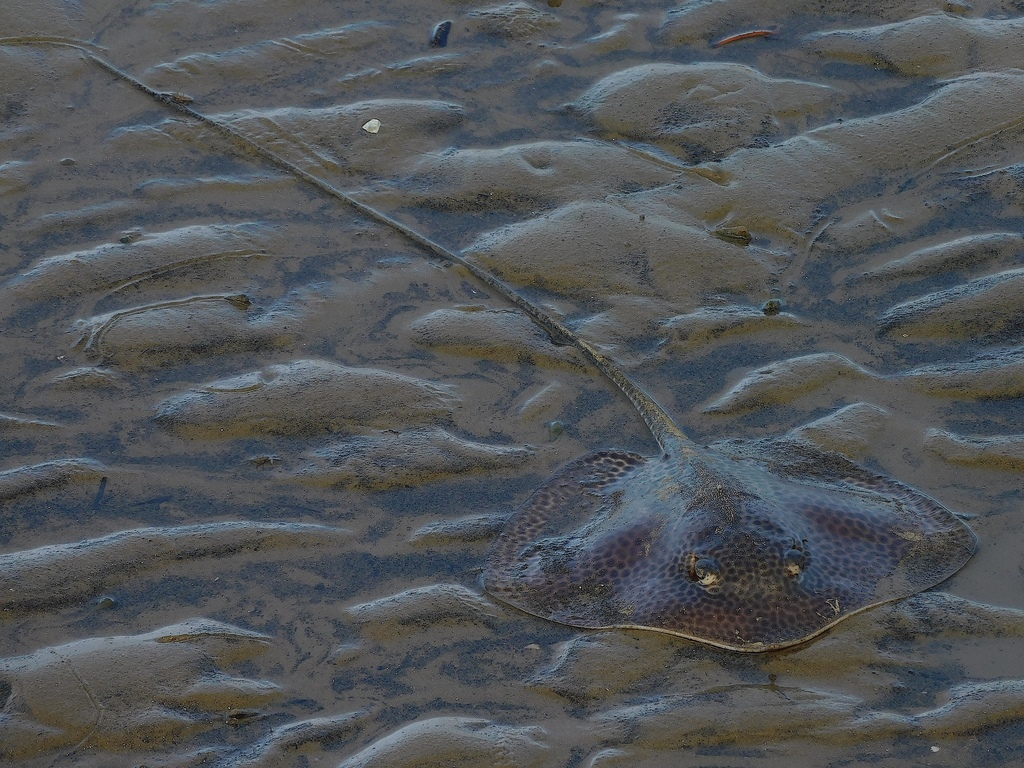
no rights reserved · CC0 1.0 · iNaturalist 
(c) Luke Lythgoe, some rights reserved (CC BY) · CC BY · iNaturalist 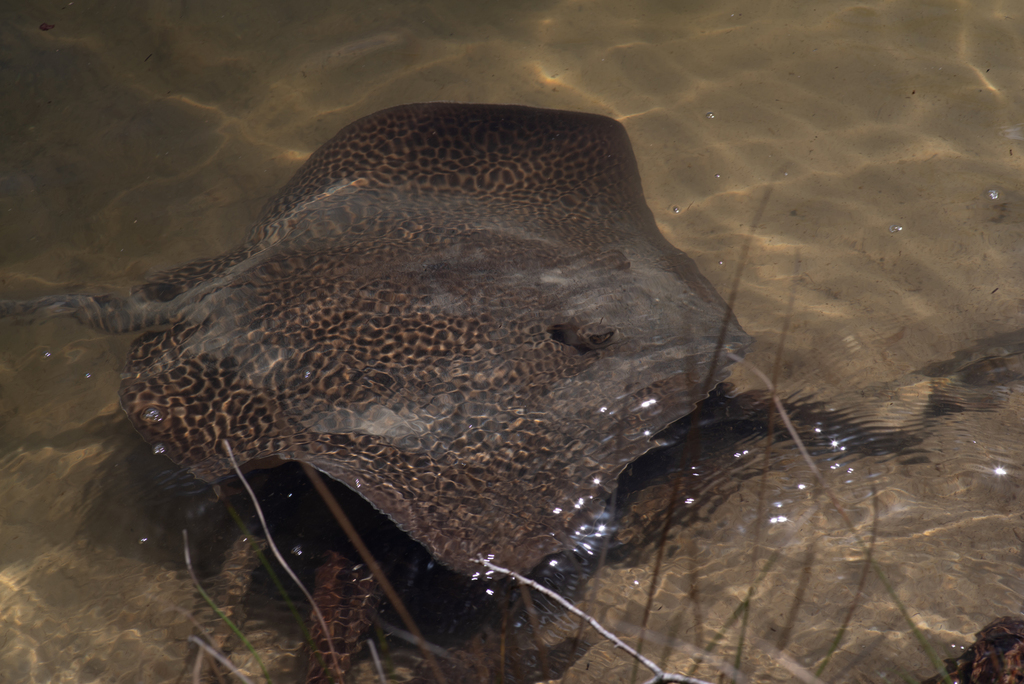
(c) Bruce Cathie, some rights reserved (CC BY) · CC BY · iNaturalist
Names and classification
- English
- Australian Whipray, Reticulated Whipray, Reticulate Whipray
Names in 1 more languages
- Japanese
- ゴウシュウオトメエイ
Similar species
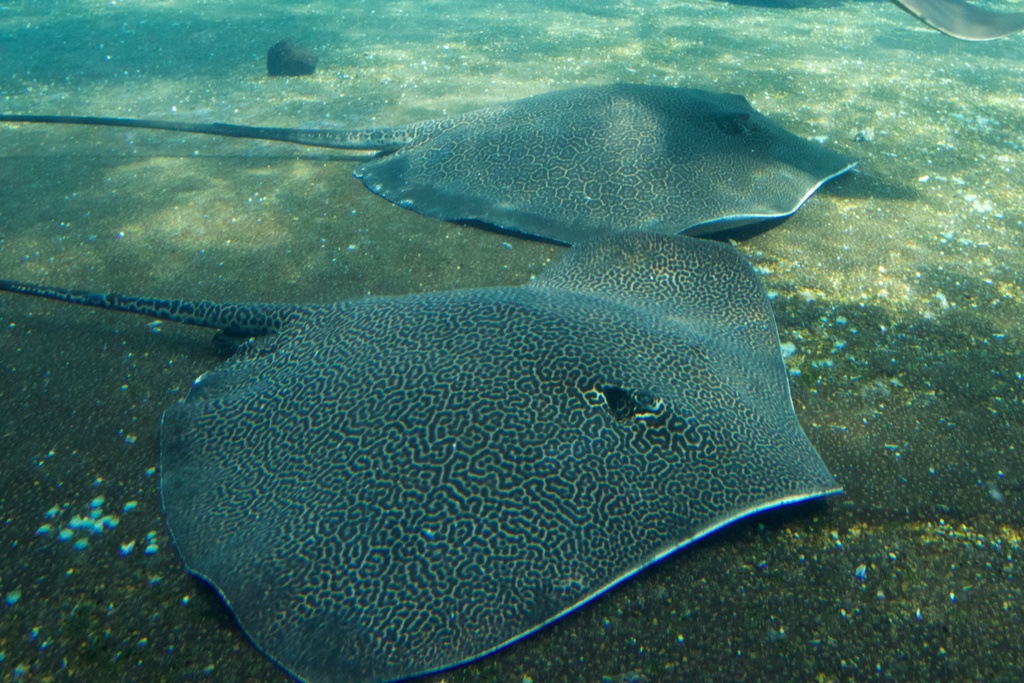 Honeycomb stingray
Himantura uarnak
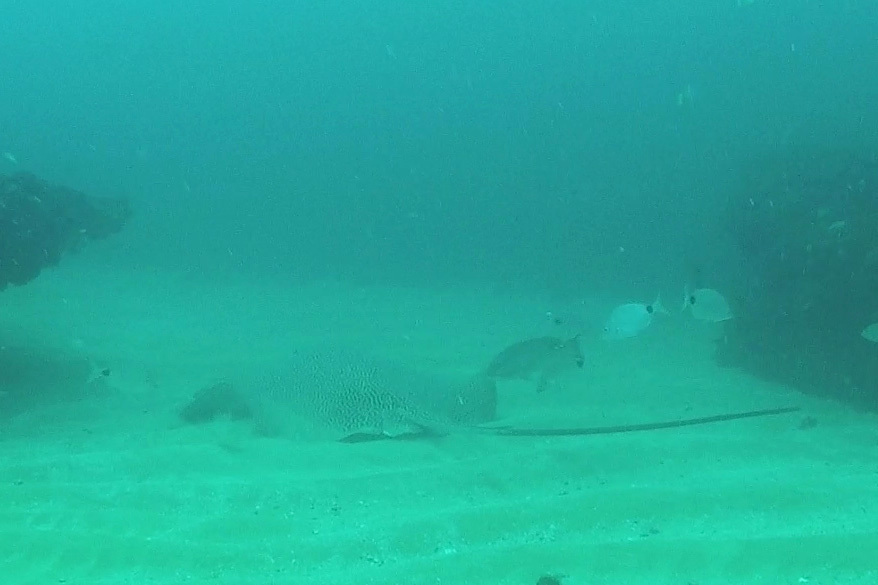 Leopard Whipray
Himantura leoparda
- honeycomb whipray
Himantura fava
- Blackedge Whipray
Himantura marginata
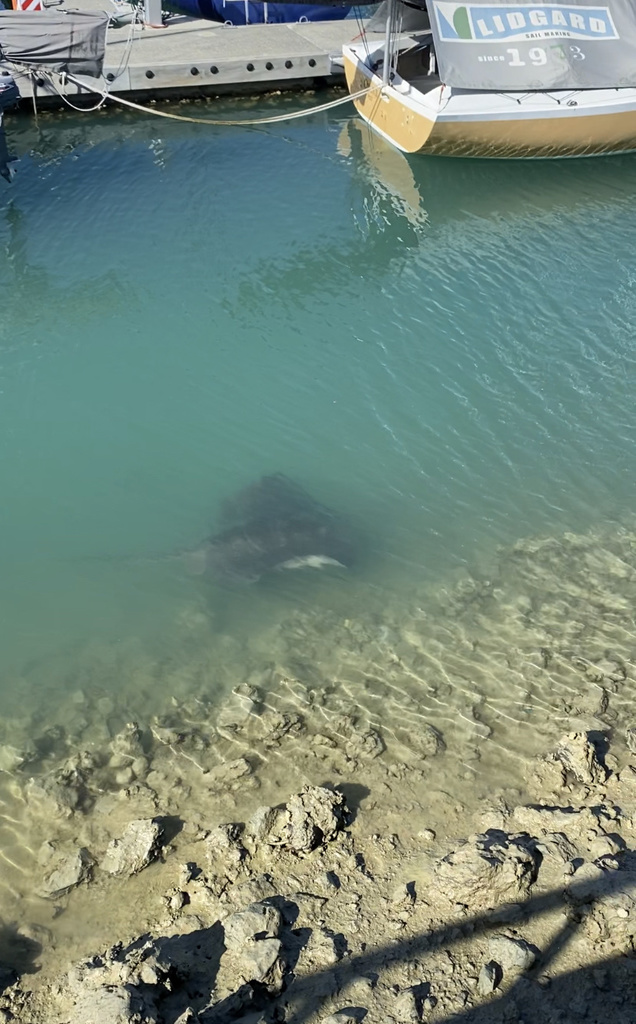 Bathytoshia matsubarai
Bathytoshia brevicaudata
Sources and credits
Names and taxonomy: WoRMS (CC BY 4.0) and the GBIF Backbone (CC BY 4.0). Photos: iNaturalist observers, each under the licence shown (CC0, CC BY or CC BY-SA).
- Depth, temperature, months and maps: records from OBIS and GBIF under CC0 or CC BY.
- Descriptions: Wikipedia, licensed CC BY-SA, each linked to its article.
- Conservation status as published by GBIF (IUCN Red List).
- 1,751 open-data records from 1929 to 2016.
- Species data updated November 3, 2026.
Log what you see on your next dive
The free DiveHive diver app keeps your logbook with every sighting and shows what lives at the site you dive next.