
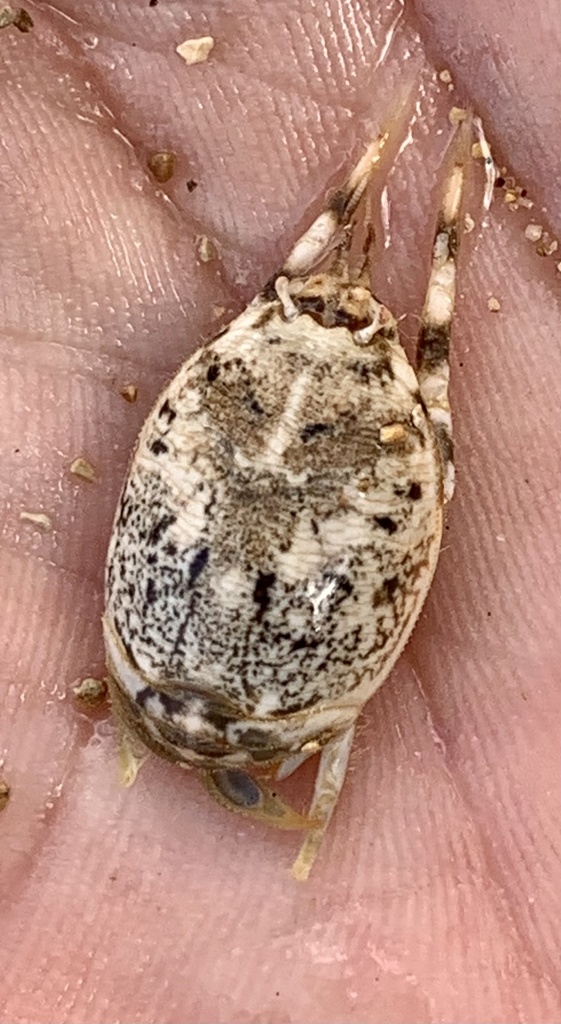
Pacific mole crab
Hippa marmorata
- Usual depth3–13 m
- Water temperature22–29 °C
- Best monthsMay, June, and July
- How commonRare
Photo credit: no rights reserved, uploaded by Scott Loarie · CC0 1.0 · iNaturalist
Where and when
Where it has been recorded
Worldwide
Loading the map
Best months
Worldwide (open data)
- January: 14 records
- February: 10 records
- March: 8 records
- April: 11 records
- May: 24 records
- June: 18 records
- July: 18 records
- August: 18 records
- September: 5 records
- October: 9 records
- November: 9 records
- December: 13 records
Depth and water temperature
Depth
Mostly recorded at 3–13 m · Deepest record: 12.5 m
Water temperature
Recorded in surface water of 22–29 °C
Photos
(c) aross0805, some rights reserved (CC BY) · CC BY · iNaturalist 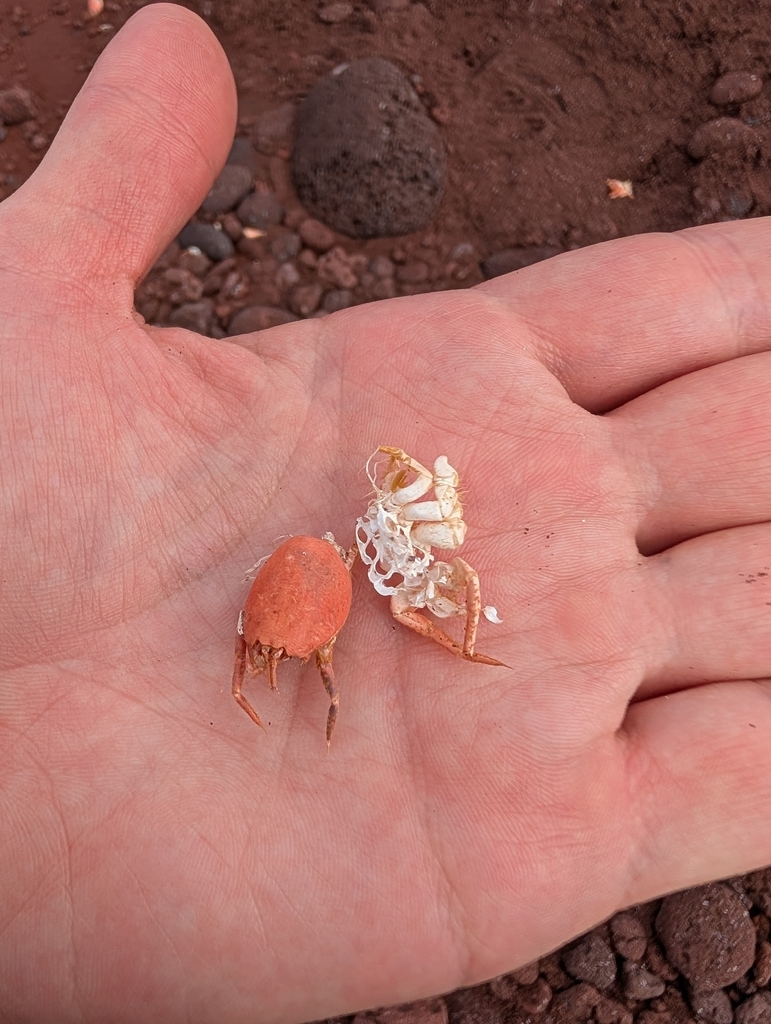
(c) Jacob Saucier, some rights reserved (CC BY) · CC BY · iNaturalist 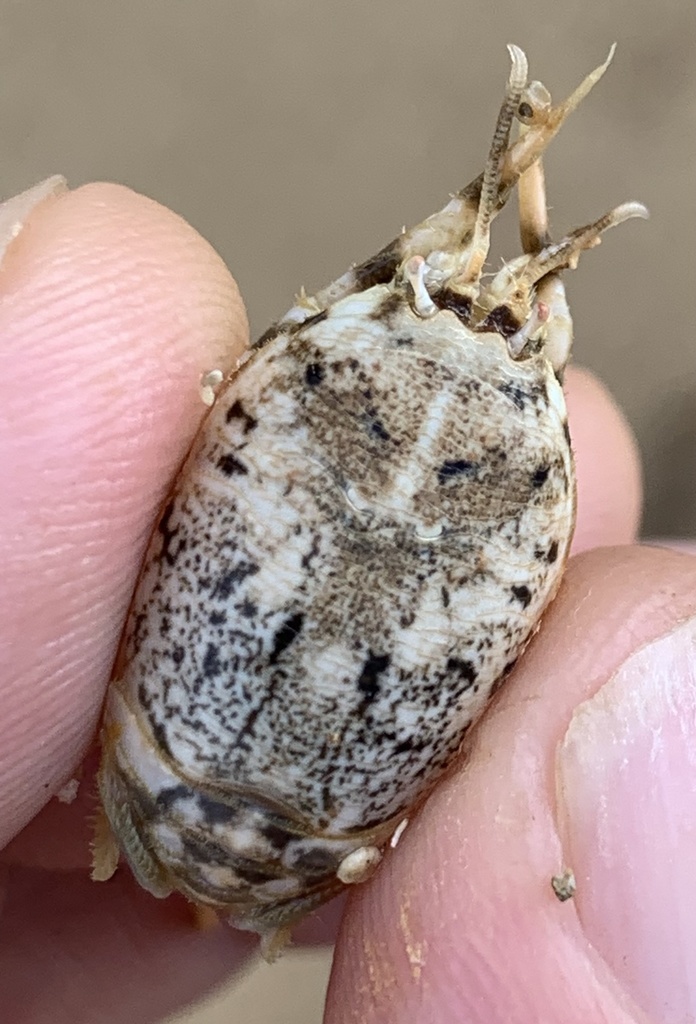
no rights reserved · CC0 1.0 · iNaturalist 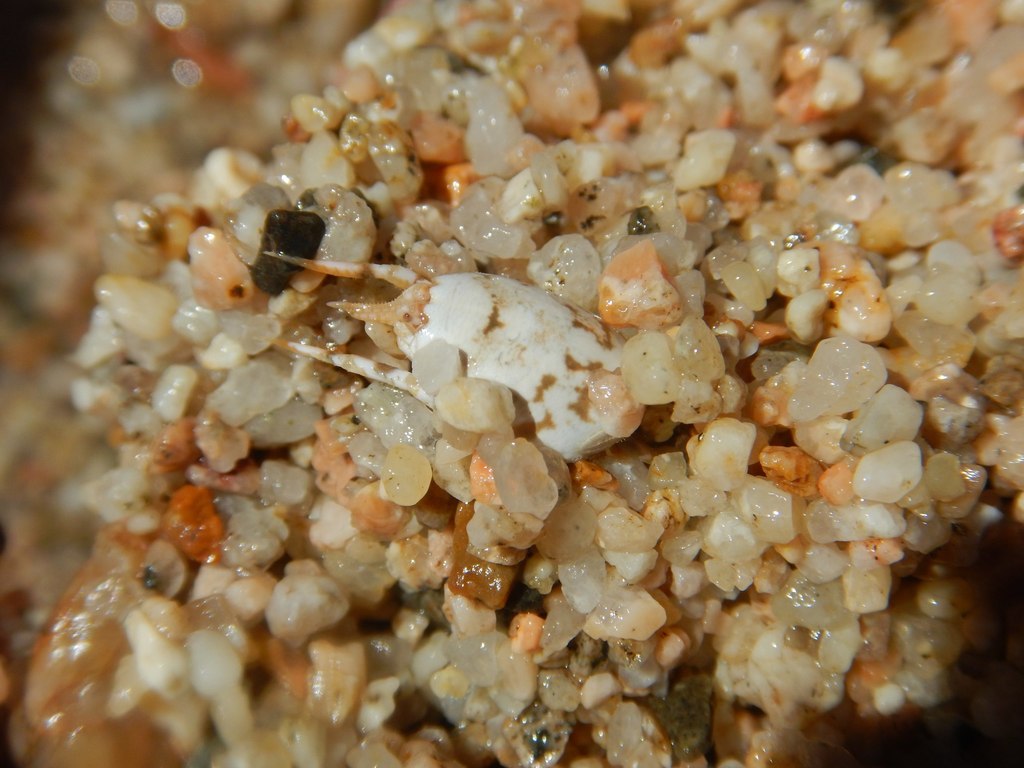
(c) Attila Oláh, some rights reserved (CC BY) · CC BY · iNaturalist 
no rights reserved · CC0 1.0 · iNaturalist 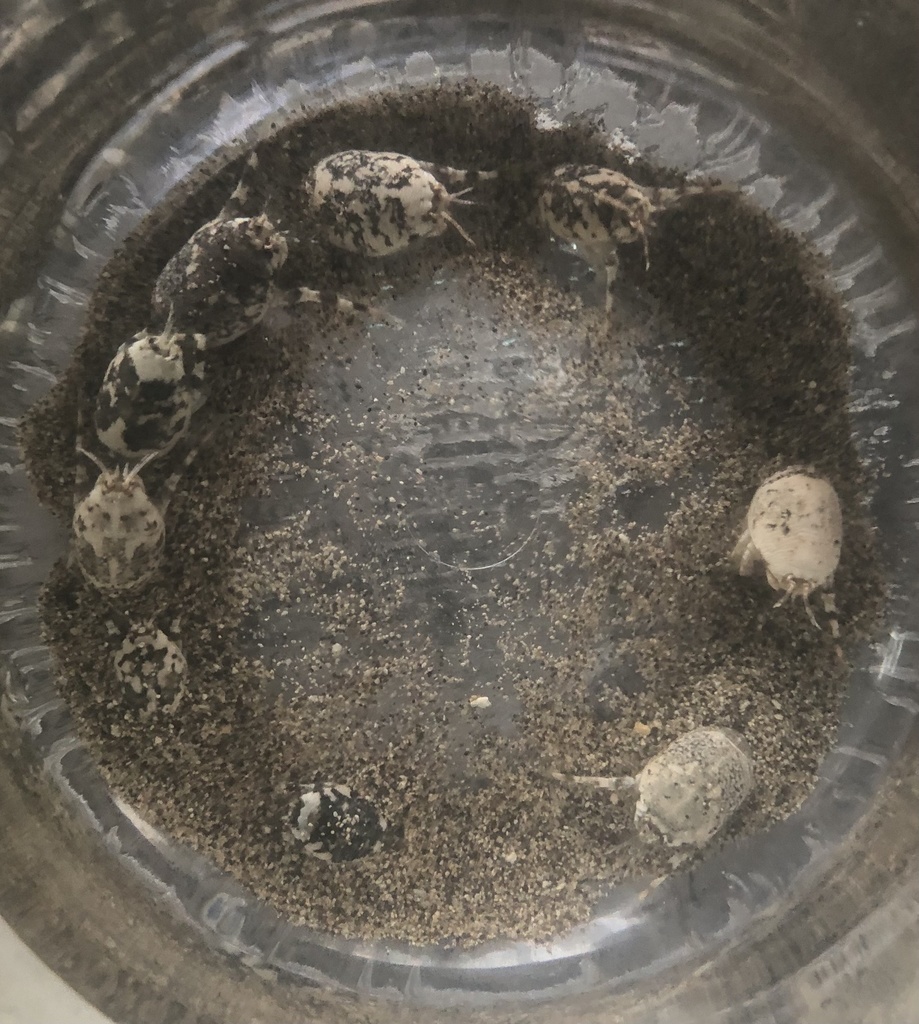
(c) Bert Kimura, some rights reserved (CC BY) · CC BY · iNaturalist 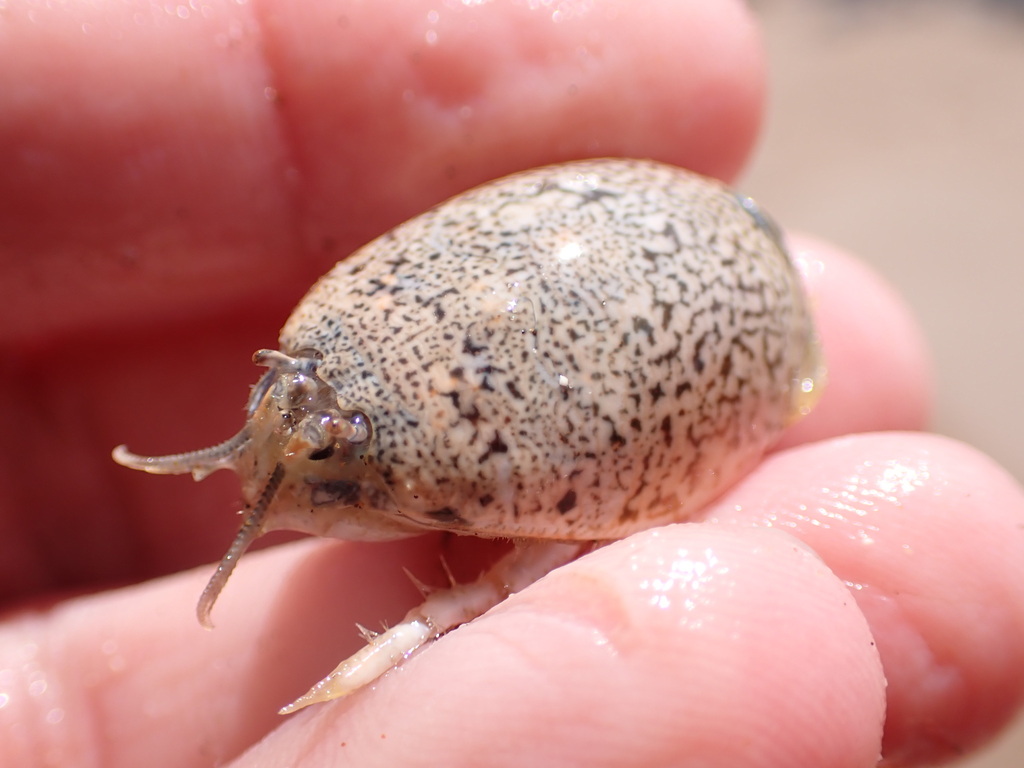
(c) Cricket Raspet, some rights reserved (CC BY) · CC BY · iNaturalist
Names and classification
- English
- Pacific mole crab
Names in 4 more languages
- Spanish
- Cangrejo topo, Cangrejo Topo del Pacífico, Cangrejo topo Manchado oriental
- French
- Crabe taupe du Pacifique
- Japanese
- スナホリガニ
- Simplified Chinese
- 大理石蟬蟹
Other scientific names: Cancer arnoldorum, Hippa pacifica, Remipes marmoratus, Remipes pacificus
Similar species
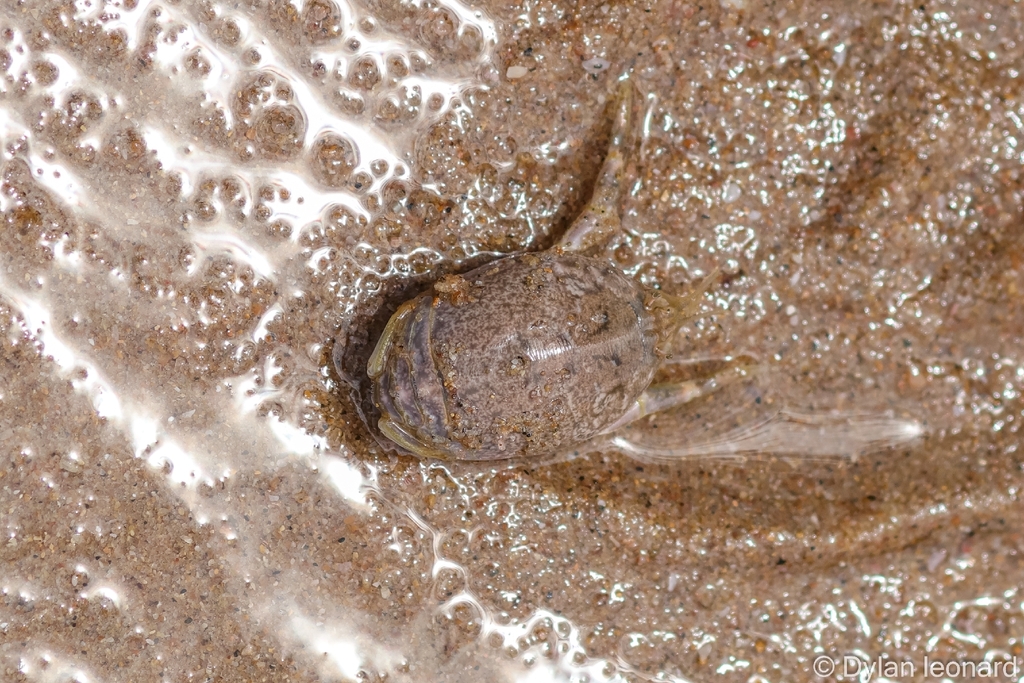
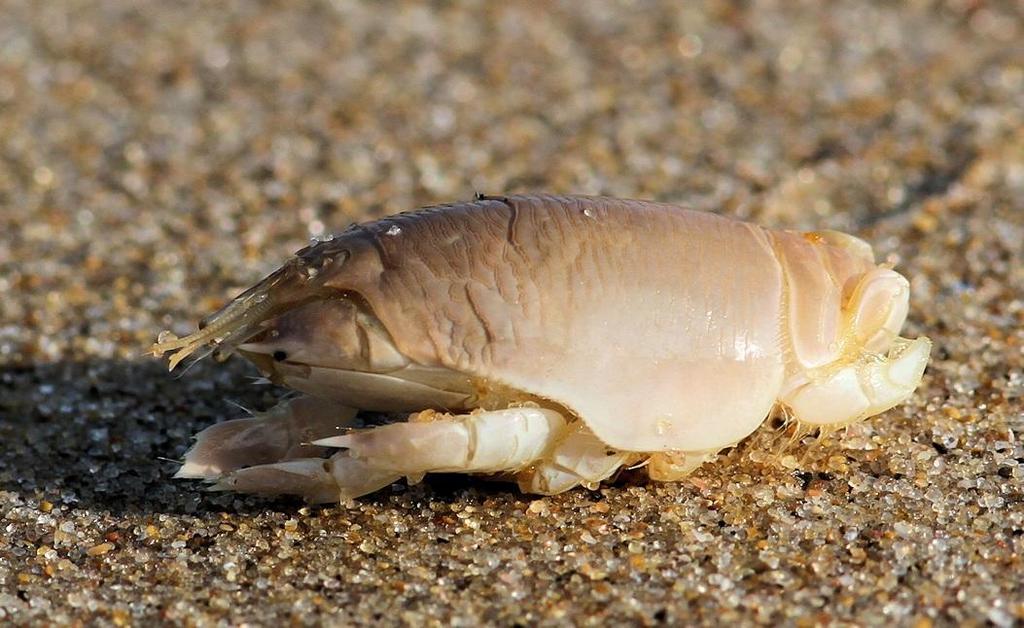 Mole Crab
Emerita austroafricana
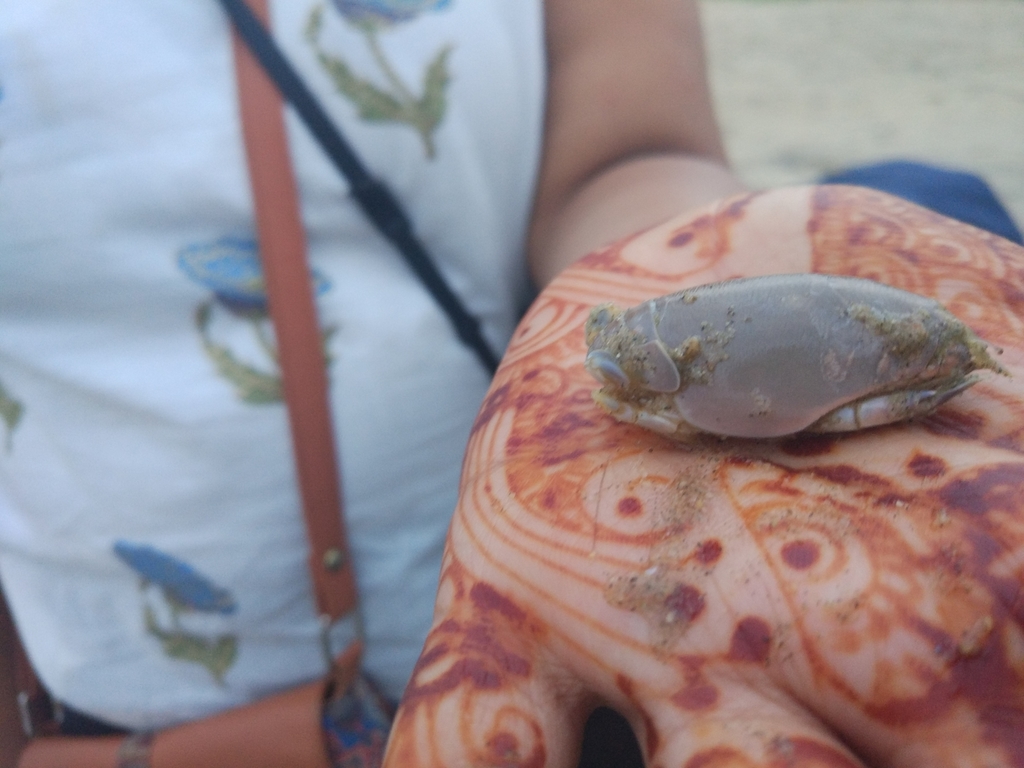 Indonesian Mole Crab
Emerita emeritus
Sources and credits
Names and taxonomy: WoRMS (CC BY 4.0) and the GBIF Backbone (CC BY 4.0). Photos: iNaturalist observers, each under the licence shown (CC0, CC BY or CC BY-SA).
- Depth, temperature, months and maps: records from OBIS and GBIF under CC0 or CC BY.
- Conservation status as published by GBIF (IUCN Red List).
- 124 open-data records from 1852 to 1986.
- Species data updated November 3, 2026.
Log what you see on your next dive
The free DiveHive diver app keeps your logbook with every sighting and shows what lives at the site you dive next.