
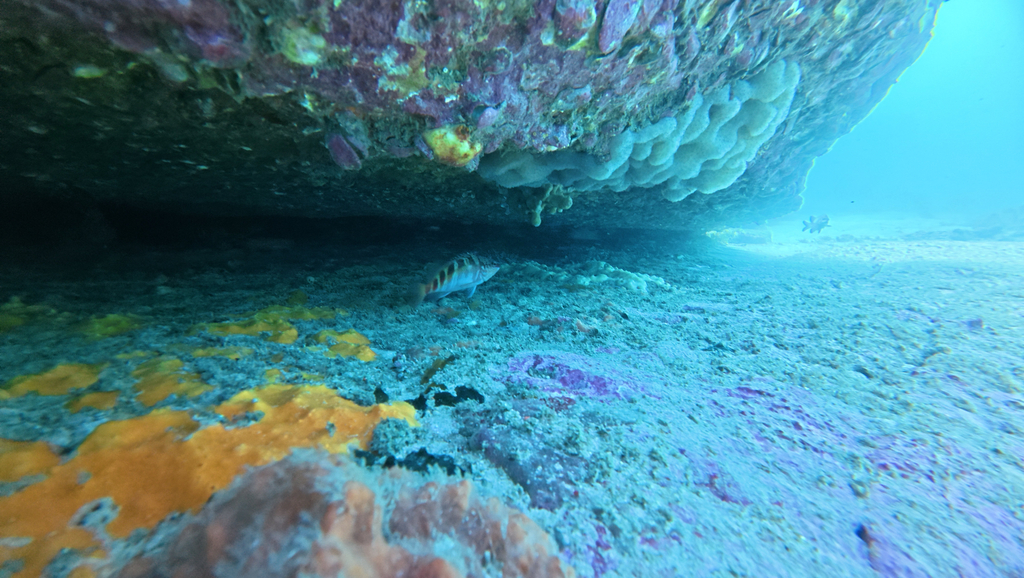
Australian Half-banded Seaperch
Hypoplectrodes maccullochi
- Usual depth5–75 m
- Water temperature15–24 °C
- Best monthsJanuary, April, and November
- How commonOccasional
Photo credit: (c) Bryce Watts-Parker, some rights reserved (CC BY) · CC BY · iNaturalist
Where and when
Where it has been recorded
Worldwide
Loading the map
Best months
Worldwide (open data)
- January: 161 records
- February: 134 records
- March: 129 records
- April: 146 records
- May: 113 records
- June: 141 records
- July: 107 records
- August: 117 records
- September: 136 records
- October: 142 records
- November: 148 records
- December: 133 records
Depth and water temperature
Depth
Mostly recorded at 5–75 m · Deepest record: 106 m
Water temperature
Recorded in surface water of 15–24 °C
Photos
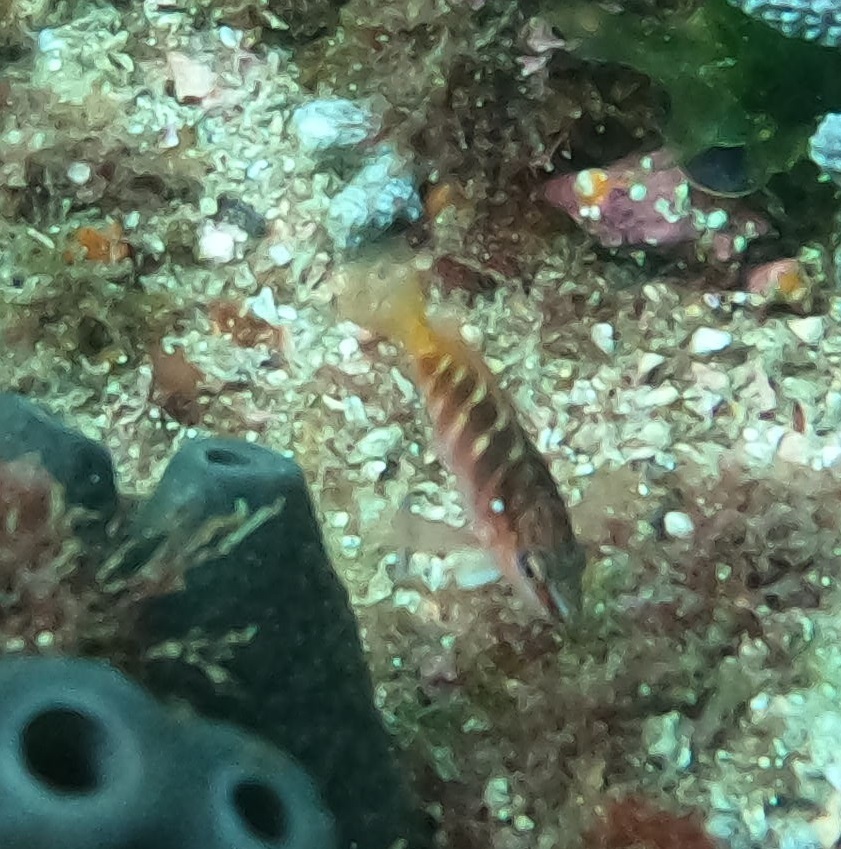
(c) Tim, some rights reserved (CC BY) · CC BY · iNaturalist 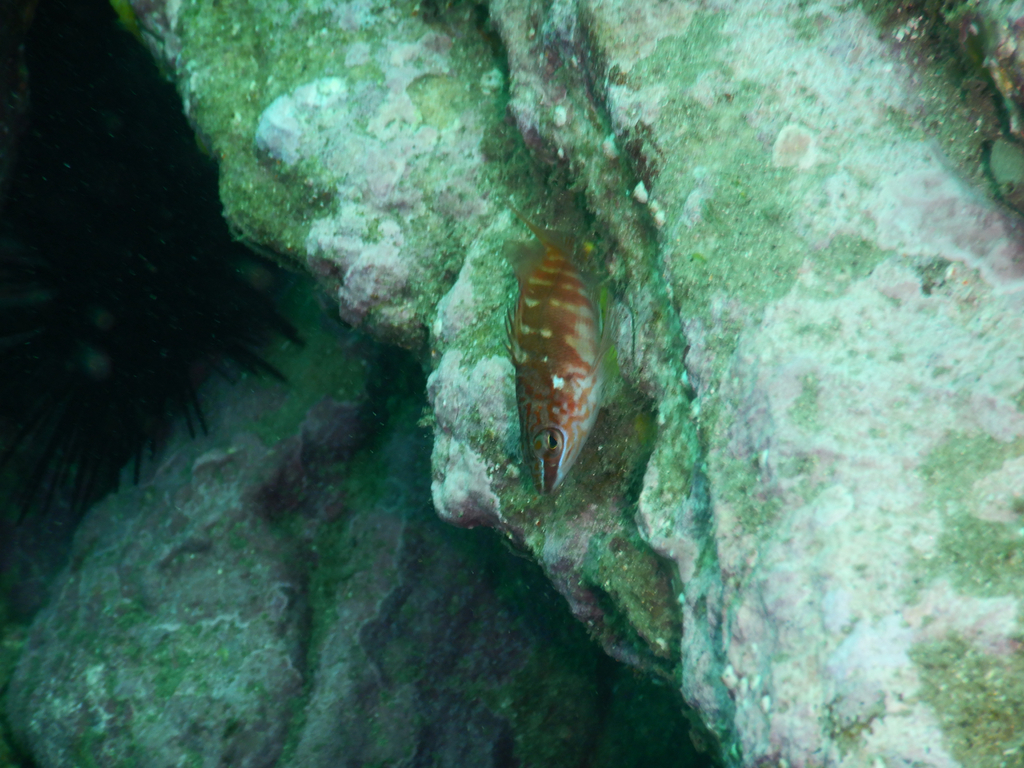
(c) Bryce Watts-Parker, some rights reserved (CC BY) · CC BY · iNaturalist 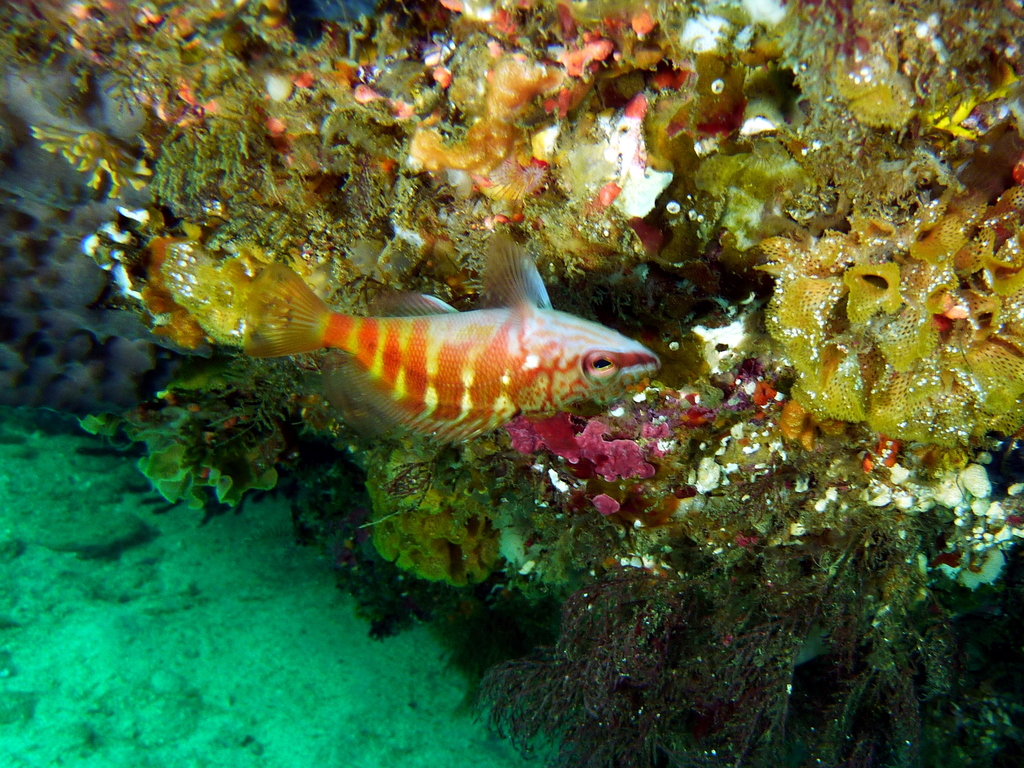
(c) Kai Squires, some rights reserved (CC BY) · CC BY · iNaturalist 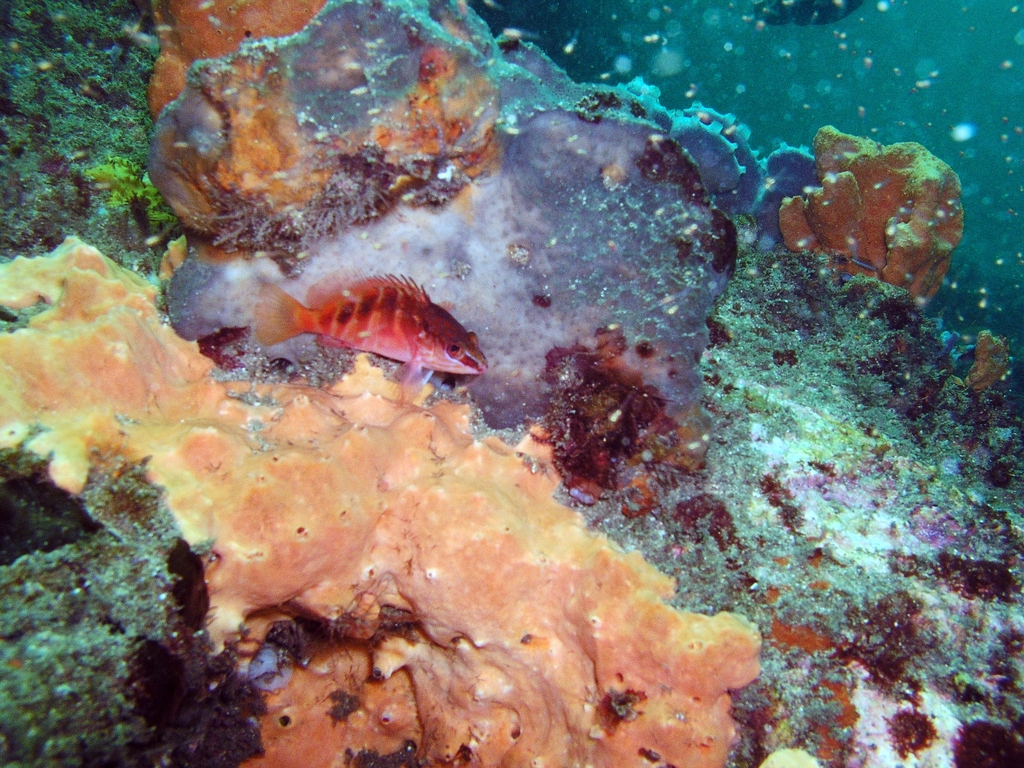
(c) neilfws, some rights reserved (CC BY) · CC BY · iNaturalist 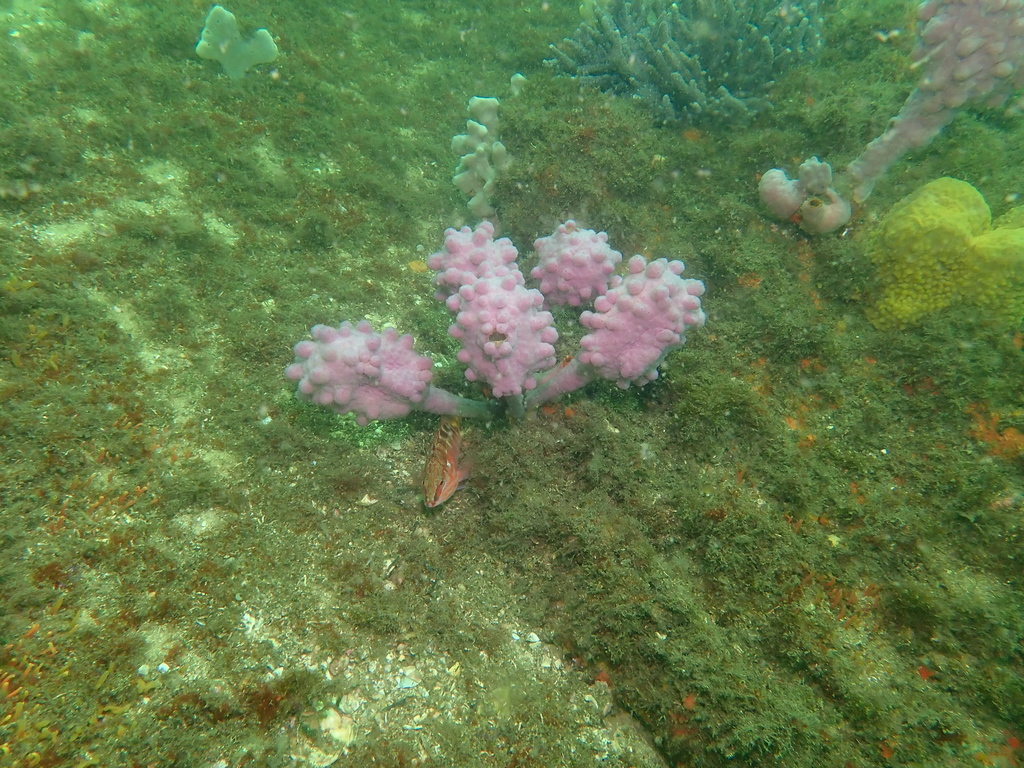
(c) Rosie Steinberg, some rights reserved (CC BY) · CC BY · iNaturalist 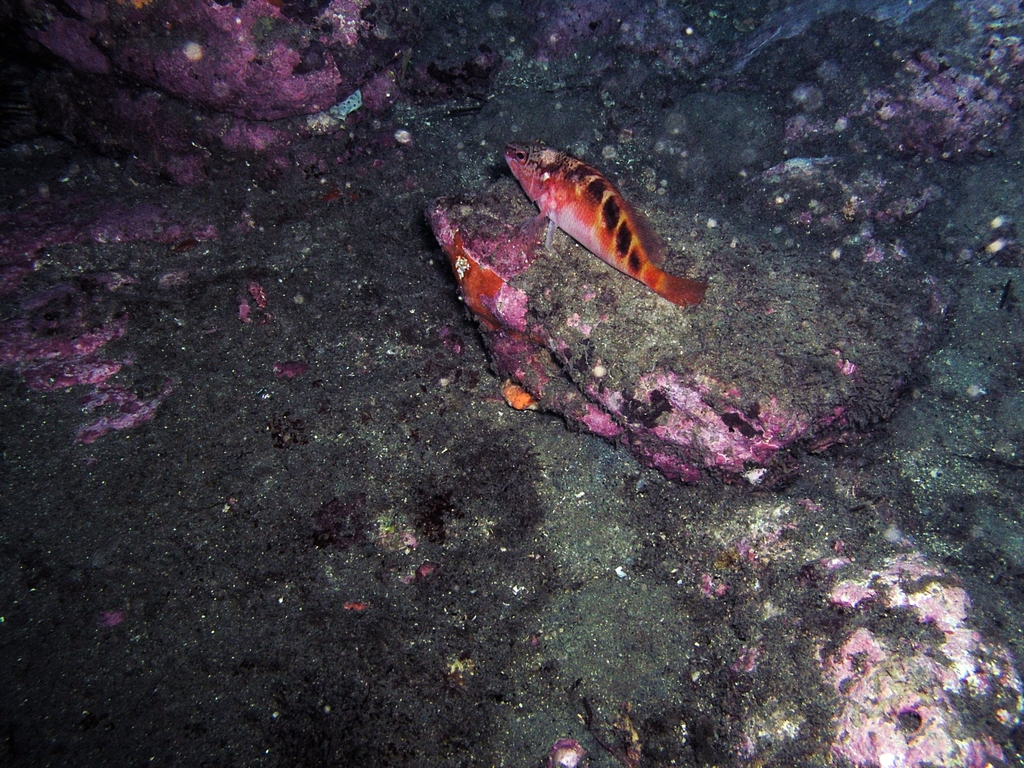
(c) neilfws, some rights reserved (CC BY) · CC BY · iNaturalist 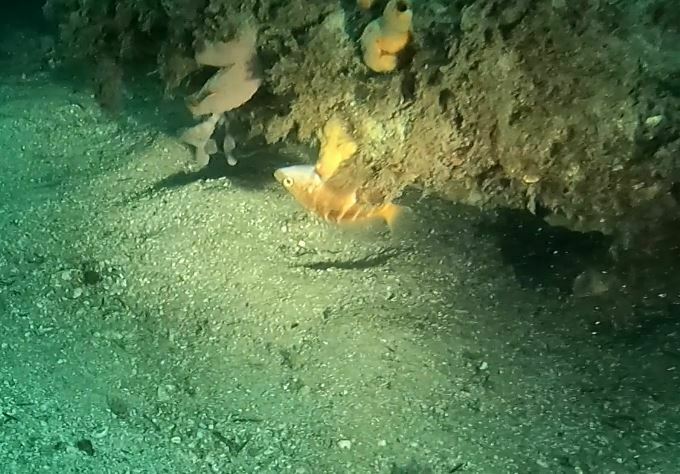
(c) Tim, some rights reserved (CC BY) · CC BY · iNaturalist
Names and classification
- English
- Australian Half-banded Seaperch, Halfbanded Seaperch, Half-banded Sea Perch, McCulloch's Sea Perch
Names in 1 more languages
- Simplified Chinese
- 馬氏織鮨, 马氏织鮨
Other scientific names: Ellerkeldia maccullochi, Ellerkeldia mcculloch
Similar species
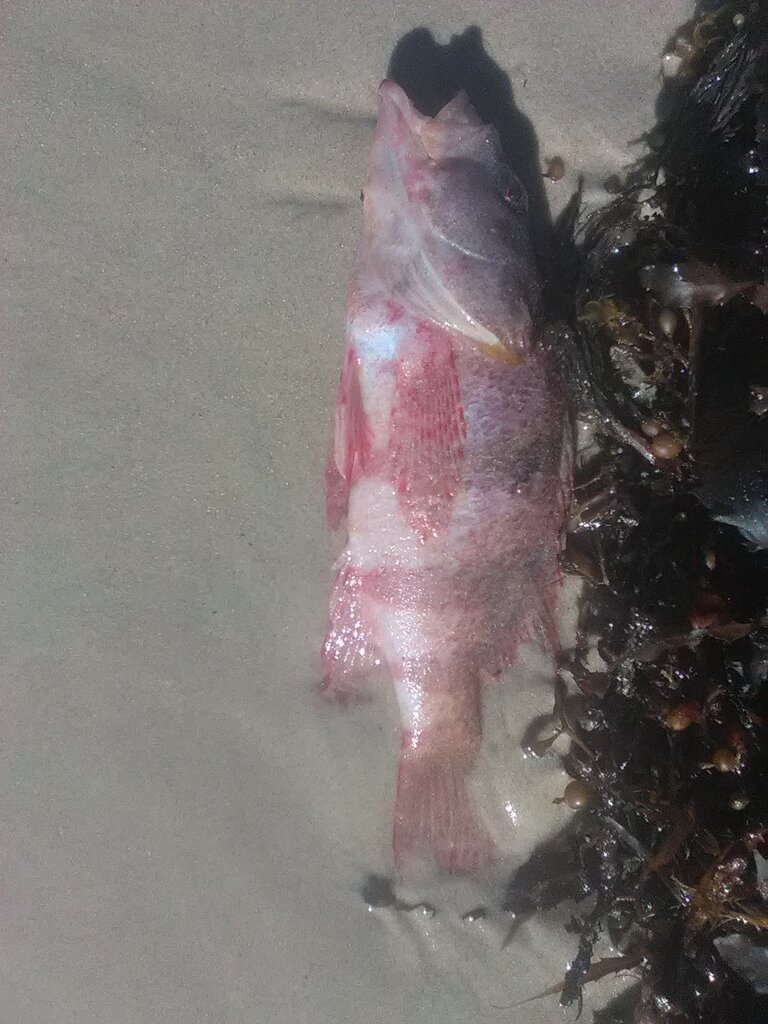 Banded Seaperch
Hypoplectrodes nigroruber
 Black-banded Seaperch
Hypoplectrodes annulatus
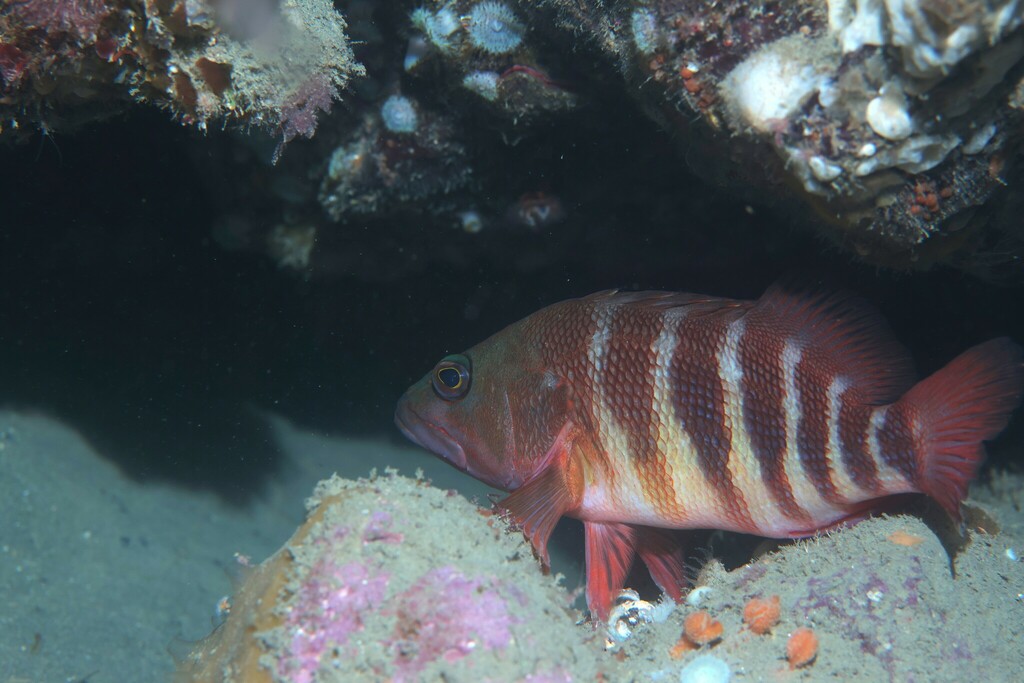 Redbanded Perch
Hypoplectrodes huntii
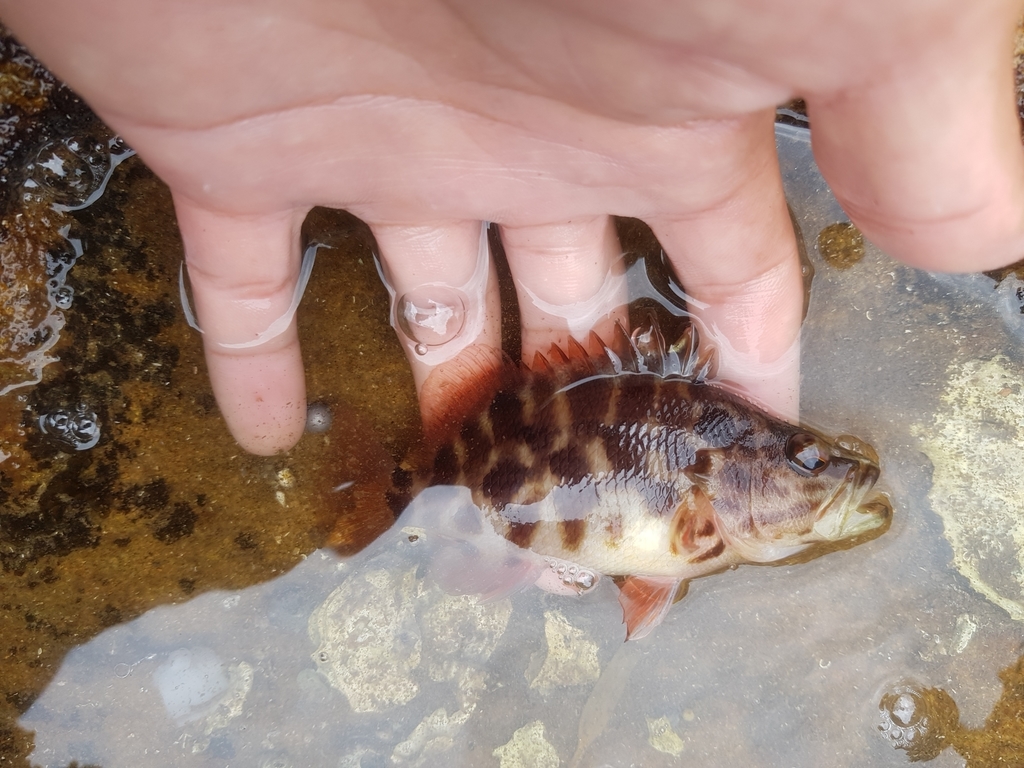 Jameson's Sea-perch
Hypoplectrodes jamesoni

Sources and credits
Names and taxonomy: WoRMS (CC BY 4.0) and the GBIF Backbone (CC BY 4.0). Photos: iNaturalist observers, each under the licence shown (CC0, CC BY or CC BY-SA).
- Depth, temperature, months and maps: records from OBIS and GBIF under CC0 or CC BY.
- Conservation status as published by GBIF (IUCN Red List).
- 4,075 open-data records from 1898 to 2023.
- Species data updated November 3, 2026.
Log what you see on your next dive
The free DiveHive diver app keeps your logbook with every sighting and shows what lives at the site you dive next.