
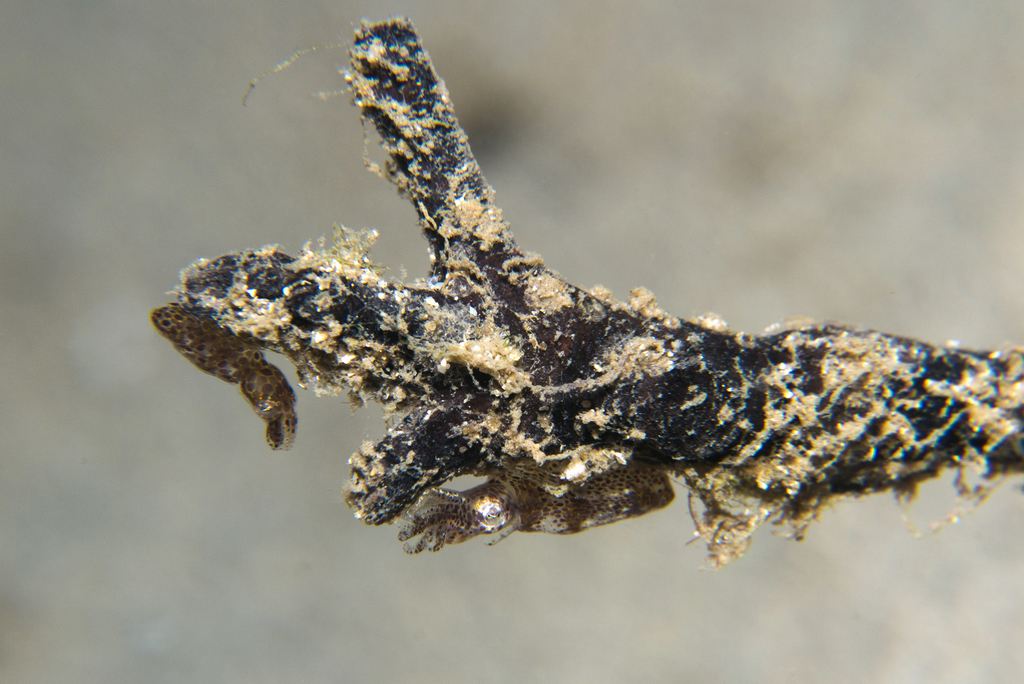
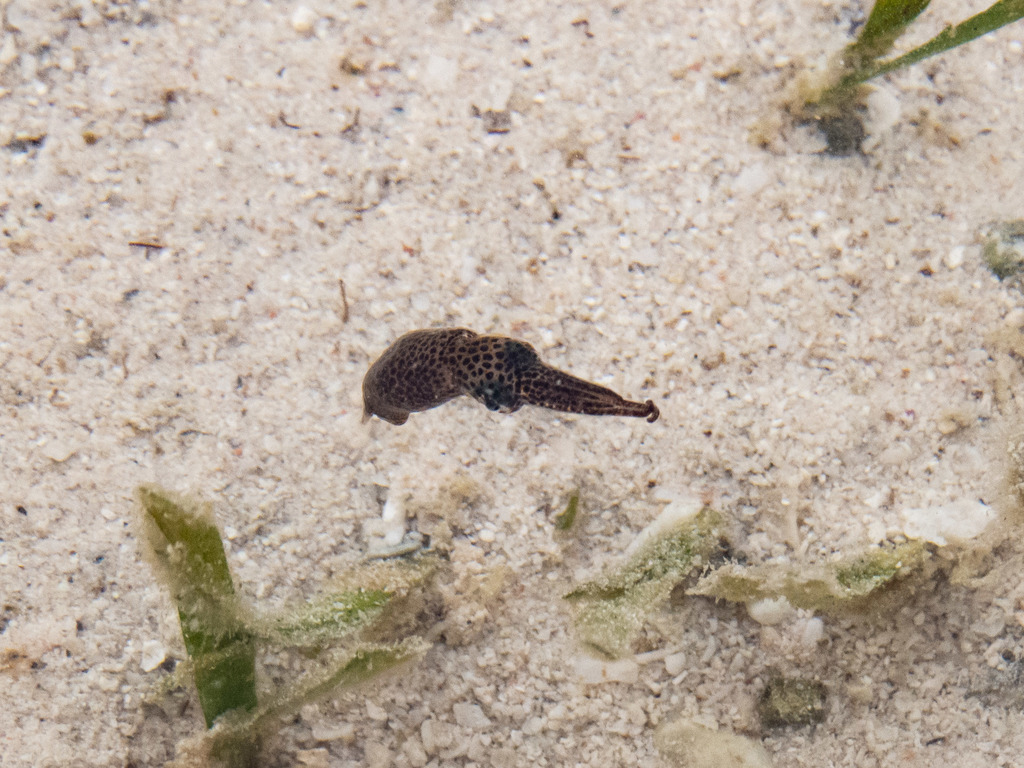
Mozambique Pygmy Idiosepiid
Idiosepius minimus
- Water temperature26°C
- Best monthsMarch, July, and October
- How commonRare
Photo credit: (c) Ewout Knoester, some rights reserved (CC BY-SA), uploaded by Ewout Knoester · CC BY-SA · iNaturalist
About this species
Idiosepius minimus is a species of bobtail squid native to the "coast of Africa" where it occurs in shallow, inshore waters. Specimens collected under the junior synonyms I. biserialis and I. macrocheir were described from Mozambique. Since then, the further collecting effort off Mozambique has seen additional specimens gained. As a result it has been inferred that this species has a relatively restricted distribution since Idiosepius has not been recorded elsewhere in Africa.
Text from the Wikipedia article “Idiosepius minimus”, licensed CC BY-SA 4.0. Read the article
Where and when
Where it has been recorded
Worldwide
Loading the map
Best months
Worldwide (open data)
- January: 0 records
- February: 0 records
- March: 2 records
- April: 0 records
- May: 0 records
- June: 0 records
- July: 3 records
- August: 0 records
- September: 0 records
- October: 2 records
- November: 1 records
- December: 0 records
Depth and water temperature
Water temperature
Recorded in surface water of 26°C
Photos
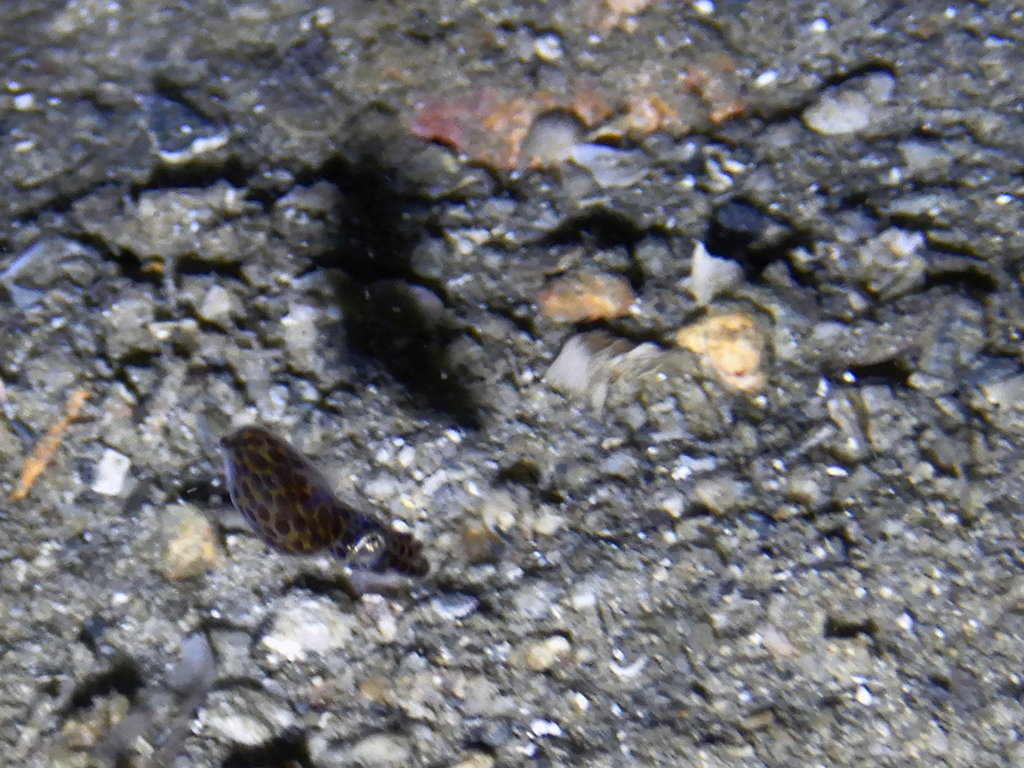
(c) Ewout Knoester, some rights reserved (CC BY-SA) · CC BY-SA · iNaturalist 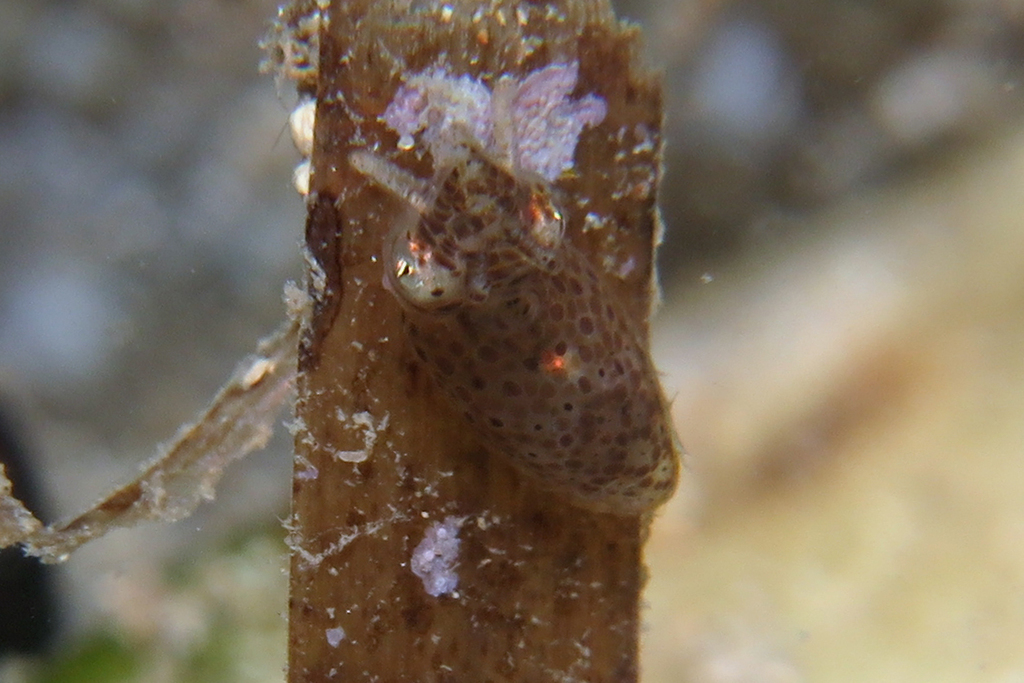
(c) Ewout Knoester, some rights reserved (CC BY-SA) · CC BY-SA · iNaturalist
Names and classification
- English
- Mozambique Pygmy Idiosepiid
Names in 3 more languages
- Japanese
- アフリカヒメイカ, テビロヒメイカ
- Thai
- ปลาหมึกแคระสองแถว
- Simplified Chinese
- 微小微鰭烏賊
Other scientific names: Cranchia minima, Idiosepius biserialis, Idiosepius macrocheir
Similar species
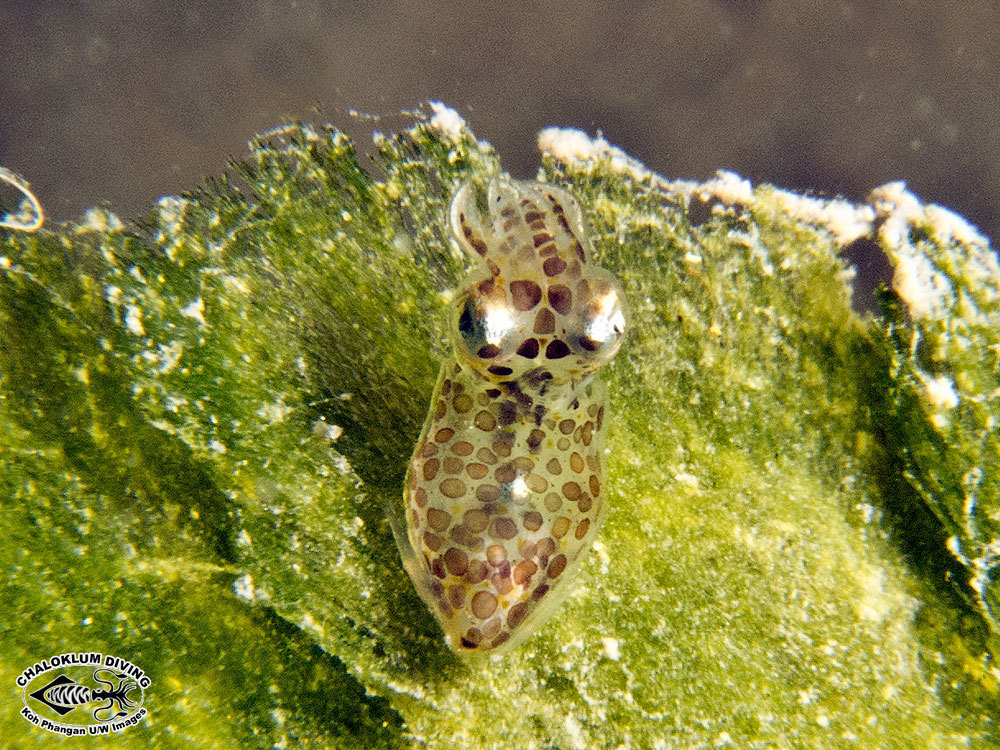 Japanese Pygmy Cuttlefish
Idiosepius paradoxus
 Thumbnail Squid
Idiosepius pygmaeus
Sources and credits
Names and taxonomy: WoRMS (CC BY 4.0) and the GBIF Backbone (CC BY 4.0). Photos: iNaturalist observers, each under the licence shown (CC0, CC BY or CC BY-SA).
- Depth, temperature, months and maps: records from OBIS and GBIF under CC0 or CC BY.
- Descriptions: Wikipedia, licensed CC BY-SA, each linked to its article.
- Conservation status as published by GBIF (IUCN Red List).
- 19 open-data records from 1954 to 1964.
- Species data updated November 3, 2026.
Log what you see on your next dive
The free DiveHive diver app keeps your logbook with every sighting and shows what lives at the site you dive next.