

Common Pipi
Latona deltoides
- Usual depth0 m
- Water temperature14–26 °C
- Best monthsJanuary, April, and December
- How commonOccasional
Photo credit: (c) Ken-ichi Ueda, some rights reserved (CC BY), uploaded by Ken-ichi Ueda · CC BY · iNaturalist
About this species
Plebidonax deltoides or Donax deltoides is a small, edible saltwater clam or marine bivalve mollusc, endemic to Australia. It belongs to the family of either the Donacidae, or the related Psammobiidae. It is most widely known as the pipi in the eastern states of its native Australia. In South Australia, it is called the Coorong cockle, Goolwa cockle, or Goolwa pipi, for the region where it is most abundant, or by its Ngarrindjeri name, kuti. In south-eastern Queensland, it is often also known as eugarie or (y)ugari, a borrowing from the local Yugambeh and Ugarapul languages.
Text from the Wikipedia article “Plebidonax deltoides”, licensed CC BY-SA 4.0. Read the article
Where and when
Where it has been recorded
Worldwide
Loading the map
Best months
Worldwide (open data)
- January: 170 records
- February: 127 records
- March: 139 records
- April: 142 records
- May: 129 records
- June: 127 records
- July: 122 records
- August: 125 records
- September: 122 records
- October: 133 records
- November: 105 records
- December: 163 records
Depth and water temperature
Depth
Mostly recorded at 0 m · Deepest record: 0 m
Water temperature
Recorded in surface water of 14–26 °C
Photos
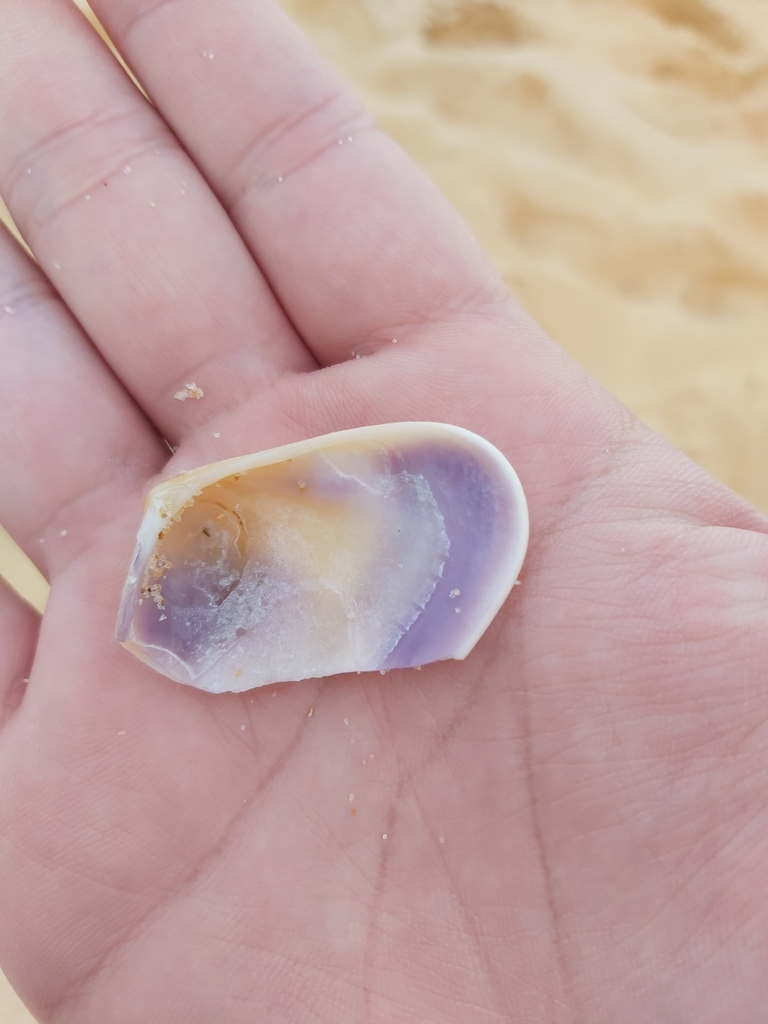
(c) Tim, some rights reserved (CC BY), uploaded by Tim · CC BY · iNaturalist 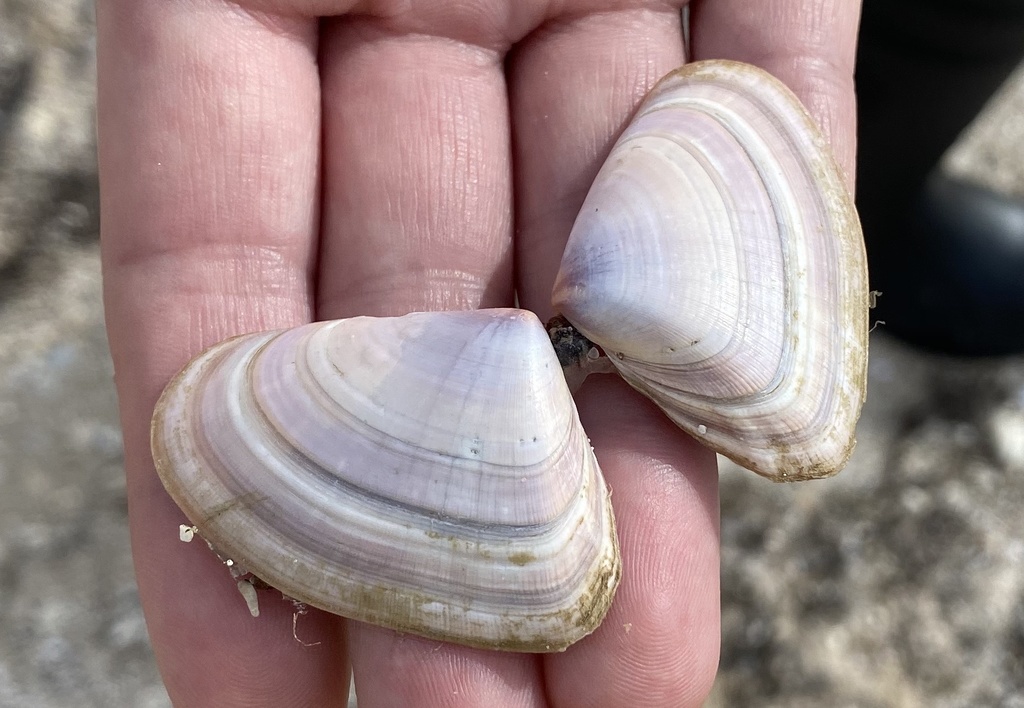
(c) Sarah McRae, some rights reserved (CC BY), uploaded by Sarah McRae · CC BY · iNaturalist 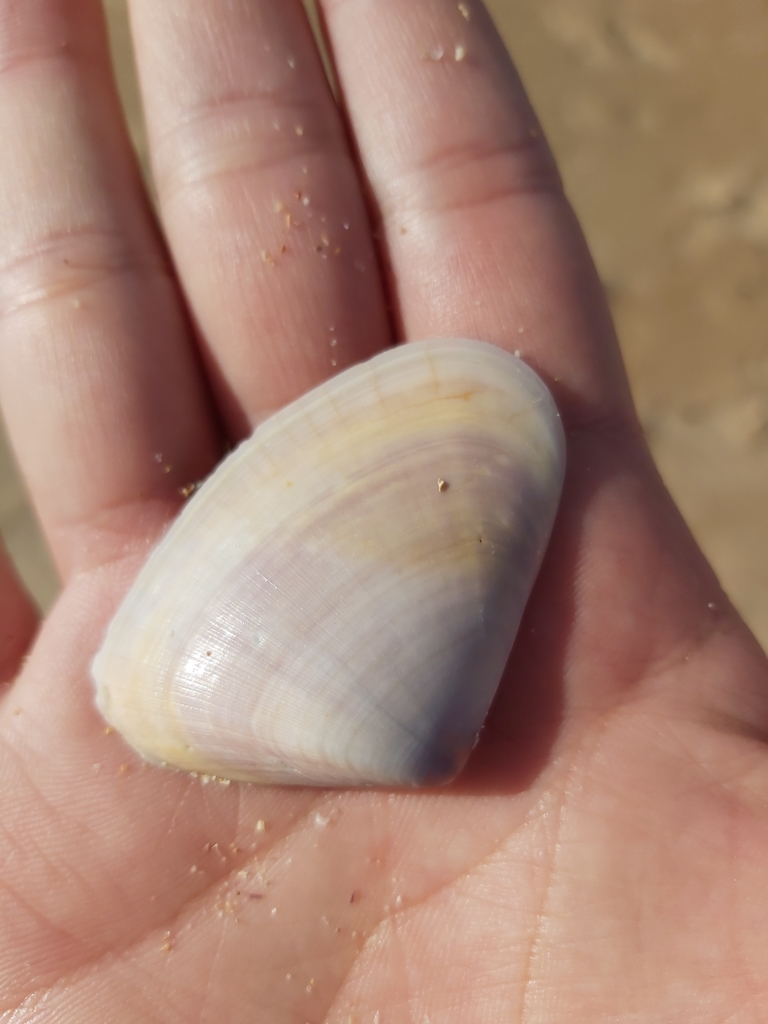
(c) Tim, some rights reserved (CC BY), uploaded by Tim · CC BY · iNaturalist 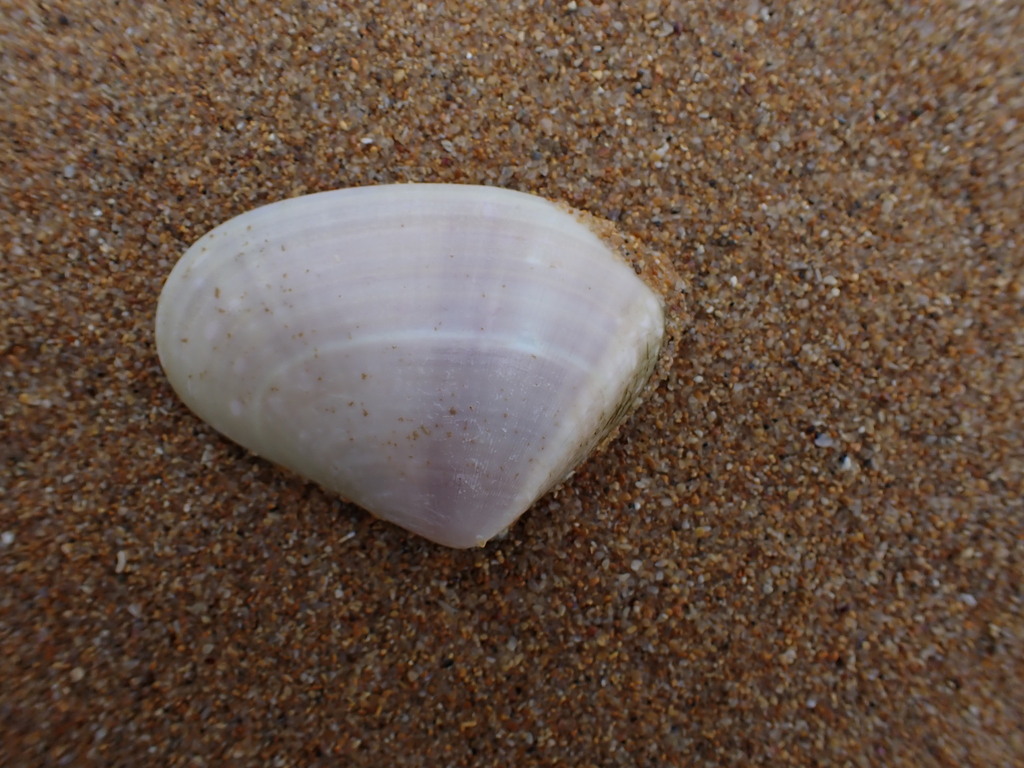
(c) ttsquid, some rights reserved (CC BY) · CC BY · iNaturalist 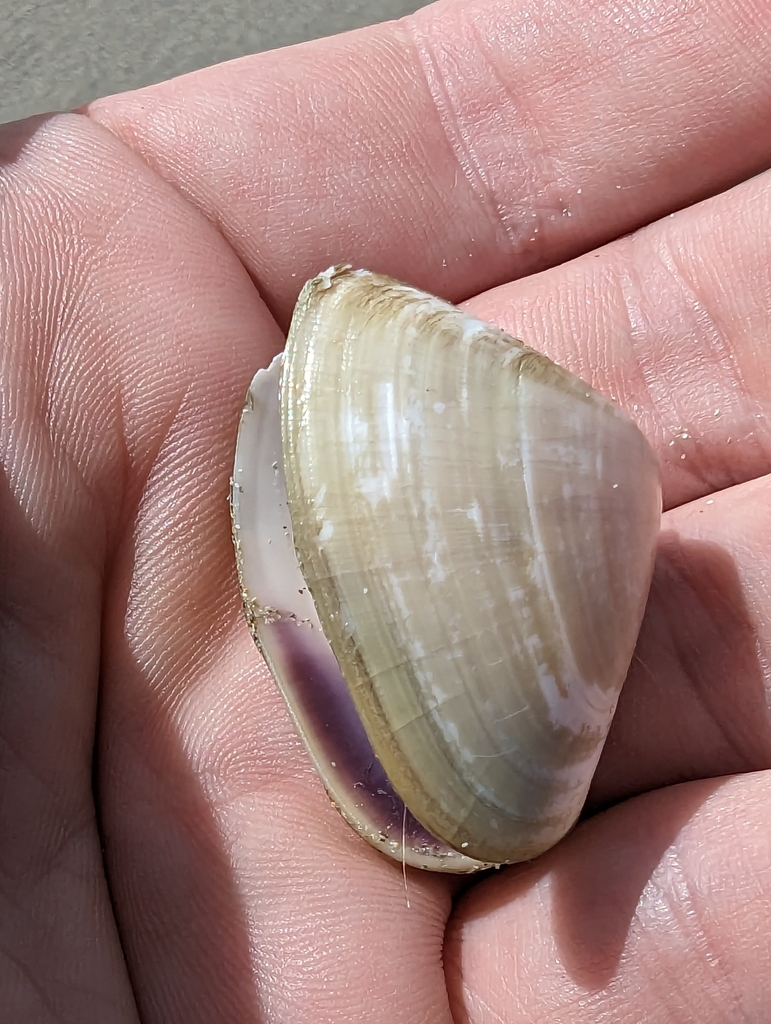
(c) Will Cornwell, some rights reserved (CC BY) · CC BY · iNaturalist 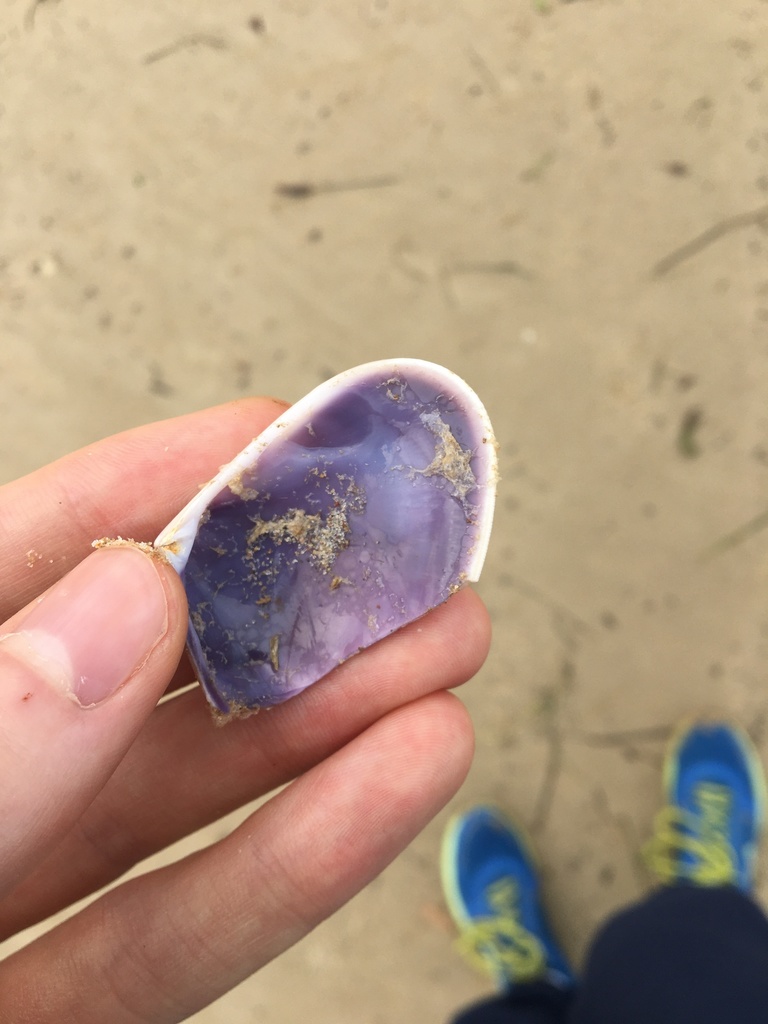
(c) Thomas Mesaglio, some rights reserved (CC BY) · CC BY · iNaturalist 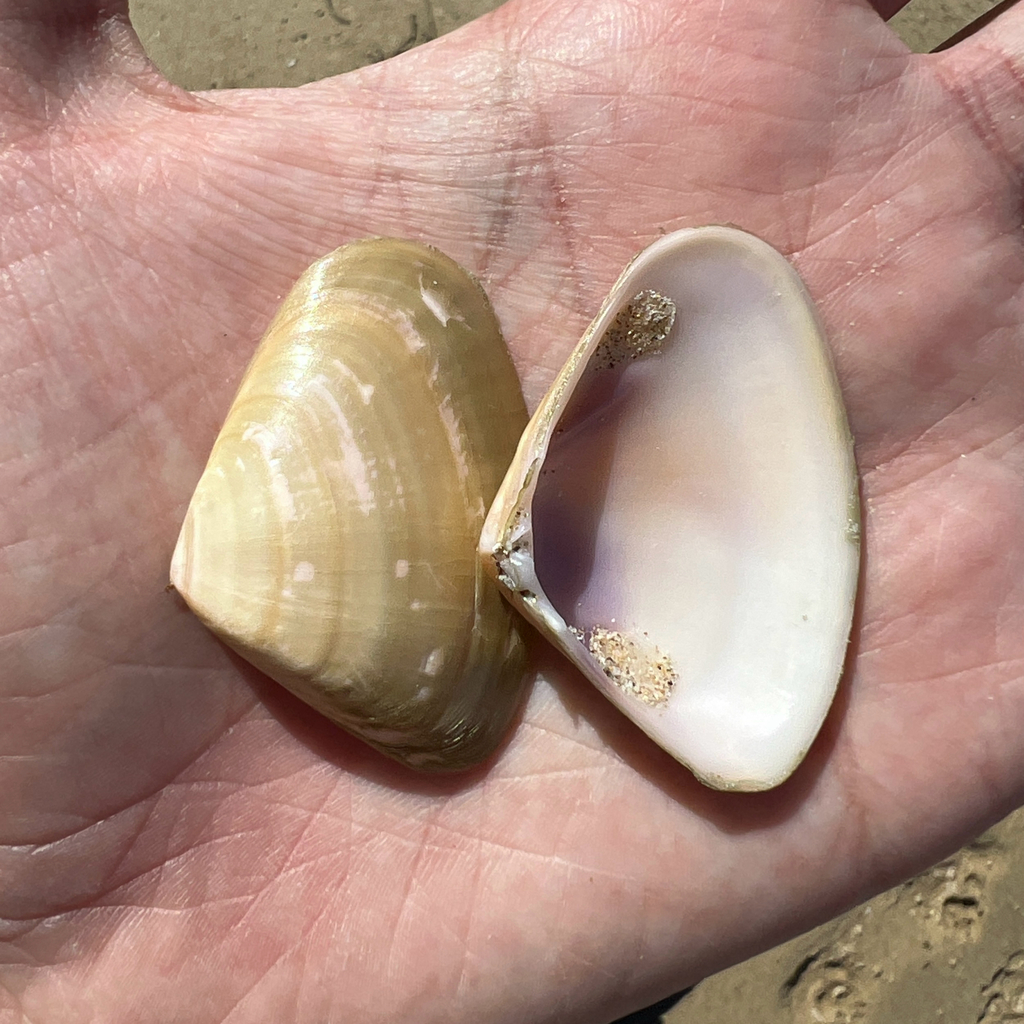
(c) James K. Douch, some rights reserved (CC BY-SA) · CC BY-SA · iNaturalist
Names and classification
- English
- Common Pipi, Eugarie, Goolwa Cockle, Pipi
Names in 1 more languages
- Simplified Chinese
- 三角斧蛤
Other scientific names: Donax deltoides, Donax epidermia, Plebidonax deltoides
Similar species
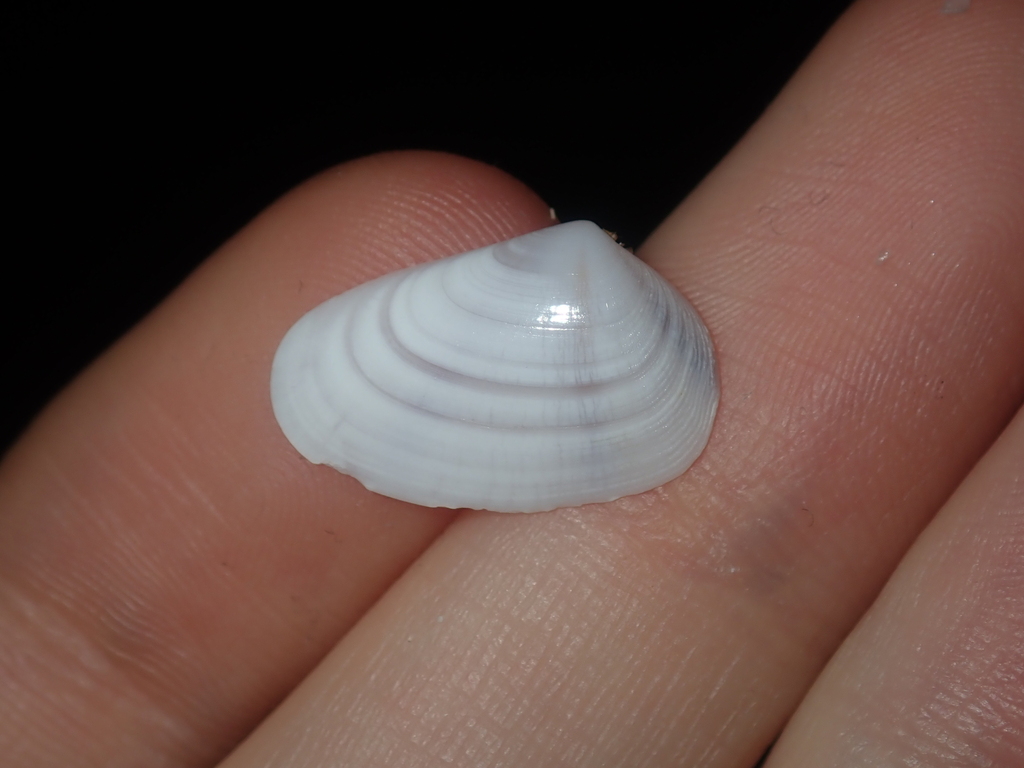
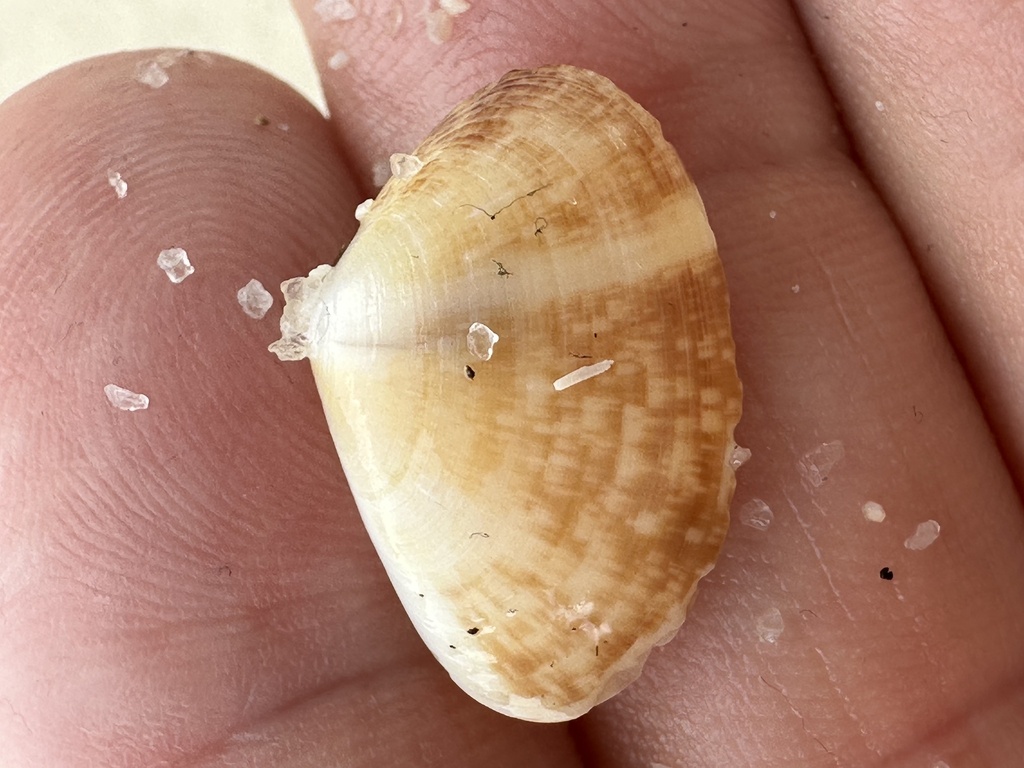 Pacific Bean Donax
Latona faba
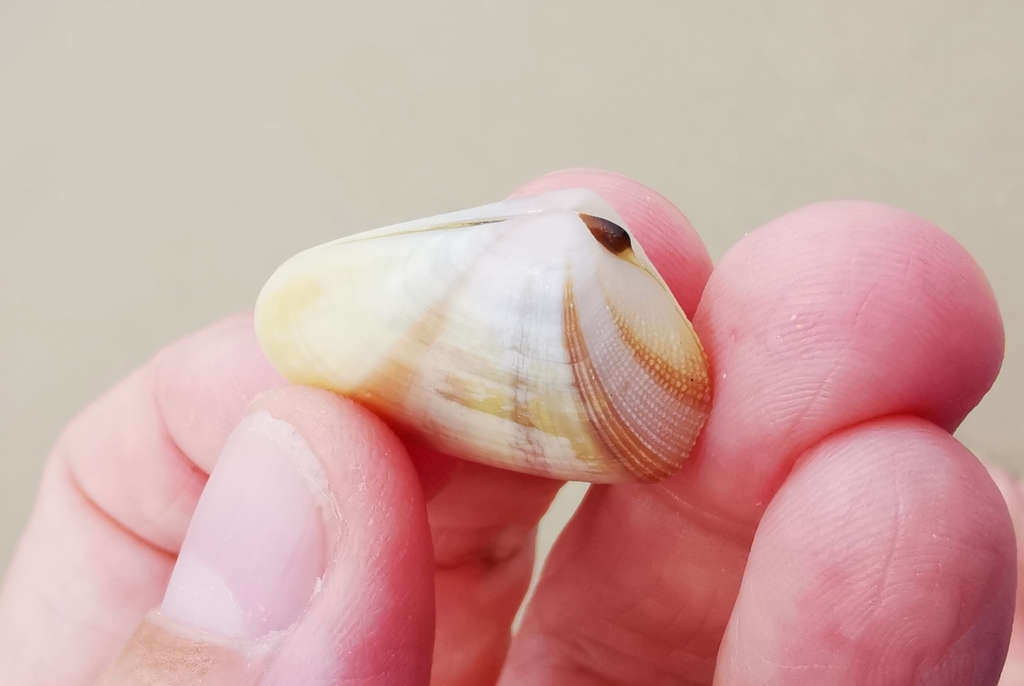 Cradle Donax
Latona cuneata
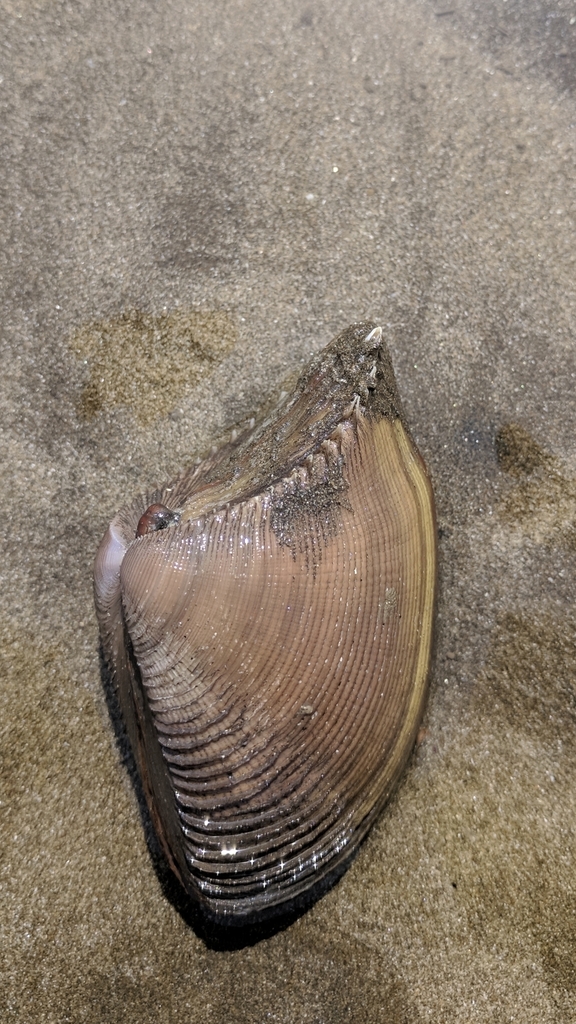 Leather Donax
Hecuba scortum
Sources and credits
Names and taxonomy: WoRMS (CC BY 4.0) and the GBIF Backbone (CC BY 4.0). Photos: iNaturalist observers, each under the licence shown (CC0, CC BY or CC BY-SA).
- Depth, temperature, months and maps: records from OBIS and GBIF under CC0 or CC BY.
- Descriptions: Wikipedia, licensed CC BY-SA, each linked to its article.
- Conservation status as published by GBIF (IUCN Red List).
- 299 open-data records from 1893 to 2014.
- Species data updated November 4, 2026.
Log what you see on your next dive
The free DiveHive diver app keeps your logbook with every sighting and shows what lives at the site you dive next.