
DiscoverSpeciesCorals and anemones
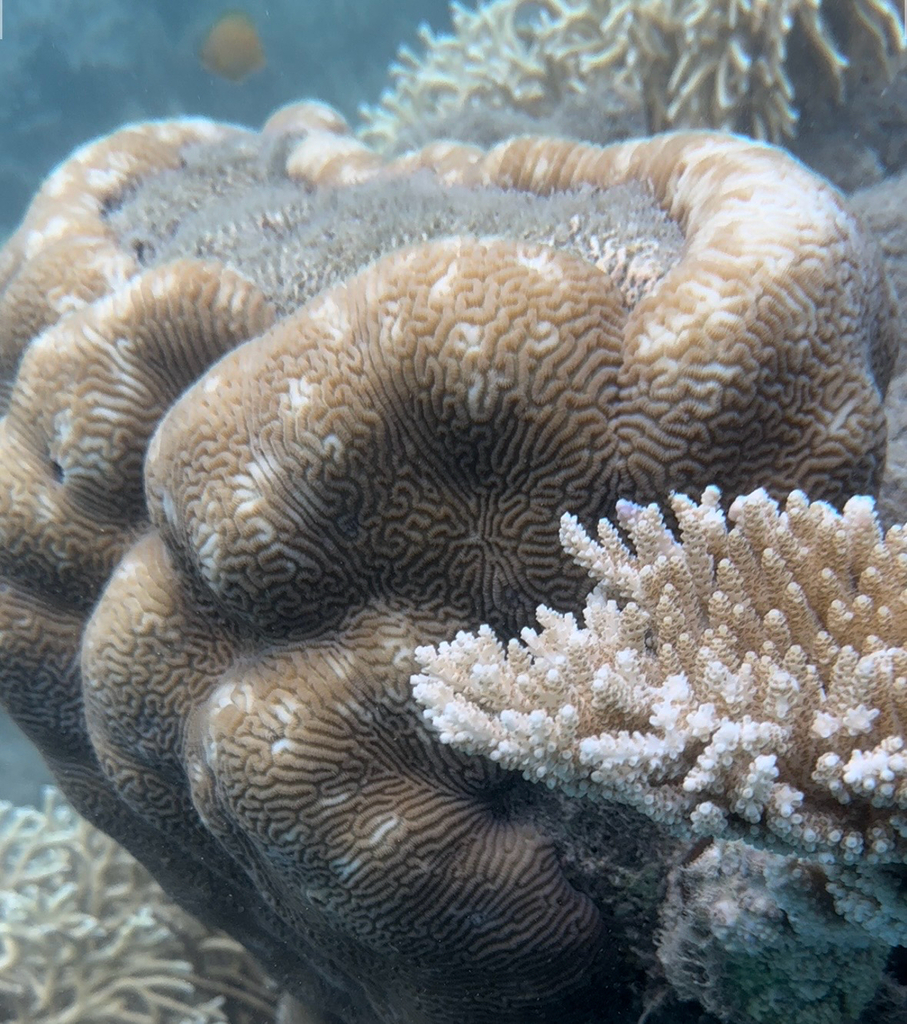
Brain coral
Leptoria phrygia
- Usual depth1–34 m
- Water temperature21–30 °C
- Best monthsApril, May, and August
- How commonOccasional
Photo credit: no rights reserved · CC0 1.0 · iNaturalist
Where and when
Where it has been recorded
Worldwide
Loading the map
Best months
Worldwide (open data)
- January: 61 records
- February: 49 records
- March: 57 records
- April: 85 records
- May: 141 records
- June: 73 records
- July: 63 records
- August: 87 records
- September: 47 records
- October: 61 records
- November: 72 records
- December: 39 records
Depth and water temperature
Depth
Mostly recorded at 1–34 m · Deepest record: 54 m
Water temperature
Recorded in surface water of 21–30 °C
Photos
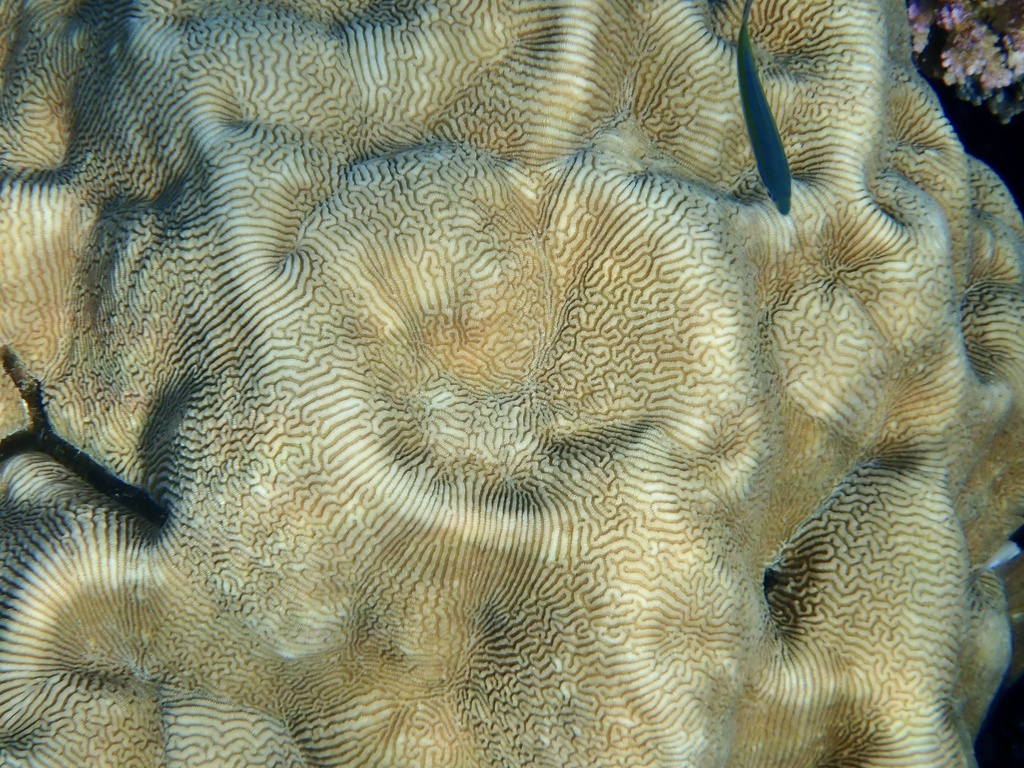
no rights reserved · CC0 1.0 · iNaturalist 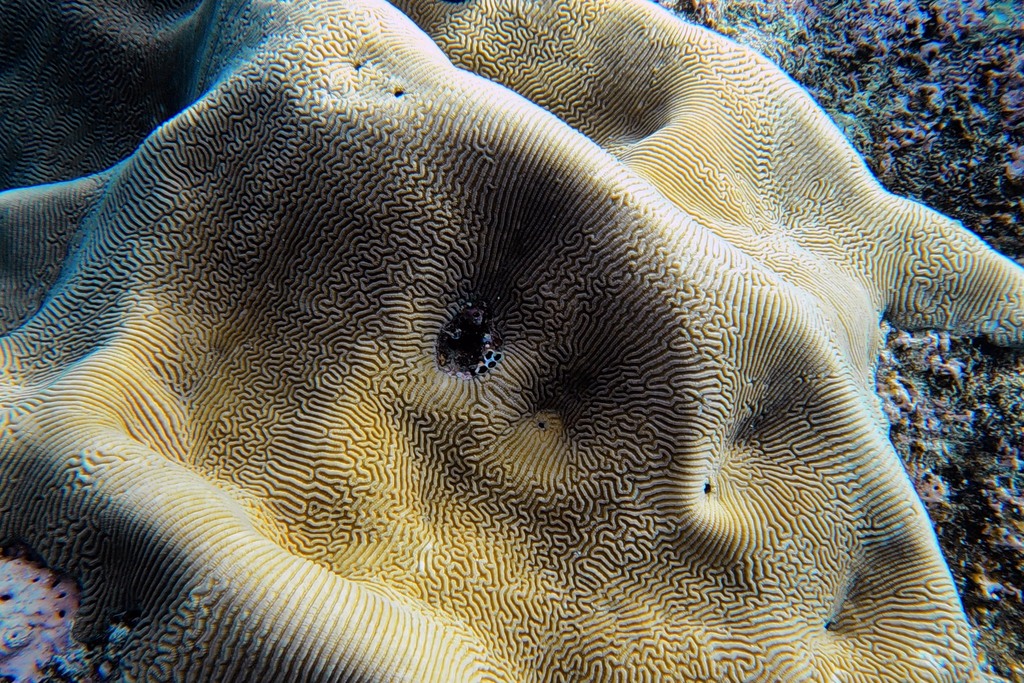
(c) Tom Heijnen, some rights reserved (CC BY) · CC BY · iNaturalist 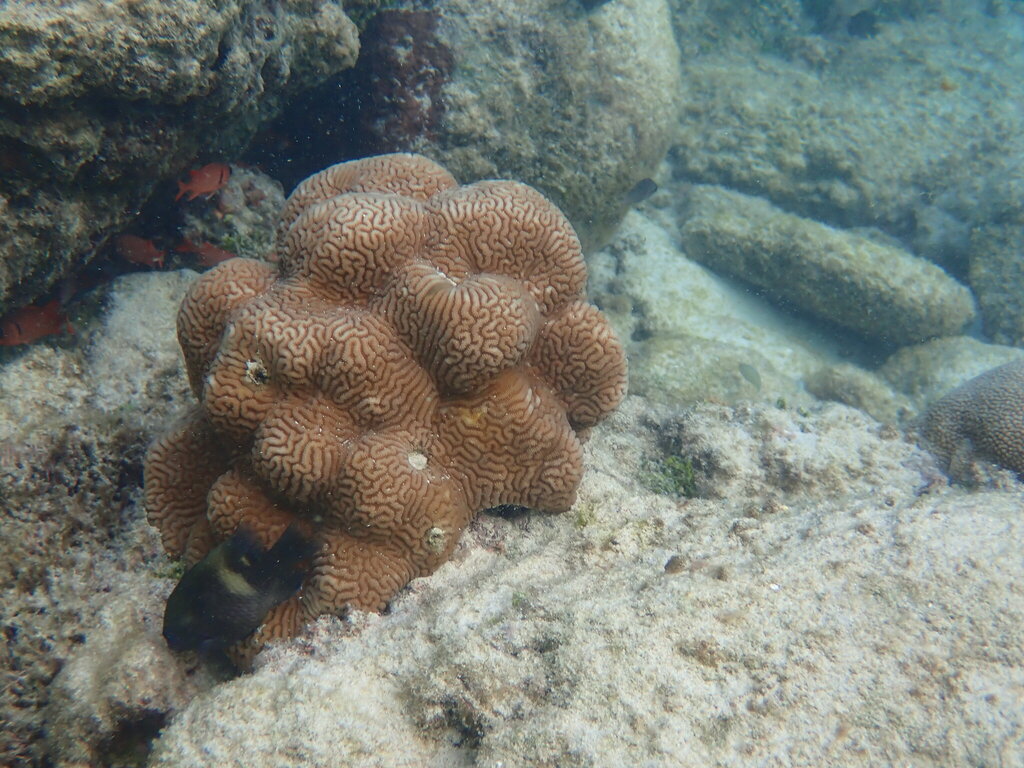
(c) Leon Perrie, some rights reserved (CC BY) · CC BY · iNaturalist 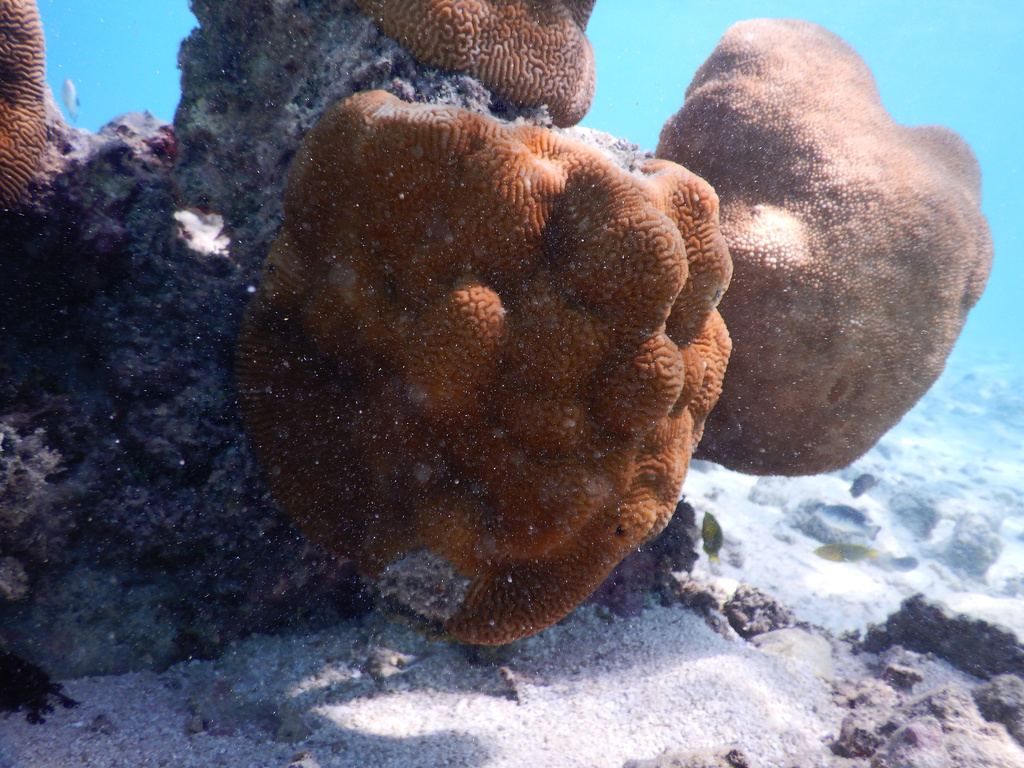
(c) Jon Sullivan, some rights reserved (CC BY) · CC BY · iNaturalist 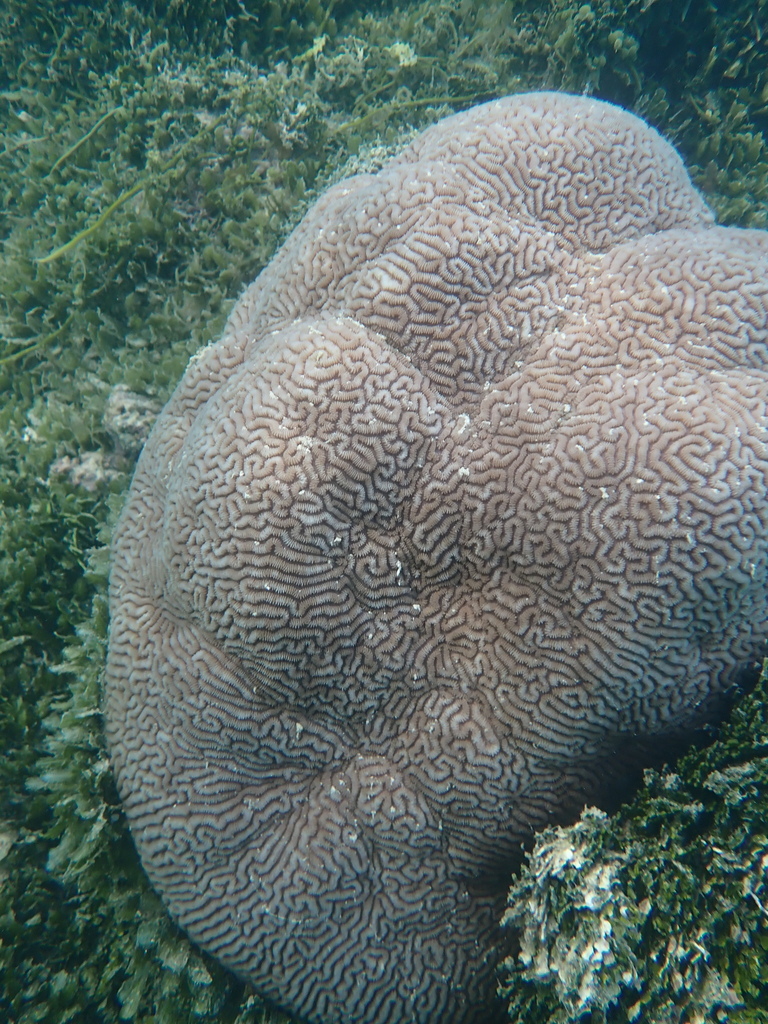
(c) Mike Bowie, some rights reserved (CC BY) · CC BY · iNaturalist 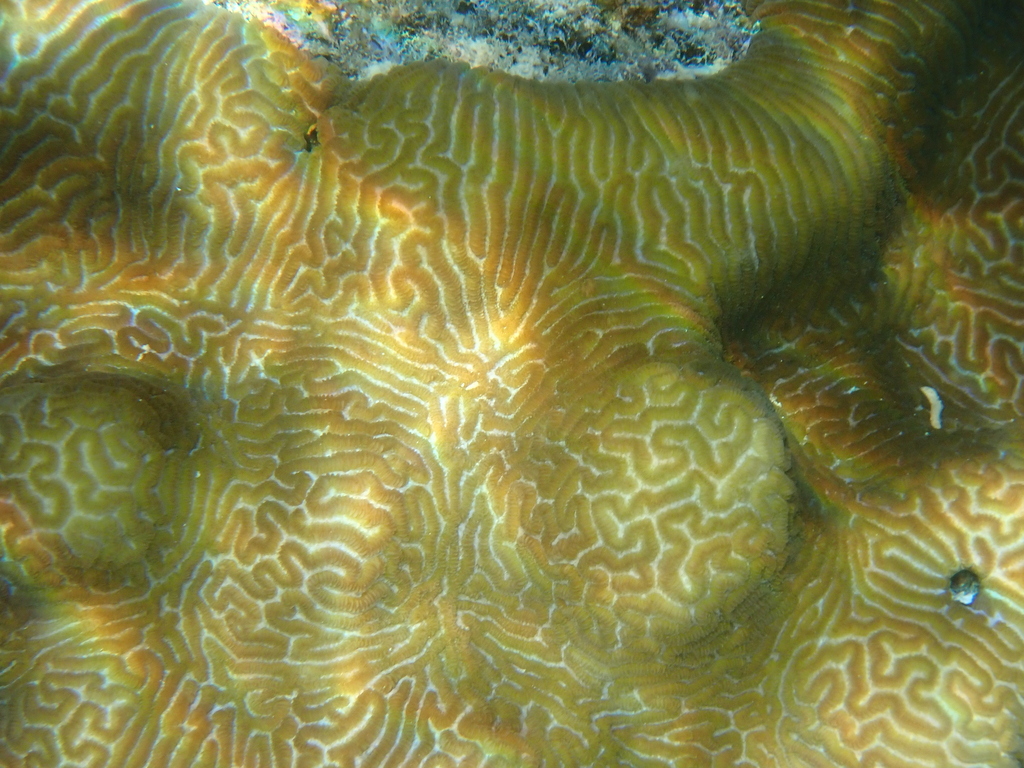
(c) Debra Baker, some rights reserved (CC BY) · CC BY · iNaturalist 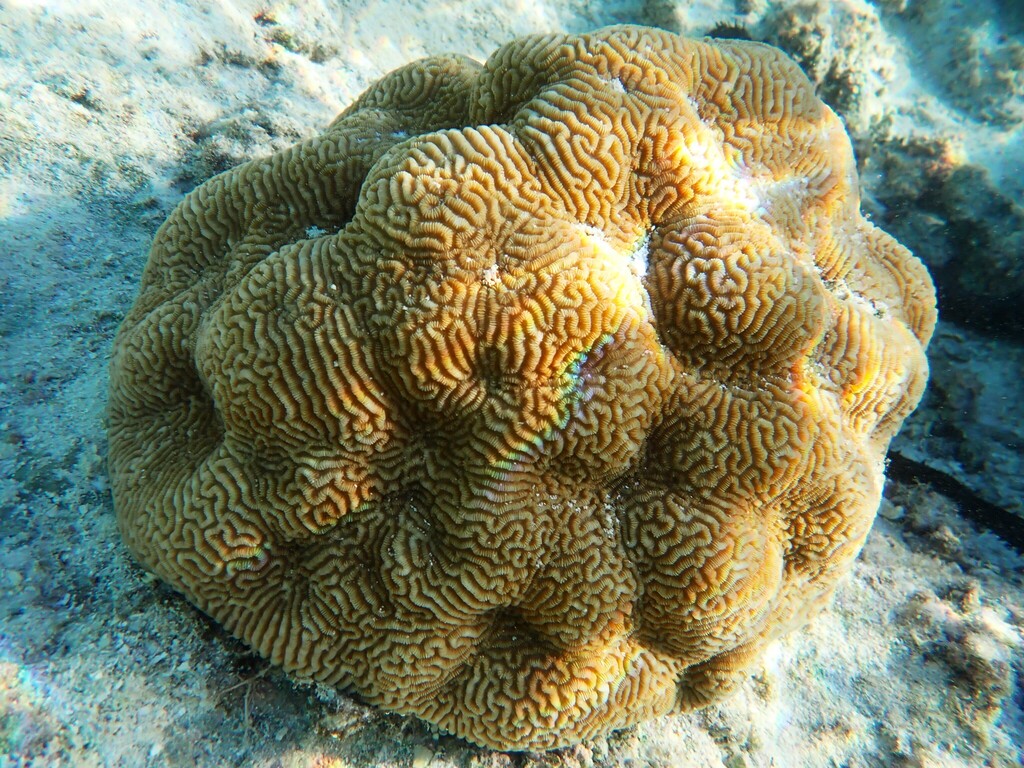
(c) Mike Bowie, some rights reserved (CC BY) · CC BY · iNaturalist
Names and classification
- English
- Brain coral, Least valley coral, brain coral, Closed brain coral, least valley coral
Names in 3 more languages
- Japanese
- ナガレサンゴ
- Thai
- ปะการังสมองร่องเล็ก
- Simplified Chinese
- 密集迷紋珊瑚
Other scientific names: Leptoria gracilis, Leptoria tenuis, Madrepora phrygia, Maeandra (Platygyra) phrygia, Maeandra gracilis, Maeandra tenuis, Maeandrina gracilis, Maeandrina phrygia, Maeandrina tenuis, Meandrina gracilis, Meandrina phrygia, Meandrina tenuis, Platygyra gracilis, Platygyra phrygia
Similar species
- Least valley coral
Leptoria irregularis
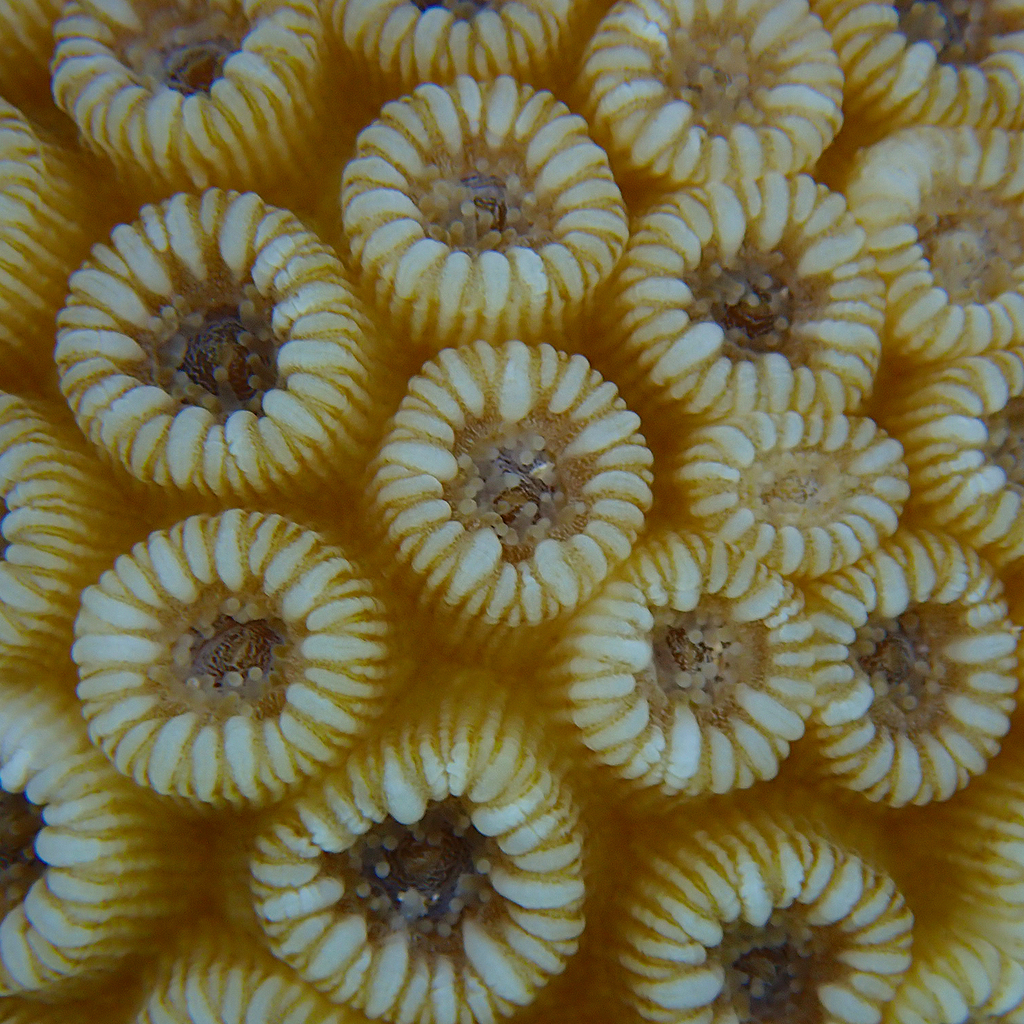 false knob coral
Astrea curta
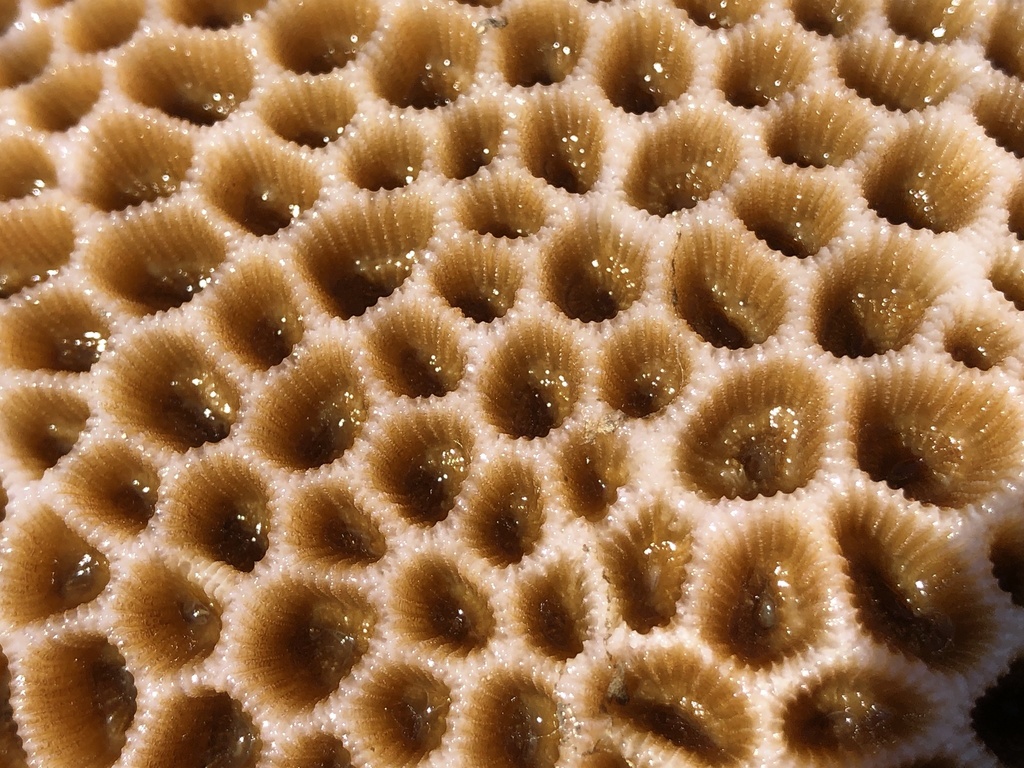 lesser star coral
Coelastrea aspera
 lesser star coral
Coelastrea palauensis
 Lesser knob coral
Cyphastrea chalcidicum
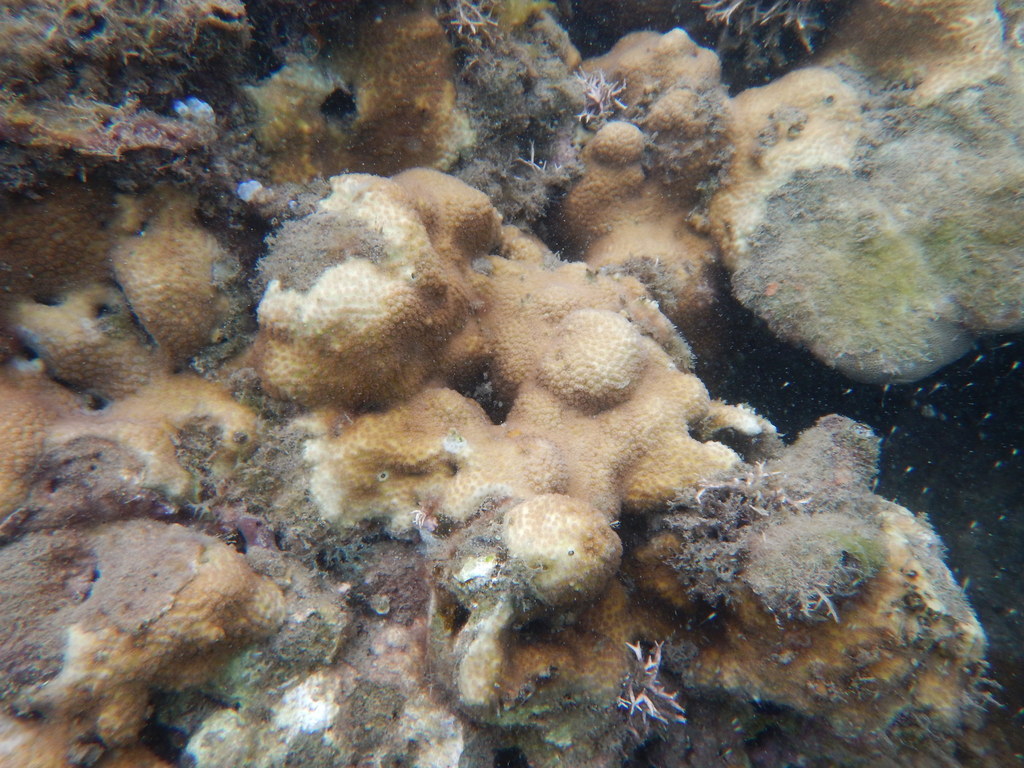 Lesser knob coral
Cyphastrea microphthalma
Sources and credits
Names and taxonomy: WoRMS (CC BY 4.0) and the GBIF Backbone (CC BY 4.0). Photos: iNaturalist observers, each under the licence shown (CC0, CC BY or CC BY-SA).
- Depth, temperature, months and maps: records from OBIS and GBIF under CC0 or CC BY.
- Conservation status as published by GBIF (IUCN Red List).
- 784 open-data records from 1786 to 2012.
- Species data updated November 4, 2026.
Log what you see on your next dive
The free DiveHive diver app keeps your logbook with every sighting and shows what lives at the site you dive next.