
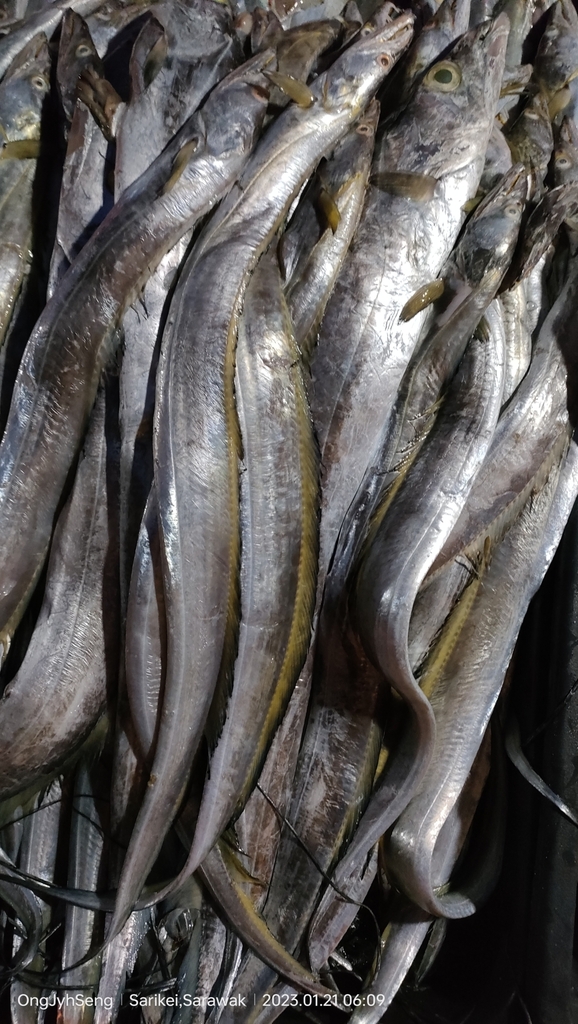
Savalani hairtail
Lepturacanthus savala
- Usual depth21–325 m
- Water temperature23–30 °C
- Best monthsJanuary and December
- How commonRare
Photo credit: (c) Ong Jyh Seng, some rights reserved (CC BY-SA) · CC BY-SA · iNaturalist
About this species
The Savalai hairtail, Lepturacanthus savala, also known as small-head hairtail, is a species of cutlassfish native to the Indian Ocean and into the west Pacific Ocean as far east as Australia. They inhabit deep waters at depths from 100 m (330 ft). The maximum length is 100.0 cm (39.4 in), and weight reaches 11.0 kg (24.3 lb). The fish comes to the surface of the water at night to catch small fish, and crustaceans, especially prawns.
Text from the Wikipedia article “Lepturacanthus savala”, licensed CC BY-SA 4.0. Read the article
Where and when
Where it has been recorded
Worldwide
Loading the map
Best months
Worldwide (open data)
- January: 7 records
- February: 4 records
- March: 2 records
- April: 2 records
- May: 1 records
- June: 2 records
- July: 1 records
- August: 1 records
- September: 4 records
- October: 2 records
- November: 4 records
- December: 8 records
Depth and water temperature
Depth
Mostly recorded at 21–325 m · Deepest record: 325 m
Water temperature
Recorded in surface water of 23–30 °C
Names and classification
- English
- Savalani hairtail, small-headed ribbonfish, spiny hairtail
Names in 3 more languages
- Japanese
- Togetachiuo, トゲタチウオ
- Thai
- ปลาดาบเงิน
- Simplified Chinese
- 帶魚, 沙帶魚, 沙帶魚(帶魚)
Other scientific names: Trichiurus armatus, Trichiurus savala
Similar species
- Coromandal Ribbonfish
Lepturacanthus pantului
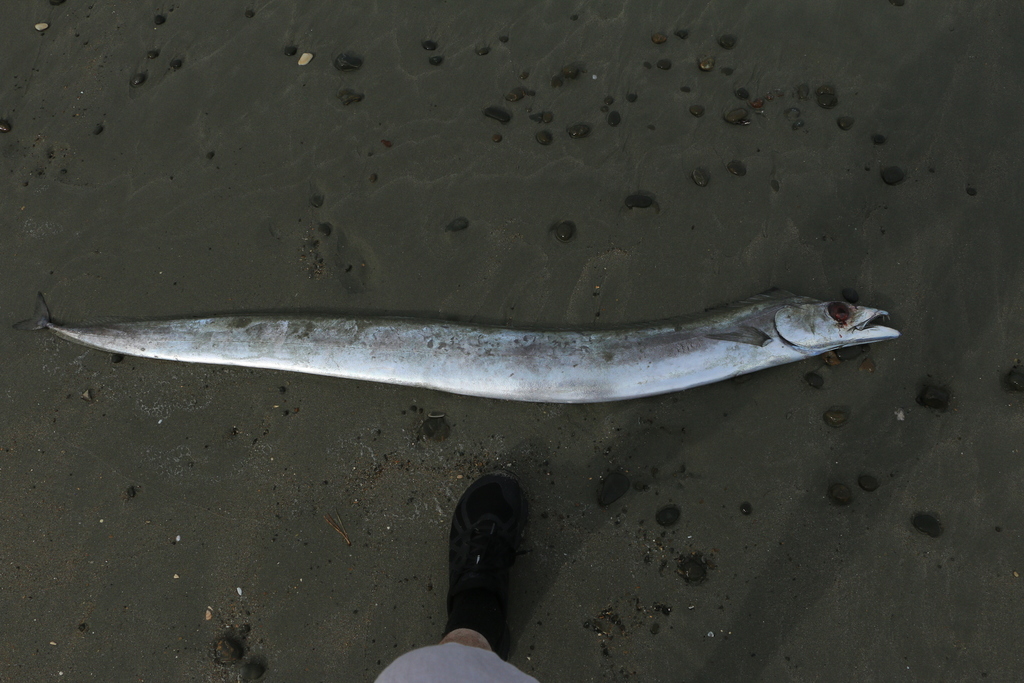 Scabbardfish
Lepidopus caudatus
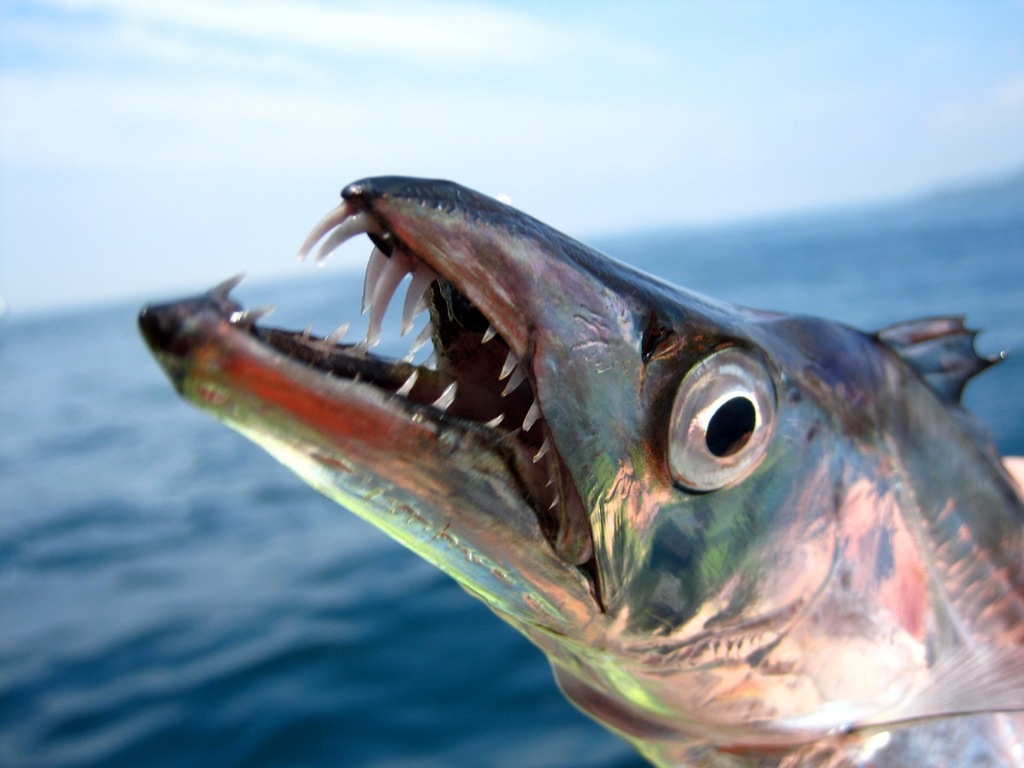 Atlantic cutlass fish
Trichiurus lepturus
 Black scabbardfish
Aphanopus carbo
- Bigeye frostfish
Benthodesmus elongatus
- Slender frostfish
Benthodesmus tenuis
Sources and credits
Names and taxonomy: WoRMS (CC BY 4.0) and the GBIF Backbone (CC BY 4.0). Photos: iNaturalist observers, each under the licence shown (CC0, CC BY or CC BY-SA).
- Depth, temperature, months and maps: records from OBIS and GBIF under CC0 or CC BY.
- Descriptions: Wikipedia, licensed CC BY-SA, each linked to its article.
- Conservation status as published by GBIF (IUCN Red List).
- 180 open-data records from 1829 to 2025.
- Species data updated November 4, 2026.
Log what you see on your next dive
The free DiveHive diver app keeps your logbook with every sighting and shows what lives at the site you dive next.