
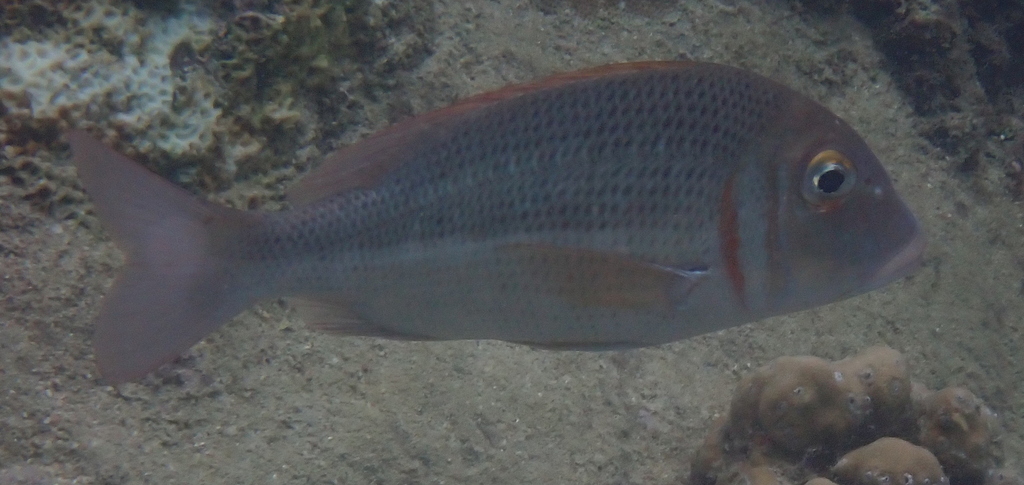
Yellowtail emperor
Lethrinus crocineus
- Usual depth4–57 m
- Water temperature24–28 °C
- Best monthsMay
- How commonRare
Photo credit: (c) Jan Ebr & Ivana Ebrová, some rights reserved (CC BY) · CC BY · iNaturalist
About this species
Lethrinus crocineus, the yellowtail emperor, is a species of marine ray-finned fish belonging to the family Lethrinidae, the emperors and emperor breams. This fish is found in the Indian Ocean.
Text from the Wikipedia article “Lethrinus crocineus”, licensed CC BY-SA 4.0. Read the article
Where and when
Where it has been recorded
Worldwide
Loading the map
Best months
Worldwide (open data)
- January: 1 records
- February: 0 records
- March: 2 records
- April: 6 records
- May: 12 records
- June: 0 records
- July: 5 records
- August: 1 records
- September: 6 records
- October: 1 records
- November: 3 records
- December: 5 records
Depth and water temperature
Depth
Mostly recorded at 4–57 m · Deepest record: 57 m
Water temperature
Recorded in surface water of 24–28 °C
Photos
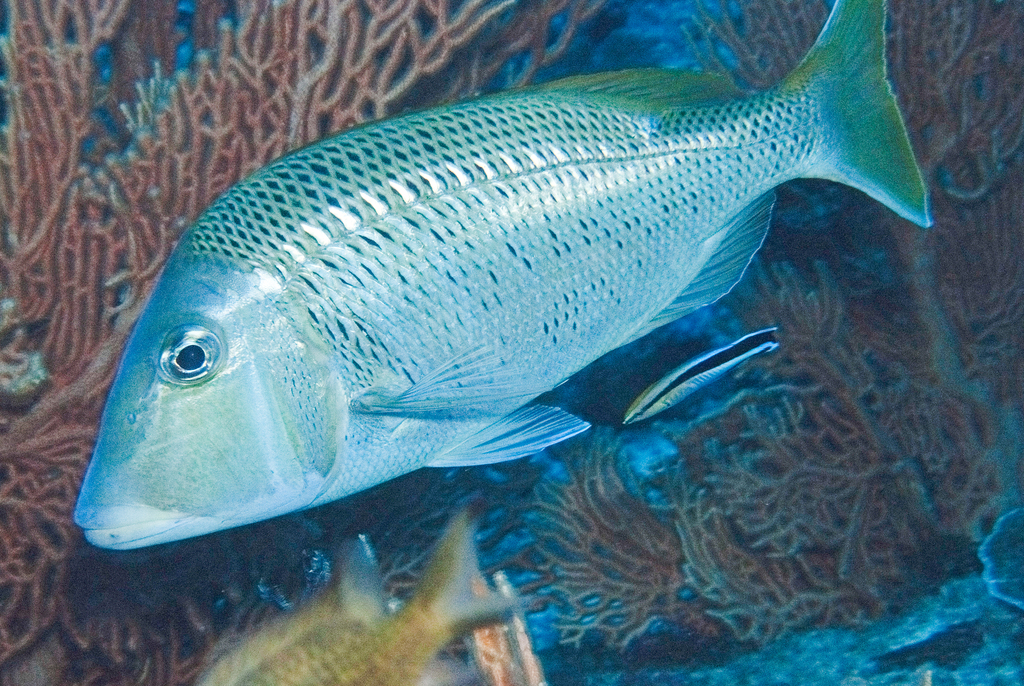
(c) Georgina Jones, some rights reserved (CC BY-SA) · CC BY-SA · iNaturalist 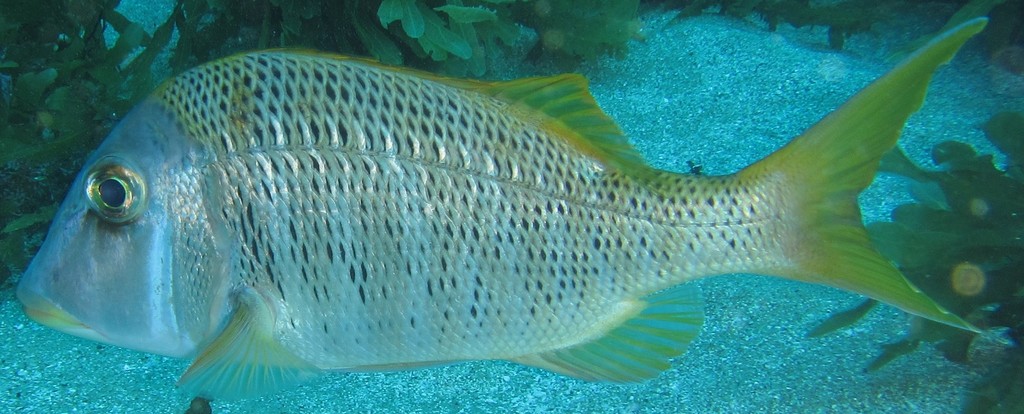
(c) Robert Taylor, some rights reserved (CC BY) · CC BY · iNaturalist
Names and classification
- English
- Yellowtail emperor, Indian Yellowtail Emperor, Yellowfin Emperor, yellowtail emperor
Names in 2 more languages
- Spanish
- Emperador Rabo Amarillo
- French
- Capitaine à Queue Jaune, Capitaine à queue jaune, Empereur à queue jaune, Empereur à Queue Jaune
Similar species
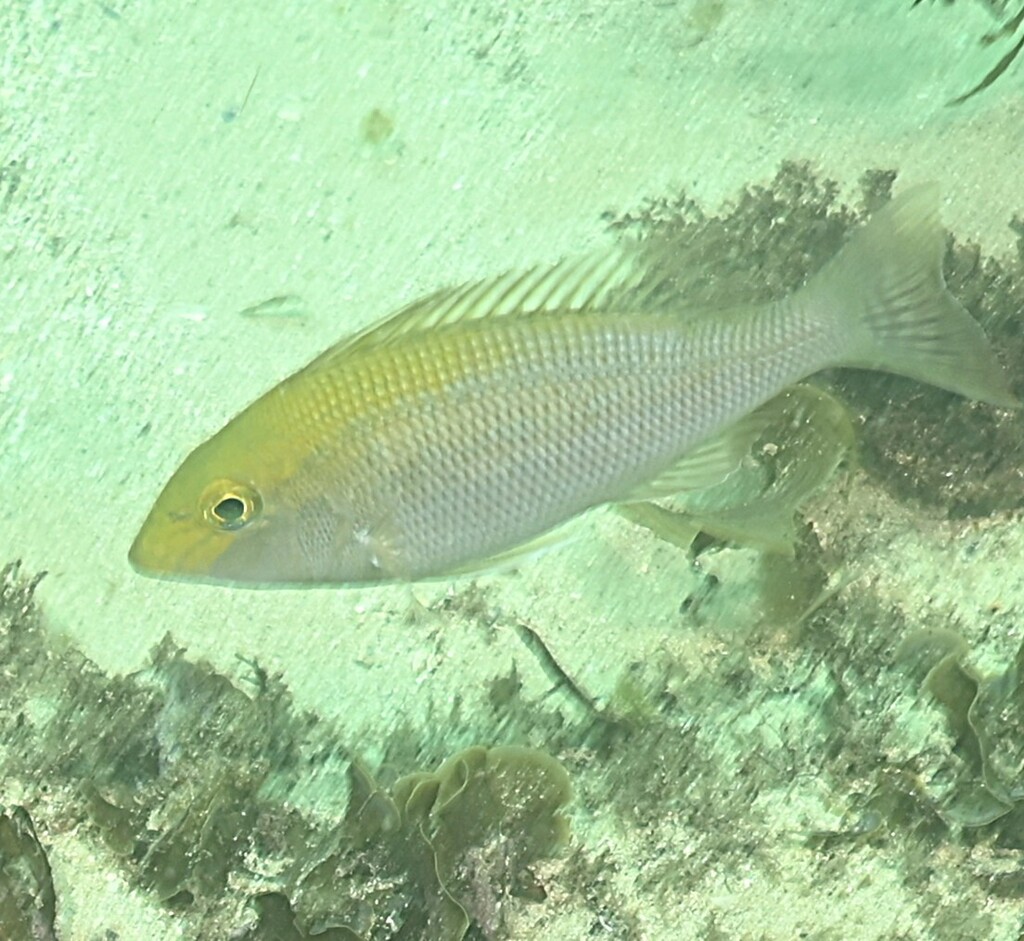 Longspine emperor
Lethrinus genivittatus
 Pink ear emperor
Lethrinus lentjan
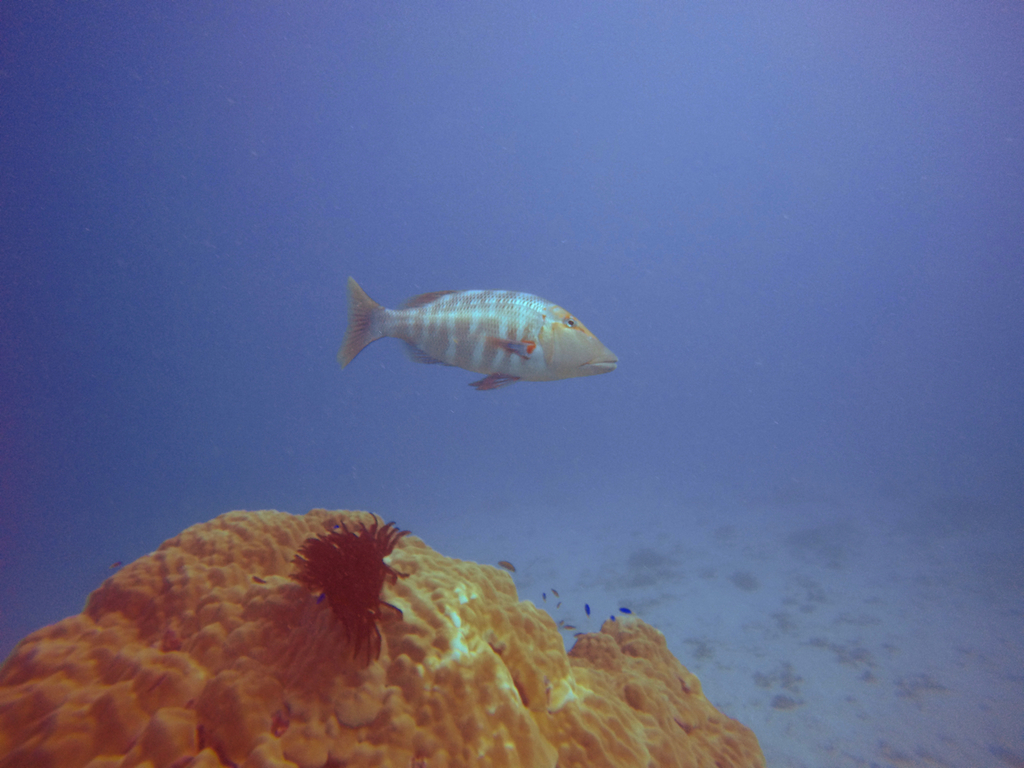 Trumpet emperor
Lethrinus miniatus
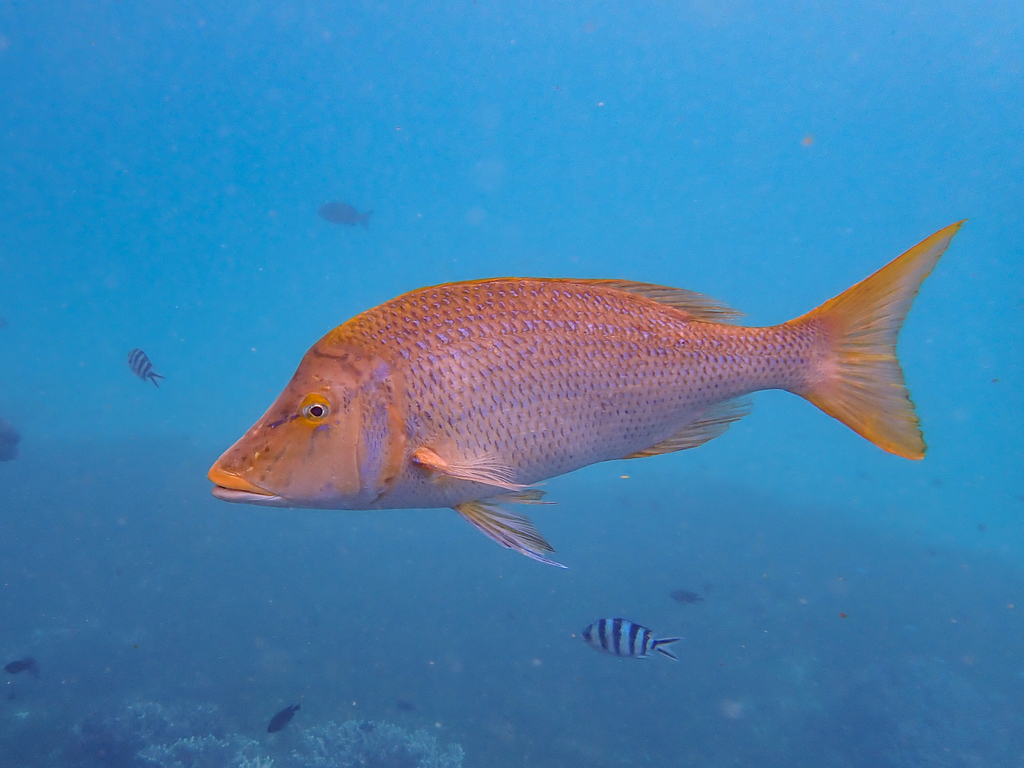 Spangled emperor
Lethrinus nebulosus
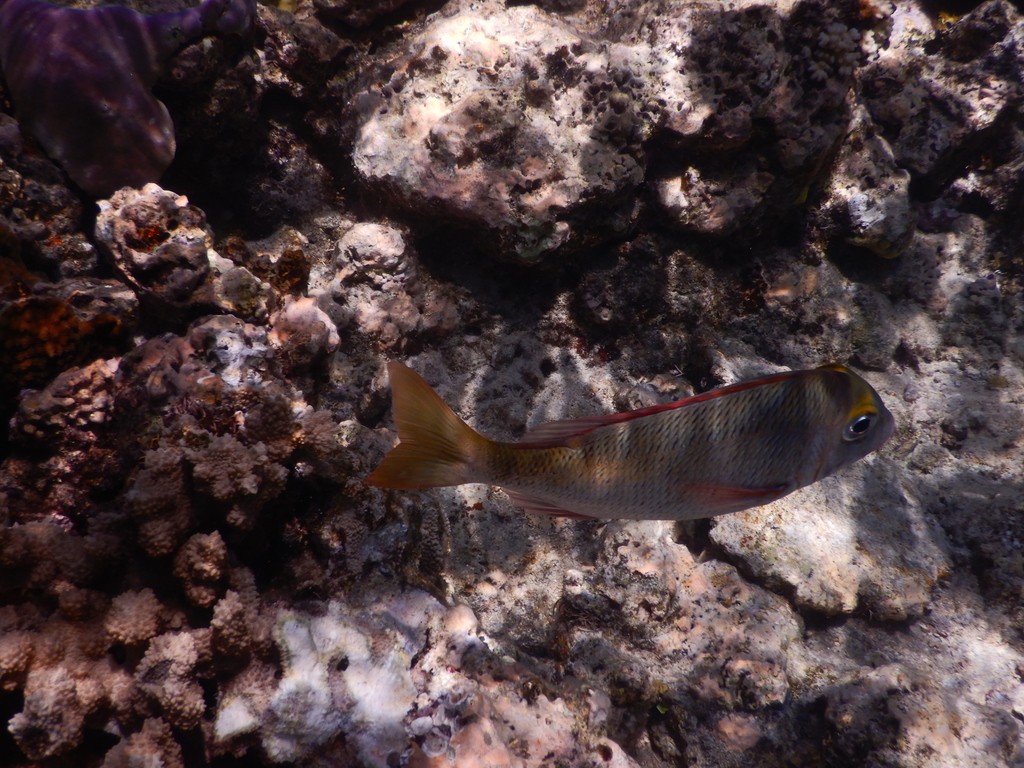 Pacific yellowtail emperor
Lethrinus atkinsoni
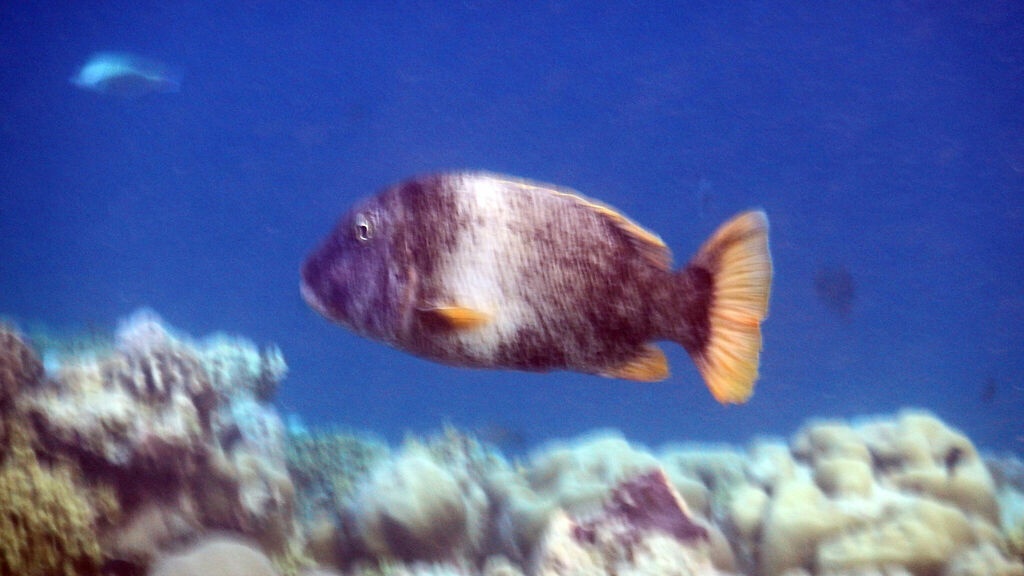 Orange-spotted emperor
Lethrinus erythracanthus
Sources and credits
Names and taxonomy: WoRMS (CC BY 4.0) and the GBIF Backbone (CC BY 4.0). Photos: iNaturalist observers, each under the licence shown (CC0, CC BY or CC BY-SA).
- Depth, temperature, months and maps: records from OBIS and GBIF under CC0 or CC BY.
- Descriptions: Wikipedia, licensed CC BY-SA, each linked to its article.
- Conservation status as published by GBIF (IUCN Red List).
- 274 open-data records from 1964 to 2013.
- Species data updated November 4, 2026.
Log what you see on your next dive
The free DiveHive diver app keeps your logbook with every sighting and shows what lives at the site you dive next.