
Tang's Snapper
Lipocheilus carnolabrum
- Usual depth162–202 m
- Water temperature24–29 °C
- Best monthsApril, August, and October
- How commonRare
About this species
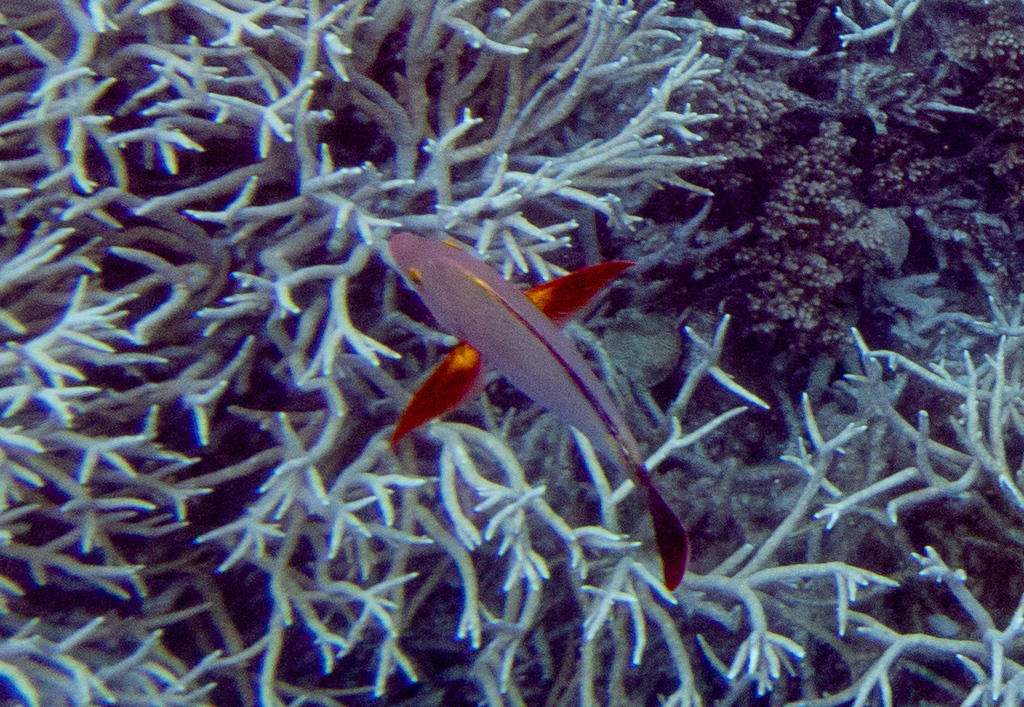
Tang's snapper is a species of marine ray-finned fish, a snapper belonging to the family Lutjanidae. It is native to the Indian Ocean and the western Pacific Ocean. They inhabit areas of the continental shelf with rocky substrates at depths from 90 to 340 m. This species grows to 60 cm (24 in) in total length. It is a commercially important species as a food fish. This species is the only known member of its genus.
Text from the Wikipedia article “Tang's snapper”, licensed CC BY-SA 4.0. Read the article
Where and when
Where it has been recorded
Worldwide
Loading the map
Best months
Worldwide (open data)
- January: 0 records
- February: 3 records
- March: 1 records
- April: 4 records
- May: 1 records
- June: 2 records
- July: 1 records
- August: 4 records
- September: 1 records
- October: 5 records
- November: 3 records
- December: 0 records
Depth and water temperature
Depth
Mostly recorded at 162–202 m · Deepest record: 202 m
Water temperature
Recorded in surface water of 24–29 °C
Names and classification
- English
- Tang's Snapper
Names in 4 more languages
- Spanish
- pargo trompudo
- French
- Vivaneau verrue
- Japanese
- Kibirefuedai, キビレフエダイ
- Simplified Chinese
- 厚唇仔, 葉唇笛鯛
Other scientific names: Tangia carnolabrum
Similar species
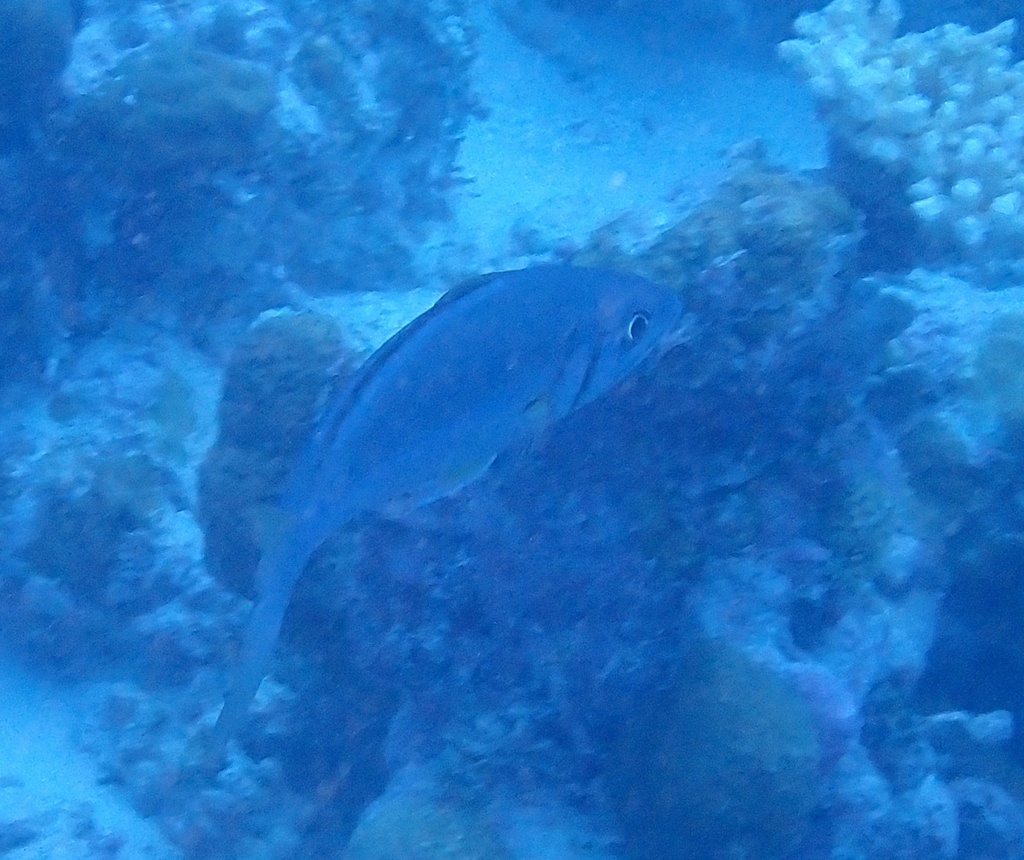 Small toothed jobfish
Aphareus furca
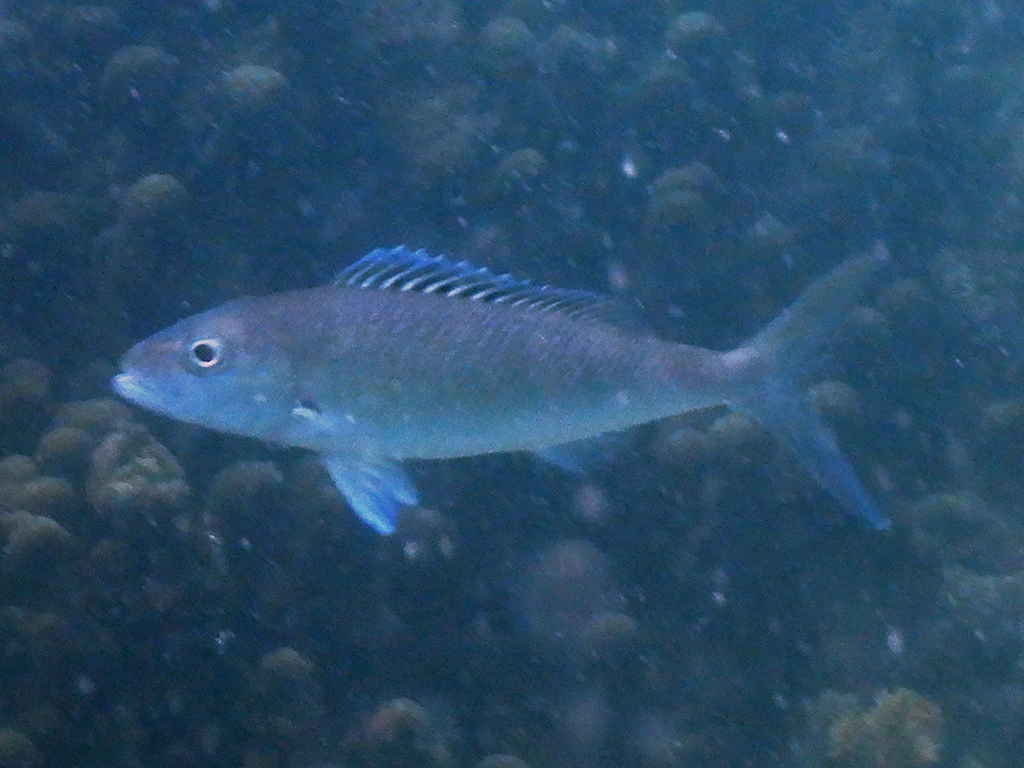 Green jobfish
Aprion virescens
 Mangrove red snapper
Lutjanus argentimaculatus
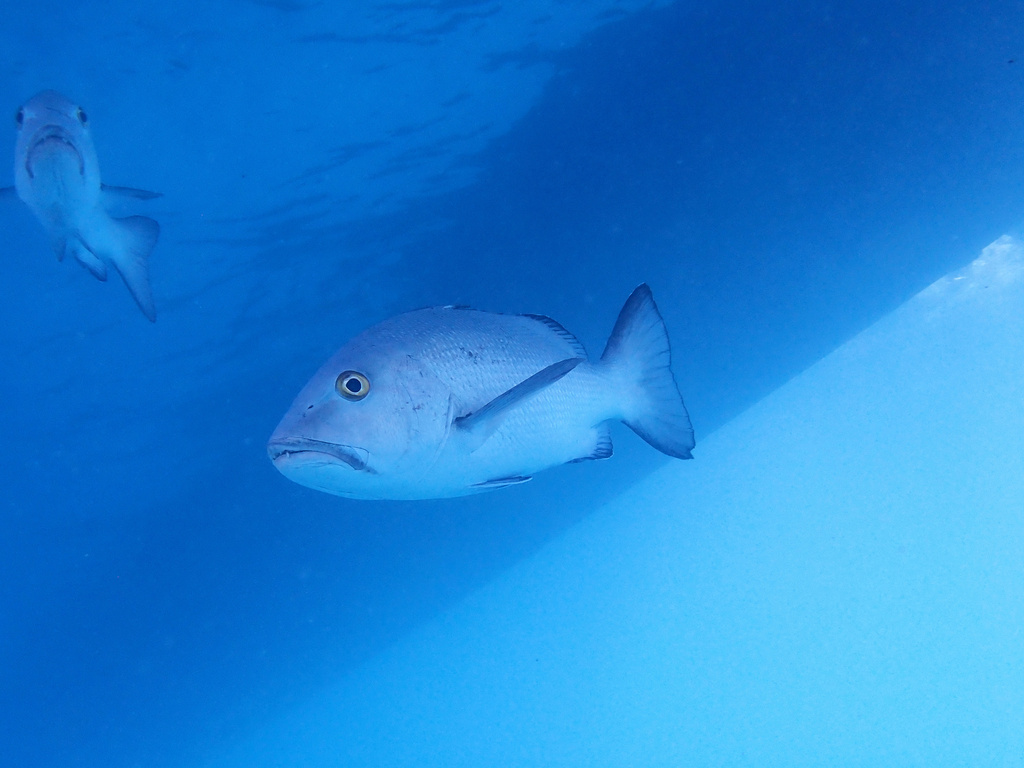 Twinspot snapper
Lutjanus bohar
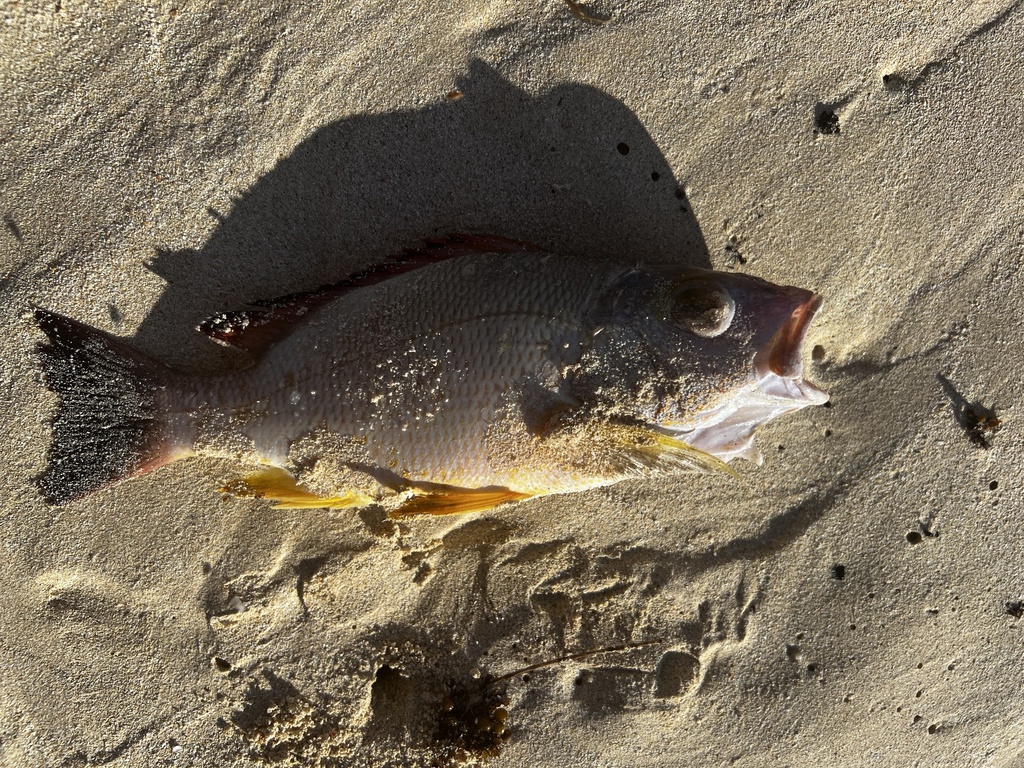 Blacktail snapper
Lutjanus fulvus
 Humpback snapper
Lutjanus gibbus
Sources and credits
Names and taxonomy: WoRMS (CC BY 4.0) and the GBIF Backbone (CC BY 4.0). Photos: iNaturalist observers, each under the licence shown (CC0, CC BY or CC BY-SA).
- Depth, temperature, months and maps: records from OBIS and GBIF under CC0 or CC BY.
- Descriptions: Wikipedia, licensed CC BY-SA, each linked to its article.
- Conservation status as published by GBIF (IUCN Red List).
- 69 open-data records from 1977 to 2001.
- Species data updated November 4, 2026.
Log what you see on your next dive
The free DiveHive diver app keeps your logbook with every sighting and shows what lives at the site you dive next.