
Eared blacksmelt
Lipolagus ochotensis
- Usual depth0–40 m
- Water temperature5–26 °C
- Best monthsApril
- How commonCommon
About this species
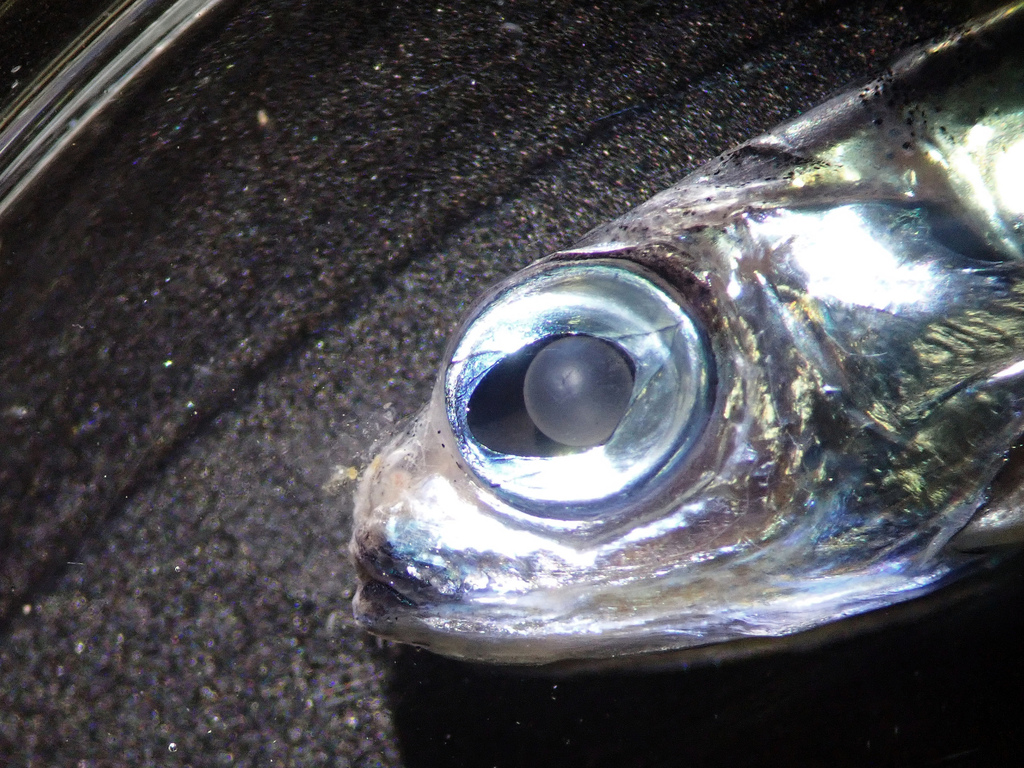
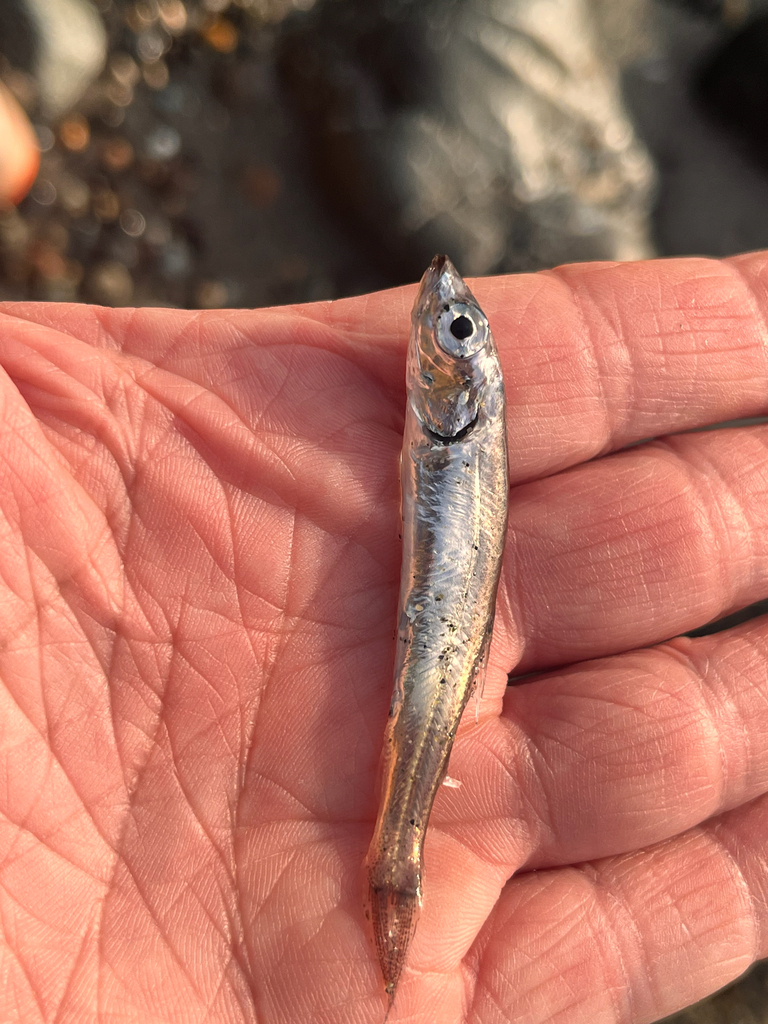
Lipolagus ochotensis, the eared blacksmelt, is a species of deep-sea smelt found in the Pacific Ocean down to depths of 6,100 m (20,000 ft). This species grows to a length of 16 cm (6.3 in).
Text from the Wikipedia article “Lipolagus”, licensed CC BY-SA 4.0. Read the article
Where and when
Where it has been recorded
Worldwide
Loading the map
Best months
Worldwide (open data)
- January: 1,571 records
- February: 1,428 records
- March: 1,129 records
- April: 2,657 records
- May: 1,117 records
- June: 493 records
- July: 470 records
- August: 98 records
- September: 8 records
- October: 43 records
- November: 155 records
- December: 123 records
Depth and water temperature
Depth
Mostly recorded at 0–40 m · Deepest record: 7,356.5 m
Water temperature
Recorded in surface water of 5–26 °C
Names and classification
- English
- Eared blacksmelt, Popeyed blacksmelt, Fatty Deepsea Smelt, Popeye Blacksmelt
Names in 2 more languages
- French
- garcette à oreilles
- Japanese
- Sokoiwashi, ソコイワシ
Other scientific names: Bathylagus nakazawai, Bathylagus ochotensis, Leuroglossus ochotensis
Similar species
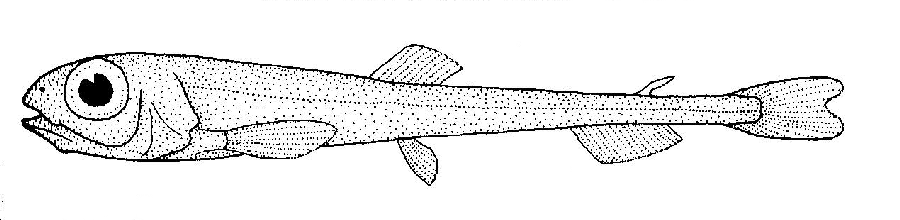
 Snubnose Blacksmelt
Bathylagoides wesethi
 Northern smoothtongue
Leuroglossus schmidti
 Antarctic Big-eyed Smelt
Bathylagus antarcticus
- Slender blacksmelt
Bathylagus pacificus
- Longsnout blacksmelt
Dolicholagus longirostris
- Bigscale deepsea smelt
Melanolagus bericoides
Sources and credits
Names and taxonomy: WoRMS (CC BY 4.0) and the GBIF Backbone (CC BY 4.0). Photos: iNaturalist observers, each under the licence shown (CC0, CC BY or CC BY-SA).
- Depth, temperature, months and maps: records from OBIS and GBIF under CC0 or CC BY.
- Descriptions: Wikipedia, licensed CC BY-SA, each linked to its article.
- Conservation status as published by GBIF (IUCN Red List).
- 10,099 open-data records from 1951 to 2023.
- Species data updated November 4, 2026.
Log what you see on your next dive
The free DiveHive diver app keeps your logbook with every sighting and shows what lives at the site you dive next.