
Bullet Cuttlefish
Lusepia hieronis
- Usual depth129–280 m
- Water temperature14–25 °C
- Best monthsJanuary
- How commonOccasional
About this species
Lusepia hieronis is a species of cuttlefish native to the southeastern Atlantic Ocean and southwestern Indian Ocean, specifically southern Namibia, from approximately 27°S to Port Alfred, South Africa, and east Africa from 17°S to Kenya and Mozambique. It is also present in the Saya-de-Malha Bank. It lives at depths of between 43 and 500 m, although it is most abundant at 110 to 250 m depth.
Text from the Wikipedia article “Lusepia hieronis”, licensed CC BY-SA 4.0. Read the article
Where and when
Where it has been recorded
Worldwide
Loading the map
Best months
Worldwide (open data)
- January: 922 records
- February: 473 records
- March: 3 records
- April: 184 records
- May: 124 records
- June: 97 records
- July: 196 records
- August: 161 records
- September: 146 records
- October: 58 records
- November: 0 records
- December: 0 records
Depth and water temperature
Depth
Mostly recorded at 129–280 m · Deepest record: 504 m
Water temperature
Recorded in surface water of 14–25 °C
Names and classification
- English
- Bullet Cuttlefish
Names in 1 more languages
- Japanese
- カワリコウイカ
Other scientific names: Rhombosepion hieronis, Sepia hieronis
Similar species
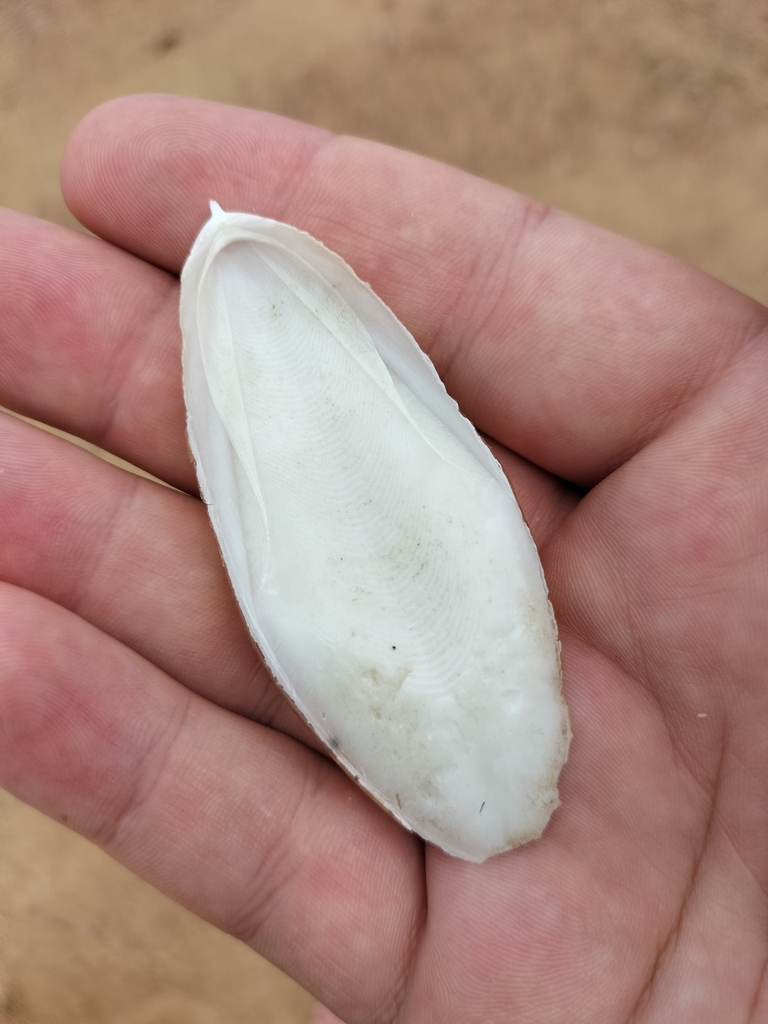
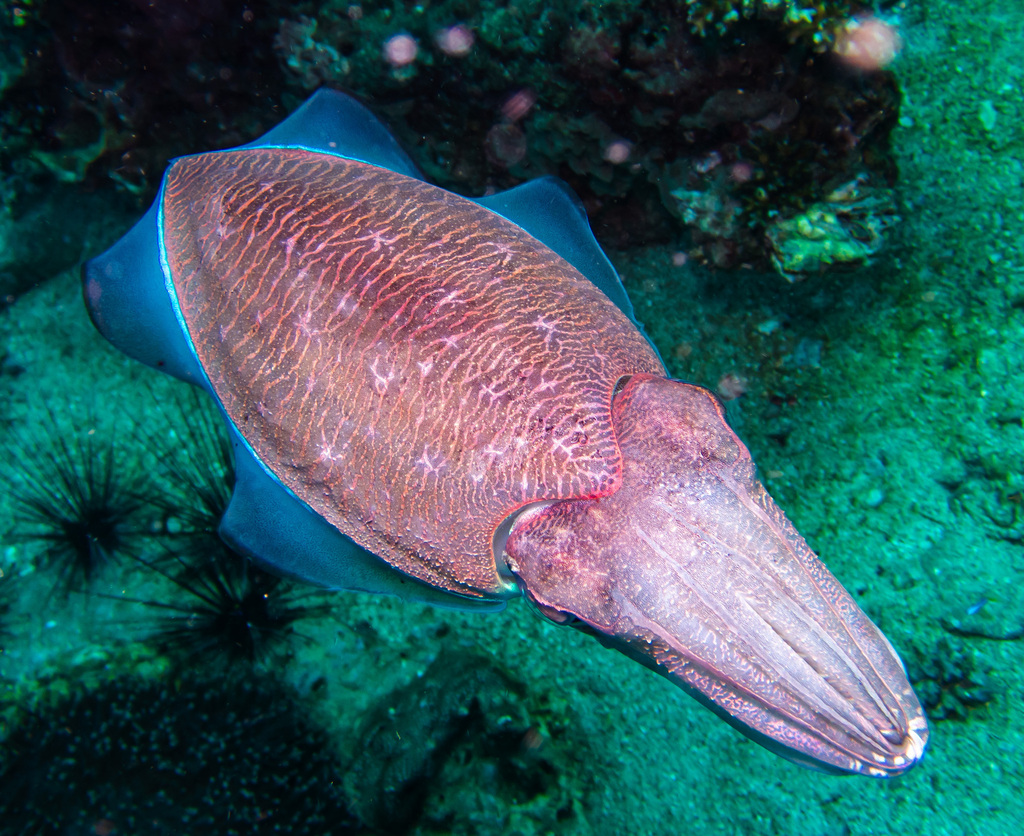 Pharaoh Cuttlefish
Acanthosepion pharaonis
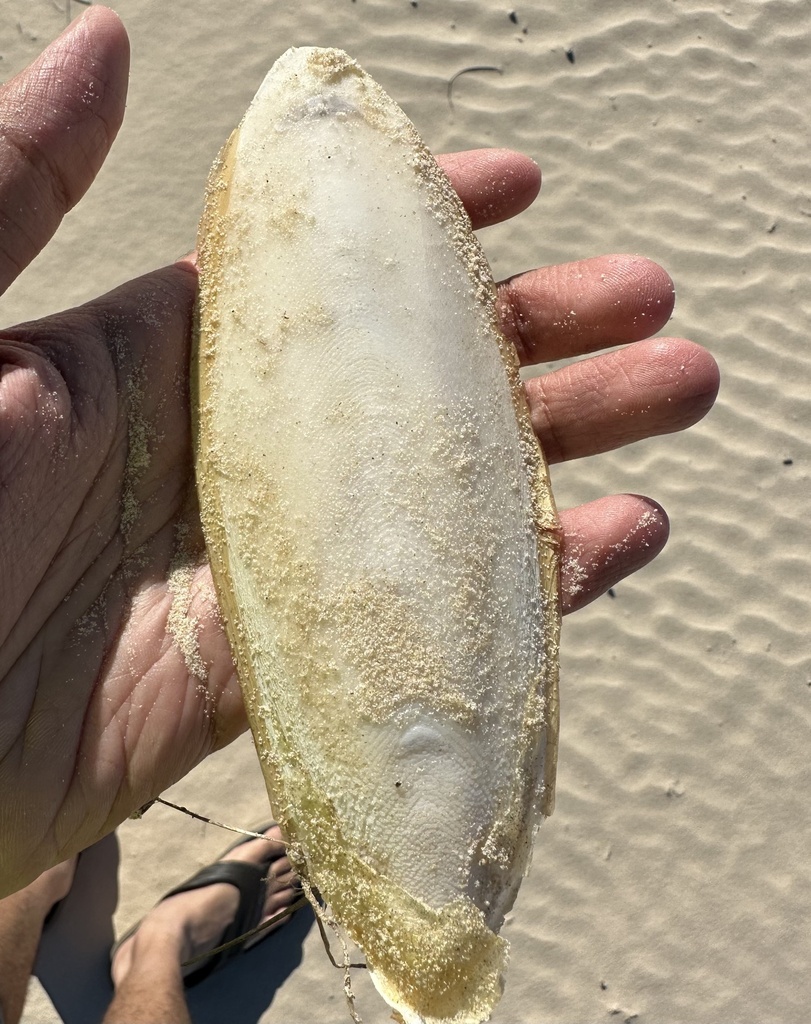 Smith's Cuttlefish
Acanthosepion smithi
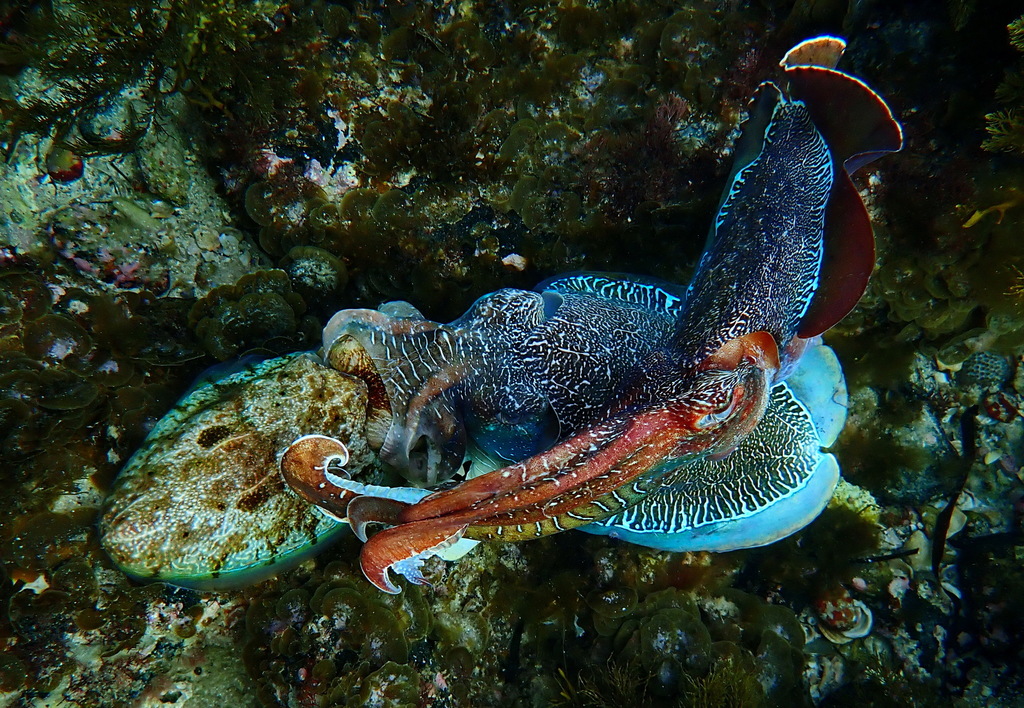 Australian Giant Cuttlefish
Ascarosepion apama
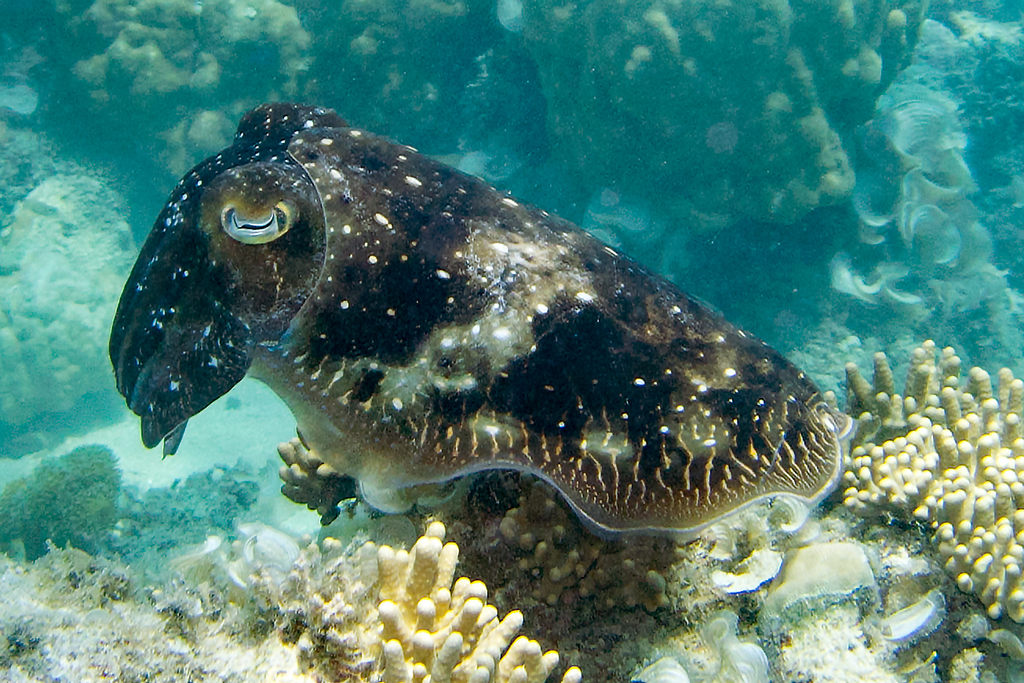 Broadclub Cuttlefish
Ascarosepion latimanus
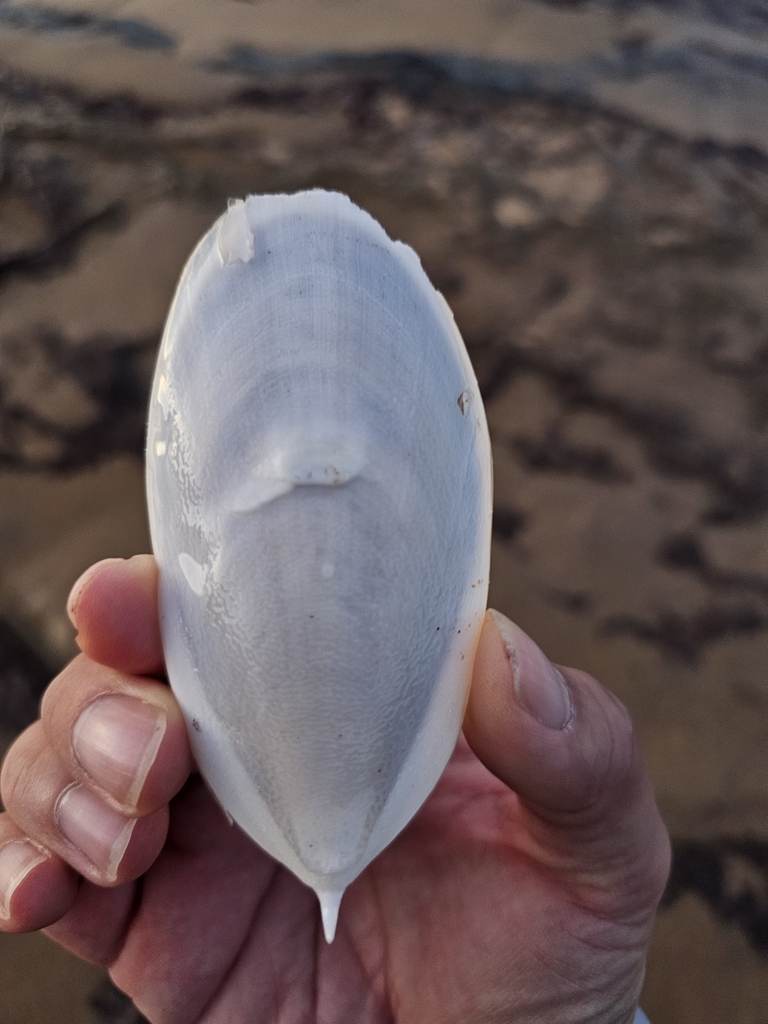 Reaper Cuttlefish
Ascarosepion mestus
Sources and credits
Names and taxonomy: WoRMS (CC BY 4.0) and the GBIF Backbone (CC BY 4.0). Photos: iNaturalist observers, each under the licence shown (CC0, CC BY or CC BY-SA).
- Depth, temperature, months and maps: records from OBIS and GBIF under CC0 or CC BY.
- Descriptions: Wikipedia, licensed CC BY-SA, each linked to its article.
- Conservation status as published by GBIF (IUCN Red List).
- 2,368 open-data records from 1924 to 2012.
- Species data updated November 4, 2026.
Log what you see on your next dive
The free DiveHive diver app keeps your logbook with every sighting and shows what lives at the site you dive next.