
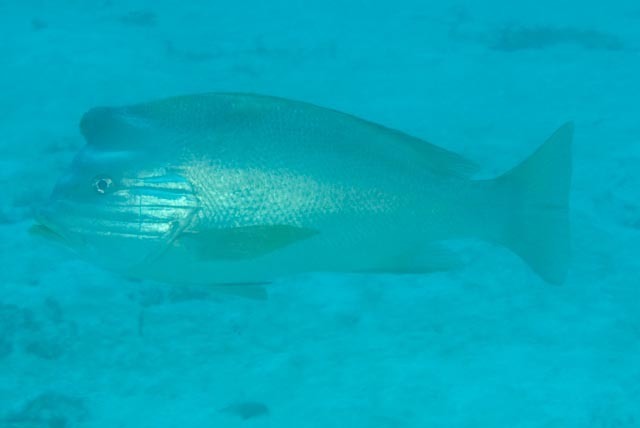
Humphead snapper
Lutjanus sanguineus
- Usual depth10–40 m
- Water temperature19–30 °C
- Best monthsFebruary, June, and October
- How commonOccasional
Photo credit: (c) Georgina Jones, some rights reserved (CC BY-SA) · CC BY-SA · iNaturalist
About this species
Lutjanus is a genus of marine ray-finned fish, snappers belonging to the family Lutjanidae. They are found in the Atlantic, Indian, and Pacific Oceans. They are predatory fish usually found in tropical and subtropical reefs and mangrove forests. This genus also includes two species that only occur in fresh and brackish waters.
Text from the Wikipedia article “Lutjanus”, licensed CC BY-SA 4.0. Read the article
Where and when
Where it has been recorded
Worldwide
Loading the map
Best months
Worldwide (open data)
- January: 8 records
- February: 18 records
- March: 7 records
- April: 12 records
- May: 14 records
- June: 26 records
- July: 7 records
- August: 11 records
- September: 11 records
- October: 24 records
- November: 3 records
- December: 7 records
Depth and water temperature
Depth
Mostly recorded at 10–40 m · Deepest record: 60 m
Water temperature
Recorded in surface water of 19–30 °C
Names and classification
- English
- Humphead snapper, Bloodred Snapper, Blood Snapper, humphead snapper
Names in 3 more languages
- Spanish
- Pargo cabezón
- French
- Vivaneau têtu
- Simplified Chinese
- 紅笛鯛
Other scientific names: Diacope erythrina, Diacope sanguinea, Lutianus sanguineus, Lutjanus sanguiness
Similar species
 Mangrove red snapper
Lutjanus argentimaculatus
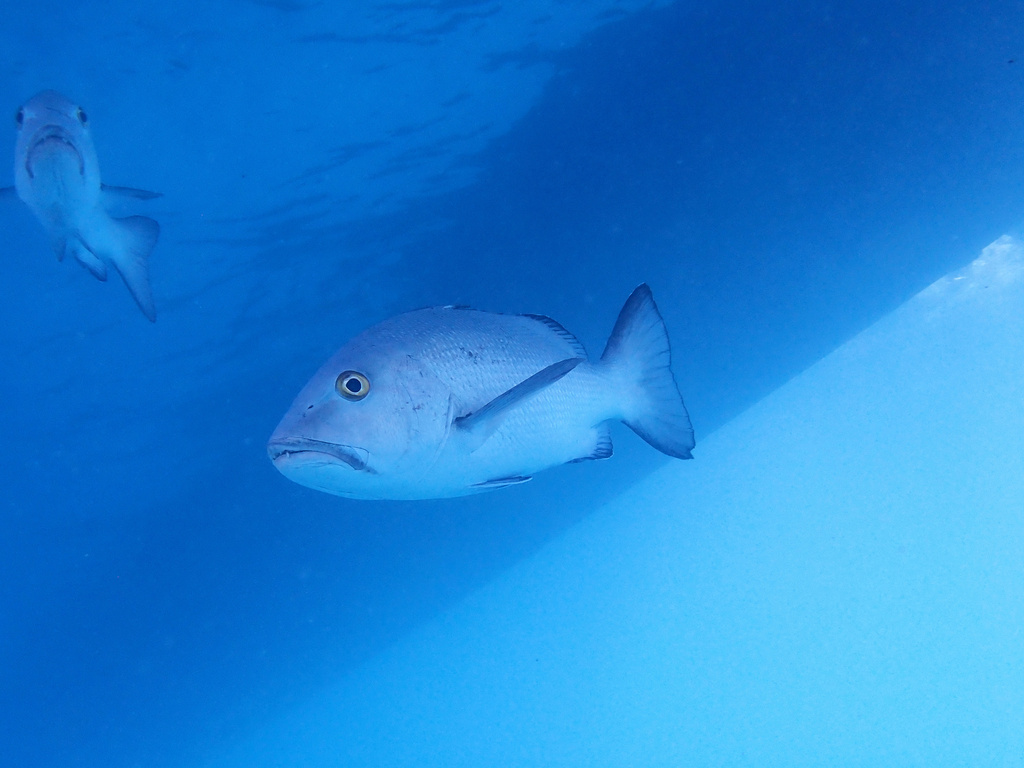 Twinspot snapper
Lutjanus bohar
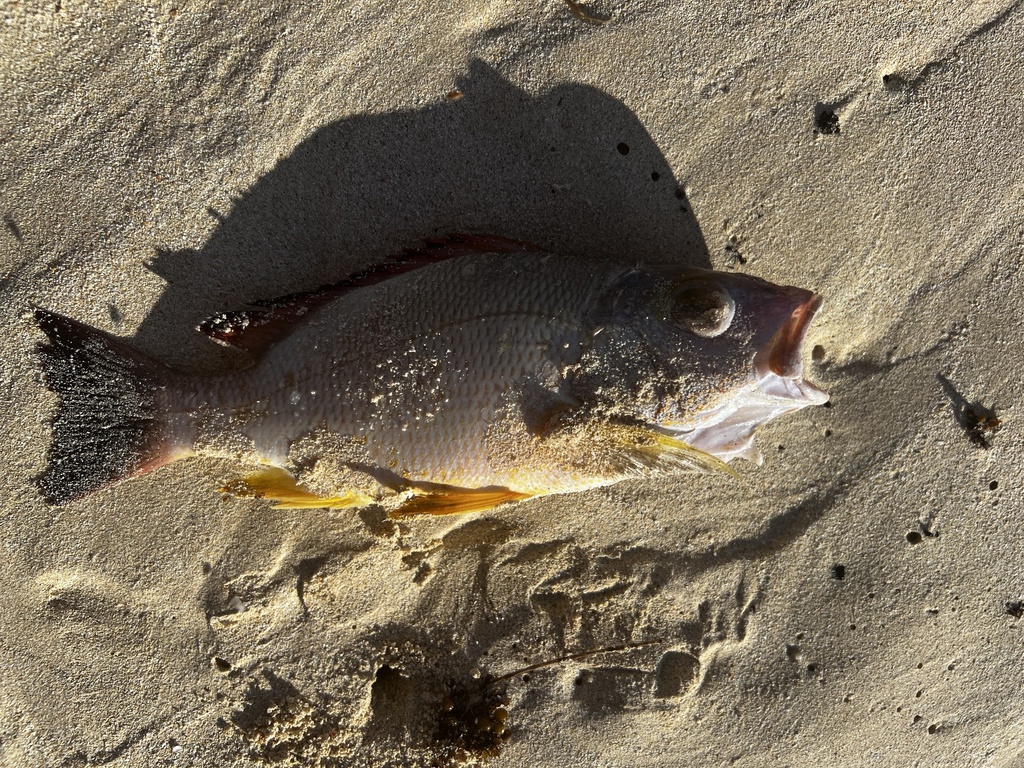 Blacktail snapper
Lutjanus fulvus
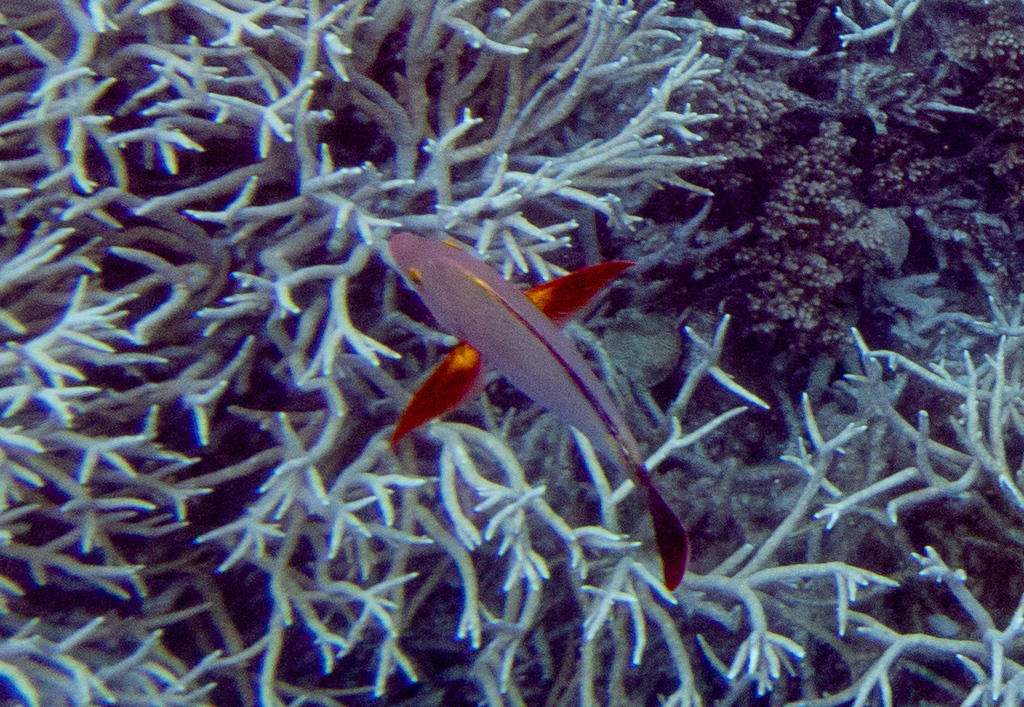 Humpback snapper
Lutjanus gibbus
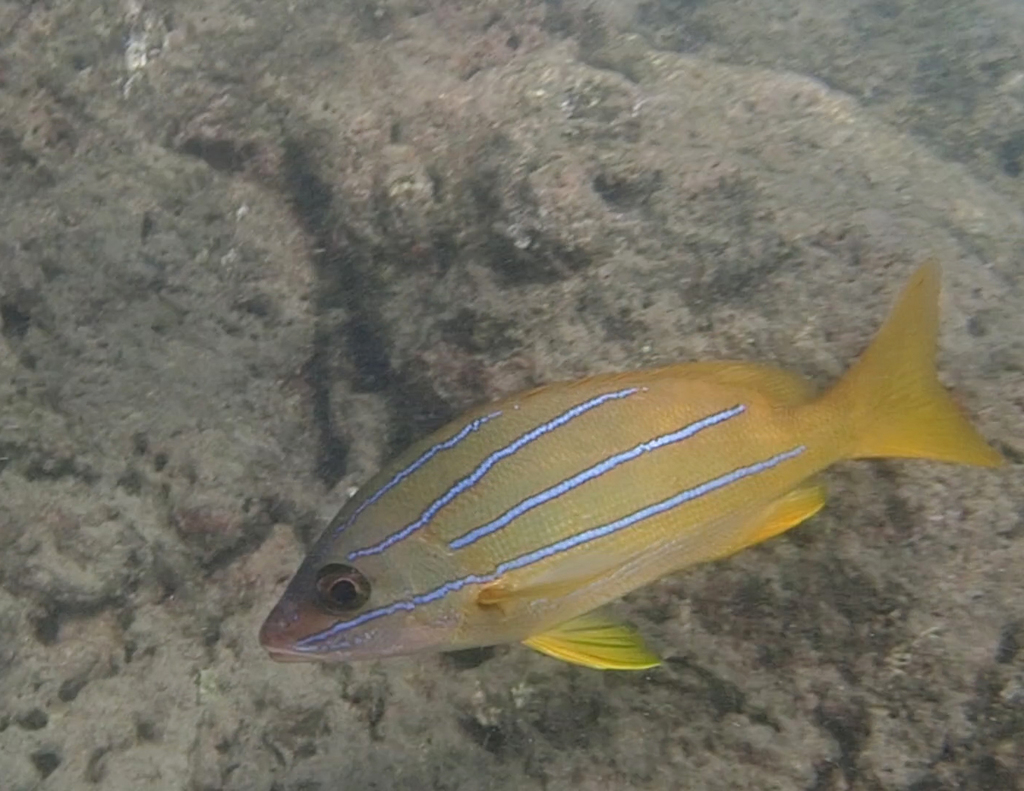 Common bluestripe snapper
Lutjanus kasmira
 Big-mouth Nannygai
Lutjanus malabaricus
Sources and credits
Names and taxonomy: WoRMS (CC BY 4.0) and the GBIF Backbone (CC BY 4.0). Photos: iNaturalist observers, each under the licence shown (CC0, CC BY or CC BY-SA).
- Depth, temperature, months and maps: records from OBIS and GBIF under CC0 or CC BY.
- Descriptions: Wikipedia, licensed CC BY-SA, each linked to its article.
- Conservation status as published by GBIF (IUCN Red List).
- 160 open-data records from 1936 to 2011.
- Species data updated November 4, 2026.
Log what you see on your next dive
The free DiveHive diver app keeps your logbook with every sighting and shows what lives at the site you dive next.