
Winckworth's octopus
Macrochlaena winckworthi
- Water temperature28–29 °C
- Best monthsJanuary, July, and November
- How commonRare
About this species
Macrochlaena winckworthi, Winckworth's octopus, is a little known species of octopus, it is the only species in the monotypic genus Macrochlaena, in the family Octopodidae. It was described by the British malacologist Guy Coburn Robson in 1926, the type specimens having been collected in the Gulf of Mannar, off Thoothukudi in Tamil Nadu, southeastern India.
Text from the Wikipedia article “Macrochlaena”, licensed CC BY-SA 4.0. Read the article
Where and when
Where it has been recorded
Worldwide
Loading the map
Best months
Worldwide (open data)
- January: 2 records
- February: 0 records
- March: 0 records
- April: 0 records
- May: 0 records
- June: 0 records
- July: 3 records
- August: 0 records
- September: 0 records
- October: 1 records
- November: 2 records
- December: 0 records
Depth and water temperature
Water temperature
Recorded in surface water of 28–29 °C
Names and classification
- English
- Winckworth's octopus
Names in 2 more languages
- Spanish
- Pulpo de Winckworth
- French
- Poulpe de Winckworth
Other scientific names: Octopus winckworthi
Similar species
 Common Atlantic octopus
Octopus vulgaris
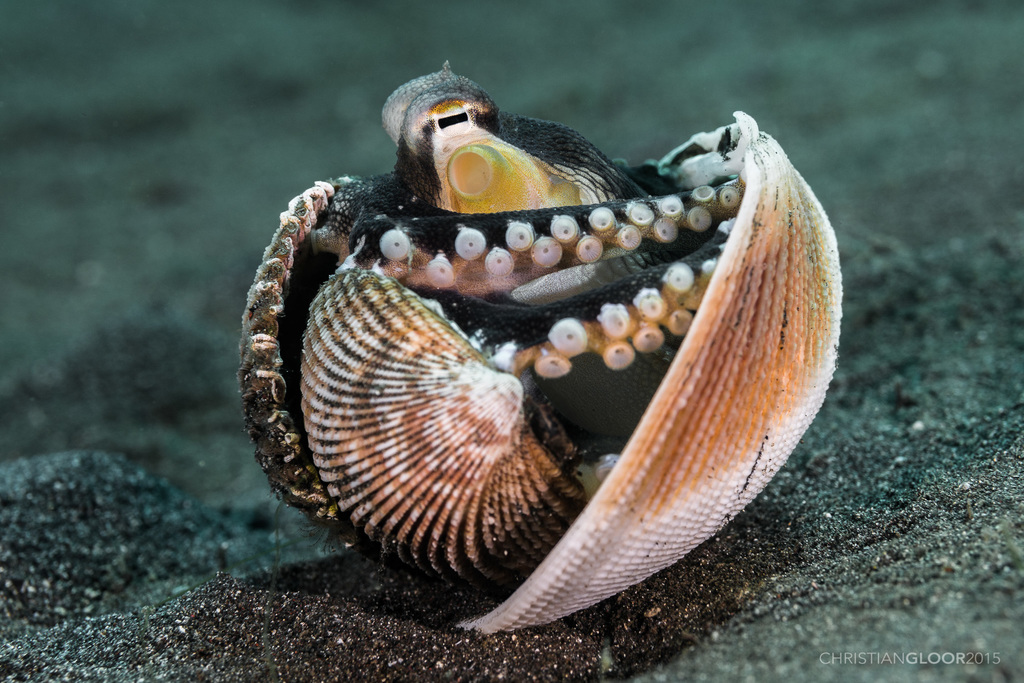 Coconut Octopus
Amphioctopus marginatus
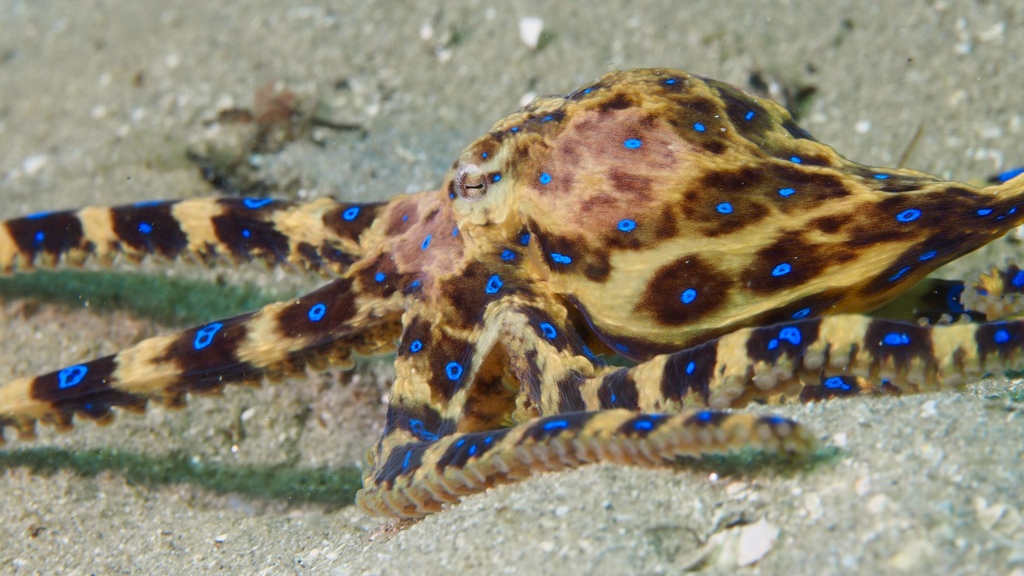 Blue-ringed octopus
Hapalochlaena maculosa
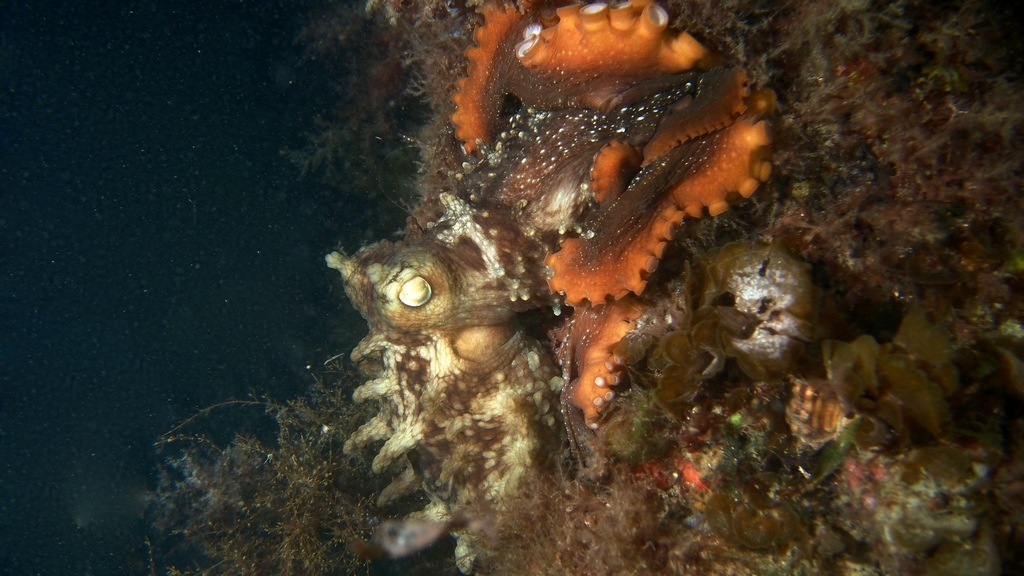 Maori octopus
Macroctopus maorum
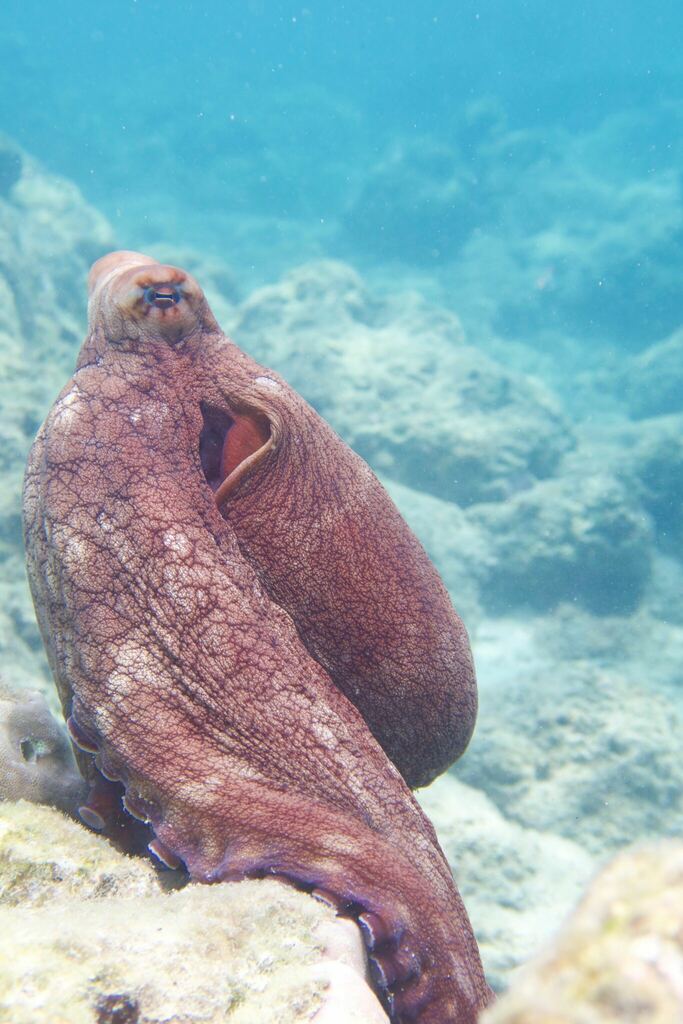 Big blue octopus
Octopus cyanea
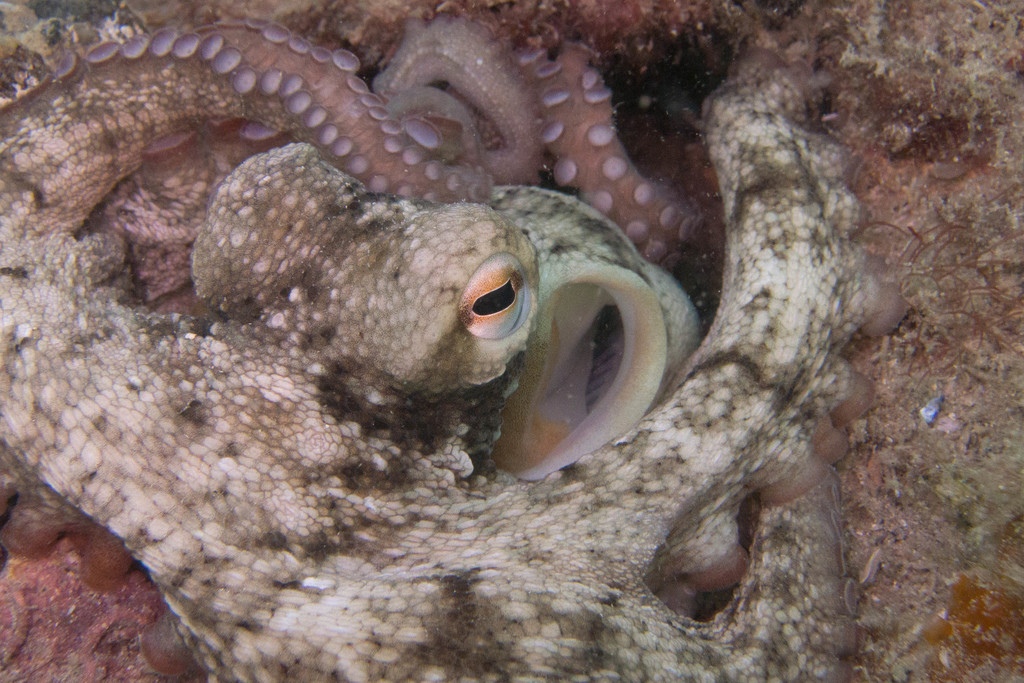 Gloomy octopus
Octopus tetricus
Sources and credits
Names and taxonomy: WoRMS (CC BY 4.0) and the GBIF Backbone (CC BY 4.0). Photos: iNaturalist observers, each under the licence shown (CC0, CC BY or CC BY-SA).
- Depth, temperature, months and maps: records from OBIS and GBIF under CC0 or CC BY.
- Descriptions: Wikipedia, licensed CC BY-SA, each linked to its article.
- Conservation status as published by GBIF (IUCN Red List).
- 5 open-data records from 1926 to 1926.
- Species data updated November 4, 2026.
Log what you see on your next dive
The free DiveHive diver app keeps your logbook with every sighting and shows what lives at the site you dive next.