
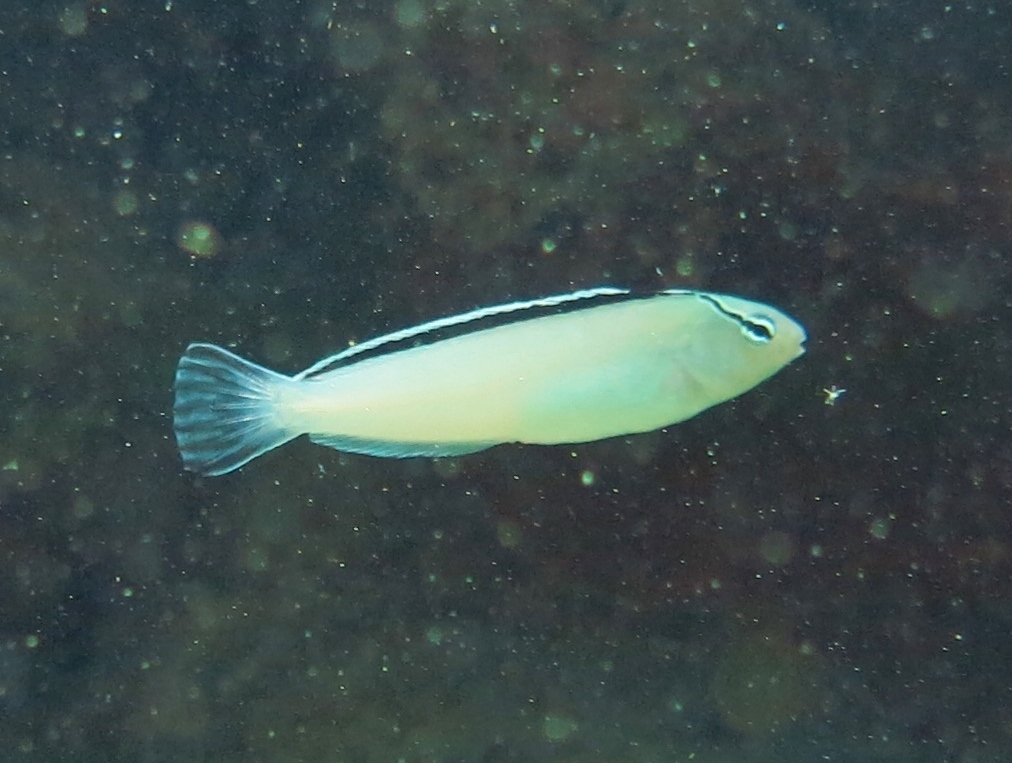
Disco Blenny
Meiacanthus smithi
- Usual depth2–30 m
- Water temperature28–30 °C
- Best monthsDecember
- How commonRare
Photo credit: (c) Ahmed Abdul Rahman, some rights reserved (CC BY-SA) · CC BY-SA · iNaturalist
About this species
Meiacanthus smithi, the disco blenny, is a species of combtooth blenny found in coral reefs in the eastern Indian Ocean. This species grows to a length of 8.5 centimetres (3.3 in) TL. It is also commonly known as Smith's fangblenny, Smith's sawtail blenny or Smith's harp-tail blenny. This species is also found in the aquarium trade.
Text from the Wikipedia article “Disco blenny”, licensed CC BY-SA 4.0. Read the article
Where and when
Where it has been recorded
Worldwide
Loading the map
Best months
Worldwide (open data)
- January: 10 records
- February: 6 records
- March: 9 records
- April: 6 records
- May: 5 records
- June: 4 records
- July: 8 records
- August: 4 records
- September: 5 records
- October: 3 records
- November: 7 records
- December: 19 records
Depth and water temperature
Depth
Mostly recorded at 2–30 m · Deepest record: 30 m
Water temperature
Recorded in surface water of 28–30 °C
Photos
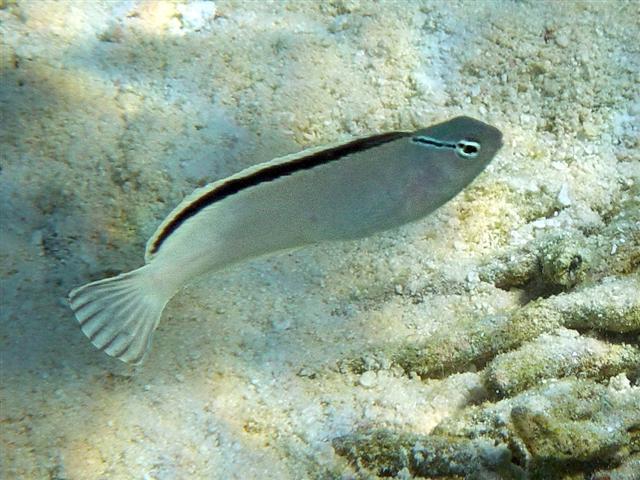
(c) Rainer Kretzberg, some rights reserved (CC BY) · CC BY · iNaturalist 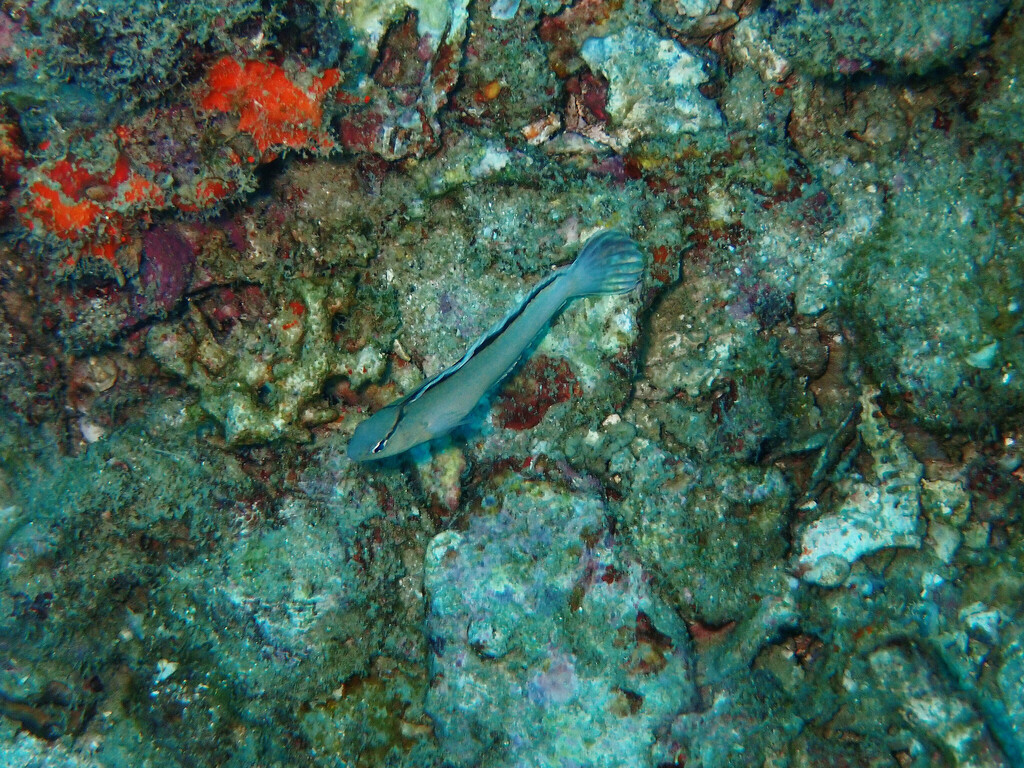
(c) Donald Davesne, some rights reserved (CC BY) · CC BY · iNaturalist 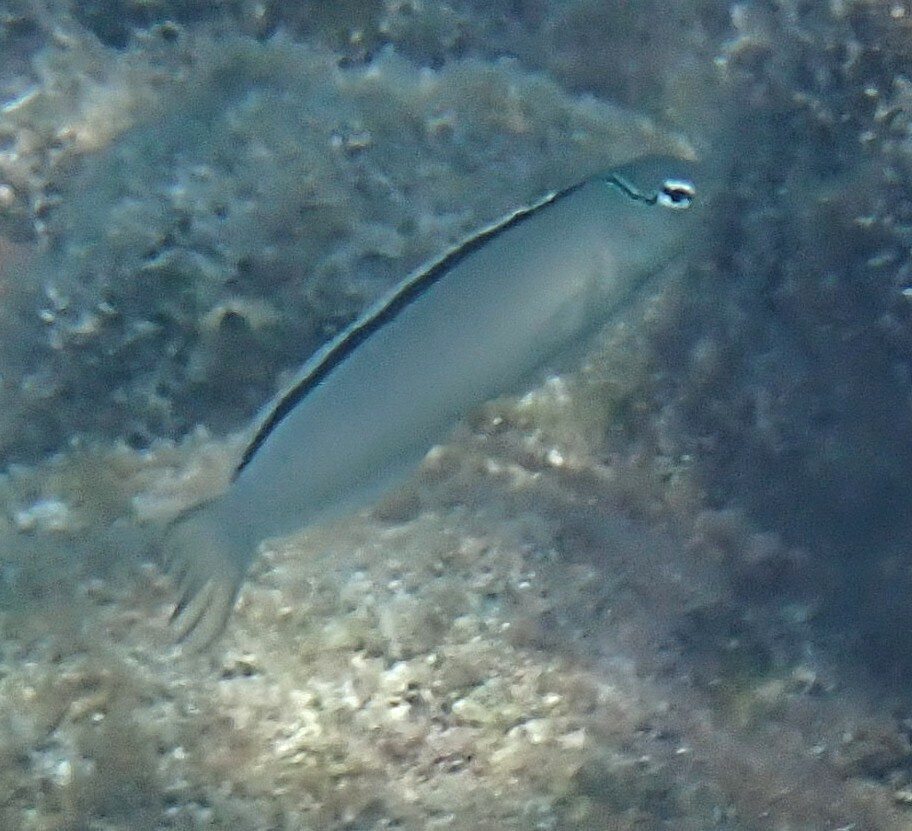
(c) Jan Ebr & Ivana Ebrová, some rights reserved (CC BY) · CC BY · iNaturalist 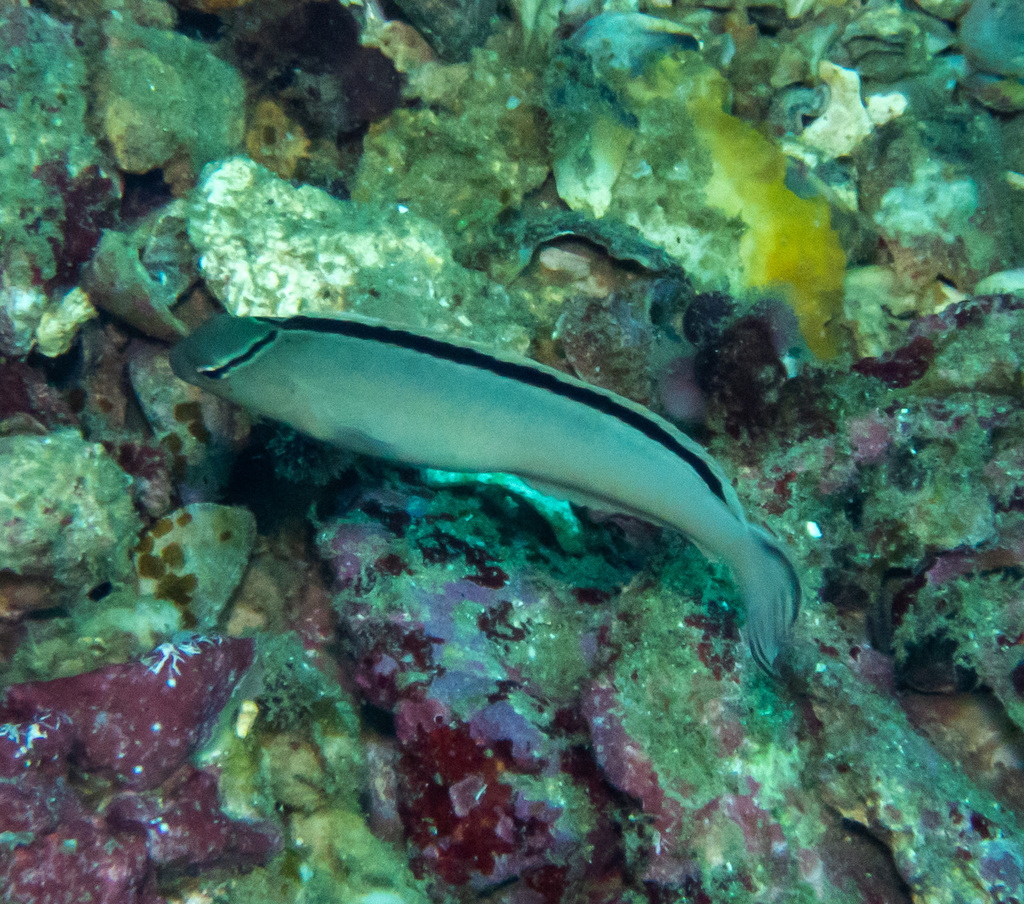
(c) portioid, some rights reserved (CC BY) · CC BY · iNaturalist 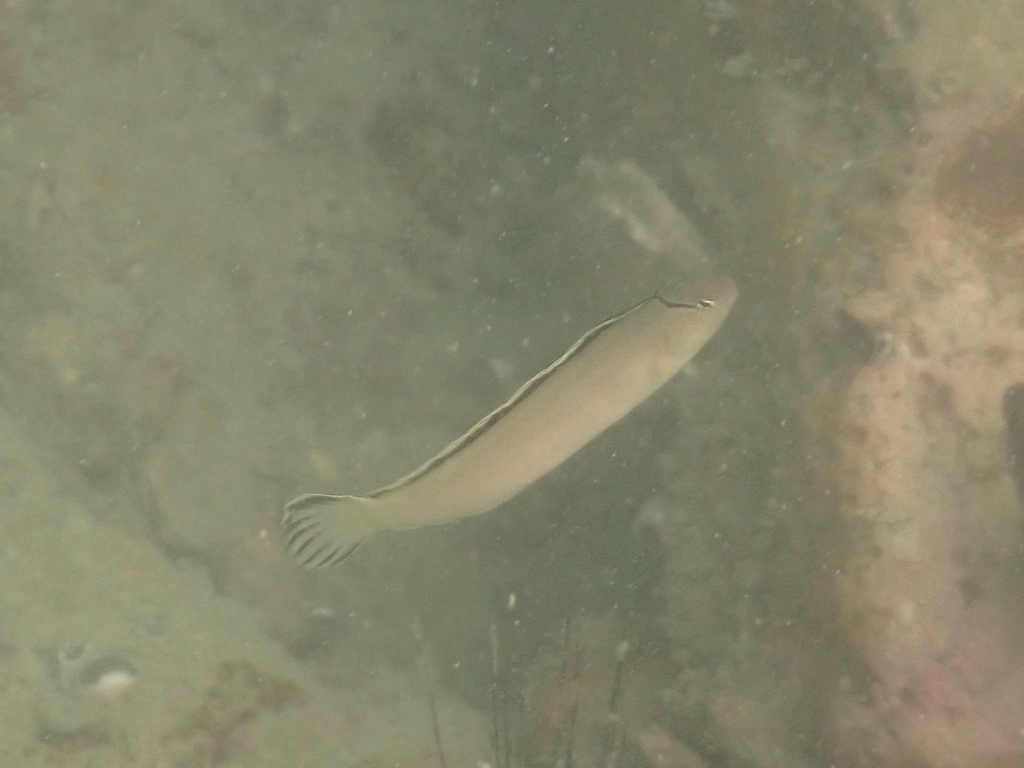
(c) Ben Costamagna, some rights reserved (CC BY) · CC BY · iNaturalist 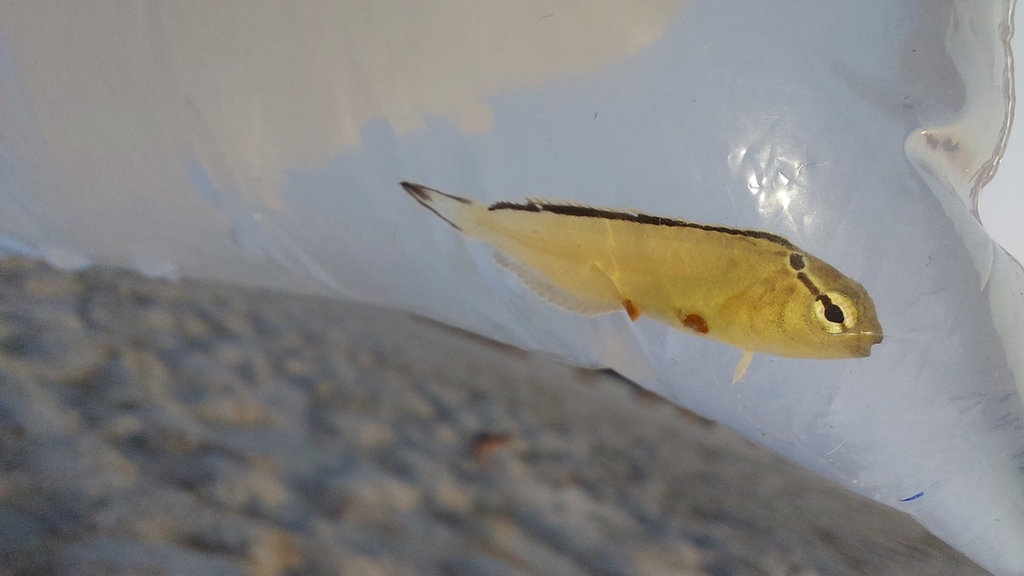
(c) Ronith Urs, some rights reserved (CC BY) · CC BY · iNaturalist 
(c) My-Lan Le, some rights reserved (CC BY) · CC BY · iNaturalist
Names and classification
- English
- Disco Blenny, Smith's Fangblenny
Names in 1 more languages
- French
- Blennie disco
Similar species
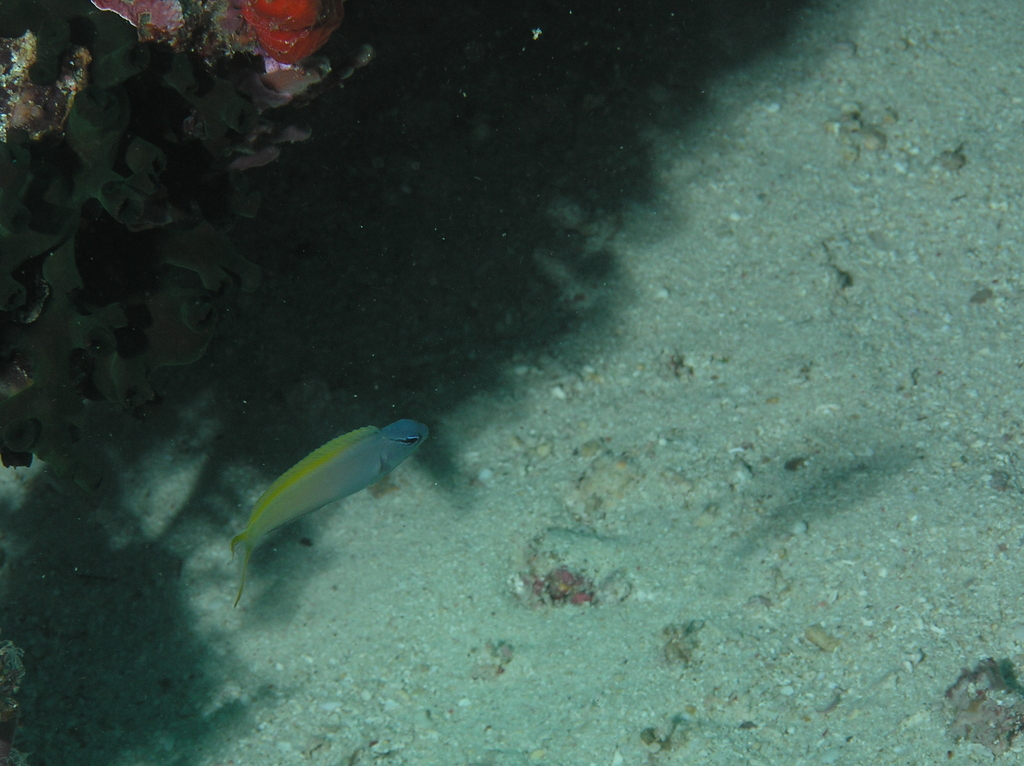 Eyelash Fangblenny
Meiacanthus atrodorsalis
 Black-banded Blenny
Meiacanthus grammistes
- Green Canary Blenny
Meiacanthus tongaensis
 Bundoon Blenny
Meiacanthus bundoon
 Doublepore Fangblenny
Meiacanthus ditrema
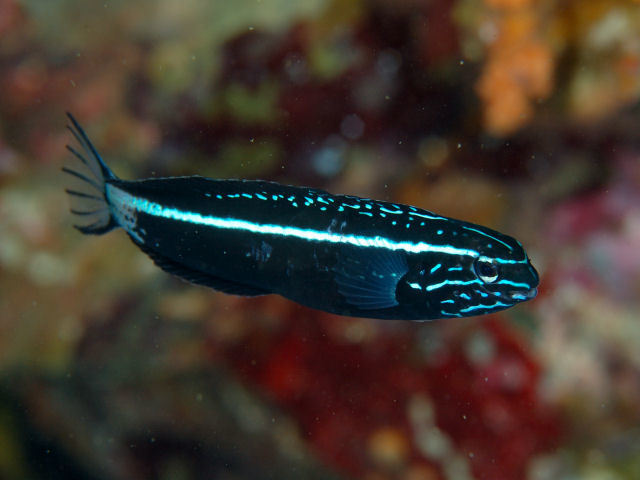 Kamohara Blenny
Meiacanthus kamoharai
Sources and credits
Names and taxonomy: WoRMS (CC BY 4.0) and the GBIF Backbone (CC BY 4.0). Photos: iNaturalist observers, each under the licence shown (CC0, CC BY or CC BY-SA).
- Depth, temperature, months and maps: records from OBIS and GBIF under CC0 or CC BY.
- Descriptions: Wikipedia, licensed CC BY-SA, each linked to its article.
- Conservation status as published by GBIF (IUCN Red List).
- 40 open-data records from 1963 to 2010.
- Species data updated November 4, 2026.
Log what you see on your next dive
The free DiveHive diver app keeps your logbook with every sighting and shows what lives at the site you dive next.