
Jinga shrimp
Metapenaeus affinis
- Usual depth1–30 m
- Water temperature25–29 °C
- Best monthsJuly, October, and November
- How commonRare
About this species
Metapenaeus affinis, commonly referred to as the Jinga shrimp, is a species of prawn in the family Penaeidae. It grows up to 22 cm (8.7 in) in length, with its common length being 17 cm (6.7 in). Pale green or pink-brown body with green or red-brown specks.
Text from the Wikipedia article “Metapenaeus affinis”, licensed CC BY-SA 4.0. Read the article
Where and when
Where it has been recorded
Worldwide
Loading the map
Best months
Worldwide (open data)
- January: 0 records
- February: 1 records
- March: 0 records
- April: 0 records
- May: 0 records
- June: 0 records
- July: 3 records
- August: 2 records
- September: 0 records
- October: 3 records
- November: 3 records
- December: 0 records
Depth and water temperature
Depth
Mostly recorded at 1–30 m · Deepest record: 35 m
Water temperature
Recorded in surface water of 25–29 °C
Names and classification
- English
- Jinga shrimp
Names in 3 more languages
- Spanish
- camarón jinga
- French
- crevette jinga
- Simplified Chinese
- 近緣新對蝦
Other scientific names: Metapenaeus ivanovi, Metapenaeus mutatus, Metapenaeus necopinans, Penaeus affinis, Penaeus mutatis
Similar species
- Endeavour shrimp
Metapenaeus endeavouri
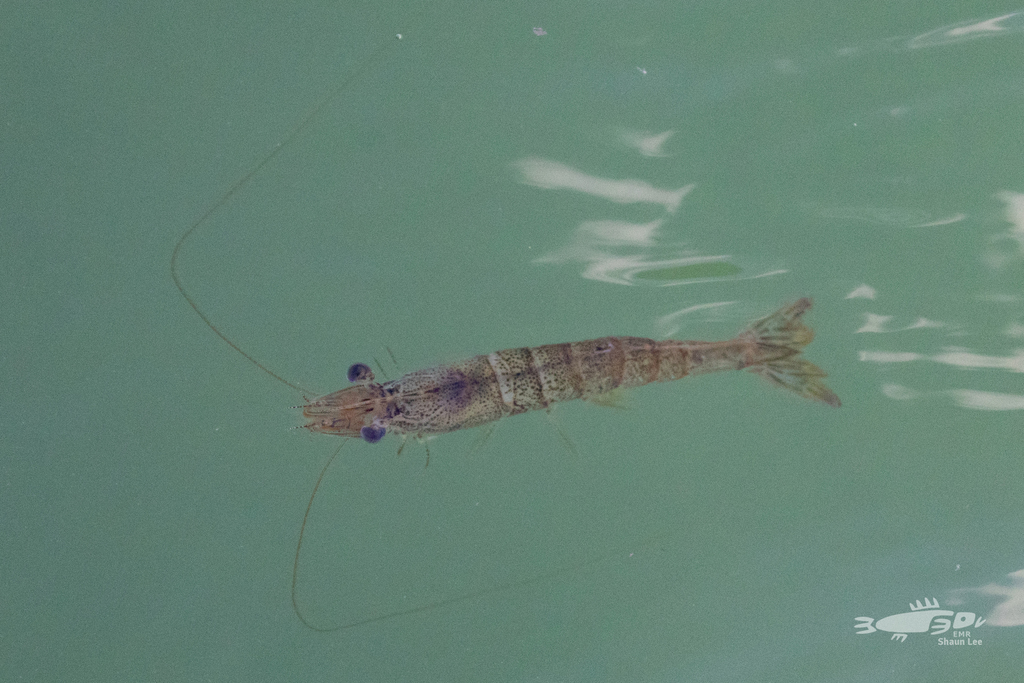 bay prawn
Metapenaeus bennettae
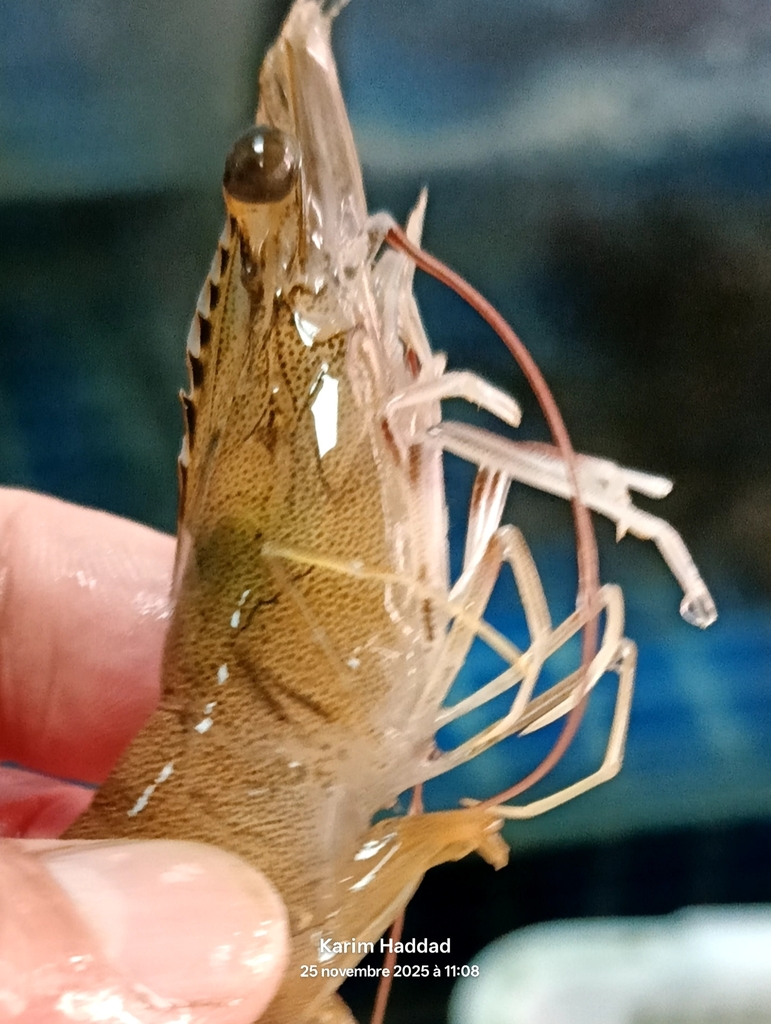 Greasyback shrimp
Metapenaeus ensis
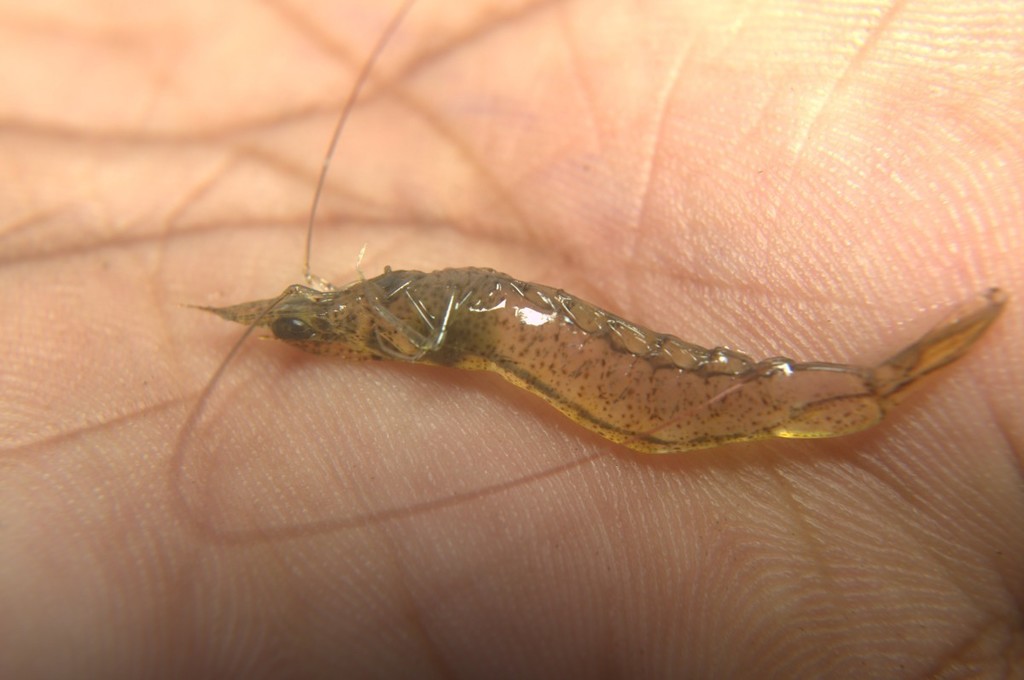 Kadal shrimp
Metapenaeus dobsoni
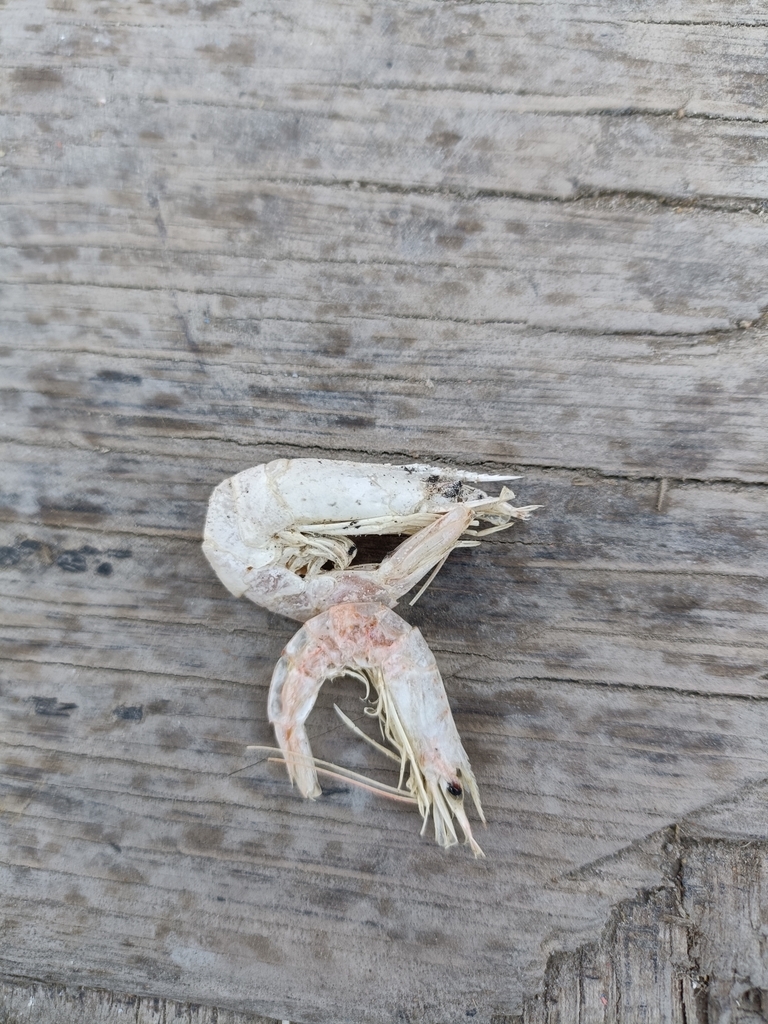 ginger shrimp
Metapenaeus kutchensis
Sources and credits
Names and taxonomy: WoRMS (CC BY 4.0) and the GBIF Backbone (CC BY 4.0). Photos: iNaturalist observers, each under the licence shown (CC0, CC BY or CC BY-SA).
- Depth, temperature, months and maps: records from OBIS and GBIF under CC0 or CC BY.
- Descriptions: Wikipedia, licensed CC BY-SA, each linked to its article.
- Conservation status as published by GBIF (IUCN Red List).
- 63 open-data records from 1837 to 2012.
- Species data updated November 4, 2026.
Log what you see on your next dive
The free DiveHive diver app keeps your logbook with every sighting and shows what lives at the site you dive next.