
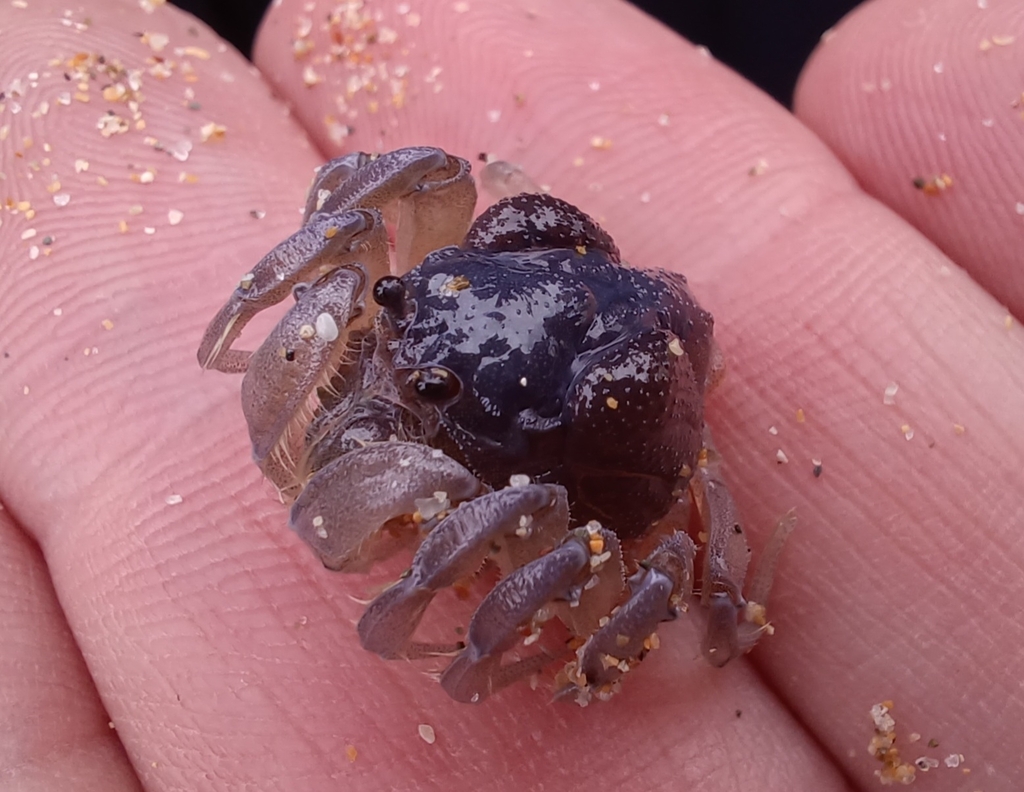
Dark blue soldier crab
Mictyris platycheles
- Water temperature15–23 °C
- Best monthsJanuary, March, and December
- How commonOccasional
Photo credit: (c) Peter Crowcroft, some rights reserved (CC BY) · CC BY · iNaturalist
About this species
Mictyris platycheles is a species of crab found on mudflats on the east coast of Australia from Tasmania and Victoria to Queensland. They live in large groups, so are commonly called soldier crabs. Adults are 15 mm (0.59 in) across and similarly tall, and are coloured blue to blue-grey. Mictyris platycheles gets its food by putting balls of sand in its mouth, which filters out the food particles (detritus).
Text from the Wikipedia article “Mictyris platycheles”, licensed CC BY-SA 4.0. Read the article
Where and when
Where it has been recorded
Worldwide
Loading the map
Best months
Worldwide (open data)
- January: 131 records
- February: 107 records
- March: 129 records
- April: 90 records
- May: 59 records
- June: 47 records
- July: 38 records
- August: 52 records
- September: 63 records
- October: 78 records
- November: 90 records
- December: 146 records
Depth and water temperature
Water temperature
Recorded in surface water of 15–23 °C
Photos
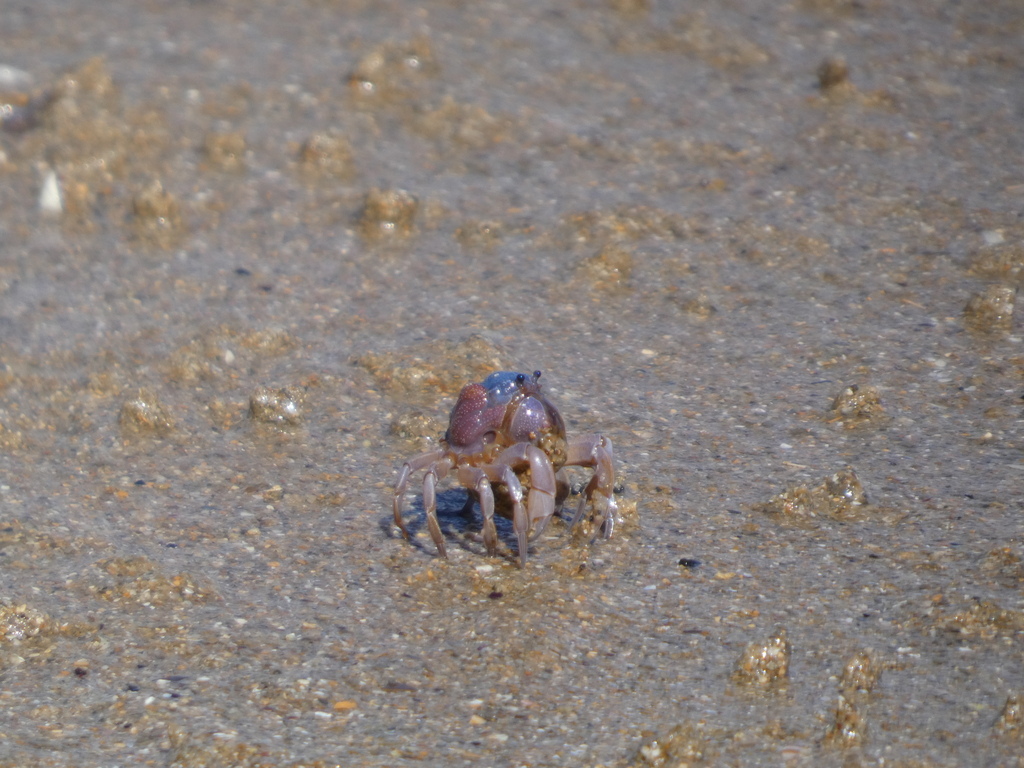
(c) Liam Sultana, some rights reserved (CC BY) · CC BY · iNaturalist 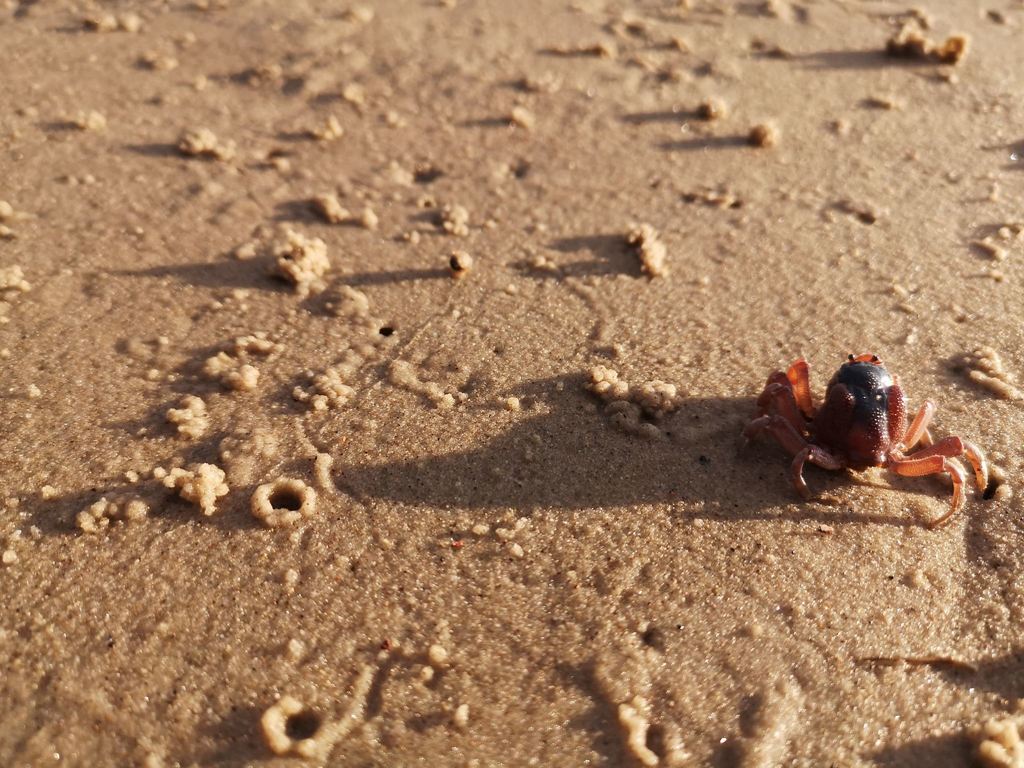
(c) Arne Fahrenholz, some rights reserved (CC BY) · CC BY · iNaturalist 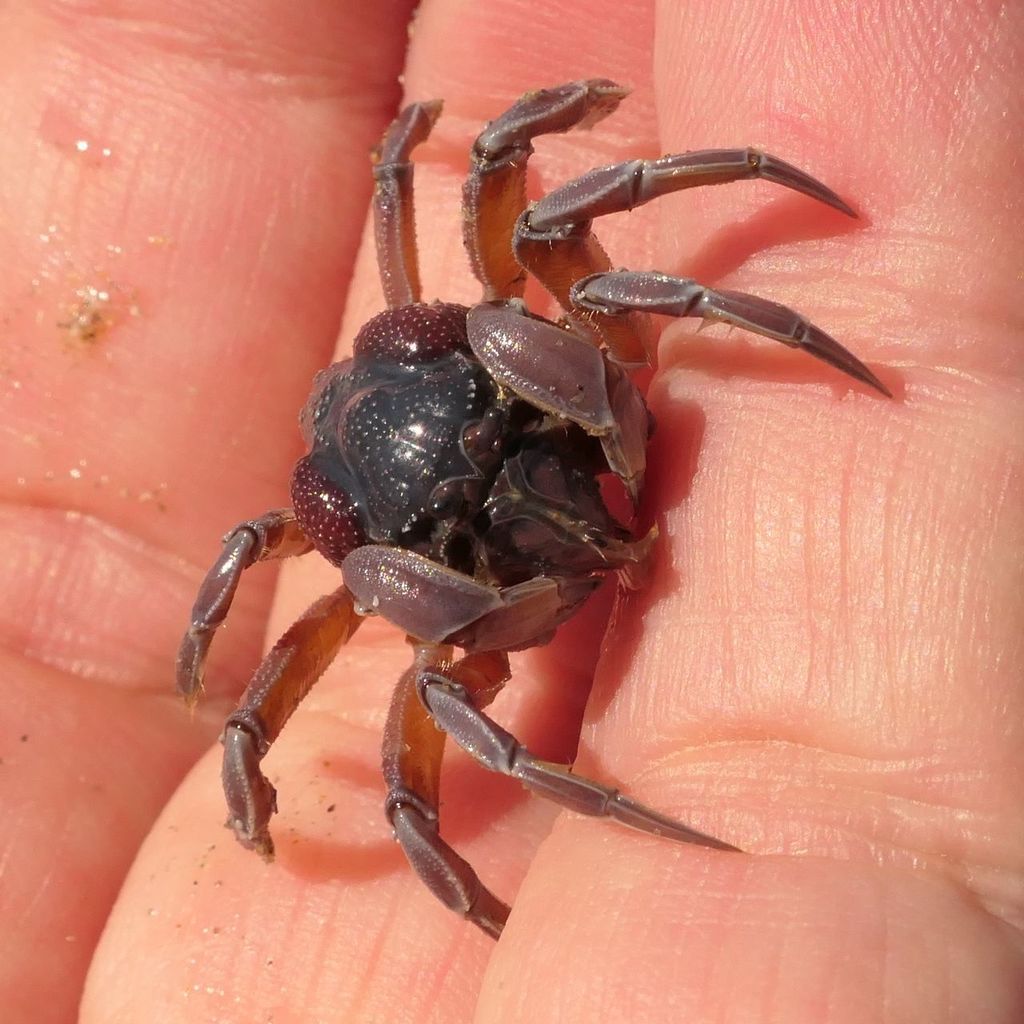
(c) coenobita, some rights reserved (CC BY) · CC BY · iNaturalist 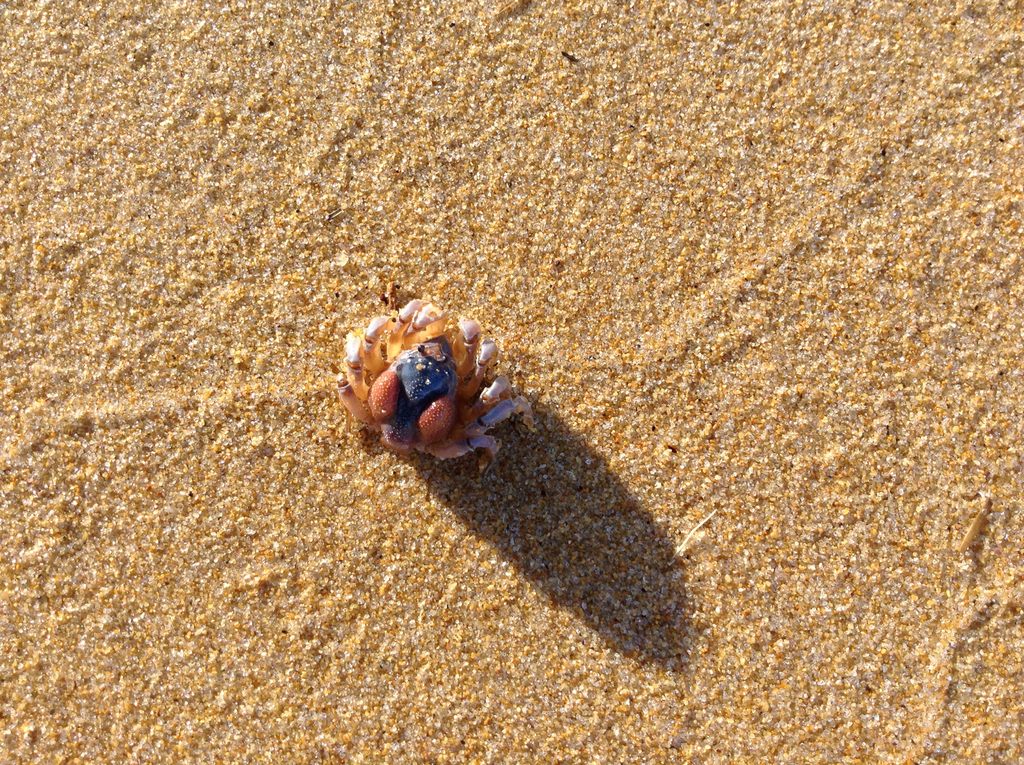
(c) libby hepburn, some rights reserved (CC BY) · CC BY · iNaturalist 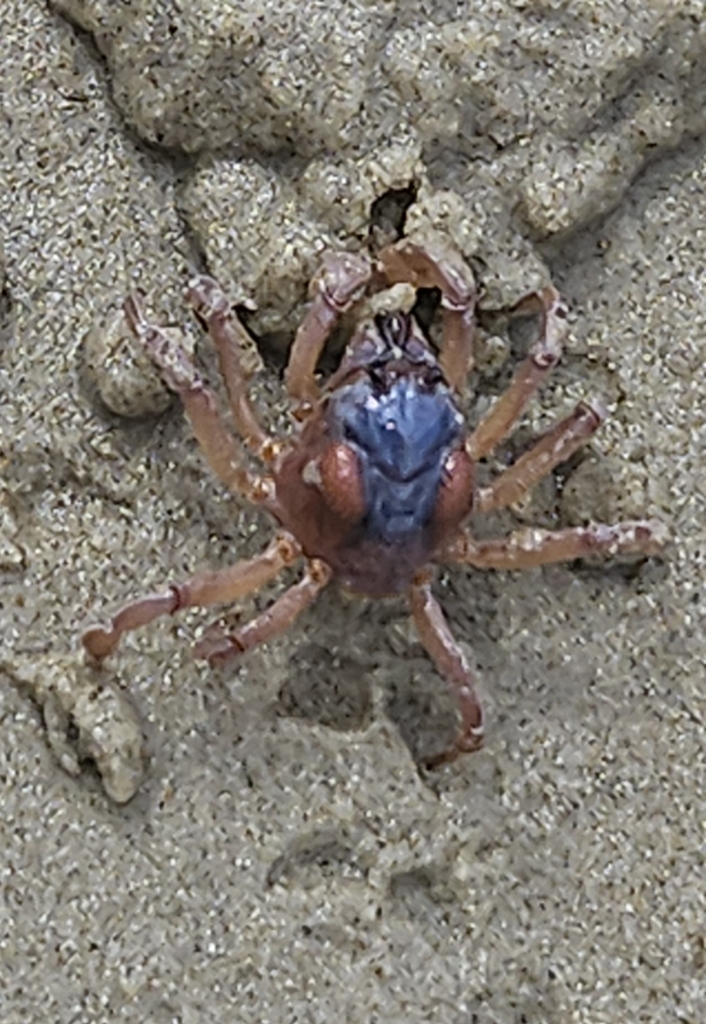
no rights reserved · CC0 1.0 · iNaturalist 
(c) Tim, some rights reserved (CC BY-SA) · CC BY-SA · iNaturalist 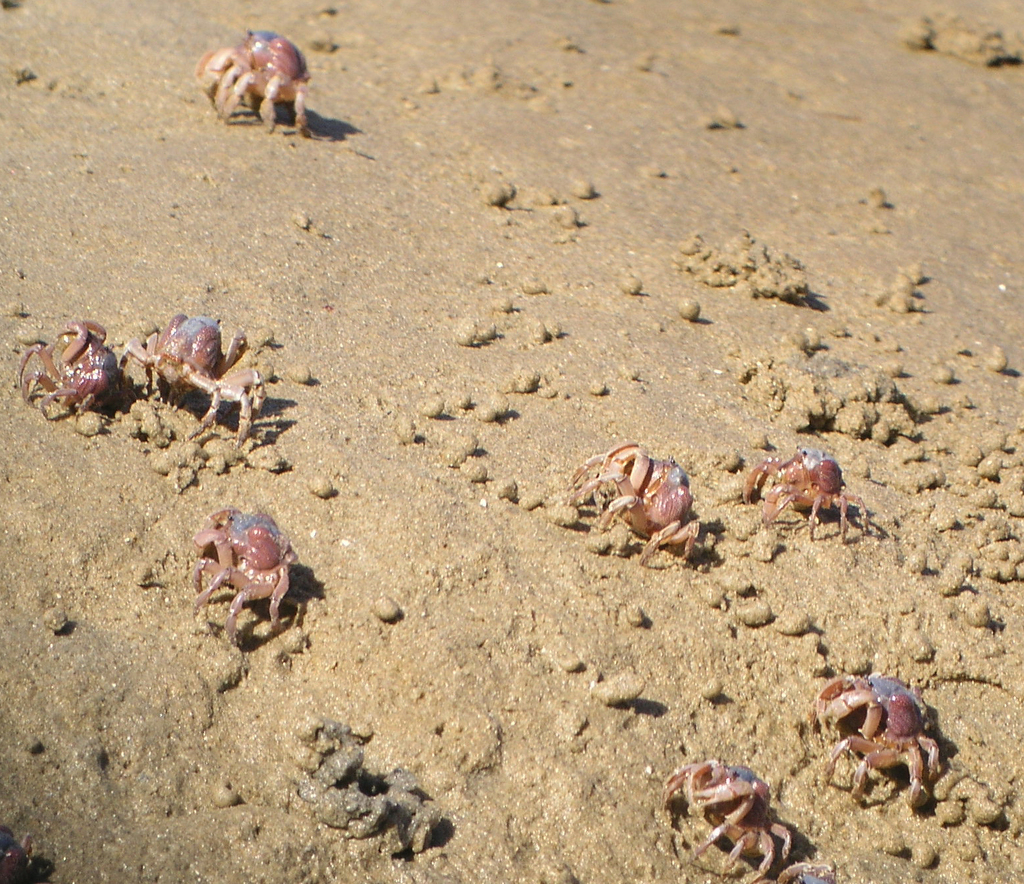
(c) desertnaturalist, some rights reserved (CC BY) · CC BY · iNaturalist
Names and classification
- English
- Dark blue soldier crab, dark blue soldier crab, Soldier Crab
Names in 1 more languages
- Spanish
- Cangrejo soldado
Other scientific names: Myctiris platycheles
Similar species
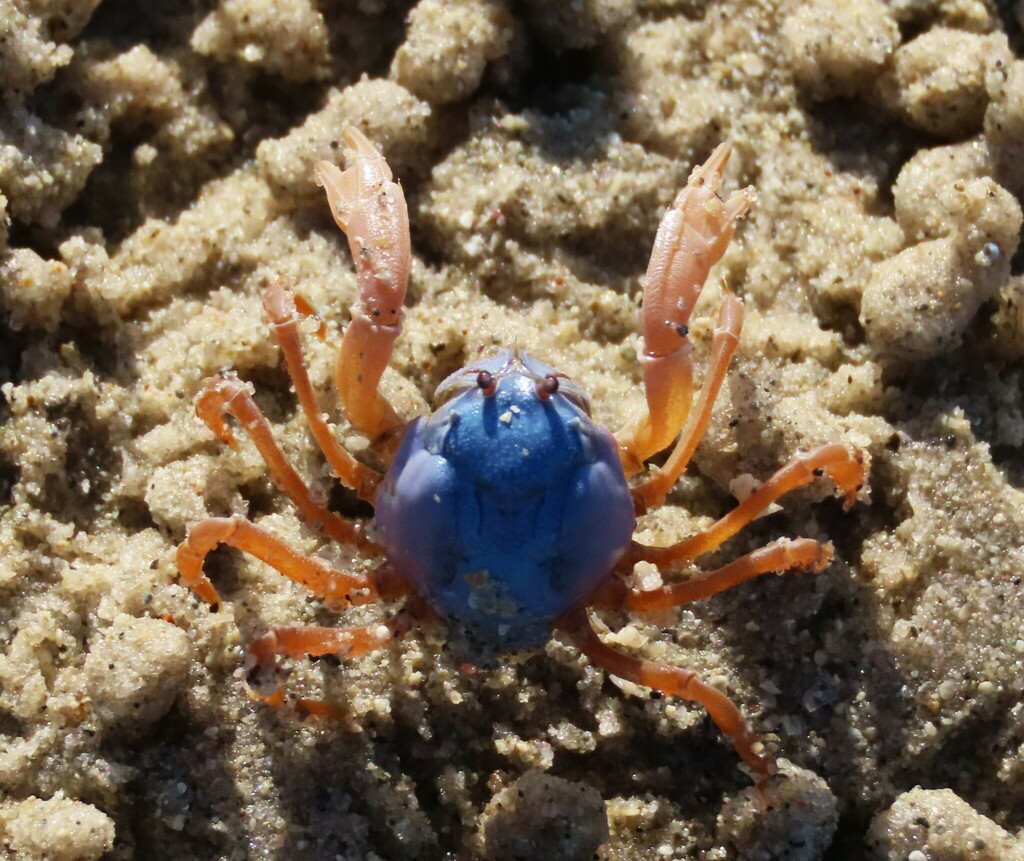
 Light-blue soldier crab
Mictyris longicarpus
Sources and credits
Names and taxonomy: WoRMS (CC BY 4.0) and the GBIF Backbone (CC BY 4.0). Photos: iNaturalist observers, each under the licence shown (CC0, CC BY or CC BY-SA).
- Depth, temperature, months and maps: records from OBIS and GBIF under CC0 or CC BY.
- Descriptions: Wikipedia, licensed CC BY-SA, each linked to its article.
- Conservation status as published by GBIF (IUCN Red List).
- 248 open-data records from 1884 to 2011.
- Species data updated November 4, 2026.
Log what you see on your next dive
The free DiveHive diver app keeps your logbook with every sighting and shows what lives at the site you dive next.