
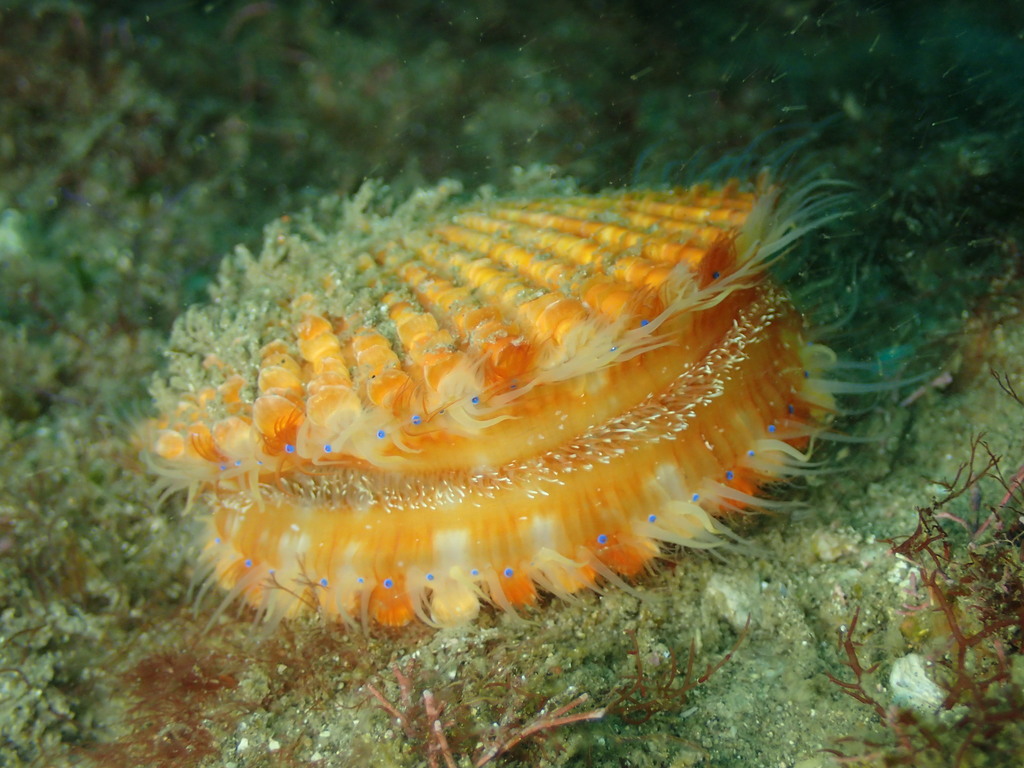
Noble scallop
Mimachlamys crassicostata
- Water temperature18–29 °C
- Best monthsMarch, June, and July
- How commonRare
Photo credit: no rights reserved · CC0 1.0 · iNaturalist
About this species
Mimachlamys crassicostata, also known as the noble scallop, is a species of bivalve belonging to the family Pectinidae. The species is found in the Northwest Pacific and in the Indian Ocean. It is cultured for human consumption.
Text from the Wikipedia article “Mimachlamys crassicostata”, licensed CC BY-SA 4.0. Read the article
Where and when
Where it has been recorded
Worldwide
Loading the map
Best months
Worldwide (open data)
- January: 0 records
- February: 1 records
- March: 3 records
- April: 1 records
- May: 1 records
- June: 4 records
- July: 4 records
- August: 2 records
- September: 1 records
- October: 0 records
- November: 0 records
- December: 1 records
Depth and water temperature
Water temperature
Recorded in surface water of 18–29 °C
Photos
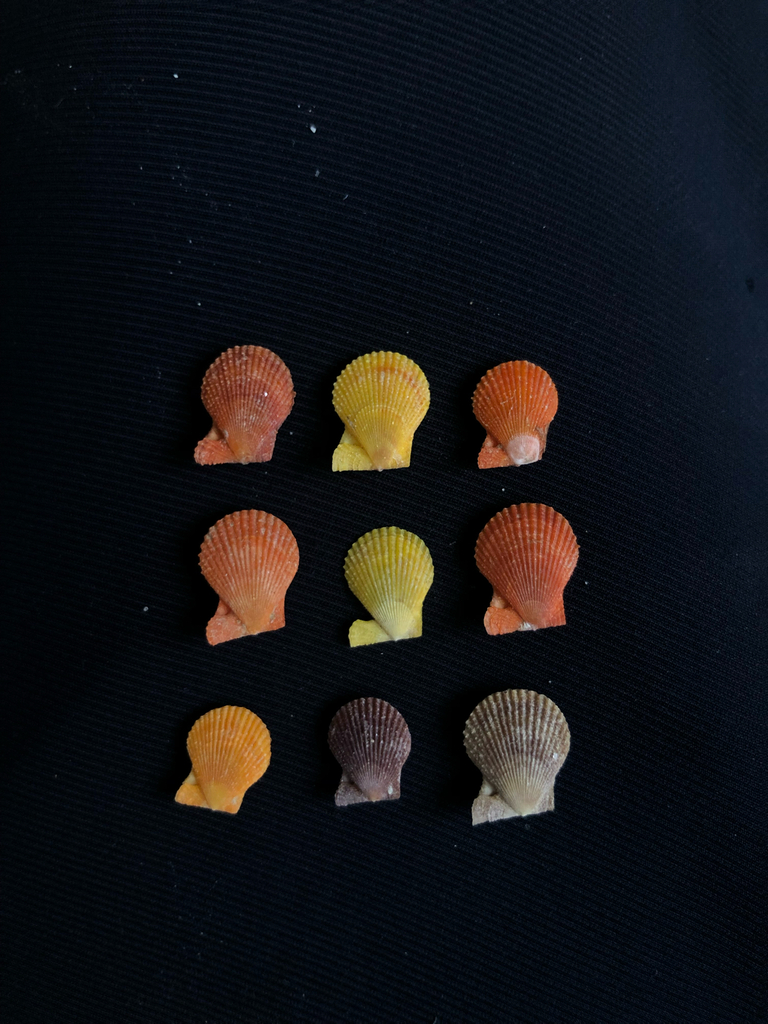
(c) 大澤風季 ohsawa_Fuki, some rights reserved (CC BY) · CC BY · iNaturalist 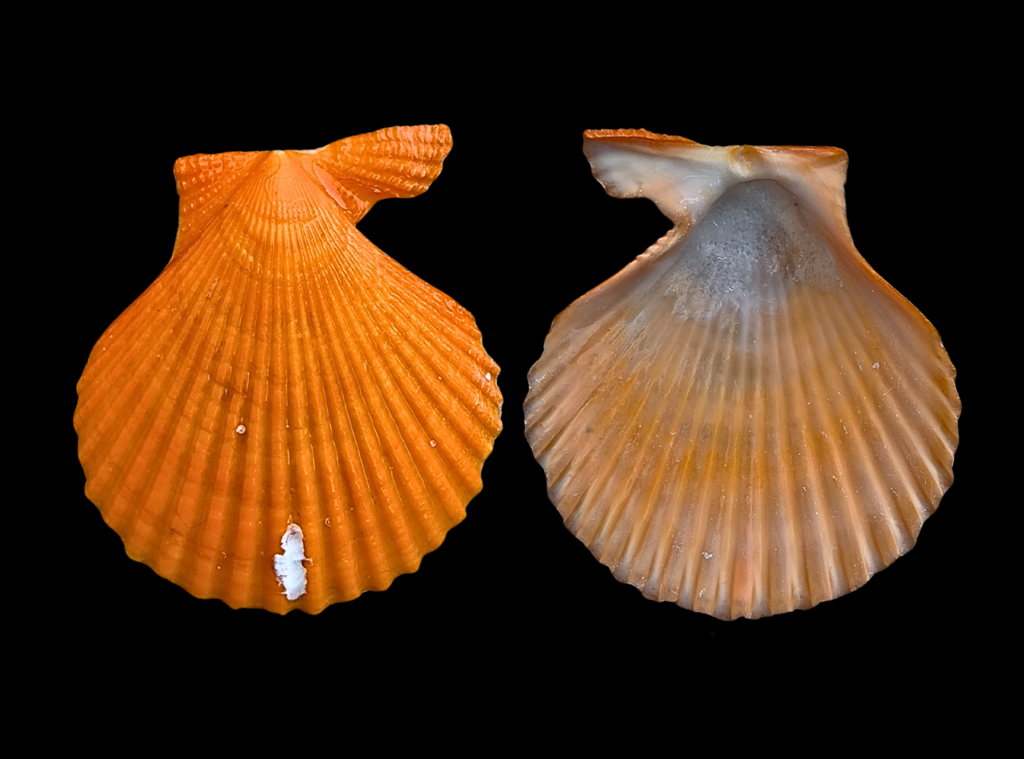
(c) JH, some rights reserved (CC BY) · CC BY · iNaturalist 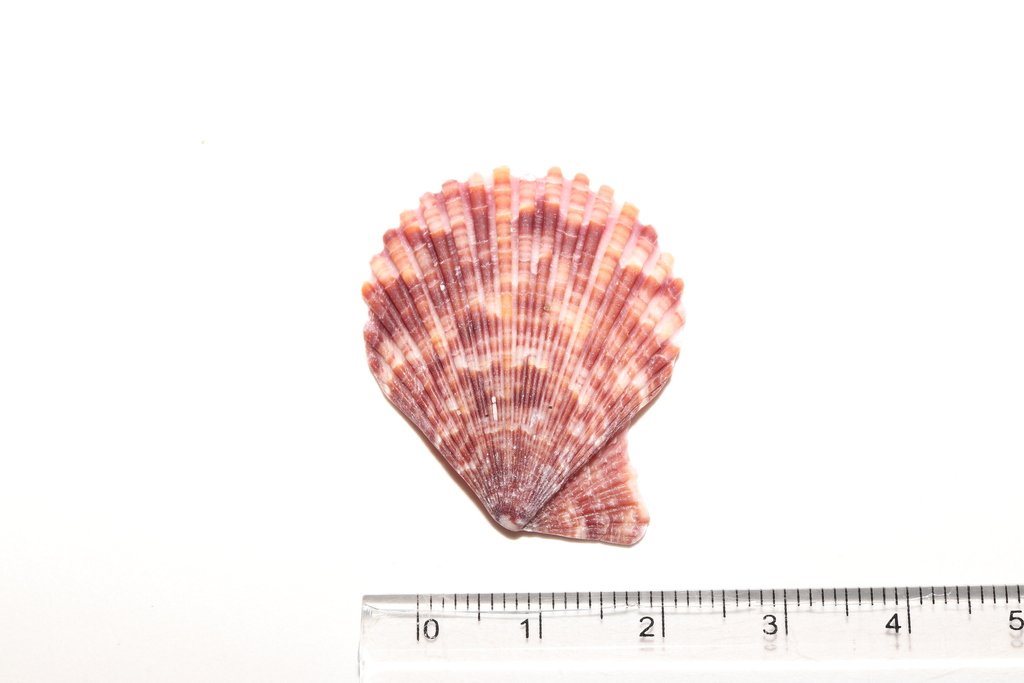
(c) Se Lena, some rights reserved (CC BY) · CC BY · iNaturalist 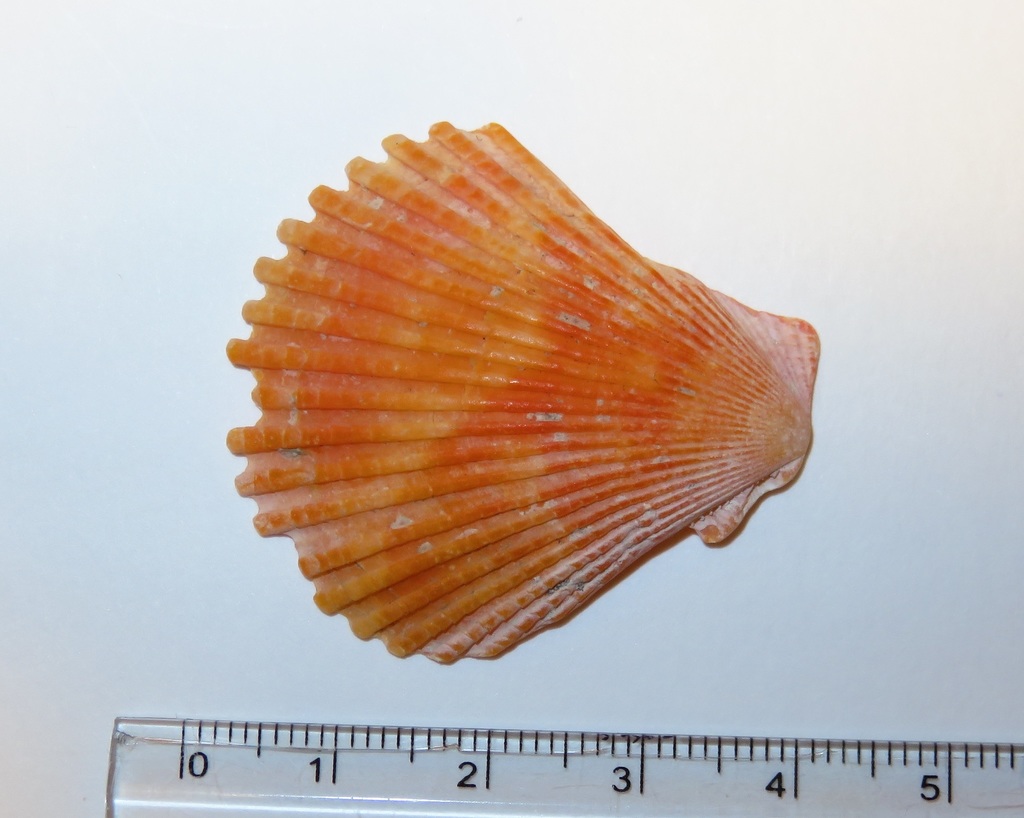
(c) Se Lena, some rights reserved (CC BY) · CC BY · iNaturalist
Names and classification
- English
- Noble scallop, noble scallop
Names in 5 more languages
- German
- Königsmantel
- French
- peigne sénateur
- Japanese
- ヒオウギ, ヒオウギガイ
- Korean
- 흔한가리비
- Simplified Chinese
- 粗肋類櫛孔扇貝
Other scientific names: Chlamys crassicostata, Chlamys nobilis, Mimachlamys nobilis, Pecten crassicostatus, Pecten nobilis, Pecten secernendus
Similar species
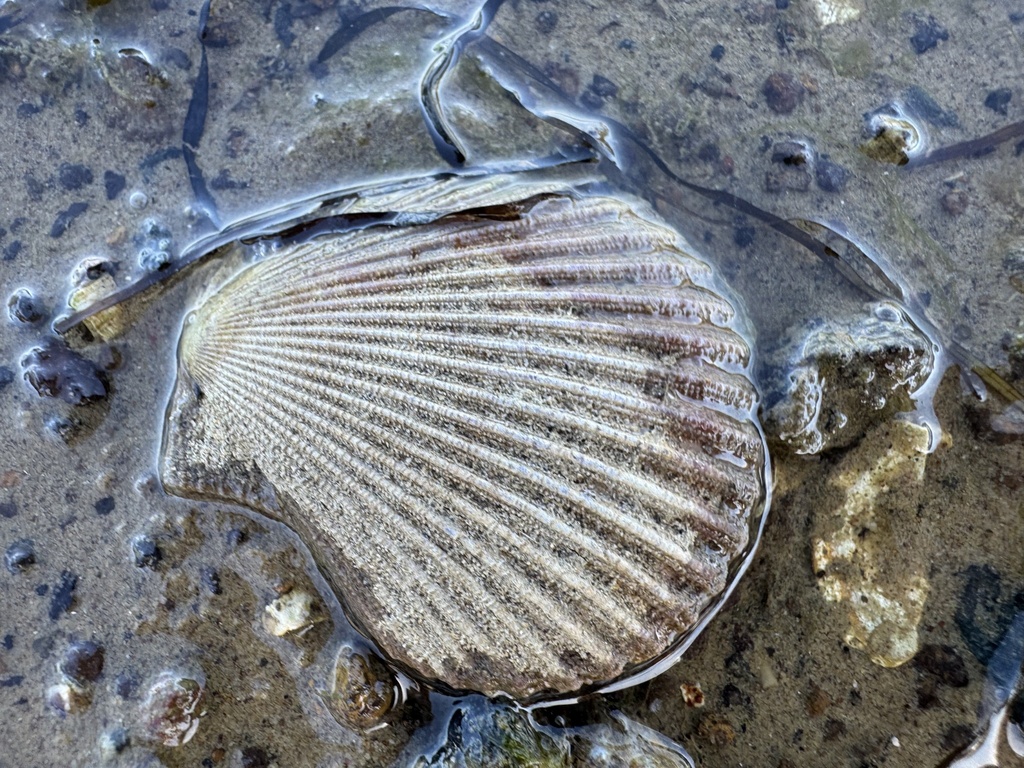 Austral scallop
Mimachlamys asperrima
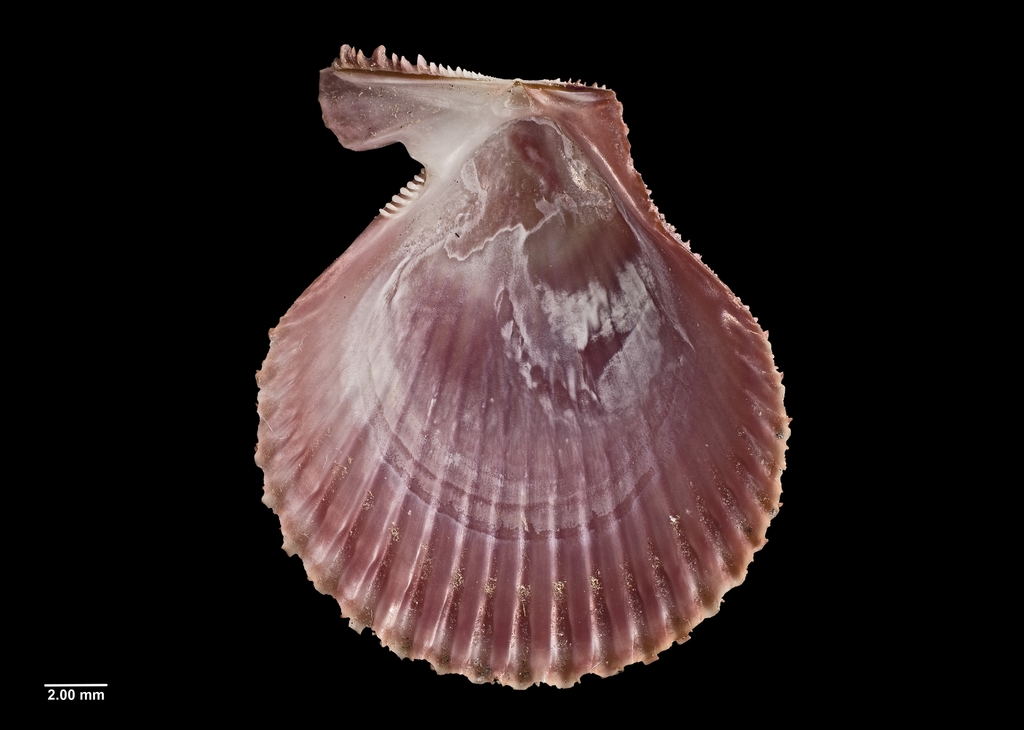 Noble scallop
Mimachlamys sanguinea
Sources and credits
Names and taxonomy: WoRMS (CC BY 4.0) and the GBIF Backbone (CC BY 4.0). Photos: iNaturalist observers, each under the licence shown (CC0, CC BY or CC BY-SA).
- Depth, temperature, months and maps: records from OBIS and GBIF under CC0 or CC BY.
- Descriptions: Wikipedia, licensed CC BY-SA, each linked to its article.
- Conservation status as published by GBIF (IUCN Red List).
- 136 open-data records from 1842 to 2010.
- Species data updated November 4, 2026.
Log what you see on your next dive
The free DiveHive diver app keeps your logbook with every sighting and shows what lives at the site you dive next.