
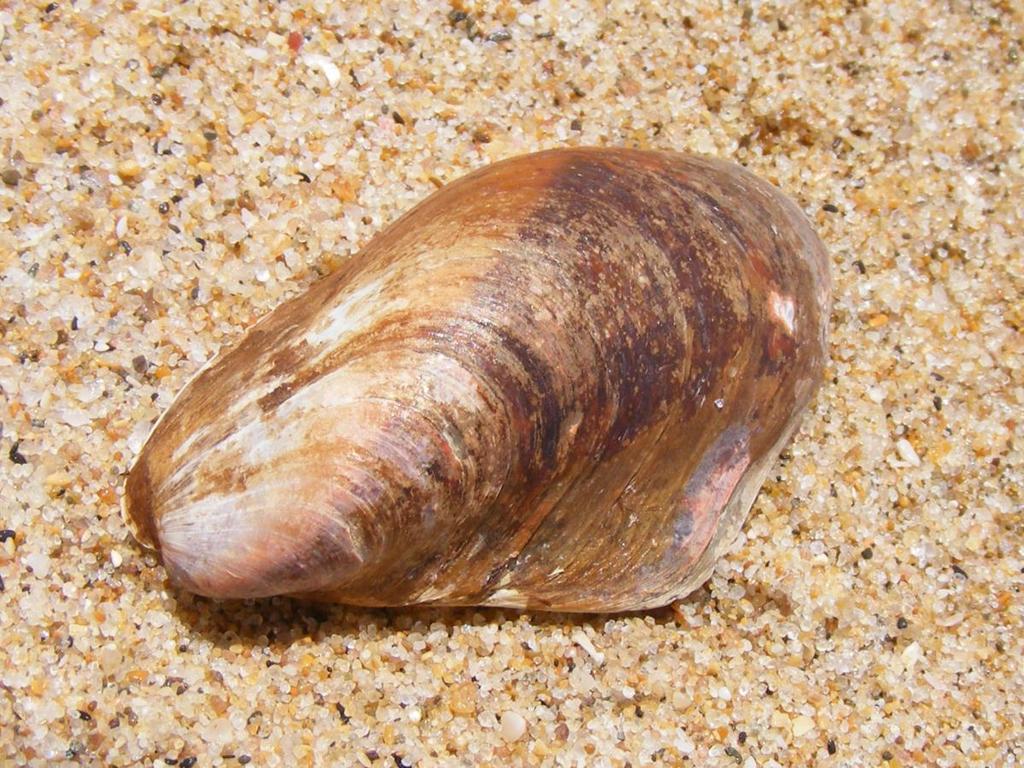
Ear mussel
Modiolus auriculatus
- Usual depth1–57 m
- Water temperature20–30 °C
- Best monthsFebruary and December
- How commonOccasional
Photo credit: no rights reserved, uploaded by Andrew Deacon · CC0 1.0 · iNaturalist
About this species
Modiolus auriculatus, the eared horse mussel, is a bivalve mollusc of the family, Mytilidae, which has a natural range in the Indian and Pacific Oceans. It has colonised the eastern Mediterranean Sea from the Red Sea by Lessepsian migration via the Suez Canal.
Text from the Wikipedia article “Modiolus auriculatus”, licensed CC BY-SA 4.0. Read the article
Where and when
Where it has been recorded
Worldwide
Loading the map
Best months
Worldwide (open data)
- January: 18 records
- February: 45 records
- March: 16 records
- April: 9 records
- May: 14 records
- June: 21 records
- July: 19 records
- August: 29 records
- September: 20 records
- October: 26 records
- November: 27 records
- December: 69 records
Depth and water temperature
Depth
Mostly recorded at 1–57 m · Deepest record: 57 m
Water temperature
Recorded in surface water of 20–30 °C
Photos
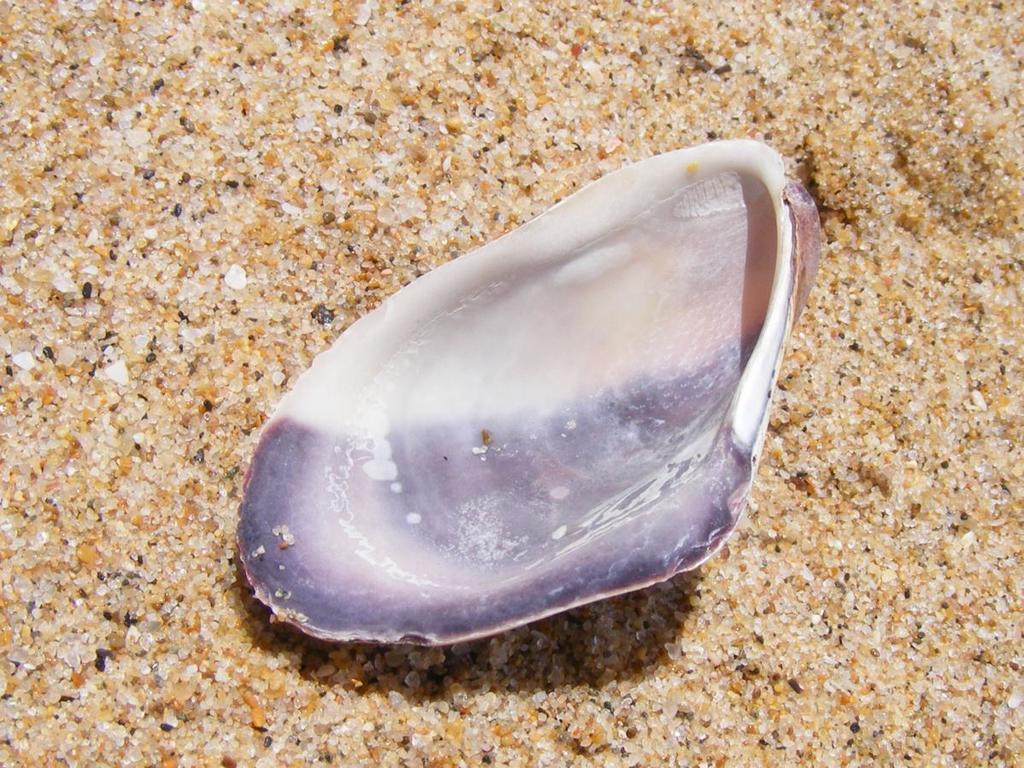
no rights reserved, uploaded by Andrew Deacon · CC0 1.0 · iNaturalist 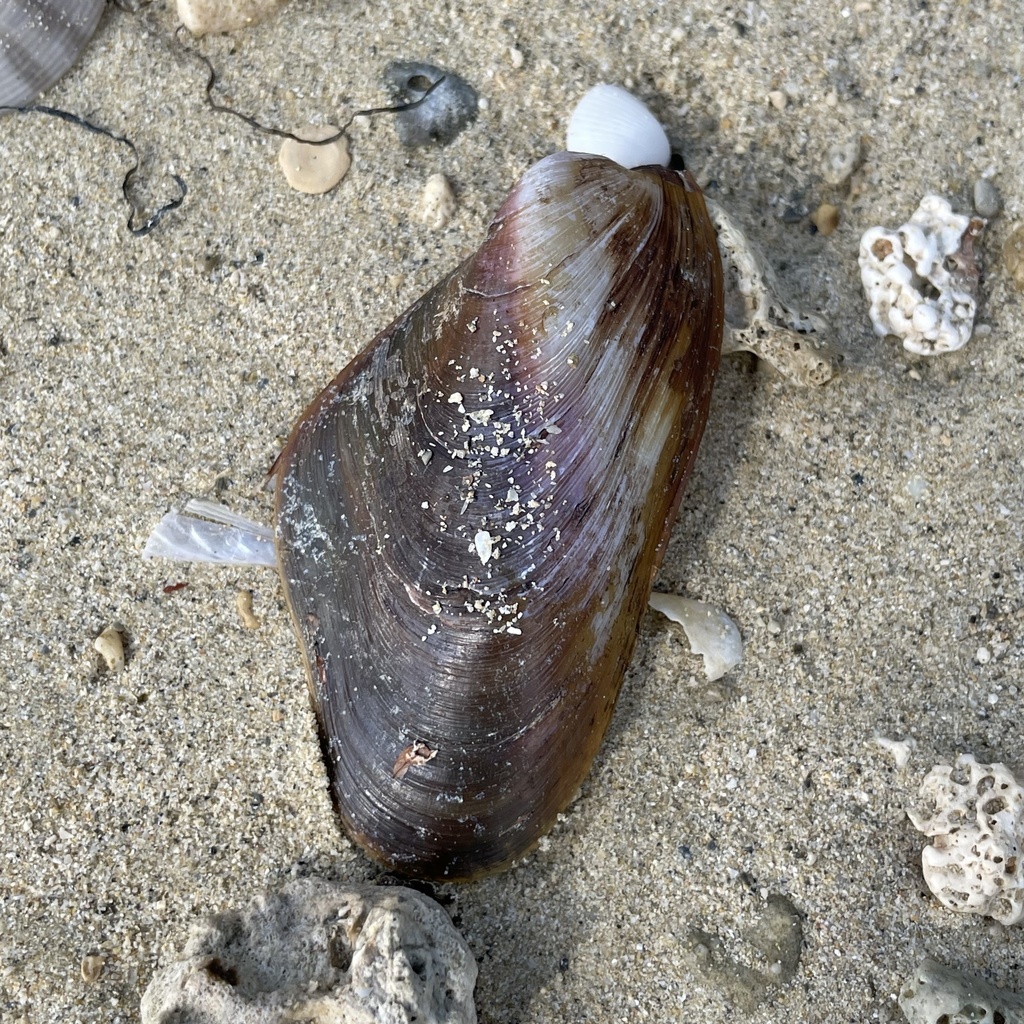
(c) Takaaki Hattori, some rights reserved (CC BY) · CC BY · iNaturalist 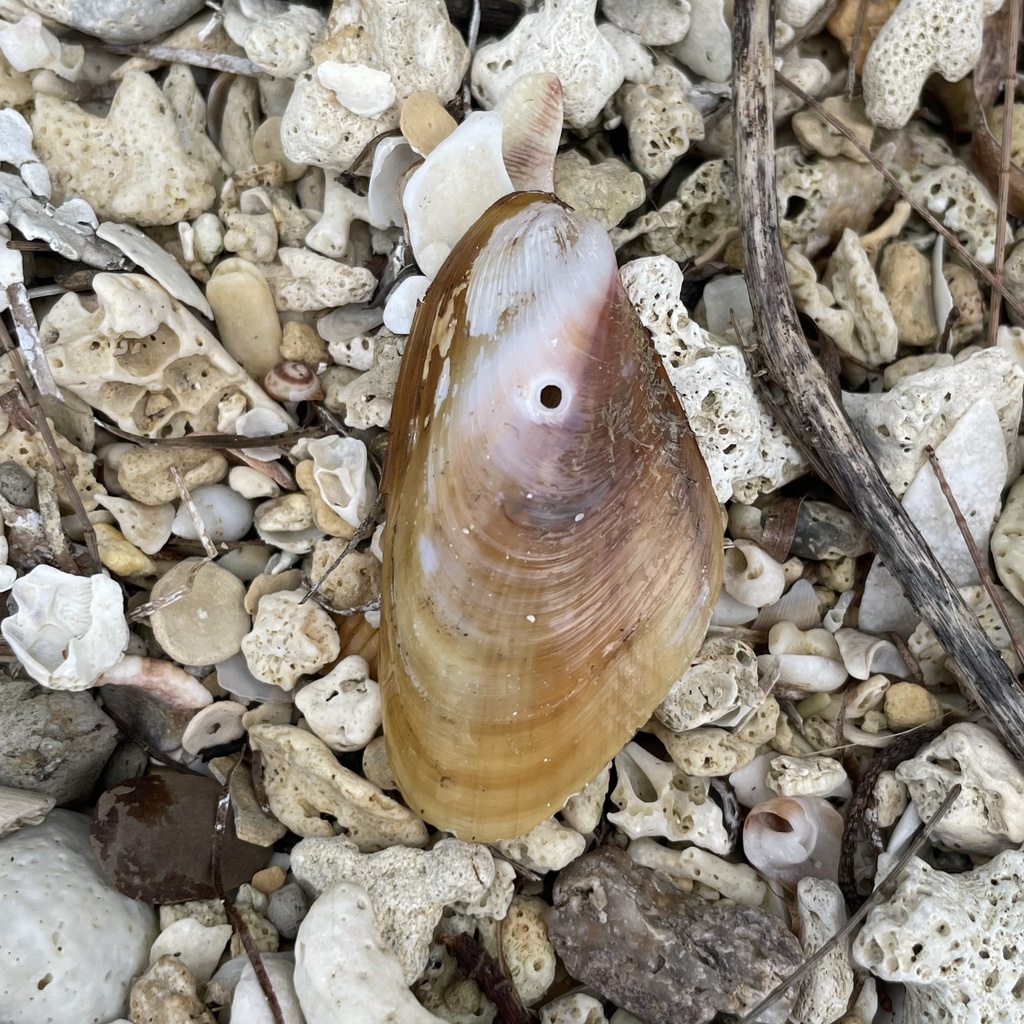
(c) Takaaki Hattori, some rights reserved (CC BY) · CC BY · iNaturalist 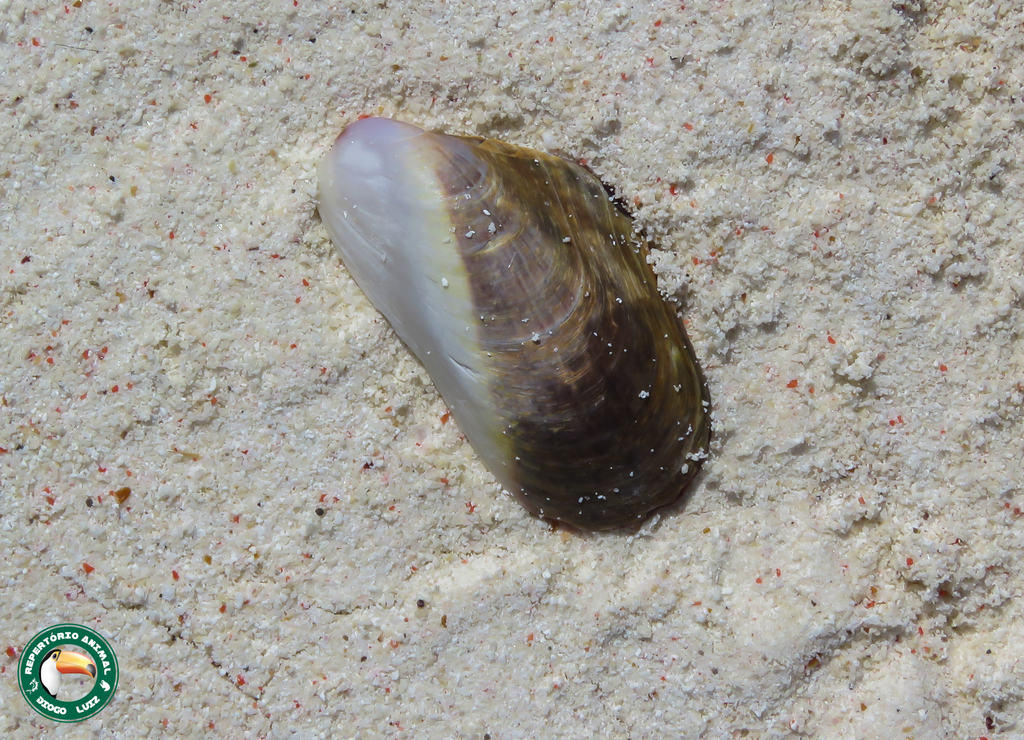
(c) Diogo Luiz, some rights reserved (CC BY) · CC BY · iNaturalist 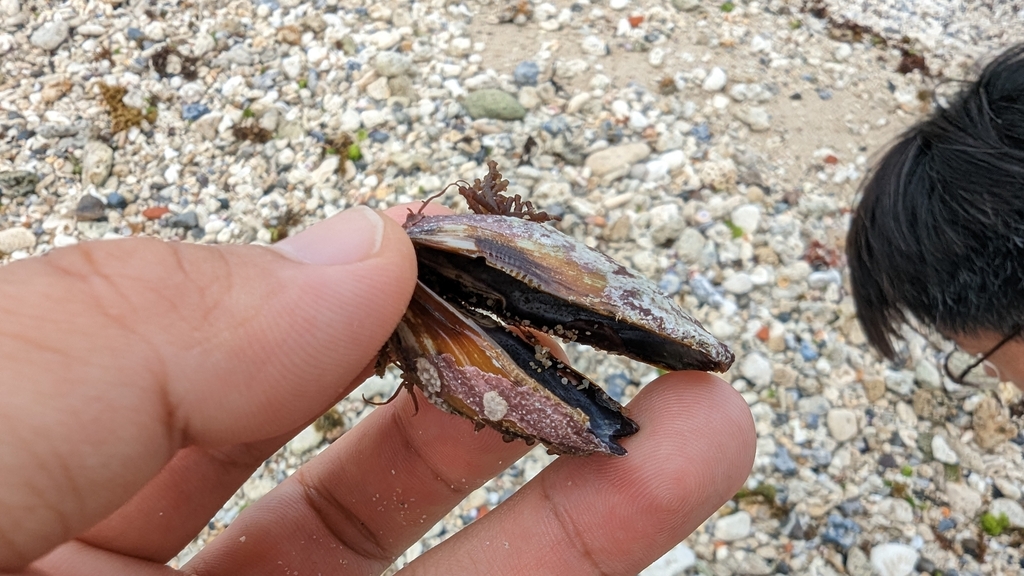
(c) 潘立傑 LICHIEH_PAN, some rights reserved (CC BY) · CC BY · iNaturalist
Names and classification
- English
- Ear mussel, Eared Horse Mussel, ear mussel
Names in 3 more languages
- Japanese
- リュウキュウヒバリガイ
- Korean
- 개적구, 깃털담치
- Simplified Chinese
- 雲雀殼菜蛤
Other scientific names: Limnoperna hepatica, Modiola auriculata, Modiola cymbula, Modiola rufanensis, Modiolus agripeta, Mytilus (Modiola) hepaticus, Mytilus hepaticus, Volsella agripeta
Similar species
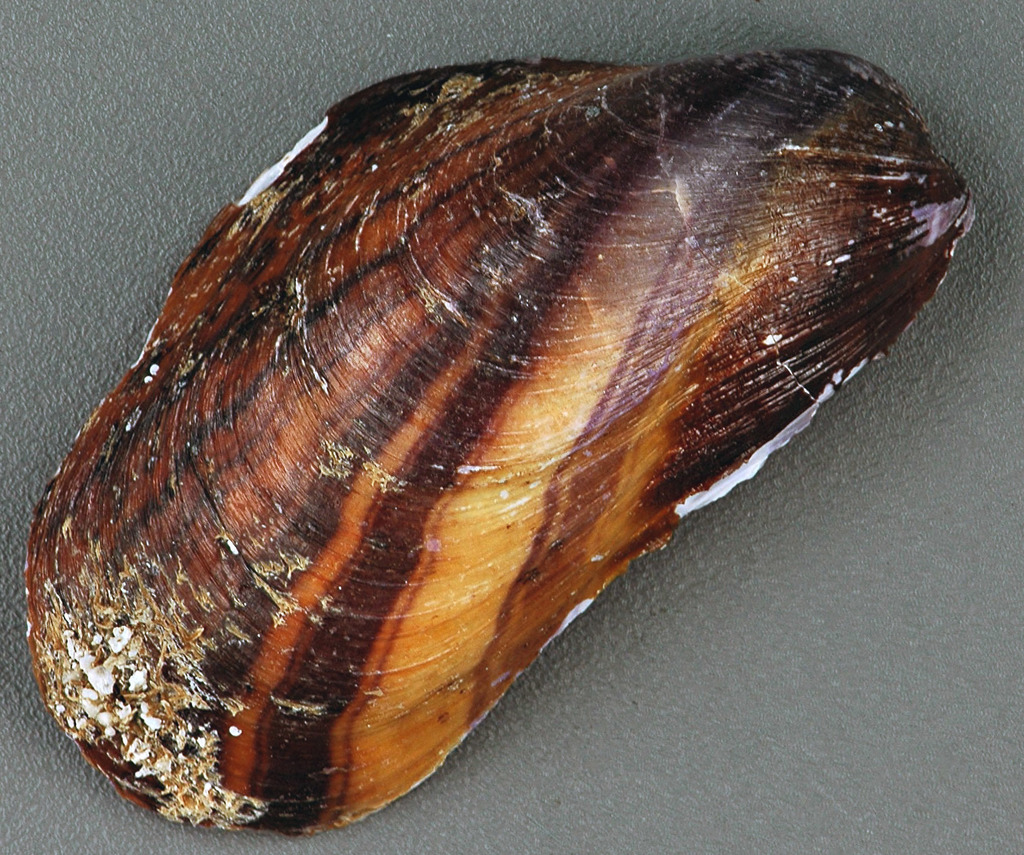 Horse mussel
Modiolus modiolus
 Bearded Horse Mussel
Modiolus areolatus
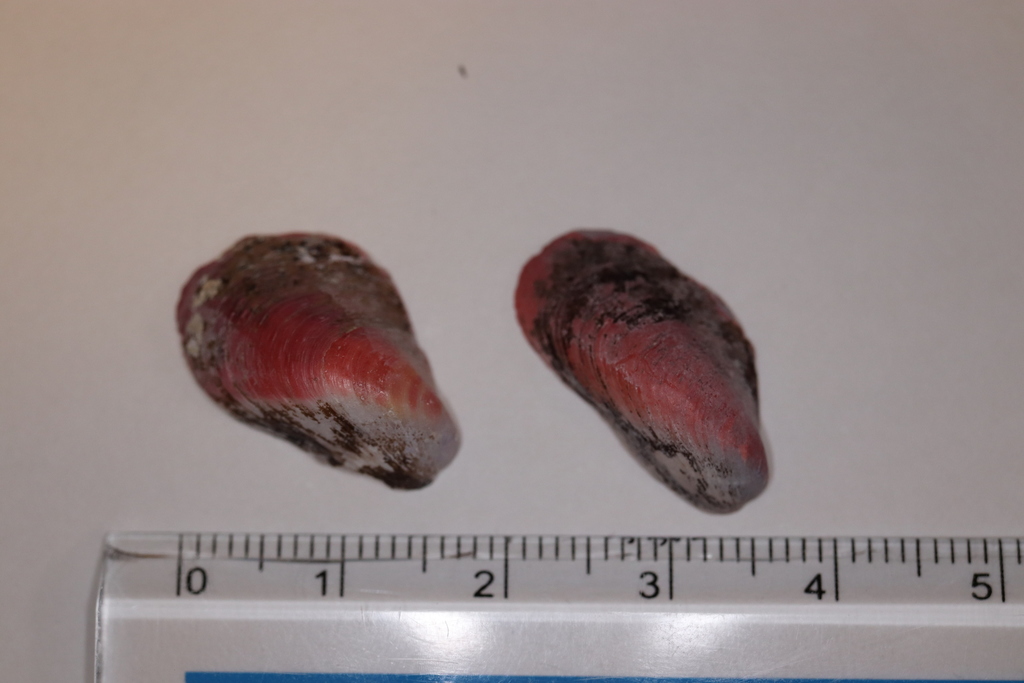
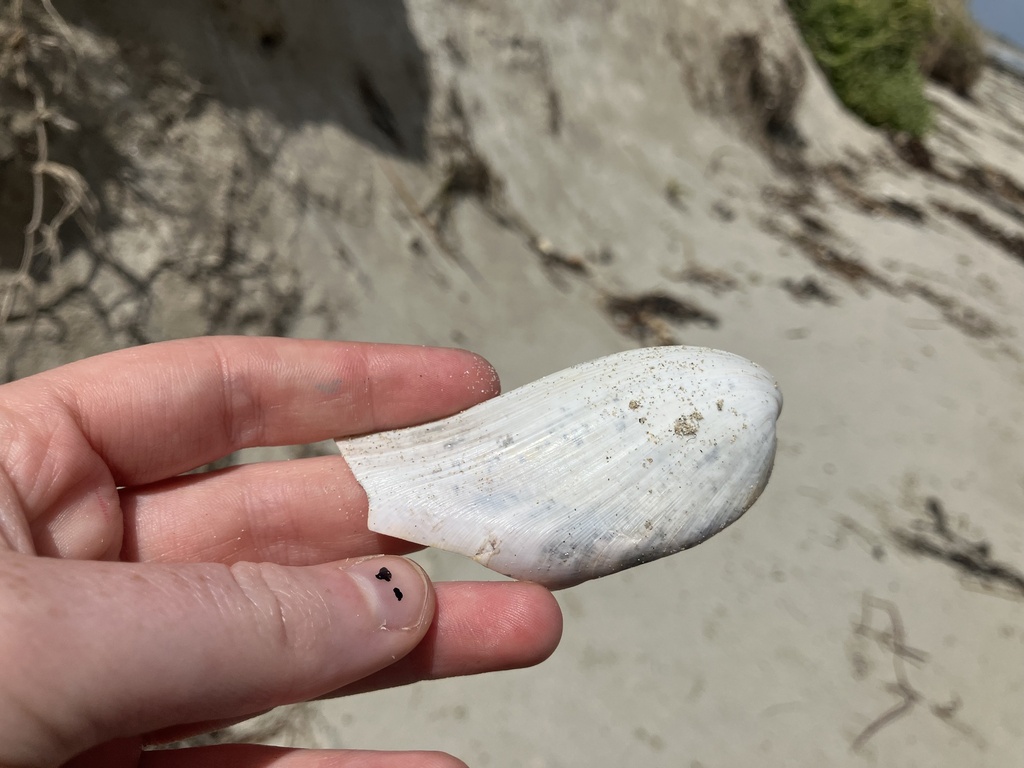 Narrow Horse Mussel
Modiolus albicosta
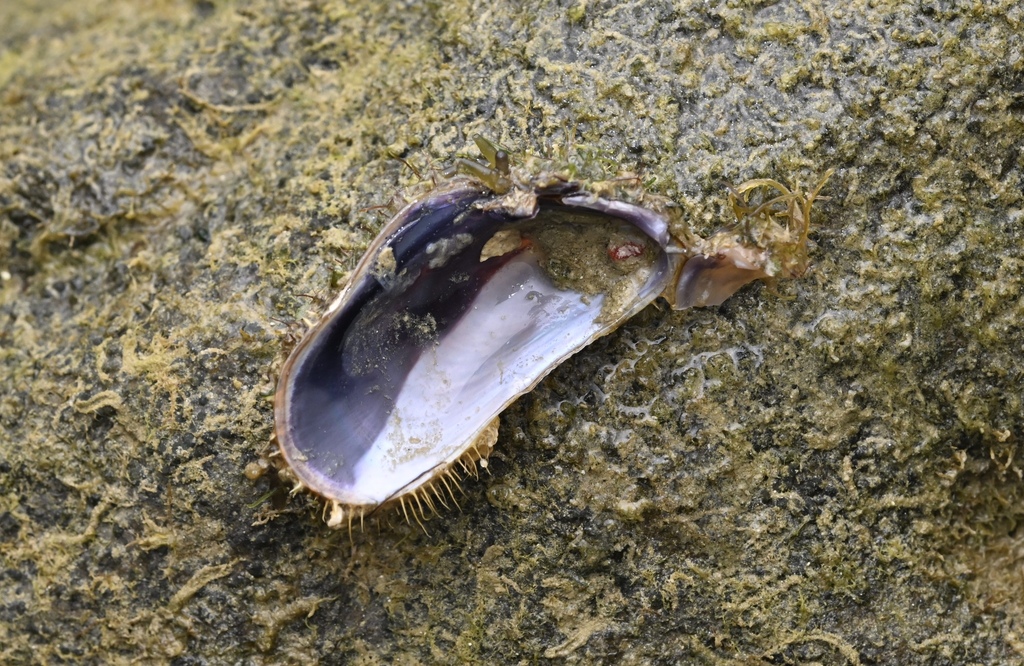 Philippine Horse Mussel
Modiolus philippinarum
- Winged Horse Mussel
Modiolus modulaides
Sources and credits
Names and taxonomy: WoRMS (CC BY 4.0) and the GBIF Backbone (CC BY 4.0). Photos: iNaturalist observers, each under the licence shown (CC0, CC BY or CC BY-SA).
- Depth, temperature, months and maps: records from OBIS and GBIF under CC0 or CC BY.
- Descriptions: Wikipedia, licensed CC BY-SA, each linked to its article.
- Conservation status as published by GBIF (IUCN Red List).
- 504 open-data records from 1848 to 2024.
- Species data updated November 4, 2026.
Log what you see on your next dive
The free DiveHive diver app keeps your logbook with every sighting and shows what lives at the site you dive next.