
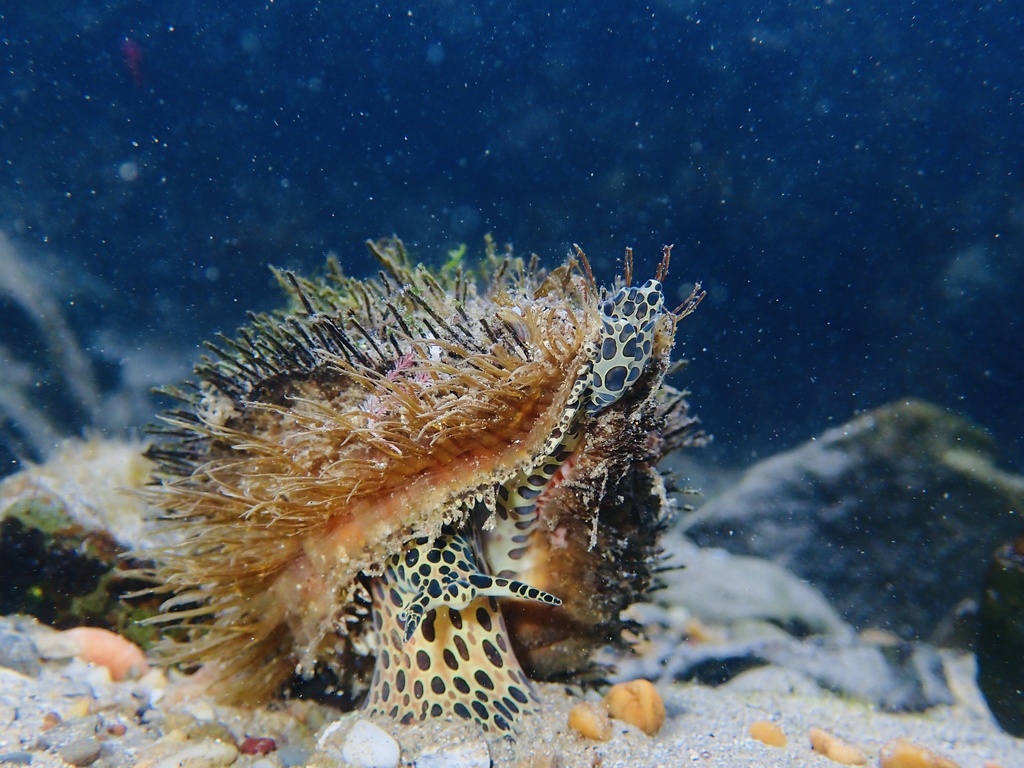
Giant Hairy Triton Snail
Monoplex parthenopeus
- Usual depth0–88 m
- Water temperature14–29 °C
- Best monthsJanuary, March, and September
- How commonOccasional
Photo credit: (c) Emma Sophie, some rights reserved (CC BY), uploaded by Emma Sophie · CC BY · iNaturalist
About this species
Monoplex parthenopeus, the giant triton or giant hairy triton, is a species of sea snail, a marine gastropod mollusk in the family Cymatiidae. It preys on other molluscs.
Text from the Wikipedia article “Monoplex parthenopeus”, licensed CC BY-SA 4.0. Read the article
Where and when
Where it has been recorded
Worldwide
Loading the map
Best months
Worldwide (open data)
- January: 157 records
- February: 135 records
- March: 169 records
- April: 136 records
- May: 151 records
- June: 132 records
- July: 126 records
- August: 147 records
- September: 155 records
- October: 151 records
- November: 78 records
- December: 99 records
Depth and water temperature
Depth
Mostly recorded at 0–88 m · Deepest record: 197 m
Water temperature
Recorded in surface water of 14–29 °C
Photos
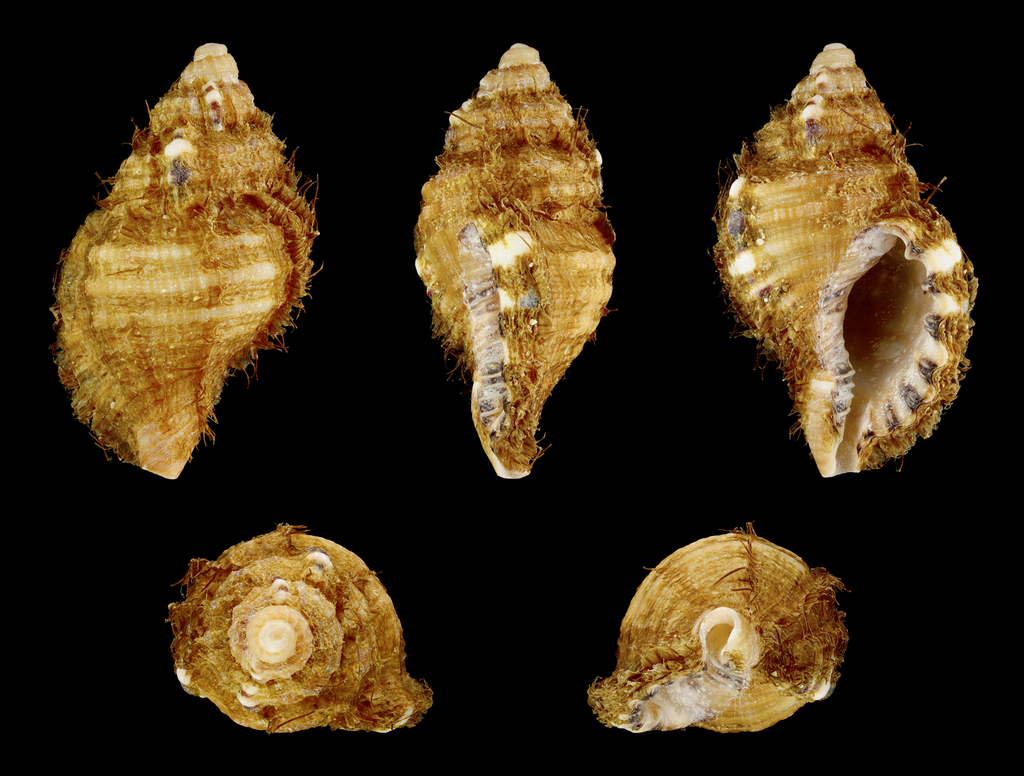
(c) H. Zell, some rights reserved (CC BY-SA) · CC BY-SA · iNaturalist 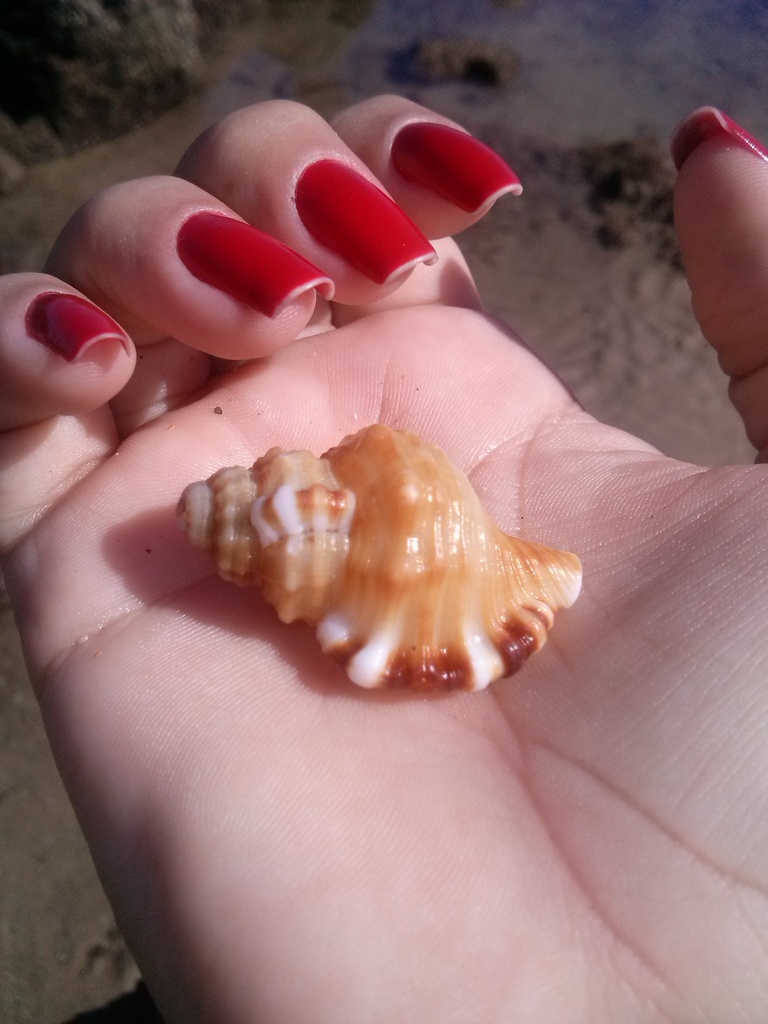
(c) Diogo Luiz, some rights reserved (CC BY) · CC BY · iNaturalist 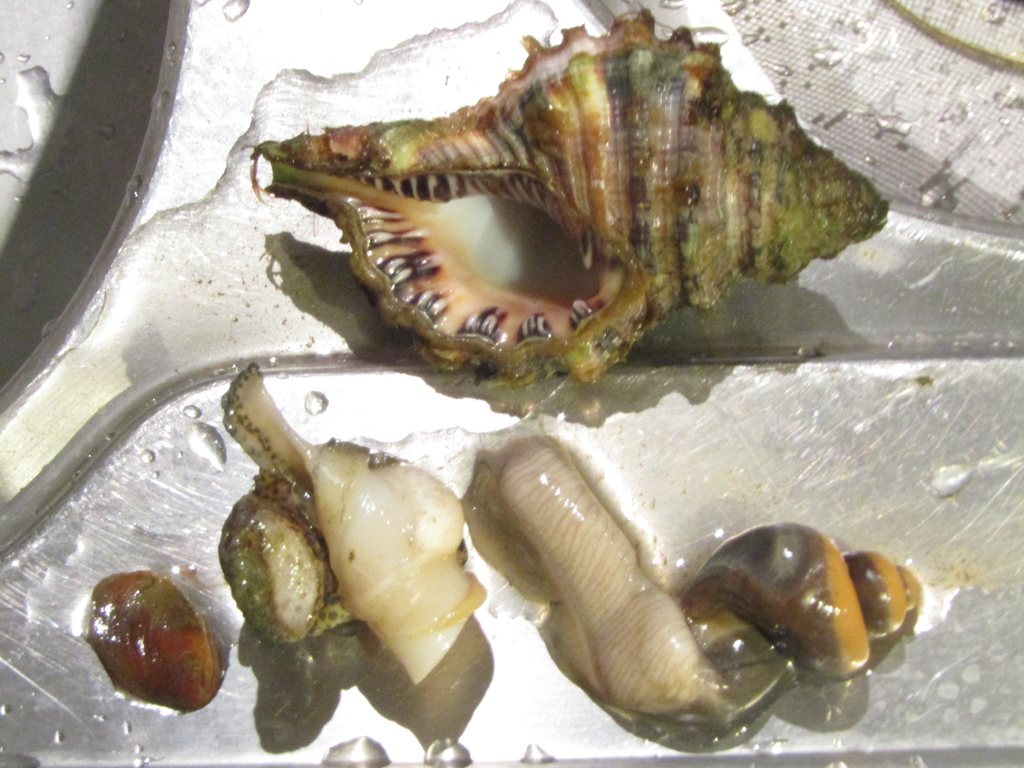
(c) Saryu Mae 前 朝琉, some rights reserved (CC BY) · CC BY · iNaturalist 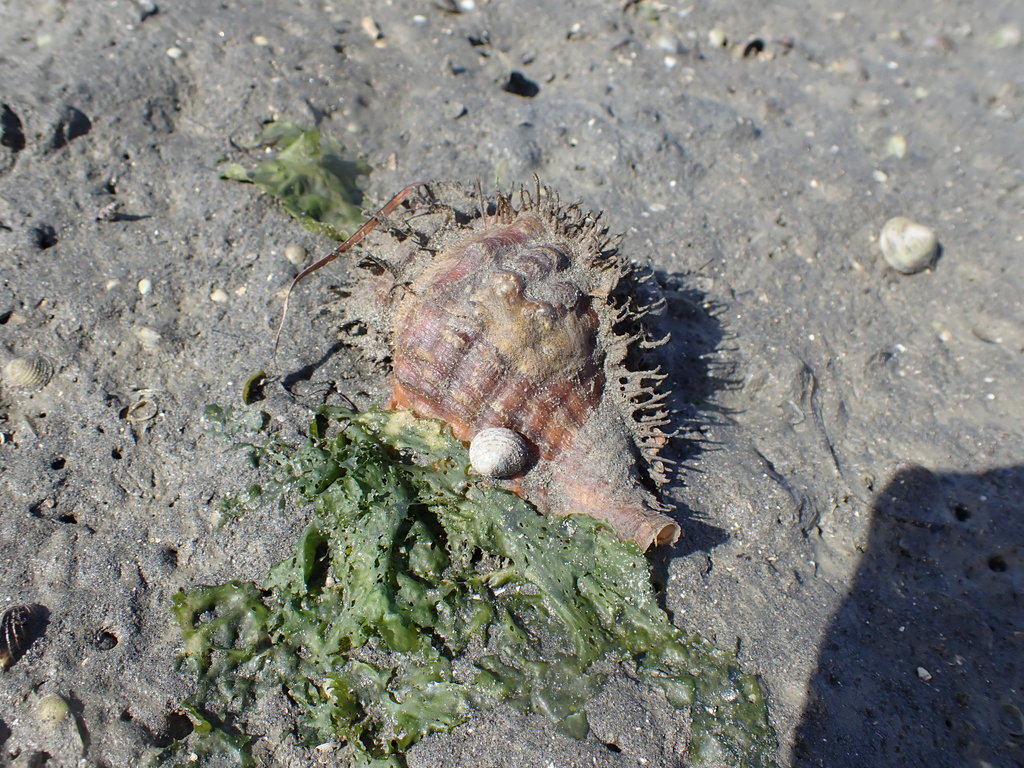
(c) Javier, some rights reserved (CC BY) · CC BY · iNaturalist 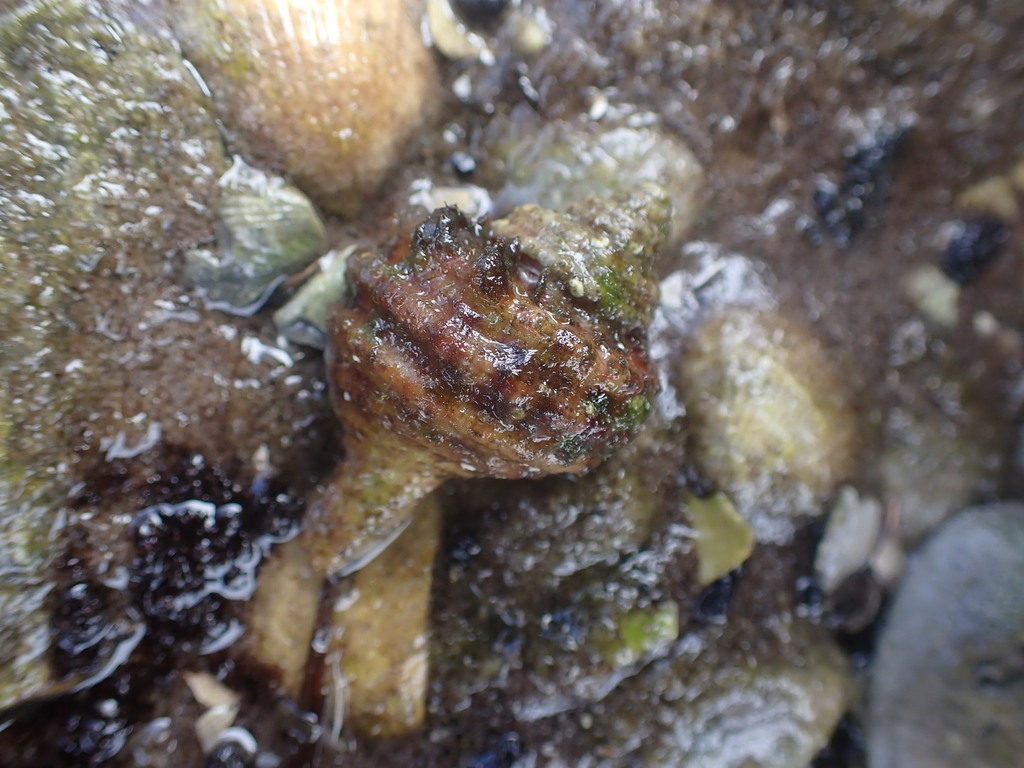
(c) Javier, some rights reserved (CC BY) · CC BY · iNaturalist 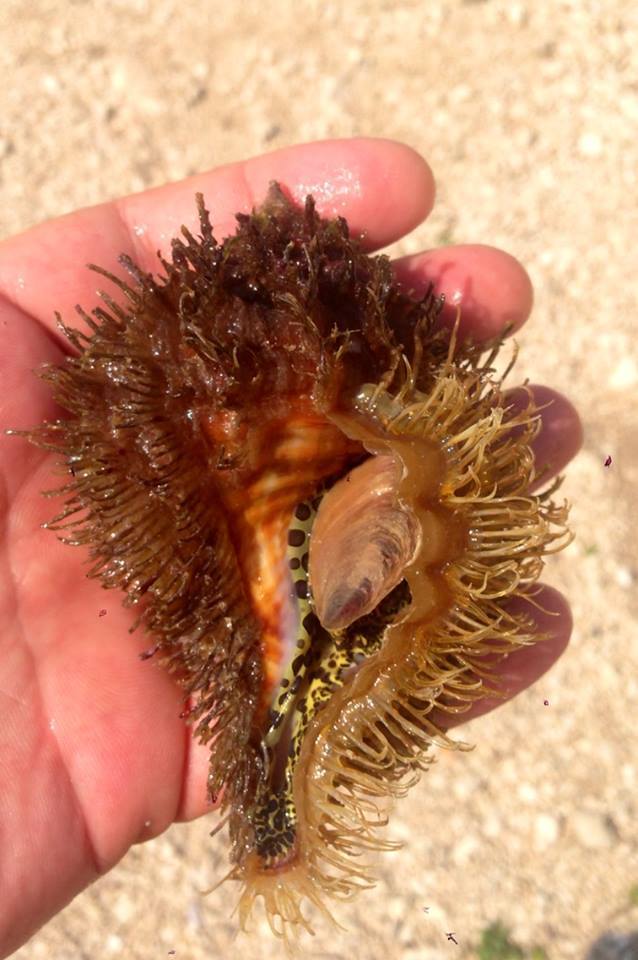
(c) Eridan Xharahi, some rights reserved (CC BY) · CC BY · iNaturalist 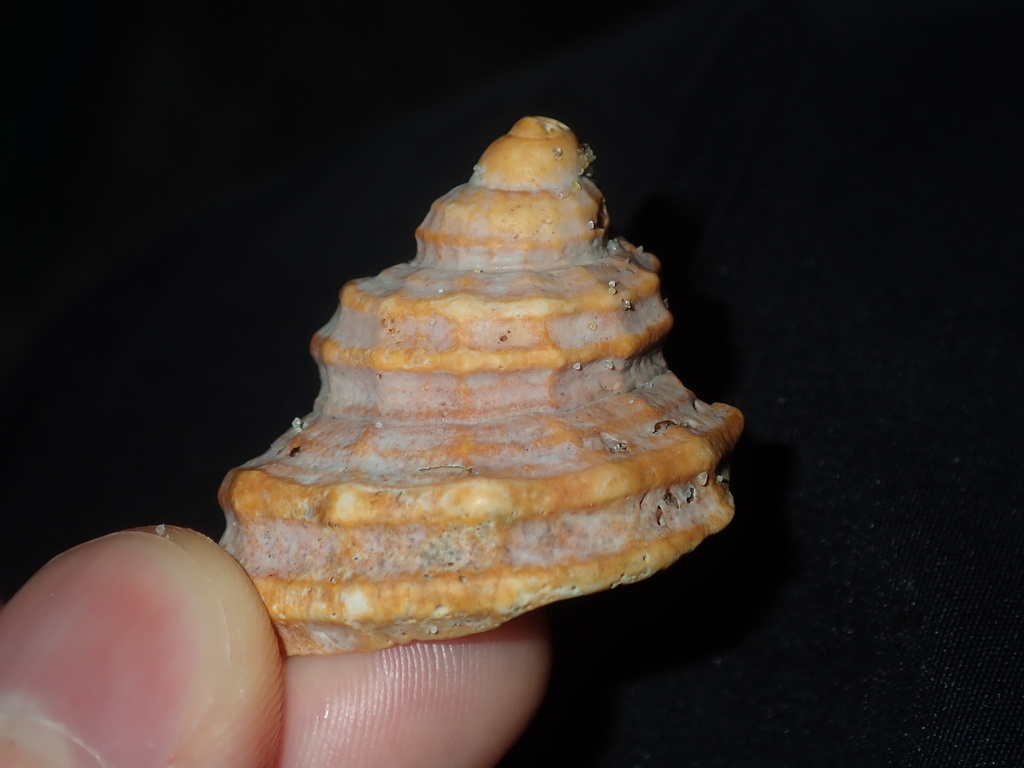
(c) Thomas Mesaglio, some rights reserved (CC BY) · CC BY · iNaturalist
Names and classification
- English
- Giant Hairy Triton Snail, Giant Triton
Names in 4 more languages
- Spanish
- Cimatium
- French
- Triton de Naples
- Japanese
- カコボラ
- Korean
- 각시수염고둥
Other scientific names: Cymatium (Cabestana) parthenopius, Cymatium (Linatella) valentinei, Cymatium (Monoplex) echo, Cymatium (Monoplex) parthenopeum, Cymatium (Septa) parthenopeum, Cymatium costatum, Cymatium echo, Cymatium parthenopeum, Dissentoma prima, Lampusia succincta, Monoplex australasiae, Murex costatus, Murex costulatus, Murex doliare, Murex intermedius, Murex parthenopeus, Ranella parthenopaeum, Ranella pyramidata, Septa (Monoplex) parthenopea, Septa parthenopea, Triton (Monoplex) fossatum, Triton (Simpulum) abbreviatum, Triton (Simpulum) acclivis, Triton acclivis, Triton americanum, Triton brasilianum, Triton fossatum, Triton parthenopaeum, Triton parthenopeus, Triton succinctum
Similar species
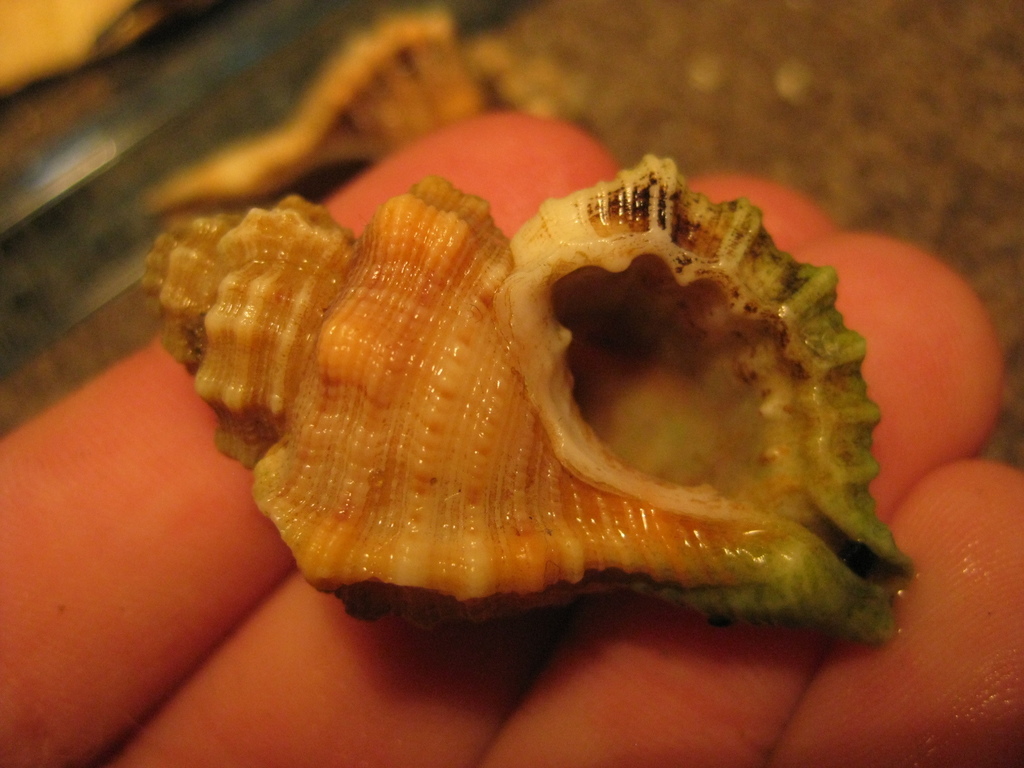
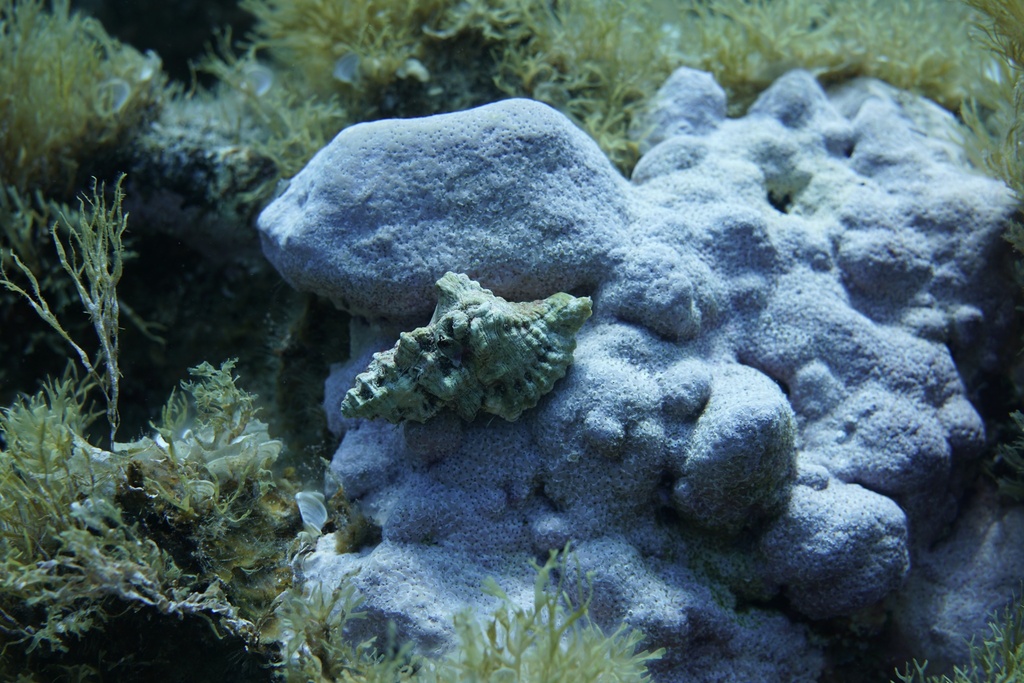 Gold-Mouthed Triton Snail
Monoplex nicobaricus
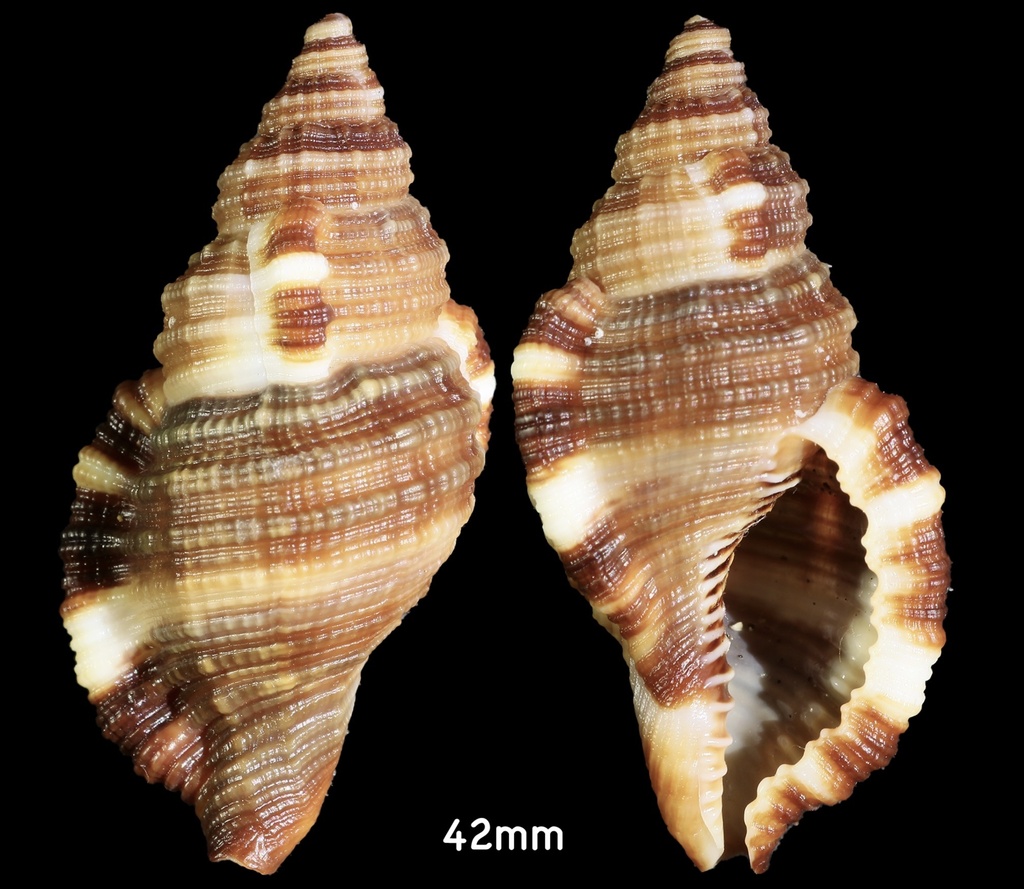 Atlantic Hairy Triton
Monoplex pilearis
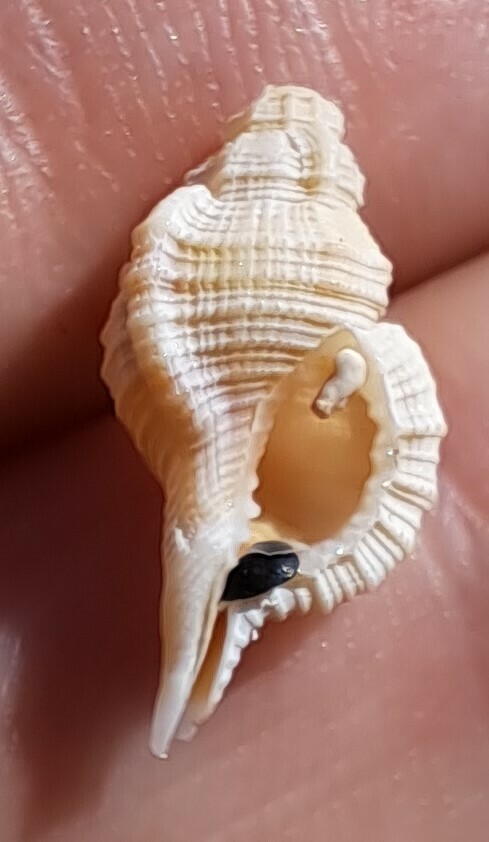 Bristled Triton Snail
Monoplex vespaceus
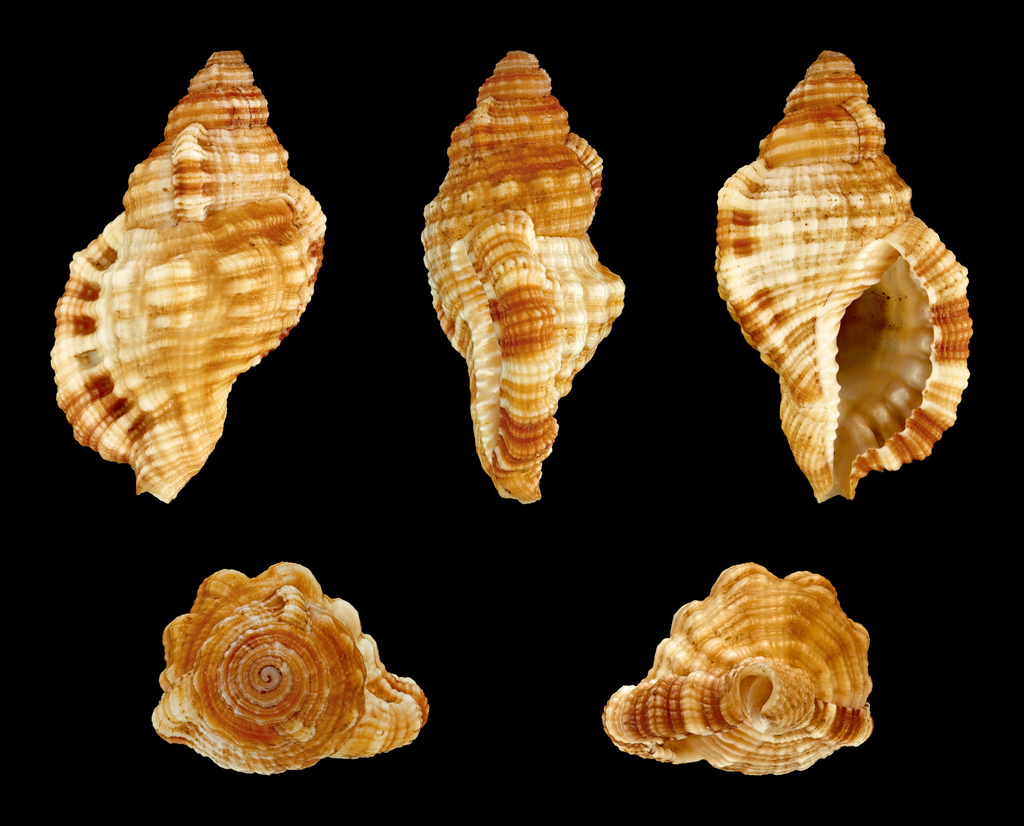 Aquatile hairy triton
Monoplex aquatilis
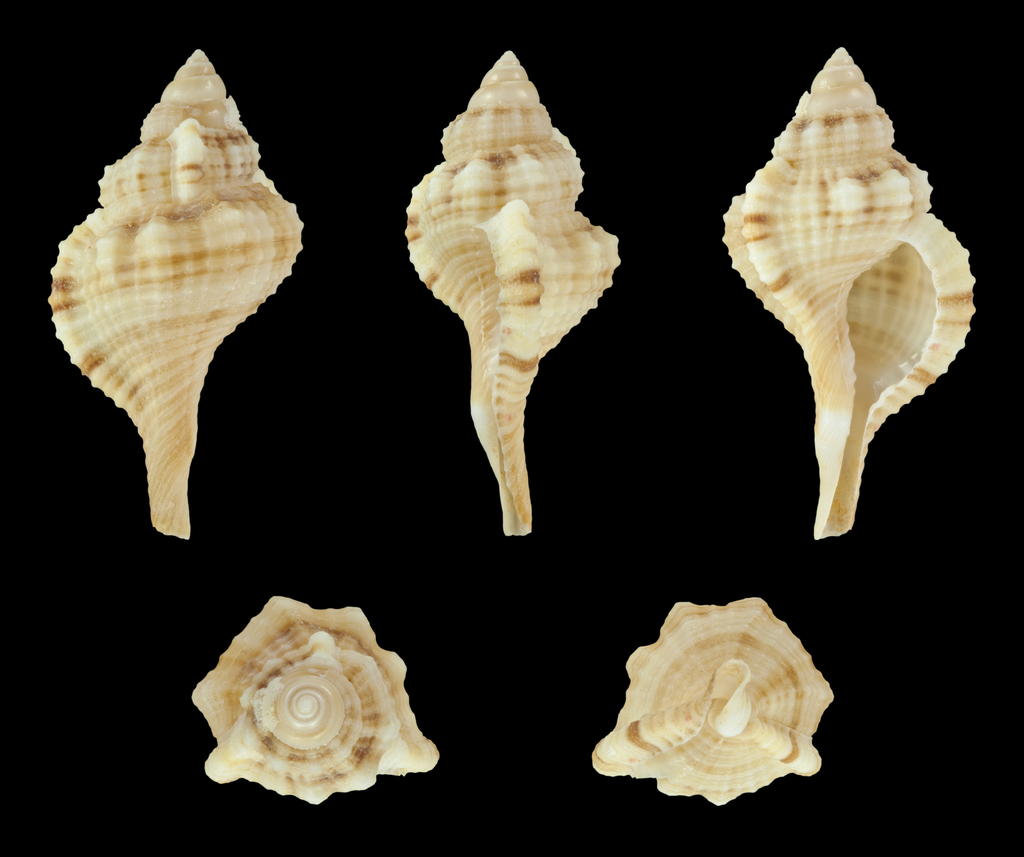
Sources and credits
Names and taxonomy: WoRMS (CC BY 4.0) and the GBIF Backbone (CC BY 4.0). Photos: iNaturalist observers, each under the licence shown (CC0, CC BY or CC BY-SA).
- Depth, temperature, months and maps: records from OBIS and GBIF under CC0 or CC BY.
- Descriptions: Wikipedia, licensed CC BY-SA, each linked to its article.
- Conservation status as published by GBIF (IUCN Red List).
- 1,097 open-data records from 1793 to 2023.
- Species data updated November 4, 2026.
Log what you see on your next dive
The free DiveHive diver app keeps your logbook with every sighting and shows what lives at the site you dive next.