
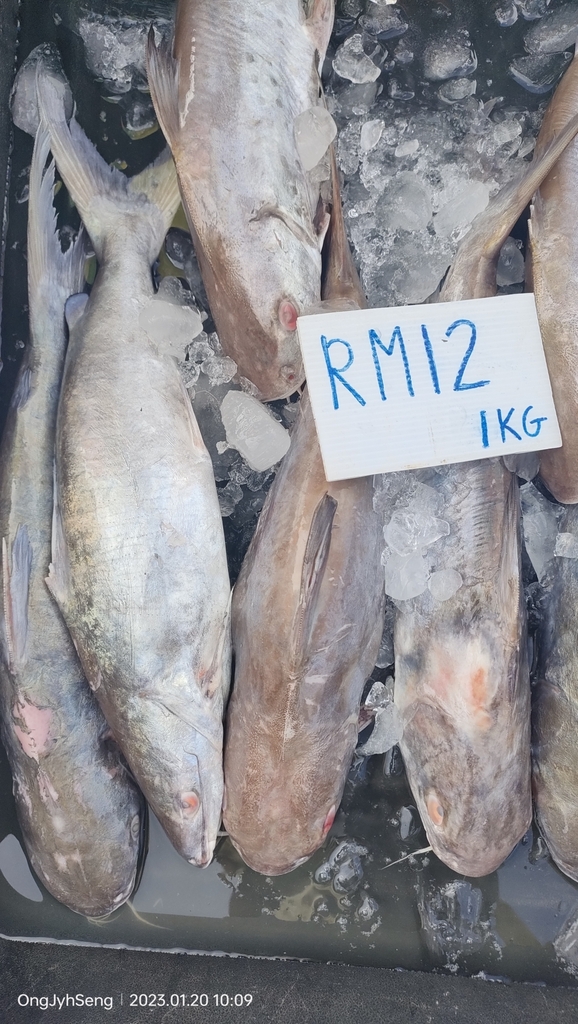
roundsnout sea catfish
Netuma bilineata
- Usual depth1–56 m
- Water temperature23–30 °C
- Best monthsOctober
- How commonRare
Photo credit: (c) Ong Jyh Seng, some rights reserved (CC BY-SA) · CC BY-SA · iNaturalist
About this species
The bronze catfish, also known as the giant catfish, the roundsnout sea catfish, or the two-line sea catfish, is a species of catfish in the family Ariidae. It was described by Achille Valenciennes in 1840, originally under the genus Bagrus. It inhabits marine, brackish and freshwaters throughout the Indo-western Pacific. It reaches a maximum standard length of 62 cm (24 in).
Text from the Wikipedia article “Bronze catfish”, licensed CC BY-SA 4.0. Read the article
Where and when
Where it has been recorded
Worldwide
Loading the map
Best months
Worldwide (open data)
- January: 7 records
- February: 5 records
- March: 9 records
- April: 8 records
- May: 3 records
- June: 8 records
- July: 12 records
- August: 10 records
- September: 8 records
- October: 28 records
- November: 14 records
- December: 9 records
Depth and water temperature
Depth
Mostly recorded at 1–56 m · Deepest record: 88.5 m
Water temperature
Recorded in surface water of 23–30 °C
Photos
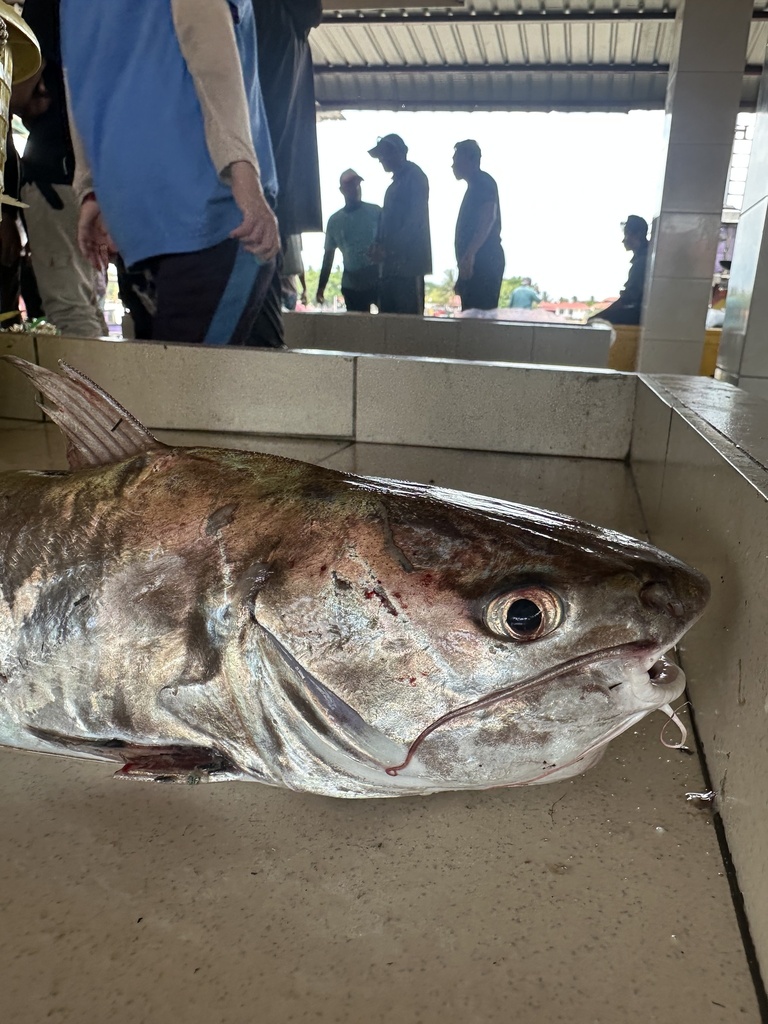
no rights reserved · CC0 1.0 · iNaturalist 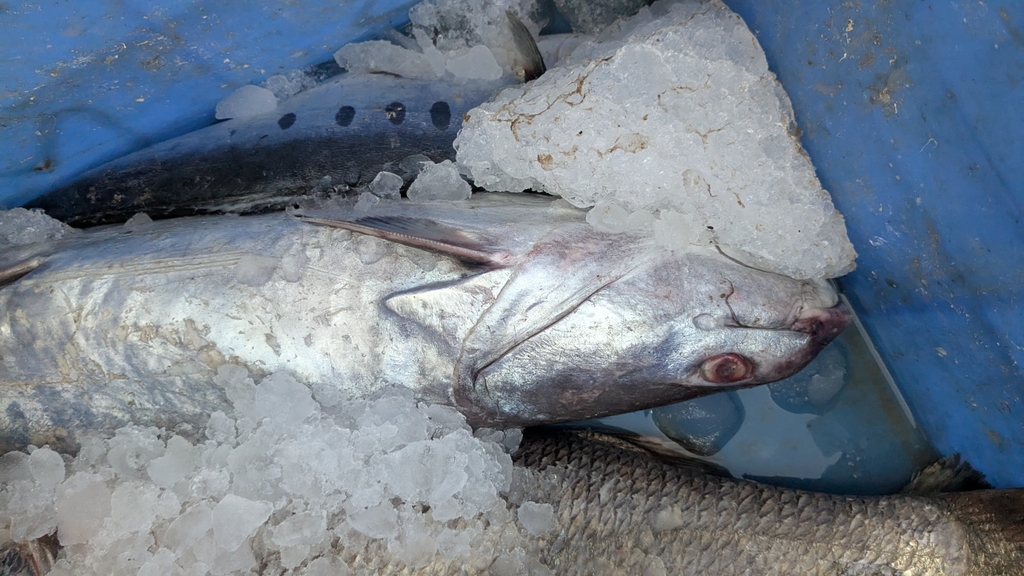
(c) Ashwit Shetty, some rights reserved (CC BY) · CC BY · iNaturalist
Names and classification
- English
- roundsnout sea catfish
Names in 1 more languages
- Japanese
- Osakahamagigi, オオサカハマギギ
Other scientific names: Arius andamanensis, Arius bilineatus, Arius dayi, Bagrus bilineatus, Bagrus rhodonotus, Netuma bilineatus, Netuma osakae, Netuna bilineata
Similar species
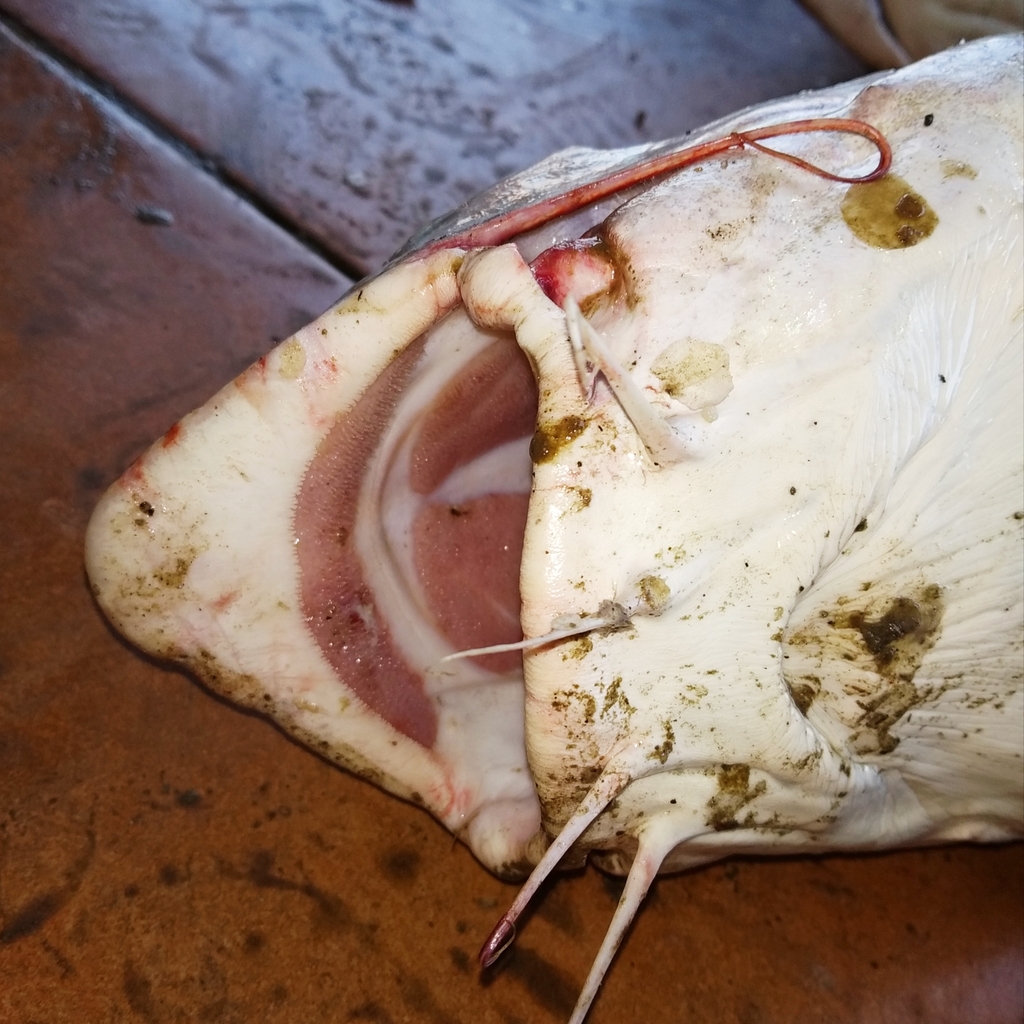 Giant Sea Catfish
Netuma thalassina
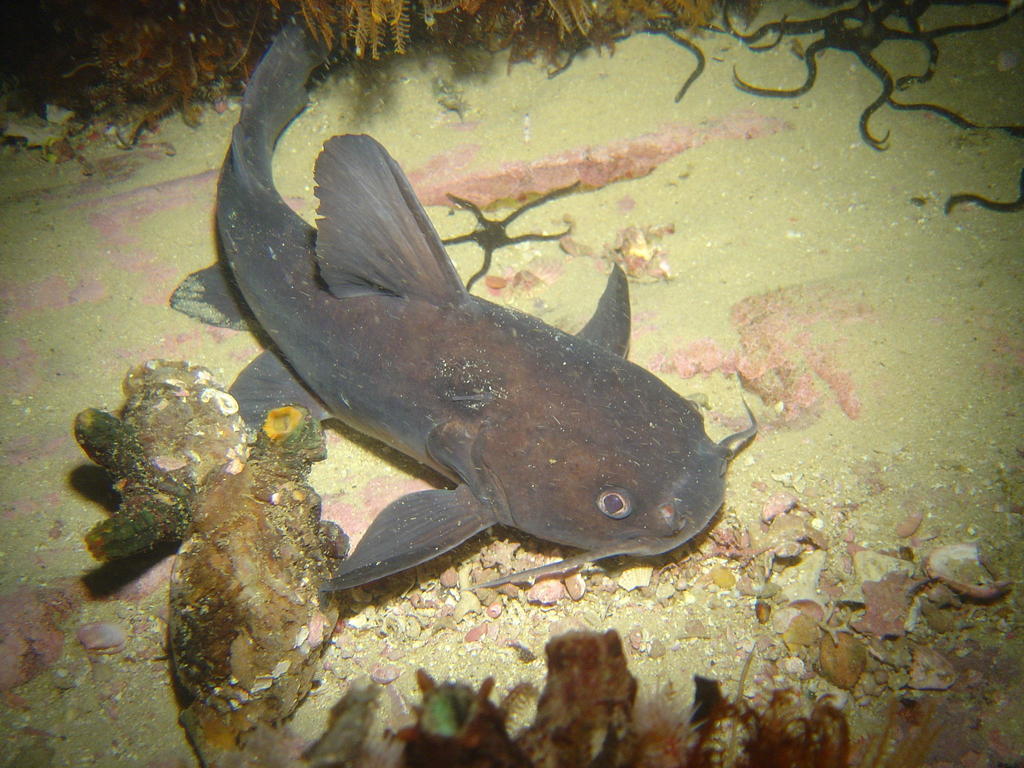 Sea Barbel
Galeichthys feliceps
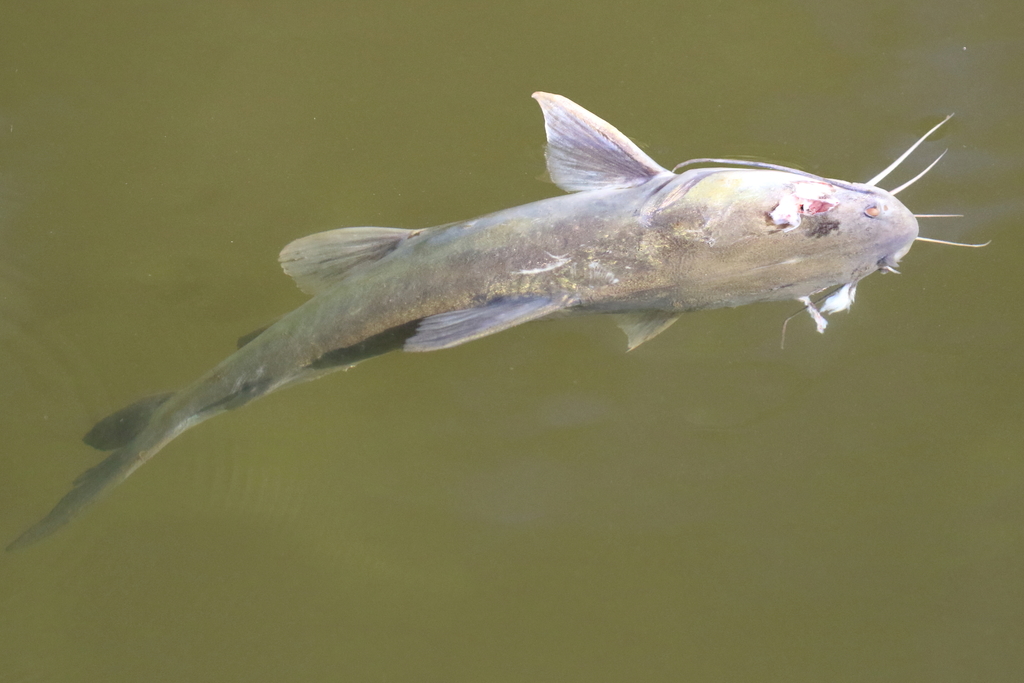 Blue Catfish
Neoarius graeffei
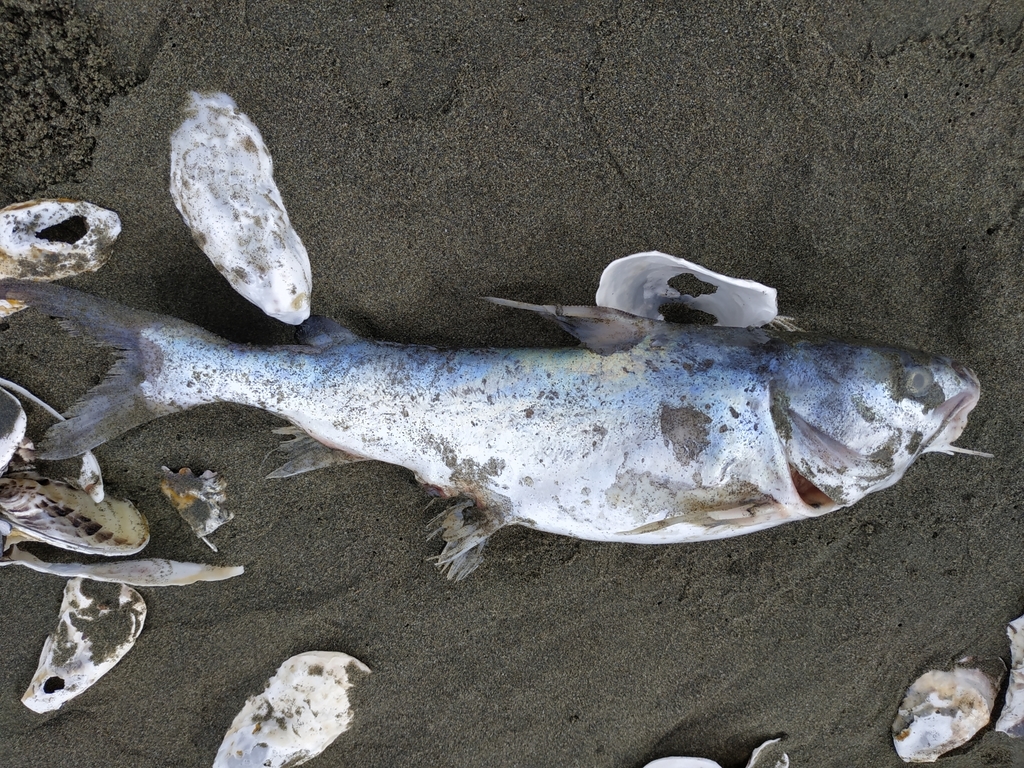 Black-spotted Seacatfish
Arius maculatus
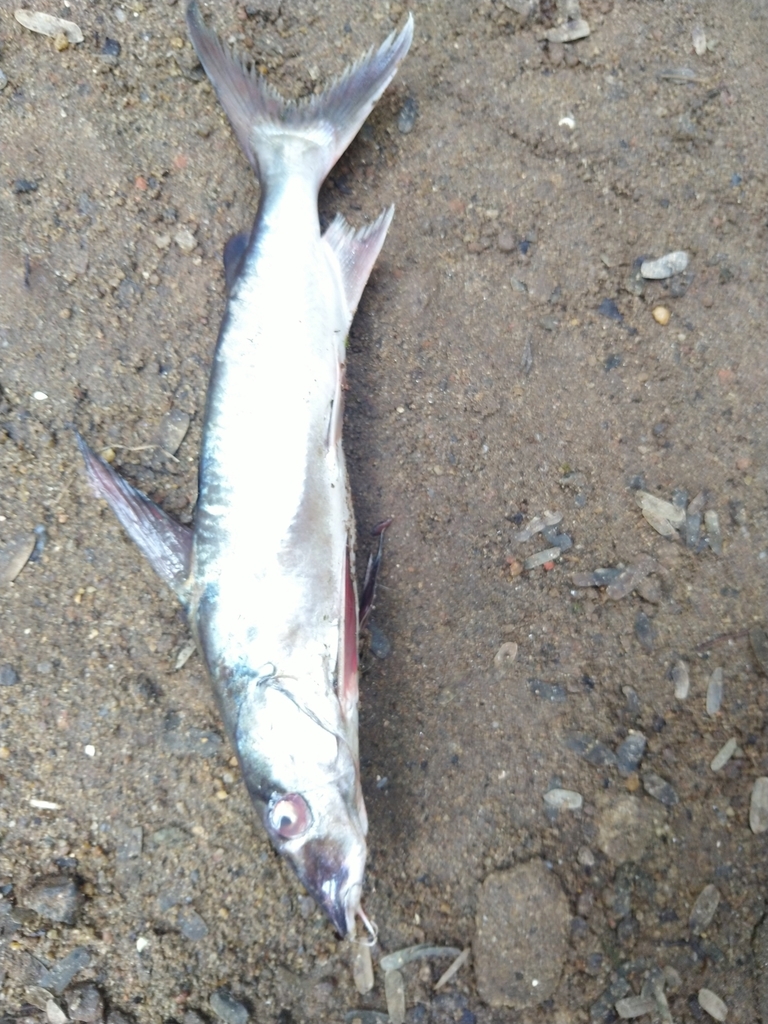 Shovelnose sea catfish
Arius subrostratus
Sources and credits
Names and taxonomy: WoRMS (CC BY 4.0) and the GBIF Backbone (CC BY 4.0). Photos: iNaturalist observers, each under the licence shown (CC0, CC BY or CC BY-SA).
- Depth, temperature, months and maps: records from OBIS and GBIF under CC0 or CC BY.
- Descriptions: Wikipedia, licensed CC BY-SA, each linked to its article.
- Conservation status as published by GBIF (IUCN Red List).
- 149 open-data records from 1840 to 2021.
- Species data updated November 5, 2026.
Log what you see on your next dive
The free DiveHive diver app keeps your logbook with every sighting and shows what lives at the site you dive next.