
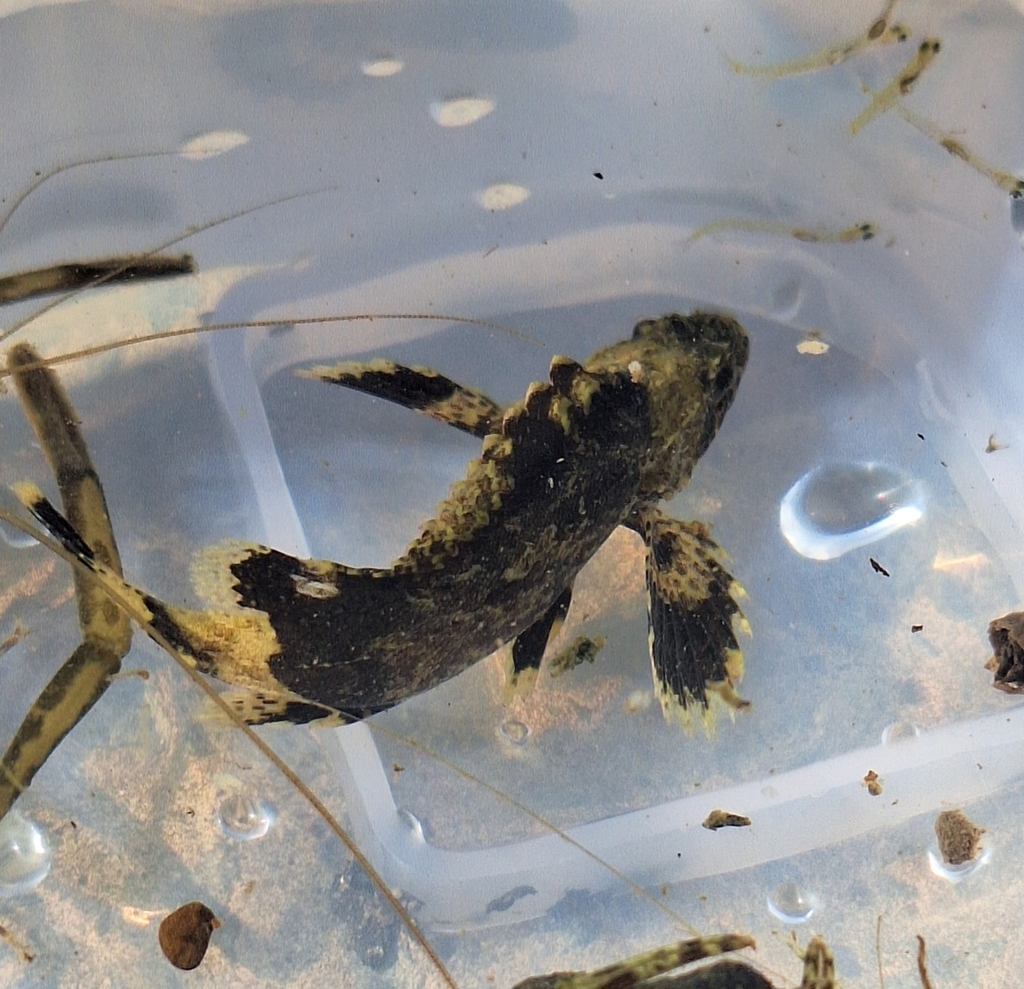
bullrout
Notesthes robusta
- Usual depth15–29 m
- Water temperature18–26 °C
- Best monthsMarch, April, and May
- How commonOccasional
Photo credit: (c) Greg Tasney, some rights reserved (CC BY-SA) · CC BY-SA · iNaturalist
About this species
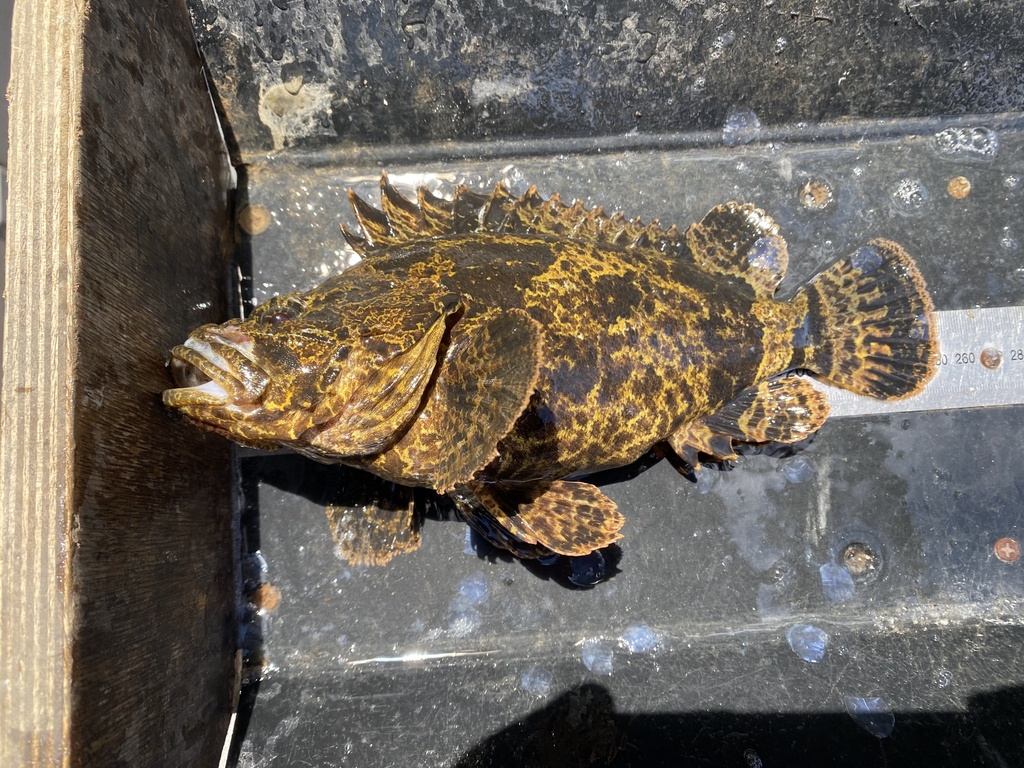
The bullrout, also commonly called freshwater stonefish or kroki, is a pale yellowish to dark-brown coloured fish that lives in tidal estuaries and slow-flowing streams in eastern Australia, from southern New South Wales to northern Queensland. It has on a very infrequent occurrence been caught at sea. Its spines are venomous. It is the only member of the genus Notesthes. It is often confused with the true stonefish.
Text from the Wikipedia article “Bullrout”, licensed CC BY-SA 4.0. Read the article
Where and when
Where it has been recorded
Worldwide
Loading the map
Best months
Worldwide (open data)
- January: 9 records
- February: 15 records
- March: 66 records
- April: 82 records
- May: 81 records
- June: 43 records
- July: 11 records
- August: 16 records
- September: 17 records
- October: 11 records
- November: 12 records
- December: 11 records
Depth and water temperature
Depth
Mostly recorded at 15–29 m · Deepest record: 50 m
Water temperature
Recorded in surface water of 18–26 °C
Photos
(c) Bryce Watts-Parker, some rights reserved (CC BY) · CC BY · iNaturalist 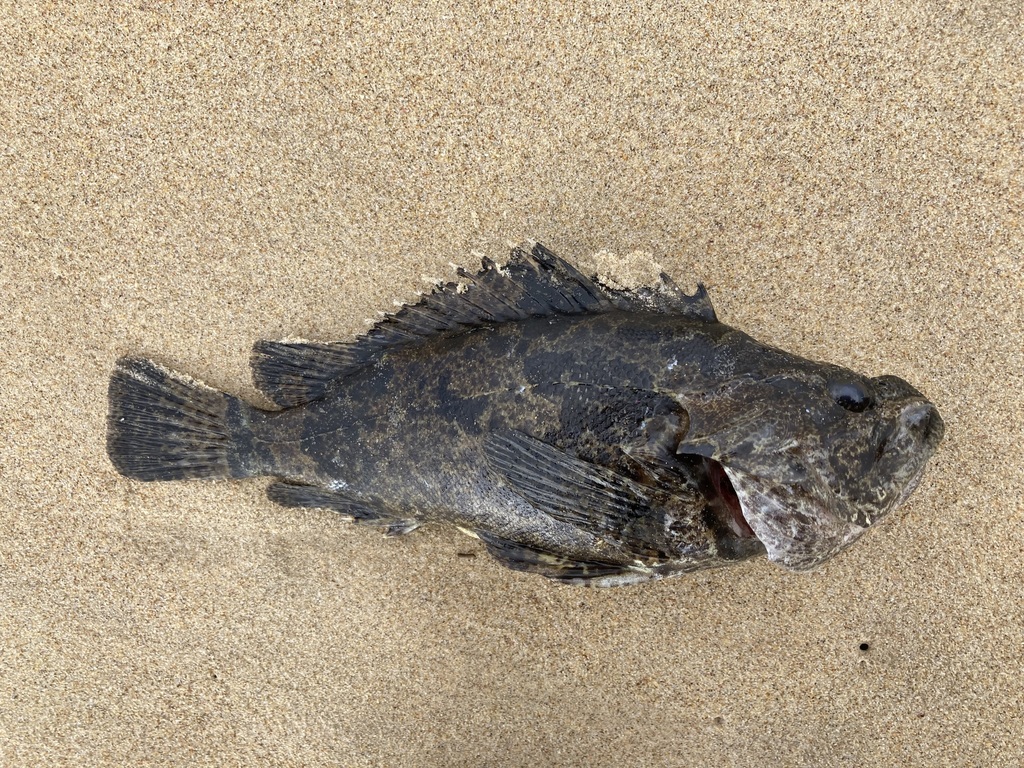
(c) Thomas Mesaglio, some rights reserved (CC BY) · CC BY · iNaturalist 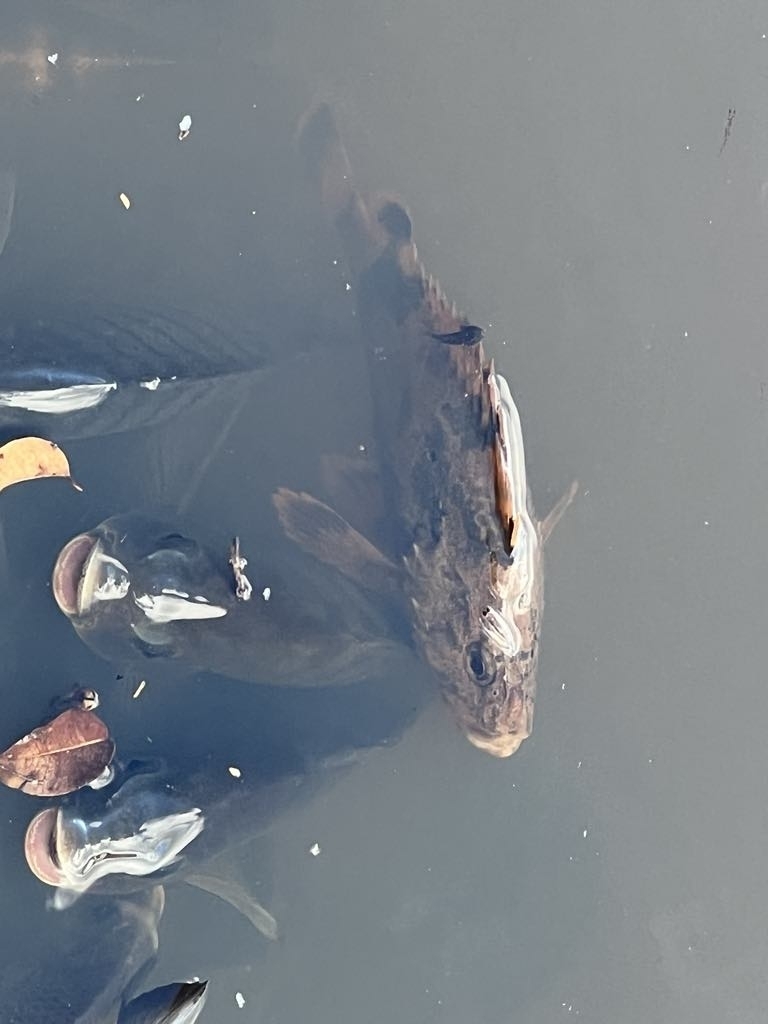
(c) Nathan Ruser, some rights reserved (CC BY) · CC BY · iNaturalist 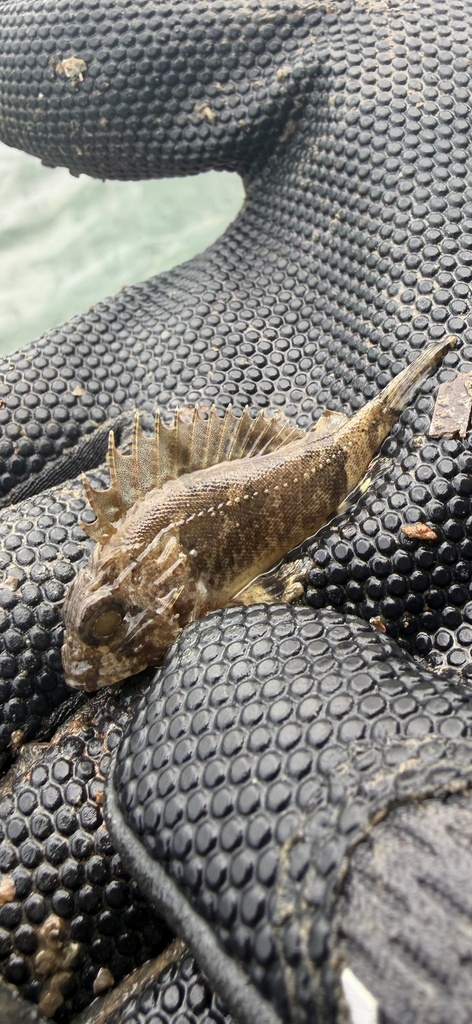
(c) James H, some rights reserved (CC BY) · CC BY · iNaturalist
Names and classification
- English
- bullrout, Freshwater Bullrout, Freshwater Stonefish, Kroki
Names in 1 more languages
- French
- Poisson-pierre d'eau douce
Other scientific names: Centropogon robustus
Similar species
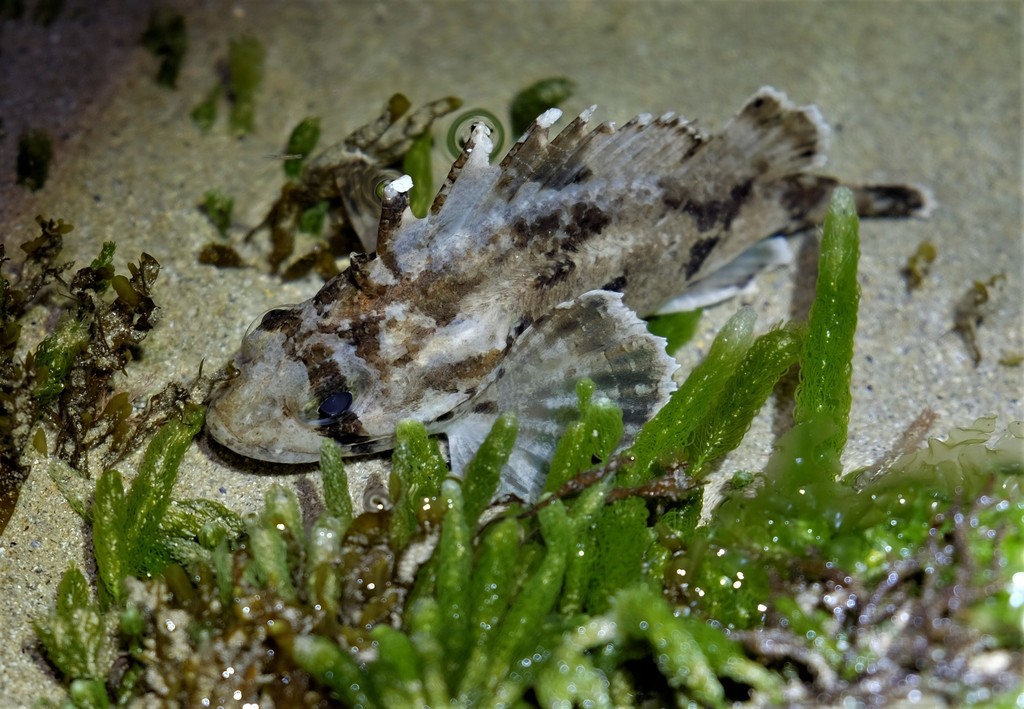 Cobbler
Gymnapistes marmoratus
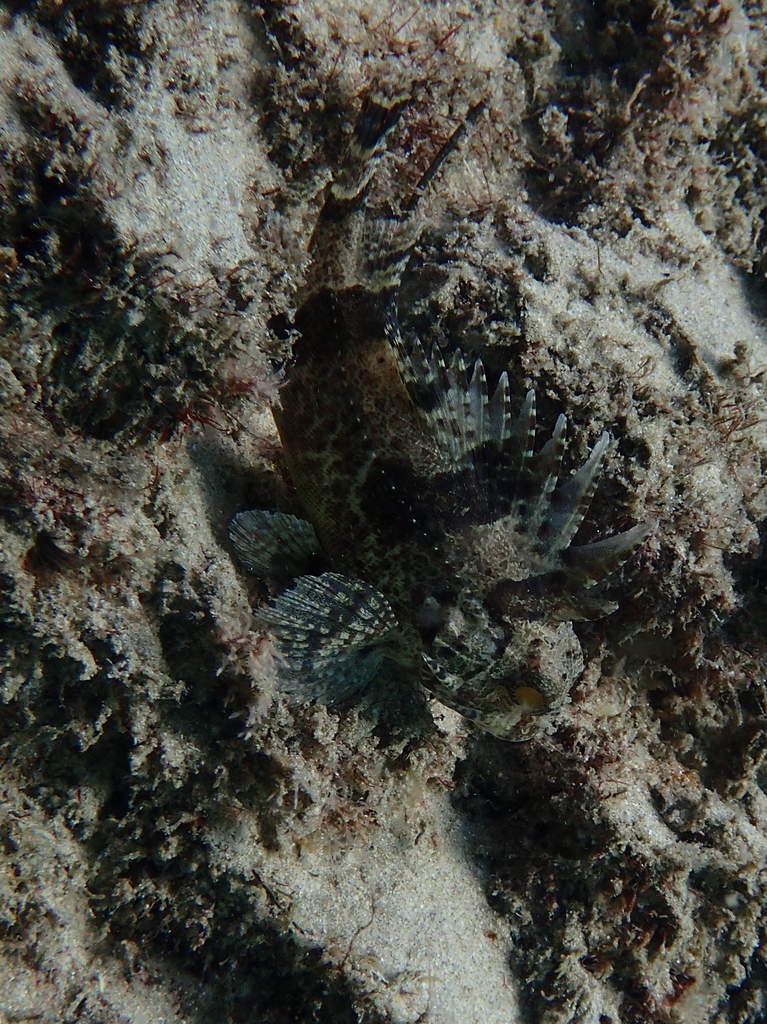 Eastern Fortescue
Centropogon australis
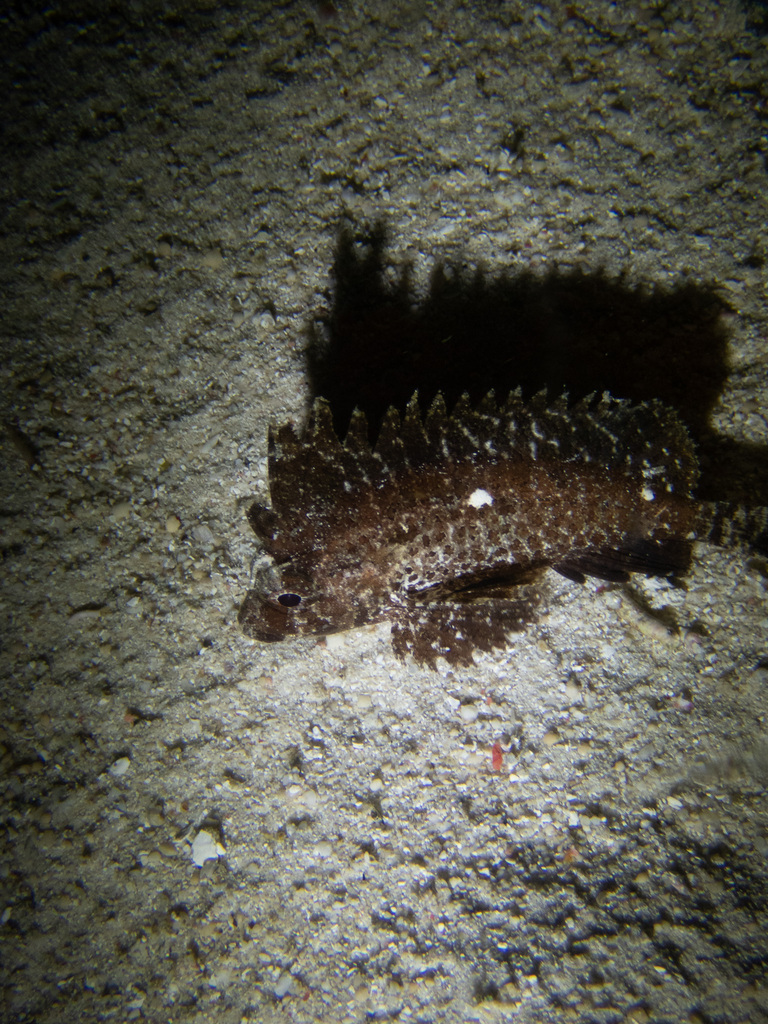 waspfish
Paracentropogon longispinis
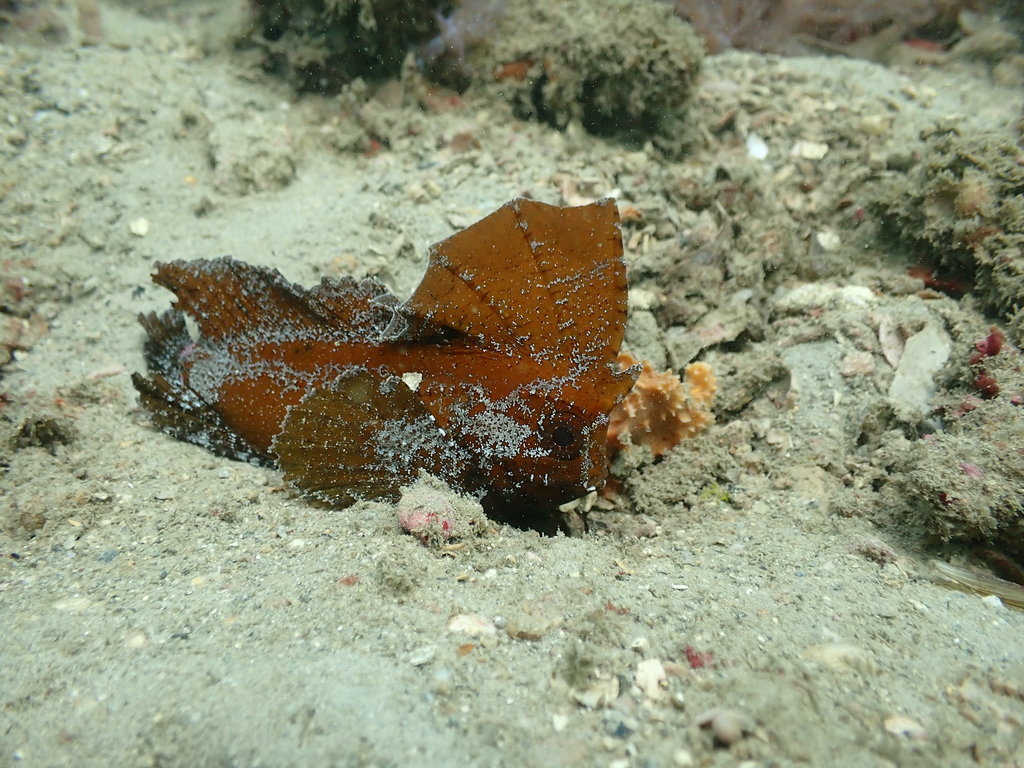 Redskinfish
Ablabys binotatus
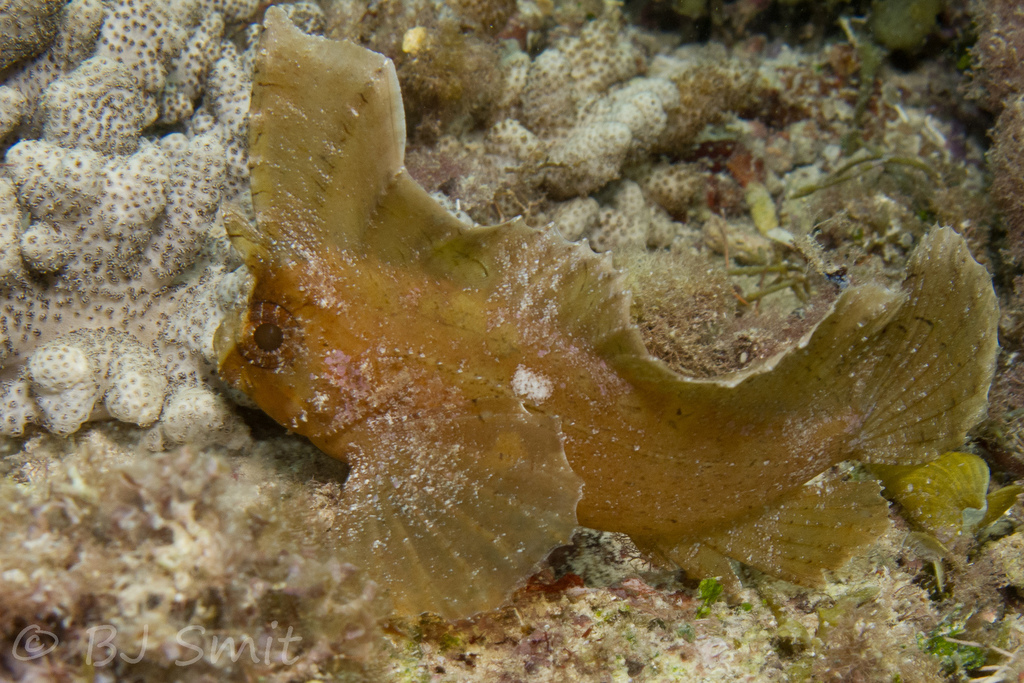 Spiny Leaf-fish
Ablabys macracanthus
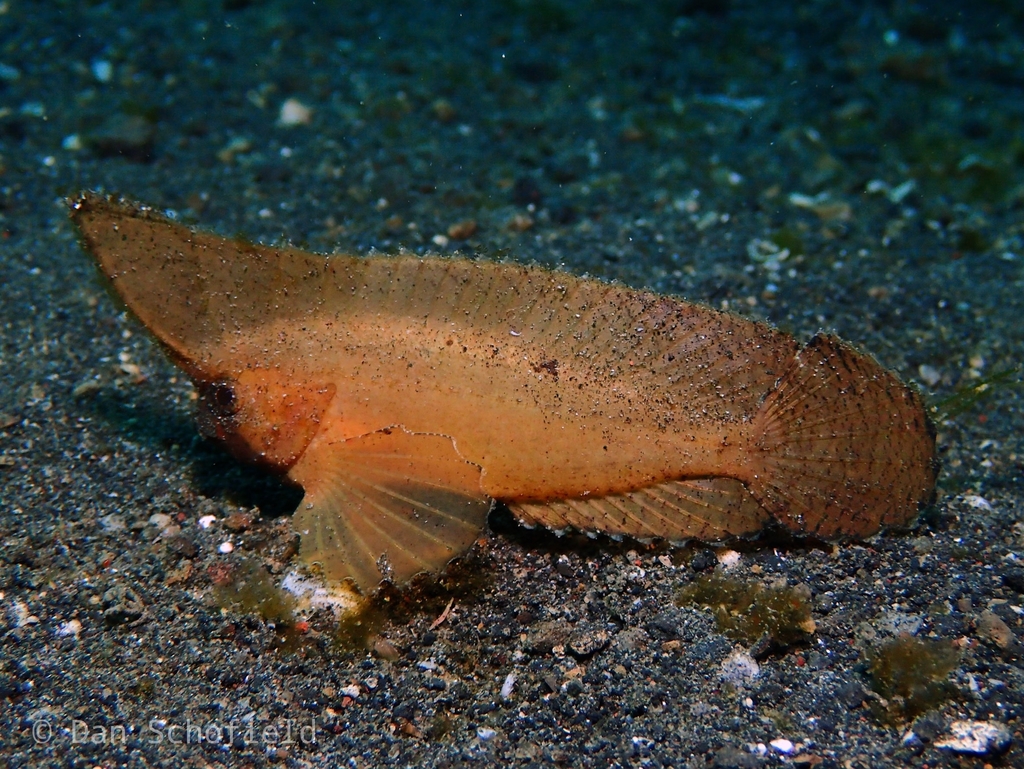 Cockatoo Fish
Ablabys taenianotus
Sources and credits
Names and taxonomy: WoRMS (CC BY 4.0) and the GBIF Backbone (CC BY 4.0). Photos: iNaturalist observers, each under the licence shown (CC0, CC BY or CC BY-SA).
- Depth, temperature, months and maps: records from OBIS and GBIF under CC0 or CC BY.
- Descriptions: Wikipedia, licensed CC BY-SA, each linked to its article.
- Conservation status as published by GBIF (IUCN Red List).
- 795 open-data records from 1898 to 2010.
- Species data updated November 5, 2026.
Log what you see on your next dive
The free DiveHive diver app keeps your logbook with every sighting and shows what lives at the site you dive next.