
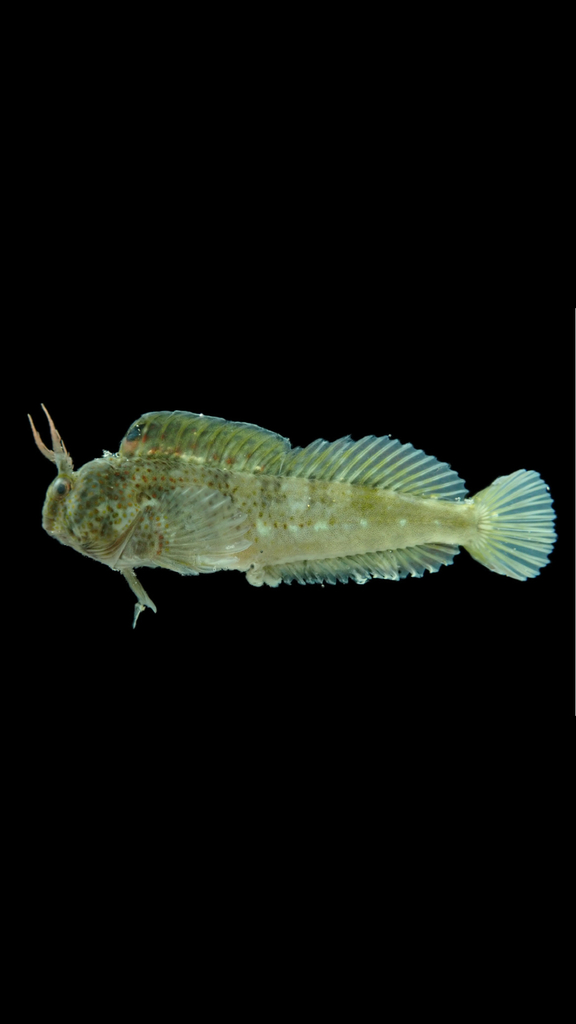
Yatabe Blenny
Parablennius yatabei
- Usual depth1–3 m
- Water temperature18–25 °C
- Best monthsApril, May, and June
- How commonRare
Photo credit: (c) 大澤風季 ohsawa_Fuki, some rights reserved (CC BY) · CC BY · iNaturalist
About this species
The Yatabe blenny is a species of combtooth blenny found in the northwest Pacific Ocean along the coasts of southern Japan and Korea. This species reaches a length of 9 centimetres (3.5 in) TL. The specific name was coined in memory of Jordan and Snyder's friend and fellow alumnus at Cornell University the botanist Riokichi Yatabe [1851-1899] who drowned in an accident while on holiday in Japan.
Text from the Wikipedia article “Yatabe blenny”, licensed CC BY-SA 4.0. Read the article
Where and when
Where it has been recorded
Worldwide
Loading the map
Best months
Worldwide (open data)
- January: 3 records
- February: 1 records
- March: 11 records
- April: 32 records
- May: 34 records
- June: 30 records
- July: 10 records
- August: 8 records
- September: 7 records
- October: 14 records
- November: 4 records
- December: 5 records
Depth and water temperature
Depth
Mostly recorded at 1–3 m · Deepest record: 4.1 m
Water temperature
Recorded in surface water of 18–25 °C
Photos
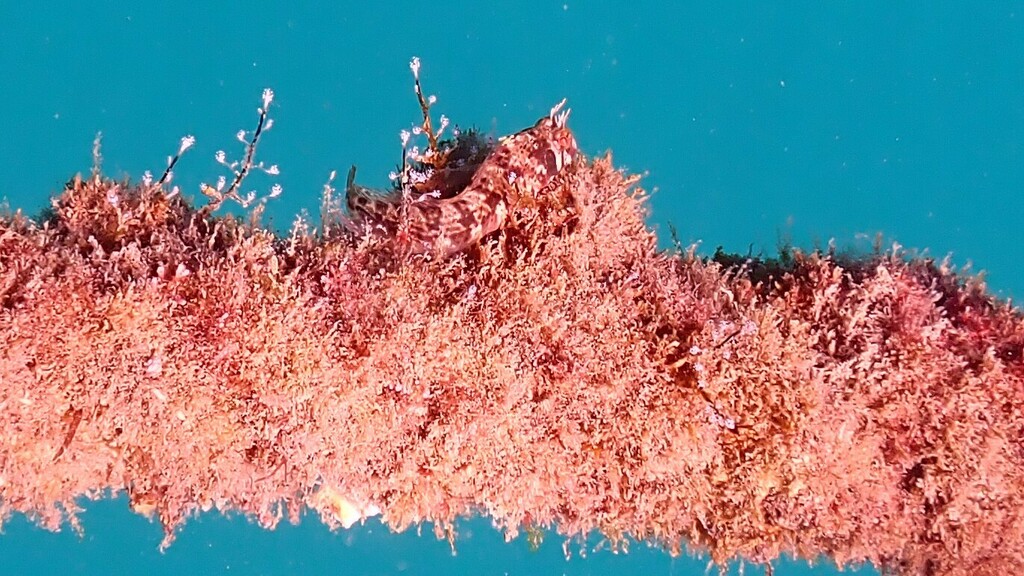
(c) Nicola Crockford, some rights reserved (CC BY) · CC BY · iNaturalist
Names and classification
- English
- Yatabe Blenny
Names in 3 more languages
- Japanese
- Isogimpo, Isoginpo, イソギンポ
- Korean
- 청베도라치
- Simplified Chinese
- 八部副䲁
Other scientific names: Blennius yatabei, Pictiblennius yatabei
Similar species
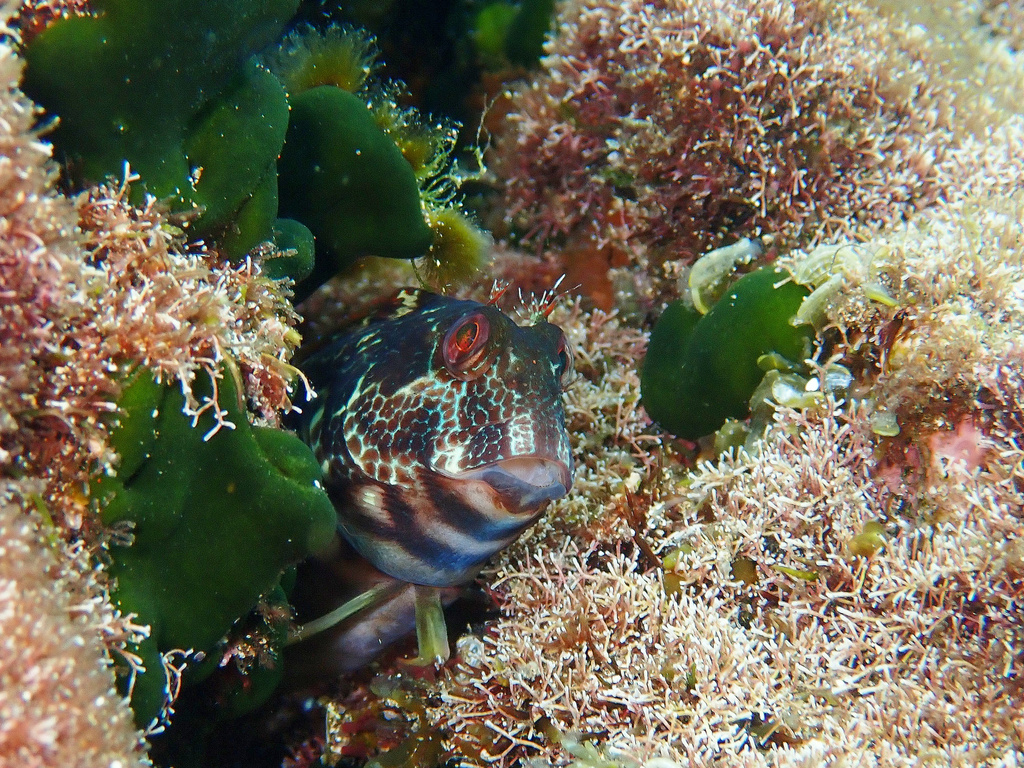 fringe blenny
Parablennius pilicornis
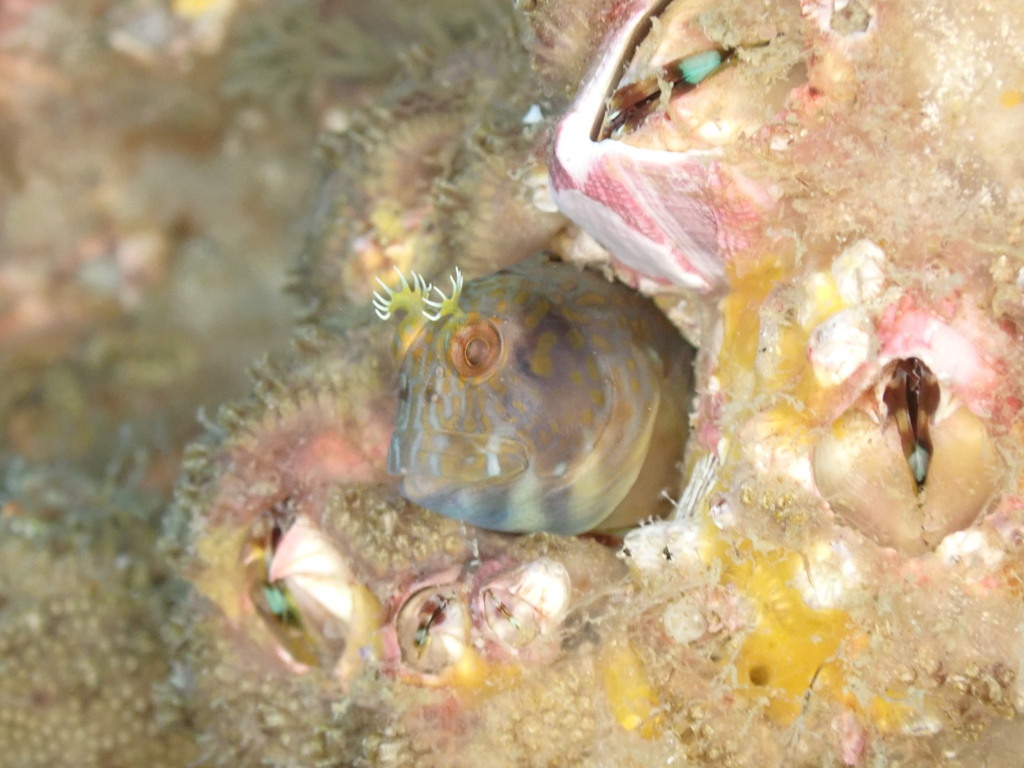 False Tasmanian Blenny
Parablennius intermedius
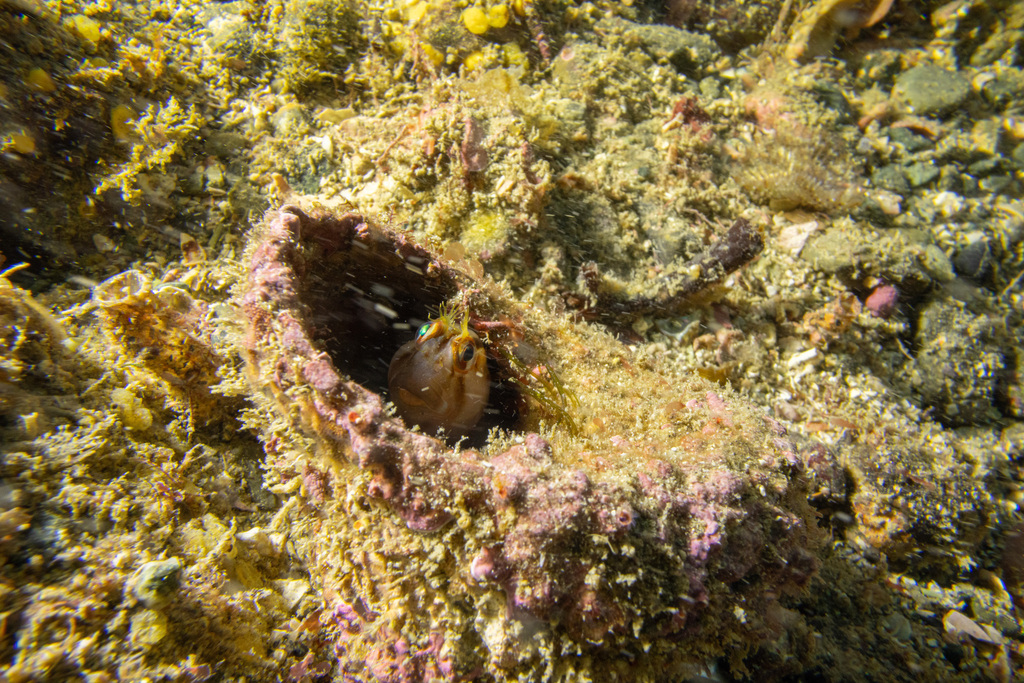 crested blenny
Parablennius laticlavius
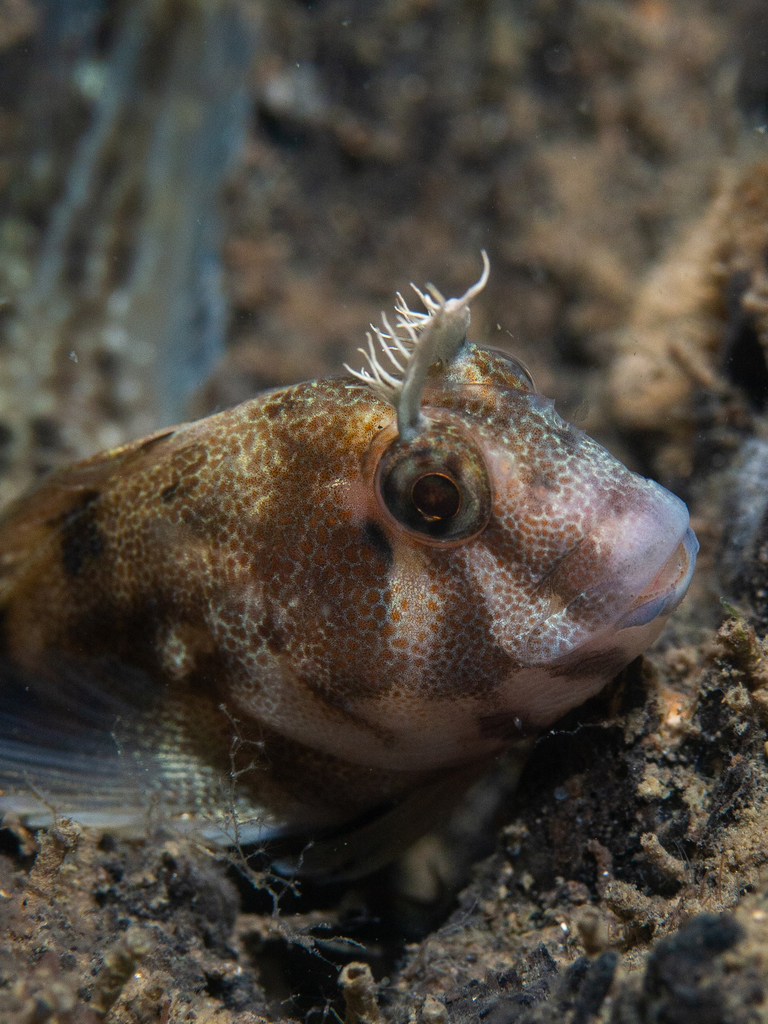 Blenny
Parablennius tasmanianus
 horned blenny
Parablennius cornutus
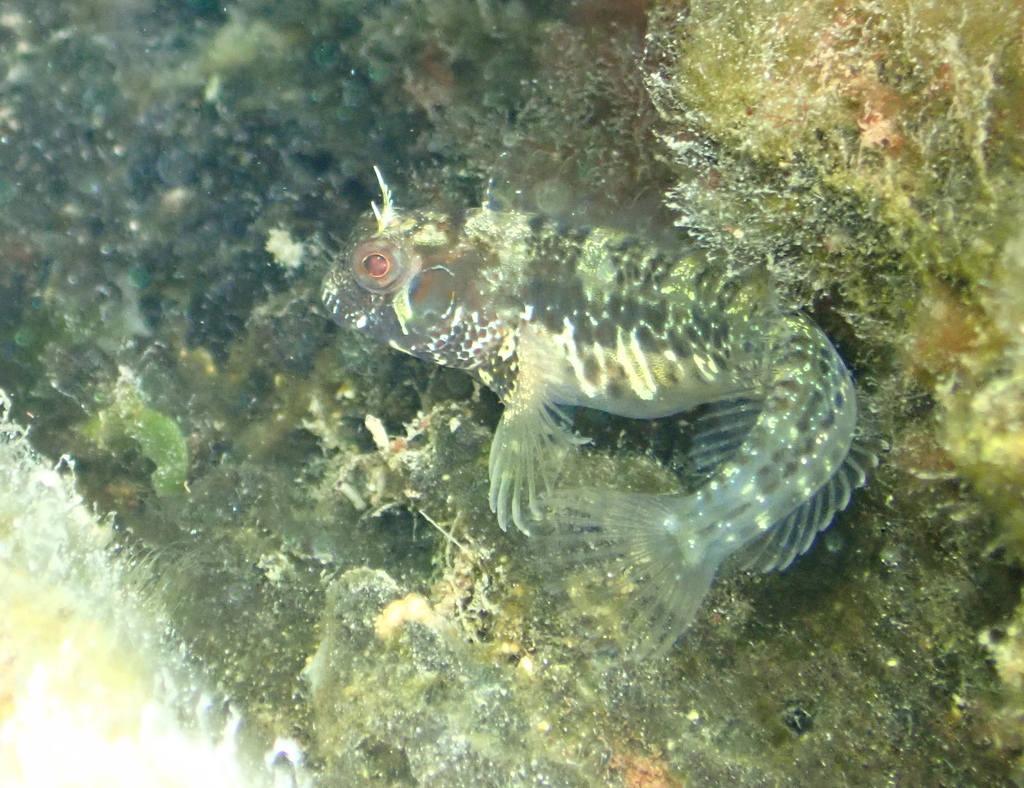 False Tasmanian Blenny
Parablennius postoculomaculatus
Sources and credits
Names and taxonomy: WoRMS (CC BY 4.0) and the GBIF Backbone (CC BY 4.0). Photos: iNaturalist observers, each under the licence shown (CC0, CC BY or CC BY-SA).
- Depth, temperature, months and maps: records from OBIS and GBIF under CC0 or CC BY.
- Descriptions: Wikipedia, licensed CC BY-SA, each linked to its article.
- Conservation status as published by GBIF (IUCN Red List).
- 282 open-data records from 1936 to 2021.
- Species data updated November 5, 2026.
Log what you see on your next dive
The free DiveHive diver app keeps your logbook with every sighting and shows what lives at the site you dive next.